The best gravel rides around Großrederchingen
4.6
(7)
107
riders
18
rides
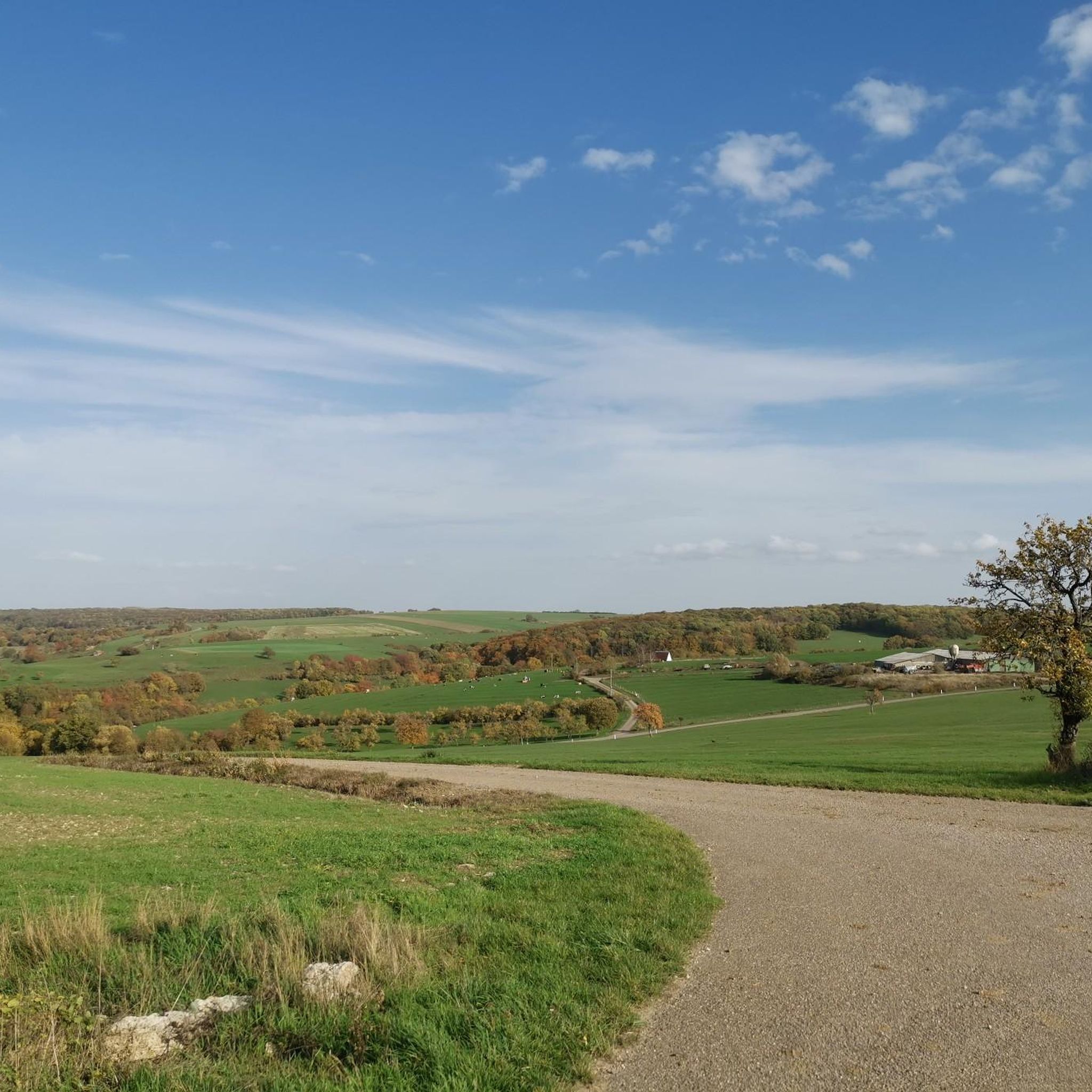
Gravel biking around Großrederchingen (Gros-Réderching) is situated in the Moselle department of the Grand Est region in north-eastern France. The area is characterized by its rural setting, with routes often traversing agricultural lands and local roads. While specific prominent natural features for gravel biking are not widely documented, the terrain generally includes rolling hills and forested sections typical of the region.
Best gravel bike trails around Großrederchingen
- The most popular gravel bike trail is Choir Rocks – Ondines Waterfall loop…
Last updated: July 3, 2026
10
riders
43.1km
03:27
750m
750m
Hard gravel ride. Very good fitness required. You may need to push your bike for some segments of this route.
4.0
(1)
20
riders
40.5km
02:23
480m
480m
Hard gravel ride. Very good fitness required. Mostly paved surfaces. Suitable for all skill levels.

Sign up for free
5.0
(3)
22
riders
42.3km
02:29
460m
460m
Hard gravel ride. Very good fitness required. Mostly paved surfaces. Suitable for all skill levels.
5
riders
39.5km
02:39
710m
710m
Hard gravel ride. Very good fitness required. Mostly paved surfaces. Suitable for all skill levels.
5
riders
57.0km
04:15
930m
930m
Hard gravel ride. Very good fitness required. Mostly paved surfaces. Suitable for all skill levels.
Get access to more routes and recommendations from other explorers.
Sign up for free
Already have an account?
Our route recommendations are based on thousands of hikes, rides, and runs completed by other people on komoot.
Start today with a free account
Your next adventure awaits.
Login or Signup
Tips from the Community

The sign reads - Part 3: An old wayside cross still commemorates the wondrous story on Brudermannsfeld. The culturally and historically significant cross was donated in 1695 by the then prior of the Gräfinthal monastery, Wilhelm Klocker. The "Madonna with the Arrows", which was venerated in Gräfinthal until the dissolution of the Wilhelmiten monastery in 1785, is now located in the Kreuzkapelle in Blieskastel.
0
0
On the sign it reads - Part 3: Like many others, Countess Elisabeth von Blieskastel also visited the hermit to see the miracle. As she suffered from a painful eye disease, she smeared her eyes with the blood of the Madonna. The Countess was cured on the spot. Out of gratitude, she decided to build a worthy chapel for the Madonna. She had wood and lime bricks brought to the site. But when the builders wanted to start their work, the building material was suddenly gone. They found it in the nearby valley of the Letschen stream. Thinking it was a prank, they brought the wood and stones back to Brudermannsfeld. But the next morning, the building material was again in the valley. Countess Elisabeth saw this as a sign from God and had a chapel and a monastery built on the Letschen stream. Since then, this spot has been called Gräfinthal.
0
0
On the sign it reads - Part 2: Like many others, Countess Elisabeth von Blieskastel also visited the hermit to see the miracle. As she suffered from a painful eye disease, she smeared her eyes with the blood of the Madonna. The Countess was instantly healed. Out of gratitude, she decided to build a worthy chapel for the Madonna. She had wood and limestone brought to the site. But when the builders wanted to start their work, the building material was suddenly gone. They found it in the nearby valley of the Letschen stream. Thinking of a prank, they brought the wood and stones back to Brudermannsfeld. But the next morning, the building material was again in the valley. Countess Elisabeth saw in this a sign from God and had the chapel and a monastery built on the Letschenbach. Since then, this spot has been called Gräfinthal.
0
0
On the sign it reads - Part 1: The Brudermannsfeld near Bebelsheim According to tradition, a pious man lived on the Brudermannsfeld in the 13th century. He had carved an image of the Madonna which he greatly revered. The image of the "Sorrowful Mother of God" stood in the niche of a hollow, old beech trunk at the edge of the forest. One day, robbers came by, who beat the pious man and shot arrows at the Sorrowful Madonna in the tree niche. Five times they hit the image of suffering. And then the miracle happened: Warm, red blood flowed from the five wounds of the wooden figure. The highwaymen fled in fear and terror. The hermit, however, spread the miraculous story throughout the region.
0
0
On the bronze plaque it reads: The Miracle of Brudermannsfeld In the first half of the 19th century, some hermits of the Order of St. William settled at this spot. In the hollow of an oak tree, they had placed a wooden carved image of the Mother of Sorrows with the dead Son on her lap. Ruffians shot arrows at the image. Blood flowed from the impacts. Countess ELISABETH v. Blieskastel was healed of an eye ailment by the blood. Out of gratitude, she founded the Gräfinthal Monastery. • Gräfinthal Support Association
0
0

Bliestal Cycle Superhighway. Still beautiful
0
0


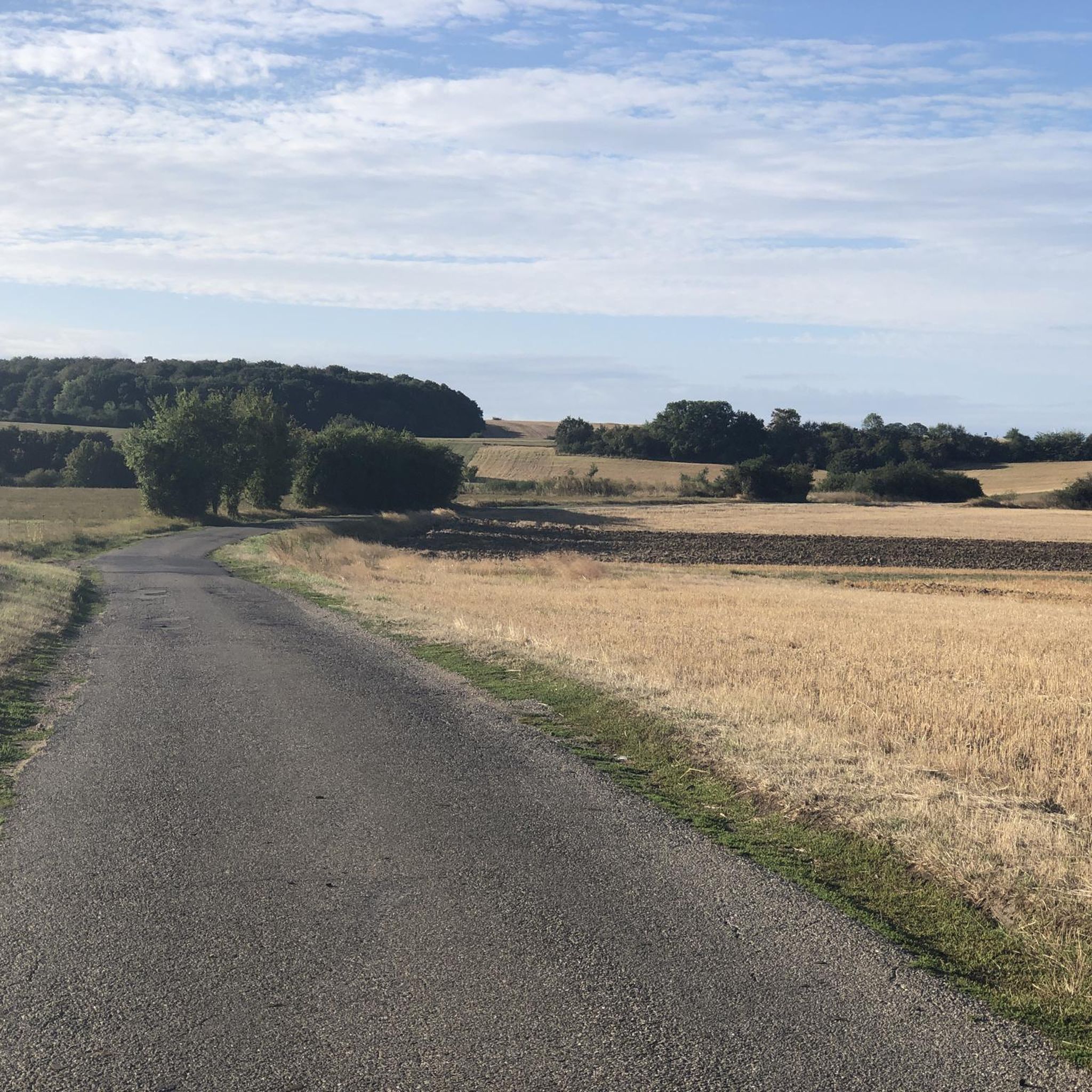
Accessible from various directions and/or accessible as a circular walk. The walk up the mountain is quite long.
0
0
Frequently Asked Questions
How many gravel bike trails are available around Großrederchingen?
There are over 20 gravel bike trails documented around Großrederchingen on komoot. These routes offer a variety of experiences through the rural landscapes and forested sections of the Moselle department.
What is the general terrain like for gravel biking in Großrederchingen?
The terrain around Großrederchingen is characterized by rolling hills, agricultural lands, and local roads, often traversing forested sections. You can expect varied surfaces typical of gravel biking, including unpaved paths and quieter country roads.
Are there any easy gravel bike routes for beginners in this area?
The gravel biking routes around Großrederchingen are generally categorized as moderate to difficult. Currently, there are no easy routes listed, so riders should be prepared for some challenging sections and elevation changes.
What do other gravel bikers say about the routes in Großrederchingen?
The routes in Großrederchingen are highly rated by the komoot community, with an average score of 4.4 stars from more than 9 reviews. Over 70 gravel bikers have explored the varied terrain, often appreciating the quiet rural setting and the challenge of the routes.
Are there any notable landmarks or points of interest along the gravel trails?
While Großrederchingen itself is a rural area, some routes pass by interesting points. For instance, the Southern Bliesgau – Heidenkopf Observation Tower loop from Frauenberg leads to an observation tower. Additionally, you might encounter natural features like the Rubenheimer Weiher lake, which is near some routes.
Can I find routes that include lakes or water features?
Yes, some routes in the region pass by or are near lakes. For example, the Rubenheimer Weiher is a notable lake in the vicinity. You can also find other water features like the Mühlenwald Pond or Le Silène Pond.
Are there any circular gravel bike routes available?
Yes, many of the gravel bike trails around Großrederchingen are designed as loops. Examples include the challenging Choir Rocks – Ondines Waterfall loop from Enchenberg and the moderate Sarralbe Town Centre – Saar Coal Canal at Dieding loop from Kalhausen.
What is the typical duration for gravel bike rides in this area?
The duration of gravel bike rides around Großrederchingen varies depending on the route and your pace. Many of the listed routes, such as the Bliestal Route – View of Böckweiler loop from Herbitzheim, can take around 3 to 5 hours to complete, given their distances and elevation gains.
Are there any huts or places to rest along the trails?
Yes, the region offers some huts and rest stops. You might find places like the Pinninger Hut Educational Area or the Pfarrer-Georg-Lindemann Hut with Barbecue Area, which can serve as good spots for a break during your ride.
What is the best time of year for gravel biking around Großrederchingen?
Given the rural and forested nature of the region, spring and autumn generally offer pleasant conditions with milder temperatures and beautiful scenery. Summer can also be good, but be prepared for warmer weather, especially on exposed agricultural sections. Winter riding might be possible, but conditions can be more challenging with colder temperatures and potentially muddy or icy paths.
Are there any routes that offer views or scenic overlooks?
Yes, some routes are known for their viewpoints. The Southern Bliesgau – Heidenkopf Observation Tower loop from Frauenberg specifically leads to an observation tower, offering panoramic views of the surrounding landscape. Other routes may also provide scenic vistas over the rolling hills and rural areas.
Most popular routes around Großrederchingen
Most popular attractions around Großrederchingen

Get inspired with the komoot mobile app


Explore more
Browse the best Gravel rides in other regions.
