The best gravel rides around Jarnac
4.7
(11)
122
riders
20
rides
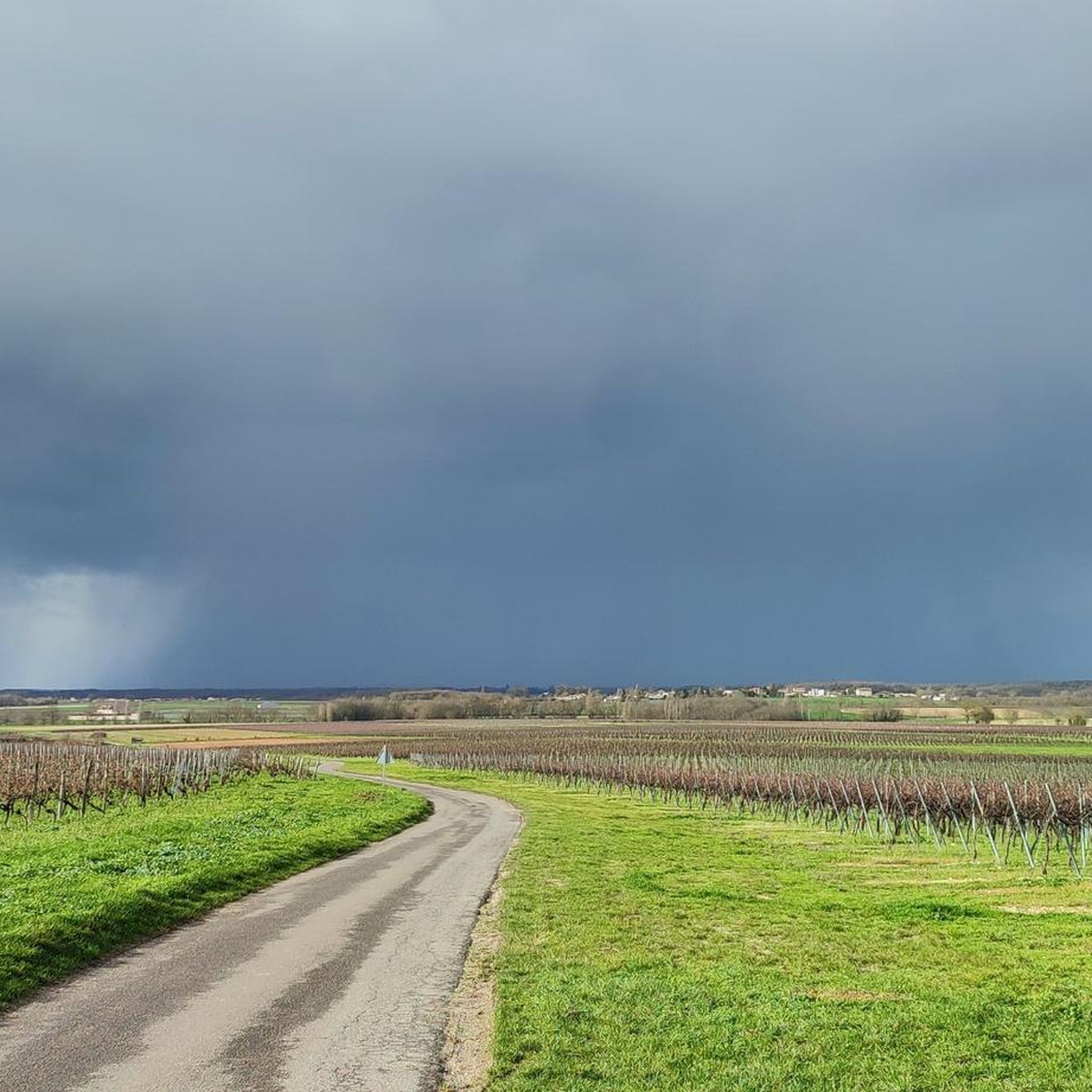
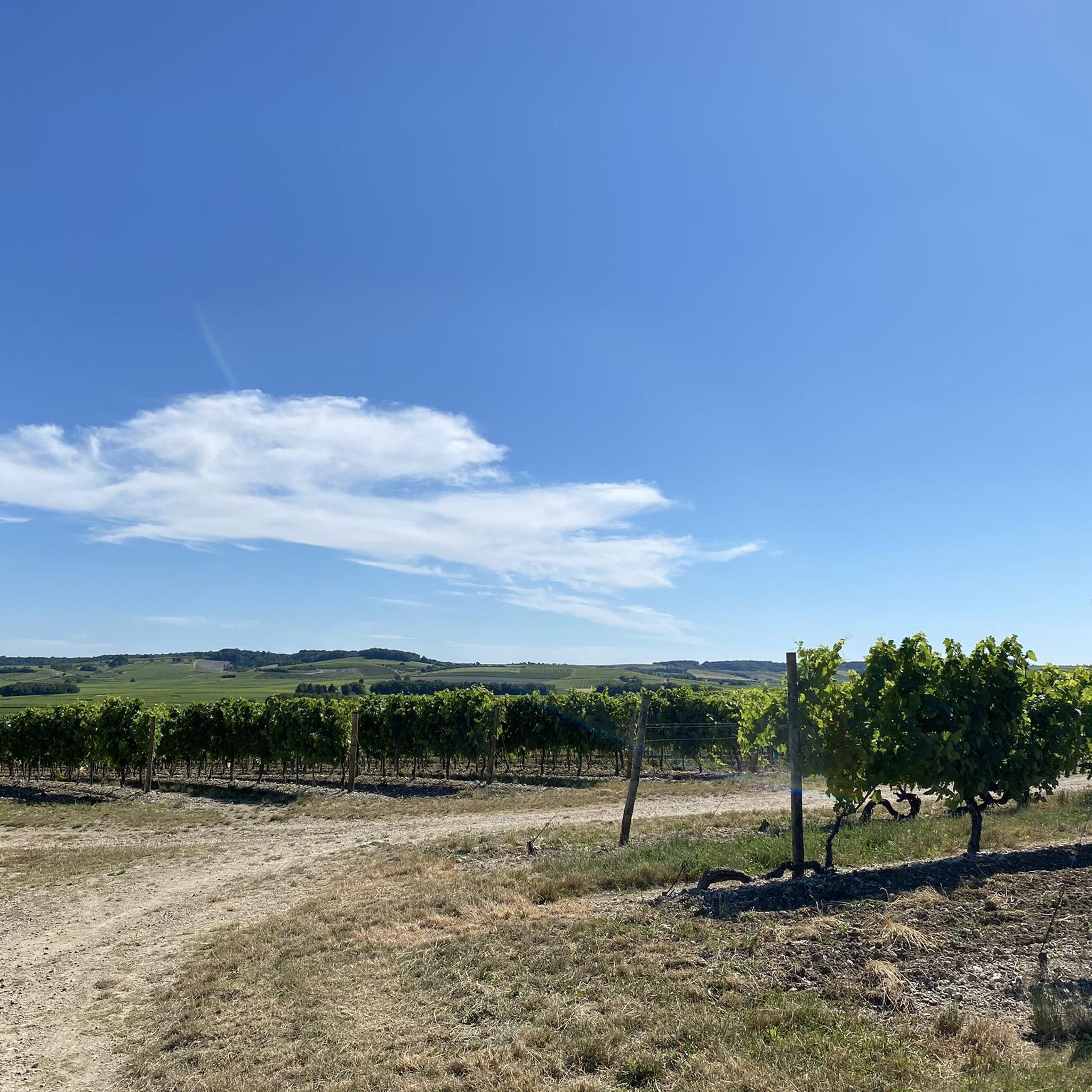
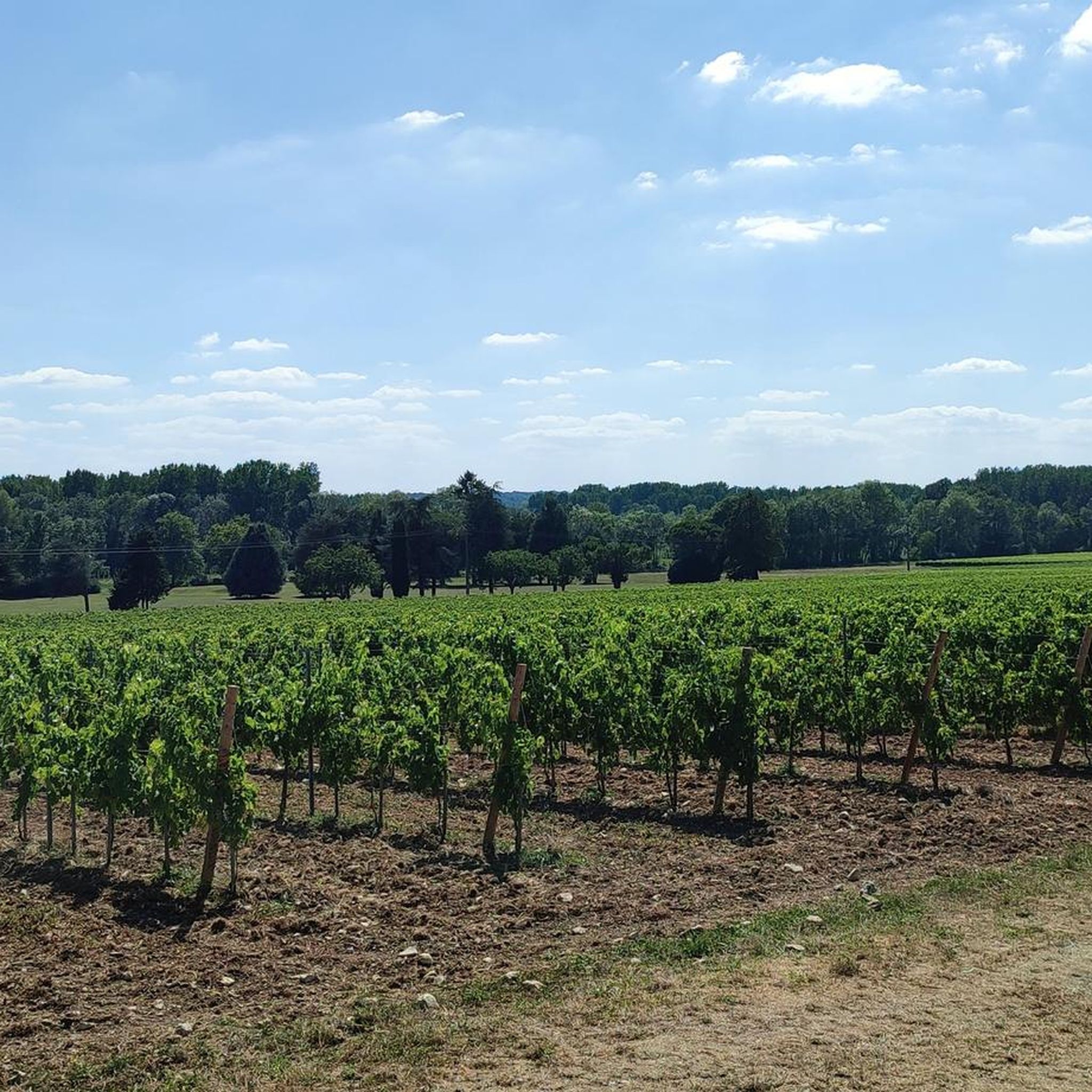
Gravel biking around Jarnac offers routes through a gently rolling countryside, characterized by expansive vineyards and wooded areas. The region is defined by the meandering Charente River, which provides numerous scenic routes along its banks. This diverse landscape combines open fields with riverside paths, creating varied terrain for gravel cyclists. The area's natural features make it suitable for both leisurely rides and more challenging adventures.
Best gravel bike trails around Jarnac
- The most popular gravel bike trail is Vinade-Bassac bridge…
Last updated: August 26, 2026
4.7
(3)
39
riders
59.1km
03:37
280m
280m
Moderate gravel ride. Good fitness required. Mostly paved surfaces. Suitable for all skill levels.
19
riders
84.5km
06:20
610m
610m
Hard gravel ride. Very good fitness required. Mostly paved surfaces. Suitable for all skill levels.

Sign up for free
4.2
(5)
32
riders
34.4km
02:03
150m
150m
Moderate gravel ride. Good fitness required. Mostly paved surfaces. Suitable for all skill levels.
5.0
(1)
11
riders
120km
07:19
460m
460m
Hard gravel ride. Very good fitness required. Mostly paved surfaces. Suitable for all skill levels.
3
riders
46.5km
03:25
350m
350m
Moderate gravel ride. Good fitness required. Mostly paved surfaces. Suitable for all skill levels.
Get access to more routes and recommendations from other explorers.
Sign up for free
Already have an account?
Our route recommendations are based on thousands of hikes, rides, and runs completed by other people on komoot.
Start today with a free account
Your next adventure awaits.
Login or Signup

Tips from the Community


Washhouse with two sloping stone curbstones. It is located along the road, 1.5 km from St-Cybardeaux, sheltered by trees. The washhouse's water comes from a small circular stone fountain, while the water flows on the other side under a bridge once crossed by the Petit Rouillac.
0
0
Church dating from the 12th or 13th century depending on the source, originally Romanesque, its vaults were remodeled in an ogival style in the 18th century. Listed as a Historic Monument since 1925. A beautiful airy little square provides a clear view.
0
0


HISTORY OF THE HOUSE OF HINE In 1791, Thomas Hine (1775-1822), then aged 16, left his native land on the south coast of England to go to France… in the middle of the French Revolution. He went to Jarnac, Charente, where he was hired as a clerk in the Ranson et Delamain trading house, which produced his father’s favourite cognac. James Delamain (1738-1800), a Huguenot who had emigrated from Ireland, founded the trading house in 1763 with his father-in-law Jean-Isaac Ranson. On 3 October 1797 (13 Brumaire Year VI), Thomas Hine married Françoise Élisabeth Delamain, daughter of James Delamain and Marie Ranson. In 1817, the Ranson et Delamain house was liquidated, the heirs having been unable to agree on the succession. The eponymous son-in-law founded Thomas Hine & Co, and his cousins Paul Roullet and Henri Delamain (James' grandson) founded the Maison Roullet et Delamain seven years later, which would become Delamain et Cie. The links between the two Protestant Jarnac families remained close, and Thomas Hine's great-granddaughter, Adrienne Hine (1850-1922) married Philippe Delamain (1847-1902) - they had sons Jacques and Robert Delamain. Today, as in Thomas Hine's time, the Hine establishments line the banks of the Charente in Jarnac. The logo is inspired by Hine's speaking arms, hind meaning doe in Old English. He is lying down, his head turned backwards, symbolically looking towards England2. In 1962, Hine was granted the Royal Warrant of Her Majesty Queen Elizabeth II, and became the official supplier of cognac to the Court of England. In 1987, the company was bought by Moët Hennessy. In 2003, it became the property of the CL Financial group, which emerged from the Angostura group. The House was bought in 2013 by the Edv company. TYPOLOGY OF HINE EAUX DE VIE The House of HINE is located on the banks of the Charente, in the heart of the Cognac region. In the cellars, which ensure the protection of the precious vintages under seal, little has changed in more than 260 years. From the neighboring quays once began the journey of HINE cognacs around the world. This house is one of the oldest in Jarnac. Cognacs exclusively from the Grande and Petite Champagne vintages, a distillation with the lees, and an aging in fine grains with a light to moderate heating. Here, every manufacturing detail will be revealed to you. > To find out more: - https://hine.com/fr - Address: 16 quai Orangerie 16200 Jarnac - 05 45 35 59 59 - Visits, Tasting and Purchases possible - Opening periods: From 01/04 to 31/12 Monday, Tuesday, Wednesday, Thursday and Friday from 9 a.m. to 5:30 p.m. Excluding public holidays. Full price: from €20. Free for children under 18. (Subject to change)
0
0

You can even rent canoes there to discover the Charente river in a different way.
0
0

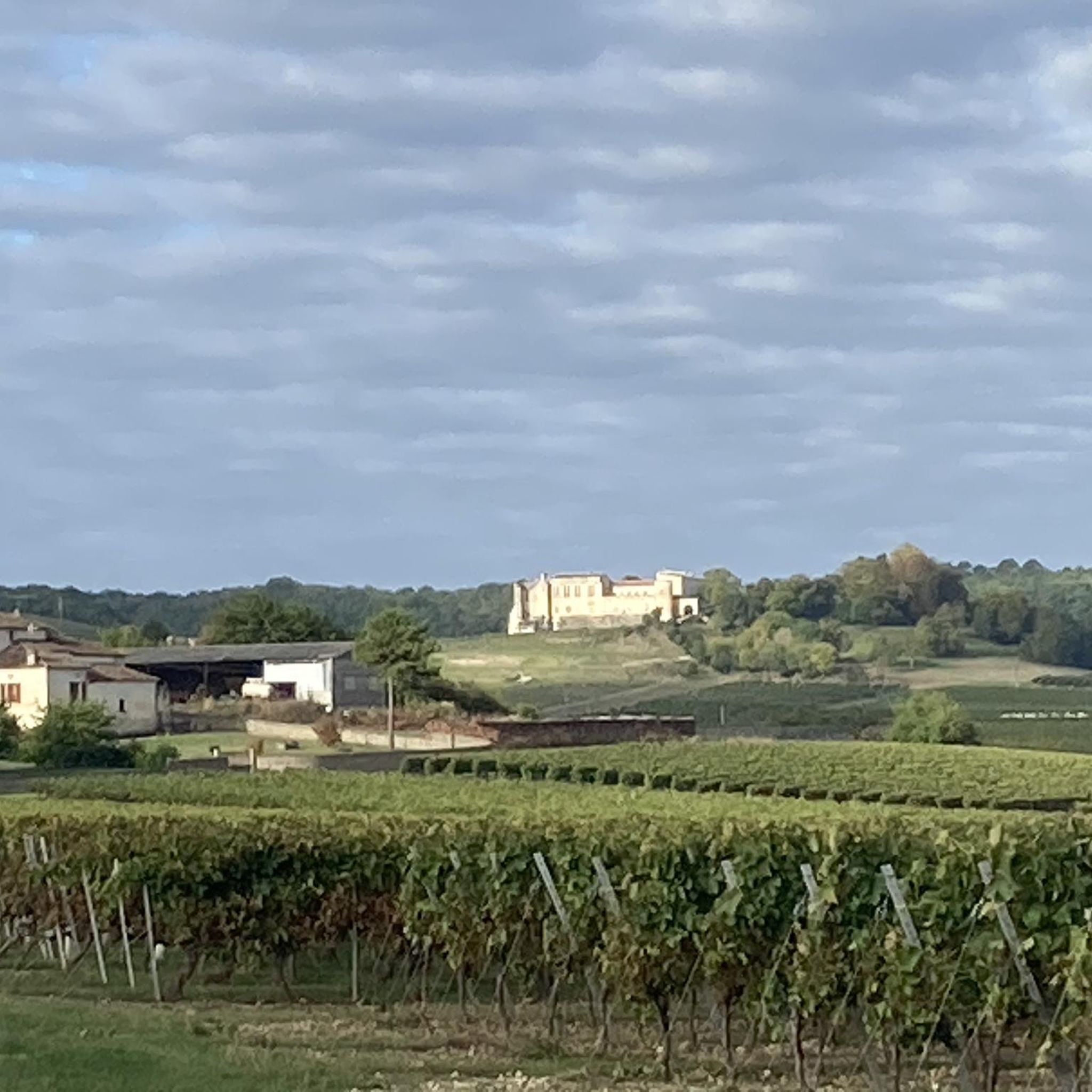
The Charente in this sector is lined with many castles, the area is rich thanks to the production of Cognac and Pineau.
0
0

Bourg-Charente castle is a 17th century mansion. Nestled on a rocky promontory, it is located a few kilometers from Cognac. It also houses the remains of a medieval fortress. Acquired in the 20th century, this château houses cellars for producing Grand Marnier. It can be visited from Monday to Friday from 8 a.m. to 5 p.m.
0
0
Frequently Asked Questions
How many gravel bike trails are available around Jarnac?
There are over 25 gravel bike trails around Jarnac, offering a variety of experiences from moderate riverside paths to more challenging routes through vineyards and wooded areas. The komoot community has explored over 100 of these routes.
Are there gravel routes suitable for beginners or families in Jarnac?
Yes, Jarnac offers several easier gravel routes, with 4 trails specifically rated as easy. The region's gentle rolling countryside and paths along the Charente River, such as sections of the Flow Vélo, are particularly suitable for families and those new to gravel biking. These routes often feature greenways and quiet country roads with no significant difficulties.
What kind of terrain can I expect on gravel bike trails in Jarnac?
Gravel biking around Jarnac is characterized by a diverse landscape. You'll encounter gently rolling countryside, expansive vineyards, wooded areas, and paths alongside the meandering Charente River. This mix provides varied terrain, from open fields to riverine landscapes, suitable for different cycling preferences.
Are there any challenging gravel routes for experienced riders?
Absolutely. For experienced riders seeking a challenge, there are 4 difficult gravel routes around Jarnac. One notable option is The Jarnac Quays – Chateau des Chabannes loop from Jarnac-Charente, which is 83.2 km long and features significant elevation gain, requiring very good fitness. Another challenging route is Vinade-Bassac bridge – Pont d'Angeac loop from Gensac-la-Pallue, covering over 127 km.
What landmarks or attractions can I see along the gravel bike trails?
Many gravel routes in Jarnac pass by historical and natural attractions. You might encounter impressive structures like the Saint-Brice Castle or the Abbaye de Bassac. The trails also offer views of the Charente River, often described as 'the most beautiful moat in the kingdom,' with its charming banks, small churches, and villages.
Are there any circular gravel routes in the Jarnac area?
Yes, many of the gravel routes around Jarnac are designed as loops, allowing you to start and end in the same location. For example, the popular Vinade-Bassac bridge – Pont d'Angeac loop from Mainxe-Gondeville is a moderate 59.7 km circular trail that explores the Charente countryside.
What is the best time of year for gravel biking in Jarnac?
The region around Jarnac is generally pleasant for gravel biking during spring, summer, and early autumn. These seasons offer favorable weather for exploring the vineyards and riverside paths. While specific weather conditions can vary, the mild climate of southwestern France makes it enjoyable for outdoor activities for much of the year.
What do other gravel bikers enjoy most about gravel biking in Jarnac?
The gravel biking routes in Jarnac are highly rated by the komoot community, with an average score of 4.5 stars from over 10 reviews. Riders often praise the scenic beauty of the Charente River, the peacefulness of cycling through expansive vineyards, and the variety of terrain that caters to different skill levels.
Are there options for public transport or parking near the gravel trails?
Jarnac is accessible, and while specific public transport links directly to trailheads might be limited, the town itself is well-connected. For those driving, parking is generally available in Jarnac and surrounding villages, especially near popular starting points for routes along the Charente River or through the vineyards. It's always advisable to check local parking regulations.
Can I find cafes or places to stop for refreshments along the routes?
Yes, the Jarnac region is dotted with charming villages and towns along the Charente River and within the vineyard areas. You'll often find opportunities to stop for refreshments at local cafes, bakeries, or small restaurants. Jarnac itself offers various amenities, and many routes pass through or near such spots, especially those following the river.
Are there any specific routes that offer great viewpoints?
While the Jarnac area is characterized by gently rolling hills rather than dramatic mountains, many routes offer picturesque viewpoints over the vineyards and the Charente River. Trails like The Jarnac Quays – Saint-Brice Castle loop from Julienne provide lovely vistas of the river and surrounding countryside, especially from elevated sections or near historical sites.
Is it possible to combine gravel biking with other outdoor activities in Jarnac?
Absolutely! The Charente River is a hub for various outdoor activities. Besides gravel biking, you can enjoy canoeing, kayaking, pedaloes, or even rent small motorboats. The town of Jarnac also has green spaces like Parc de l'Orangerie and Parc de l'Ile Madame, perfect for relaxation. The long-distance hiking trail GR4 also crosses Jarnac, offering walking opportunities.
Most popular attractions around Jarnac

Get inspired with the komoot mobile app


Explore more
Browse the best Gravel rides in other regions.
