The best gravel rides around Vieillevigne
4.1
(12)
67
riders
21
rides
Gravel biking around Vieillevigne offers varied terrain across its rural landscape. The region features a network of smaller rural roads and agricultural tracks, providing diverse surfaces for cycling. Natural features like the Lac des Vallées contribute to a tranquil setting, with paths suitable for exploration. The area's green spaces and varied topography make it conducive to gravel cycling.
Best gravel bike trails around Vieillevigne
- The most popular gravel bike trail is Montaigu Castle – The Rousselin mill loop from Montaigu…
Last updated: October 19, 2026
4.7
(3)
9
riders
48.6km
02:41
210m
210m
Hard gravel ride. Good fitness required. You may need to push your bike for some segments of this route.
11
riders
45.7km
02:56
450m
450m
Hard gravel ride. Good fitness required. You may need to push your bike for some segments of this route.

6
riders
Hard gravel ride. Very good fitness required. Mostly paved surfaces. Suitable for all skill levels.
8
riders
54.1km
03:20
210m
210m
Moderate gravel ride. Good fitness required. Mostly paved surfaces. Suitable for all skill levels.
4.0
(1)
5
riders
21.1km
01:20
40m
40m
Easy gravel ride. Great for any fitness level. Mostly paved surfaces. Suitable for all skill levels.
Get access to more routes and recommendations from other explorers.
Already have an account?
Our route recommendations are based on thousands of hikes, rides, and runs completed by other people on komoot.
Start today with a free account
Your next adventure awaits.
Tips from the Community

19th century church whose unfinished bell tower was topped with a slate spire which clashes a little - a lot - with the rest of the monument.
0
0

Unfortunately signs that camping is prohibited
0
0

Beautiful cool area around Nantes
0
0
A beautiful 16th-century castle. It was in the woods behind the castle that the final battle of the Second Vendée War took place, marked by the capture of the Vendée general Charette.
2
0
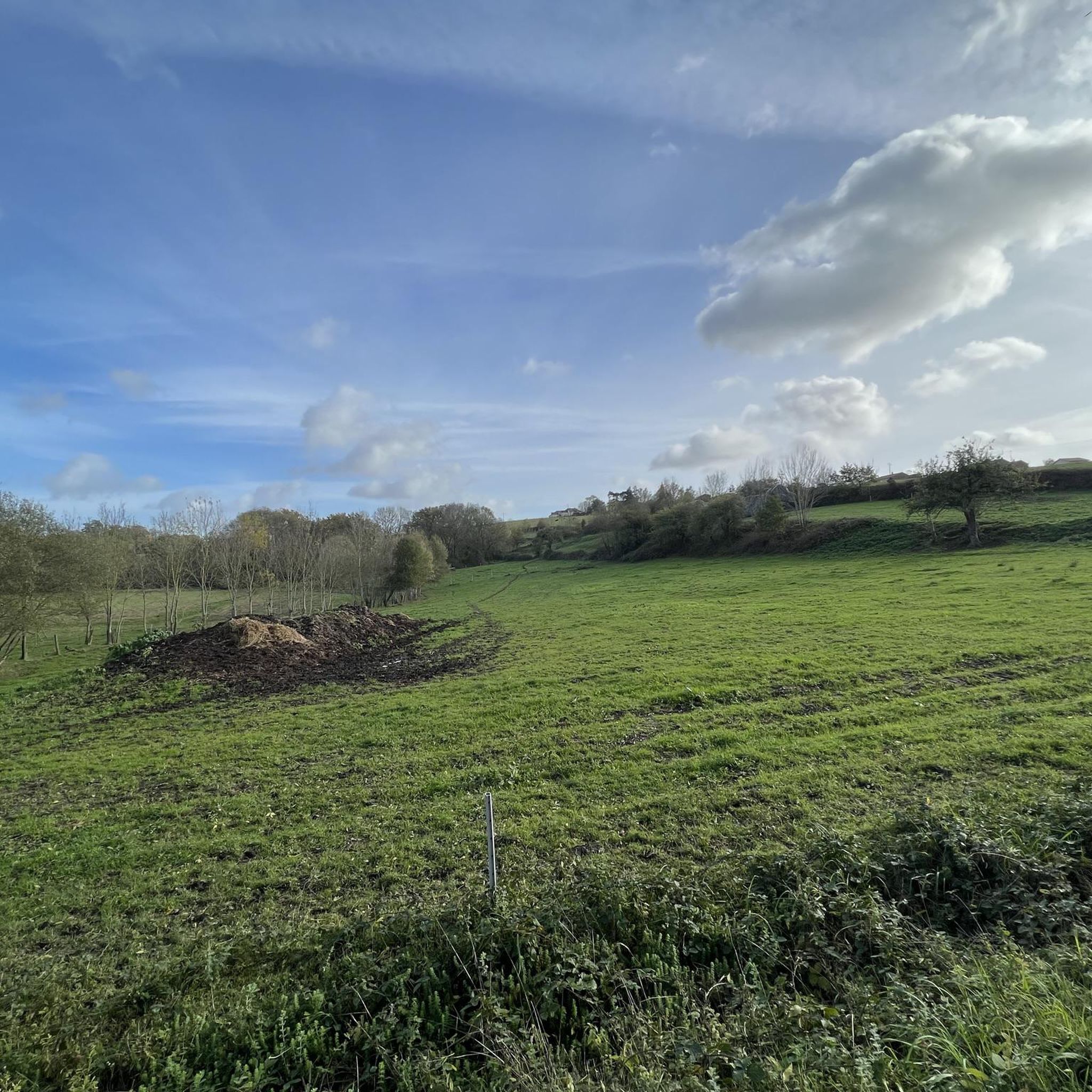
Here, a certain Marie Lorteau (aged 8) is said to have had a conversation with the Virgin. This apparition, although not recognized by the Church, seems to still be celebrated because the site is very well maintained. Returning to cycling, I advise against the trails that head north through the Cailleries wetland nature reserve. Flooded in winter and overgrown with brambles in summer. I won't try it a third time.
0
0
Long, very smooth gravel path. A treat!
1
0

The Church of Saint-Jean-Baptiste is Gothic in style and features an imposing façade. It is built of stone and features ornate carved details. The façade features a richly decorated main portal, adorned with statues, reliefs, or architectural motifs. Inside the church, you will find a spacious, vaulted main nave supported by pillars or columns. The vaults feature decorative star and ribbed motifs typical of Gothic architecture. Restored over a period of five years, the interior of the building now reveals warm colors ranging from yellow to pinkish-red. Colored stained-glass windows are also a characteristic feature of Gothic churches, and the Church of Saint-Jean-Baptiste has magnificent stained-glass windows depicting biblical scenes and saints. In summary, the Church of Saint-Jean-Baptiste in Montaigu is an example of Gothic architecture with an imposing façade and decorative elements. It houses side chapels, a choir, a main altar, and colorful stained-glass windows. In addition to its aesthetic appeal, it is also an active place of worship and a significant historical landmark for the local community. The Church of Saint John the Baptist in Montaigu has a rich history dating back several centuries. Here is a brief overview of its history: The original church in Montaigu was built in the 11th century, but little information is available about this early structure. Over the following centuries, the church underwent alterations and expansions, reflecting changing architectural styles. In the 14th century, the church was rebuilt in the Gothic style, with a spacious main nave, elegant vaults, and carved details. Construction was completed in the 15th century, giving the church its current appearance. During the French Revolution in the 18th century, the Church of Saint John the Baptist was used for secular purposes. It was converted into a community hall and suffered significant damage, including the destruction of decorative and religious elements. After the Revolution, the church was gradually restored and returned to worship. Repair and renovation work was undertaken to restore damaged architectural features. Over the years, modifications and improvements were made to the Church of Saint-Jean-Baptiste. Side chapels were added, stained-glass windows were installed, and religious ornaments were restored. Today, the Church of Saint-Jean-Baptiste is an active place of worship for the Catholic community of Montaigu. It is also a tourist and cultural attraction, attracting visitors with its Gothic architecture, stained-glass windows, and history. Religious events, ceremonies, and concerts are regularly held there.
0
0
. Originally, there was an ovoid-shaped enclosure flanked by about ten towers and a gatehouse, located to the northeast. The fortified town was located to the north of the fortress and extended a little to the east. A dry moat separated the fortified town from the fortress. A barbican protected the gatehouse. A Romanesque keep of the Niort type, with its courtyard and small enclosure, was located in the castle courtyard, roughly in the middle in the north-south direction and located to the west. The fortified city extended from the rue de Gaulle, a gate was located at the level of the Carré de l'Europe (the porte de Nantes), then the ramparts continued along the rue de la Place du Champ de Foire, then went back down the Esplanade des Olivettes, where a gate was located towards the roundabout of the rue des Jardins (porte de Tiffauges) then the ramparts ran along the Asson to go up the rue du Pont Jarlet and around the barbican not far from the Presbytery The dry moats surrounding the city were 16 meters deep in the 15th century, today they are flowered and are the subject of different colored squares decorating this part of the ramparts.
0
0
Frequently Asked Questions
How many gravel bike trails are available around Vieillevigne?
There are over 30 gravel bike trails around Vieillevigne, offering a variety of experiences. You'll find 5 easy routes, 22 moderate routes, and 5 difficult routes to choose from, catering to all skill levels.
What kind of terrain can I expect on gravel bike trails in Vieillevigne?
Gravel biking in Vieillevigne offers varied terrain, primarily consisting of rural roads and agricultural tracks. You can expect a mix of surfaces, from packed dirt to loose gravel, winding through green spaces and the tranquil countryside. The area around Lac des Vallées also features paths suitable for gravel bikes.
Are there any notable landmarks or attractions along the gravel trails in Vieillevigne?
Yes, several routes pass by interesting landmarks. For example, the Montaigu Castle – The Rousselin mill loop from Montaigu Vendée takes you near Montaigu Castle. You might also encounter the historic The Old Bridge of Rocheservière on some routes, or the scenic Reuzard mill and footbridge.
What natural features can I expect to see while gravel biking in Vieillevigne?
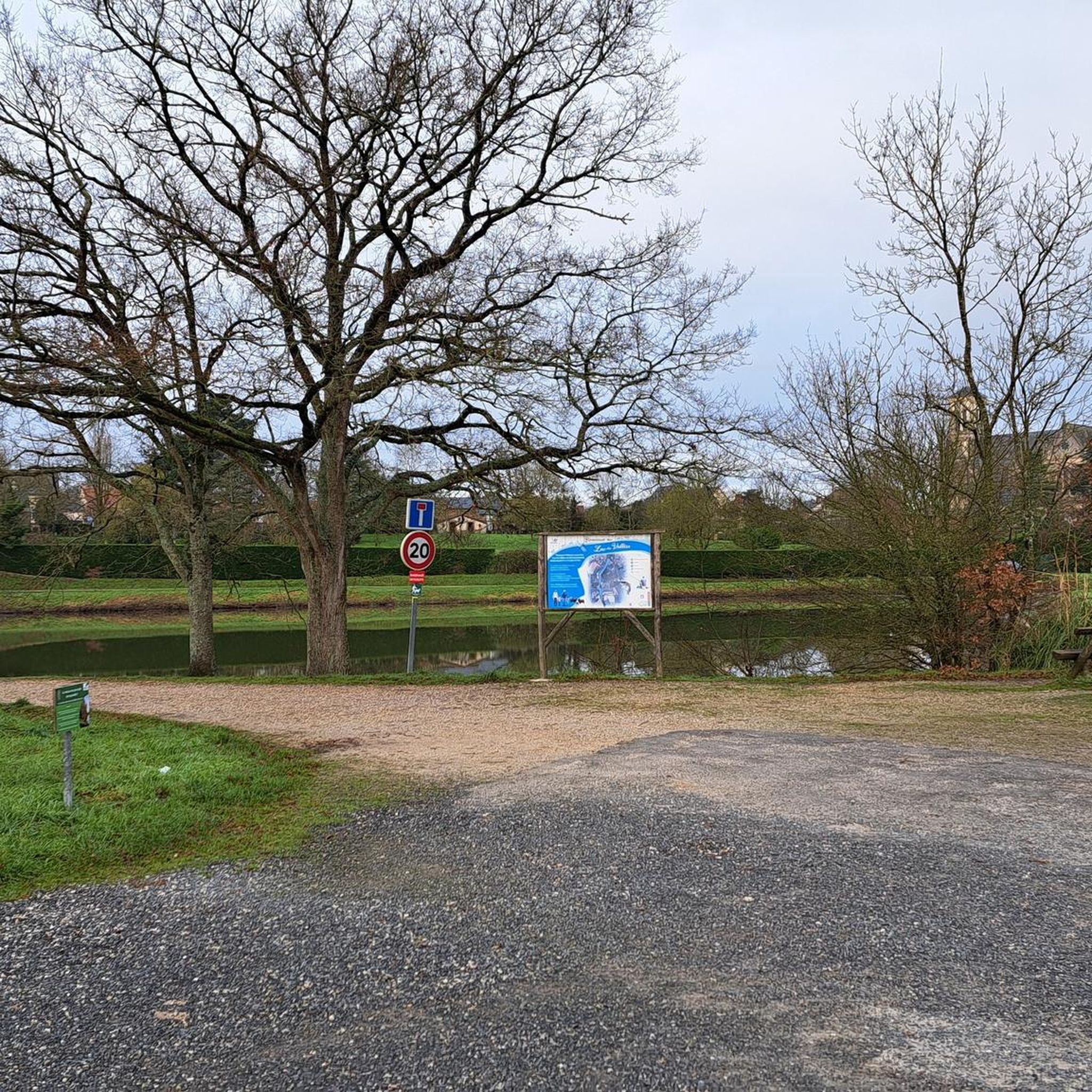
The region is characterized by its green spaces and natural tranquility. A prominent feature is the Lac des Vallées, a man-made lake surrounded by lush banks, offering a peaceful setting. You'll also ride through open countryside, agricultural lands, and potentially along rivers or streams, providing a serene backdrop for your rides.
Are there family-friendly gravel bike routes in Vieillevigne?
Yes, there are family-friendly options. The paths around Lac des Vallées offer a gentle, accessible cycling experience. For a dedicated route, consider the Chemin de Notre-Dame – La Vierge de la Lande loop from Geneston, which is an easy 13.1-mile (21.1 km) trail leading through green spaces and local paths, often completed in about 1 hour 19 minutes.
Are dogs allowed on the gravel bike trails in Vieillevigne?
While specific regulations for dogs on all gravel trails aren't detailed, the general outdoor recreation areas like Lac des Vallées are often dog-friendly, especially on leash. It's always best to check local signage or park rules for specific routes to ensure your furry friend is welcome.
What is the best time of year for gravel biking in Vieillevigne?
The pleasant environment of Vieillevigne makes it suitable for gravel biking through much of the year. Spring and autumn generally offer the most comfortable temperatures and beautiful scenery. Summer can also be enjoyable, though it's advisable to ride earlier in the morning or later in the afternoon to avoid the midday heat. Winter rides are possible, but be prepared for cooler, potentially wetter conditions.
Is there parking available near the gravel bike trails in Vieillevigne?
Yes, parking is generally available in and around Vieillevigne, especially near popular starting points for outdoor activities. For routes originating from towns like Montaigu Vendée or Geneston, you'll typically find public parking facilities. For specific trailheads, local information or komoot route details often indicate parking options.
Can I reach the gravel biking routes in Vieillevigne by public transport?
While Vieillevigne itself is a commune, public transport options directly to specific gravel trailheads might be limited. It's advisable to check regional bus services or train connections to larger nearby towns like Montaigu Vendée, and then plan your cycling route from there. Many routes, like the Le Moulin Gros – Vendée vélo loop, start from Montaigu Vendée, which may have better public transport access.
What do other gravel bikers say about the trails in Vieillevigne?
The gravel biking routes in Vieillevigne are highly rated by the komoot community, with an average score of 3.9 stars from over 8 reviews. More than 50 gravel bikers have used komoot to explore the varied terrain, often praising the peaceful countryside and the mix of rural roads and tracks that make for an engaging ride.
Are there any longer gravel routes for experienced riders in the area?
Yes, experienced riders looking for a challenge will find several longer and more difficult routes. The The Old Bridge of Rocheservière – Viaduct loop from L'Herbergement - Les Brouzils is a challenging 59-mile (94.9 km) trail with significant elevation gain. Another demanding option is the Montaigu Castle – Bultière Dam loop from Montaigu Vendée, spanning 28.5 miles (45.9 km) with considerable climbs.
Are there any circular gravel bike routes in Vieillevigne?
Many of the gravel bike routes around Vieillevigne are designed as loops, allowing you to start and end at the same point. Examples include the Montaigu Castle – The Rousselin mill loop and the Chemin de Notre-Dame – La Vierge de la Lande loop. These circular routes are convenient for exploration without needing to retrace your steps.
Most popular attractions around Vieillevigne

Get inspired with the komoot mobile app


Explore more
Browse the best Gravel rides in other regions.
