The best gravel rides around Le Quesnoy
4.0
(5)
33
riders
6
rides
Gravel biking around Le Quesnoy offers diverse terrain within the Avesnois Regional Natural Park, characterized by extensive woodlands, gentle hills, and a "bocage" landscape of hedged farmlands. The region features a mix of paved and unpaved surfaces, including forest paths, greenways, and agricultural tracks. Historical fortifications, such as the ramparts of Le Quesnoy, can also be incorporated into cycling routes. This landscape provides varied riding experiences, from flat sections to gentle ascents, suitable for different skill levels.
Best gravel bike…
Last updated: July 3, 2026
7
riders
60.3km
03:56
370m
370m
Moderate gravel ride. Good fitness required. Mostly paved surfaces. Suitable for all skill levels.
5
riders
61.2km
03:40
440m
440m
Moderate gravel ride. Good fitness required. Mostly paved surfaces. Suitable for all skill levels.

Sign up for free
4.0
(1)
3
riders
17.1km
01:07
160m
160m
Moderate gravel ride. Good fitness required. Mostly paved surfaces. Suitable for all skill levels.
5.0
(1)
3
riders
49.5km
02:53
390m
390m
Moderate gravel ride. Good fitness required. Mostly paved surfaces. Suitable for all skill levels.
4.0
(2)
6
riders
37.6km
02:15
250m
250m
Moderate gravel ride. Good fitness required. Mostly paved surfaces. Suitable for all skill levels.
Our route recommendations are based on thousands of hikes, rides, and runs completed by other people on komoot.
Start today with a free account
Your next adventure awaits.
Login or Signup
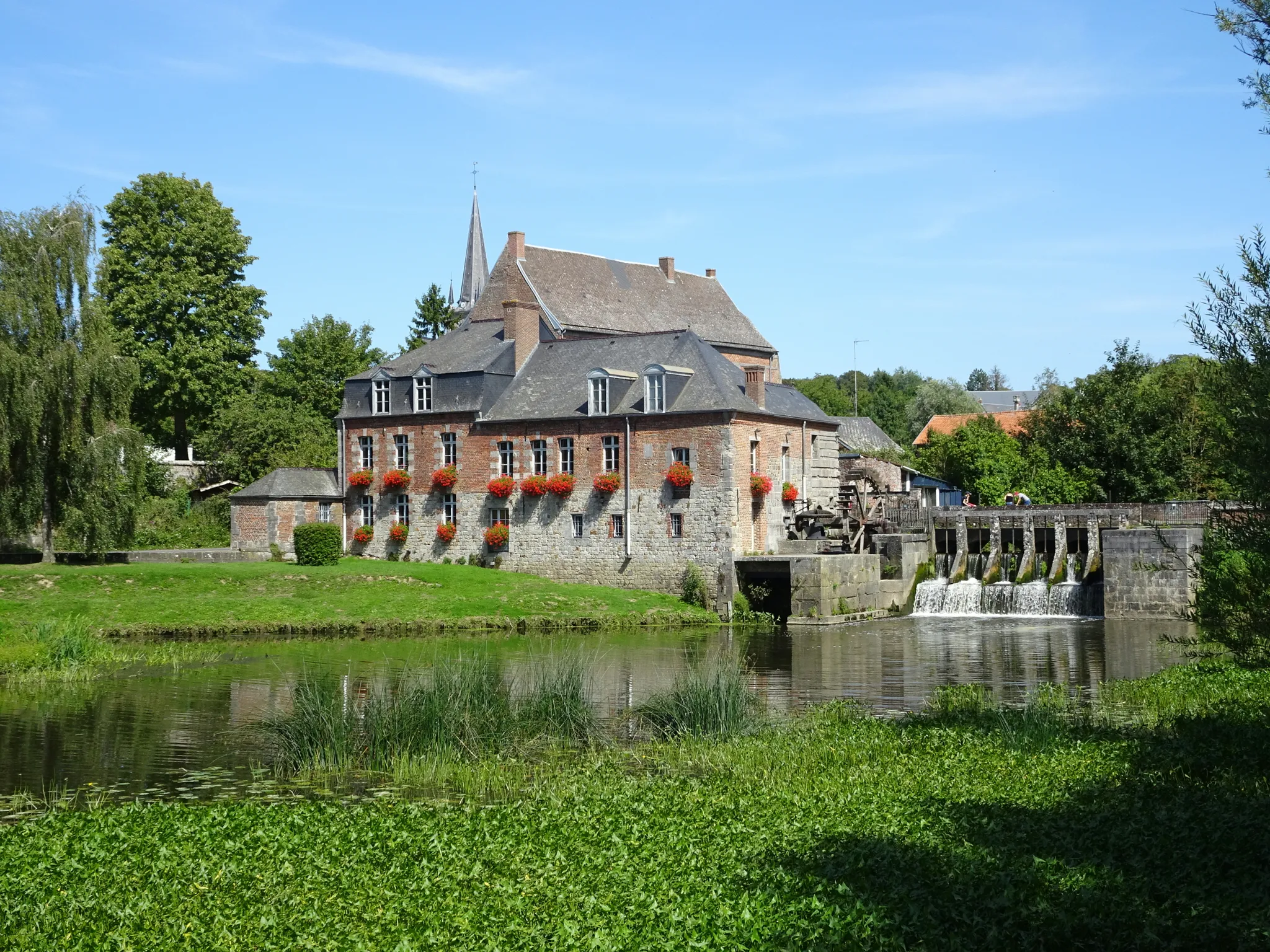
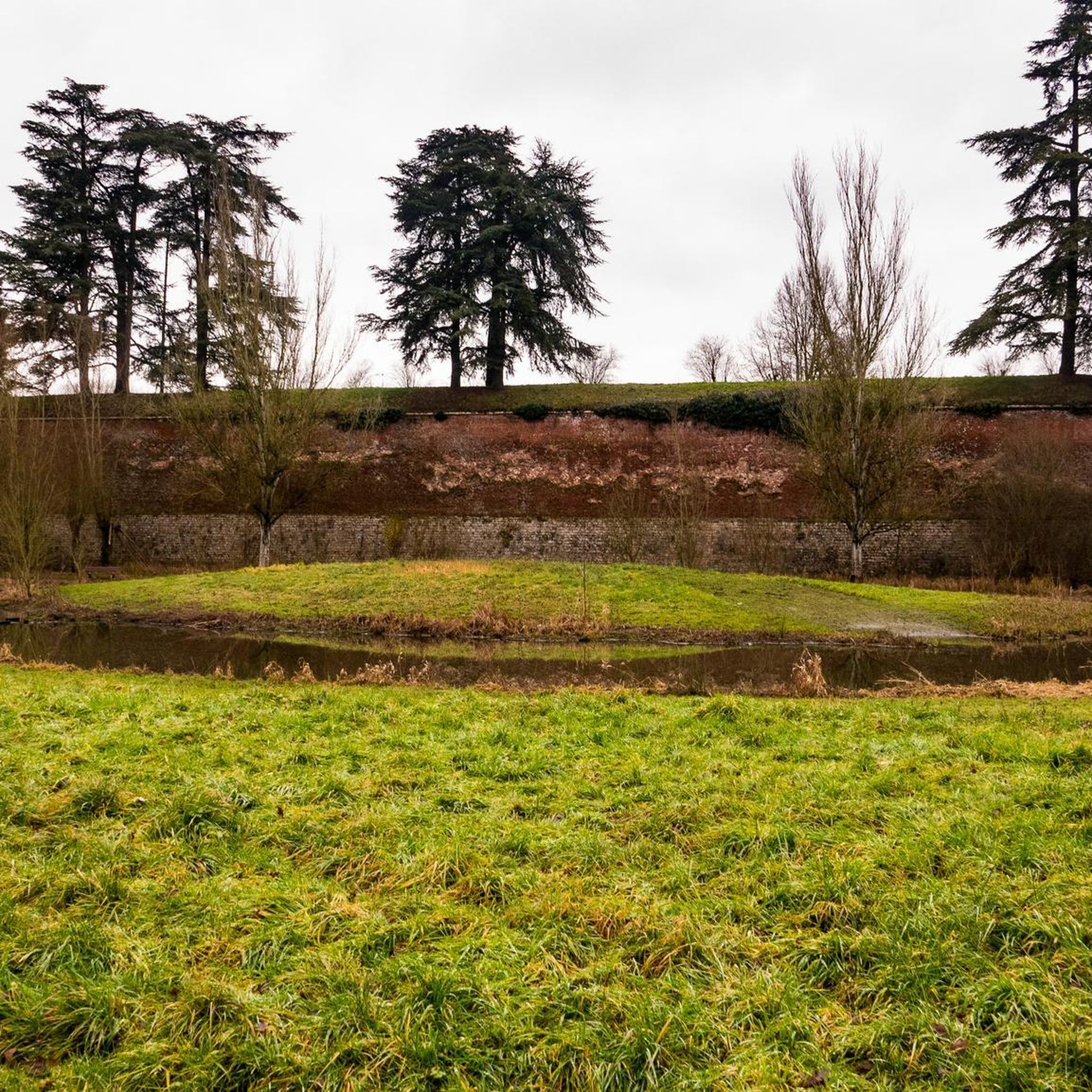
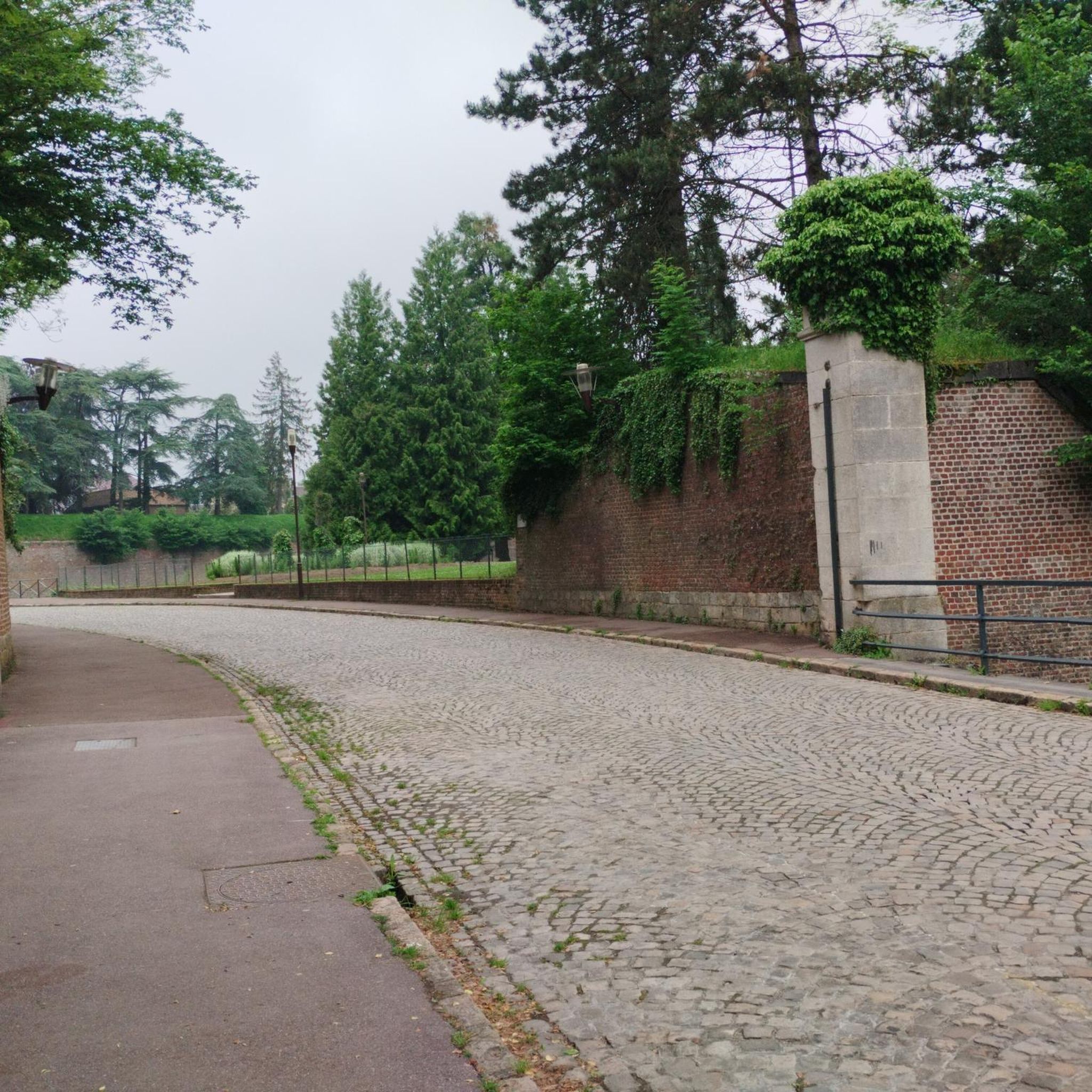
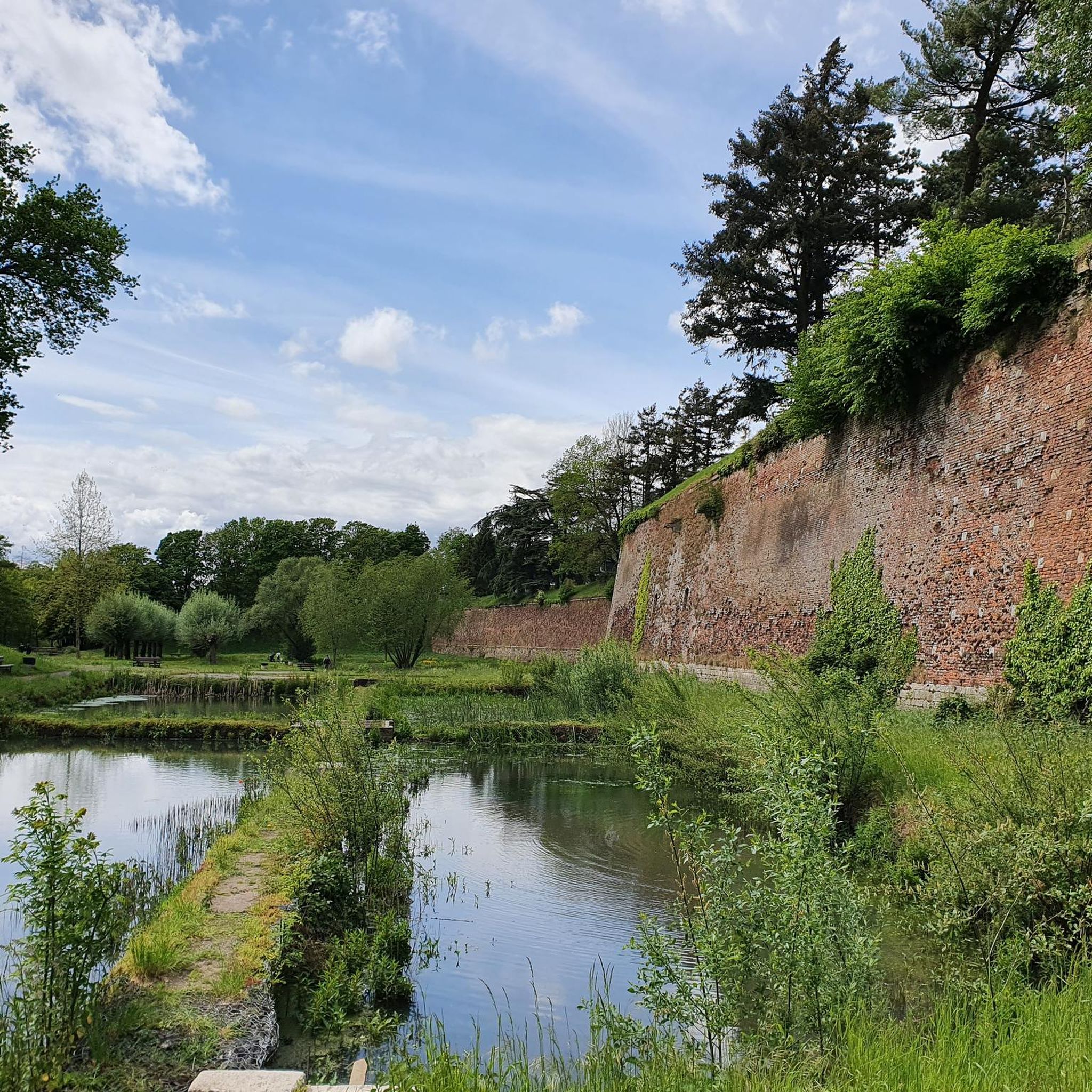
Other adventures around Le Quesnoy

Tips from the Community

Superb rolling woodland, in a sunken valley with a river running through it and that big leaning rock (bique)
0
0


The ramparts, built in the Spanish period, were modified by the famous Vauban himself. We can still admire the towers surrounding the city since the seventeenth century, as well as many other monuments: the tower of the Edifieur Baudoin, one of the oldest of all, Caesar Bastion built under Louis XIV the Green stronghold and the headquarters hospital, or the Fauroeulx door, the only one that did not suffer the Second World War and its demolition. The current castle, the Cernay, was built in the seventeenth century, replacing the twelfth century built by Baldwin IV of Hainaut. You can still see some remains of the original castle that served as a residence to Charles the Bold, as a gateway and a set of Romanesque cellars.
0
0


The Chapelle de l'Hôpital in Le Quesnoy is a beautiful example of neo-Gothic architecture. The chapel was built in 1854 based on plans by the architect Casimir Pétiaux. It was originally intended as an oratory for the sick, children from the orphanage and the religious who cared for the sick. The chapel is surrounded by a serene environment and is located on the Rue Jean Jaurès. The interior of the chapel is decorated with beautiful stained glass windows that shed light into the space.
15
0
The Porte Faurœulx is part of the fortified city walls built between the 15th and 17th centuries. These walls were built to protect the city from attacks and sieges. The gate itself dates from this period and is a remnant of the military architecture of the time. The gate is designed in a Renaissance style with strongly fortified walls and gateways strategically placed to protect the city. It has a circular plan and is built of brick and stone, which is typical of the military architecture of the period.
13
0

Frequently Asked Questions
What kind of terrain can I expect on gravel bike trails around Le Quesnoy?
The gravel bike trails around Le Quesnoy offer a diverse mix of surfaces. You'll encounter expansive forest paths, greenways, and agricultural tracks, alongside some paved sections. The region features varied landscapes, from the extensive Mormal Forest to open fields and historical fortifications, providing a dynamic riding experience.
Are there gravel bike trails suitable for beginners or those looking for an easier ride?
Yes, Le Quesnoy offers trails suitable for various skill levels. For a moderate ride that's not overly challenging, consider the Path Through the Fields – Facing the wind turbines loop from Maing. This 10.6-mile (17.1 km) route offers pleasant views across open fields.
What are some notable landmarks or attractions I can see while gravel biking in Le Quesnoy?
Many routes incorporate historical and natural sights. You can explore the 16th-century Le Quesnoy Ramparts, which encircle the town and offer picturesque paths. Some trails also pass by Potelle Castle or take you through the vast Mormal Forest, which features a lake and arboretum.
Are there any circular gravel bike routes in the area?
Yes, many of the gravel bike routes around Le Quesnoy are designed as loops. For example, the Potelle Castle – Ramparts of Le Quesnoy loop from Gommegnies is a 24.3-mile (39.1 km) circular trail that takes you through historical areas and past Potelle Castle.
What do other gravel bikers enjoy most about the trails in Le Quesnoy?
The gravel biking routes in Le Quesnoy are highly rated by the komoot community, with an average score of 3.8 stars. Riders often praise the varied terrain, which includes extensive forest paths and historical sites, offering a rich and engaging experience for different ability levels.
Can I find trails that go through the Mormal Forest?
Absolutely. The Mormal Forest is a major highlight for gravel bikers in the region. A popular option is the Mormal Forest – Potelle Castle loop from Villers-Pol, which is a longer 37.7-mile (60.7 km) trail exploring the extensive forest and passing by Potelle Castle.
Are there any routes that feature water views or natural water features?
Yes, some routes offer scenic views of water. The fortifications of Le Quesnoy itself are surrounded by three large lakes and ponds. Additionally, the Côte de la Cascade – Path with small bridge loop from Saultain suggests a route with a natural water feature, though the specific details of the 'cascade' (waterfall) would be on the tour page.
What is the best time of year for gravel biking around Le Quesnoy?
Le Quesnoy's diverse landscapes, including forests and agricultural tracks, are enjoyable throughout much of the year. Spring and autumn generally offer pleasant temperatures and beautiful scenery, while summer can be great for longer days. Always check local weather conditions before heading out, especially after heavy rain, as some unpaved sections might become muddy.
Are there any trails that offer views of the local countryside or agricultural areas?
Many routes will take you through the open countryside. The Path Through the Fields – Facing the wind turbines loop from Maing is a prime example, offering expansive views across agricultural fields and featuring prominent wind turbines as a unique landmark.
Where can I find parking for gravel biking trails near Le Quesnoy?
While specific parking locations for each trailhead are best found on individual komoot tour pages, many routes start from towns or villages like Villers-Pol, Maing, or Gommegnies, where public parking is typically available. Le Quesnoy itself has parking options, especially near its historical center and the Base de Loisirs.
Are there any trails that pass through or near historical sites other than the ramparts?
Beyond the ramparts, you can find routes that pass by other historical points of interest. For instance, the Potelle Castle – Ramparts of Le Quesnoy loop from Gommegnies includes views of Potelle Castle. The town of Le Quesnoy also features the 17th-century Belfry of Le Quesnoy and the Church of Our Lady of the Assumption, which can be explored before or after your ride.
Most popular routes around Le Quesnoy
Most popular attractions around Le Quesnoy

Get inspired with the komoot mobile app


Explore more
Browse the best Gravel rides in other regions.
