The best gravel rides around Cambados
4.8
(4)
90
riders
14
rides
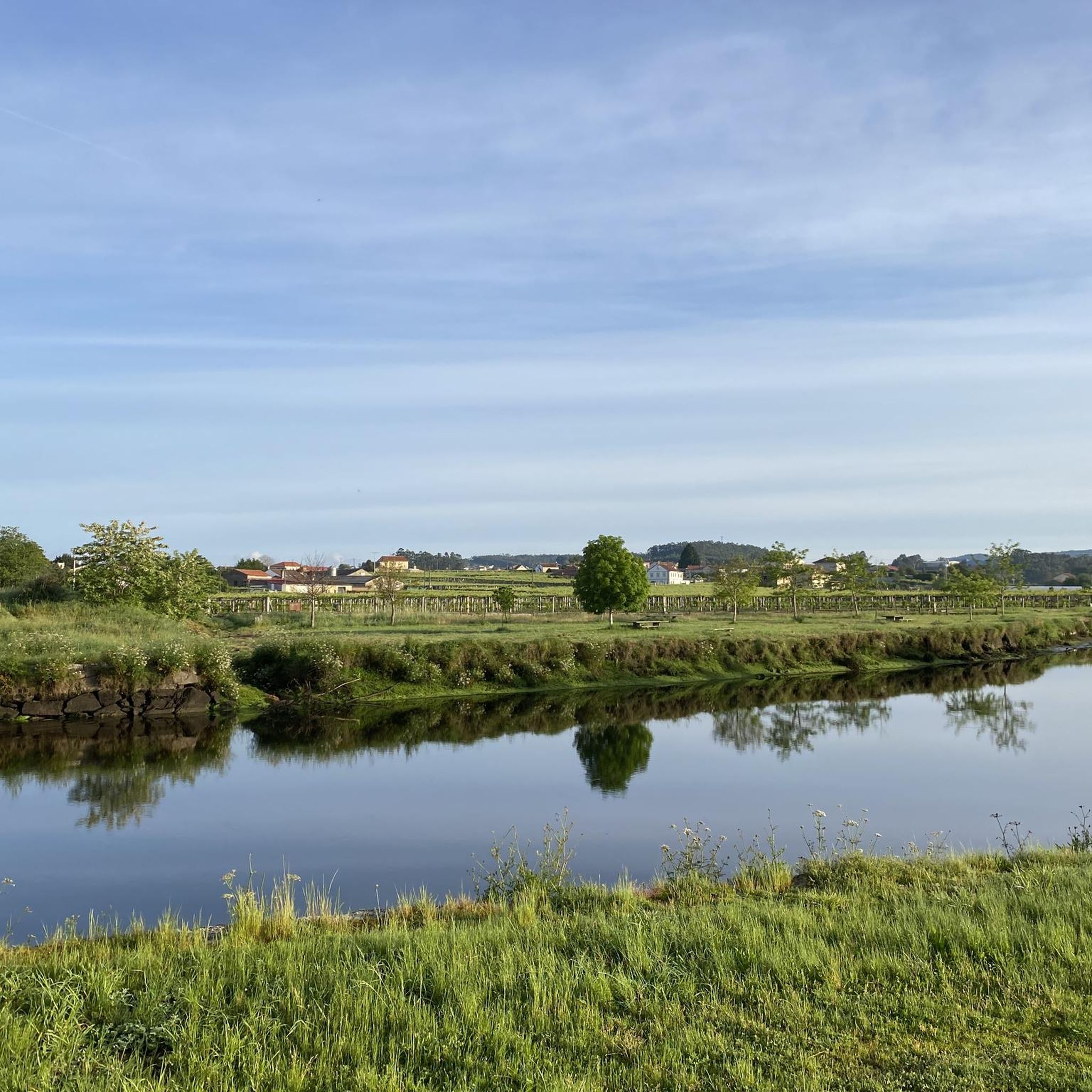
Gravel biking around Cambados offers a diverse landscape characterized by coastal paths, extensive vineyards, and forested river trails. The region's undulating terrain includes gentle hills and valleys, providing varied riding experiences. Cyclists can explore paths winding through agricultural heartlands and humid forests, often transitioning between different surfaces. This blend of coastal scenery and inland routes makes Cambados a compelling destination for gravel biking enthusiasts.
Best gravel bike trails around Cambados
- The most popular gravel bike trail is Ponte Sampaio Bridge…
Last updated: July 2, 2026
11
riders
54.3km
03:29
620m
620m
Hard gravel ride. Very good fitness required. Mostly paved surfaces. Suitable for all skill levels.
5.0
(1)
10
riders
55.0km
03:32
290m
290m
Moderate gravel ride. Good fitness required. Mostly paved surfaces. Suitable for all skill levels.

Sign up for free
5.0
(1)
8
riders
71.4km
04:23
610m
610m
Hard gravel ride. Very good fitness required. Mostly paved surfaces. Suitable for all skill levels.
10
riders
90.3km
05:33
490m
500m
Hard gravel ride. Very good fitness required. Mostly paved surfaces. Suitable for all skill levels.
6
riders
43.9km
02:46
230m
230m
Hard gravel ride. Good fitness required. You may need to push your bike for some segments of this route.
Get access to more routes and recommendations from other explorers.
Sign up for free
Already have an account?
Our route recommendations are based on thousands of hikes, rides, and runs completed by other people on komoot.
Start today with a free account
Your next adventure awaits.
Login or Signup
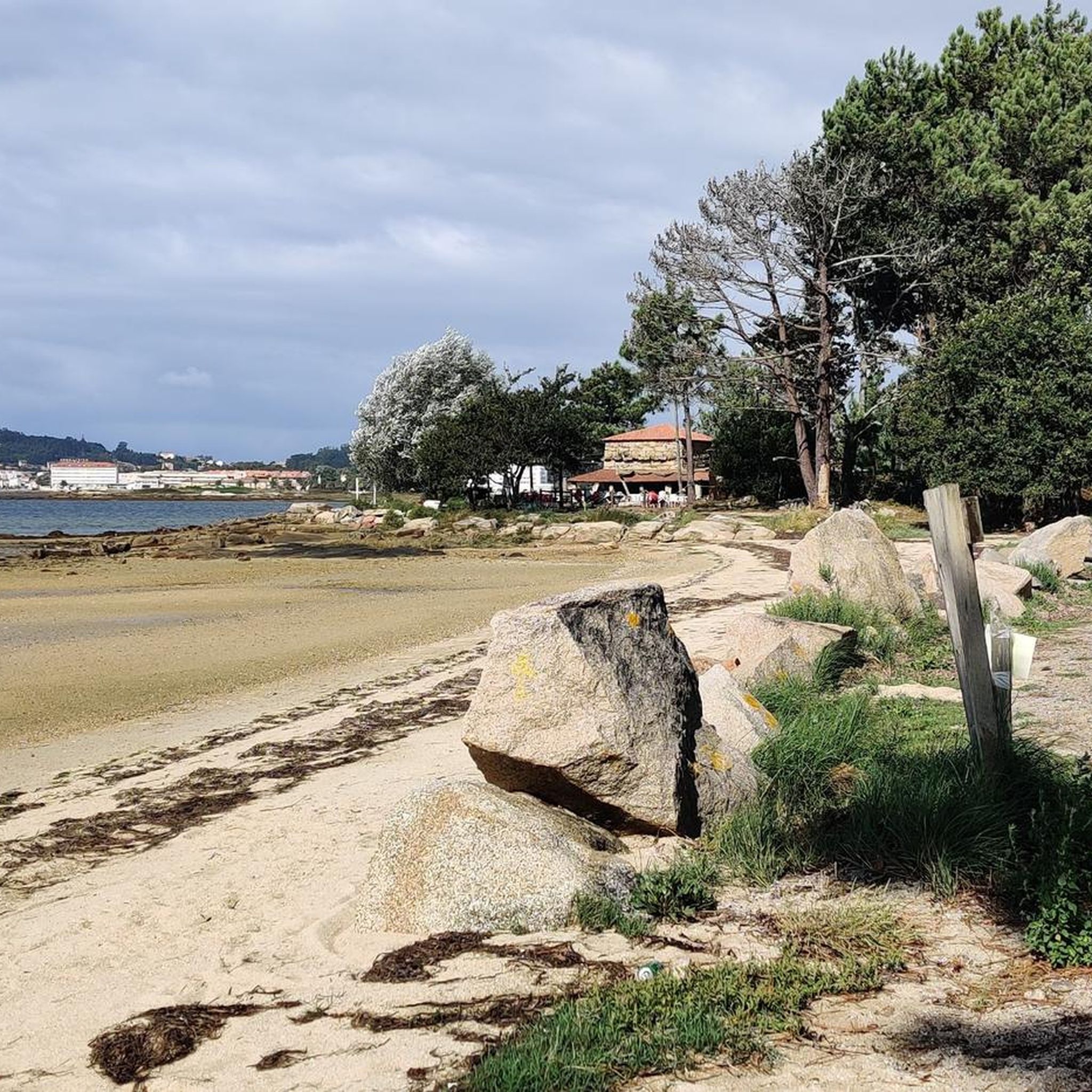
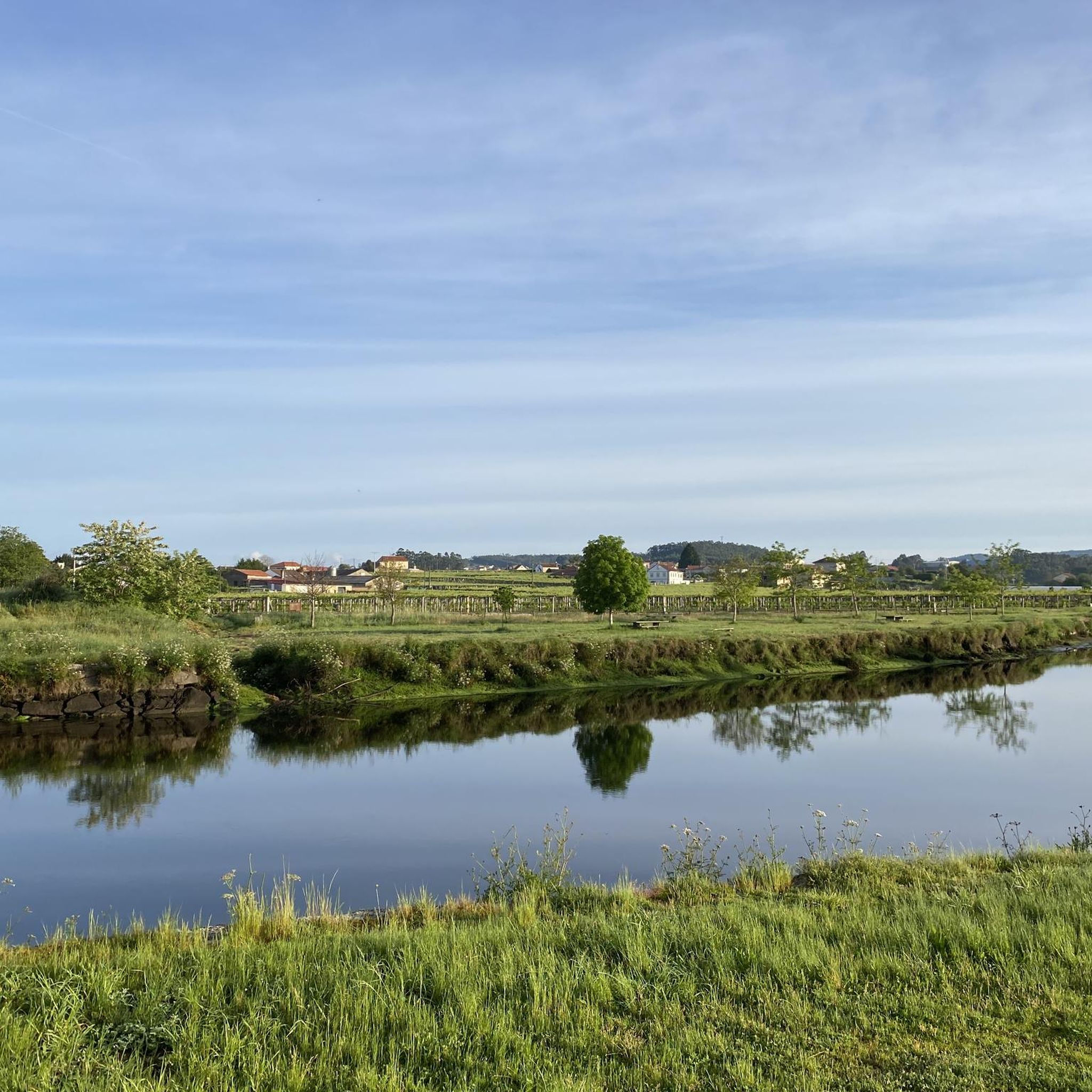
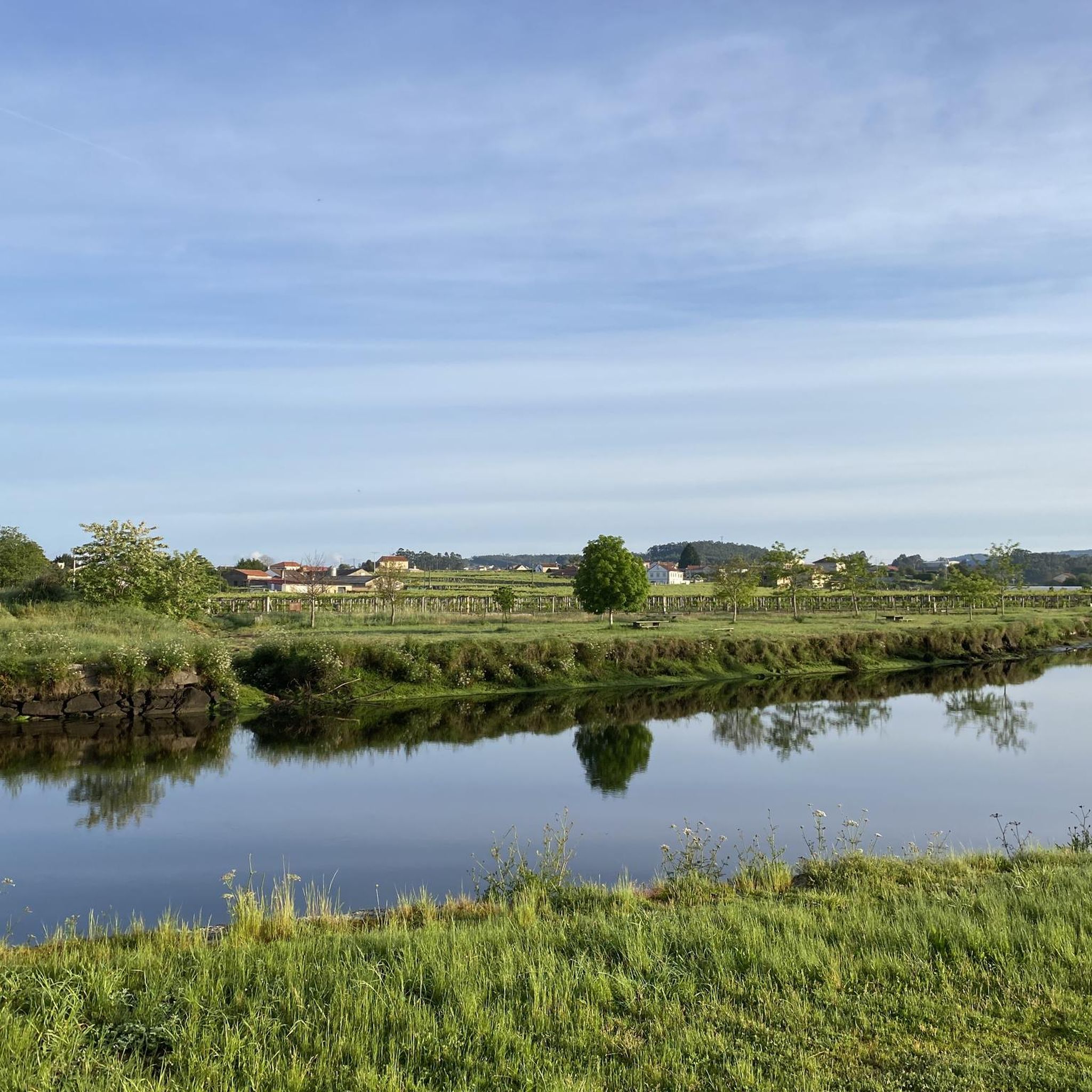
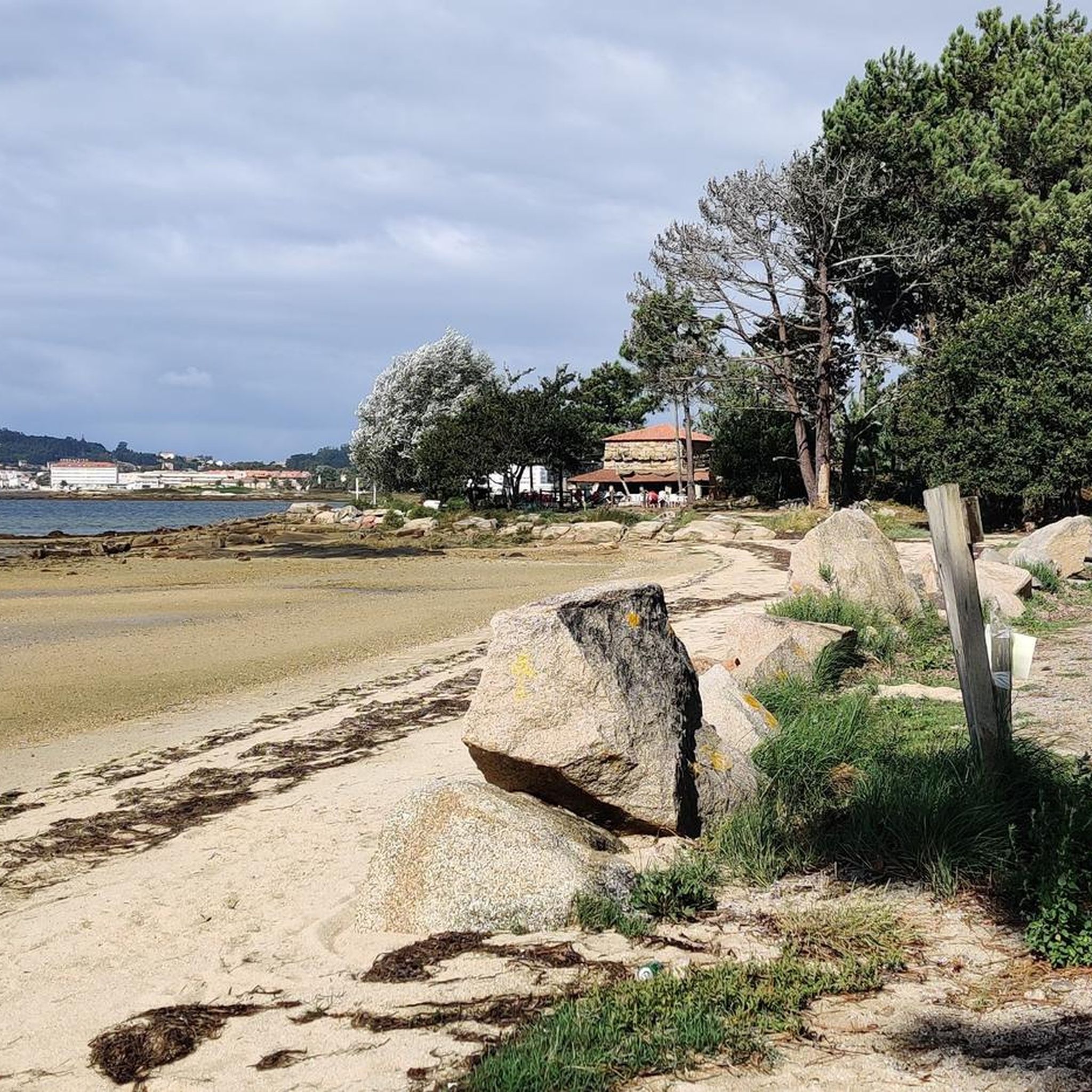
Tips from the Community


Good area for cycling!
0
0


The famous shell church was formerly dedicated to San Sebastián, but after the reform, the Virgen del Carmen was substituted as the main image. This chapel venerates the famous San Caralampio III, a 19th-century martyr who is the patron saint of skin diseases. The patronage and veneration of this special place, the thermal waters of the thermal baths on the island of A Toxa, are used as a skin-healing therapy, so people have been going to this chapel since ancient times to ask for the protection of this saint. Why is the church covered with scallop shells? It is the only chapel in the world covered with scallop shells. Originally built in 1909, this was the result of chance. The facade, where the altar is located, faces south, and rain constantly beats down on the walls, creating dampness and damaging the structure. At the end of the 1940s, Raimundo Riestra Calderón, II Marqués de Riestra, summoned a mason to offer a solution to this problem, which had dragged on for almost four decades. The man informed him that a traditional method of preventing water infiltration was to cover scallops with scales all over their surfaces, allowing water to slide down them without wetting the interior. He thought the idea was great and accepted the proposal. When the facade was finished, the Marquis liked it so much that, as administrator of the spa, he ordered the entire church to be covered with shells. It was a slow process that took several years, beginning in the late 1940s and ending in the early 1950s. And one last detail: If you were transported back in time 120 years to the same point where you are now, you wouldn't walk on land, but would float in the water along with the church. Almost the entire garden was an old salt mine, lost in the distant past. It was filled in at the beginning of the 20th century.
0
1

A beautiful route with a few steep and bumpy sections. At a reasonable speed, you can easily cover it even on a touring bike.
1
1


The beautiful chapel with its shell cladding is
1
1

The Fonte da Comunidade de Montanha is a historic fountain located in the Comunidade de Montanha, a territory that encompasses several parishes in the municipality of Pontevedra, in the province of Pontevedra, in the region of Galicia, in northwestern Spain. Specifically, the fountain is located in the Serra do Suído, a mountainous area that is part of the Comunidade de Montanha.
0
0
Frequently Asked Questions
What kind of terrain can I expect on gravel bike trails around Cambados?
Gravel biking around Cambados offers a diverse landscape. You'll find a mix of coastal paths, routes winding through extensive vineyards, and forested river trails. The region features undulating terrain with gentle hills and valleys, providing varied riding experiences. Many routes transition between different surfaces, from unpaved dirt tracks to scenic promenades.
Are there gravel bike routes suitable for beginners in Cambados?
While many routes in Cambados are rated moderate to difficult, there are options that can be enjoyed by those newer to gravel biking. For example, the Green Route – Portas Viaduct loop from Vilagarcía de Arousa is a moderate 22.6 km path that offers a good introduction to the region's varied terrain without excessive difficulty.
What are some of the longer or more challenging gravel bike routes in the Cambados area?
For experienced gravel bikers seeking a challenge, the Ponte Sampaio Bridge – Mysterious forest loop from Portela is a demanding 141.2 km trail with significant elevation gain through varied forest terrain. Another difficult option is the Community of Montes Fountain – Azucarera de Portas loop from O Pazo, which is 53.6 km and explores inland landscapes with notable climbs and descents.
Can I find circular gravel bike routes in Cambados?
Yes, many of the gravel bike routes in Cambados are designed as loops, allowing you to start and finish in the same location. Examples include the Roman Bridge over the Bermaña River – Mysterious forest loop from Illa de Cortegada and the Arnosa Cove – Forest Trail by Lagoa Bodeira loop from A Toxa's Island, both offering scenic circular journeys.
What interesting landmarks or natural features can I see along the gravel bike trails in Cambados?
Cambados's gravel trails offer a wealth of sights. You can explore the historic old town, pass by the Pazo de Fefiñáns, or visit the ruins of Santa Mariña Dozo. Natural highlights include the Stone and Water Route (Armenteira River Trail) with its ancient water mills and small waterfalls, or the Vineyard and Forest Path. For panoramic views, consider routes that pass by viewpoints like View from Monte Xiabre or View from Monte Outeiro dos Corvos.
Are there any routes that pass through vineyards or offer wine-related experiences?
Absolutely! As the 'Capital of Albariño,' Cambados is at the heart of the Rías Baixas Wine Route. Many gravel biking paths wind through extensive vineyards, offering a unique way to experience the local winemaking traditions. While specific routes aren't solely dedicated to wine tasting, you'll find opportunities to pass by bodegas and enjoy the viticultural landscape.
What do other gravel bikers say about the trails in Cambados?
The gravel biking routes in Cambados are highly regarded by the komoot community, with an average rating of 4.6 stars from over 5 reviews. Over 100 gravel bikers have used komoot to explore the varied terrain, often praising the blend of coastal scenery, vineyard paths, and forested trails that make each ride unique.
Are there any coastal gravel biking options in Cambados?
Yes, Cambados is situated on the Ría de Arousa, offering breathtaking coastal vistas. You can enjoy routes along the seafront promenade, which connects historic villas and provides views of the Arousa estuary. The Vía Verde del Salnes is another excellent option for exploring the coastline and surrounding areas, often featuring a mix of surfaces suitable for gravel bikes.
How many gravel bike trails are available in the Cambados area?
There are 13 gravel bike trails available around Cambados, offering a good range of options for different skill levels. These include 8 moderate routes and 5 more challenging ones, ensuring there's something for everyone from casual riders to experienced adventurers.
What is the best time of year for gravel biking in Cambados?
The region's mild climate generally makes it suitable for gravel biking for much of the year. Spring and autumn often provide pleasant temperatures and lush scenery, ideal for exploring vineyards and forests. Summer can be warm, but coastal routes offer refreshing breezes. Always check local weather forecasts before heading out.
Are there any routes that feature historical or religious sites?
Yes, several routes allow you to combine your ride with cultural exploration. You can pass by the ruins of Santa Mariña Dozo or incorporate visits to significant religious buildings like the Armenteira Monastery or the San Juan de Poio Monastery, which are often accessible via gravel-friendly paths.
Most popular attractions around Cambados

Get inspired with the komoot mobile app


Explore more
Browse the best Gravel rides in other regions.
