The best gravel rides around Labastida/Bastida
4.2
(21)
261
riders
50
rides
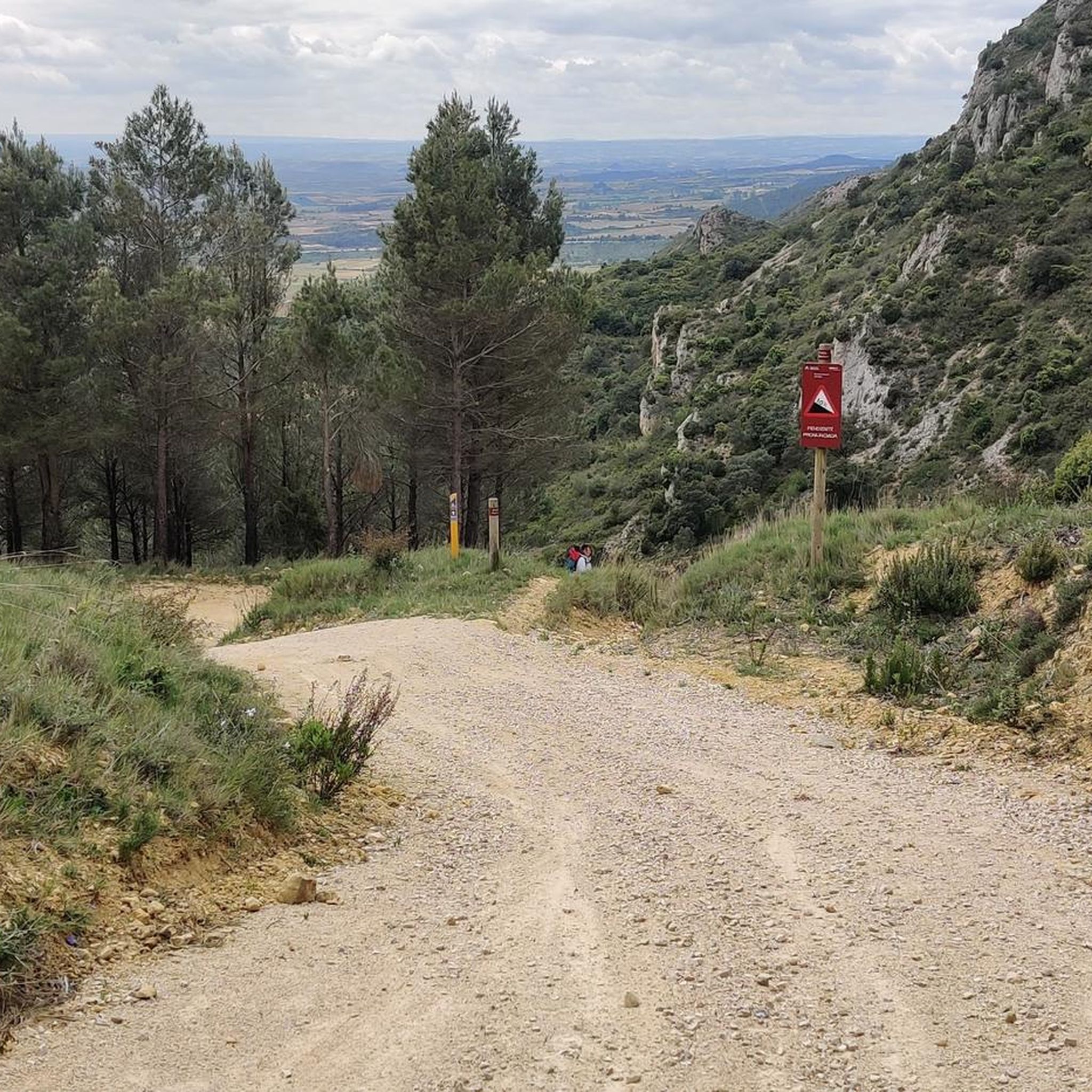
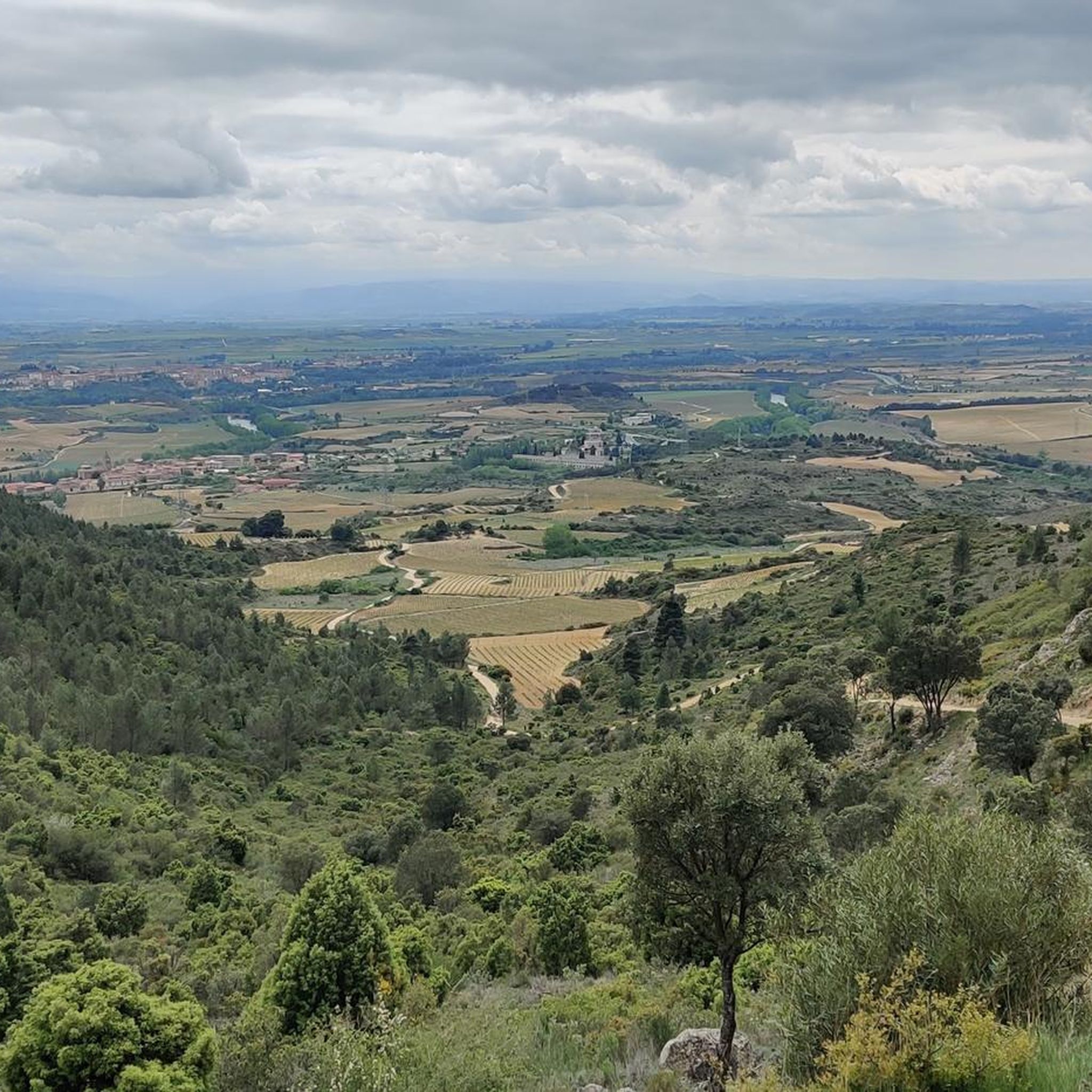
Gravel biking around Labastida/Bastida is characterized by its diverse terrain, situated between the Sierra de Cantabria to the north and the Ebro River Valley to the south. The region features extensive vineyards, gravel tracks, and secluded roads, often with rough asphalt sections. This landscape provides a mix of unpaved and challenging segments, alongside gentler stretches through the Ebro valleys. The area's elevation ranges from the fertile river plains to the foothills of the Sierra de Cantabria, offering varied gradients for…
Last updated: October 6, 2026
4.7
(3)
24
riders
39.5km
03:34
430m
430m
Moderate gravel ride. Good fitness required. Some segments of this route may be unpaved and difficult to ride.
5.0
(1)
26
riders
82.2km
06:59
1,050m
1,050m
Hard gravel ride. Very good fitness required. You may need to push your bike for some segments of this route.

12
riders
71.2km
06:31
830m
830m
Hard gravel ride. Very good fitness required. You may need to push your bike for some segments of this route.
3.3
(3)
37
riders
72.6km
04:11
420m
420m
Moderate gravel ride. Good fitness required. Mostly paved surfaces. Suitable for all skill levels.
7
riders
54.2km
03:55
590m
590m
Hard gravel ride. Very good fitness required. Mostly paved surfaces. Suitable for all skill levels.
Get access to more routes and recommendations from other explorers.
Already have an account?
Our route recommendations are based on thousands of hikes, rides, and runs completed by other people on komoot.
Start today with a free account
Your next adventure awaits.
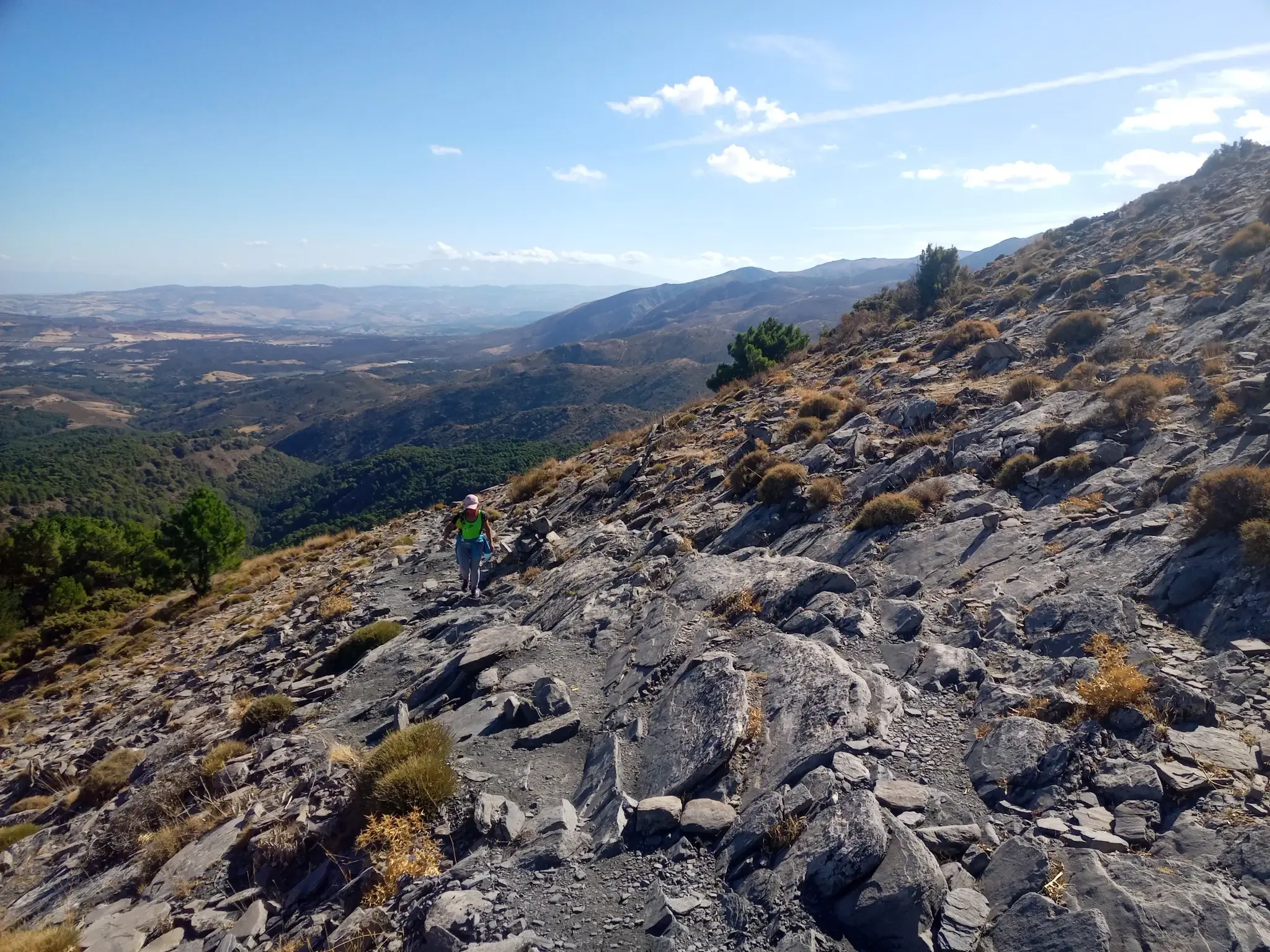
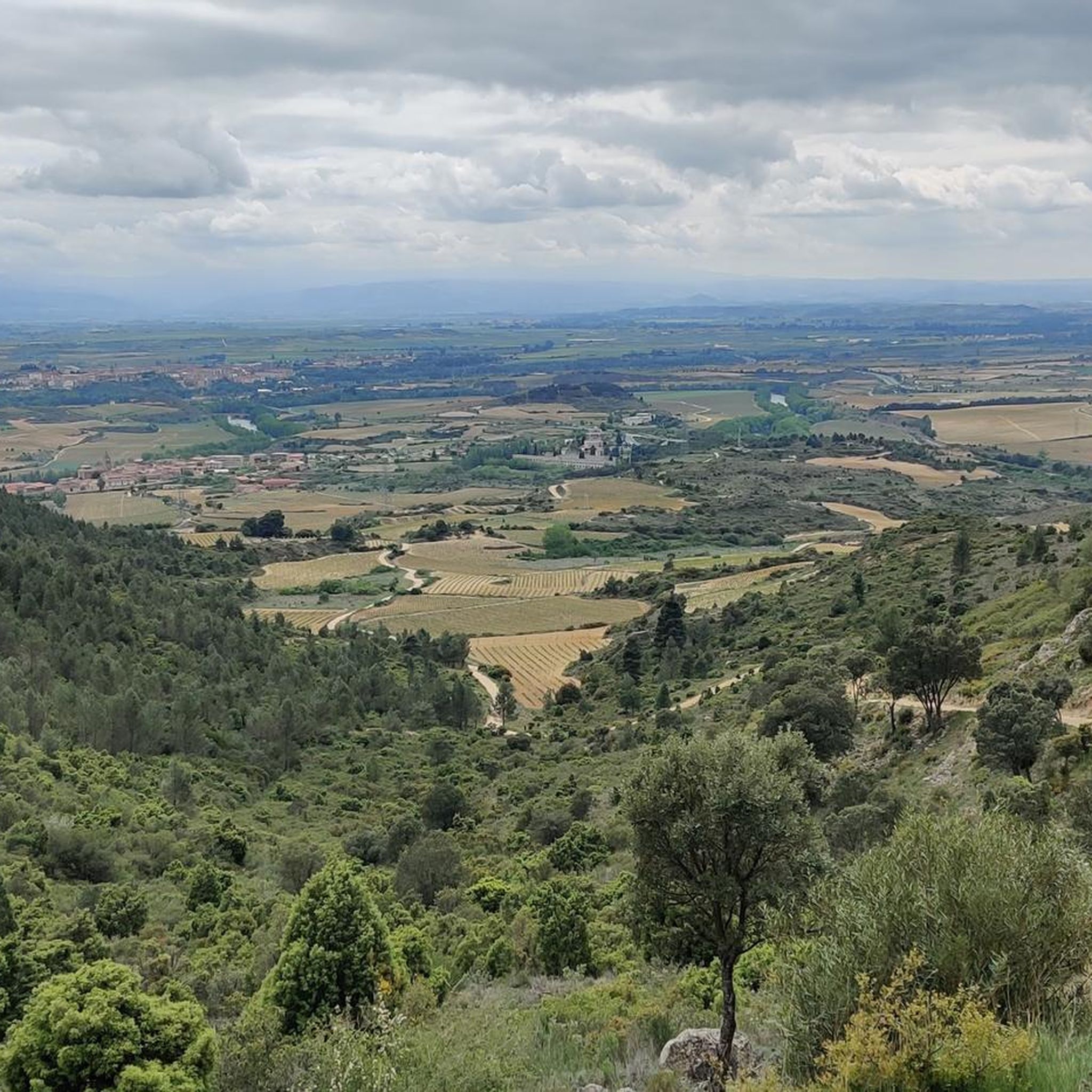
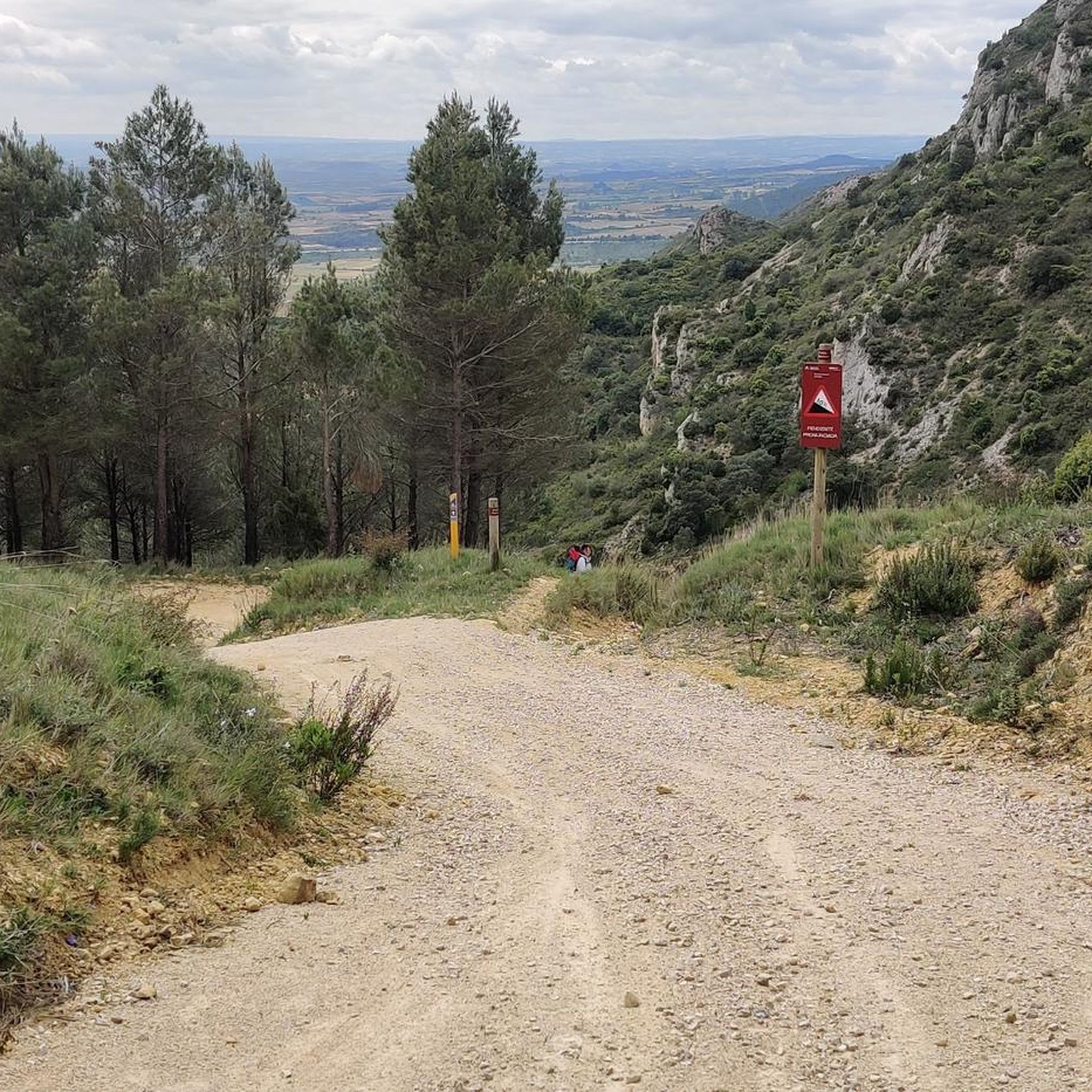
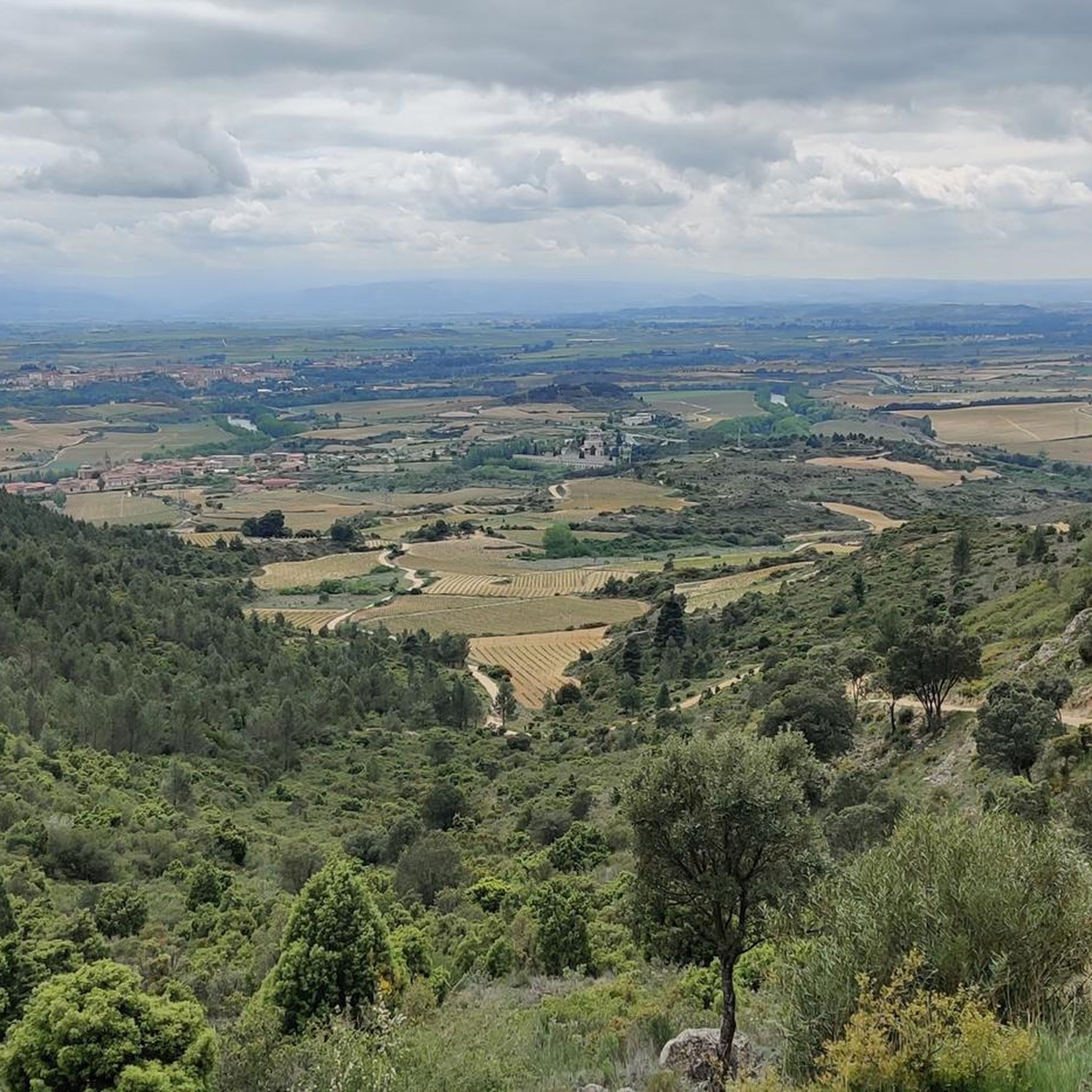
Other adventures around Labastida/Bastida

Tips from the Community

Impressive church, right in the middle of the village.
0
0

A walk among vineyards that will produce some of the best wines in the world
0
0
A beautiful, perfectly restored building. It's a shame it's private and can't be visited.
0
0


Castle with towers at the corners of the structure. The ancient Roman road that connected Italy to Spain passes through here. Information table on site.
7
0

From the Briones castle there is a spectacular view of the Ebro River and the surrounding vineyards and, in the background, the limestone ridges of the Alava mountains.
1
0

A prominent example of Rioja's new wine architecture, which is generally postmodern and futuristic, is Santiago Calatrava's design for Bodegas Ysios. Built from 1998 to 2001, the architectural landmark is commonly referred to in the press as the “Cathedral of Wine” or “modern house of worship”, due to its shape, the Calatrava of the silhouette of the Cantabrian Mountains, to which the winery with its 65 hectares is located Rebland wants to have modeled it. Source: https://spaniens-weinwelten.com/2018/03/18/ysios-reserva-2008/
2
0
Frequently Asked Questions
How many gravel bike trails are available around Labastida/Bastida?
There are over 30 gravel bike trails around Labastida/Bastida, offering a wide range of options for different skill levels. You'll find everything from moderate vineyard loops to more demanding climbs in the foothills of the Sierra de Cantabria.
What kind of terrain can I expect on gravel bike trails in Labastida/Bastida?
The terrain around Labastida/Bastida is quite diverse. You can expect a mix of extensive vineyards, gravel tracks, and secluded roads, often with rough asphalt sections. Some routes feature challenging unpaved segments, while others offer gentler stretches through the Ebro valleys.
Are there any easy gravel bike routes for beginners or families?
Yes, there are several easier options. While many routes offer a good challenge, you can find moderate trails suitable for those looking for a less strenuous ride. For example, the Gravel route through vineyards along the Ebro River is a moderate 39.5 km path that offers scenic views without extreme difficulty.
What are some notable landmarks or viewpoints along the gravel bike routes?
Many routes pass through or near historic villages and offer stunning views. You can cycle through vast vineyards, catch glimpses of the Ebro River, and see the Sierra de Cantabria mountains. The region is also rich in history, with medieval villages, Renaissance palaces, and ancient wine cellars. For specific historical points, consider exploring highlights like Sajazarra Castle or the San Vicente de la Sonsierra Fortress Castle.
Are there any routes that pass by waterfalls?
While the region is primarily known for its vineyards and historical sites, there are some natural water features nearby. You might find routes that lead to or near highlights like the Ollerías Waterfall or the Inglares Waterfall, which are part of the broader natural landscape surrounding Labastida/Bastida.
What do other gravel bikers enjoy most about the trails in Labastida/Bastida?
The gravel biking experience in Labastida/Bastida is highly rated by the komoot community, with an average score of 4.2 stars. Riders often praise the diverse terrain, the immersive experience of cycling through vast vineyards, and the charming historic villages encountered along the way. The combination of natural beauty and cultural heritage makes it a popular destination.
Are there any circular gravel bike routes in the area?
Yes, many of the gravel routes in Labastida/Bastida are designed as loops, allowing you to start and finish in the same location. For example, the Roman Bridge of Cihuri – Puente de Cihuri loop from Haro is a moderate circular route that showcases the region's beauty.
What is the best time of year for gravel biking in Labastida/Bastida?
The region is generally pleasant for gravel biking for much of the year. Spring and autumn offer mild temperatures and beautiful scenery, especially during harvest season in the vineyards. While some routes are accessible year-round, it's always advisable to check local weather conditions, particularly for mountainous sections or during potential winter rainfall.
Can I find routes that include historical sites like Roman bridges or castles?
Absolutely. The region is rich in history. You can find routes that pass by significant historical structures. For instance, the Roman Bridge of Cihuri – Puente de Cihuri loop from Haro specifically highlights a beautiful Roman bridge. Many trails also weave through areas dotted with medieval remains and ancient wine cellars.
Are there any long-distance or challenging gravel routes for experienced riders?
Yes, experienced riders will find plenty of challenging options. Routes like the Mymerak gravel route between wine cellars, at 82.2 km and nearly 7 hours, or the San Vicente de la Sonsierra – Red Cliffs of Navarrete loop from Haro, which is 85 km, offer significant distances and elevation gains, traversing diverse and sometimes demanding terrain.
What are the options for parking when accessing gravel bike trails?
While specific parking details vary by trailhead, Labastida and its surrounding towns generally offer parking facilities. Many routes start from towns like Haro or Labastida itself, where public parking is available. It's recommended to check the starting point of your chosen route for the most convenient parking options.
Most popular routes around Labastida/Bastida
Most popular attractions around Labastida/Bastida

Get inspired with the komoot mobile app


Explore more
Browse the best Gravel rides in other regions.
