The best gravel rides around Calella
4.4
(34)
661
riders
17
rides
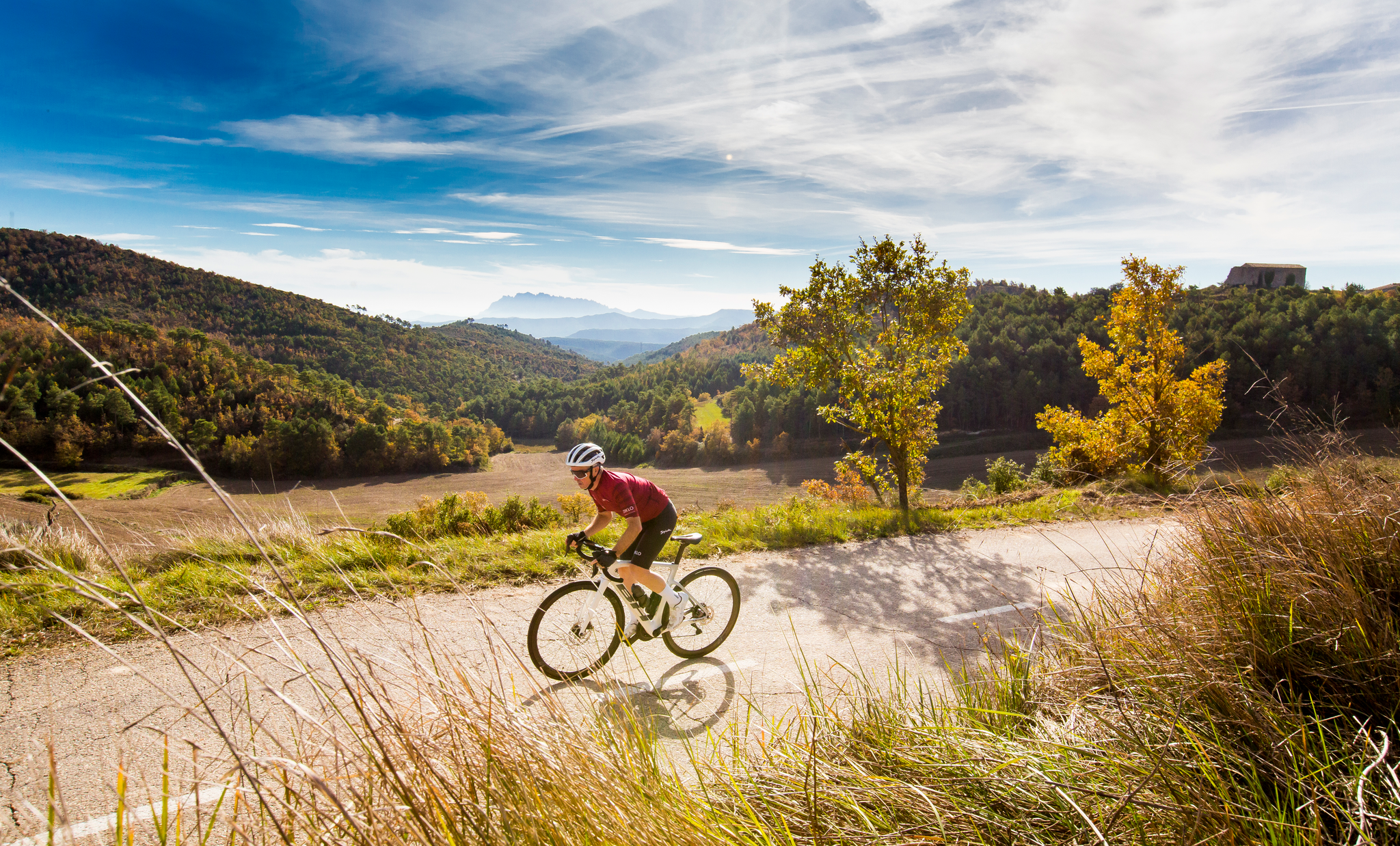
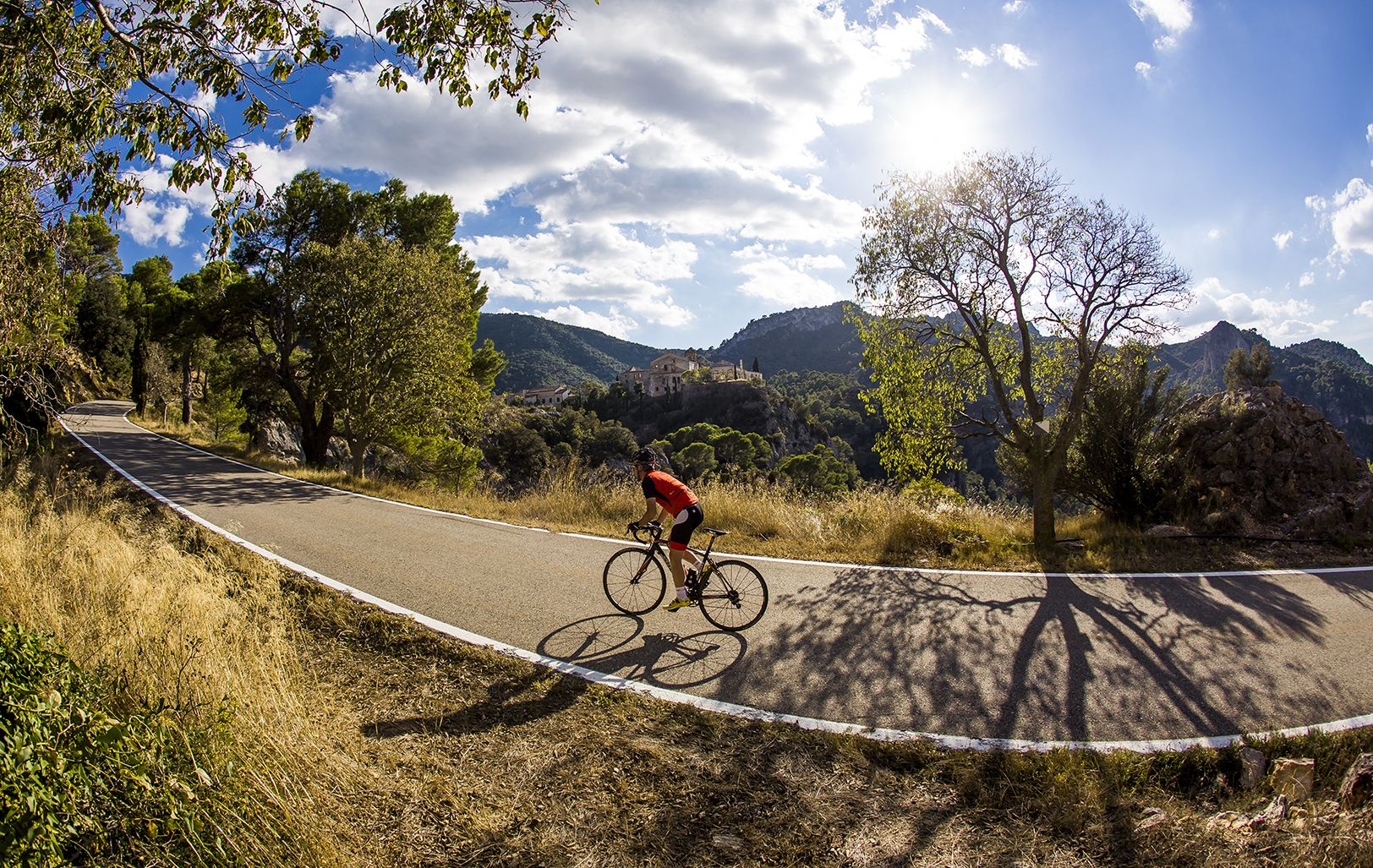
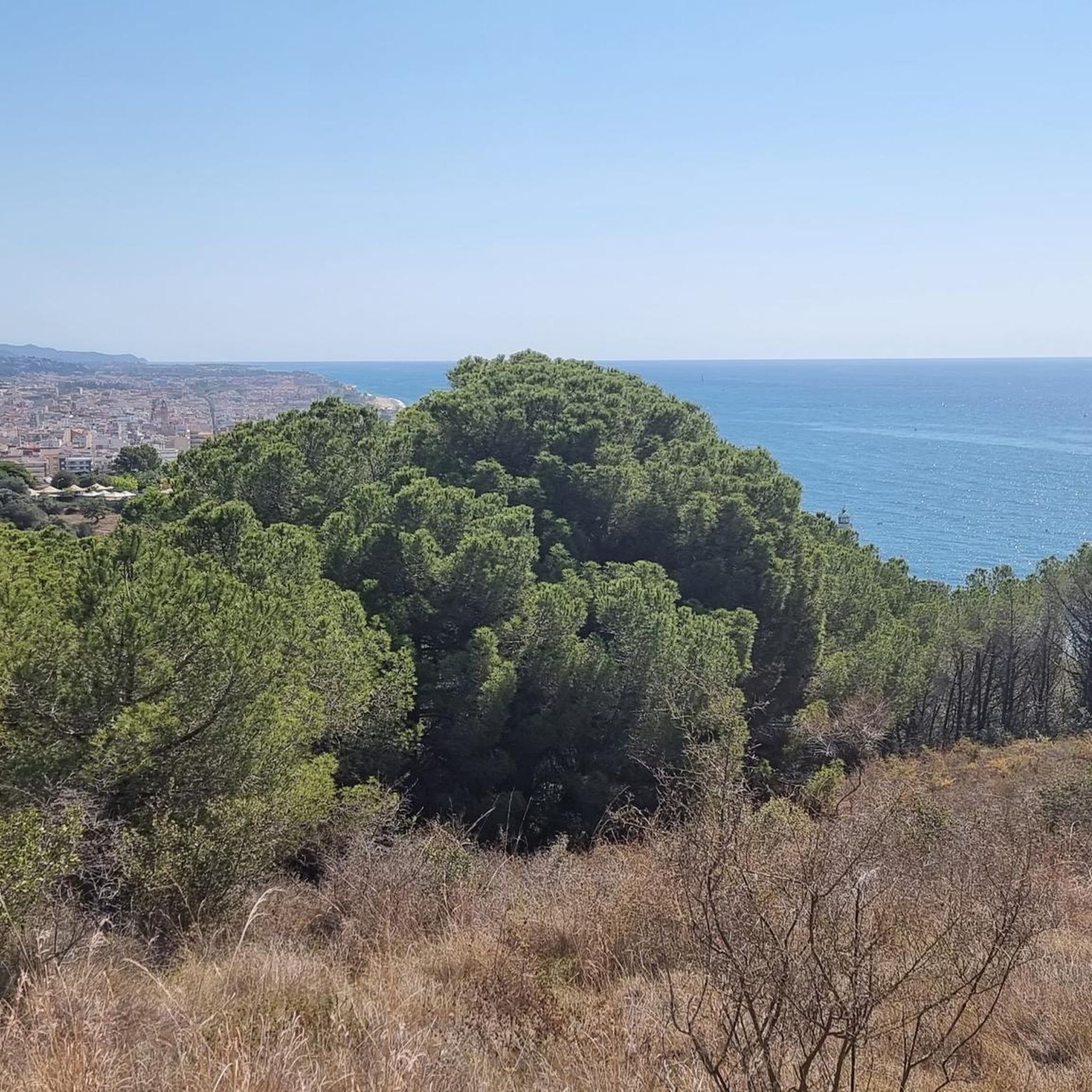
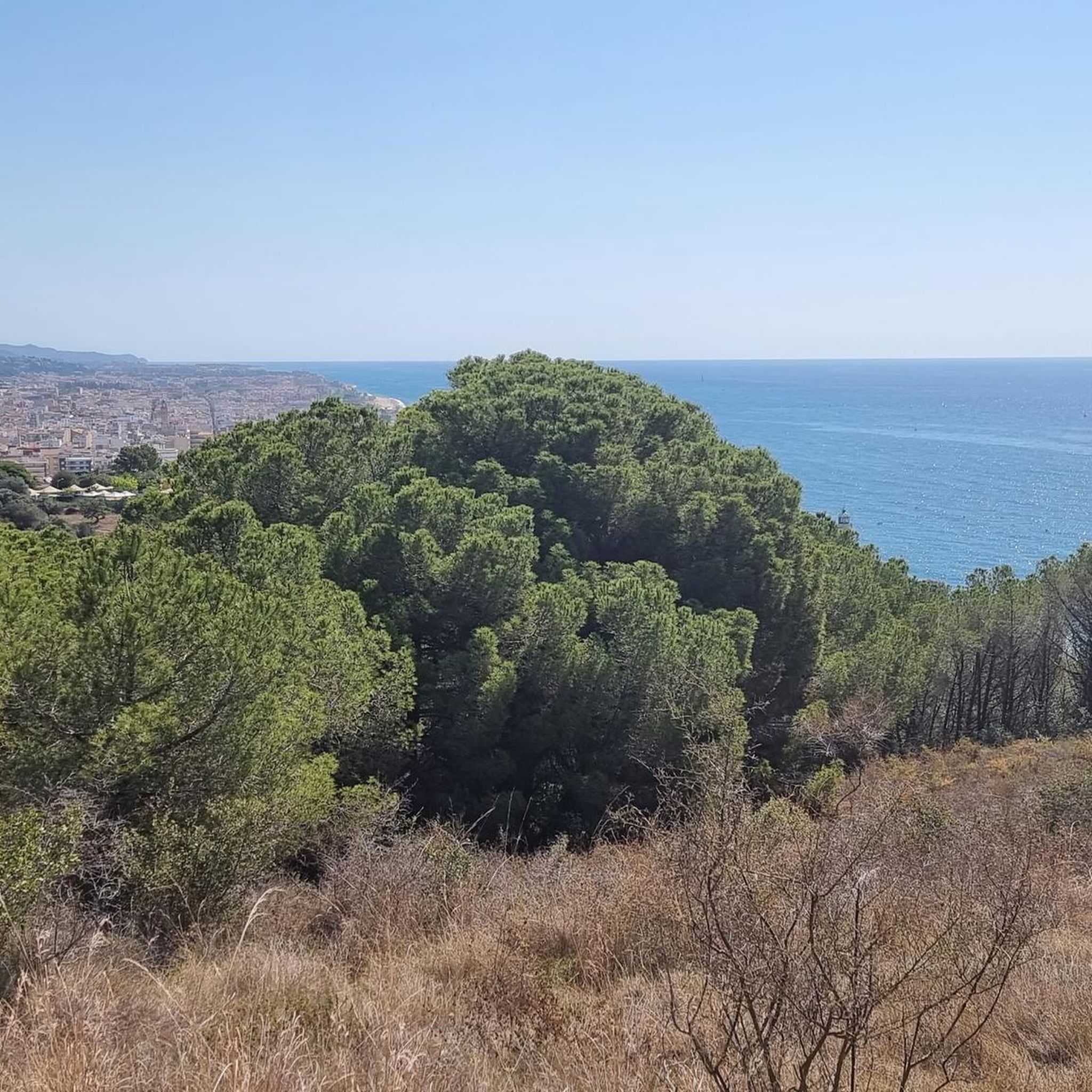
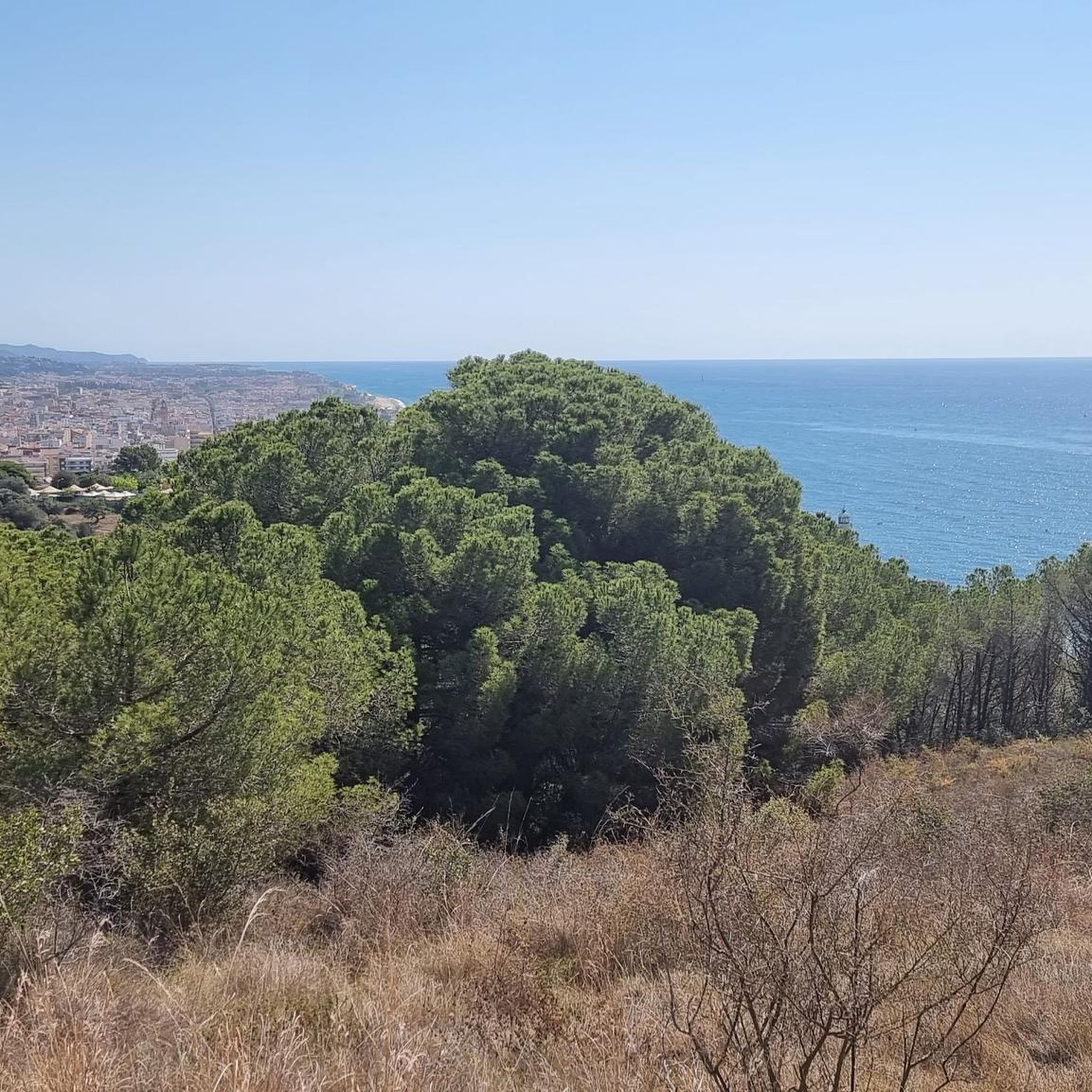
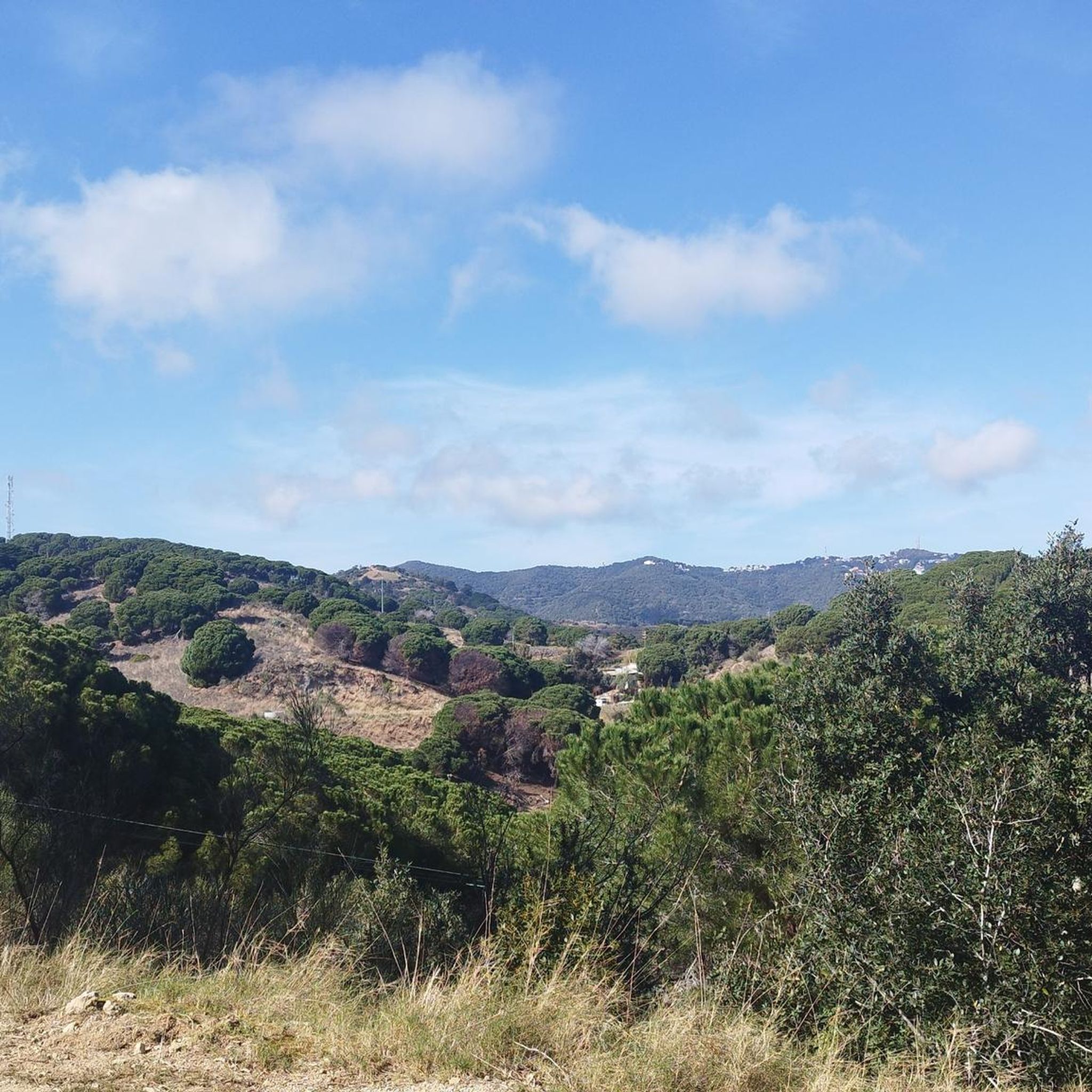
Gravel biking around Calella offers diverse terrain, situated between the Mediterranean Sea and the foothills of the Montnegre. The region features a mix of flat coastal paths, rugged sections along the N-II road, and challenging ascents through the dense forests and rolling hills of the Montnegre i el Corredor Natural Park. This varied topography provides routes that explore both the coastline and the mountainous interior of the Maresme region.
Best gravel bike trails around Calella
- The most popular gravel bike…
Last updated: October 19, 2026
28
riders
84.4km
05:33
940m
940m
Hard gravel ride. Very good fitness required. Mostly paved surfaces. Suitable for all skill levels.
4.0
(3)
60
riders
50.1km
03:00
190m
190m
Moderate gravel ride. Good fitness required. Mostly paved surfaces. Suitable for all skill levels.

4.0
(3)
14
riders
22.0km
01:25
230m
230m
Moderate gravel ride. Good fitness required. Mostly paved surfaces. Suitable for all skill levels.
43
riders
117km
09:45
2,470m
2,470m
Hard gravel ride. Very good fitness required. Mostly paved surfaces. Suitable for all skill levels.
7
riders
46.8km
03:37
960m
960m
Hard gravel ride. Very good fitness required. Mostly paved surfaces. Suitable for all skill levels.
Get access to more routes and recommendations from other explorers.
Already have an account?
Our route recommendations are based on thousands of hikes, rides, and runs completed by other people on komoot.
Start today with a free account
Your next adventure awaits.


Tips from the Community

as you have direct access to the fine sandy beach from many of the pitches and bungalows
3
0
The facility impresses with its unique location
3
0

It looks as if we were some centuries back in time!
0
0

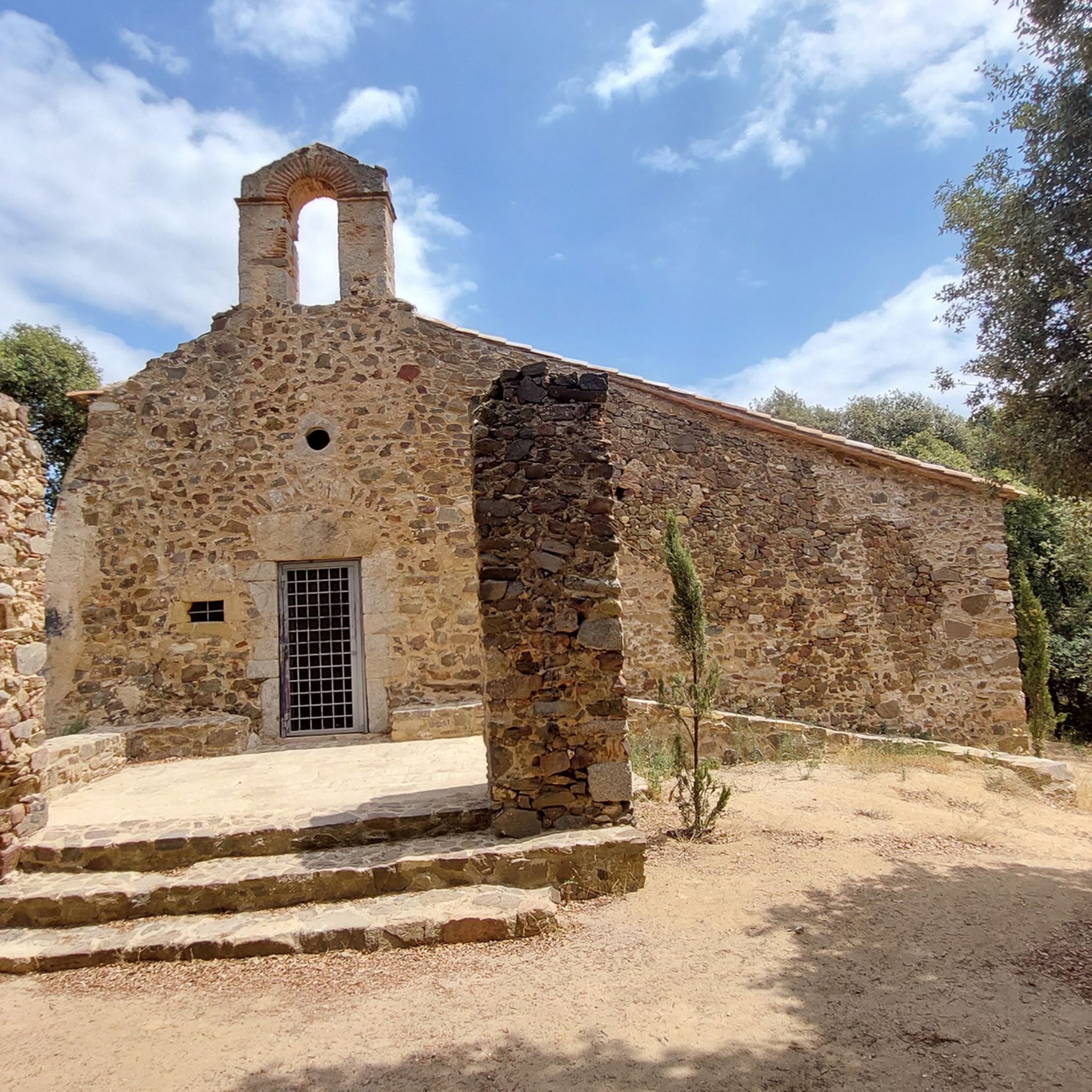
Tradition has it that when fishermen were far out at sea, they would look for a tiny white dot on the mountain amidst the green of the forest. It was this hermitage. It served as a reference point for them to orient themselves and know where the coast was. A kind of lighthouse, but on the mountain. And there's a second, even more curious story. Centuries ago, a severe smallpox epidemic affected the farmhouses of Hortsavinyà. Legend has it that a stranger appeared with an image of the Virgin and assured that those who came to pray to her would be healed. People associated the healings with that image, and eventually, the small oratory was built here. There's even a curious play on its name: Erola and verola—smallpox in Catalan—ended up being linked in popular tradition, although the origin of 'erola' seems to actually refer to the small plain where it is located. So that little white house lost among the trees was, depending on who looked at it, a sanctuary for some and an orientation point for those sailing down below in the Mediterranean.
0
0
Before the telephone, radio, or internet, messages could also travel at high speed. This tower was part of a 19th-century optical telegraph network: from the top, a system of mechanical signals was observed with telescopes from the next tower, which repeated the message to the following one. Thus, information could cover enormous distances without anyone having to transport it physically. And here comes the curious part: Puigmarí was just one link in a real chain of towers that communicated Barcelona with the French border. From here, visual contact had to be maintained with the neighboring towers. If you reach it, look at the landscape and try to locate where the next one could be seen from. Suddenly you understand why they built the tower exactly here and not a hundred meters lower. A kind of 19th-century internet, but with towers, telescopes, and signals.
0
0
Two thousand years old and still standing. The Romans built this aqueduct between the 2nd and 3rd centuries to carry water for about 3.5 km to a Roman villa located in Can Roig. The route had barely 40 meters of elevation change: fine engineering without GPS, laser, or any of that. It once had numerous arches to cross torrents; today only some sections survive. And a brutal detail: in medieval documents from 1090, it was already called Archus Antiquos, "the ancient arches". In other words, almost a thousand years ago people were already passing by here thinking: this has been here forever.
1
0
Frequently Asked Questions
What kind of terrain can I expect on gravel bike trails around Calella?
Gravel biking around Calella offers a diverse landscape, blending coastal paths with mountainous terrain. You'll find routes that range from flat, scenic rides along the Mediterranean Sea to challenging ascents through the dense forests and rolling hills of the Montnegre i el Corredor Natural Park. The region provides a mix of rugged sections, particularly along the N-II road, and smoother paths, catering to various preferences.
Are there any easy or moderate gravel bike routes suitable for beginners or families?
Yes, Calella offers several moderate routes perfect for those new to gravel biking or looking for a more relaxed ride. For instance, the Pineda de Mar seafront – N-II road through Calella loop from Calella is a moderate 49.9 km (31.0 miles) trail that combines scenic coastal riding with sections along the N-II road. Another moderate option is the Pineda de Mar Beachfront – New Chapel of Sant Isidre loop from Calella, which is shorter at 22.0 km (13.7 miles) and takes about 1 hour 25 minutes.
Where can I find challenging gravel bike routes with significant elevation gain?
For experienced gravel bikers seeking a challenge, the Montnegre i el Corredor Natural Park offers routes with substantial elevation. The Three Borders Cross – Marcedor de la Serpula loop from Calella is a difficult 25.8 km (16.0 miles) path that ascends into the park, featuring forest paths and over 600 meters of elevation gain. For an even longer and more demanding adventure, consider the Can Benet Pass – Three Borders Cross loop from Calella, a 116.0 km (72.0 miles) trail with over 2,400 meters of elevation, typically completed in about 11 hours.
What are the best seasons for gravel biking in Calella?
Calella is an excellent destination for gravel biking year-round, thanks to its Mediterranean climate. Spring and autumn offer pleasant temperatures, making them ideal for longer rides. Winter can also be a great time, with cooler, crisp air and fewer crowds. Summers are warm, so early morning or late afternoon rides are recommended to avoid the midday heat.
Are there any circular gravel bike routes around Calella?
Yes, many of the gravel bike routes around Calella are designed as loops, allowing you to start and end in the same location. Examples include the popular Pineda de Mar seafront – N-II road through Calella loop from Calella, which offers a mix of coastal and road riding, and the more challenging Pineda de Mar seafront – Maçanet de la Selva loop from Calella, a difficult 84.3 km (52.4 miles) route that takes you further inland.
What kind of natural attractions can I see along the gravel bike trails?
The trails often lead through the diverse landscapes of the Montnegre i el Corredor Natural Park, where you can experience lush forests and rolling hills. Along some routes, you might encounter natural features like the Tordera River or its Mouth of the Tordera. The region's Mediterranean flora, including cork trees, lavender, and rosemary, adds to the scenic beauty.
Are there any historical landmarks or points of interest accessible by gravel bike?
Yes, several historical landmarks are within reach or along gravel routes. You can explore ancient structures like Palafolls Castle, Montpalau Castle, or Jalpí Castle. The Three Borders Cross is another notable monument found on some of the more challenging routes within the natural park.
What do other gravel bikers say about the trails in Calella?
The gravel biking routes in Calella are highly regarded by the komoot community, holding an average rating of 4.4 stars from over 14 reviews. Cyclists often praise the varied terrain, which offers a great mix of coastal views and challenging forest climbs, as well as the well-maintained paths within the Montnegre i el Corredor Natural Park.
Is Calella a good destination for cycling in general, beyond just gravel biking?
Absolutely. Calella is a certified Sports Tourism Destination, recognized for its extensive cycling infrastructure. Beyond gravel biking, the area offers over 260 cycle routes, including dedicated road and mountain biking trails, catering to all skill levels. The town also provides specialized services for cyclists, such as bike parking, repair facilities, and sports-friendly menus at local hotels.
Are there any routes that offer scenic viewpoints?
Many routes in Calella provide stunning views, especially those that climb into the Montnegre i el Corredor Natural Park or hug the coastline. The rugged, rocky sections along the N-II road offer picturesque Mediterranean vistas. Routes that ascend to higher elevations, such as those leading towards the Three Borders Cross, often reward riders with panoramic views of the surrounding landscape and the sea.
How long are the gravel bike trails near Calella?
The length of gravel trails around Calella varies significantly, offering options for different endurance levels. You can find shorter routes like the Pineda de Mar Beachfront – New Chapel of Sant Isidre loop from Calella at 22.0 km (13.7 miles), which takes about 1 hour 25 minutes. For longer adventures, there are routes such as the Pineda de Mar seafront – Maçanet de la Selva loop from Calella, spanning 84.3 km (52.4 miles) and taking around 5 hours 35 minutes, or even the 116.0 km (72.0 miles) Can Benet Pass – Three Borders Cross loop from Calella, which can take over 11 hours to complete.
Most popular attractions around Calella

Get inspired with the komoot mobile app


Explore more
Browse the best Gravel rides in other regions.
