The best gravel rides around Alzira
4.8
(21)
249
riders
52
rides
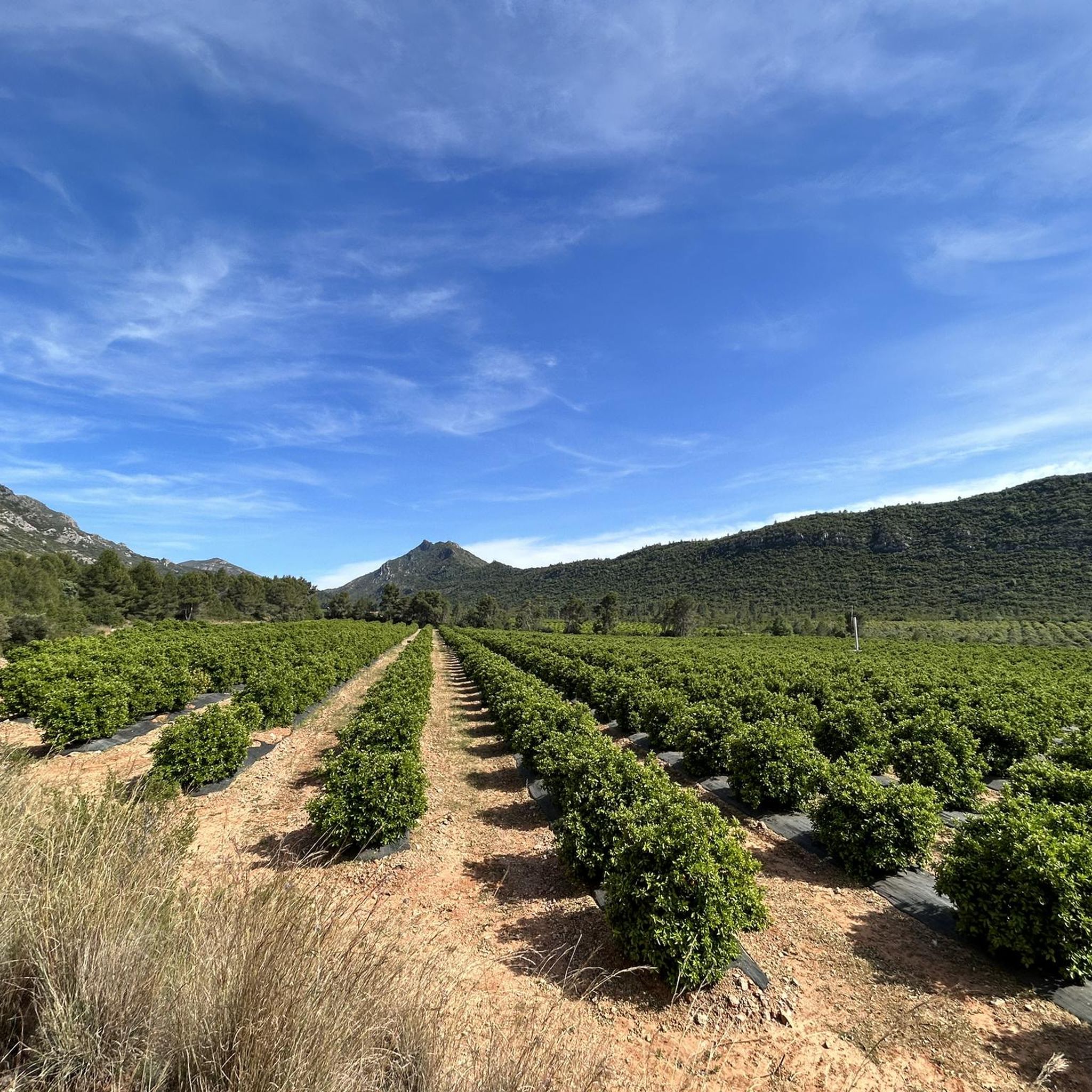
Gravel biking around Alzira features a diverse landscape, characterized by the Júcar River and its levee paths, alongside more elevated terrain leading to viewpoints. The region offers a mix of flat, riverside routes and challenging climbs through hills. This varied topography provides opportunities for different gravel biking experiences, from leisurely rides along the river to more demanding ascents.
Best gravel bike trails around Alzira
- The most popular gravel bike trail is Riola (Rio Júcar) – Júcar River Levee loop from…
Last updated: July 8, 2026
4.8
(4)
28
riders
49.4km
03:10
60m
60m
Moderate gravel ride. Good fitness required. Mostly paved surfaces. Suitable for all skill levels.
5.0
(2)
26
riders
34.4km
02:06
470m
470m
Hard gravel ride. Very good fitness required. Mostly paved surfaces. Suitable for all skill levels.

Sign up for free
4.7
(3)
18
riders
Moderate gravel ride. Good fitness required. Mostly paved surfaces. Suitable for all skill levels.
4.7
(3)
10
riders
28.1km
01:49
140m
140m
Easy gravel ride. Great for any fitness level. Mostly paved surfaces. Suitable for all skill levels.
5.0
(2)
9
riders
38.0km
02:32
60m
60m
Moderate gravel ride. Good fitness required. Mostly paved surfaces. Suitable for all skill levels.
Get access to more routes and recommendations from other explorers.
Sign up for free
Already have an account?
Our route recommendations are based on thousands of hikes, rides, and runs completed by other people on komoot.
Start today with a free account
Your next adventure awaits.
Login or Signup
Other adventures around Alzira

Tips from the Community

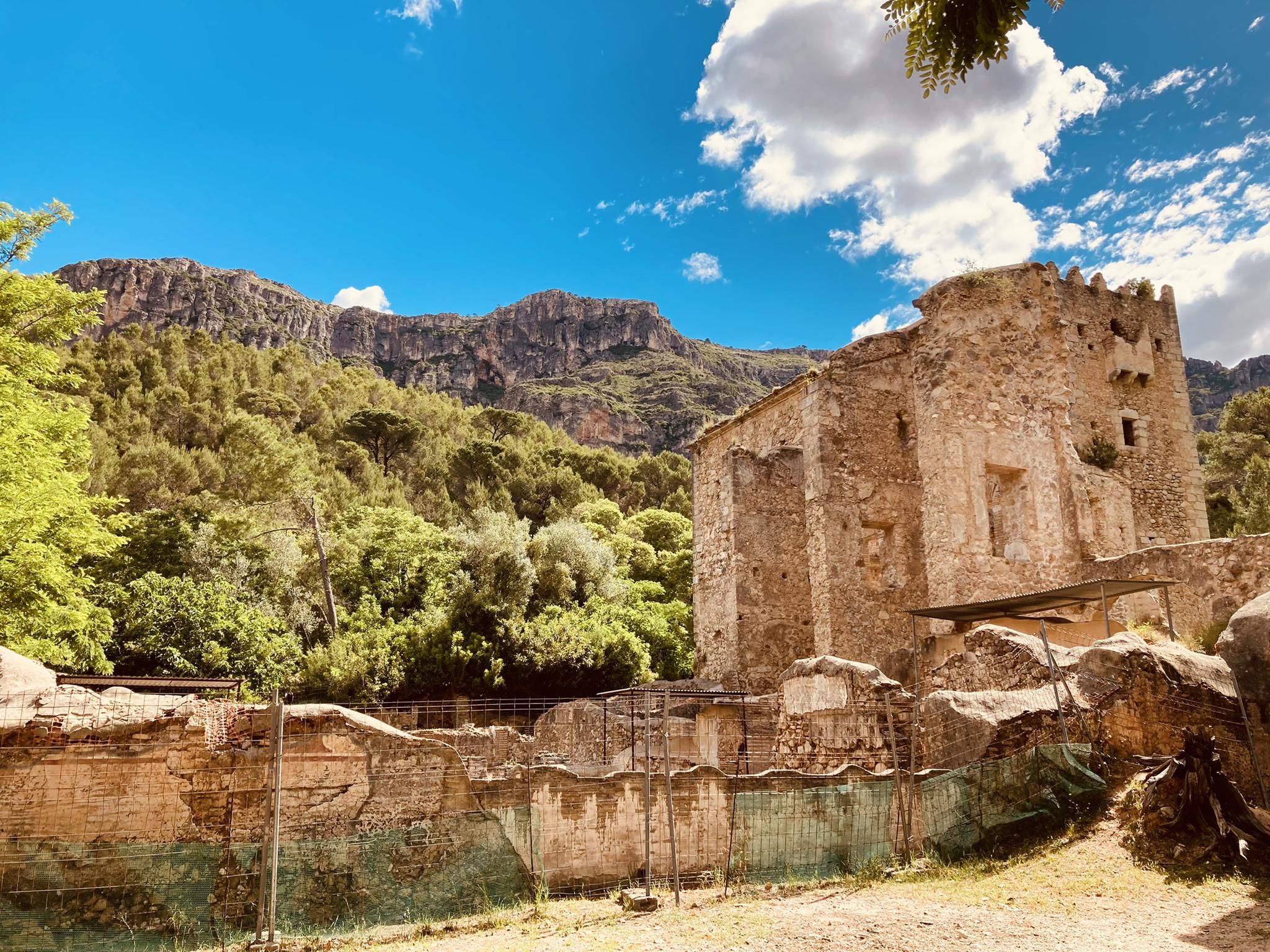
El convent d'Aigües Vives, també anomenat Reial Monestir de Santa Maria d'Aigües Vives, és un antic monestir amb orígens que es remunten al segle XIII. L'edifici actual es va construir durant els segles XVI i XVII, amb els corresponents estils, renaixentista i barroc, si bé l'ala nord es va acabar en el segle XVIII. El monestir va pertànyer a l'orde dels agustins, orde que custodiava la imatge de la Mare de Déu d'Aigües Vives, patrona de la ciutat de La Barraca d'Aigües Vives. A mitjan segle XIX, a conseqüència de la desamortització de Mendizábal, els monjos hagueren d'abandonar el cenobi. Aquest va passar a mans dels barons de Casanova, que el destinaren com a habitatge rural. L'any 1977 el monestir fou adquirit i reformat per a destinar-lo a hotel residència per Antonio Vidal Bellver (fotògraf i empresari de Carcaixent). Actualment és propietat d'un empresari hoteler de Gandia. El 2024, la Generalitat Valenciana va instar els nous propietaris a fer obres per a mantenir aquesta obra major que ha patit un deteriorament progressiu com a conseqüència de robatoris, vandalisme i abandonament.
1
0
La ruta per la mota dreta del riu transcorre entre les cases del poble i el propi riu.
1
0

Between the shade of the Mondúver and the constant sound of water, the Clot de la Font is one of those places that invite you to slow down and enjoy cycling without looking at the clock. This natural spring, where the Badell—a tributary of the Vaca river—is born, is located a few kilometers from the urban center of Tavernes de la Valldigna and is a regular stop for cyclists, hikers, and runners. The access combines agricultural paths and stretches surrounded by pine forests and Mediterranean vegetation, perfect for a gravel, MTB, or even a quiet road route. The area is part of the Ruta dels Sentits and stands out for its fresh atmosphere, the shade of the Ombria, and a historic white fountain over 160 years old, next to a small waterfall that makes this place one of the most special points in the Valldigna. There's always a cycling vibe here: groups setting off at dawn, quick stops to fill water bottles, or simply a perfect place to rest before continuing towards the Cova del Bolomor, the Castell de Marinyén, or the routes of the Mondúver. The stone tables, potable water, and the tranquility of the surroundings make it a mandatory stop for any route through the Safor. A small oasis between mountain, water, and paths. Ideal for stopping, breathing, and keeping on rolling.
0
0

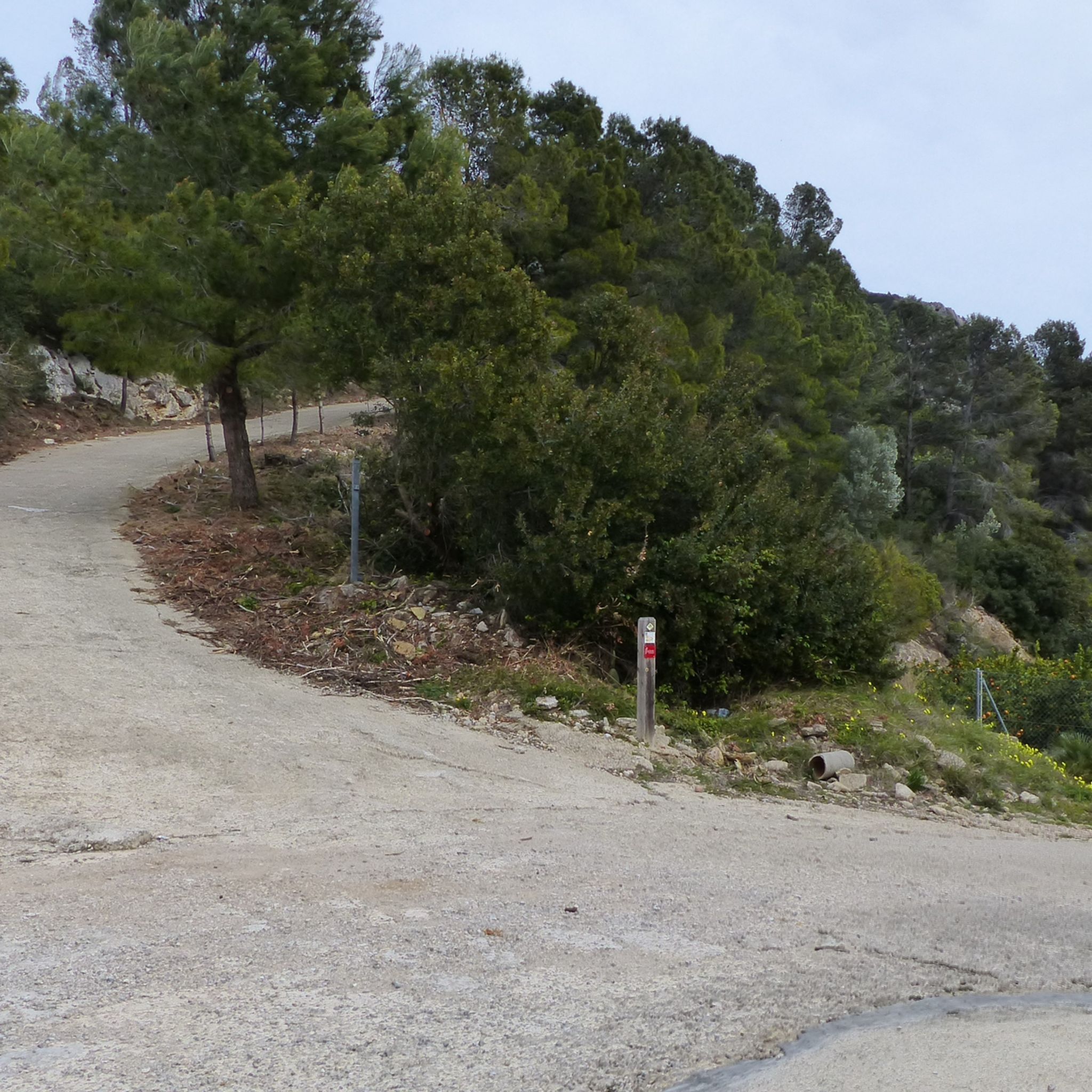
Be careful with precipitation and even with high humidity, the pavement fogs up completely and becomes slippery.
1
0
The Garrofer spring is a spring where water, coming from the Agulles aquifer, flows happily through two pipes and is channeled to an adjacent washhouse. Despite the warning that the water is not potable (as it is not chlorinated or subject to any health control), thousands of Alzire residents travel up to thirteen kilometers and sometimes form long queues to fill their water jugs.
1
0

Highly recommended scenic spot with access in any way, but I recommend it for cycling or on foot.
0
0

The bridge over the CV-50 between Carcaixent and Tabernes is finally operational, and you can now travel along the entire greenway without entering the CV-50, which was a danger.
1
0
Frequently Asked Questions
What is the overall difficulty of gravel biking trails around Alzira?
Alzira offers a wide range of gravel biking experiences. You'll find a balanced mix of moderate and difficult routes, with 34 moderate and 36 difficult trails available. There are also a few easier options for those looking for a more relaxed ride.
Are there any family-friendly gravel bike trails in Alzira?
While many routes in Alzira feature significant climbs, the flatter sections along the Júcar River levees can be suitable for families or those seeking less strenuous rides. Look for routes with minimal elevation gain, often found closer to the river, for a more family-friendly experience.
What are some scenic viewpoints accessible by gravel bike in Alzira?
Many routes in Alzira lead to rewarding viewpoints. For a challenging ride with panoramic views, consider the Font del Garrofer – Collado del Infierno Viewpoint loop from Alzira. You can also explore highlights like El Salto de Chella Viewpoint for stunning vistas.
What is the best time of year for gravel biking in Alzira?
The Mediterranean climate of Alzira makes gravel biking enjoyable for much of the year. Spring and autumn offer pleasant temperatures, ideal for longer rides. Winters are generally mild, though some routes might be affected by rain. Summers can be very hot, so early morning or late afternoon rides are recommended during this season.
Are there any circular gravel bike routes in Alzira?
Yes, many of the gravel bike routes around Alzira are designed as loops, allowing you to start and finish in the same location. Examples include the Old narrow-gauge train station – Monastery of Aigues Vives loop from Alzira, which offers a moderate challenge, and the more demanding Monastery of Aigues Vives – Old narrow-gauge train station loop from Alzira.
What kind of natural attractions can I see along the gravel bike trails in Alzira?
The region boasts several natural highlights. You might encounter natural monuments like Font del Garrofer or explore the diverse landscapes of La Murta Municipal Natural Park. There are also several caves, such as Cova de la Galera, that add to the area's natural appeal.
How long do gravel bike trails around Alzira typically take to complete?
The duration varies significantly based on the route's length and elevation. Shorter, moderate loops along the river might take around 3-4 hours, while longer, more difficult routes with substantial climbs, like the Monastery of Aigues Vives – Old narrow-gauge train station loop from Alzira, can take over 4 hours.
What do other gravel bikers enjoy most about gravel biking in Alzira?
The area is highly rated by the komoot community, with an average score of 4.6 stars from over 40 reviews. Reviewers often praise the diverse terrain, from flat riverside paths to challenging hill climbs, and the scenic beauty of the Júcar River and surrounding agricultural areas.
Are there any historical or cultural landmarks along the gravel bike routes?
Yes, some routes pass by significant historical sites. For instance, the Old narrow-gauge train station – Monastery of Aigues Vives loop from Alzira takes you past the historic Monastery of Aigues Vives, offering a blend of natural beauty and cultural interest.
How many gravel bike trails are available in Alzira?
There are over 70 gravel bike trails available around Alzira, offering a wide variety of distances and difficulty levels to suit different preferences and fitness levels.
Are there any beginner-friendly gravel biking routes in Alzira?
While many routes feature moderate to difficult sections, beginners can find suitable options by focusing on the flatter, less technical paths, particularly those following the Júcar River levees. These provide a good introduction to gravel biking without significant climbs.
Most popular attractions around Alzira

Get inspired with the komoot mobile app


Explore more
Browse the best Gravel rides in other regions.
