The best gravel rides around Roda De Berà
4.2
(9)
125
riders
49
rides
Gravel biking around Roda De Berà offers a diverse landscape for riders, characterized by a mix of coastal routes, historical sites, and inland trails. The region features varied terrain, including paths near the Mediterranean coast and routes that venture through agricultural areas and past historical structures. Elevation changes are present, providing options for different levels of physical exertion.
Best gravel bike trails around Roda De Berà
- The most popular gravel bike trail is La Selva Gaiazonica – View of Castillo…
Last updated: July 3, 2026
1.0
(1)
15
riders
41.7km
03:07
510m
510m
Hard gravel ride. Very good fitness required. Mostly paved surfaces. Suitable for all skill levels.
17
riders
Hard gravel ride. Very good fitness required. Mostly paved surfaces. Suitable for all skill levels.

Sign up for free
7
riders
Hard gravel ride. Very good fitness required. Mostly paved surfaces. Suitable for all skill levels.
7
riders
119km
08:11
1,370m
1,370m
Hard gravel ride. Very good fitness required. You may need to push your bike for some segments of this route.
1
riders
27.4km
01:57
410m
420m
Moderate gravel ride. Good fitness required. Mostly paved surfaces. Suitable for all skill levels.
Get access to more routes and recommendations from other explorers.
Sign up for free
Already have an account?
Our route recommendations are based on thousands of hikes, rides, and runs completed by other people on komoot.
Start today with a free account
Your next adventure awaits.
Login or Signup
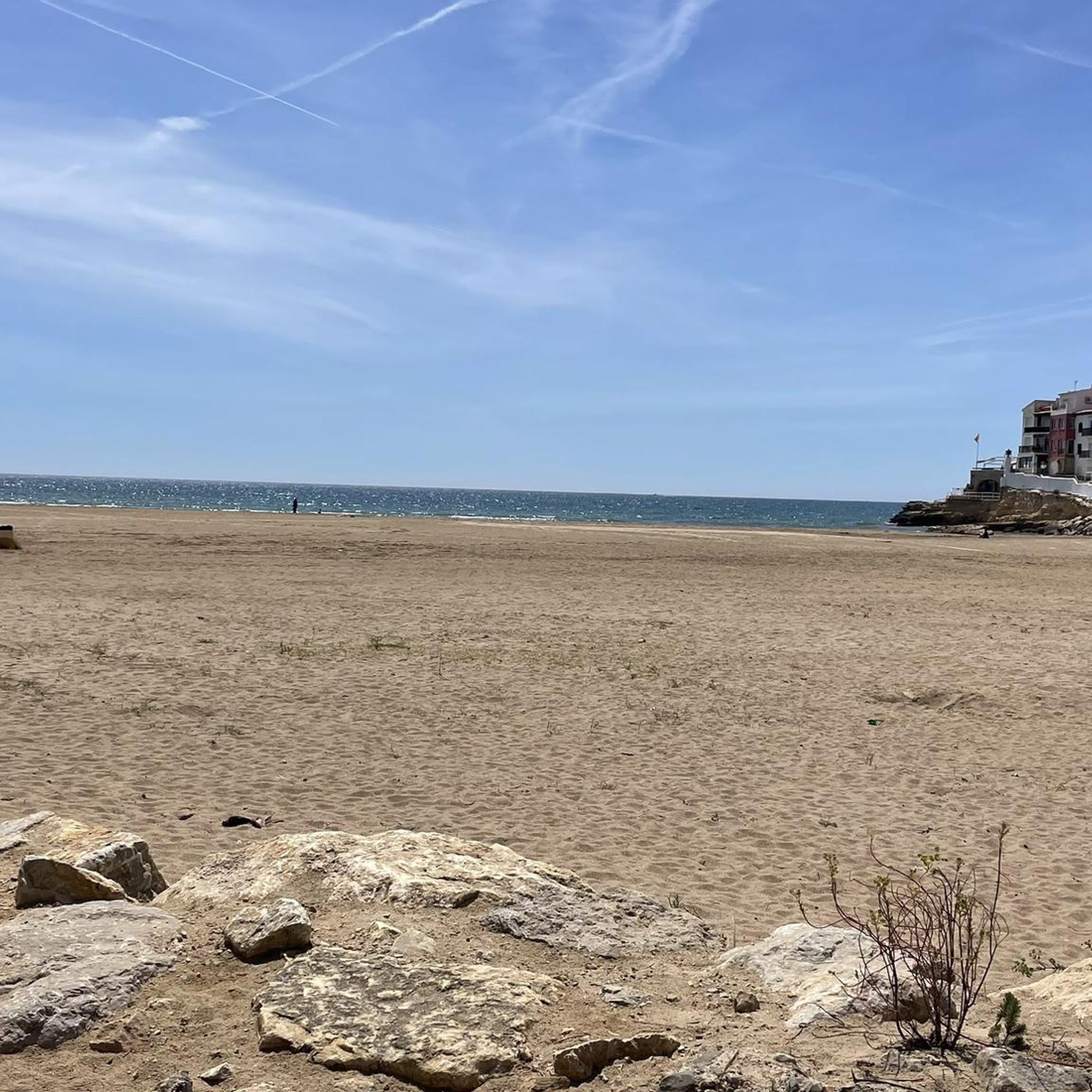
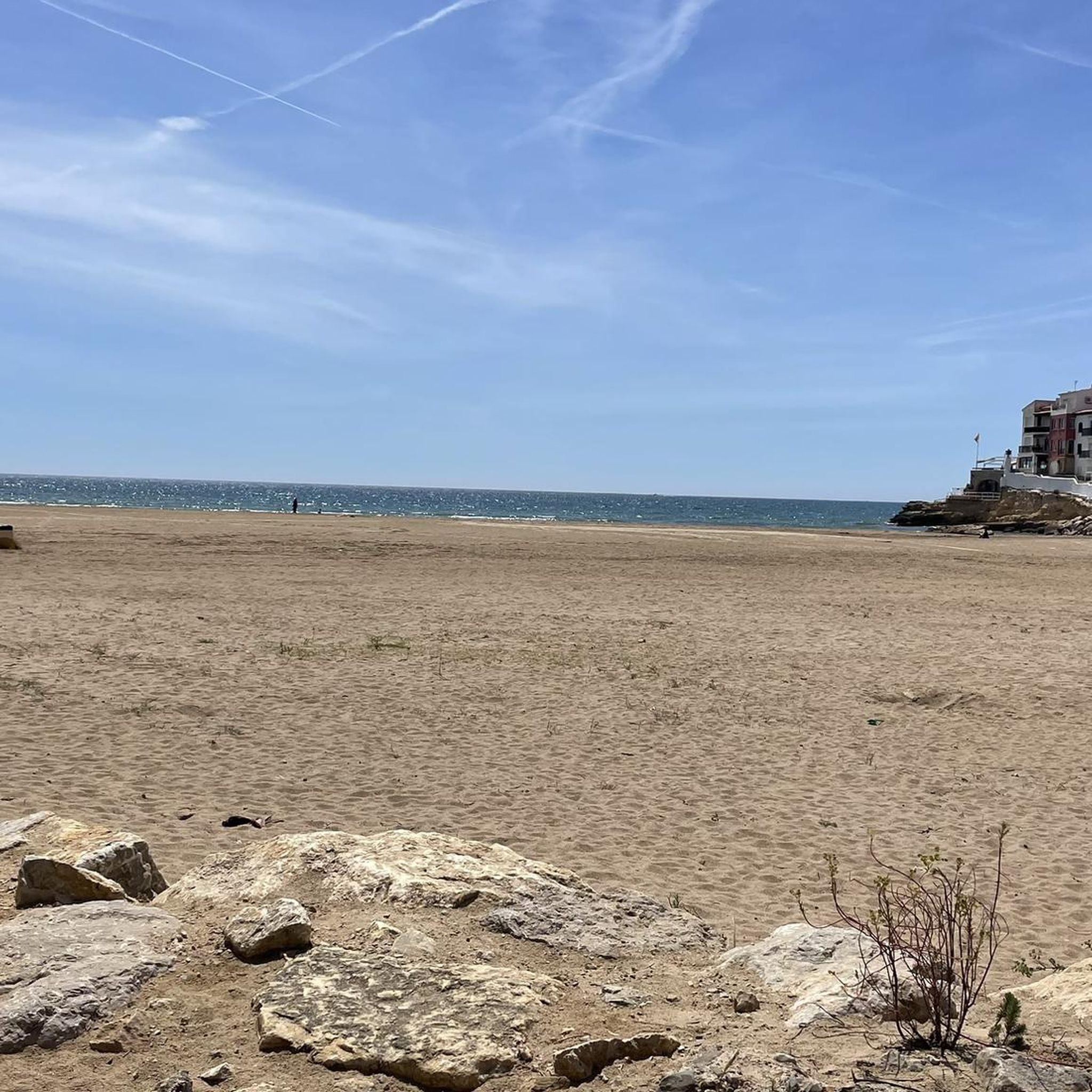
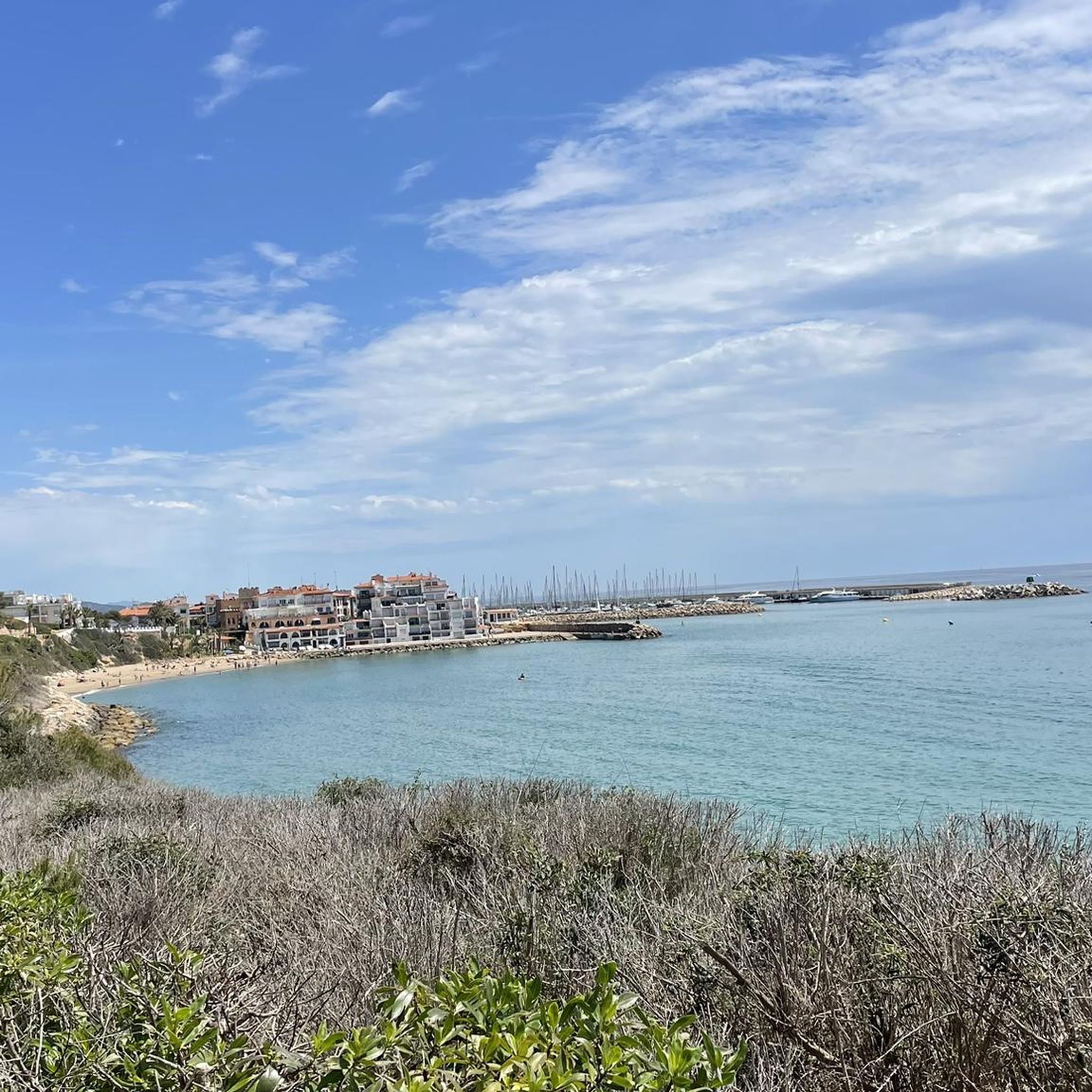
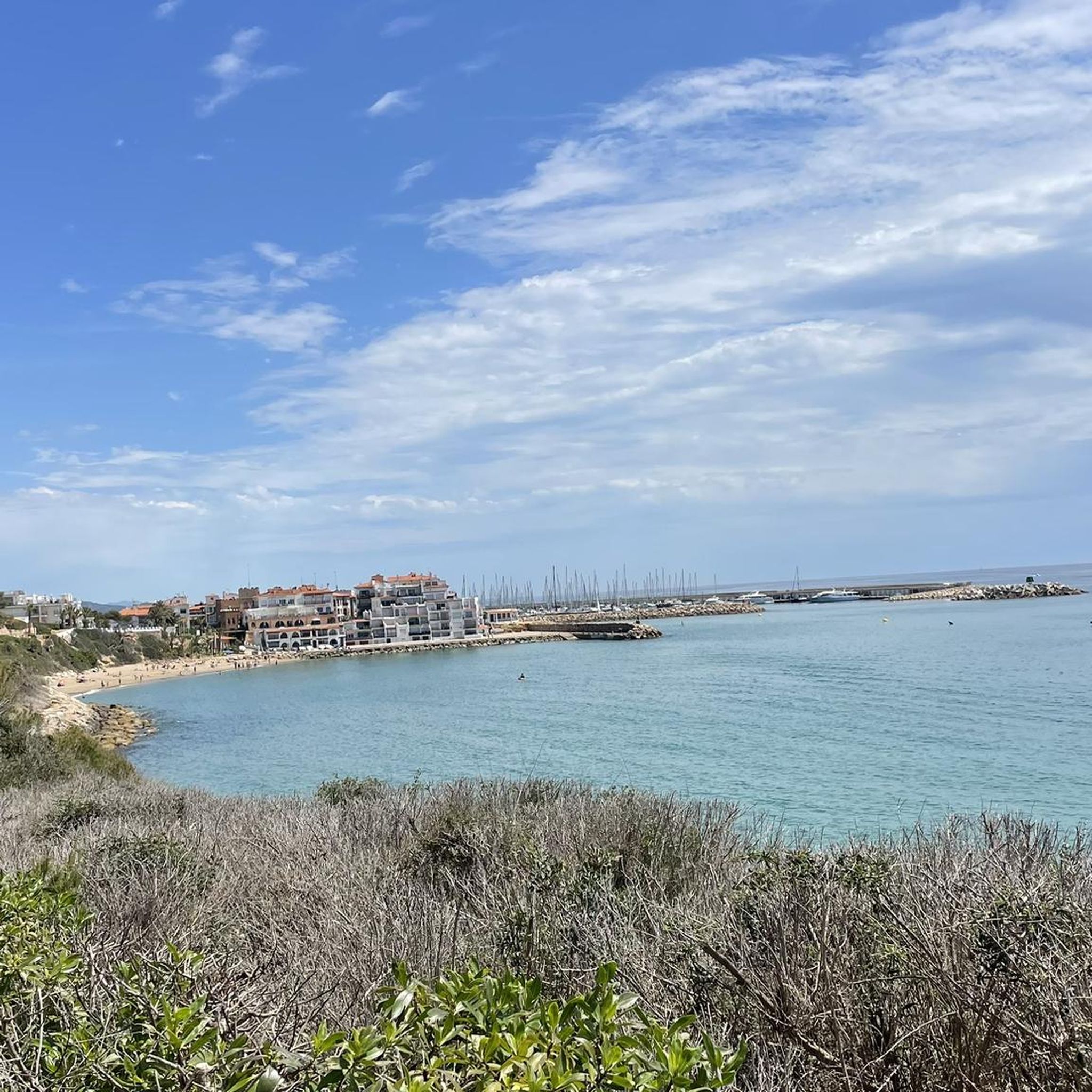
Tips from the Community

Vilafranca del Penedès is the heart of one of the most important wine regions in Catalonia. It is worth stopping to stroll through its historic center and enjoy the atmosphere that has grown around viticulture over centuries.
0
0

Altafulla Castle was first documented in 1059. The current building, dating primarily from the 17th century, adjoins the walls of Vila Closa and has an irregular floor plan. The crenellated parapet gives it the appearance of a fortress. The predominant Renaissance style is clearly evident in the doors and windows. During the First Carlist War, it served as barracks for the Altafulla militia, and during the Civil War (1936–1939), it housed troops and militiamen. It is privately owned and not open to the public.
0
0

Public fountain in the street Josep Nin of the City of Solomon.
0
0


Beautiful town and spectacular surroundings. Dangerous road for cycling, heavy traffic.
2
0

Sant Esteve also Sant Esteve de Castellet is a church near the village of Masuques in the municipality of Castellet i la Gornal (Alt Penedès) protected as a cultural asset of local interest. Sant Esteve de Castellet is the old parish of the town, before it became dependent on the church of Sant Pere. "S. Stephani de Castelleto" appears already mentioned since the 10th century as a possession of the monastery of Sant Cugat del Vallès. It seems that the construction preserved today was made later, replacing the first church. The building has undergone renovations over the years, mainly with regard to the main facade, which currently appears much modified. The church is located It is a building with a single nave, covered with a barrel vault on toral arches, an octagonal dome with a bell tower, and a roof on two sides. There are three apses, the central one of which is much larger, and has a semi-circular arched window in the central part. The main facade has, as the only remarkable element, a semi-circular arch access door with stone lintels.
0
0

GR uphill to Renau, very fun, there is a rock in the middle of the path, you have to get off the bike...
0
0

This small nucleus, belonging to the municipality of Avinyonet del Penedès, is primarily known for housing an old Benedictine monastery. It is a complex formed by a single-nave church, with a chapel, bell tower, and a cloister of great sculptural value. Another notable construction is Cal Bou, a 1893 building with a quadrangular floor plan and striking glazed ceramic decorations and cornices that separate the floors.
1
0
Frequently Asked Questions
How many gravel bike trails are available around Roda De Berà?
Roda De Berà offers a substantial network of over 50 gravel bike trails. This includes a mix of routes suitable for various skill levels, from moderate to difficult, ensuring there's something for every gravel biker.
What is the best time of year for gravel biking in Roda De Berà?
The Mediterranean climate of Roda De Berà makes spring (March to May) and autumn (September to November) ideal for gravel biking. During these seasons, temperatures are pleasant, and the natural scenery is vibrant. Summer can be very hot, so early morning or late afternoon rides are recommended if you visit then.
Are there challenging gravel bike routes in Roda De Berà?
Yes, Roda De Berà features several challenging gravel bike routes. For instance, the El Saldonar Viewpoint – Viladellops village loop from el Vendrell is a difficult 71.4 km (44.4 miles) route with significant elevation changes, offering a demanding ride for experienced cyclists.
Can I find easy or beginner-friendly gravel bike trails in Roda De Berà?
While many routes are moderate to difficult, there are a few easier options. The region's terrain generally includes elevation changes, but some coastal sections or flatter inland paths can be more suitable for beginners. It's always recommended to check the route profile before heading out.
Are there any circular gravel bike routes in the area?
Many of the gravel bike trails around Roda De Berà are designed as loops, allowing you to start and finish at the same point. A popular moderate option is the Railway bridge loop from Roda de Mar, which covers 27.4 km (17.0 miles) through coastal and inland areas.
What natural attractions can I see while gravel biking near Roda De Berà?
The trails often pass by beautiful natural sights. You can explore highlights such as the Cala Jovera Beach and Tamarit Castle, or the serene Gaià Reservoir. Some routes also offer views of the Small cliff on the Torrenca coast.
Are there historical sites or landmarks along the gravel bike trails?
Absolutely. The region is rich in history. Many routes incorporate historical points of interest, including views of castles like Castillo de Ferran and Castell d'Altafulla. You can also find the ancient The Mèdol Roman Quarry along some trails, offering a glimpse into the past.
Are there routes with good viewpoints?
Yes, several gravel bike routes in Roda De Berà offer stunning viewpoints. For example, the The Mèdol Roman Quarry – Sant Simplici Viewpoint loop from Altafulla - Tamarit provides excellent vistas of the surrounding landscape and coastline.
Is there public transport access to gravel bike trails in Roda De Berà?
Roda De Berà is generally accessible by public transport, particularly by train along the coast. Some routes may start or pass near train stations, making it possible to combine your ride with public transport. It's advisable to check local train and bus schedules and bike carriage policies beforehand.
Where can I park my car when starting a gravel bike ride?
Parking is typically available in the towns and villages that serve as starting points for many routes, such as Roda de Berà, Altafulla, or El Vendrell. Look for designated public parking areas, especially near beaches or town centers, though availability may vary during peak season.
Are there family-friendly gravel bike routes?
For families, it's best to look for routes with less elevation gain and smoother surfaces. While specific 'family-friendly' designations are not always explicit, some of the shorter, coastal sections or paths away from main roads could be suitable for older children or those with more cycling experience. Always review the route difficulty and terrain carefully.
Can I find gravel bike routes that pass by cafes or places to eat?
Many routes will pass through or near towns and villages where you can find cafes, restaurants, and shops to refuel. Coastal routes, in particular, often have amenities available. Planning your ride to coincide with a stop in a town like Altafulla or Roda de Berà will ensure you have options for refreshments.
What do other gravel bikers say about the trails in Roda De Berà?
The gravel biking community highly rates the trails in Roda De Berà, with an average score of 4.0 stars from komoot users. Riders often praise the diverse landscape, which combines coastal views with historical sites and varied inland terrain, offering a rich and engaging experience.
Most popular routes around Roda De Berà
Most popular attractions around Roda De Berà

Get inspired with the komoot mobile app


Explore more
Browse the best Gravel rides in other regions.
