The best gravel rides around L'Ènova
4.0
(2)
94
riders
15
rides
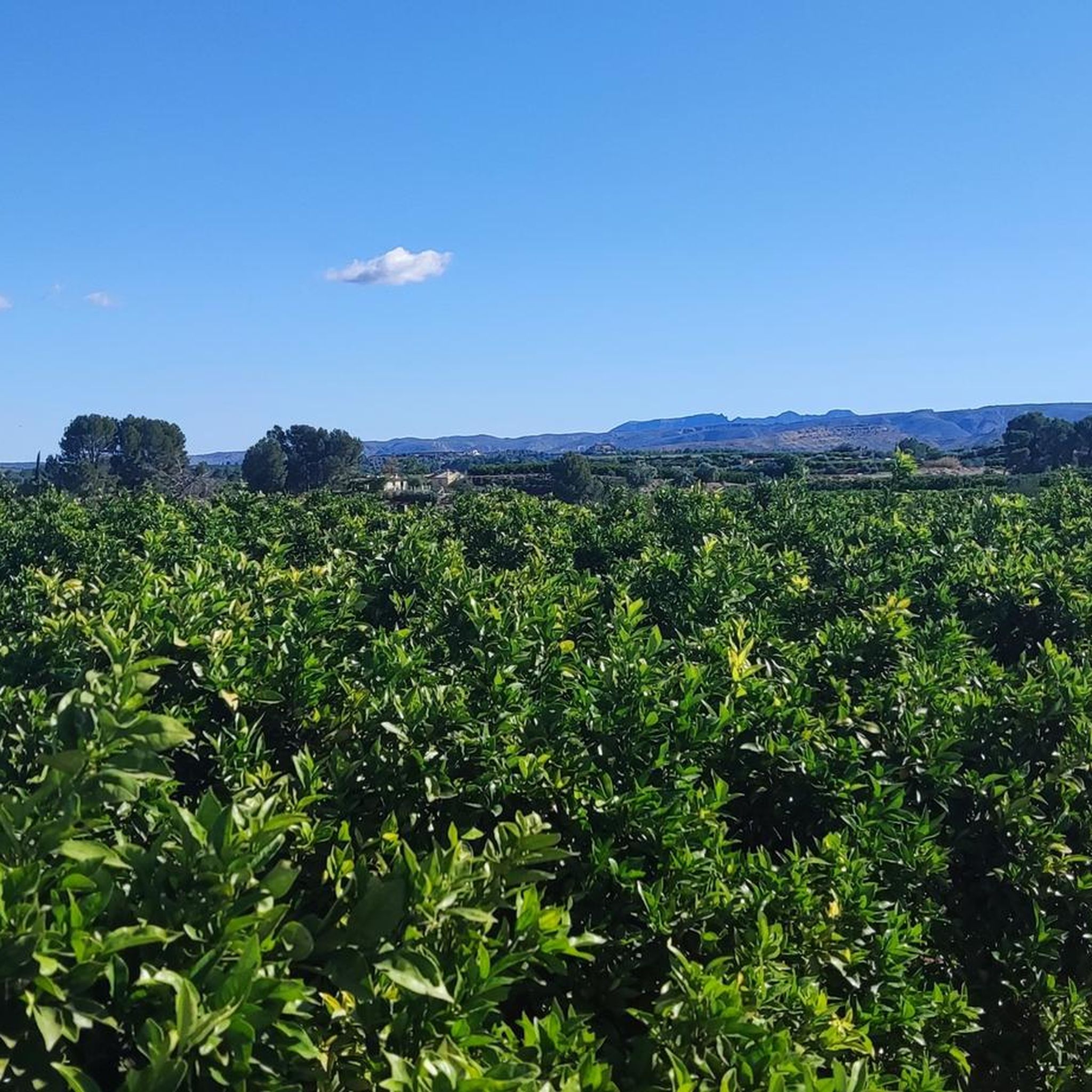
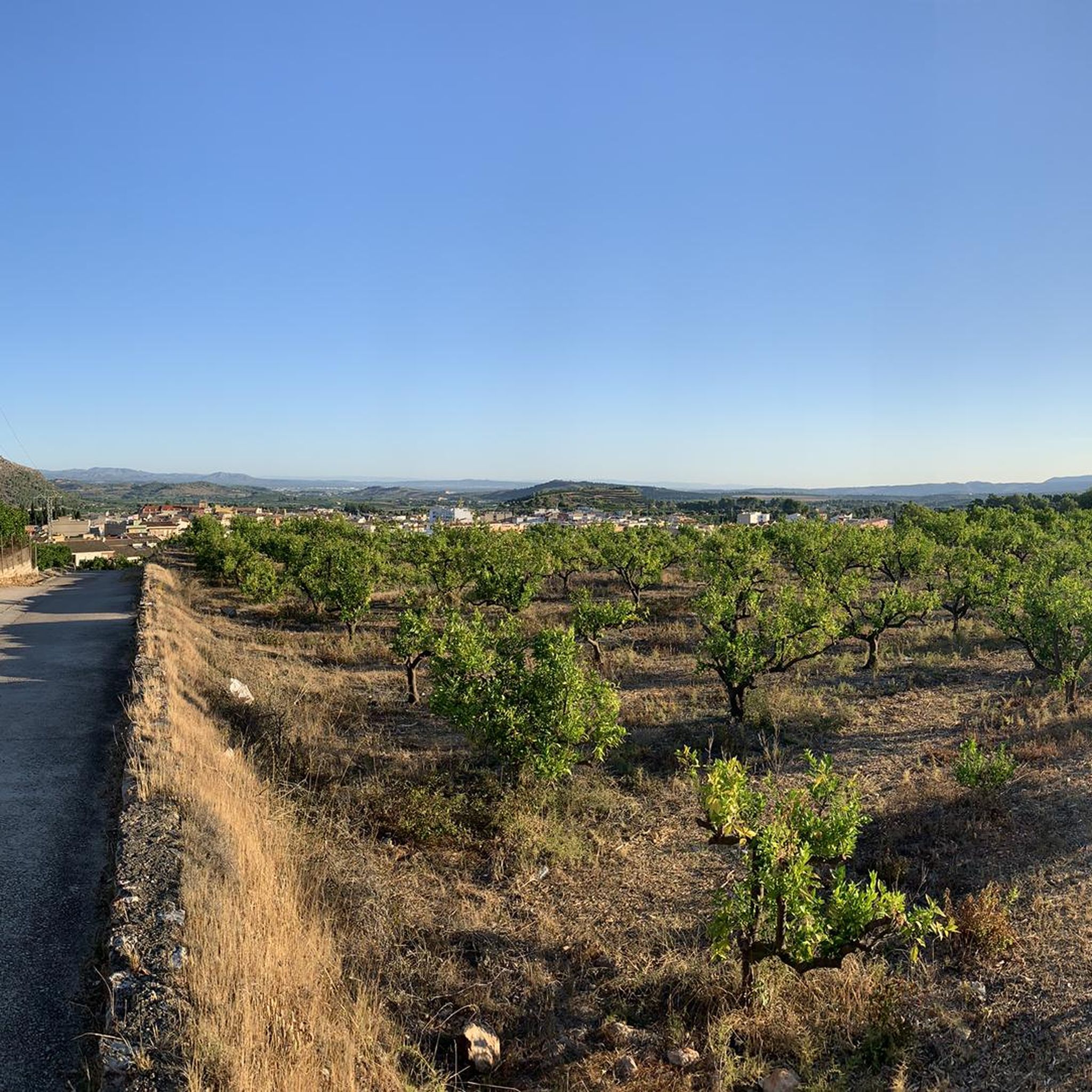
Gravel biking around L'Ènova offers diverse terrain, from flat agricultural lands to the gentle undulations of low-lying mountains such as Lloma del Baladre and Monte Valiente. The region is characterized by a mix of cultivated fields, olive groves, and historical paths. These features provide varied routes suitable for gravel cyclists seeking both scenic rides and challenging ascents.
Best gravel bike trails around L'Ènova
- The most popular gravel bike trail is Fuente de Marzo – Plaza de La Seo loop from…
Last updated: July 8, 2026
10
riders
101km
08:10
1,730m
1,730m
Hard gravel ride. Very good fitness required. Mostly paved surfaces. Suitable for all skill levels.
4.0
(1)
17
riders
52.1km
03:32
590m
590m
Hard gravel ride. Very good fitness required. Mostly paved surfaces. Suitable for all skill levels.

Sign up for free
11
riders
Hard gravel ride. Very good fitness required. Mostly paved surfaces. Suitable for all skill levels.
11
riders
Moderate gravel ride. Good fitness required. Mostly paved surfaces. Suitable for all skill levels.
5
riders
39.0km
02:36
530m
530m
Hard gravel ride. Very good fitness required. Mostly paved surfaces. Suitable for all skill levels.
Get access to more routes and recommendations from other explorers.
Sign up for free
Already have an account?
Our route recommendations are based on thousands of hikes, rides, and runs completed by other people on komoot.
Start today with a free account
Your next adventure awaits.
Login or Signup
Tips from the Community

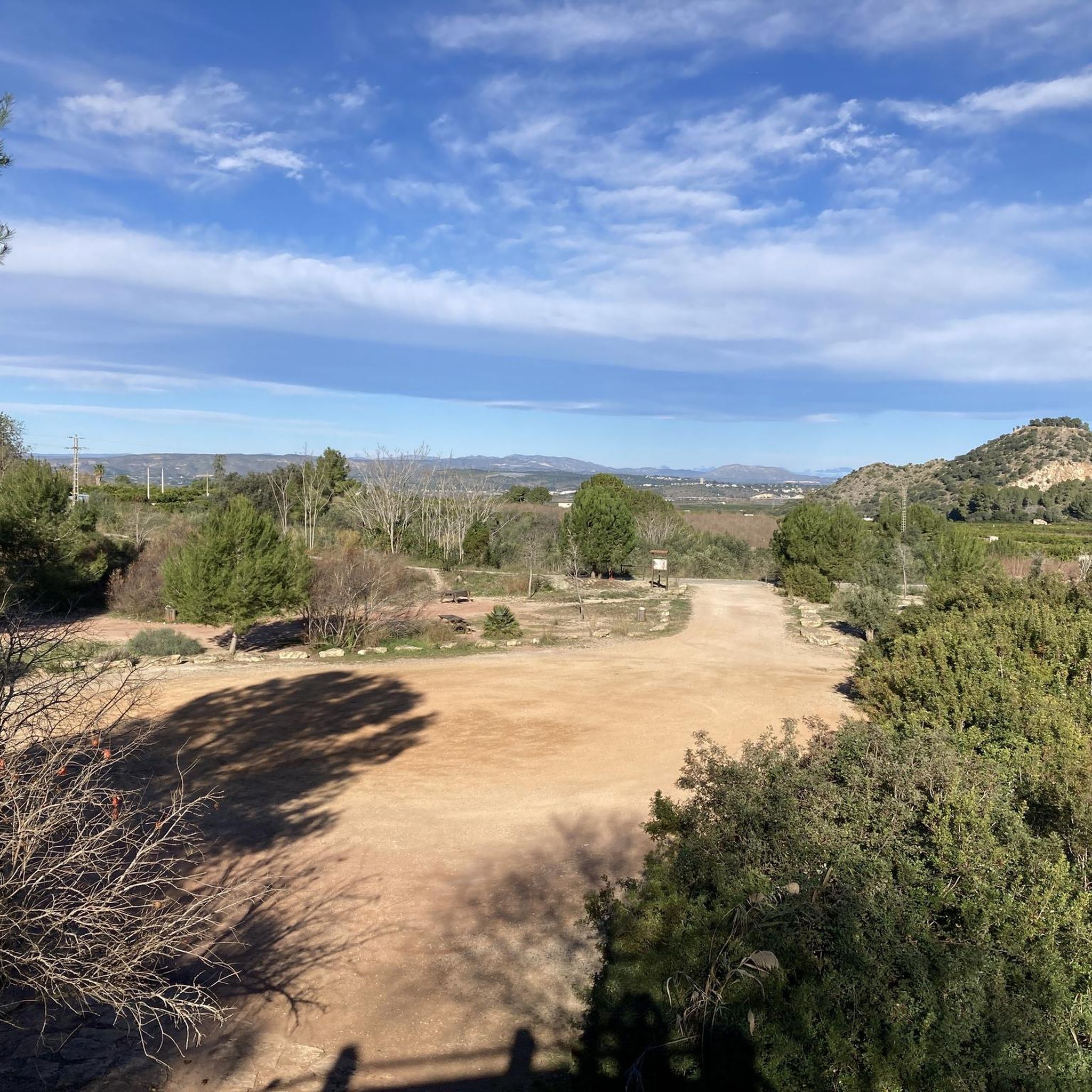
Preciós paratge natural molt prop de Gandia, amb ullals d'aigua, sala d'interpretació dels aiguamolls, bancs, taules i molta vegetació.
2
0
El convent d'Aigües Vives, també anomenat Reial Monestir de Santa Maria d'Aigües Vives, és un antic monestir amb orígens que es remunten al segle XIII. L'edifici actual es va construir durant els segles XVI i XVII, amb els corresponents estils, renaixentista i barroc, si bé l'ala nord es va acabar en el segle XVIII. El monestir va pertànyer a l'orde dels agustins, orde que custodiava la imatge de la Mare de Déu d'Aigües Vives, patrona de la ciutat de La Barraca d'Aigües Vives. A mitjan segle XIX, a conseqüència de la desamortització de Mendizábal, els monjos hagueren d'abandonar el cenobi. Aquest va passar a mans dels barons de Casanova, que el destinaren com a habitatge rural. L'any 1977 el monestir fou adquirit i reformat per a destinar-lo a hotel residència per Antonio Vidal Bellver (fotògraf i empresari de Carcaixent). Actualment és propietat d'un empresari hoteler de Gandia. El 2024, la Generalitat Valenciana va instar els nous propietaris a fer obres per a mantenir aquesta obra major que ha patit un deteriorament progressiu com a conseqüència de robatoris, vandalisme i abandonament.
1
0
Camí agradable entre xalets, cases de camp i la pineda de la Casella, que arriba fins el bar existent dins del paratge natural.
1
0
Una pujada agradable entre xalets, cases de camp i la pineda de la Casella.
1
0
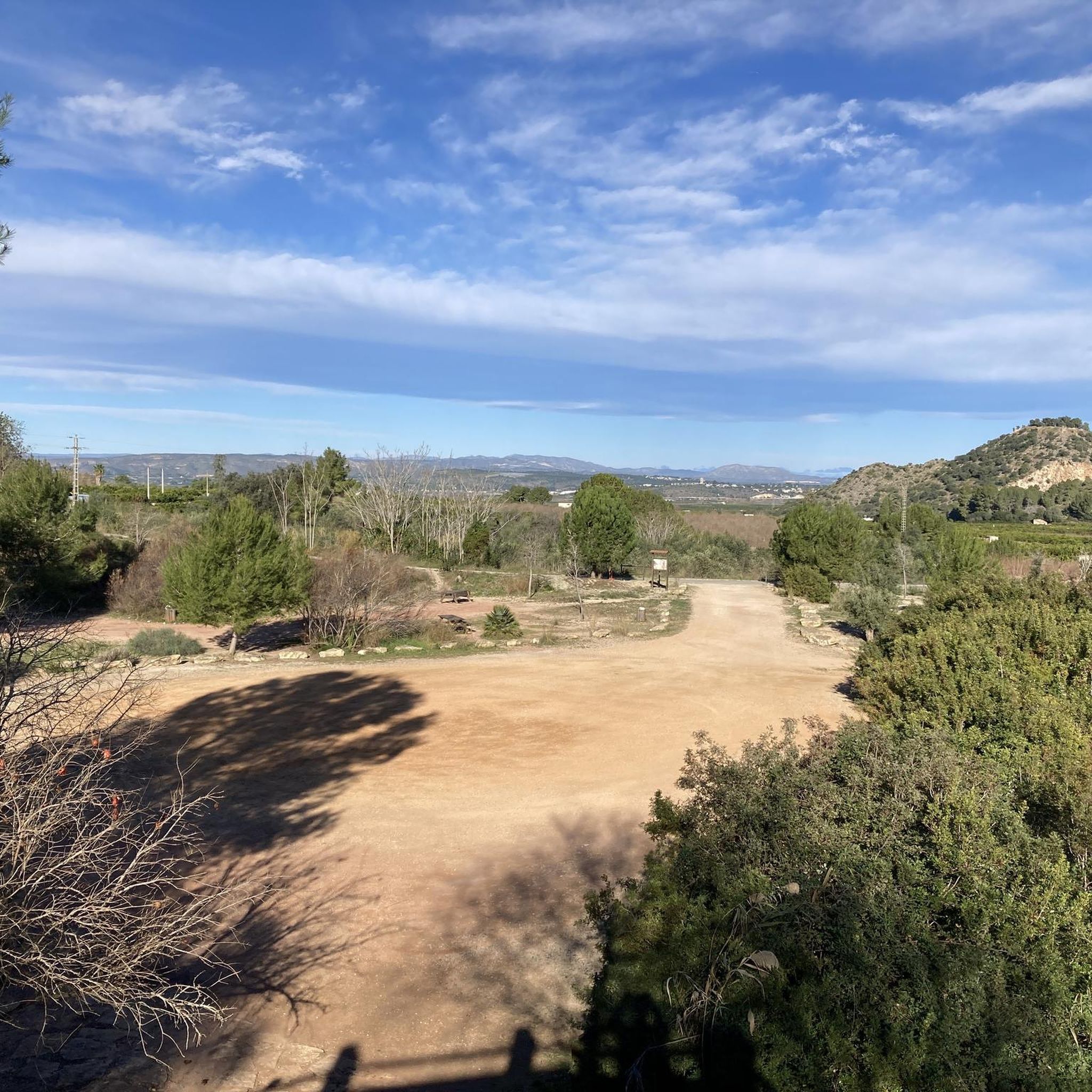
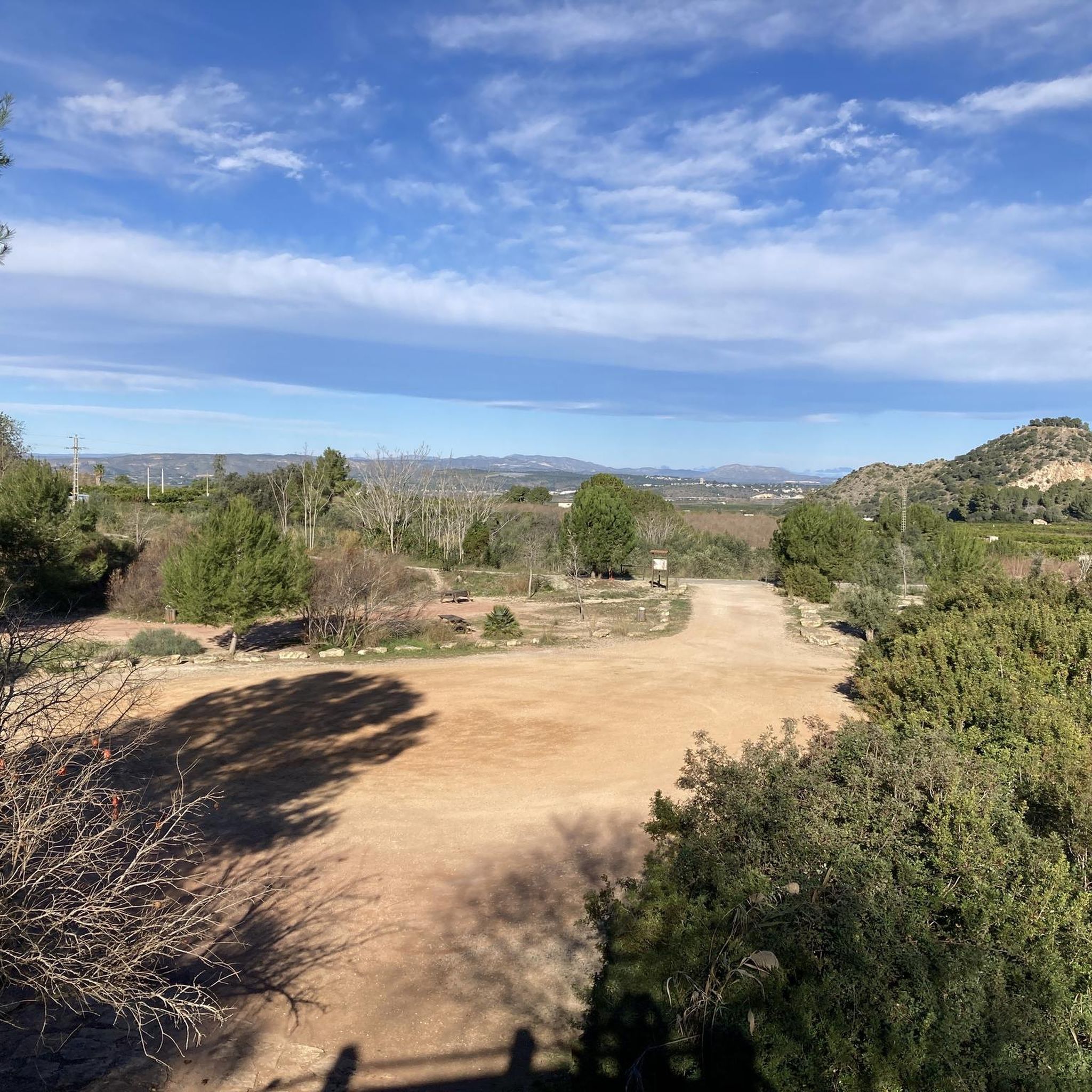
Good views of the Ribera Alta, Ribera Baixa and Horta Sud with the Albufera marsh, from a completely unspoilt area.
1
0

The climb has a good asphalt surface, without too much elevation change, and it is worth noting the existence of a detour via an unpaved road from kilometer 9.3 to Sumarcárcel, which we have discarded due to not knowing its condition, given the rains of the previous days.
1
0

After Benalí, the Río Grande trail begins. It's surrounded by nature at an altitude of 800 meters. A great spot to enjoy the views from this height.
0
0

L'Ullal de la Marjal de Gandia is a small but important wetland within the Marjal de Gandia Natural Park. It is a natural marsh lake surrounded by reeds, water channels, and wet meadows, providing a habitat for numerous bird and amphibian species. The flat paths around the Ullal are ideal for exploring by bike. The route leads through a tranquil, unspoiled landscape, past bodies of water, reeds, and flowering riparian plants. The combination of tranquility, birdwatching, and the typical Marjal landscape makes the route a worthwhile excursion for nature lovers and cyclists alike.
4
0
Frequently Asked Questions
How many gravel bike trails are available around L'Ènova?
L'Ènova offers a good selection of gravel biking opportunities, with 17 distinct routes available for exploration. These routes cater to various skill levels, from moderate to difficult.
What kind of terrain can I expect on gravel bike trails in L'Ènova?
The terrain around L'Ènova is quite varied, offering a dynamic environment for gravel cyclists. You'll encounter a mix of flat agricultural lands, picturesque olive and almond groves, and the gentle undulations of low-lying mountains such as Lloma del Baladre and Monte Valiente. Many routes also incorporate historical paths, including ancient Ibero-Roman cart tracks.
What are the difficulty levels of gravel bike trails in L'Ènova?
The gravel bike trails in L'Ènova are primarily suited for experienced riders. There are 8 moderate routes and 9 difficult routes, offering challenges with significant elevation changes and longer distances. There are currently no easy routes listed.
Are there any circular gravel bike routes in L'Ènova?
Yes, many of the gravel bike routes around L'Ènova are designed as loops, allowing you to start and finish in the same location. Examples include the Fuente de Marzo – Plaza de La Seo loop from Xàtiva and the Monastery of Aigues Vives – Old narrow-gauge train station loop from Real Monasterio de Santa María de Aguas Vivas.
What historical sites can I explore on a gravel bike in L'Ènova?
L'Ènova's gravel routes often weave through areas rich in history. You can encounter ancient Ibero-Roman cart tracks, remnants of the Vía Heraclea and Vía Augusta. The Roman Quarry of L'Ènova, considered one of Europe's most important, is a significant historical landmark. Other points of interest include the Hito de los 3 Términos and various religious architectural examples like the Parish Church of Our Lady of Grace.
Are there any natural attractions or viewpoints along the gravel routes?
Absolutely. The region boasts natural features like the Pi d'Ambrosio, a natural park in the Franch district, which is a popular spot for outdoor activities. You might also find scenic viewpoints such as the Barranc de Noguera Viewpoint, offering expansive views of the diverse landscapes, including agricultural fields and low-lying mountains.
Is there parking available near the gravel bike trails in L'Ènova?
While specific parking areas for cyclists are not detailed for every route, L'Ènova is generally accessible. Many routes start from towns like Xàtiva or Real Monasterio de Santa María de Aguas Vivas, where public parking options are typically available. For example, the La Bastida Refuge – Bellús Reservoir loop from Xàtiva begins in Xàtiva, a larger town with parking facilities.
What is the best time of year for gravel biking in L'Ènova?
The Mediterranean climate of L'Ènova makes it suitable for gravel biking for much of the year. Spring and autumn generally offer the most pleasant temperatures, avoiding the intense heat of summer and the cooler, potentially wetter days of winter. However, the diverse terrain can be enjoyed in various seasons depending on your preference for weather conditions.
Are there any family-friendly gravel bike routes in L'Ènova?
Currently, the listed gravel bike routes around L'Ènova are categorized as moderate to difficult, with no easy routes specifically designed for families or beginners. The terrain often includes significant elevation changes and longer distances, which might be challenging for younger riders or those new to gravel biking.
Where can I find places to rest or eat along the gravel bike routes?
The Pi d'Ambrosio Recreational Area, located in the Franch district, is an equipped natural site with benches and barbecue facilities, making it an ideal spot for a break during your ride. Additionally, routes often pass through or near towns like Xàtiva, Real Monasterio de Santa María de Aguas Vivas, or Barxeta, where you can find cafes, bars, and restaurants to refuel.
What do other gravel bikers say about the trails in L'Ènova?
The gravel biking experience around L'Ènova is highly regarded by the komoot community, with an average score of 4.0 stars from 5 reviews. Over 140 gravel bikers have already explored the varied terrain, often praising the diverse landscapes, from flat agricultural lands to gentle mountain undulations, and the historical elements encountered along the paths.
Can I access gravel bike trails in L'Ènova using public transport?
While L'Ènova itself is a smaller municipality, its proximity to larger towns like Xàtiva (just 7 km away) suggests potential public transport links. Xàtiva is a regional hub and may offer train or bus services that could facilitate access to the starting points of some gravel routes. It's advisable to check local public transport schedules for specific connections to your chosen starting point.
Most popular attractions around L'Ènova

Get inspired with the komoot mobile app


Explore more
Browse the best Gravel rides in other regions.
