The best gravel rides around La Zubia
4.5
(124)
2,159
riders
181
rides
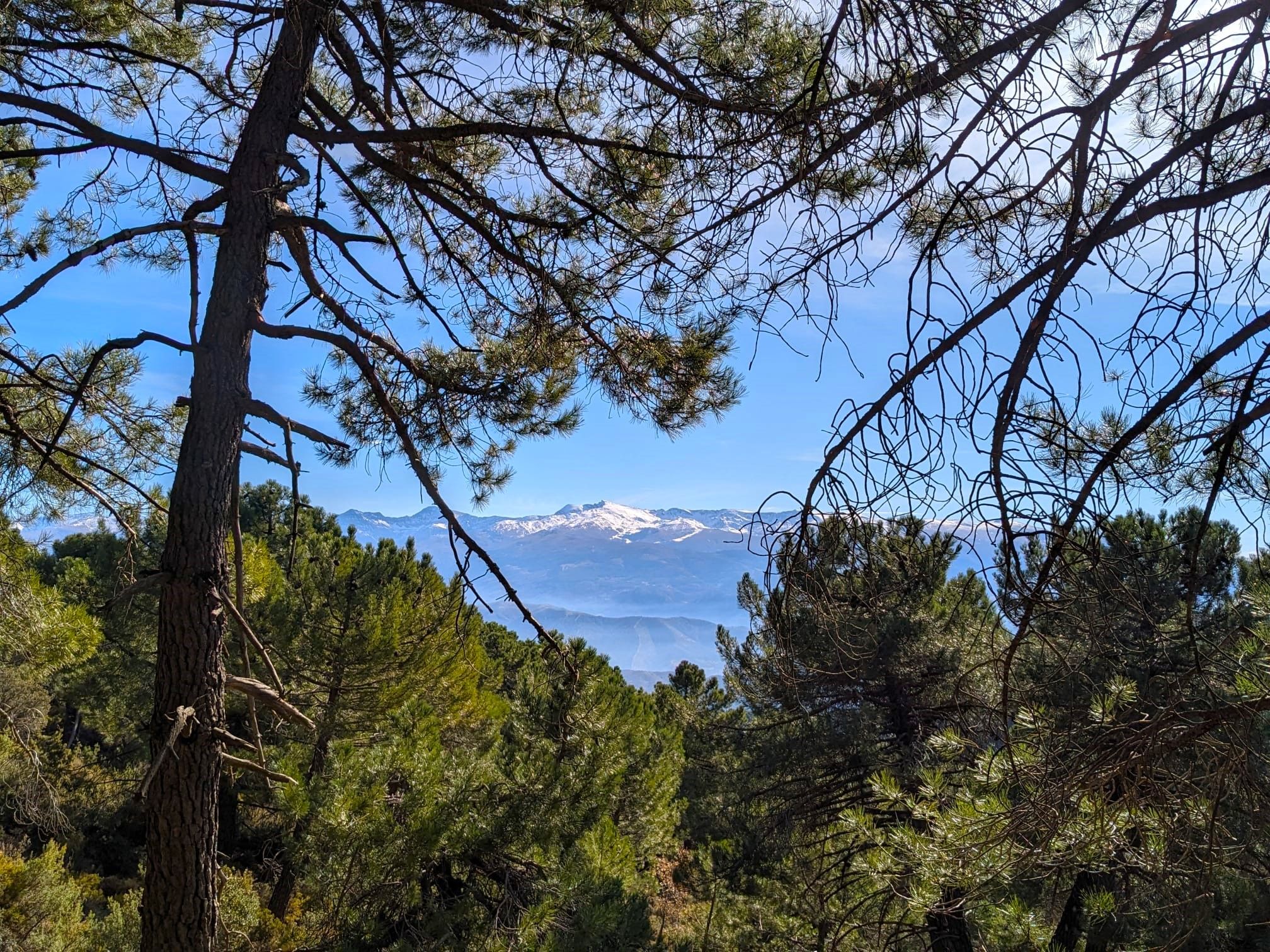
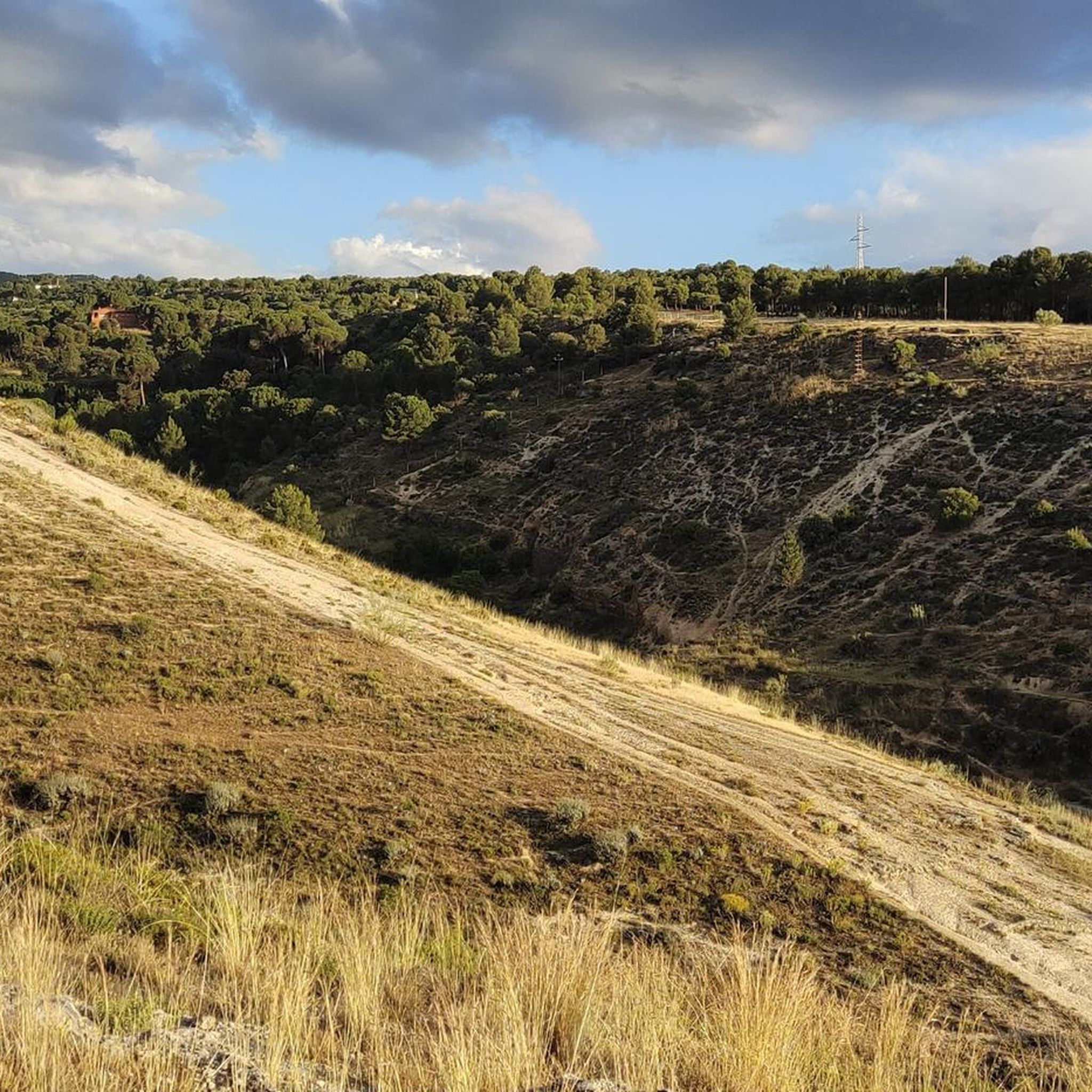
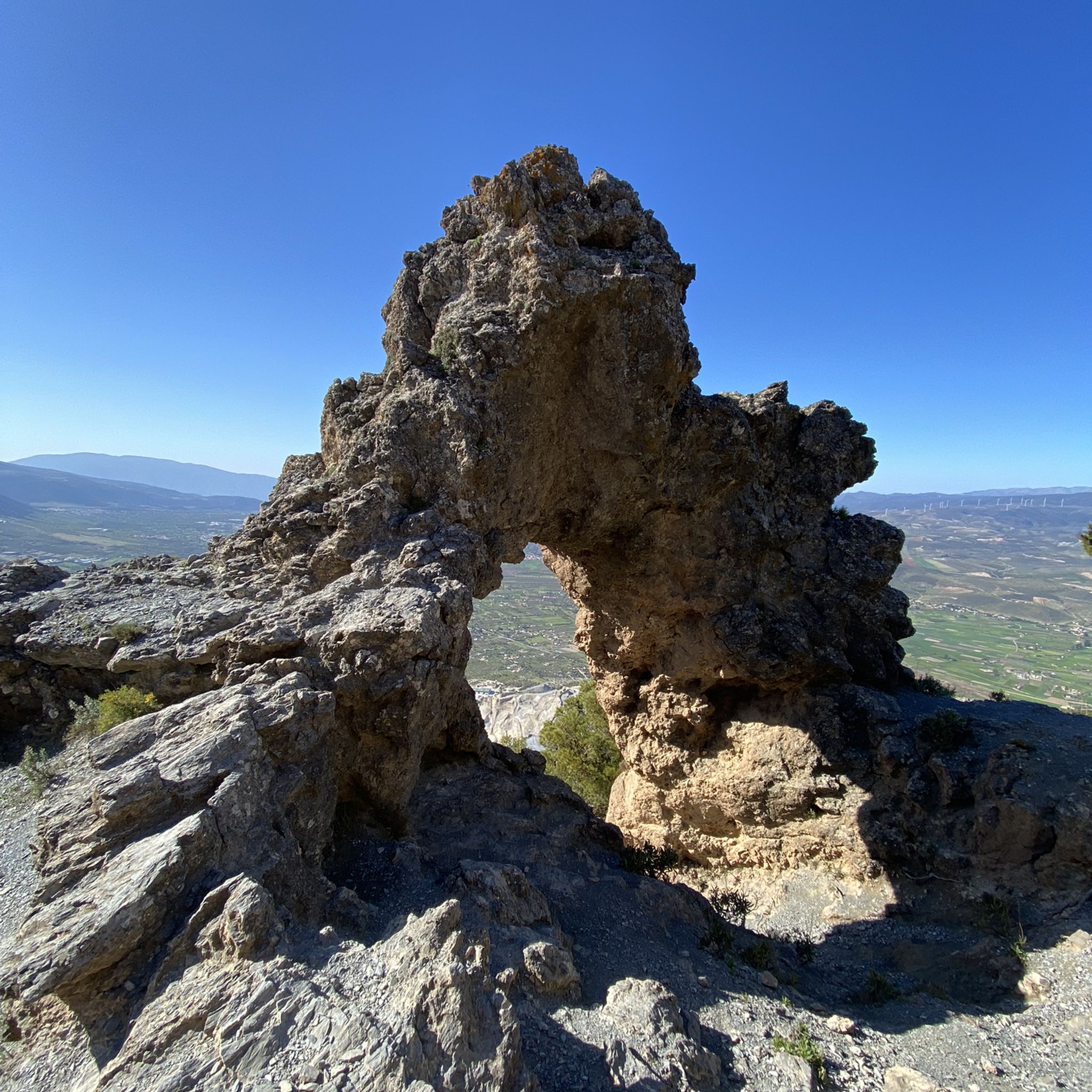
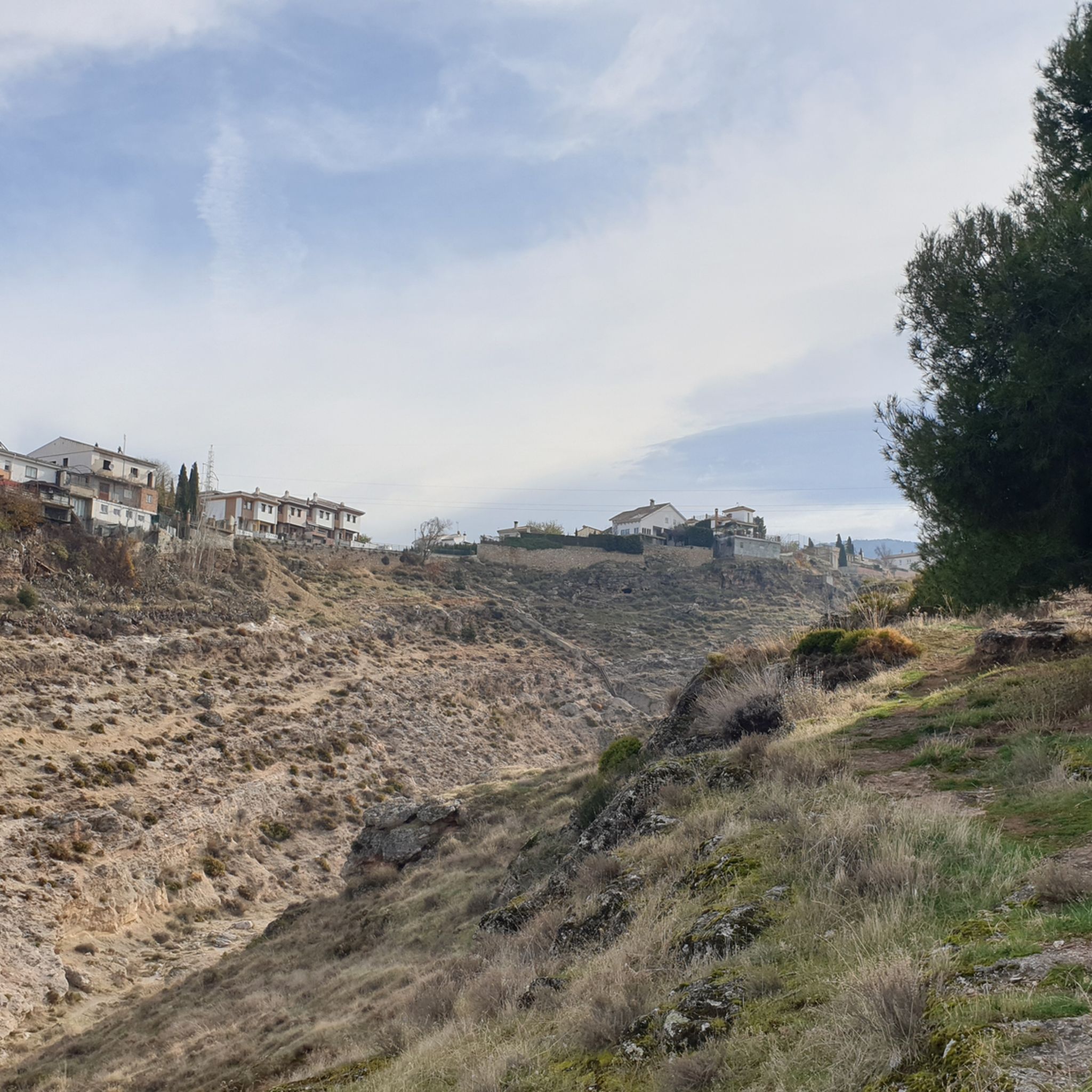
Gravel biking around La Zubia offers diverse routes through the foothills of the Sierra Nevada mountains, characterized by varied terrain including olive groves, pine forests, and river valleys. The region features a mix of unpaved roads and tracks, providing both challenging climbs and more gentle rolling sections. Elevation gains are common, reflecting the mountainous surroundings, with landscapes transitioning from agricultural areas to more rugged, natural environments.
Best gravel bike trails around La Zubia
- The most popular gravel bike trail is…
Last updated: October 20, 2026
4.4
(7)
167
riders
44.4km
02:59
580m
580m
Hard gravel ride. Very good fitness required. Mostly paved surfaces. Suitable for all skill levels.
5.0
(1)
15
riders
75.6km
06:36
2,110m
2,110m
Hard gravel ride. Very good fitness required. Mostly paved surfaces. Suitable for all skill levels.

5.0
(1)
11
riders
36.9km
03:44
1,250m
1,250m
Hard gravel ride. Very good fitness required. Mostly paved surfaces. Suitable for all skill levels.
5.0
(3)
51
riders
64.6km
04:22
1,130m
1,130m
Hard gravel ride. Very good fitness required. Mostly paved surfaces. Suitable for all skill levels.
13
riders
76.9km
05:41
1,350m
1,350m
Hard gravel ride. Very good fitness required. Mostly paved surfaces. Suitable for all skill levels.
Get access to more routes and recommendations from other explorers.
Already have an account?
Our route recommendations are based on thousands of hikes, rides, and runs completed by other people on komoot.
Start today with a free account
Your next adventure awaits.
Other adventures around La Zubia

Tips from the Community

Place to pass through to reach La Cortijuela at the foot of El Trevenque
0
0
Spectacular and unparalleled
0
0

The Church of San Gil and Santa Ana, popularly known as the Church of Santa Ana, is a 16th-century Mudéjar monument located in one of Granada's most charming corners: Plaza Nueva, right at the beginning of the Carrera del Darro and at the foot of the Alhambra. Built in 1537 by order of the parish of the same name, on the site of a former main mosque (Almanzora). The project is the work of the renowned architect Diego de Siloé, a central figure of the Renaissance in Granada. Its Mudéjar tower was erected between 1561 and 1563 by Juan Castellar, characterized by its framed openings and alfiz decoration.
12
0

The Church of San Gil and Santa Ana is a small church with a Mudéjar style, located in Plaza Nueva, where the Carrera del Darro begins, marking the start of our route through the Albaicín and Sacromonte districts. It was built according to a design by Diego de Siloé during the second third of the 16th century (1537-1548) on the site formerly occupied by the Almanzora mosque, founded by King Badis. This mosque stood at the foot of the Alhambra, between the right bank of the Darro River and the Almanzora neighborhood, which were connected by a stone bridge. Once the church was built, this bridge was renamed the Santa Ana Bridge. It is in the Mudéjar style.
3
1
The Church of San Gil and Santa Ana is a prime example of Granada's Mudéjar architecture. It stands on the site of a former mosque. Its Renaissance façade, adorned with grotesques and Corinthian columns, was designed by Sebastián de Alcántara, a prominent artist in the city. The tower, decorated with tiles and glazed roof tiles, is the finest example of Mudéjar architecture in the city. Only the old minaret remains of the former mosque. The Granadan heroine Mariana Pineda celebrated her wedding in this church. If you'd like to learn more about Mariana Pineda, here's a link: https://historia.nationalgeographic.com.es/a/mariana-pineda-rebelde-que-eligio-morir-antes-que-delatar-sus-companeros_16811
3
1
The El Purche Road, in Monachil (La Vega de Granada), is an emblematic road that connects the urban area with the Sierra Nevada National Park, well known to cyclists, hikers and lovers of panoramic views.
2
0
The Cumbres Verdes trails, in La Zubia (La Vega de Granada), are one of the most popular areas for hiking near Granada, within the Sierra Nevada Natural Park.
2
0

El Purche is a legendary mountain pass, famous for its ruggedness and beauty, and a regular feature in the Vuelta a España.
2
0
Frequently Asked Questions
How many gravel bike trails are available around La Zubia?
There are over 150 gravel bike routes around La Zubia, offering a wide range of options for different skill levels and preferences. This includes 4 easy, 51 moderate, and 96 difficult trails.
Are there any easy or beginner-friendly gravel bike routes in La Zubia?
Yes, La Zubia offers a few easier gravel routes suitable for beginners. While many routes feature significant elevation, you can find options with less demanding climbs. For example, the Genil Riverbank (Granada) – Pinos Genil village loop from Ogíjares is a moderate 35.1 km trail with a more gentle elevation gain, making it a good starting point.
What are the most challenging gravel bike routes near La Zubia?
For experienced gravel bikers seeking a challenge, routes like the Pinos Genil village – Hoya de la Mora loop from La Zubia stand out. This difficult 91.4 km path involves substantial climbing through mountainous terrain, offering expansive views and a demanding ride. Another challenging option is the Aurora Mine – Santa Fe loop from Huétor Vega, which covers 60.9 km with significant elevation gain.
What is the best time of year for gravel biking in La Zubia?
The best time for gravel biking in La Zubia is typically during the spring (March to May) and autumn (September to November). During these seasons, temperatures are milder, and the weather is generally more stable, providing ideal conditions for exploring the varied terrain. Summers can be very hot, and winters may bring colder temperatures and occasional rain or snow at higher elevations.
Are there any circular gravel bike routes around La Zubia?
Yes, many of the gravel bike routes in La Zubia are designed as circular loops, allowing you to start and finish at the same point. Examples include the Sacromonte Abbey – Jesús del Valle Estate loop from Huétor Vega, which offers a 44.7 km circular journey through diverse landscapes.
What kind of elevation gain can I expect on gravel bike routes in La Zubia?
Given La Zubia's location in the foothills of the Sierra Nevada, most gravel bike routes feature significant elevation gain. Even moderate routes will include climbs, while difficult trails can involve over 2000 meters of ascent, such as the Pinos Genil village – Hoya de la Mora loop from La Zubia. Be prepared for varied terrain and rewarding views from higher points.
Are there gravel bike trails with scenic viewpoints in La Zubia?
Absolutely. The mountainous surroundings of La Zubia mean many routes offer breathtaking scenic viewpoints. Trails that climb into the Sierra Nevada foothills, like the Pinos Genil village – Hoya de la Mora loop from La Zubia, provide expansive vistas of the landscape, including olive groves, pine forests, and distant mountains.
What do other gravel bikers enjoy most about La Zubia's trails?
The gravel biking experience in La Zubia is highly rated by the komoot community, with an average score of 4.7 stars from over 70 reviews. Riders often praise the diverse terrain, from river valleys to challenging mountain ascents, and the opportunity to explore both agricultural areas and rugged natural environments.
Are there any gravel bike routes that pass by notable landmarks or attractions?
While the region is rich in natural beauty, some routes also offer glimpses of historical or cultural points. For instance, the Plaza Nueva, Granada – Sacromonte Abbey loop from Huétor Vega takes you near the historic Sacromonte Abbey, offering a blend of natural and cultural exploration.
How long do gravel bike routes in La Zubia typically take to complete?
The duration of gravel bike routes in La Zubia varies significantly based on distance, elevation, and your fitness level. Shorter, moderate routes like the Genil Riverbank (Granada) – Pinos Genil village loop from Ogíjares (35.1 km) can be completed in around 2.5 to 3 hours. Longer, more difficult trails, such as the Pinos Genil village – Hoya de la Mora loop from La Zubia (91.4 km), can take 6-7 hours or more.
Is public transport available to access gravel bike trails in La Zubia?
La Zubia is well-connected to Granada by local bus services, which can help you reach the starting points of some trails. However, public transport options directly to remote trailheads might be limited. It's advisable to check local bus schedules and routes in advance if you plan to use public transport for trail access.
Where can I find parking for gravel biking trails in La Zubia?
Parking is generally available in and around the town of La Zubia, as well as in nearby villages like Huétor Vega or Ogíjares, which serve as common starting points for many routes. Look for public parking areas in these towns. For specific trailheads, it's often best to check the route details on komoot for recommended parking spots.
Most popular routes around La Zubia
Most popular attractions around La Zubia

Get inspired with the komoot mobile app


Explore more
Browse the best Gravel rides in other regions.
