The best gravel rides around Bidania-Goiatz
5.0
(1)
30
riders
6
rides
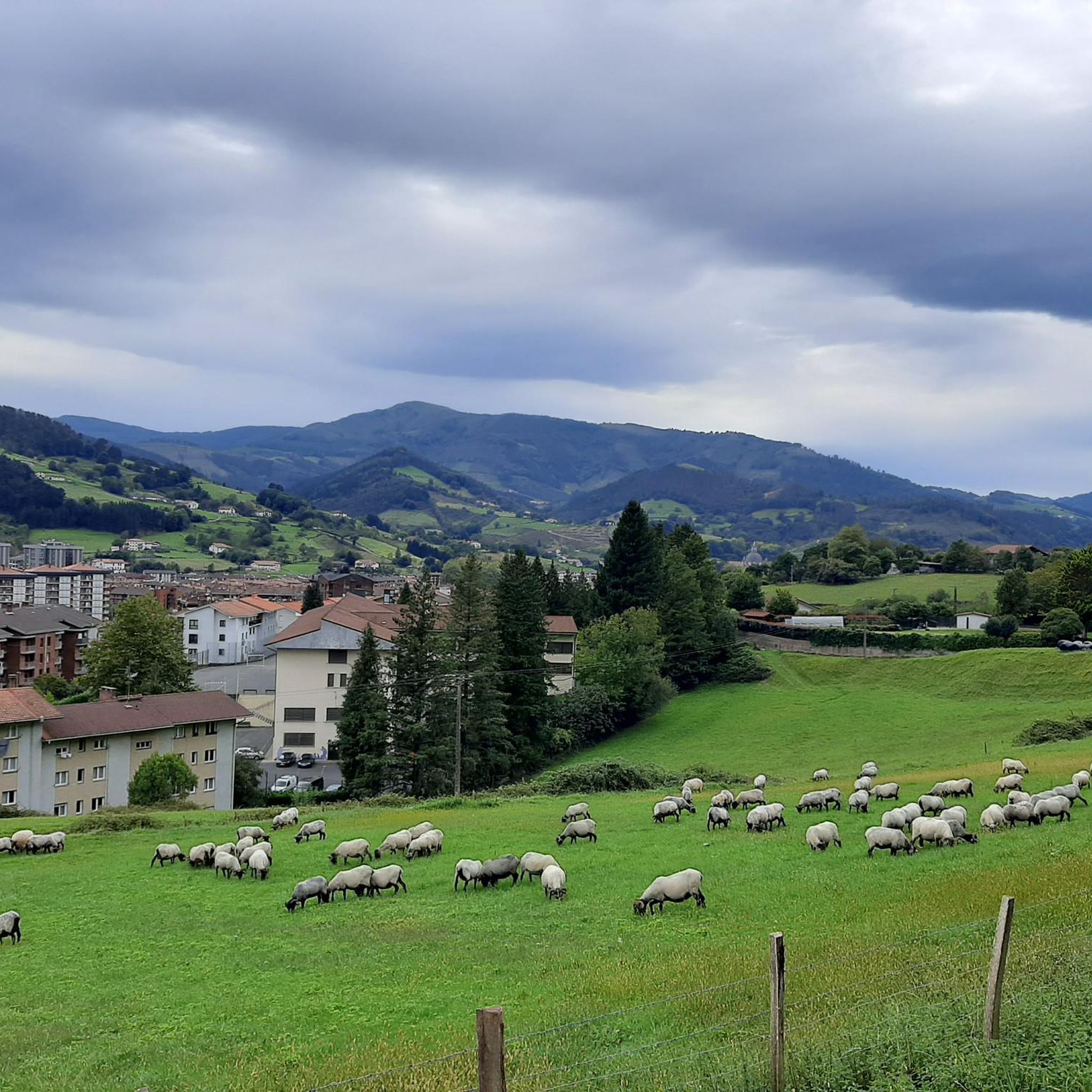
Gravel biking around Bidania-Goiatz offers a diverse landscape characterized by rolling hills, lush green valleys, and a network of trails suitable for off-road cycling. The region, situated in the Basque Country, features a mix of paved and unpaved surfaces, with significant elevation gains across its routes. Riders can expect to traverse areas with forests and open countryside, providing varied terrain for gravel bike exploration. The natural environment is well-preserved, offering numerous opportunities for challenging rides.
Best gravel bike trails around Bidania-Goiatz
- The most popular gravel bike trail is Oria River – Andoain loop from Asteasu, a 28.1 miles (45.3 km) trail that takes 3 hours 49 minutes to complete. This route features substantial elevation gain through varied terrain.
- Another top favourite among local gravel bikers is Santa Cruz Tunnel – Witches' Bridge loop from Tolosa, a difficult 68.2 miles (109.8 km) path. This extensive route traverses diverse landscapes, including significant climbs and descents.
- Local gravel bikers also love the Ormaiztegi Viaduct – View of Aztiria from Mutiloa loop from Beasain, a 26.7 miles (42.9 km) trail leading through scenic countryside, often completed in about 3 hours 47 minutes.
- Gravel biking around Bidania-Goiatz is defined by rolling hills, serene valleys, and dense forests. The network offers options for different ability levels, though most routes present significant climbing challenges.
- The routes in Bidania-Goiatz are highly rated by the komoot community with an average score of 5.0 stars from over 1 review. More than 40 gravel bikers have used komoot to explore Bidania-Goiatz's varied terrain.
Last updated: July 15, 2026
10
riders
110km
07:04
1,760m
1,760m
Hard gravel ride. Very good fitness required. Mostly paved surfaces. Suitable for all skill levels.
5.0
(1)
5
riders
43.5km
03:14
880m
880m
Hard gravel ride. Very good fitness required. You may need to push your bike for some segments of this route.

Sign up for free
4
riders
26.2km
01:56
500m
500m
Hard gravel ride. Very good fitness required. Mostly paved surfaces. Suitable for all skill levels.
5
riders
36.8km
02:50
780m
780m
Hard gravel ride. Very good fitness required. Mostly paved surfaces. Suitable for all skill levels.
3
riders
28.4km
02:27
860m
860m
Hard gravel ride. Very good fitness required. Mostly paved surfaces. Suitable for all skill levels.
Our route recommendations are based on thousands of hikes, rides, and runs completed by other people on komoot.
Start today with a free account
Your next adventure awaits.
Login or Signup
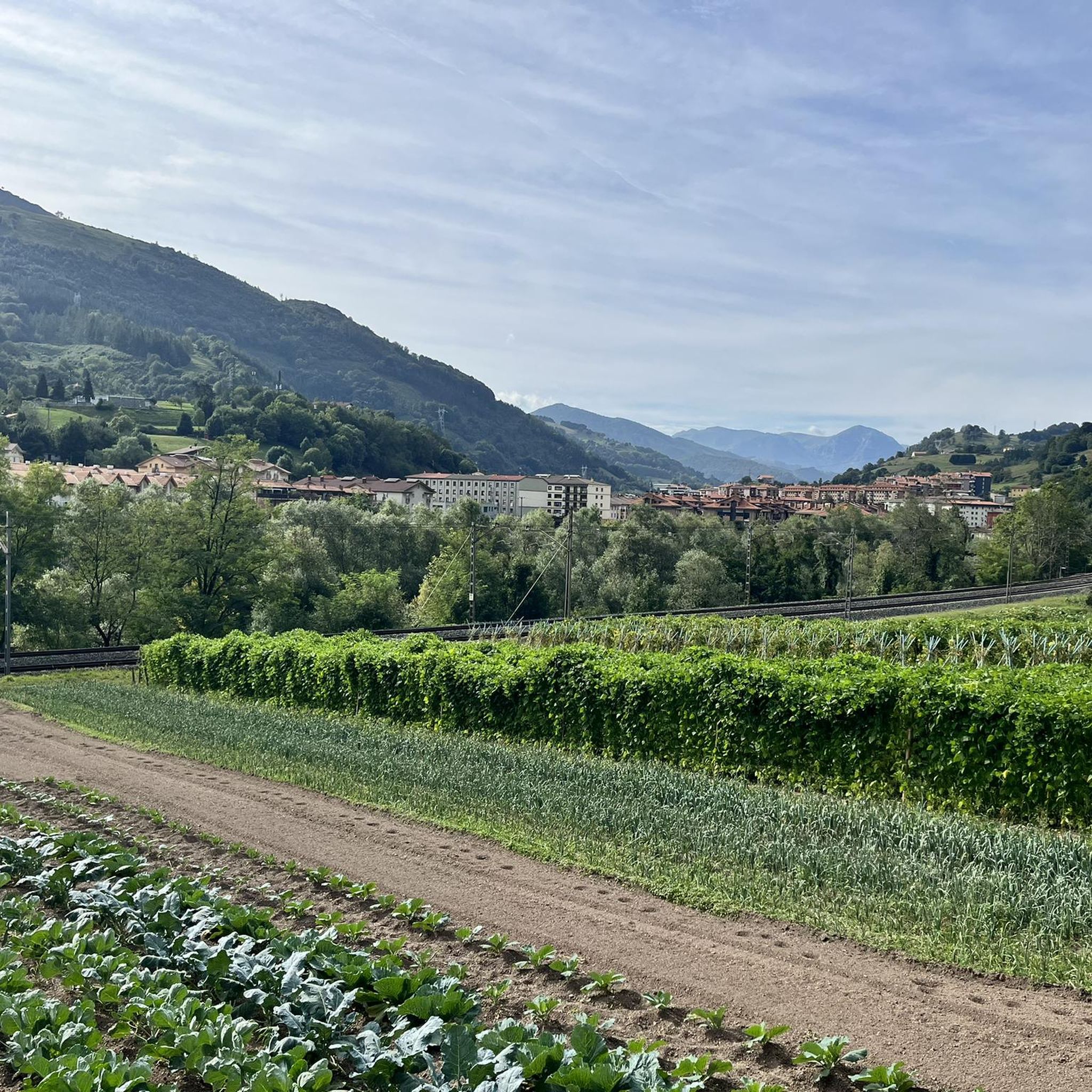
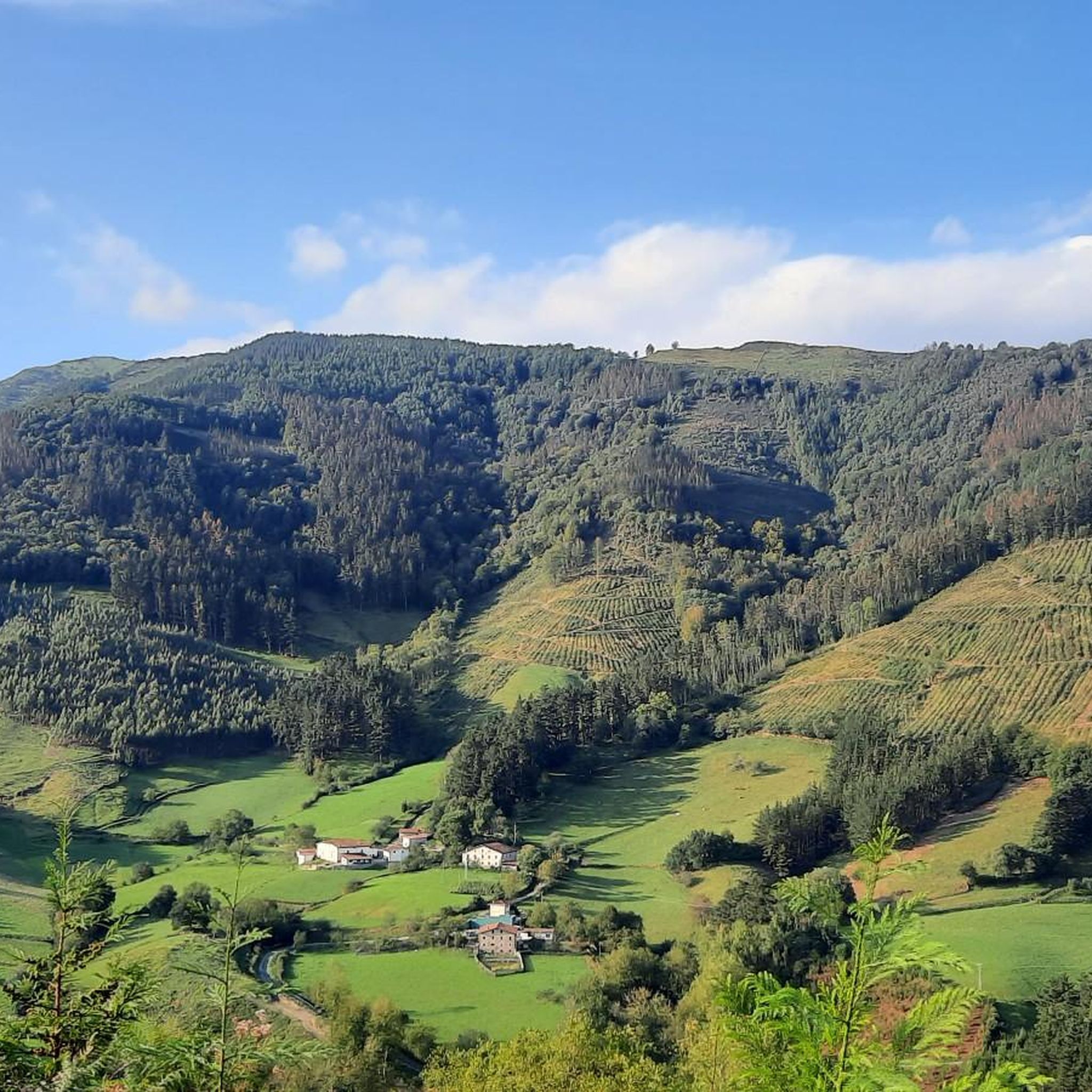
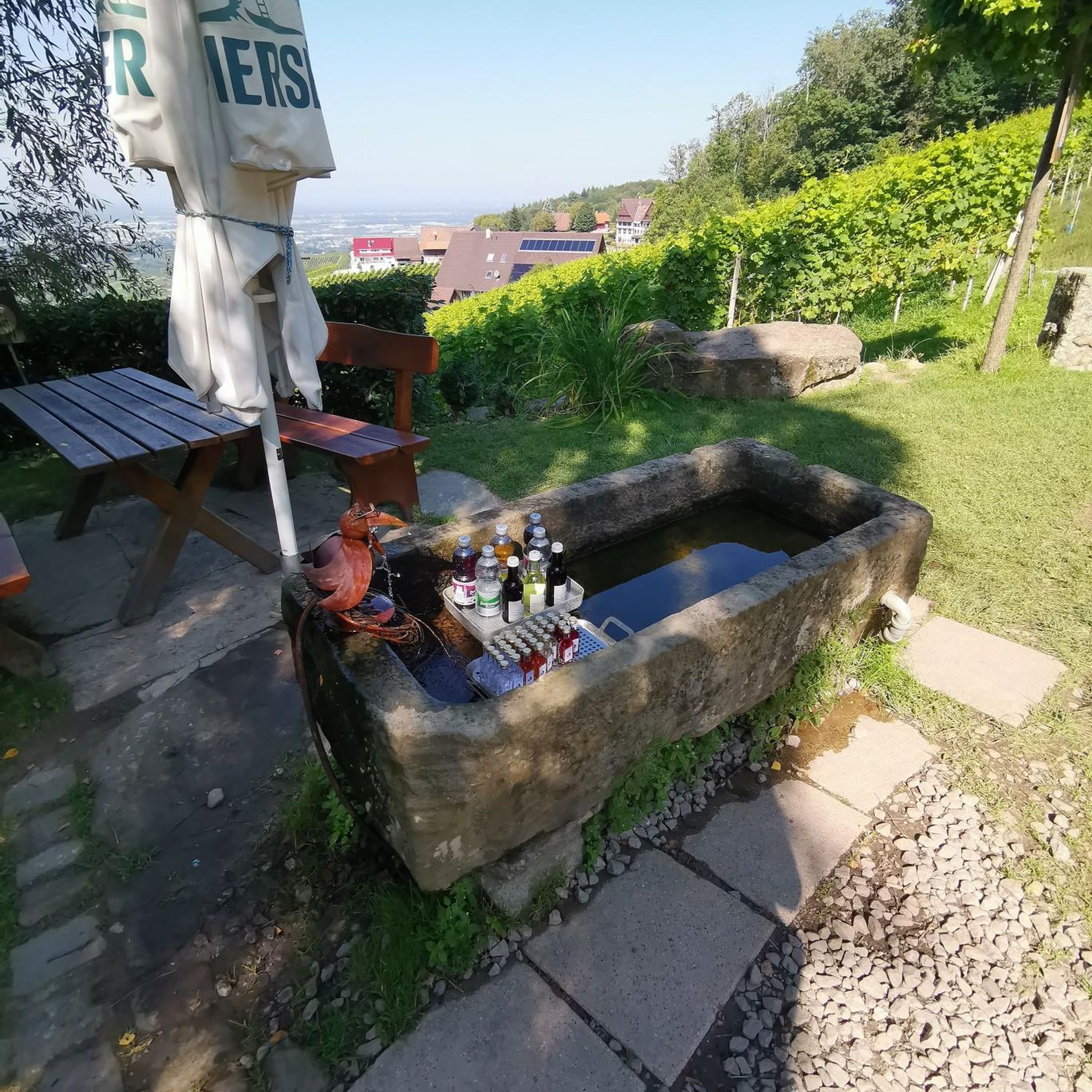
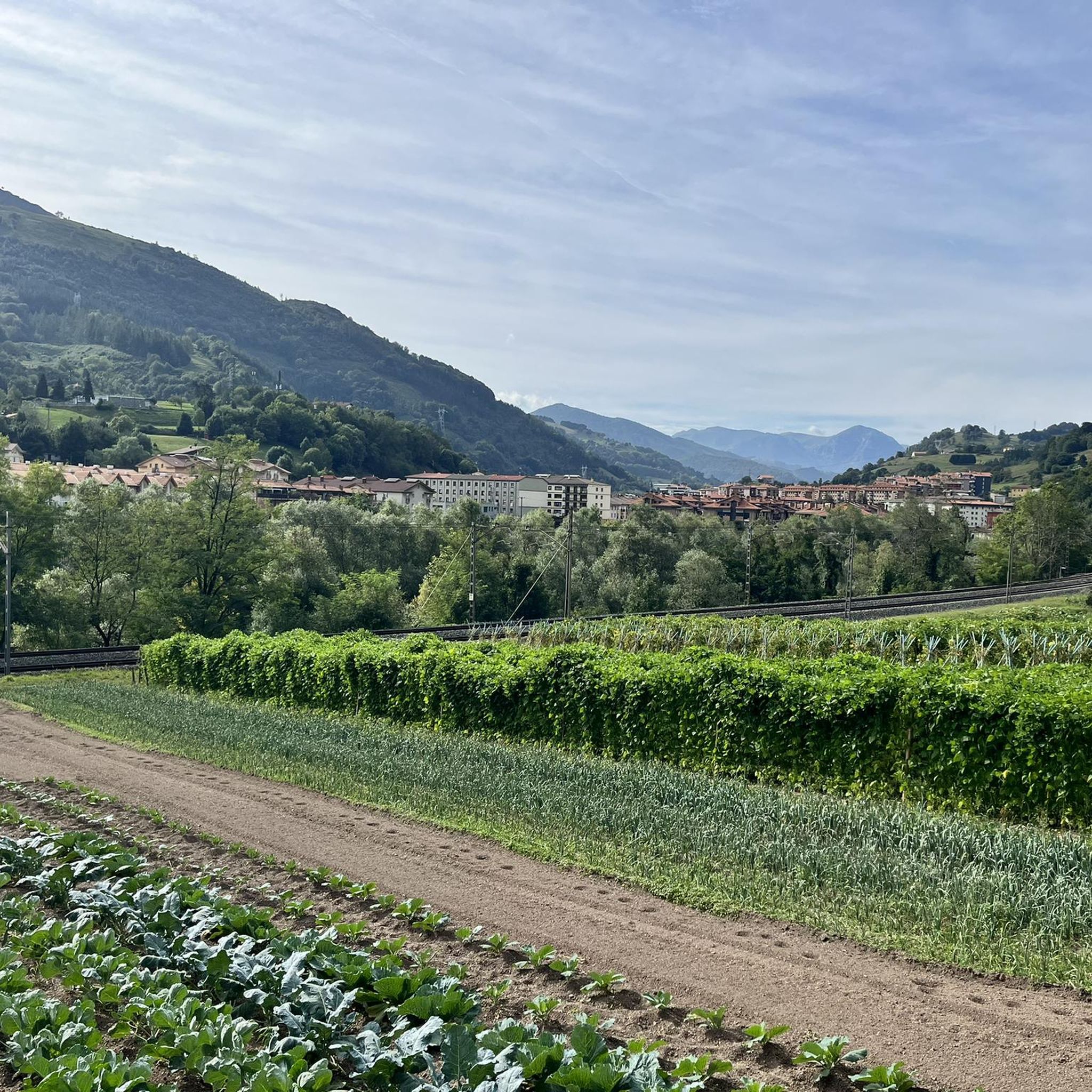
Tips from the Community

This area was a mining complex, the Mutiloa mining district, from the late 19th century. In 1911, 162 miners worked there, and in 1912, 34,500 tons of iron ore were stored and washed. After being transported by rail to Ormaiztegi, it was shipped to European steelworks. (https://www.mutiloakomeatzaritza.eus/es/la-via-verde/)
0
0
The Ormaiztegi Viaduct (inaugurated on August 15, 1864) is the town's most emblematic symbol. Designed by engineer Alexander Lavalley, a predecessor of Gustave Eiffel, it stands in a beautiful landscape overlooking the Eztanda River. It is the most important structure on the Madrid-Paris railway line, spanning 289 meters in length and 34 meters in height. Its 18,000 tons are supported by four pillars. The double track was installed in 1912 and electrified in 1928. It is currently disused and forms part of the Basque Country's cultural heritage.
0
0

Great route for beginners as has mainly constant and light slopes. Only half a dozen uphills the first 30 km from Pamplona.
0
0

One of the ideal areas to start the Plazaola greenway
0
0

That bridge is called "INTUIA-ko zubia" the INTUIA farmhouse is next to it. The misnamed "witches' bridge" is called UNANIBI-ko zubia, right in the Otita park (beginning of the Leitzaran valley). Don't forget to bring lights to cross the numerous tunnels in this valley!! Not to see but to be seen.
1
0

A must when you pass through this area. Stopping and having a coffee is almost mandatory. 😉
0
0
One of the best greenways we know.
0
0

This beautiful city located in the valley of the Oria River is surrounded by small mountains and green meadows. Thus, it offers you the possibility of escaping from the noise of the city in a few minutes. Furthermore, in its historic center is the church of San Martín de Tours, which is undoubtedly worth a visit.
3
0
Frequently Asked Questions
What kind of terrain can I expect on gravel bike trails around Bidania-Goiatz?
The region offers a diverse mix of paved and unpaved surfaces, characterized by picturesque rolling hills, serene valleys, and dense forests. You'll encounter significant elevation gains, making for challenging but rewarding rides through the Basque Country's natural beauty.
Are there any easy gravel bike routes for beginners or families in Bidania-Goiatz?
While many routes around Bidania-Goiatz present significant climbing challenges, the region does offer a variety of options. Most routes are rated 'difficult' due to elevation, but you can find trails that cater to different fitness levels. For a less strenuous experience, look for routes with lower elevation gains, though specific 'easy' rated gravel routes are not predominant in the immediate area.
What are some notable landmarks or viewpoints I can see while gravel biking in the area?
You'll find several interesting points of interest. The Uzturre Summit (733 m) offers great views, and the Meadows, forests, and mountains highlight provides a scenic experience. You might also pass by the Zelatun Pass and Borda, a mountain hut offering a glimpse into the local landscape.
What cultural or historical attractions are near the gravel biking routes?
Beyond the trails, you can explore the Igartza Monumental Complex, a beautifully preserved 16th-century site. The Sanctuary of Loyola is another significant cultural landmark nearby. In Bidania itself, the Church of San Bartolomé and the 17th-century Iriarte Palace are worth seeing.
What is the best season for gravel biking in Bidania-Goiatz?
The diverse landscapes and varied terrain make Bidania-Goiatz appealing for gravel biking across multiple seasons. The lush green scenery is particularly vibrant in spring and summer. While the region's isolation helps preserve its nature, it's always wise to check local weather conditions, especially for higher elevations or during potential wet periods.
Are there any circular gravel bike routes available?
Yes, many of the gravel routes around Bidania-Goiatz are designed as loops, allowing you to start and finish in the same location. Examples include the Oria River – Andoain loop from Asteasu and the Santa Cruz Tunnel – Witches' Bridge loop from Tolosa, offering convenient circular journeys.
How long do the gravel bike trails typically take to complete?
The duration varies significantly depending on the route's length and elevation. For instance, the Oria River – Andoain loop from Asteasu, at 28.1 miles (45.3 km), typically takes around 3 hours 49 minutes. Longer routes like the Santa Cruz Tunnel – Witches' Bridge loop from Tolosa, spanning 68.2 miles (109.8 km), can take over 9 hours.
What do other gravel bikers enjoy most about the routes in Bidania-Goiatz?
The area is highly rated by the komoot community, with an average score of 5.0 stars. Reviewers often praise the diverse landscapes, the mix of paved and unpaved surfaces, and the challenging elevation gains that provide a rewarding experience through the scenic Basque countryside.
Are there opportunities for cafe stops or places to eat along the gravel routes?
While the region is known for its preserved nature and isolation from main communication networks, many routes start or pass through charming villages like Asteasu, Tolosa, or Beasain. These towns often offer local cafes, pubs, and restaurants where you can refuel and experience Basque hospitality.
Is public transport or parking available near the gravel bike trails?
Many routes originate from towns such as Asteasu, Tolosa, or Beasain, which typically offer parking facilities. For public transport, it's best to check local bus or train schedules to these starting points, as the region's rural nature means direct access to trailheads might require a short ride from a main transport hub.
Can I find routes that offer views of Mount Ernio?
Yes, Mount Ernio, standing at 1,075 meters, is a prominent natural feature in the local landscape. Many routes in the Tolosaldea region, where Bidania-Goiatz is situated, will offer stunning views of this mountain as you traverse the surrounding hills, forests, and valleys.
Are there any advanced or challenging gravel biking routes in Bidania-Goiatz?
Absolutely. The region is well-suited for advanced gravel bikers, with routes featuring significant elevation gains, sometimes exceeding 3,000 feet, and requiring over five hours to complete. The terrain often includes segments that demand strong technical skills, making for a truly challenging experience.
Most popular attractions around Bidania-Goiatz

Get inspired with the komoot mobile app


Explore more
Browse the best Gravel rides in other regions.
