The best gravel rides around Pedroche
5.0
(2)
37
riders
27
rides
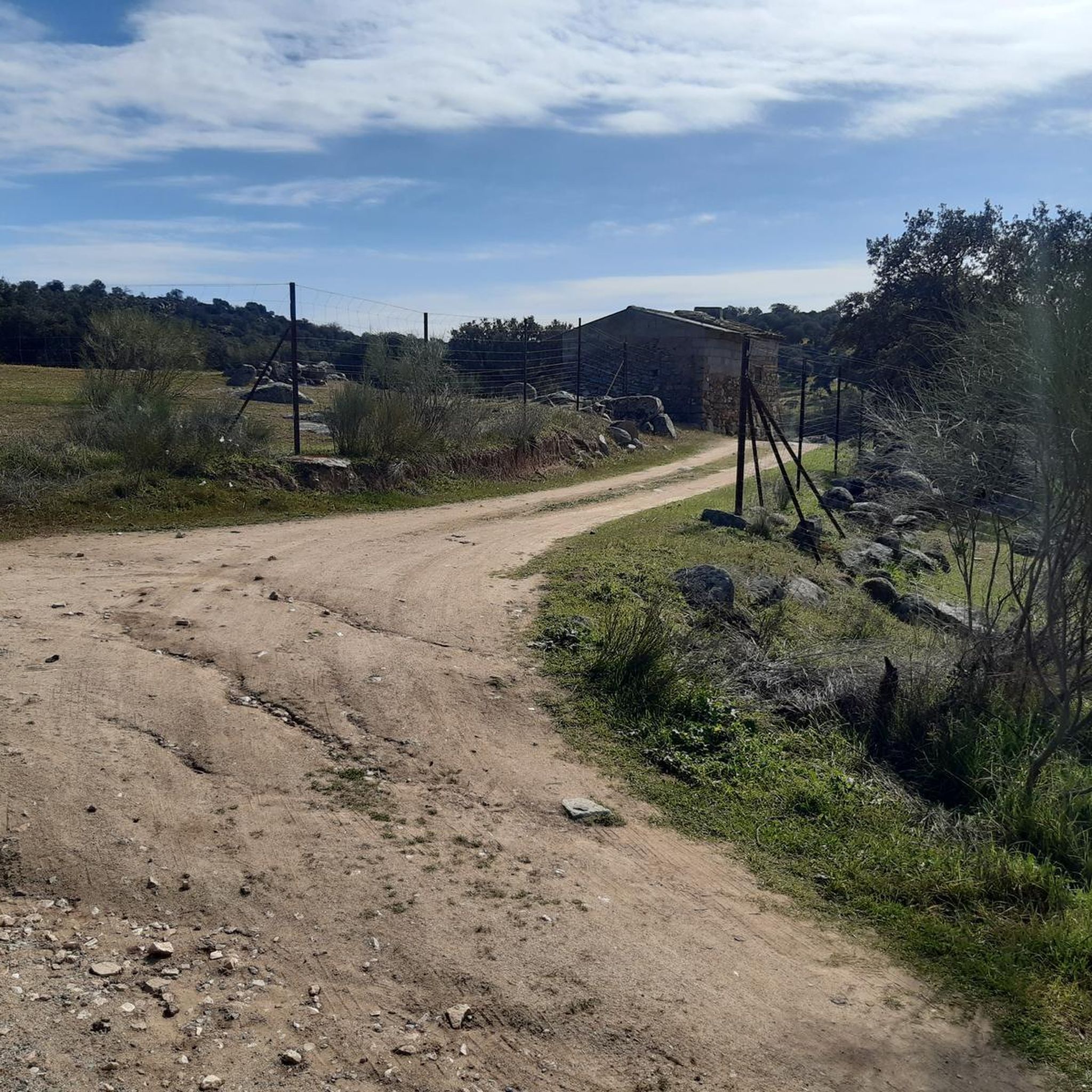
Gravel biking around Pedroche is characterized by extensive dehesa landscapes, rolling hills, and open country, providing varied terrain for long-distance routes. The region features a network of unpaved roads and tracks that traverse agricultural areas and natural woodlands. Elevations on these routes can be substantial, indicating a landscape with significant climbs and descents. The area offers a mix of challenging and less demanding paths suitable for gravel cycling.
Best gravel bike trails around Pedroche
- The most popular gravel bike trail…
Last updated: July 3, 2026
25
riders
98.9km
08:27
1,540m
1,540m
Hard gravel ride. Very good fitness required. You may need to push your bike for some segments of this route.
2
riders
80.1km
05:45
730m
730m
Hard gravel ride. Very good fitness required. Mostly paved surfaces. Suitable for all skill levels.

Sign up for free
5.0
(1)
4
riders
77.7km
05:52
810m
810m
Hard gravel ride. Very good fitness required. Mostly paved surfaces. Suitable for all skill levels.
5.0
(1)
4
riders
109km
07:48
1,150m
1,150m
Hard gravel ride. Very good fitness required. Mostly paved surfaces. Suitable for all skill levels.
2
riders
Hard gravel ride. Very good fitness required. Mostly paved surfaces. Suitable for all skill levels.
Get access to more routes and recommendations from other explorers.
Sign up for free
Already have an account?
Our route recommendations are based on thousands of hikes, rides, and runs completed by other people on komoot.
Start today with a free account
Your next adventure awaits.
Login or Signup
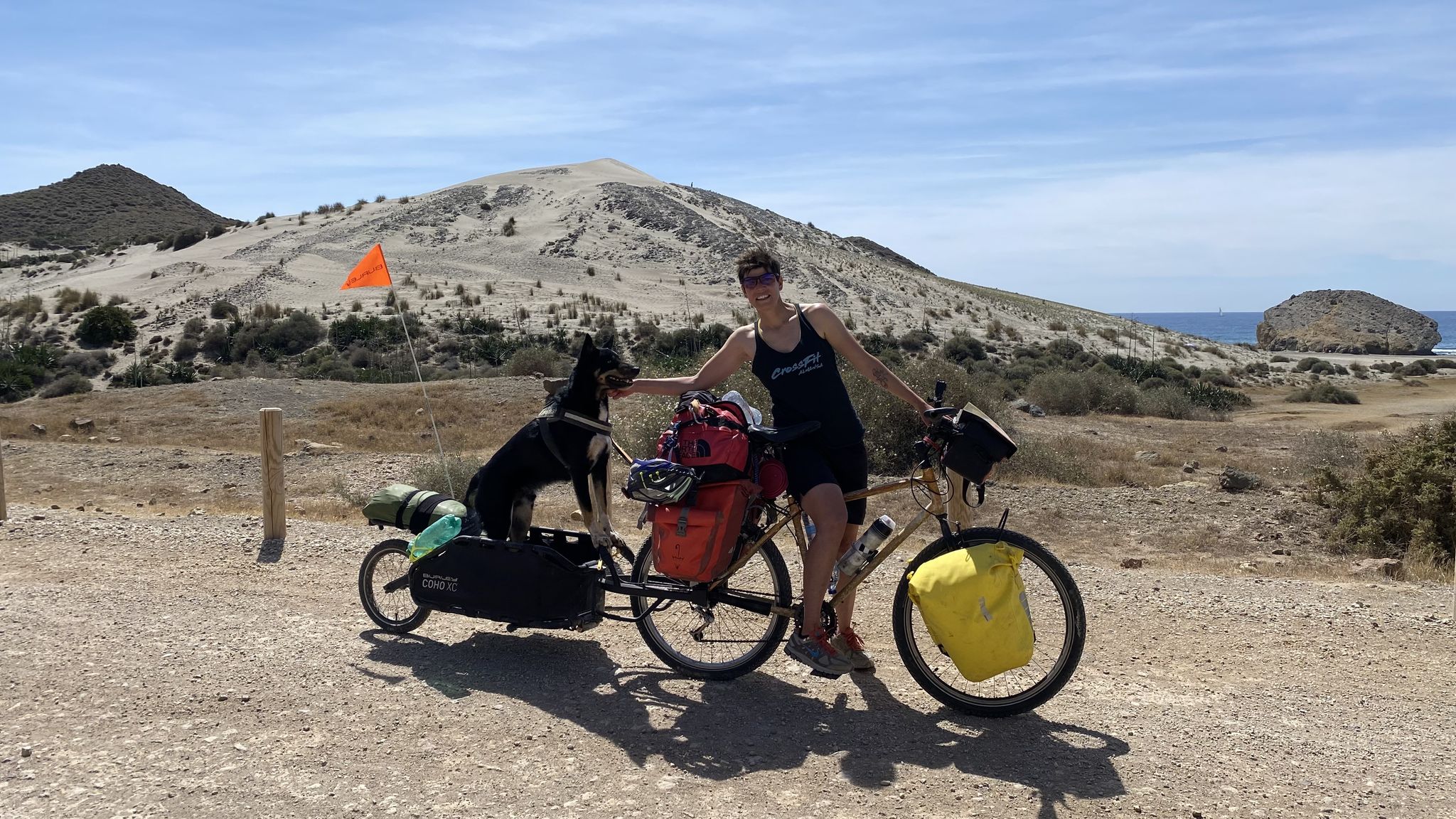
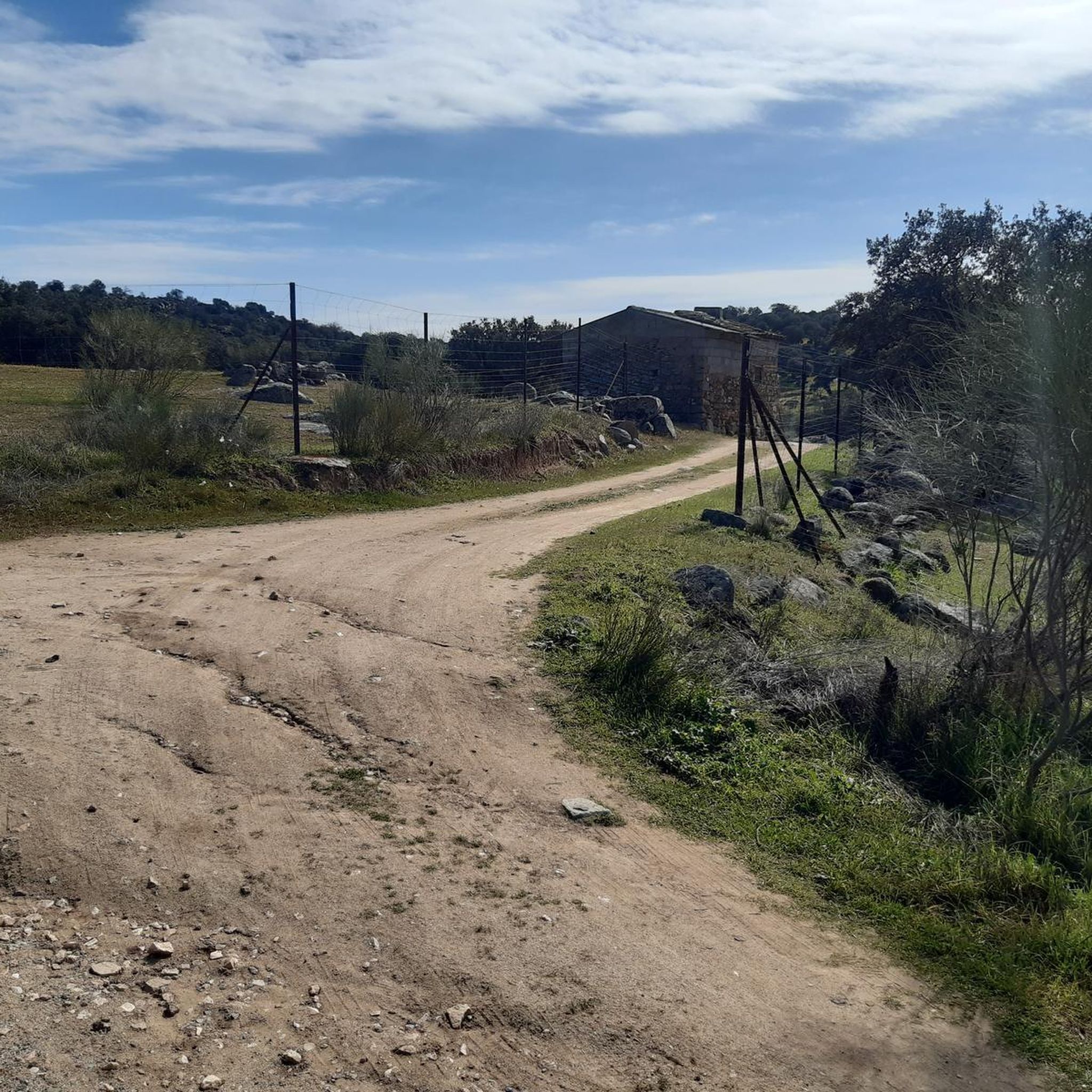
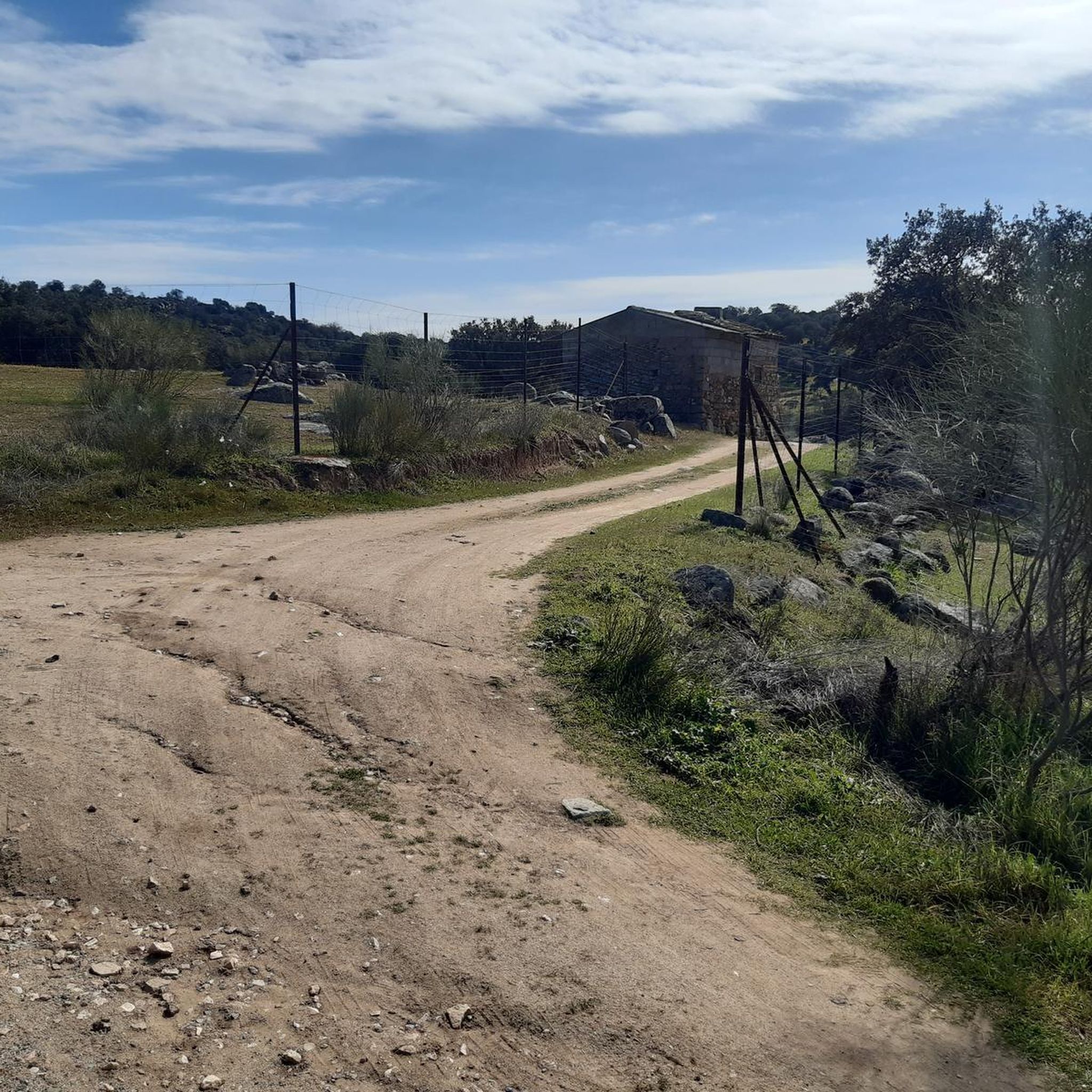
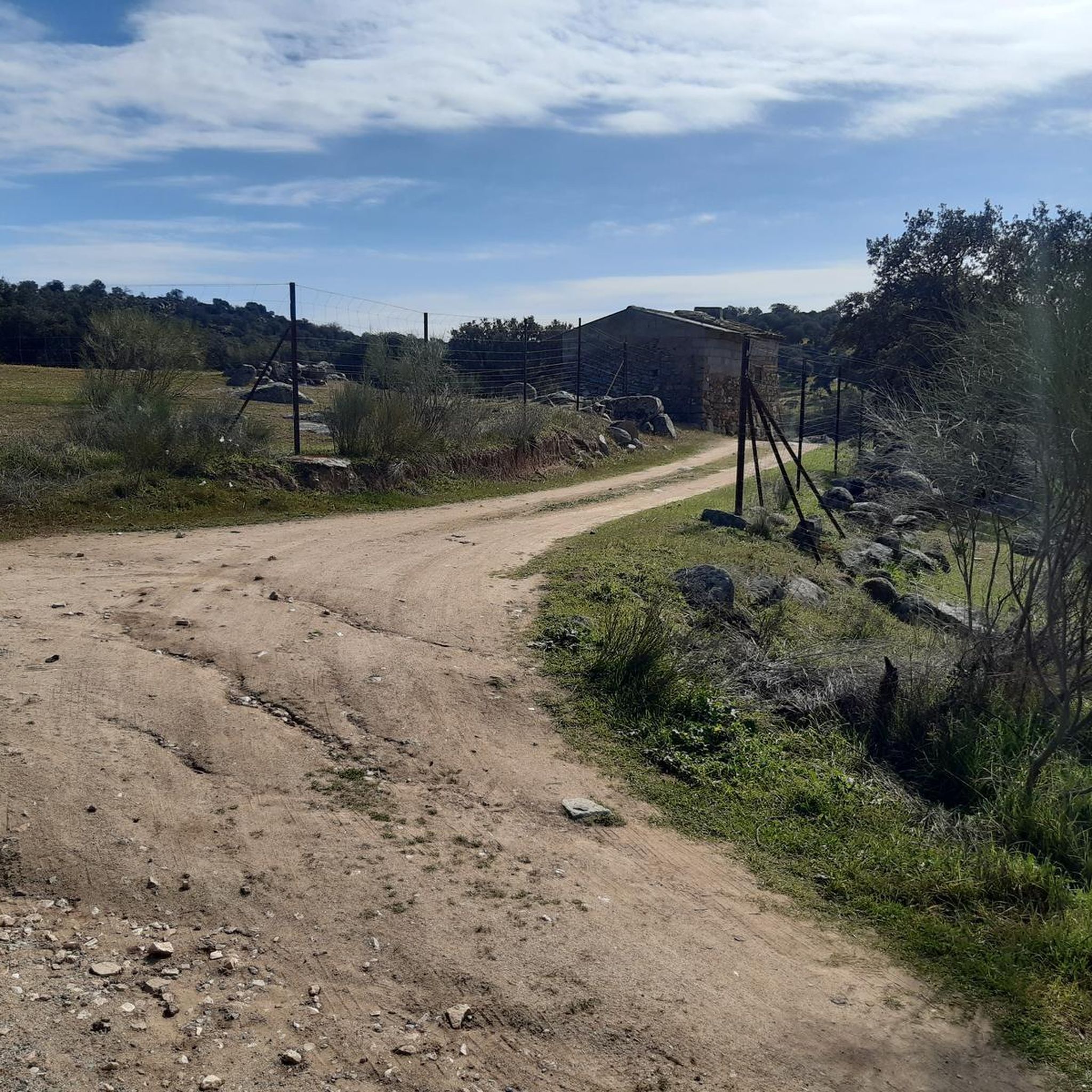

Other adventures around Pedroche

Tips from the Community

The Cañada Real de la Mesta is an ancient drove road used for centuries for transhumance.
0
0
La Puerta de la Villa de Santa Eufemia is one of the most notable remains of the municipality's old walled enclosure. This stone arch, of medieval origin, gave access to the interior of the villa and today is integrated into the urban area, preserving its historical and heritage value.
0
0
Built in the early years of the 20th century as a summer retreat for its owner, Miguel López, a priest much loved in the village for his great work and involvement in helping numerous people during the Civil War.
0
0

Dos Torres is one of the most charming villages in Los Pedroches. It stands out for: Its traditional architecture of lime, granite, and wrought iron, very well preserved in the historic center. A tranquil, authentic, and rural atmosphere, ideal for getting away from it all. A historical heritage that combines Roman remains, medieval legacy, churches of great artistic value, and unique natural spaces. Its location amidst spectacular meadows makes it perfect for nature lovers. Overall, it is a small village but surprisingly rich in history, tranquility, and architectural beauty.
1
0
Dos Torres is one of the most charming villages in Los Pedroches. It stands out for: Its traditional architecture of lime, granite, and wrought iron, very well preserved in the historic center. A tranquil, authentic, and rural atmosphere, ideal for getting away from it all. A historical heritage that combines Roman remains, medieval legacy, churches of great artistic value, and unique natural spaces. Its location amidst spectacular meadows makes it perfect for nature lovers. Overall, it is a small village but surprisingly rich in history, tranquility, and architectural beauty.
1
0
Although the exact date of its construction is unknown, tradition indicates that it was built in the mid-15th century, possibly thanks to a woman from Los Pedroches who promoted the construction of the first hermitage. According to legend, the image of the Virgin was found by a shepherd from Pedroche in a holm oak near the sanctuary at the beginning of the 15th century.
2
0
The Sanctuary of Our Lady of Luna is one of the most emblematic sites in the Los Pedroches Valley, deeply linked to the religious and cultural traditions of Pozoblanco and Villanueva de Córdoba. The sanctuary is located in the Dehesa de la Jara, in the municipality of Navarredonda, a natural holm oak grove characteristic of Los Pedroches. It is situated 15 km from Pozoblanco and 10 km from Villanueva de Córdoba.
2
0
Although the exact date of its construction is unknown, tradition indicates that it was built in the mid-15th century, possibly thanks to a woman from Los Pedroches who promoted the construction of the first hermitage. According to legend, the image of the Virgin was found by a shepherd from Pedroche in a holm oak near the sanctuary at the beginning of the 15th century.
2
0
Frequently Asked Questions
What is the general difficulty level of gravel biking in Pedroche?
Gravel biking in Pedroche offers a range of difficulties. While the region is known for its extensive dehesa landscapes and rolling hills, many routes feature significant climbs and descents. Out of approximately 20 available routes, 7 are classified as difficult, 11 as moderate, and 2 as easy, providing options for various skill levels.
Are there options for long-distance gravel rides in Pedroche?
Yes, Pedroche is well-suited for long-distance gravel rides. Many routes traverse vast agricultural areas and natural woodlands. For example, the Stone Cross of Añora – Puerta de la Villa loop from Cuerda de la Guitarra is over 108 km (67 miles) long, offering a substantial challenge.
What kind of landscapes can I expect to see while gravel biking in Pedroche?
You'll primarily experience the unique dehesa landscapes, characterized by open woodlands of oak trees used for grazing, alongside rolling hills and open agricultural plains. The routes often follow unpaved roads and tracks, providing a true immersion in the rural environment of Pedroche.
Are there any family-friendly gravel biking options in Pedroche?
While many routes in Pedroche are classified as moderate to difficult due to their length and elevation, there are a couple of easier options available. It's best to check individual route details on komoot for specific distances and elevation profiles to ensure they are suitable for your family's experience level.
What is the best time of year for gravel biking in Pedroche?
The spring and autumn months generally offer the most pleasant conditions for gravel biking in Pedroche, with milder temperatures. Summers can be very hot, and winters can bring cooler, potentially wetter weather. Always check the local weather forecast before heading out.
Are there any loop gravel trails in Pedroche?
Yes, many of the gravel routes in Pedroche are designed as loops, allowing you to start and finish at the same point. A popular example is the Hermitage of the Virgen de Luna – Conquista loop from Pozoblanco, which covers nearly 80 km (50 miles).
What kind of wildlife might I encounter on the gravel bike trails?
Given the dehesa and natural woodland environments, you might spot various birds, including raptors, and other typical Iberian wildlife. The region's agricultural areas also support diverse ecosystems. Maintaining a respectful distance and observing quietly is always recommended.
Are there any interesting landmarks or places to explore along the gravel routes?
Yes, several routes pass by notable points of interest. For instance, the Hermitage of the Virgen de Luna – Dehesa de Los Pedroches loop from Villanueva de Córdoba passes near the Hermitage of the Virgen de Luna. Other highlights in the broader Pedroche area include the Plaza de España in Villanueva de Córdoba and the Plaza Mayor De la Villa de Dos Torres.
What do other gravel bikers enjoy the most about gravel biking in Pedroche?
The komoot community highly rates the gravel biking experience in Pedroche, with an average score of 5.0 stars from reviews. Riders often praise the extensive, varied terrain, the sense of open country, and the opportunity for long, immersive rides through the dehesa landscapes.
Are there any advanced gravel routes for experienced riders?
Absolutely. Pedroche offers several challenging routes with significant elevation gains and long distances. The Stone Cross of Añora – Puerta de la Villa loop from Casa Alta is a difficult 77.8 km (48.3 miles) trail that leads through varied rural landscapes, ideal for experienced gravel bikers seeking a demanding ride.
Can I access the gravel trails using public transport?
While specific public transport links directly to trailheads are not detailed in our route information, many routes start from towns like Pozoblanco or Villanueva de Córdoba, which may have regional bus services. It's advisable to research local transport options to these towns if you plan to use public transport.
Where can I find parking near the gravel bike trails?
Most gravel routes in Pedroche start from or near towns and villages, such as Villanueva de Córdoba or Pozoblanco. You can typically find public parking within these communities, often close to the starting points of the tours. Always check local signage for parking regulations.
Most popular attractions around Pedroche

Get inspired with the komoot mobile app


Explore more
Browse the best Gravel rides in other regions.
