The best gravel rides around Padul
4.3
(4)
39
riders
36
rides
Gravel biking around Padul features routes through varied terrain, including river valleys, rolling hills, and agricultural lands. The region is characterized by its proximity to the Sierra Nevada foothills, offering both challenging ascents and more gentle paths along watercourses. Gravel bike trails in this area often traverse rural tracks and unpaved roads, connecting small villages and natural areas within the Lecrín Valley, known for its Mediterranean crops.
Best gravel bike trails around Padul
- The most popular gravel bike trail is…
Last updated: July 3, 2026
5.0
(2)
8
riders
71.7km
05:35
1,740m
1,740m
Hard gravel ride. Very good fitness required. Mostly paved surfaces. Suitable for all skill levels.
4
riders
78.7km
05:24
570m
570m
Hard gravel ride. Very good fitness required. Mostly paved surfaces. Suitable for all skill levels.

Sign up for free
4.0
(1)
3
riders
22.4km
01:42
220m
220m
Moderate gravel ride. Good fitness required. Mostly paved surfaces. Suitable for all skill levels.
4
riders
33.2km
02:18
370m
370m
Moderate gravel ride. Good fitness required. Mostly paved surfaces. Suitable for all skill levels.
6
riders
63.8km
04:55
1,130m
1,130m
Hard gravel ride. Very good fitness required. Mostly paved surfaces. Suitable for all skill levels.
Get access to more routes and recommendations from other explorers.
Sign up for free
Already have an account?
Our route recommendations are based on thousands of hikes, rides, and runs completed by other people on komoot.
Start today with a free account
Your next adventure awaits.
Login or Signup
Tips from the Community

The Church of San Gil and Santa Ana, popularly known as the Church of Santa Ana, is a 16th-century Mudéjar monument located in one of Granada's most charming corners: Plaza Nueva, right at the beginning of the Carrera del Darro and at the foot of the Alhambra. Built in 1537 by order of the parish of the same name, on the site of a former main mosque (Almanzora). The project is the work of the renowned architect Diego de Siloé, a central figure of the Renaissance in Granada. Its Mudéjar tower was erected between 1561 and 1563 by Juan Castellar, characterized by its framed openings and alfiz decoration.
12
0

The Church of San Gil and Santa Ana is a small church with a Mudéjar style, located in Plaza Nueva, where the Carrera del Darro begins, marking the start of our route through the Albaicín and Sacromonte districts. It was built according to a design by Diego de Siloé during the second third of the 16th century (1537-1548) on the site formerly occupied by the Almanzora mosque, founded by King Badis. This mosque stood at the foot of the Alhambra, between the right bank of the Darro River and the Almanzora neighborhood, which were connected by a stone bridge. Once the church was built, this bridge was renamed the Santa Ana Bridge. It is in the Mudéjar style.
3
1
The Church of San Gil and Santa Ana is a prime example of Granada's Mudéjar architecture. It stands on the site of a former mosque. Its Renaissance façade, adorned with grotesques and Corinthian columns, was designed by Sebastián de Alcántara, a prominent artist in the city. The tower, decorated with tiles and glazed roof tiles, is the finest example of Mudéjar architecture in the city. Only the old minaret remains of the former mosque. The Granadan heroine Mariana Pineda celebrated her wedding in this church. If you'd like to learn more about Mariana Pineda, here's a link: https://historia.nationalgeographic.com.es/a/mariana-pineda-rebelde-que-eligio-morir-antes-que-delatar-sus-companeros_16811
3
1

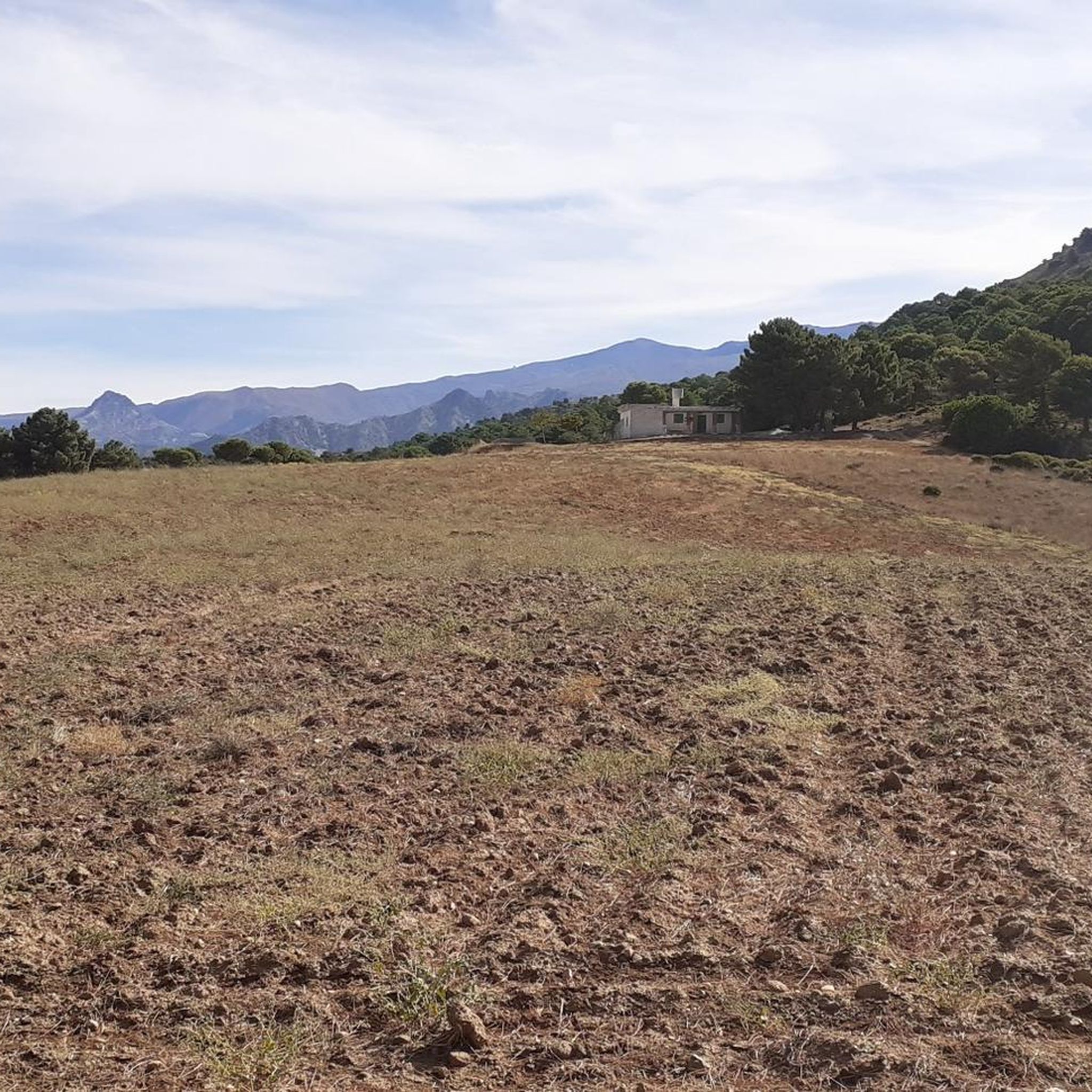
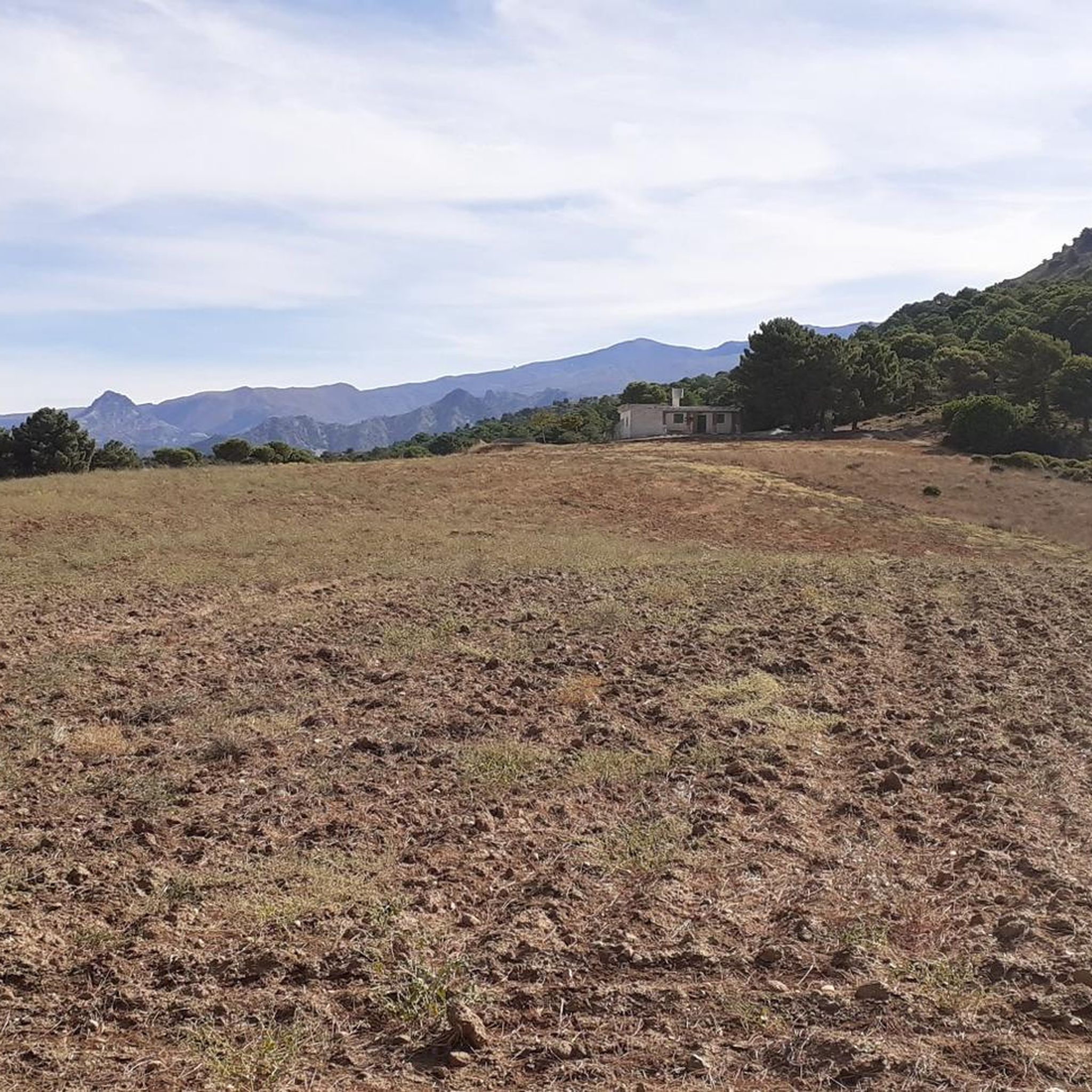
The silence, the wind, the endless views of the Sierra
0
0

Here, people dance in the square on Saturday evenings 🤩. The older students really dressed up. They played everything that works as a couple's dance. There was a slow waltz, a rumba... if you don't want to dance yourself, you can just watch the others. A fantastic experience and a fantastic atmosphere 😍
6
0

Sometimes it's worth taking a look back - like here, when the sun rose over Granada and announced a new day.
0
0

In the city of Granada, which is not lacking in attractions, one particularly stands out: the Alhambra, the Moorish palace that seems like a fairytale from "1001 Nights" set in stone. The highly recommended TV series "Treasures of the World - Heritage of Humanity" portrays UNESCO World Heritage sites (in German) in short films (each 15 minutes long). The Alhambra is available in the ARD media library at the following link =>> https://www.zdf.de/swr/schaetze-der-welt/page-video-ard-alhambra-spanien-100.html
1
1

Frequently Asked Questions
How many gravel bike trails are available around Padul?
There are over 30 gravel bike routes in the Padul area, offering a diverse range of experiences. These include 14 moderate trails and 19 more challenging options, catering to various skill levels.
Are there any easy or beginner-friendly gravel bike routes in Padul?
While many routes around Padul feature significant elevation changes, there are moderate options that are more accessible. For example, the Genil Riverbank (Granada) – Pinos Genil village loop from Ogíjares is a moderate 35.1 km trail that follows river valleys and agricultural areas, making it a good choice for those looking for a less strenuous ride.
What are some challenging gravel bike routes for experienced riders near Padul?
Experienced gravel bikers will find plenty of demanding routes. The Nazari Bridge of Tablate – Dílar loop from Cumbres Verdes is a difficult 100.3 km trail with significant elevation gain through mountainous terrain. Another challenging option is the Pinos Genil village – Hoya de la Mora loop from La Zubia, a 91.5 km path with extensive climbs and descents.
What is the best time of year for gravel biking in Padul?
The best time for gravel biking in Padul is typically during the spring (March to May) and autumn (September to November). During these seasons, temperatures are milder, and the natural landscape is vibrant. Summers can be very hot, and winters, while mild, may bring some rain or cooler conditions, especially at higher elevations.
Are there any circular gravel bike routes around Padul?
Yes, many of the gravel bike routes in the Padul area are designed as loops. For instance, the Aurora Mine – Genil River near Purchil loop from La Malahá offers a 78.7 km circular ride, and the Restábal Village – Metal Bridge loop from Nigüelas is a 72.3 km loop, allowing you to start and finish at the same point.
What kind of scenery can I expect on gravel bike trails in Padul?
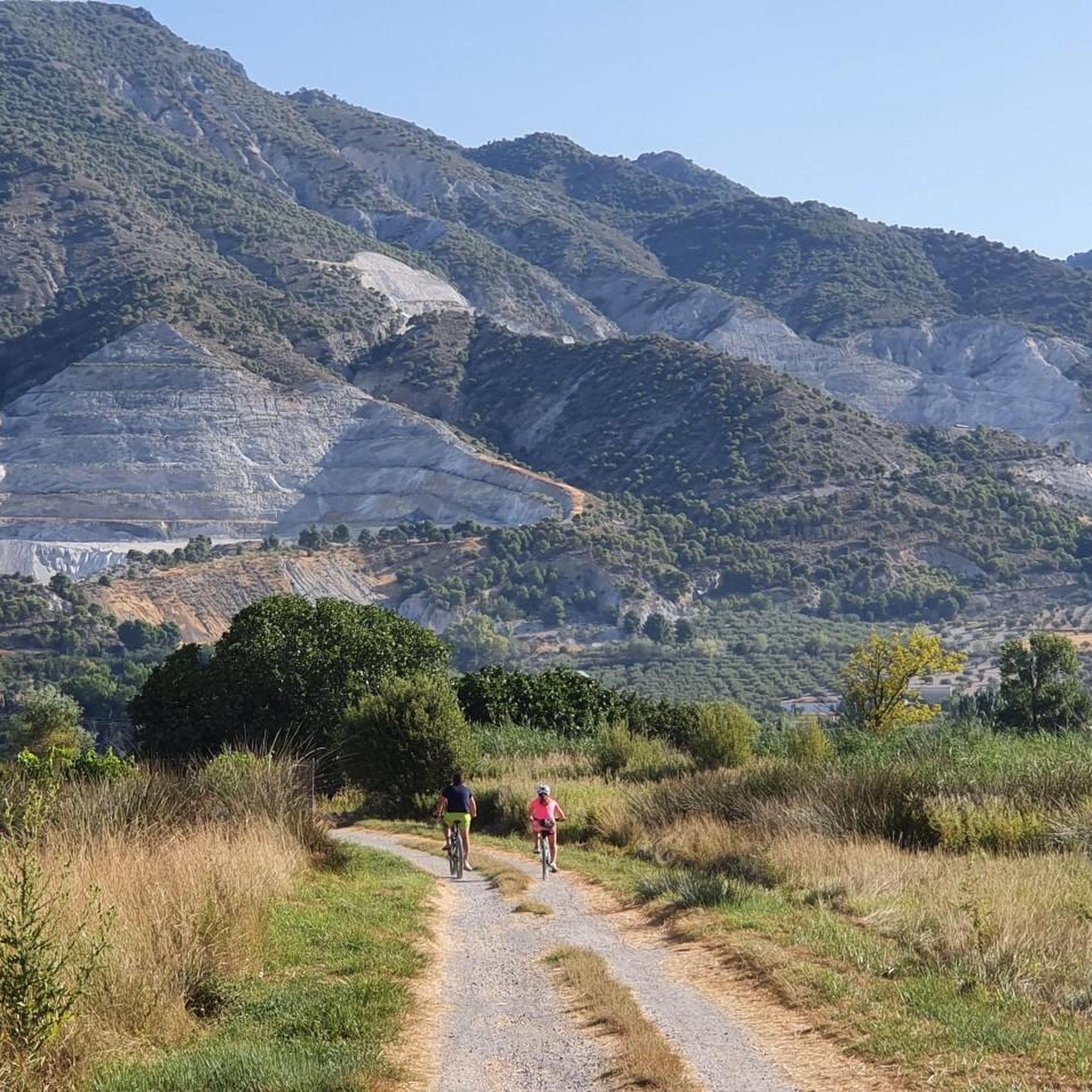
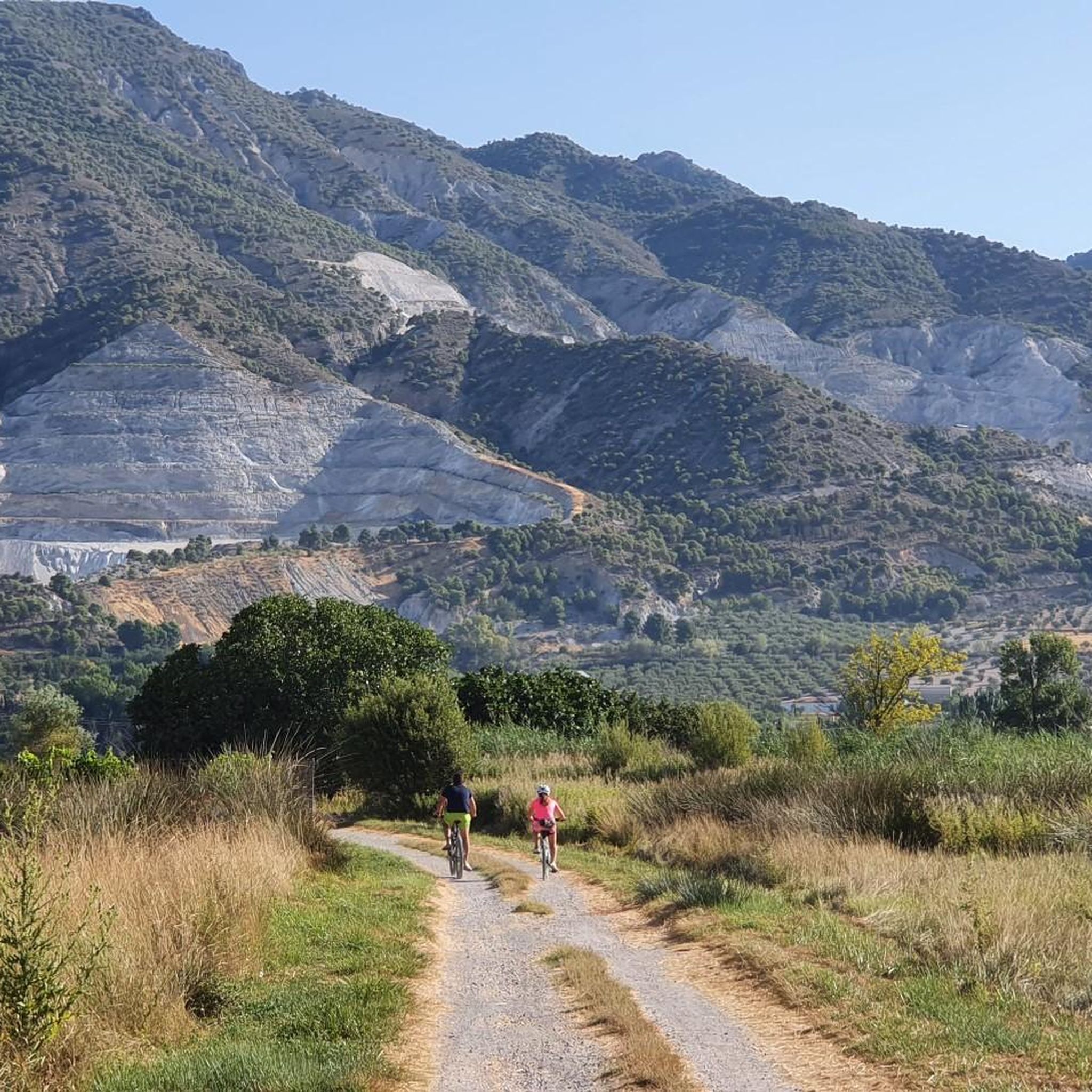
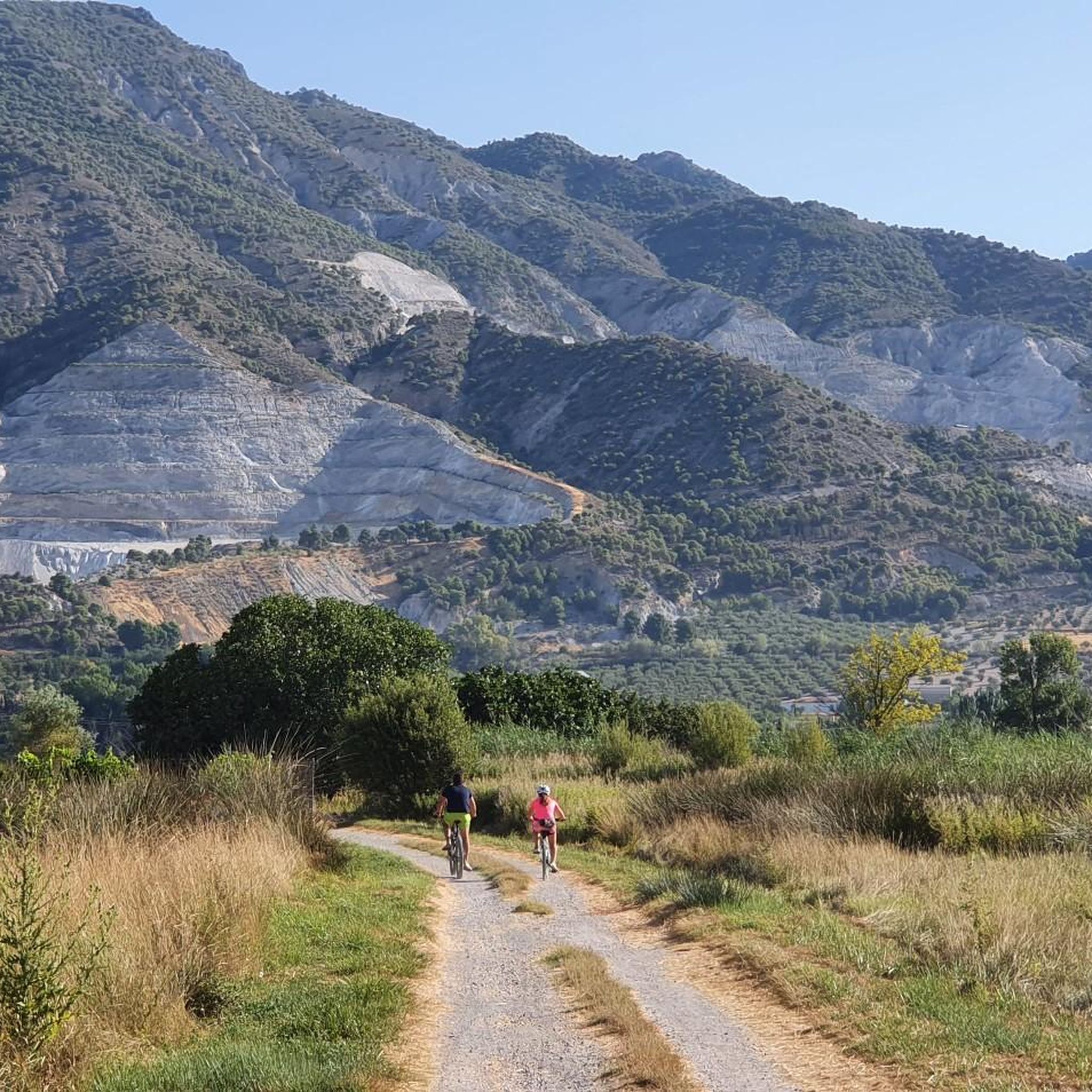
Gravel bike trails around Padul offer diverse scenery, from river valleys and agricultural lands to rolling hills and views towards the Sierra Nevada foothills. You'll often traverse rural tracks and unpaved roads, connecting small villages and natural areas, including olive groves and wetlands like the Laguna de Padul.
Are there any notable natural attractions or landmarks along the gravel routes?
Yes, the region boasts several natural attractions. You might encounter stunning gorges like the Barranco de la Luna Gorge or the La Malahá Badlands. There are also beautiful waterfalls such as Three Waterfalls and Cahorros de Nigüelas Waterfall, which can be found in the wider area surrounding Padul.
Are there places to stop for refreshments or coffee along the trails?
Many routes pass through or near small villages where you can find local cafes or bars for a break and refreshments. While specific cafe stops aren't always marked on every trail, planning your route to include village stops is recommended for a more comfortable ride.
What do other gravel bikers enjoy most about the trails in Padul?
The gravel biking routes in Padul are highly rated by the komoot community, with an average score of 4.7 stars. Riders often praise the varied terrain, the mix of challenging ascents and scenic descents, and the opportunity to explore rural tracks and natural areas away from main roads.
Are there any less crowded or 'hidden gem' gravel trails in the Padul area?
While specific 'hidden gems' are often discovered by local exploration, focusing on routes that venture further into the Sierra Nevada foothills or less-trafficked agricultural tracks can lead to quieter experiences. Many of the longer, more difficult routes naturally see fewer riders due to their demanding nature, offering a sense of solitude.
Where can I find parking for gravel biking trailheads in Padul?
Parking is generally available in or near the starting points of many routes, particularly in the villages surrounding Padul. It's advisable to check specific village parking options or designated trailhead parking areas when planning your ride.
Most popular attractions around Padul

Get inspired with the komoot mobile app


Explore more
Browse the best Gravel rides in other regions.
