The best gravel rides around Monòver / Monóvar
4.7
(13)
416
riders
112
rides
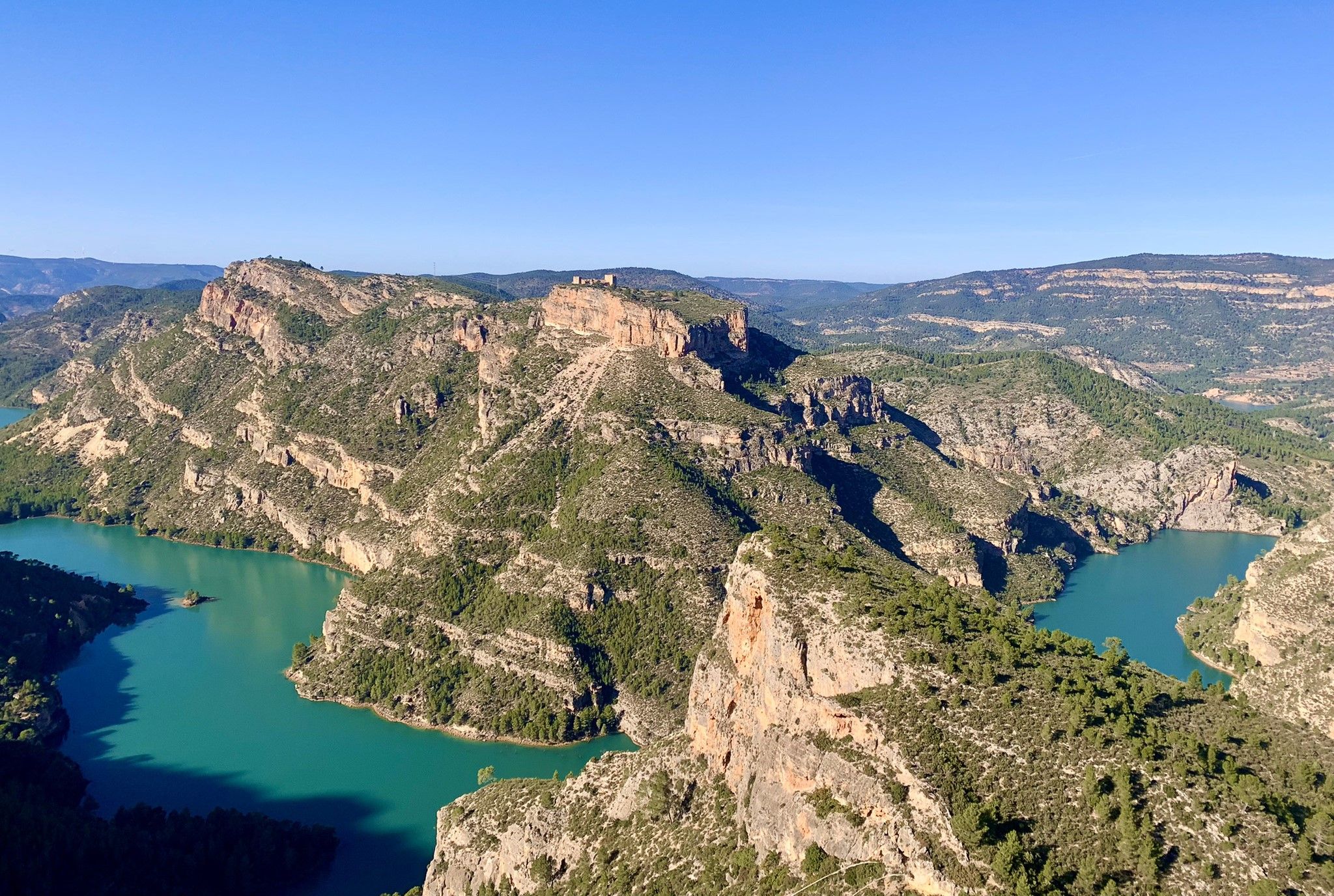
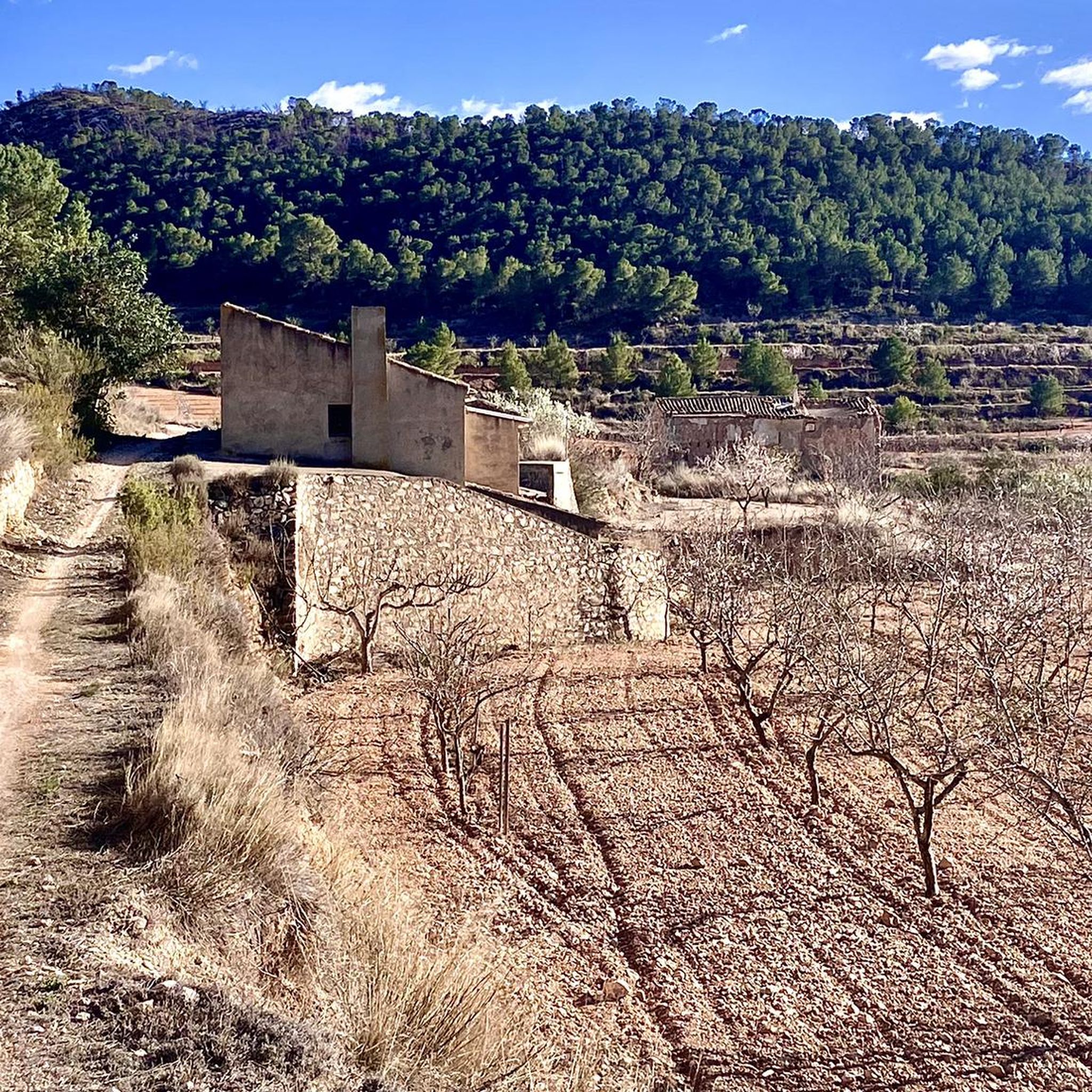
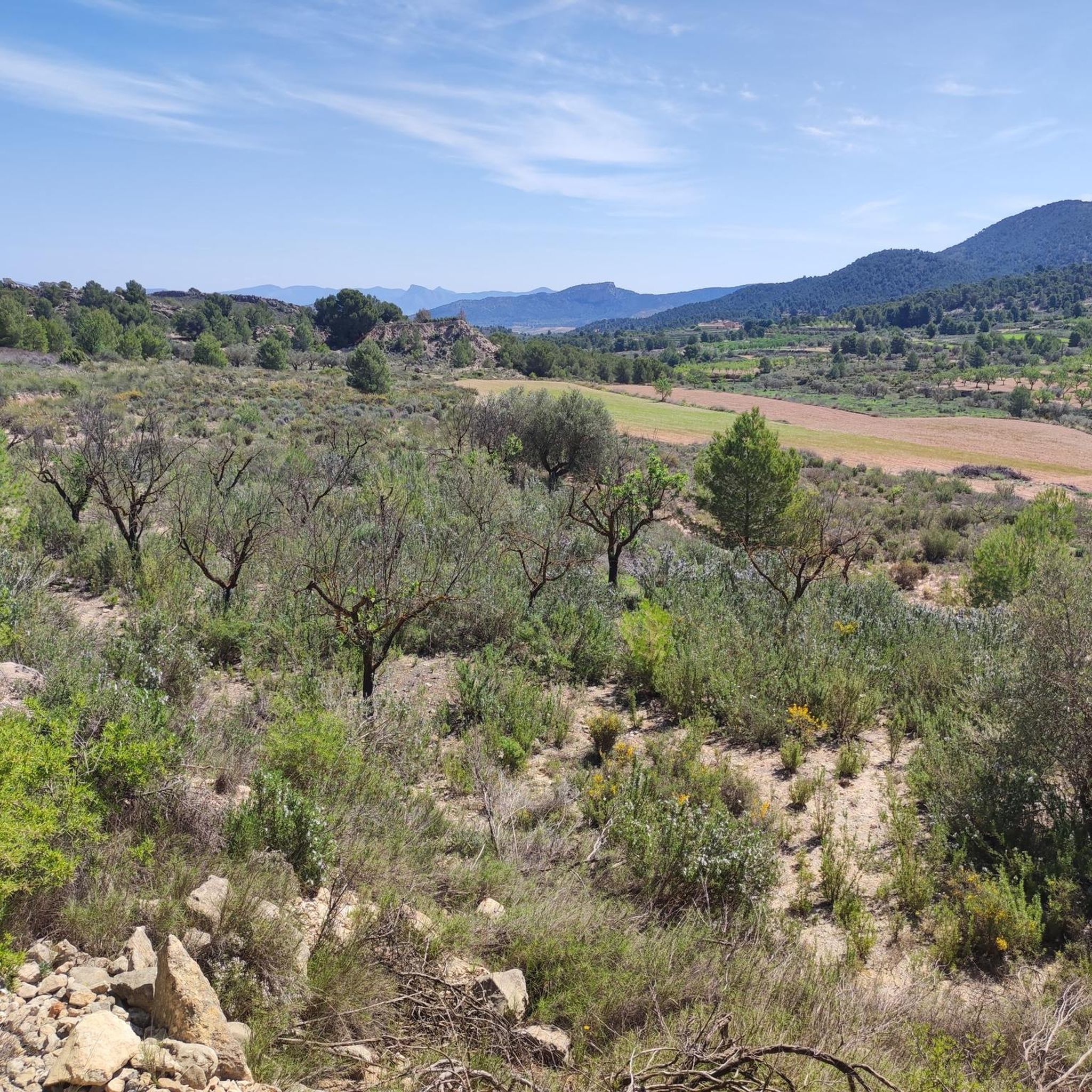
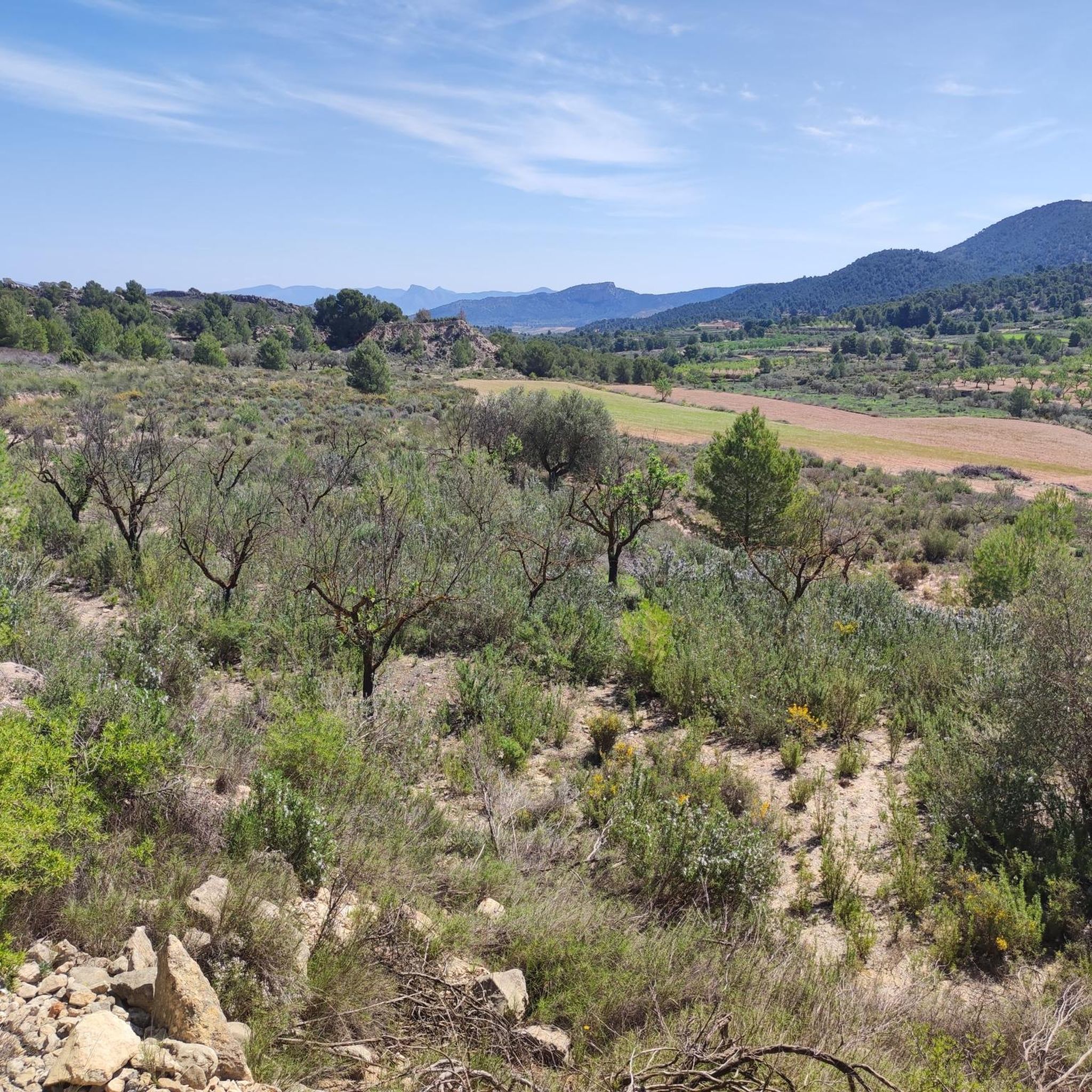
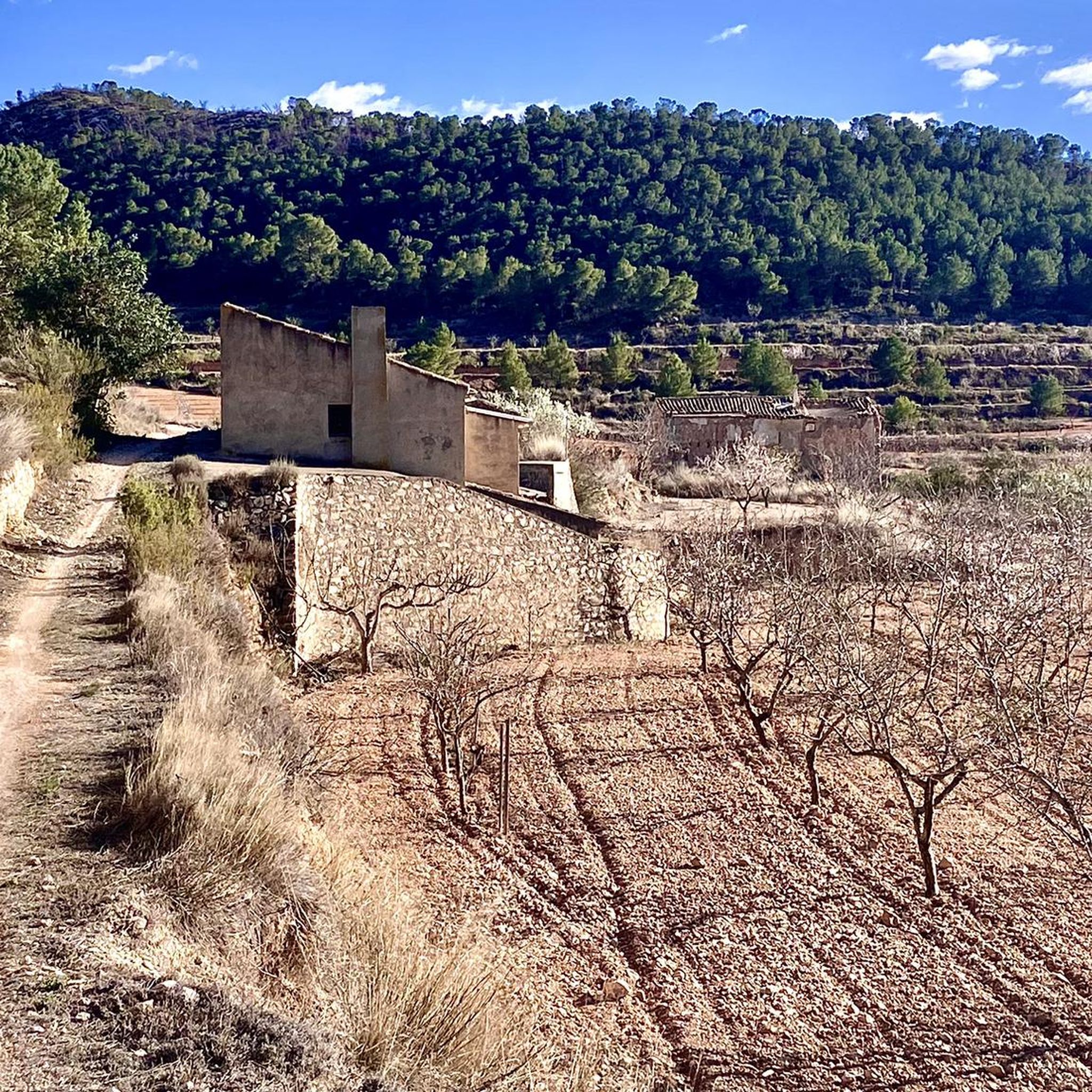
Gravel biking around Monòver / Monóvar is defined by a landscape that offers varied terrain for cyclists. The region features rolling hills, river valleys, and agricultural areas, providing a mix of surfaces for gravel bike trails. Routes often traverse unpaved roads and tracks, with notable elevation changes that include both climbs and descents. This diverse environment supports a range of gravel biking experiences.
Best gravel bike trails around Monòver / Monóvar
- The most popular gravel bike trail is Colonia de…
Last updated: October 11, 2026
25
riders
74.0km
05:17
770m
770m
Hard gravel ride. Very good fitness required. Mostly paved surfaces. Suitable for all skill levels.
21
riders
98.9km
07:24
1,140m
1,140m
Hard gravel ride. Very good fitness required. Mostly paved surfaces. Suitable for all skill levels.

27
riders
33.5km
02:34
600m
600m
Hard gravel ride. Very good fitness required. Mostly paved surfaces. Suitable for all skill levels.
5.0
(3)
33
riders
34.6km
02:12
290m
290m
Moderate gravel ride. Good fitness required. Mostly paved surfaces. Suitable for all skill levels.
5.0
(1)
18
riders
83.9km
05:08
870m
870m
Hard gravel ride. Very good fitness required. Mostly paved surfaces. Suitable for all skill levels.
Get access to more routes and recommendations from other explorers.
Already have an account?
Our route recommendations are based on thousands of hikes, rides, and runs completed by other people on komoot.
Start today with a free account
Your next adventure awaits.
Other adventures around Monòver / Monóvar

Tips from the Community

The Plaza de la Constitución should definitely be included. Church, town hall, pub: it's all there.
0
0
You can still find some pretty old buildings and authentic Spanish life here. However, it's a bit more difficult to find a restaurant on Mondays.
2
0


A charming destination steeped in history and renowned for its delicious cuisine, ideal for combining cultural tourism with nature. It's not a place for shopping sprees or nightlife, but rather for disconnecting and enjoying local traditions. Historical Heritage: The Almohad castle and the old town are authentic medieval gems, remarkably well-preserved. Natural Surroundings: Enclosed by mountains and hiking trails, it's perfect for those seeking tranquility and nature. Peaceful Atmosphere: This welcoming village is ideal for rural getaways away from the tourist crowds. Gastronomy: Traditional dishes like olleta (a hearty stew), gazpacho manchego (a traditional gazpacho from La Mancha), and homemade sweets are highly prized. Festivals and Culture: Its celebrations and craft fairs offer an authentic and engaging atmosphere.
1
0
The Church (Hermitage) of Santa Eulalia, located in the Santa Eulalia Colony, between Sax and Villena (Alicante, Alto Vinalopó). It forms part of an agricultural colony built in the late 19th century, declared a Site of Cultural Interest (ethnological) in 2016. It is situated in an area between Sax and Villena, near the Acequia del Rey irrigation canal and the Vinalopó River. The hermitage is located in one of the colony's two main squares, surrounded by houses, factories (flour and alcohol), a theater, a casino, and a train station. The current hermitage was built in 1891, on the site of an earlier medieval one, commissioned by the Count of Alcudia (Antonio de Padúa Saavedra). It is a simple rectangular building with a double-arched bell gable built around 1900; each arch housed bells on its lower level.
2
0
Villena is a jewel of inland Alicante, perfect for a cultural, historical, and gastronomic getaway. Monuments and Heritage Atalaya Castle: A 12th-century Almohad fortress, a symbol of the city. It offers spectacular views and guided tours. Church of Santiago: With its spiral columns, it is one of the most unique examples of Levantine Gothic architecture. Church of Santa María: A blend of Gothic and Baroque styles. Chapí Theatre: A cultural landmark with a program of music, theatre, and dance. Town Hall and Santiago Square: The heart of the historic center.
4
0

The Ermita de San Blas in Sax is a small, historic chapel located in the heart of the old town, directly below the castle. It was probably built in the 13th or 14th century and is one of the typical "Ermitas de Reconquista" (reconquest hermitages) built after the Christian reconquest. The building has a simple rectangular floor plan with a later addition of a semicircular chancel and a baroque bell tower above the entrance. The statue of Saint Blas, the patron saint of the town, is venerated inside. The chapel continues to play a central role in the religious and cultural life of Sax. Of particular importance is the annual "Cabildo de San Blas" on December 26th, a traditional gathering that marks the beginning of the patron saint's festivities. In addition, masses are regularly held in honor of the saint. With its historic architecture and picturesque location below the castle, the Ermita de San Blas is an important symbol of Sax's identity and a worthwhile destination for visitors interested in culture.
1
0
Frequently Asked Questions
How many gravel bike trails are available in the Monòver / Monóvar region?
There are over 80 gravel bike routes documented on komoot for the Monòver / Monóvar area. These routes cater to various skill levels, with a significant number offering challenging terrain.
What is the general difficulty level of gravel biking in Monòver / Monóvar?
The Monòver / Monóvar region offers a mix of gravel biking difficulties. While there are a few easy routes, the majority are classified as moderate (around 28 routes) or difficult (over 50 routes), featuring notable elevation changes and varied surfaces like unpaved roads and tracks.
Are there any beginner-friendly gravel bike routes in Monòver / Monóvar?
While many routes in Monòver / Monóvar are moderate to difficult, beginners can find suitable options. For instance, the region offers a few easier routes, though specific beginner-focused trails are less common than more challenging ones. It's advisable to check route profiles for elevation and surface details.
Where can I find advanced gravel trails in the Monòver / Monóvar region?
Advanced gravel riders will find plenty of challenging options. Over 50 routes in the region are classified as difficult. A good example is the Maigmó Greenway – First tunnel from Agost loop from Elda-Petrer, which covers 83.8 km with significant elevation gain.
Are there any circular gravel bike routes in Monòver / Monóvar?
Yes, many gravel bike routes in Monòver / Monóvar are designed as loops. For example, the Las Hermosas – Almortxó Sand Dunes loop from Elda-Petrer offers a 33.9 km circular ride through varied terrain.
What kind of terrain can I expect on gravel bike trails around Monòver / Monóvar?
Gravel biking in Monòver / Monóvar features diverse terrain, including rolling hills, river valleys, and agricultural areas. You'll encounter a mix of unpaved roads, tracks, and some challenging sections with significant elevation changes, such as those found on the Colonia de Santa Eulalia – River crossing loop from Elda-Petrer.
What are some interesting landmarks or natural features to see along the gravel bike routes?
Several routes pass by notable attractions. You could encounter the Sax Fortress, or natural features like the Almortxó Sand Dunes. The region also features various summits like La Silla del Cid Summit and La Mola summit, offering panoramic views.
What do other gravel bikers say about the routes in Monòver / Monóvar?
The gravel biking routes in Monòver / Monóvar are highly regarded by the komoot community, with an average rating of 4.7 stars from over 6 reviews. Riders often praise the varied terrain and the challenging nature of the trails, which provide a rewarding experience.
Are there any routes that offer extensive views?
Yes, many routes in the region provide expansive views, especially those that include significant ascents. The Biar – Colonia de Santa Eulalia loop from Elda-Petrer, for instance, is known for offering extensive views across the landscape due to its challenging climbs.
What is the best season for gravel biking in Monòver / Monóvar?
Given the Mediterranean climate of the region, spring and autumn are generally the most pleasant seasons for gravel biking in Monòver / Monóvar. Temperatures are milder, and the landscape is often vibrant. Summer can be very hot, making early morning or late afternoon rides preferable, while winter offers cooler, but often sunny, conditions.
Are there any routes that pass by historical sites or towns?
Yes, some routes will take you near or through historical points of interest. For example, the Colonia de Santa Eulalia – Castle of Sax loop from Elda-Petrer passes by the historic Sax Fortress, offering a blend of cycling and cultural exploration.
Most popular routes around Monòver / Monóvar
Most popular attractions around Monòver / Monóvar

Get inspired with the komoot mobile app


Explore more
Browse the best Gravel rides in other regions.
