The best gravel rides around Ojén
4.2
(22)
352
riders
38
rides
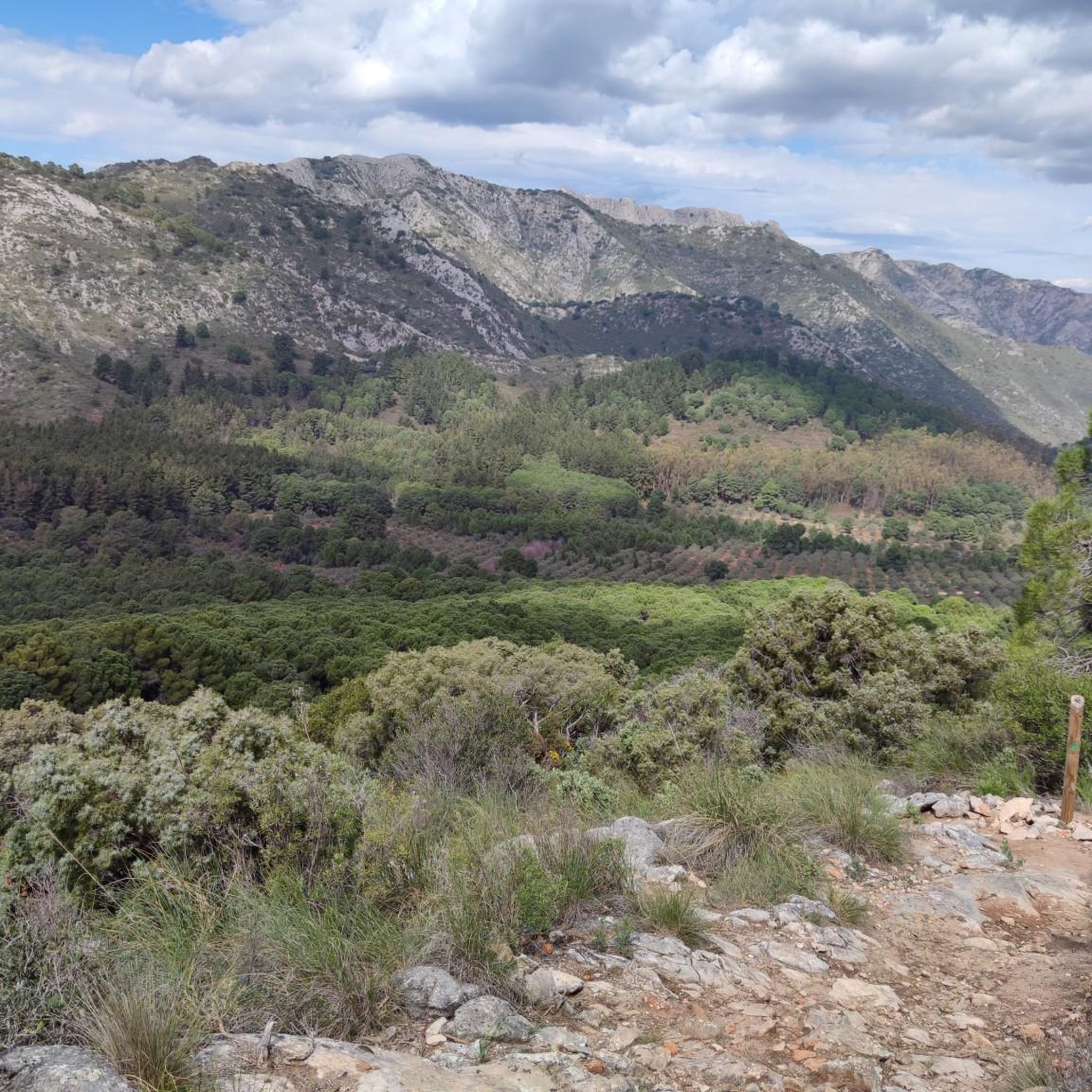
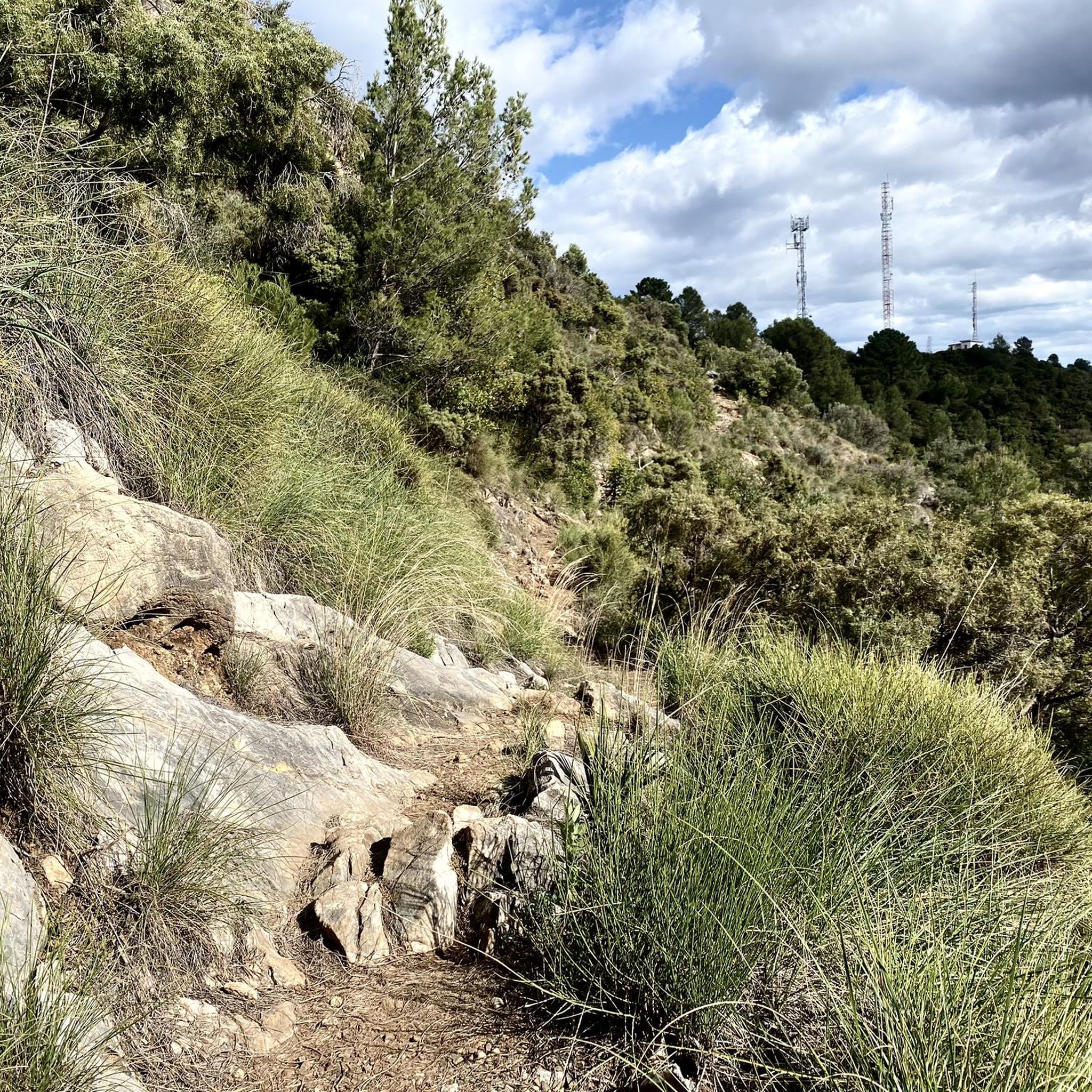
Gravel biking around Ojén offers routes through mountainous terrain and Mediterranean forests in the Sierra Blanca region. The landscape features significant elevation changes, providing challenging climbs and descents. Trails often traverse rocky paths and dirt roads, characteristic of the Andalusian hinterland. This area is known for its rugged natural beauty, making it suitable for experienced gravel riders seeking demanding routes.
Best gravel bike trails around Ojén
- The most popular gravel bike trail is Ojén Caves – Nice views loop from…
Last updated: July 8, 2026
3.5
(2)
49
riders
52.7km
03:35
1,120m
1,120m
Hard gravel ride. Very good fitness required. Mostly paved surfaces. Suitable for all skill levels.
17
riders
55.5km
04:41
1,370m
1,370m
Hard gravel ride. Very good fitness required. Mostly paved surfaces. Suitable for all skill levels.

Sign up for free
5.0
(1)
9
riders
39.2km
03:22
1,010m
1,010m
Hard gravel ride. Very good fitness required. Mostly paved surfaces. Suitable for all skill levels.
13
riders
32.4km
02:34
810m
810m
Hard gravel ride. Very good fitness required. Mostly paved surfaces. Suitable for all skill levels.
8
riders
37.8km
02:41
580m
580m
Hard gravel ride. Very good fitness required. Mostly paved surfaces. Suitable for all skill levels.
Get access to more routes and recommendations from other explorers.
Sign up for free
Already have an account?
Our route recommendations are based on thousands of hikes, rides, and runs completed by other people on komoot.
Start today with a free account
Your next adventure awaits.
Login or Signup
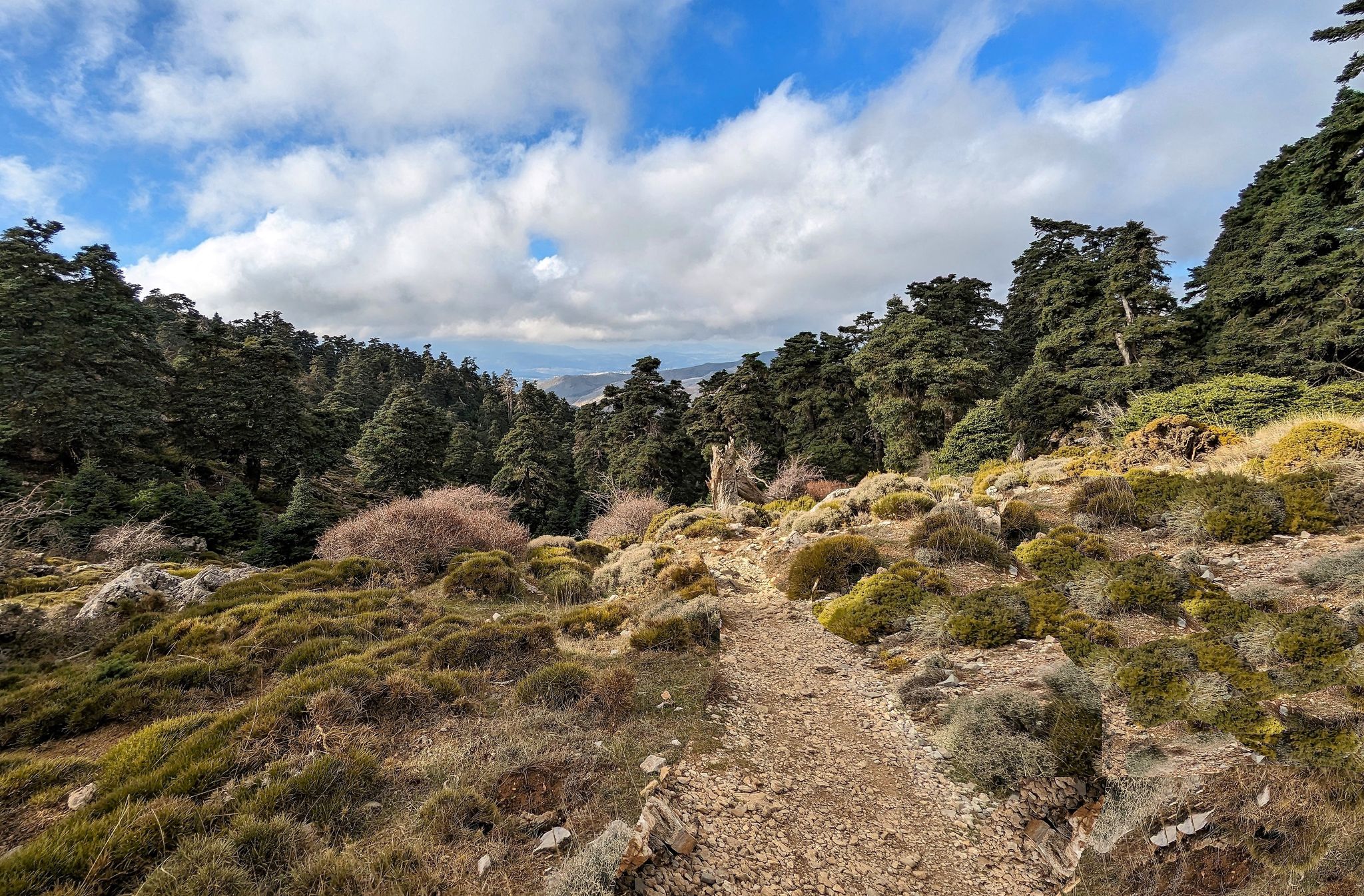
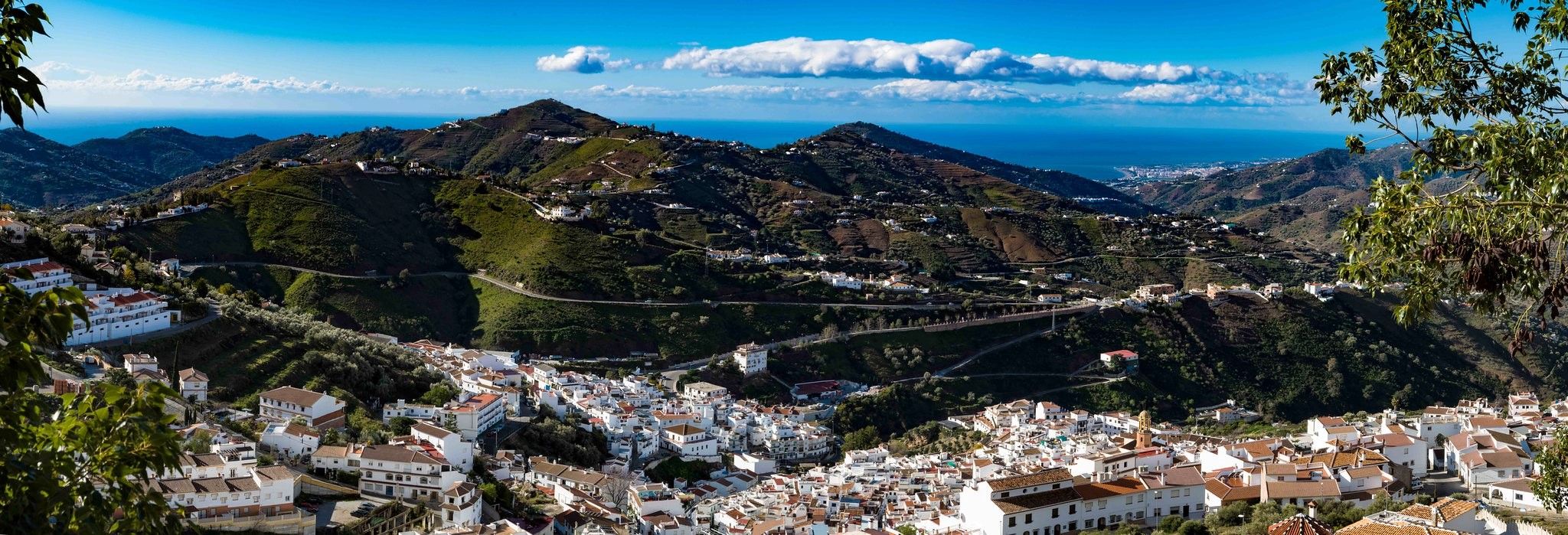
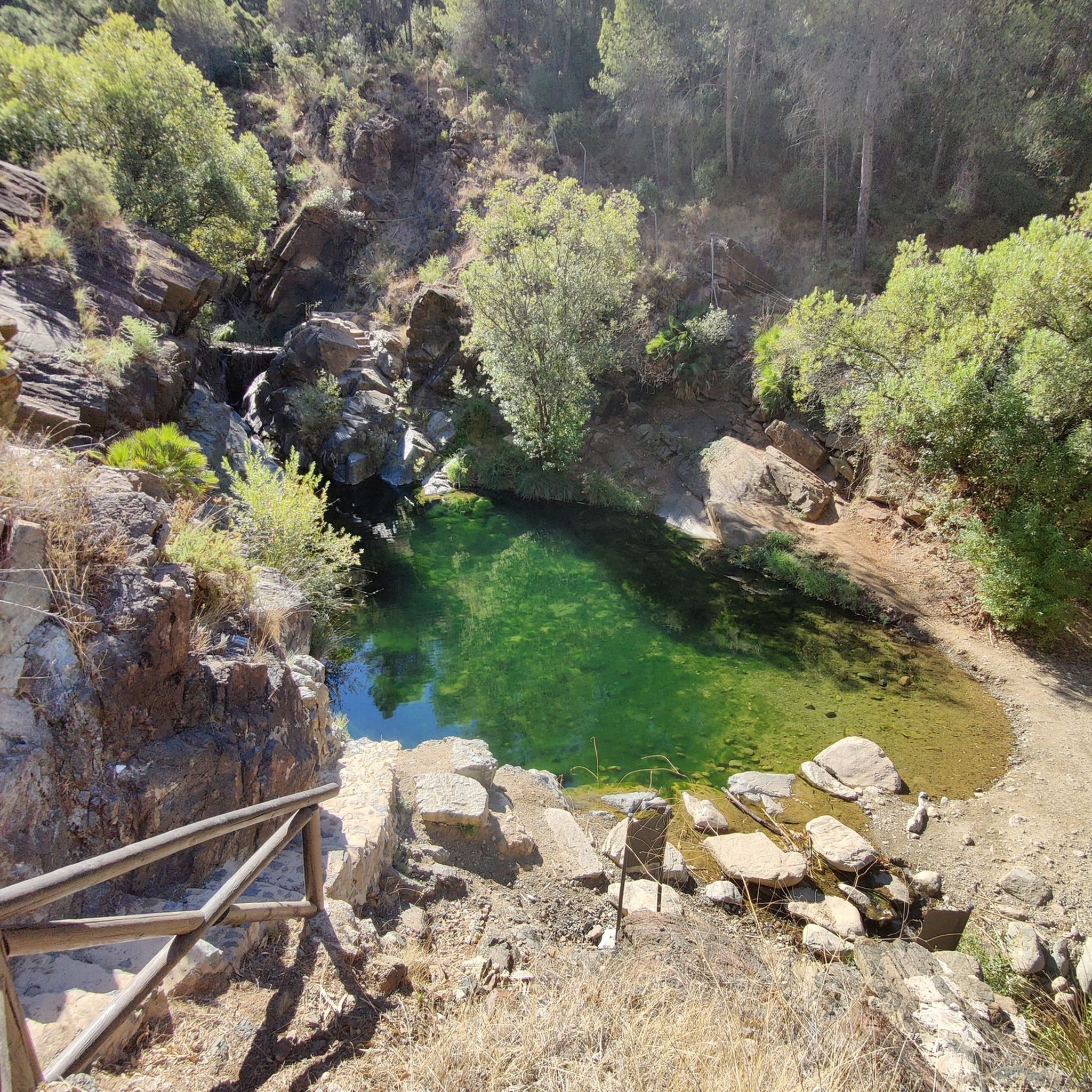
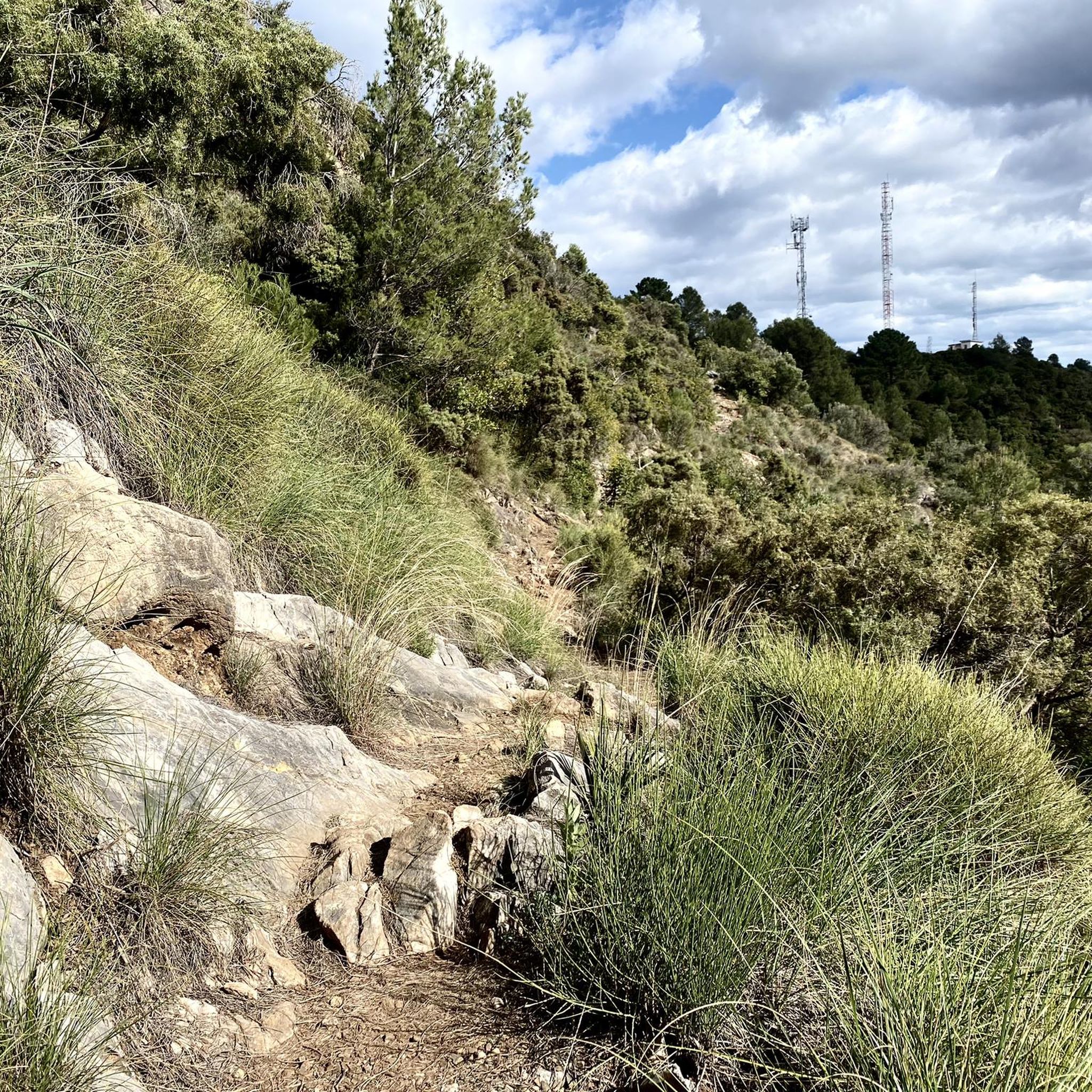

Tips from the Community

Beautiful when it has water. Nice bike route bordering the mountain range.
0
0

Charming place at the start of the route
0
0


The Church of the Incarnation (Iglesia de la Encarnación) is the most important and largest church in Marbella's old town and is considered one of the city's most significant historical buildings. Begun in the 16th century, it was expanded over several centuries, resulting in a blend of Gothic, Renaissance, and, most notably, Baroque styles. The 18th-century Baroque portal, crafted from fine limestone and framed by sculptural decoration and two columns, is particularly striking. The imposing bell tower, which dominates the cityscape, also dates from the 18th century. Inside, the church has a three-aisled basilica layout with tall columns and richly decorated chapels. A remarkable work of art is the monumental organ, installed in 1975, which is among the largest in Andalusia. Many elements of the interior furnishings were acquired from older chapels or stately homes after the Christian reconquest of the region. The church stands on the site of the former main Muslim mosque, the remains of which were discovered during archaeological investigations – a testament to Marbella's long cultural and historical development. Today, the Iglesia de la Encarnación is the city's religious center and the focal point of many traditional processions, festivals, and religious celebrations, especially during Semana Santa (Holy Week).
2
0
The Albero route between Marbella and Estepona is a varied coastal path that largely follows the promenade and the Senda Litoral (coastal path). The terrain alternates between firm natural ground, wooden boardwalks, paved sections, and sandy paths, creating a diverse landscape. It frequently runs directly along the sea, offering unobstructed views of the coastline and the mountain panorama in the hinterland. Along the way, you'll pass quiet beaches, small coves, well-maintained promenades, and numerous beach restaurants, perfect for a break. The route is generally easy to moderately challenging and suitable for both hiking and leisurely cycling.
1
0

Beautiful cycle path along the coast, be careful, in some places it is very busy.
0
0
Spain's best known marina where the super rich are at home. Yachts, cars and more.
1
0
Nice cycle path from paved dirt road, be careful, there are some holes and busy.
1
1
Frequently Asked Questions
What is the general difficulty level of gravel biking trails around Ojén?
Gravel biking around Ojén is primarily suited for experienced riders. The terrain is characterized by mountainous ascents, significant elevation changes, and often rocky, dirt roads. Most of the 38 available routes are classified as difficult, with a few moderate options, but no easy trails.
Are there any long-distance gravel routes with substantial elevation gain near Ojén?
Yes, Ojén offers several challenging long-distance routes with significant elevation. For example, the La Concepción Reservoir – Swallows Pass loop from Marbella is an 82.2 km (51.1 miles) route with nearly 1,700 meters of elevation gain, providing a demanding ride through the region's varied landscapes.
Can I find circular gravel bike trails in the Ojén area?
Many of the gravel bike trails around Ojén are designed as loops, allowing you to start and finish at the same point. A notable example is the Ojén Caves – Nice views loop from Bello Horizonte Alto, which covers 57.4 km (35.7 miles) and offers extensive views.
What are the best seasons for gravel biking in Ojén?
The best seasons for gravel biking in Ojén are typically spring (March to May) and autumn (September to November). During these periods, temperatures are milder, and the Mediterranean climate provides pleasant riding conditions. Summers can be very hot, making early morning or late afternoon rides preferable, while winters are generally mild but can bring occasional rain.
What are the trail conditions like after rain in Ojén?
Given the mountainous terrain and prevalence of dirt and rocky roads, trails in Ojén can become muddy and slippery after heavy rain. Some sections may also experience erosion or temporary stream crossings. It's advisable to check local weather forecasts and trail conditions before heading out, and to ensure your bike is equipped for potentially wet and challenging surfaces.
Are there any scenic viewpoints or natural attractions along the gravel routes?
Yes, the routes often feature panoramic viewpoints and pass by natural attractions. You might encounter stunning vistas of the Sierra Blanca mountains and the Mediterranean coast. For specific points of interest, consider exploring highlights like Los Gitanos Viewpoint. Additionally, the region is home to several waterfalls, such as Upper Puente Palo Waterfall and Charco del Canalón Waterfall, which can be found nearby.
What do other gravel bikers enjoy most about riding in Ojén?
The komoot community highly rates the gravel biking experience in Ojén, with an average score of 4.4 stars. Riders frequently praise the challenging mountainous terrain, the rugged natural beauty of the Sierra Blanca, and the panoramic views across the landscape. The sense of adventure on demanding routes through Mediterranean forests is a common highlight.
Are there any gravel biking routes that start near Marbella?
Yes, several gravel biking routes in the Ojén area are accessible from or start near Marbella. An example is the Ojén Caves – Views of Ojén loop from Marbella, a 32.4 km (20.1 miles) trail that offers hilly landscapes and views of Ojén.
What should I pack for a gravel biking trip in Ojén?
Given the challenging terrain and potential for varied conditions, it's recommended to pack essentials such as a repair kit (spare tubes, pump, multi-tool), sufficient water and snacks, appropriate layers of clothing for changing weather, sun protection, and a first-aid kit. A GPS device or a loaded komoot tour on your phone is also highly advisable for navigation on the often remote trails.
Are there any family-friendly or beginner gravel bike paths in Ojén?
The gravel biking trails around Ojén are predominantly difficult, with a few moderate options, and no routes specifically classified as easy. The terrain involves significant elevation changes and rocky sections, making it less suitable for beginners or young families seeking gentle rides. Experienced riders looking for a challenge will find plenty of options.
Where can I find parking for gravel biking trailheads in Ojén?
While specific parking information for every trailhead isn't always available, many routes start from or pass through areas with public parking. For routes originating from towns like Ojén or Marbella, you can often find street parking or designated car parks. It's advisable to check the starting point of your chosen komoot tour for any specific parking recommendations or nearby facilities.
Are there any routes that offer sustained ascents for a challenging workout?
Absolutely. The Ojén region is known for its mountainous character, and many routes feature sustained ascents. The Steep Climb loop from Cerro de Casablanca is a prime example, characterized by continuous climbs through varied terrain over its 36.3 km (22.5 miles) length, making it ideal for riders seeking a rigorous workout.
Most popular attractions around Ojén

Get inspired with the komoot mobile app


Explore more
Browse the best Gravel rides in other regions.
