The best gravel rides around Yebra De Basa
5.0
(3)
65
riders
11
rides
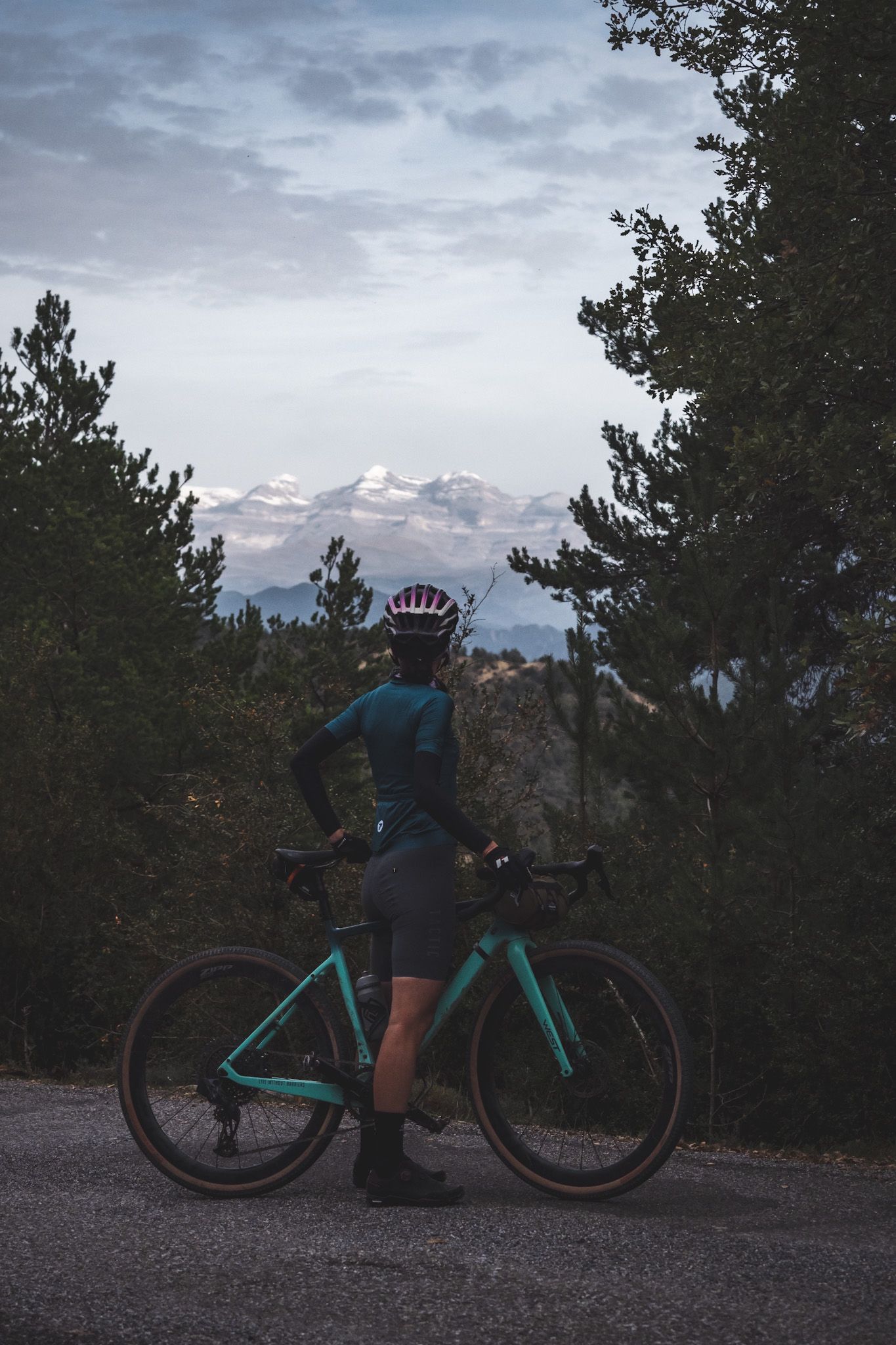
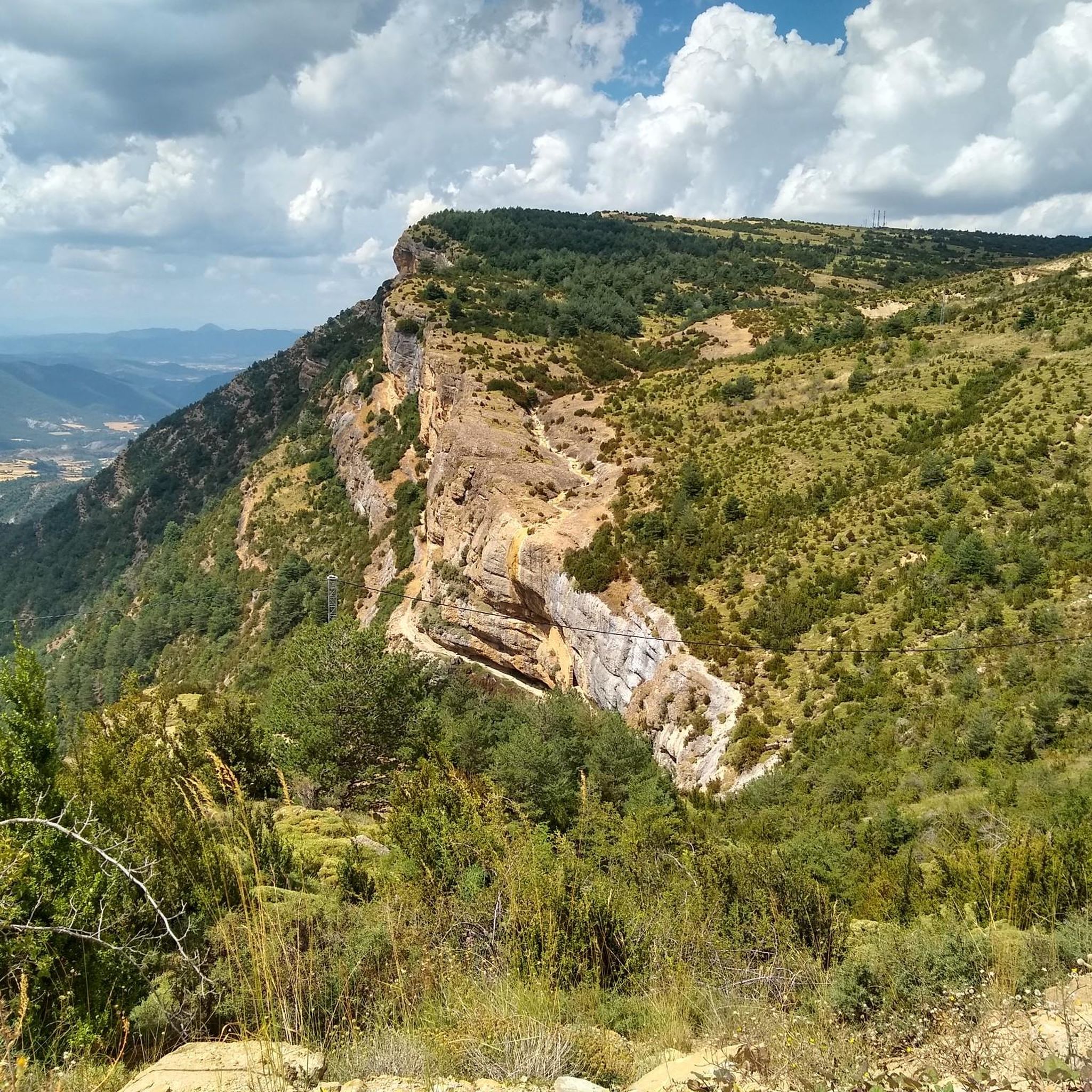
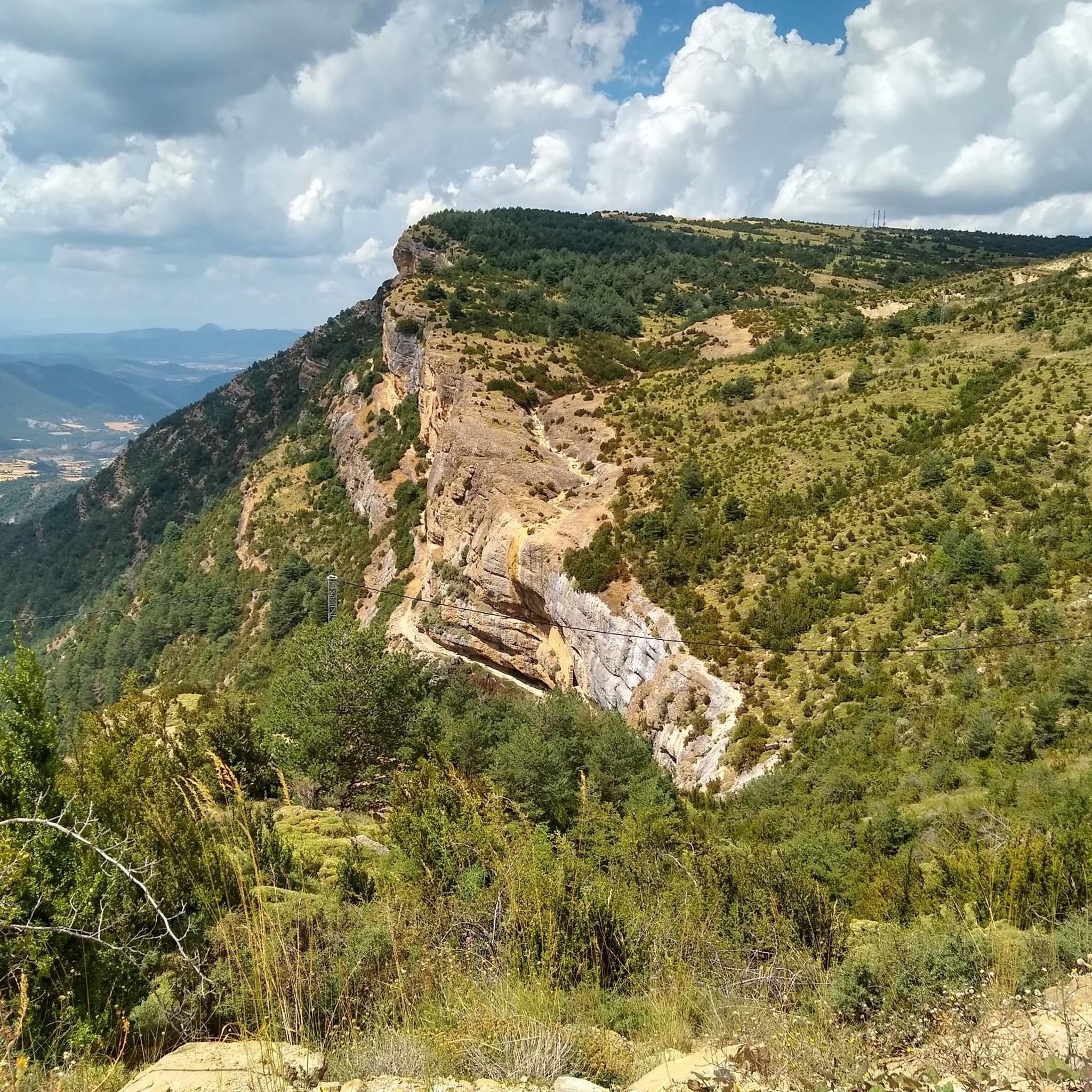
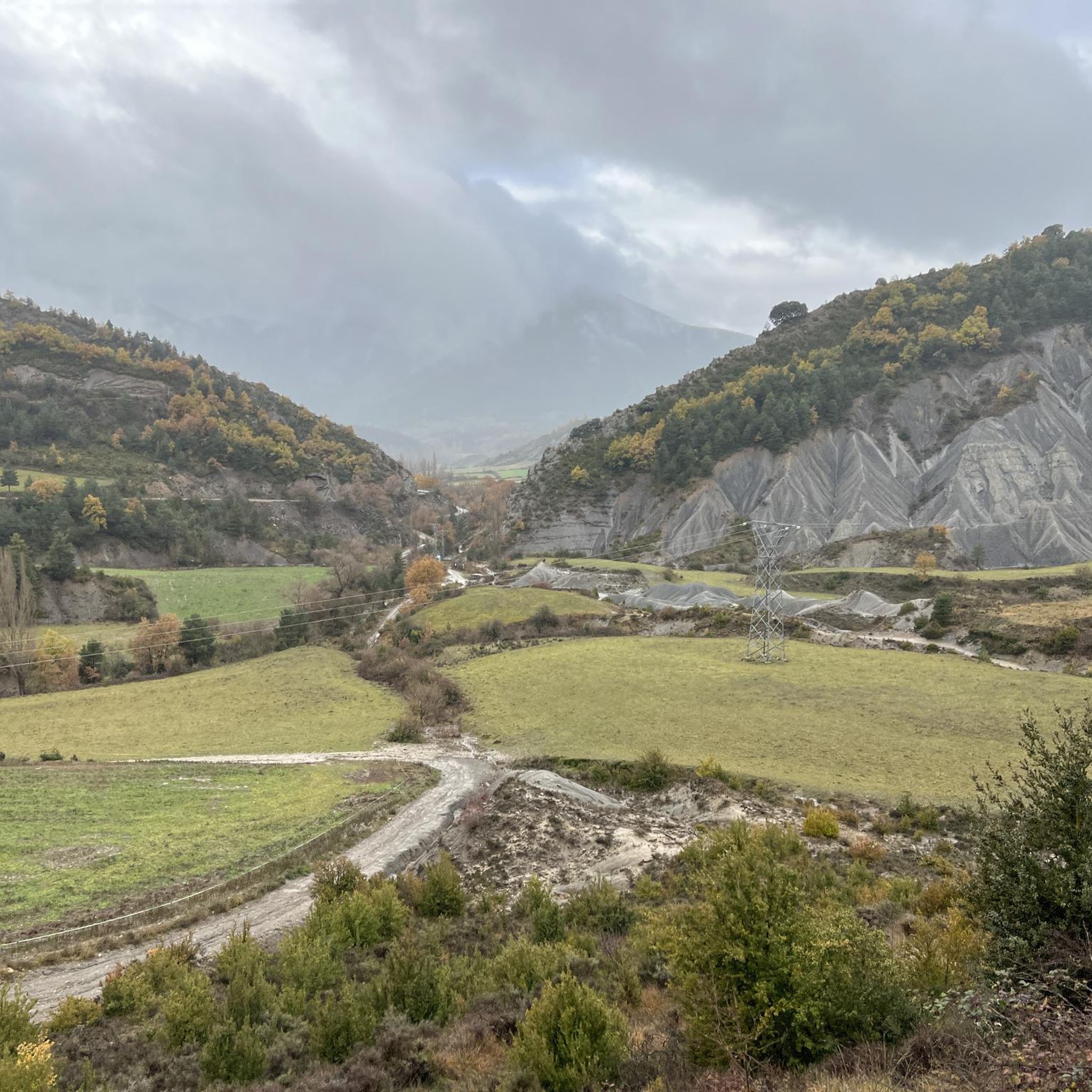
Gravel biking around Yebra De Basa features challenging routes through mountainous terrain with significant elevation changes. The region is characterized by Pyrenean foothills, the Basa Valley, dense forests, and ravines, providing a mix of ascents and descents. Numerous unpaved roads and trails allow riders to explore the natural surroundings away from heavy traffic. This topography creates an engaging environment for gravel routes with varied elevation changes.
Best gravel bike trails around Yebra De Basa
- The most popular gravel bike trail…
Last updated: July 3, 2026
10
riders
66.7km
05:10
1,240m
1,240m
Hard gravel ride. Very good fitness required. You may need to push your bike for some segments of this route.
13
riders
28.9km
01:53
340m
340m
Hard gravel ride. Good fitness required. You may need to push your bike for some segments of this route.

Sign up for free
3
riders
55.1km
04:37
1,160m
1,160m
Hard gravel ride. Very good fitness required. Mostly paved surfaces. Suitable for all skill levels.
3
riders
73.0km
04:48
1,010m
1,010m
Hard gravel ride. Very good fitness required. Mostly paved surfaces. Suitable for all skill levels.
5.0
(1)
10
riders
36.9km
02:51
820m
820m
Hard gravel ride. Very good fitness required. Mostly paved surfaces. Suitable for all skill levels.
Get access to more routes and recommendations from other explorers.
Sign up for free
Already have an account?
Our route recommendations are based on thousands of hikes, rides, and runs completed by other people on komoot.
Start today with a free account
Your next adventure awaits.
Login or Signup
Other adventures around Yebra De Basa

Tips from the Community

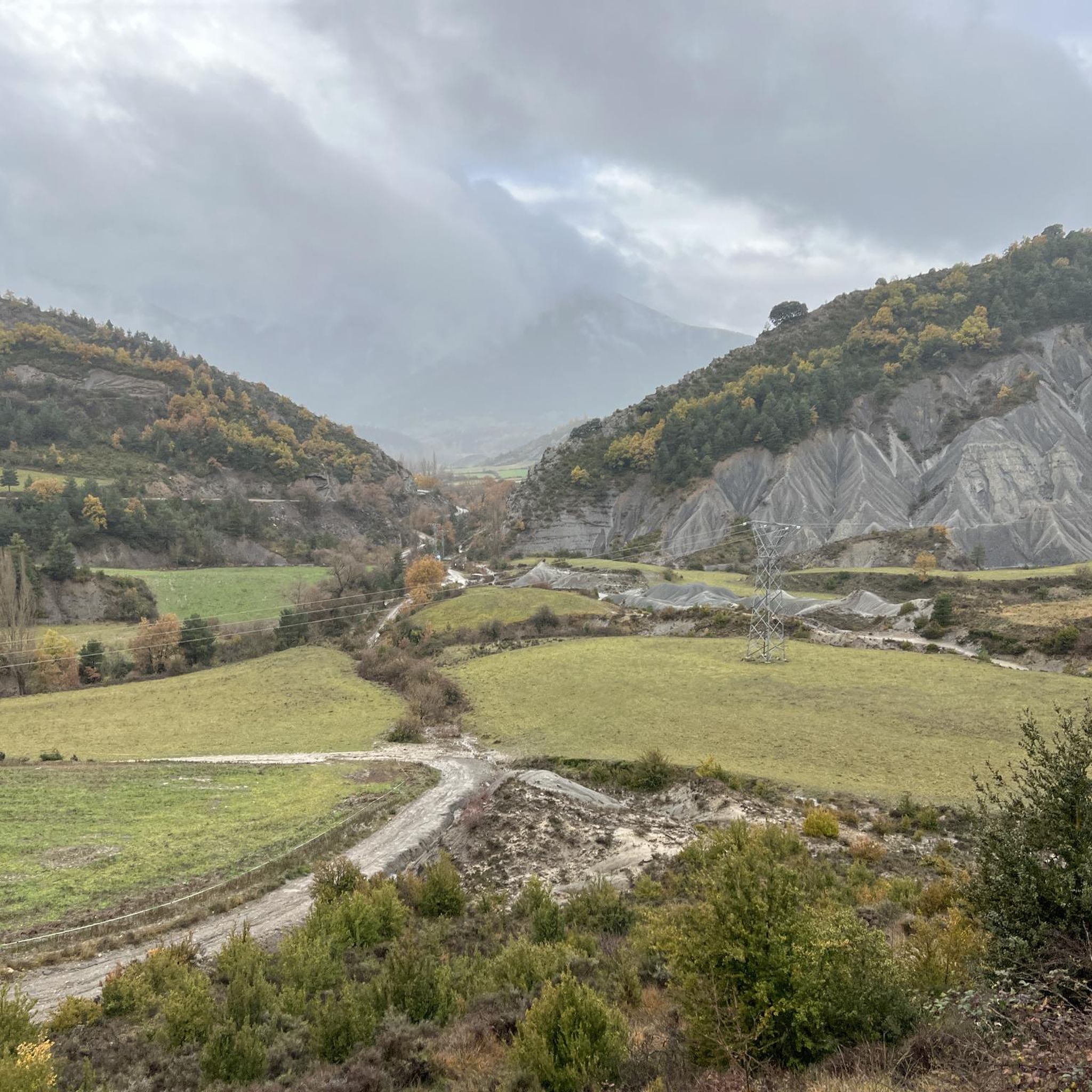
A suitable alternative to the main road. Beware: after rain, there are numerous huge puddles.
0
0

Spectacular models...not to be missed!
0
0

At this point, which is quite difficult to reach due to the slope, there are spectacular views of the Jacetania mountains of the Aragonese Pyrenees.
0
0

There are only two in Spain with these characteristics, the one in Pamplona and this one, guided tour, museum of Military Miniatures, very well preserved
0
0
A magical place for the locals, a fountain with always fresh water.
0
0


Steep climb to the village but the effort is worth it.
0
0

Frequently Asked Questions
What is the general difficulty level of gravel bike trails in Yebra De Basa?
Gravel biking in Yebra De Basa is primarily suited for advanced riders. All 16 routes in the region are classified as difficult, featuring mountainous terrain with significant elevation changes, deep valleys, and challenging climbs and descents. These trails offer a demanding experience for those seeking a rigorous ride.
Are there any family-friendly gravel bike routes in Yebra De Basa?
Given the challenging nature of the terrain, Yebra De Basa's gravel bike trails are generally not considered family-friendly. The routes are categorized as difficult, involving substantial elevation gains and technical sections, making them more suitable for experienced adult riders.
How long are the gravel bike trails in Yebra De Basa?
The gravel bike trails in Yebra De Basa vary in length, typically ranging from moderate to long distances. For example, the Oros Bajo – Biescas loop from Sabiñánigo is 26.0 miles (41.8 km), while the Puerto de Oroel – Oroel Pass loop from Hostal de Ipiés extends to 45.2 miles (72.8 km).
What kind of scenery and viewpoints can I expect on gravel bike routes in Yebra De Basa?
The routes offer expansive views of rugged landscapes, forested slopes, and historic villages. You can expect to see notable peaks like Pelupín Summit and Montaña de Güé. Many trails also pass through rural areas connecting historical sites, providing picturesque vistas such as the View of Peña Oturia from Cuello Tres Cruces.
Are there circular gravel bike routes available in Yebra De Basa?
Yes, many of the gravel bike routes in Yebra De Basa are designed as loops. Examples include the Jaca Citadel – Castiello de Jaca Village loop from Sabiñánigo and the Jánovas Abandoned Village – Ruins of Ceresuela loop from Fiscal, allowing you to start and finish at the same point.
When is the best time of year for gravel biking in Yebra De Basa?
Given the mountainous terrain, the best time for gravel biking in Yebra De Basa is typically during the spring and autumn months when temperatures are milder and the weather is more stable. Summer can be hot, and winter may bring snow and colder conditions, making some higher elevation routes impassable.
Can I bring my dog on gravel bike trails in Yebra De Basa?
While many trails in natural areas are generally dog-friendly, it's important to consider the difficulty and length of Yebra De Basa's gravel routes. These challenging trails with significant elevation changes might be strenuous for some dogs. Always ensure your dog is fit enough for the ride and check local regulations for specific trail access.
Are there any historical sites or abandoned villages to explore along the routes?
Yes, the region is rich in history. Routes like the Jánovas Abandoned Village – Ruins of Ceresuela loop from Fiscal specifically lead through historical abandoned villages and ruins, offering a unique glimpse into the past. You can also find religious buildings such as the Church of San Pedro de Lárrede and the Ermita de San Benito de Erata.
What do other gravel bikers enjoy about the trails in Yebra De Basa?
Over 50 gravel bikers have explored Yebra De Basa using komoot. Riders often praise the challenging nature of the routes, the stunning mountainous landscapes, and the opportunity to connect with historical sites and rural villages. The region offers a demanding yet rewarding experience for those seeking adventure.
Are there any waterfalls visible from the gravel bike routes in Yebra De Basa?
Yes, the region features beautiful natural attractions including waterfalls. You might encounter the impressive Sorrosal Waterfall or the scenic El Chorro Waterfall, which is near the Cave and San Cornelio Hermitages.
Where can I find parking or trailheads for gravel biking in Yebra De Basa?
Many routes in the Yebra De Basa area start from nearby towns and villages, which typically offer parking facilities. For instance, routes often begin from Sabiñánigo or Fiscal, providing convenient access points to the trail network. It's advisable to check the specific route details for recommended starting locations and parking information.
Are there cafes or places to refuel along the gravel bike trails in Yebra De Basa?
While many routes traverse rural areas, some trails connect or pass through villages like Oros Bajo or Broto village on the Ara River. These settlements may offer opportunities for refreshments or to refuel. It's always recommended to carry sufficient water and snacks, especially on longer, more remote sections.
Most popular routes around Yebra De Basa
Most popular attractions around Yebra De Basa

Get inspired with the komoot mobile app


Explore more
Browse the best Gravel rides in other regions.
