The best gravel rides around Riola
4.8
(10)
89
riders
13
rides
Gravel biking around Riola, Italy, offers access to the diverse terrain of the Apennine mountains and the Reno Valley. The region features a landscape of mountains, valleys, and historic trails, ideal for exploration on two wheels. Riders encounter varied terrain, from rolling hills to more challenging climbs, often utilizing old roads and passes. This area provides a rich backdrop for outdoor pursuits, with routes tracing the Reno River and connecting to broader Apennine networks.
Best gravel bike trails around Riola
…Last updated: July 8, 2026
4.8
(4)
28
riders
49.4km
03:10
60m
60m
Moderate gravel ride. Good fitness required. Mostly paved surfaces. Suitable for all skill levels.
4.5
(2)
15
riders
43.5km
02:36
60m
60m
Moderate gravel ride. Good fitness required. Mostly paved surfaces. Suitable for all skill levels.

Sign up for free
4.7
(3)
10
riders
28.1km
01:49
140m
140m
Easy gravel ride. Great for any fitness level. Mostly paved surfaces. Suitable for all skill levels.
5.0
(2)
9
riders
38.0km
02:32
60m
60m
Moderate gravel ride. Good fitness required. Mostly paved surfaces. Suitable for all skill levels.
11
riders
Hard gravel ride. Very good fitness required. Mostly paved surfaces. Suitable for all skill levels.
Get access to more routes and recommendations from other explorers.
Sign up for free
Already have an account?
Our route recommendations are based on thousands of hikes, rides, and runs completed by other people on komoot.
Start today with a free account
Your next adventure awaits.
Login or Signup
Tips from the Community

Preciós paratge natural molt prop de Gandia, amb ullals d'aigua, sala d'interpretació dels aiguamolls, bancs, taules i molta vegetació.
2
0
El convent d'Aigües Vives, també anomenat Reial Monestir de Santa Maria d'Aigües Vives, és un antic monestir amb orígens que es remunten al segle XIII. L'edifici actual es va construir durant els segles XVI i XVII, amb els corresponents estils, renaixentista i barroc, si bé l'ala nord es va acabar en el segle XVIII. El monestir va pertànyer a l'orde dels agustins, orde que custodiava la imatge de la Mare de Déu d'Aigües Vives, patrona de la ciutat de La Barraca d'Aigües Vives. A mitjan segle XIX, a conseqüència de la desamortització de Mendizábal, els monjos hagueren d'abandonar el cenobi. Aquest va passar a mans dels barons de Casanova, que el destinaren com a habitatge rural. L'any 1977 el monestir fou adquirit i reformat per a destinar-lo a hotel residència per Antonio Vidal Bellver (fotògraf i empresari de Carcaixent). Actualment és propietat d'un empresari hoteler de Gandia. El 2024, la Generalitat Valenciana va instar els nous propietaris a fer obres per a mantenir aquesta obra major que ha patit un deteriorament progressiu com a conseqüència de robatoris, vandalisme i abandonament.
1
0
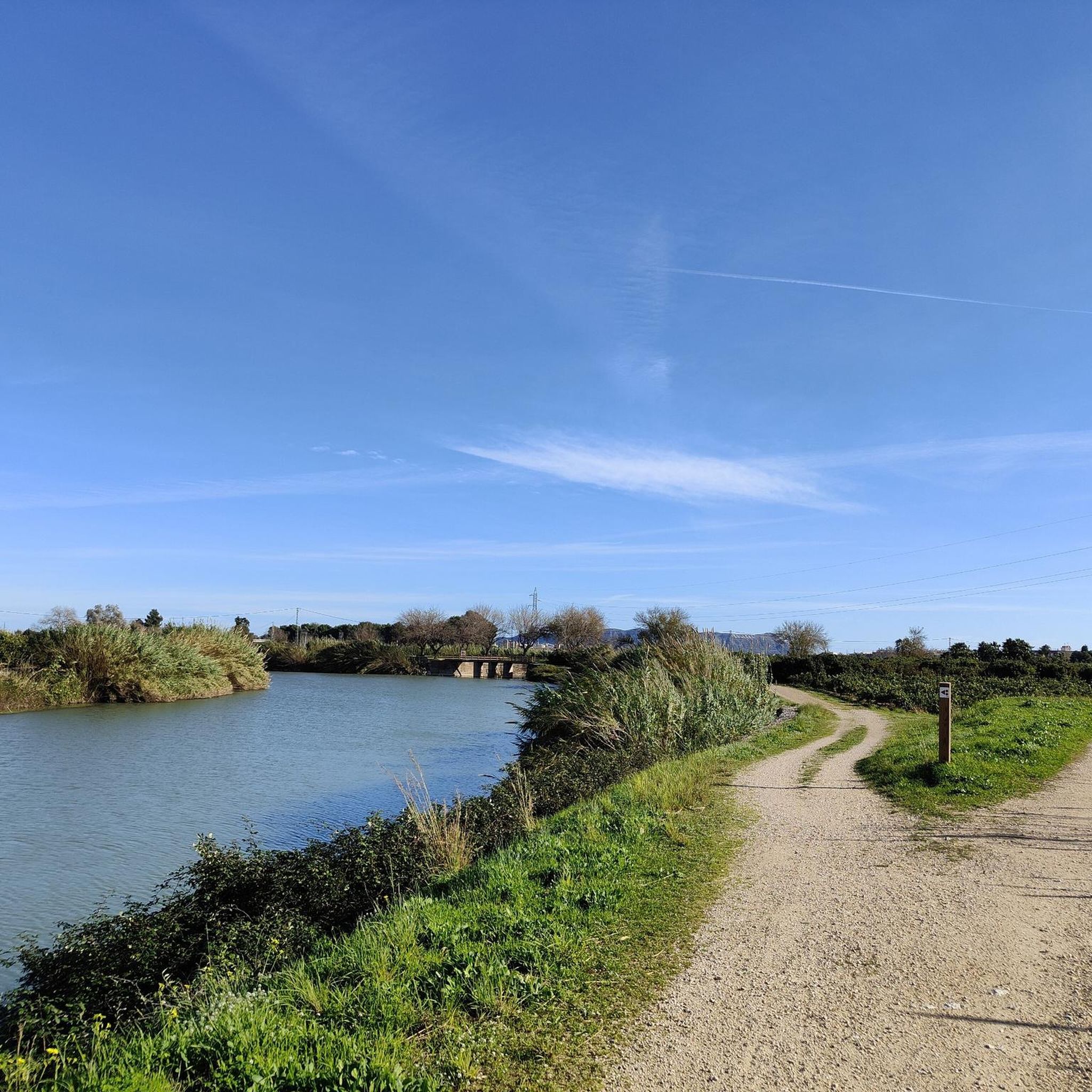
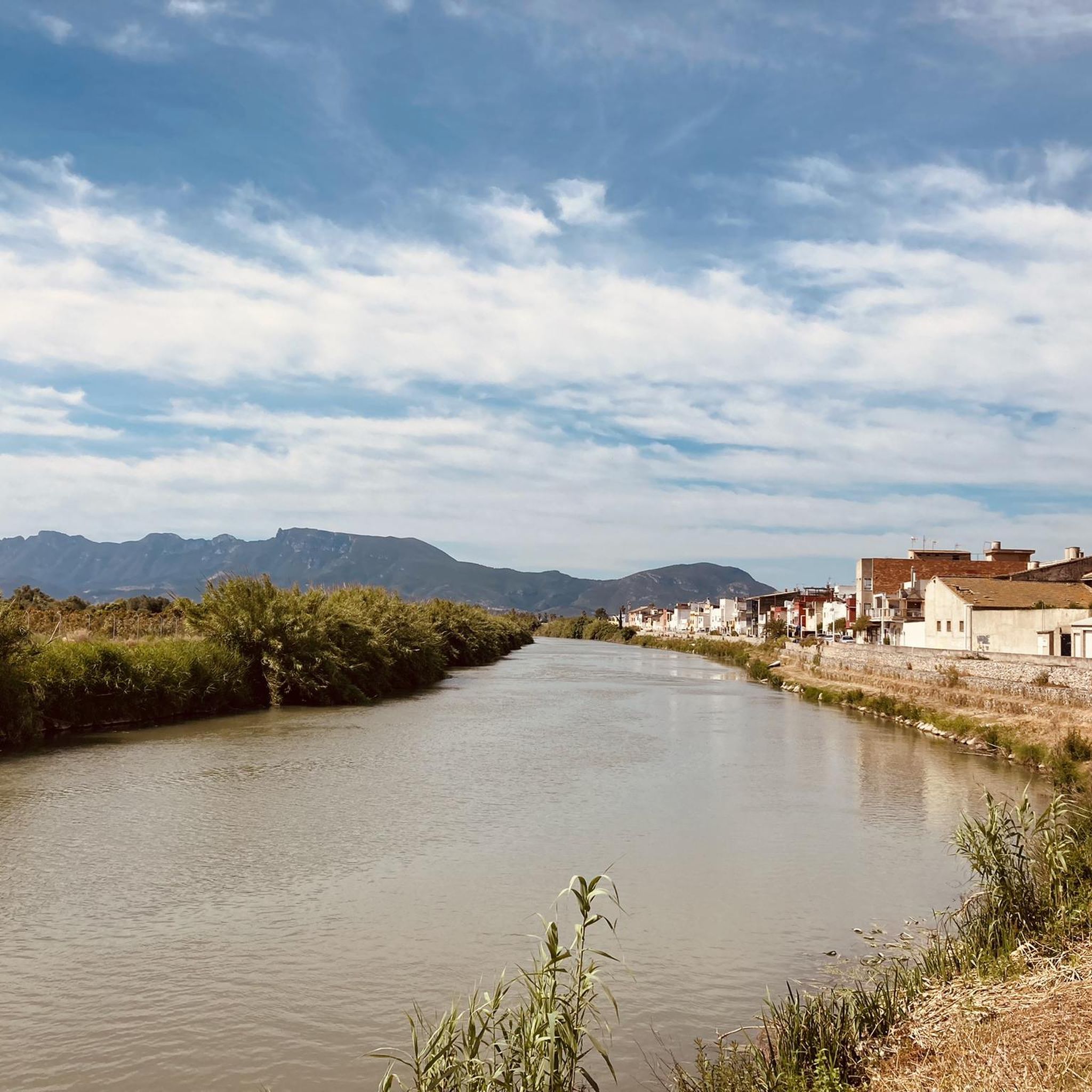
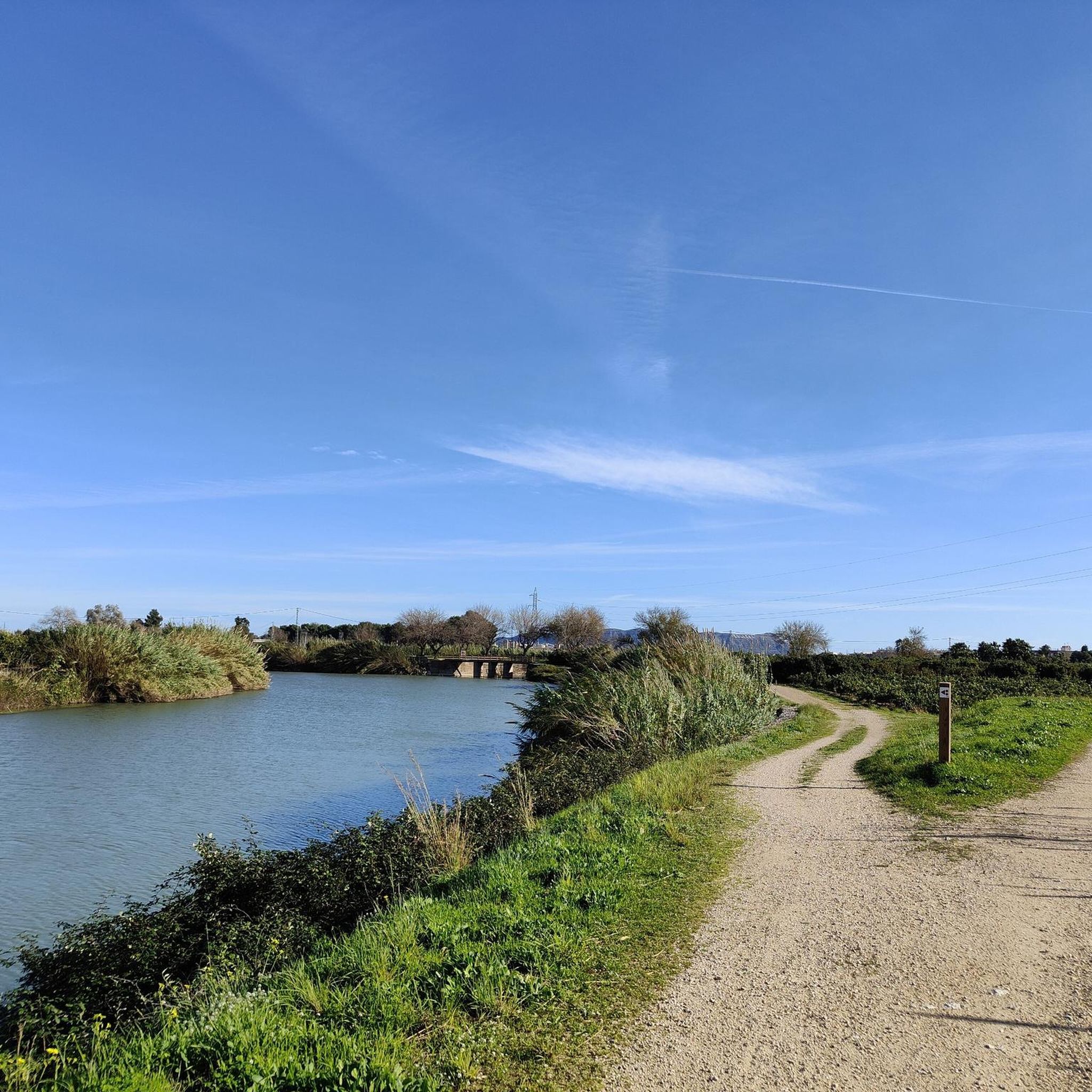
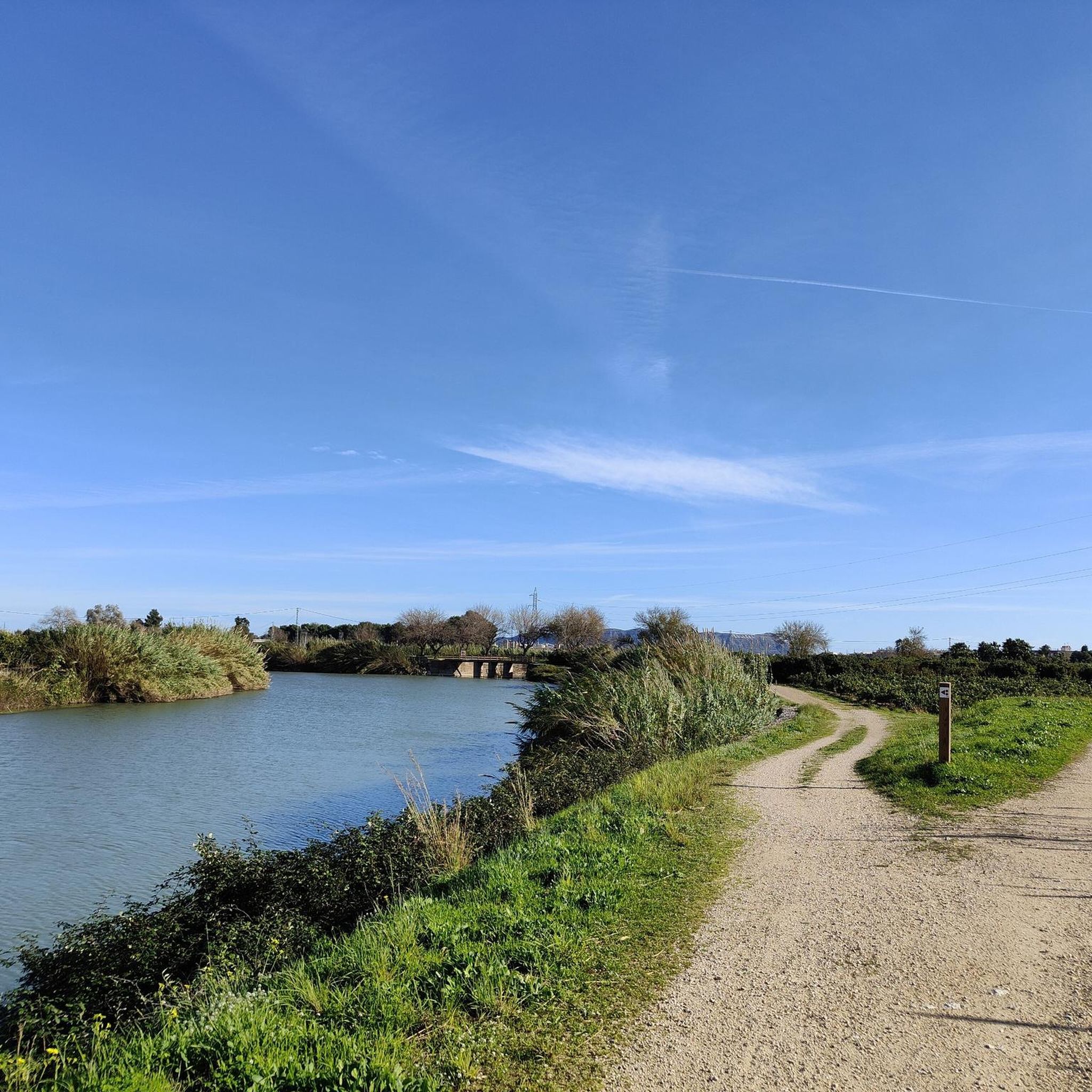
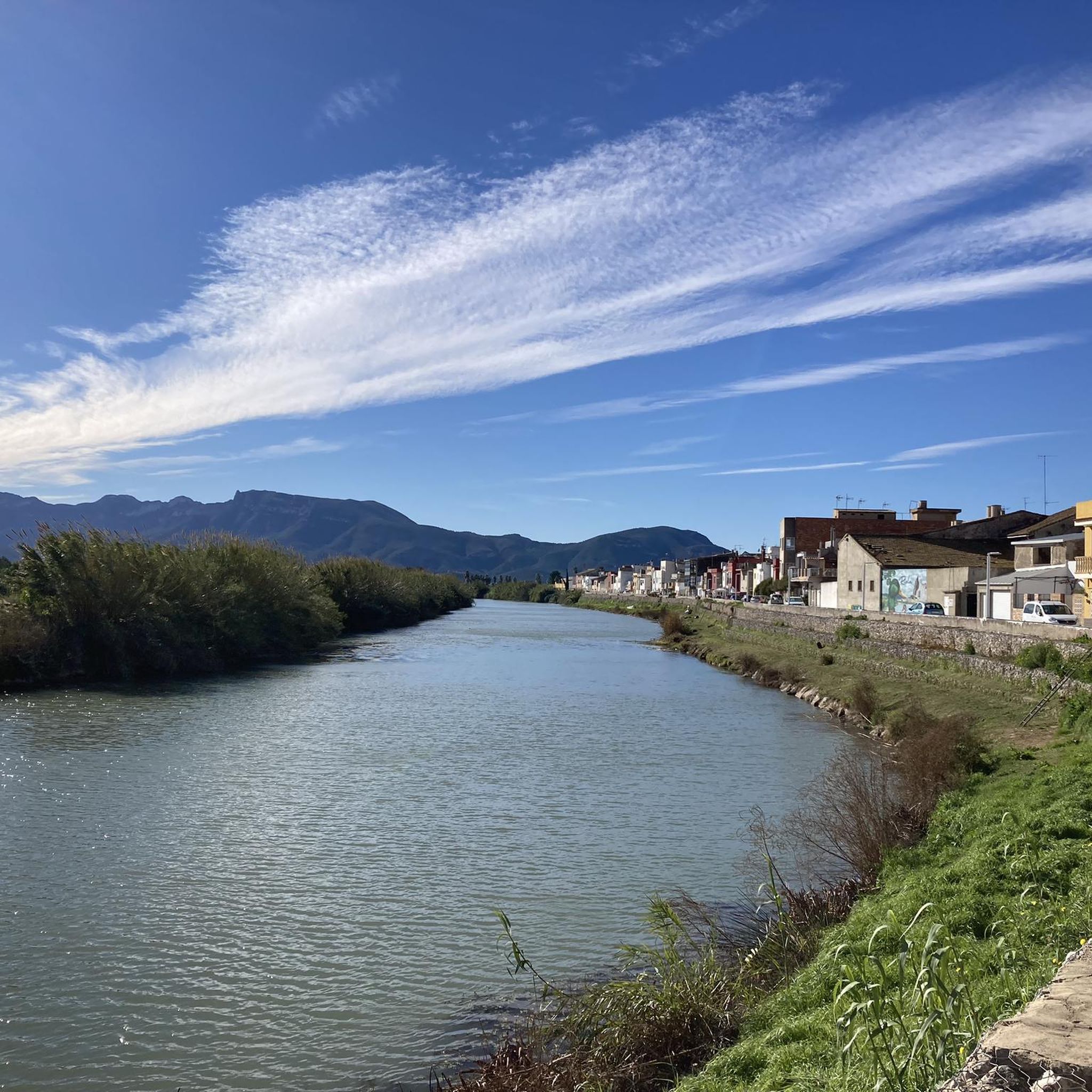
La ruta per la mota dreta del riu transcorre entre les cases del poble i el propi riu.
1
0

Be careful with precipitation and even with high humidity, the pavement fogs up completely and becomes slippery.
1
0

L'Ullal de la Marjal de Gandia is a small but important wetland within the Marjal de Gandia Natural Park. It is a natural marsh lake surrounded by reeds, water channels, and wet meadows, providing a habitat for numerous bird and amphibian species. The flat paths around the Ullal are ideal for exploring by bike. The route leads through a tranquil, unspoiled landscape, past bodies of water, reeds, and flowering riparian plants. The combination of tranquility, birdwatching, and the typical Marjal landscape makes the route a worthwhile excursion for nature lovers and cyclists alike.
4
0
The Monastery of Sant Jeroni de Cotalba is a historic monastery near Alfauir, in the province of Valencia. It was founded in 1388 and was an important Hieronymite monastery until it was expropriated in the 19th century. The monastery combines various architectural styles, including Gothic, Mudéjar, Renaissance and Baroque elements. The cloister, the church, the defensive tower, the water gardens and the olive press are particularly worth seeing. Today the monastery is privately owned but open to visitors. It is one of the best preserved monasteries in the Valencia region and has been declared a Cultural Asset (Bien de Interés Cultural, BIC).
9
0

The Hieronymite Monastery of Sant Jeroni de Cotalba was one of the most important monasteries in Valencia in the Middle Ages, belonging to the Hieronymite Order.
15
0
Highly recommended scenic spot with access in any way, but I recommend it for cycling or on foot.
0
0
Frequently Asked Questions
How many gravel bike trails are available around Riola?
There are 27 gravel bike trails around Riola, offering a diverse range of experiences. Most routes are moderate, with 19 trails falling into this category, 7 are difficult, and 1 is easy, catering to various skill levels.
What kind of terrain can I expect on gravel bike trails in Riola?
Gravel biking around Riola is characterized by the varied terrain of the Apennine mountains and the Reno Valley. You'll find a mix of rolling hills and more challenging climbs, often utilizing old roads and passes. The routes trace the Reno River and connect to broader Apennine networks, providing a rich backdrop of natural beauty and historic trails.
Are there any easy gravel bike routes suitable for beginners or families in Riola?
Yes, there is at least one easy gravel bike route around Riola. The Júcar River Levee – Riola (Rio Júcar) loop from Corbera is an easy 23.1 km (14.4 mi) path with minimal elevation gain, making it a good option for those looking for a less strenuous ride or a family outing.
What are some notable natural features or viewpoints along the gravel trails in Riola?
The region is part of the northern Apennines, known for its diverse terrain and scenic beauty. You'll find trails tracing the Reno River, offering picturesque views of the valley. The broader Emilia-Romagna Apennines, which includes Riola, boasts national and regional parks with lush vegetation and diverse wildlife. For specific viewpoints, you might explore areas around peaks like L'Ouet or Creu del Cardenal.
What historical or cultural landmarks can I visit while gravel biking near Riola?
Riola and its surroundings offer several intriguing landmarks. Riola itself is home to the Church of Santa Maria Assunta, a modernist architectural masterpiece by Alvar Aalto. Nearby, you can find the surreal Rocchetta Mattei fortress. The Reno Valley also includes historical sites such as Monte Sole historical park and the Pieve di San Lorenzo di Panico, a fascinating Romanesque church. You can also find highlights like the Lake and water walls which are historical sites.
What do other gravel bikers say about the trails in Riola?
The gravel biking routes in Riola are highly regarded by the komoot community, with an impressive average rating of 4.7 out of 5 stars from over 20 reviews. More than 160 gravel bikers have used komoot to explore Riola's varied terrain, often praising the diverse landscapes and well-maintained paths.
Are there any circular gravel routes available in Riola?
Yes, many of the gravel routes around Riola are designed as loops. For instance, the popular Monastery of Aigues Vives – Riola (Rio Júcar) loop from Sueca is a moderate 67.7 km (42.1 mi) circular trail. Another option is the Bridge over the Vaca River – Watchtower of Xeraco loop from Cullera, which is a 59.9 km (37.2 mi) loop through riverine landscapes.
What is the best time of year for gravel biking in Riola?
The region's diverse landscape, from mountains to valleys, suggests that spring and autumn would likely offer the most pleasant conditions for gravel biking, with milder temperatures and beautiful scenery. Summer can be warm, especially in the valleys, while winter might bring colder temperatures and potential snow in higher Apennine areas.
Are there any routes that follow the Júcar River?
Yes, several routes follow the Júcar River. A popular choice is the Júcar River Levee – Riola (Rio Júcar) loop from Cullera, a moderate 43.5 km (27.0 mi) path that provides scenic views along the water. Another option is the Riola (Rio Júcar) – Júcar River Levee loop from Albalat de la Ribera.
What are the elevation gains like on Riola's gravel trails?
The elevation gains vary significantly depending on the trail. While some routes like the Júcar River Levee – Riola (Rio Júcar) loop from Cullera have a modest 61 meters (200 ft) of ascent, others, such as the Monastery of Aigues Vives – Riola (Rio Júcar) loop from Sueca, feature around 249 meters (817 ft) of elevation gain, offering more challenging climbs through the Apennine terrain.
Where can I find accommodation suitable for cyclists in Riola?
Riola and the surrounding Reno Valley are increasingly recognized for outdoor activities, so you'll find various accommodation options. Look for hotels, guesthouses, or agriturismos in Riola or nearby towns like Alto Reno Terme or Vergato that cater to outdoor enthusiasts, often providing facilities like bike storage or early breakfasts.
Are there any lakes or natural water features to explore near the gravel routes?
Yes, the region offers beautiful natural water features. You can find highlights such as Ullal de Baldoví and Samaruc Lagoon, which are lakes, as well as the Marsh and pond of the South Bank of the Júcar. These spots can provide a refreshing stop or scenic detour during your ride.
Most popular attractions around Riola

Get inspired with the komoot mobile app


Explore more
Browse the best Gravel rides in other regions.
