The best gravel rides around Fuensalida
16
riders
5
rides
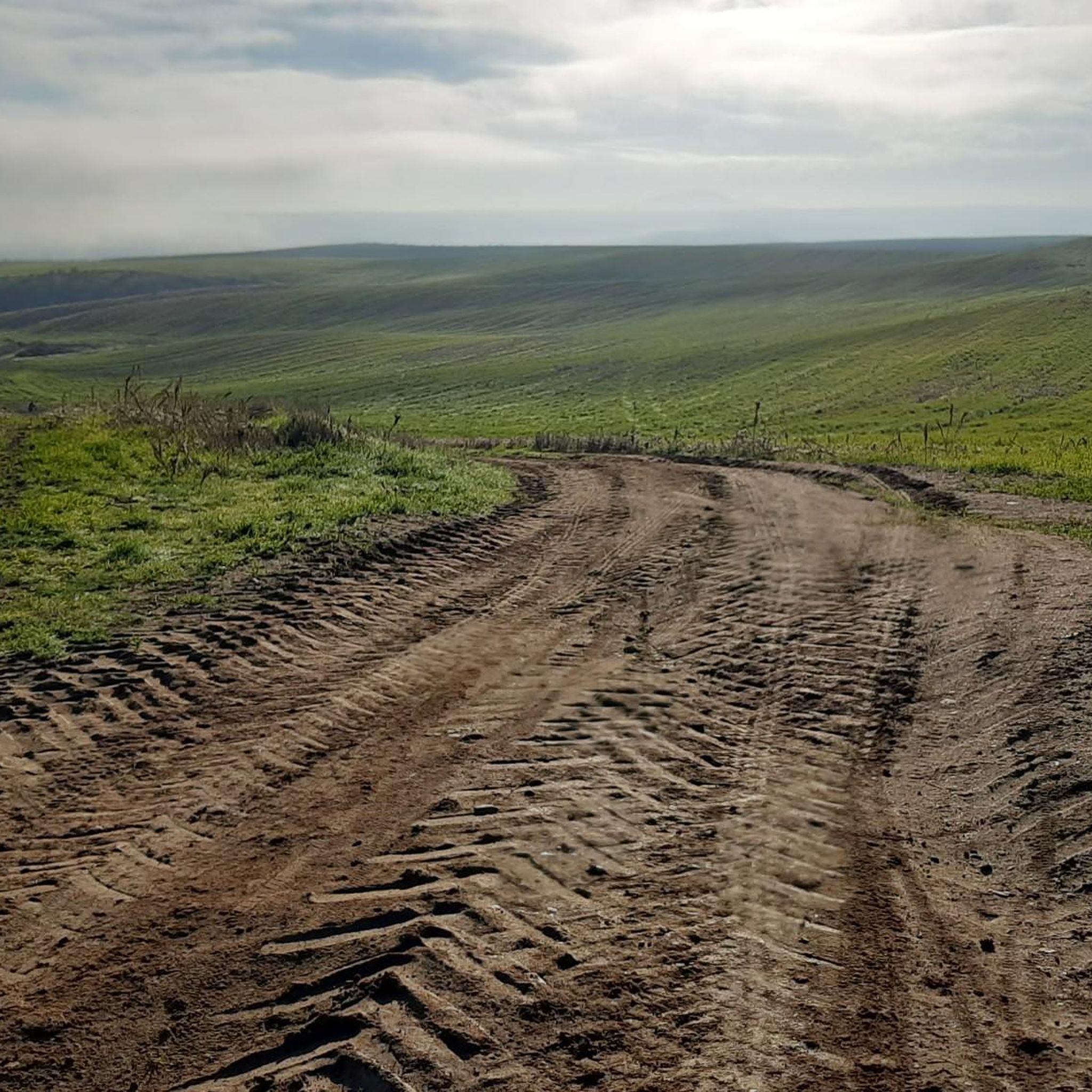
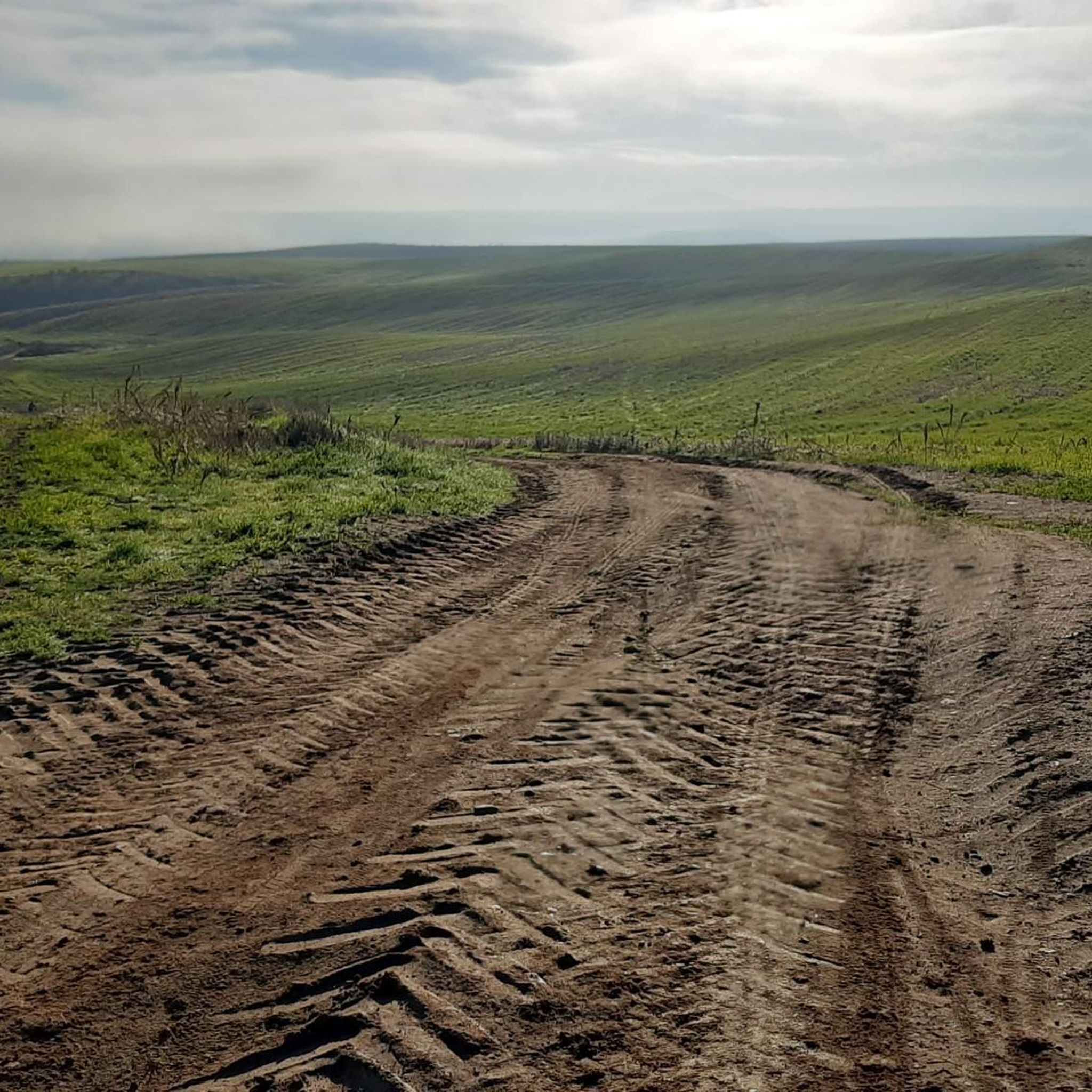
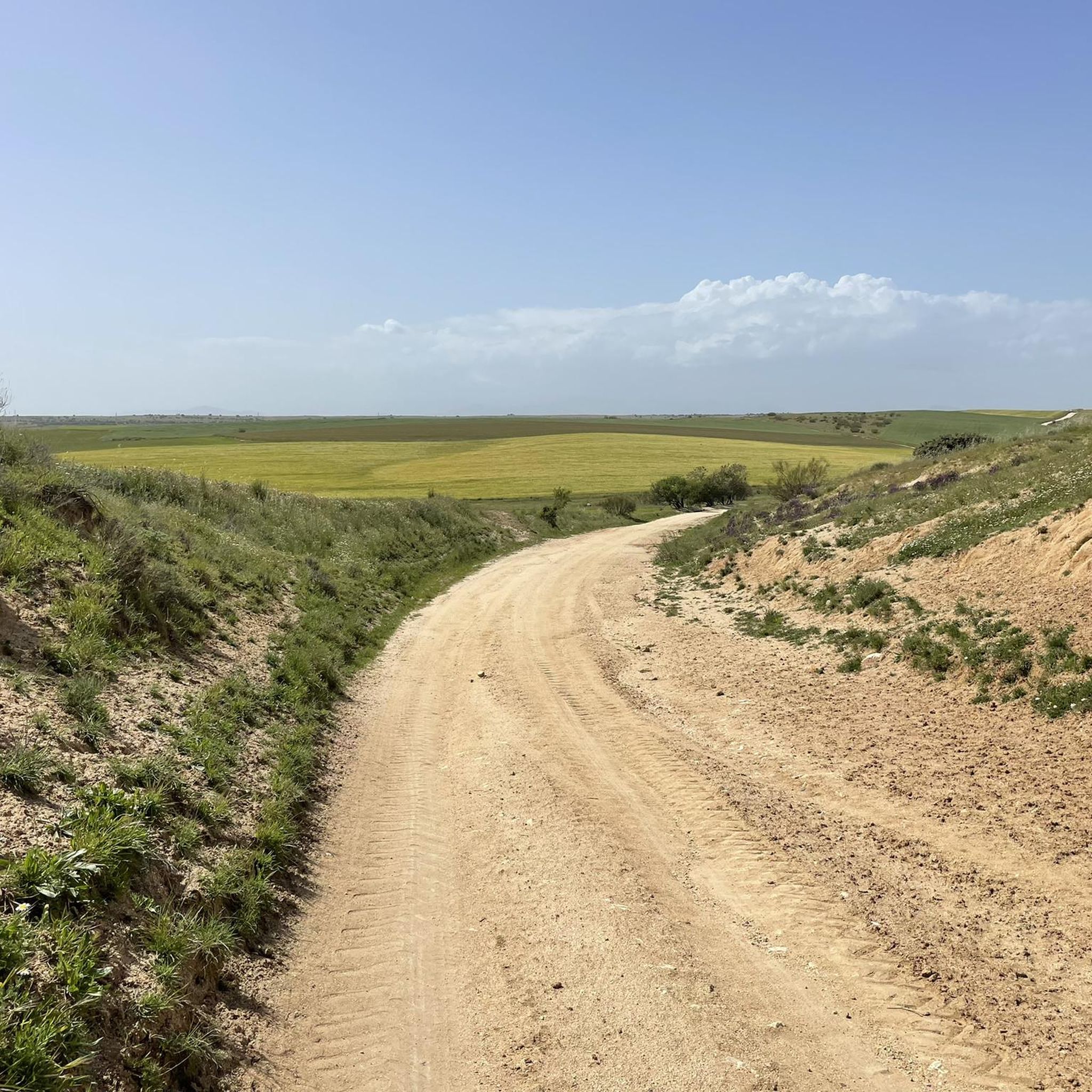
Gravel biking around Fuensalida, a municipality in the province of Toledo, offers routes through the Castilian landscape. The area is situated at an elevation of 593 meters, providing varied terrain for gravel cyclists. Routes often incorporate both paved and unpaved surfaces, suitable for different skill levels. The region features open agricultural lands and rolling hills, characteristic of central Spain.
Best gravel bike trails around Fuensalida
- The most popular gravel bike trail is Gravel loop from Fuensalida, a 20.8 miles…
Last updated: July 3, 2026
2
riders
33.3km
02:40
200m
200m
Moderate gravel ride. Good fitness required. Mostly paved surfaces. Suitable for all skill levels.
2
riders
33.5km
02:40
210m
210m
Moderate gravel ride. Good fitness required. Mostly paved surfaces. Suitable for all skill levels.

Sign up for free
3
riders
73.9km
05:43
570m
570m
Hard gravel ride. Very good fitness required. Mostly paved surfaces. Suitable for all skill levels.
4
riders
Hard gravel ride. Very good fitness required. Mostly paved surfaces. Suitable for all skill levels.
2
riders
50.1km
04:02
350m
350m
Moderate gravel ride. Good fitness required. Mostly paved surfaces. Suitable for all skill levels.
Our route recommendations are based on thousands of hikes, rides, and runs completed by other people on komoot.
Start today with a free account
Your next adventure awaits.
Login or Signup
Tips from the Community

Beautiful flat path along the banks of the Tagus.
12
0

The Bisagra Gate is one of Toledo's most iconic monuments and a monumental entrance to its historic center. Muslim Origin: The original gate, known as the Old Bisagra Gate or Bab al-Saqra ("Sacred Gate"), was built in the 9th century during Islamic rule. Renaissance Reconstruction: In the 16th century, under the reigns of Charles V and Philip II, the New Bisagra Gate was built, the gate that remains today. Construction began around 1540 and was completed in 1576. Notable Architects: Alonso de Covarrubias, Nicolás de Vergara the Elder, Juan de Benavides, Eugenio Sánchez, among others, participated.
10
0
The Alcántara Bridge is one of Toledo's most iconic monuments, with a history dating back to Roman times and an architecture that has evolved over the centuries. Originally built by the Romans in the 3rd century AD, as part of the network of roads that connected the Empire. Its name comes from the Arabic "al-qanṭarah," meaning "the bridge," given by the Muslims after its reconstruction in the 10th century.
10
0
The statue of Federico Martín Bahamontes, also known as The Eagle of Toledo, is located on Paseo del Miradero, in the historic center of Toledo. This monument pays tribute to the first Spanish cyclist to win the Tour de France, in 1959. Unveiling: May 6, 2018, with the presence of Bahamontes himself and other cycling greats such as Miguel Indurain and Pedro Delgado.
27
1

Monument to a cycling legend in a place with beautiful views of the lower part of Toledo.
2
0
You reach Toledo by the natural route of the Tajo, with an imposing water wheel on the other side of the river.
0
1

Crossing this bridge is always impressive, and it has spectacular views of the Alcázar of Toledo and the Castillo de San Servando, especially if you cross it at night. It has a Roman origin. It was built in the 3rd century. The Roman roads that linked Emerita Augusta (Mérida) with Caesar Augusta (Zaragoza) crossed here, as well as those that continued to the east and south passing through Consaburum (Consuegra). The Alcántara Bridge has undergone numerous reconstructions because for centuries it was the main access to the city of Toledo, and, in addition to the movement of people and goods, we must add the damage caused by successive wars, conquests and reconquests. In the 10th century it had to be restored by the Arabs, although from that time only the spur on the side facing the Castle of San Servando remains. Due to a great flood that partially destroyed it, King Alfonso The great tower that overlooks the city belongs to this period. The Catholic Monarchs would also order this tower to be renovated, turning it into a kind of military fortress. The fortified door decorated with the image of San Ildefonso, the patron saint of the city of Toledo, and the shield of the Catholic Monarchs, is precisely one of the most impressive elements of this Bridge.
0
0
The Alcántara Bridge, located in the city of Toledo, is a historical construction that rises majestically over the Tagus River, it currently has two arches. It is located at the foot of the Castillo de San Servando and next to the Puerta de Alcántara.
4
0
Frequently Asked Questions
How many gravel bike trails are available around Fuensalida?
There are several gravel bike trails around Fuensalida, offering a variety of experiences. Our guide features 5 highly-rated routes, ranging from moderate to difficult, showcasing the best of the region's landscape.
Are there gravel routes suitable for beginners or families?
Yes, for those looking for an easier ride, the Chozas de Canales loop from Chozas de Canales is an excellent option. This 12.8 km trail is rated as easy and leads through open countryside, making it suitable for a more relaxed outing or families.
What kind of terrain can I expect on gravel bike trails near Fuensalida?
The gravel biking terrain around Fuensalida is characterized by open agricultural fields and rolling hills, typical of central Spain. Routes often incorporate a mix of both paved and unpaved surfaces, providing a varied experience for cyclists.
Are there any long-distance or challenging gravel routes?
Absolutely. For a more challenging experience, consider the Cathedral of Toledo – View of the Palacio de Galiana loop from Fuensalida. This difficult 79.7 km path includes significant elevation gain, offering a demanding ride through the landscape. Another challenging option is the Escalona Castle Palace – Castle of Escalona loop from Santa Cruz del Retamar, which covers 68.1 km.
What are some notable landmarks or points of interest I can see while gravel biking?
While cycling, you can explore several interesting points. The region features historical sites like Barcience Castle and the Plaza de España and Monument to the Cross in Torrijos. You might also pass through charming settlements such as Chozas de Canales or see the Bridge over the Guadarrama in Yunclillos.
Are there any circular gravel bike routes starting from Fuensalida?
Yes, a popular circular route starting directly from Fuensalida is the Gravel loop from Fuensalida. This moderate 33.5 km trail is mostly paved and suitable for various skill levels, bringing you back to your starting point.
What is the best time of year for gravel biking in Fuensalida?
The region experiences a Mediterranean climate with hot, dry summers and mild winters. Spring and autumn generally offer the most pleasant temperatures for gravel biking, with comfortable conditions for longer rides. Always check the local weather forecast before heading out.
Are there any natural attractions near Fuensalida worth visiting?
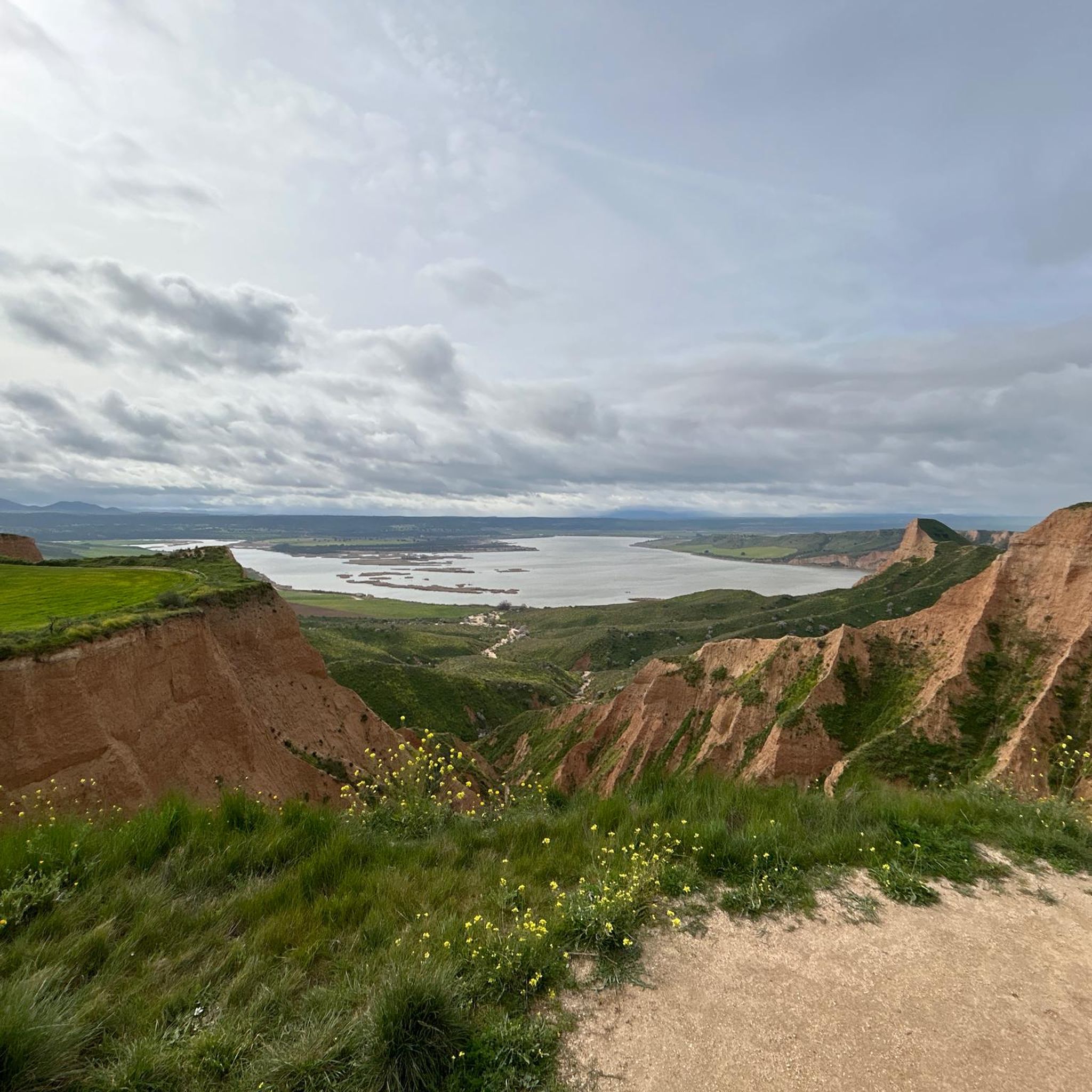
While not directly on the gravel routes, the stunning Barrancas de Burujón is a significant natural monument approximately 30 km from Toledo, making it an accessible excursion from Fuensalida's vicinity. These impressive clay cliffs carved by the Tagus river offer breathtaking panoramic views and hiking opportunities.
Is there parking available near the gravel bike trailheads in Fuensalida?
Fuensalida, as a municipality, generally offers public parking options within the town. For specific trailheads, it's advisable to check local parking availability, especially near the starting points of popular routes like the Gravel loop from Fuensalida.
Can I find accommodation or cafes suitable for cyclists in Fuensalida?
Fuensalida is a charming town and, like many Spanish municipalities, offers local cafes and eateries where cyclists can refuel. For accommodation, you'll find various options within the town and surrounding areas that cater to visitors, though specific cyclist-focused amenities might vary.
What is the elevation like on the gravel routes around Fuensalida?
Fuensalida is situated at an elevation of 593 meters, and the surrounding routes feature rolling hills. While some routes like the Gravel loop from Fuensalida have moderate elevation gains (around 200m), more challenging routes such as the Cathedral of Toledo – View of the Palacio de Galiana loop can involve significant climbs, exceeding 600m of elevation gain.
Most popular attractions around Fuensalida

Get inspired with the komoot mobile app


Explore more
Browse the best Gravel rides in other regions.
