The best gravel rides around Granja De Torrehermosa
70
riders
7
rides
Gravel biking around Granja De Torrehermosa offers diverse terrain in the Campiña Sur region of Badajoz, Extremadura. The area is characterized by the foothills of Sierra Morena, providing rolling hills and varied topography. Extensive dehesa woodlands and river valleys, including the Zújar River, offer scenic, unpaved trails. The landscape features diverse flora such as holm oaks, willows, and rockrose, creating varied natural environments for cycling.
Best gravel bike trails around Granja De Torrehermosa
- The most popular gravel bike trail is…
Last updated: July 2, 2026
53
riders
114km
07:58
780m
780m
Hard gravel ride. Very good fitness required. Mostly paved surfaces. Suitable for all skill levels.
4
riders
46.3km
03:43
350m
350m
Moderate gravel ride. Good fitness required. Mostly paved surfaces. Suitable for all skill levels.

Sign up for free
4
riders
76.1km
05:08
1,050m
1,050m
Hard gravel ride. Very good fitness required. Mostly paved surfaces. Suitable for all skill levels.
3
riders
58.3km
04:10
380m
380m
Moderate gravel ride. Good fitness required. Mostly paved surfaces. Suitable for all skill levels.
3
riders
28.7km
02:21
200m
200m
Moderate gravel ride. Good fitness required. Mostly paved surfaces. Suitable for all skill levels.
Get access to more routes and recommendations from other explorers.
Sign up for free
Already have an account?
Our route recommendations are based on thousands of hikes, rides, and runs completed by other people on komoot.
Start today with a free account
Your next adventure awaits.
Login or Signup

Tips from the Community


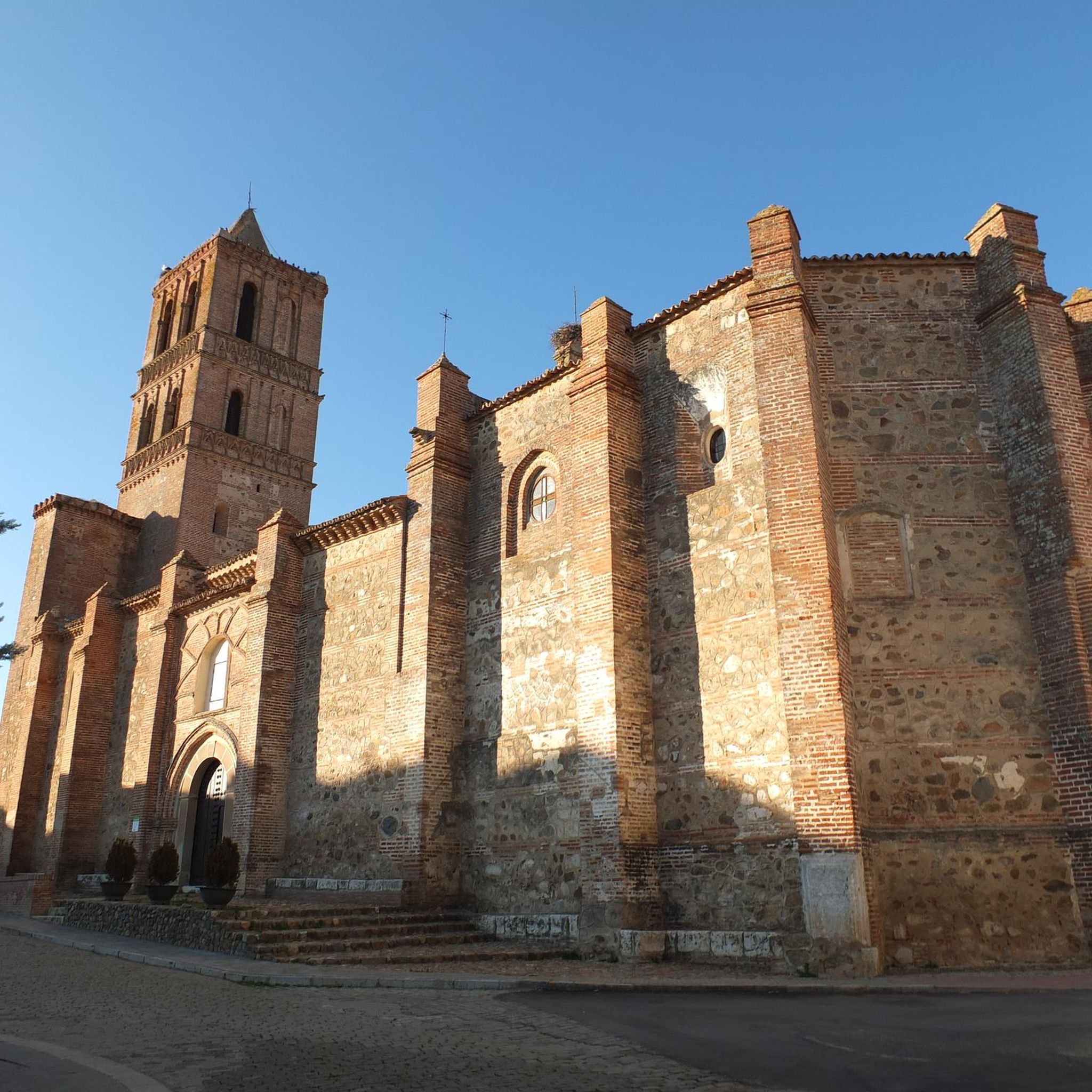
The Church of Our Lady of Granada in Llerena is one of the most emblematic monuments of the city. Its construction began in the 14th century and continued until the 18th century, resulting in a mix of architectural styles including Gothic-Mudejar, Renaissance and Baroque. The façade combines Baroque and Mudejar elements. The lower level is Baroque, with an entrance door decorated with heraldic shields. The upper level, in the Mudejar style, features galleries of semicircular arches. The church tower is an impressive structure that dominates the square. The first two bodies are from the original Mudejar tower from the 14th century, while the three upper bodies, in the Renaissance style, were added in the 16th century.
4
0

especially pretty in spring
0
0

Baroque church of the eighteenth century. Opposite is a cozy square, where you can enjoy the terrace of a small bar.
2
0
16th century church worth visiting for its architecture and thousands of details. You have to be lucky to find the door open, but admiring it from the outside is also worth it, since it is the second largest church in the province, only surpassed by the Cathedral of Badajoz.
2
0

A surprising church once you enter the center of Berlanga, not only because it contrasts with the white houses of the town but also because of its tower, which can be seen from afar.
0
0
The central square of Llerena is the nerve center of the nucleus where the social activity of the municipality is concentrated. The town, beautiful, is also surrounded by a wall that surrounds the town.
0
0

Undoubtedly the most striking and representative building of the town of Llerena, the Church was built between the fourteenth century and finished only in the eighteenth century. The original building is in the Gothic-Mudejar style with a multitude of private chapels attached to its naves and of the first only the Zapata or San Juan Bautista chapel and the Prior's chapel remain. It is also recommended to visit it inside and appreciate its frescoes and decorative symbols.
2
0
Frequently Asked Questions
How many gravel bike trails are available around Granja de Torrehermosa?
There are 6 gravel bike routes available in the area, offering a mix of moderate and difficult challenges for cyclists.
What kind of terrain can I expect on gravel bike trails in Granja de Torrehermosa?
You can expect diverse terrain, from rolling hills in the foothills of Sierra Morena to scenic dehesa woodlands and river valleys. The routes feature varied topography, offering both challenging climbs and exhilarating descents on unpaved trails.
Are there any family-friendly gravel biking options in Granja de Torrehermosa?
While there are no routes specifically classified as 'easy', there are 4 moderate routes that might be suitable for families with some cycling experience. For example, the Fairground loop from Azuaga is a moderate 21.6-mile trail that takes about 3 hours to complete, offering a good introduction to the local countryside.
What are some notable natural features or landmarks I might encounter on the gravel trails?
Many trails traverse areas with diverse flora like holm oaks, willows, and poplars. You might also pass by the Zújar River, which forms a natural boundary in areas like Finca El Río, a significant natural highlight known for its Mediterranean forest and wetlands. Historically, you could see the Granja de Torrehermosa town itself, with its Gothic-Mudéjar Church of Nuestra Señora de la Concepción.
What is the best time of year for gravel biking in Granja de Torrehermosa?
The region experiences hot summers, so spring and autumn are generally the most pleasant seasons for gravel biking. During these times, the weather is milder, and the natural landscapes are vibrant, making for more comfortable and scenic rides.
Are there any circular gravel bike routes available?
Yes, several routes are designed as loops. For instance, the challenging Llerena loop from Azuaga is a 70.9-mile circular trail, and the moderate Gravel loop from Azuaga offers a shorter 17.8-mile option.
Can I bring my dog on the gravel biking trails?
While there are no specific restrictions mentioned for dogs on the trails, it's always advisable to keep your dog on a leash, especially in areas with wildlife or livestock, and to ensure they are well-behaved and don't disturb other trail users or the natural environment. Remember to carry water for your pet.
Are there any challenging gravel routes for experienced riders?
Absolutely. The area offers two difficult routes for experienced gravel bikers. The Vía Verde Mina La Jayona loop from Azuaga is a challenging 47.3-mile path with significant elevation changes, and the Llerena loop from Azuaga is an even longer 70.9-mile route with substantial elevation gains.
What historical or cultural points of interest can I visit near the gravel routes?
You can integrate cultural stops into your ride. The town of Granja de Torrehermosa itself features the Gothic-Mudéjar Church of Nuestra Señora de la Concepción, a National Monument. Other points of interest include the Church of Cristo del Humilladero and several noble houses from the late 19th century in the town center.
Is public transport available to Granja de Torrehermosa for cyclists?
Granja de Torrehermosa is accessible by public transport, primarily bus services. It's recommended to check with specific bus operators like ALSA regarding their policies for transporting bicycles, as this can vary and may require advance booking or specific bike bags.
Where can I find parking for my car when starting a gravel bike ride?
While specific designated cyclist parking areas are not detailed, you can typically find parking within Granja de Torrehermosa or nearby towns like Azuaga, which is a common starting point for many routes. Look for public parking spaces in town centers or near trailheads.
Are there any accommodations in Granja de Torrehermosa suitable for cyclists?
The region offers rural accommodation options, including guesthouses and potentially campsites, which are often welcoming to cyclists. It's advisable to inquire directly with establishments about secure bike storage and other cyclist-friendly amenities when booking.
Are permits required for cycling in the dehesa woodlands or natural parks?
While general cycling on public trails and roads in the dehesa is usually permitted, specific natural parks or private estates within Extremadura might require permits for access, especially for larger groups or organized events. It's always best to check local regulations if you plan to venture into protected areas or off marked trails.
Most popular routes around Granja De Torrehermosa
Most popular attractions around Granja De Torrehermosa

Get inspired with the komoot mobile app


Explore more
Browse the best Gravel rides in other regions.
