The best gravel rides around Obanos
4.2
(6)
64
riders
11
rides
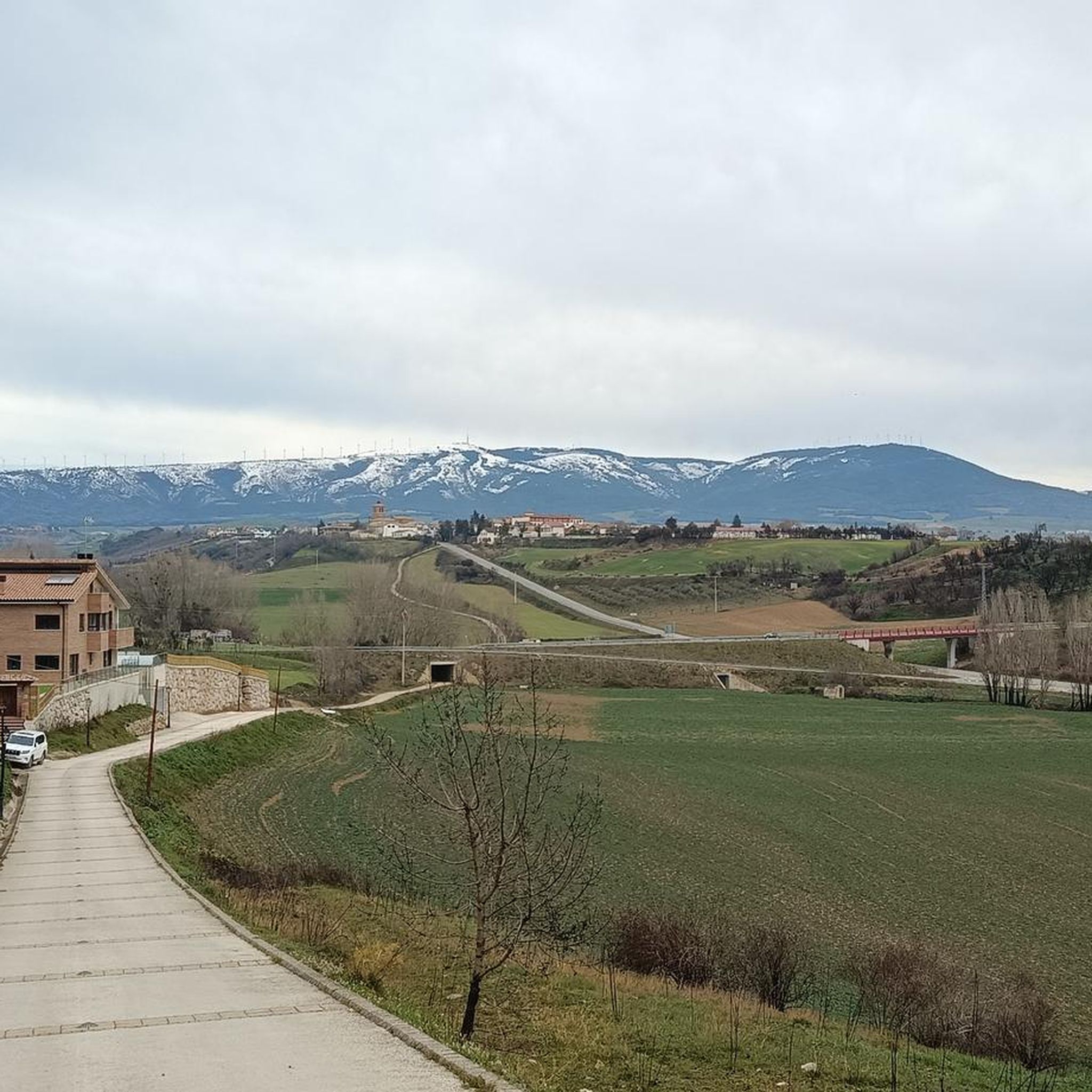
Gravel biking around Obanos offers routes through the varied landscapes of Navarre. The region features rolling agricultural fields, river valleys, and areas with historical landmarks such as Romanesque bridges. Terrain typically includes a mix of unpaved roads, farm tracks, and some paved sections connecting rural areas. The elevation changes provide both challenging climbs and scenic descents.
Best gravel bike trails around Obanos
- The most popular gravel bike trail is Estella-Lizarra – Puente la Reina loop from Bidaurreta, a 67.8…
Last updated: August 31, 2026
4.5
(2)
16
riders
103km
06:03
1,340m
1,340m
Hard gravel ride. Very good fitness required. Mostly paved surfaces. Suitable for all skill levels.
3.0
(1)
10
riders
Hard gravel ride. Very good fitness required. Mostly paved surfaces. Suitable for all skill levels.

Sign up for free
11
riders
51.5km
03:19
920m
920m
Hard gravel ride. Very good fitness required. Mostly paved surfaces. Suitable for all skill levels.
9
riders
105km
06:40
1,760m
1,750m
Hard gravel ride. Very good fitness required. Mostly paved surfaces. Suitable for all skill levels.
4
riders
Hard gravel ride. Very good fitness required. Mostly paved surfaces. Suitable for all skill levels.
Get access to more routes and recommendations from other explorers.
Sign up for free
Already have an account?
Our route recommendations are based on thousands of hikes, rides, and runs completed by other people on komoot.
Start today with a free account
Your next adventure awaits.
Login or Signup
Tips from the Community

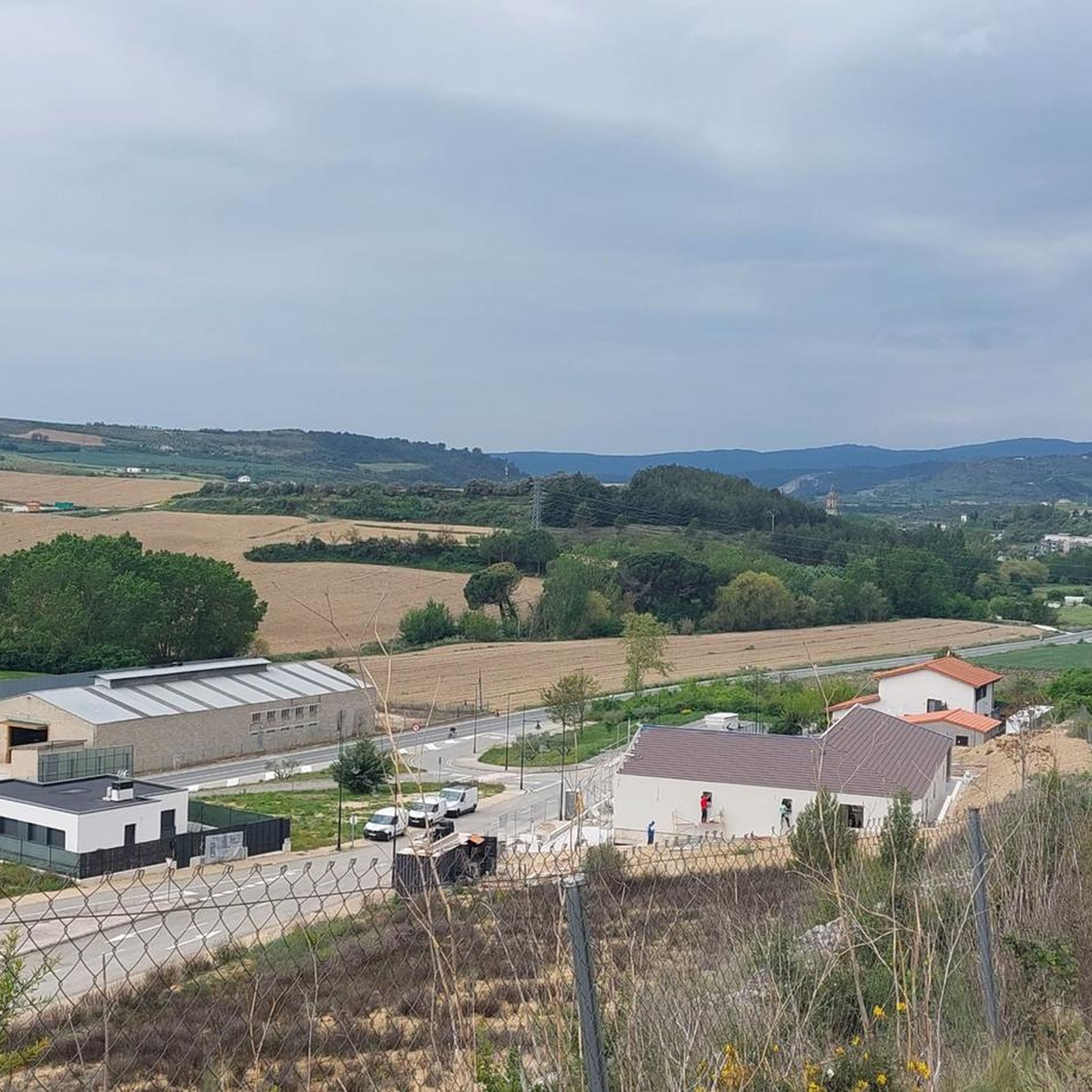
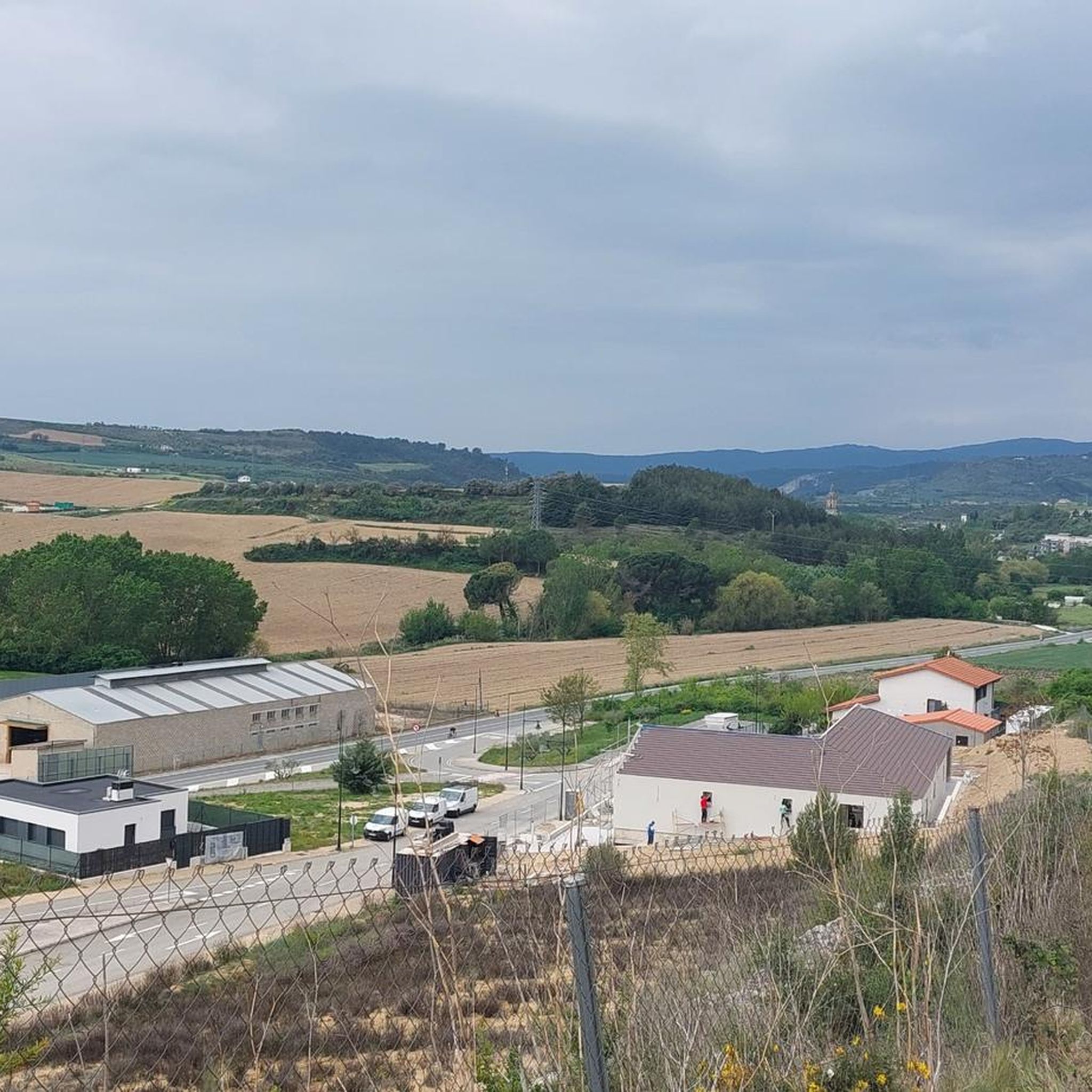
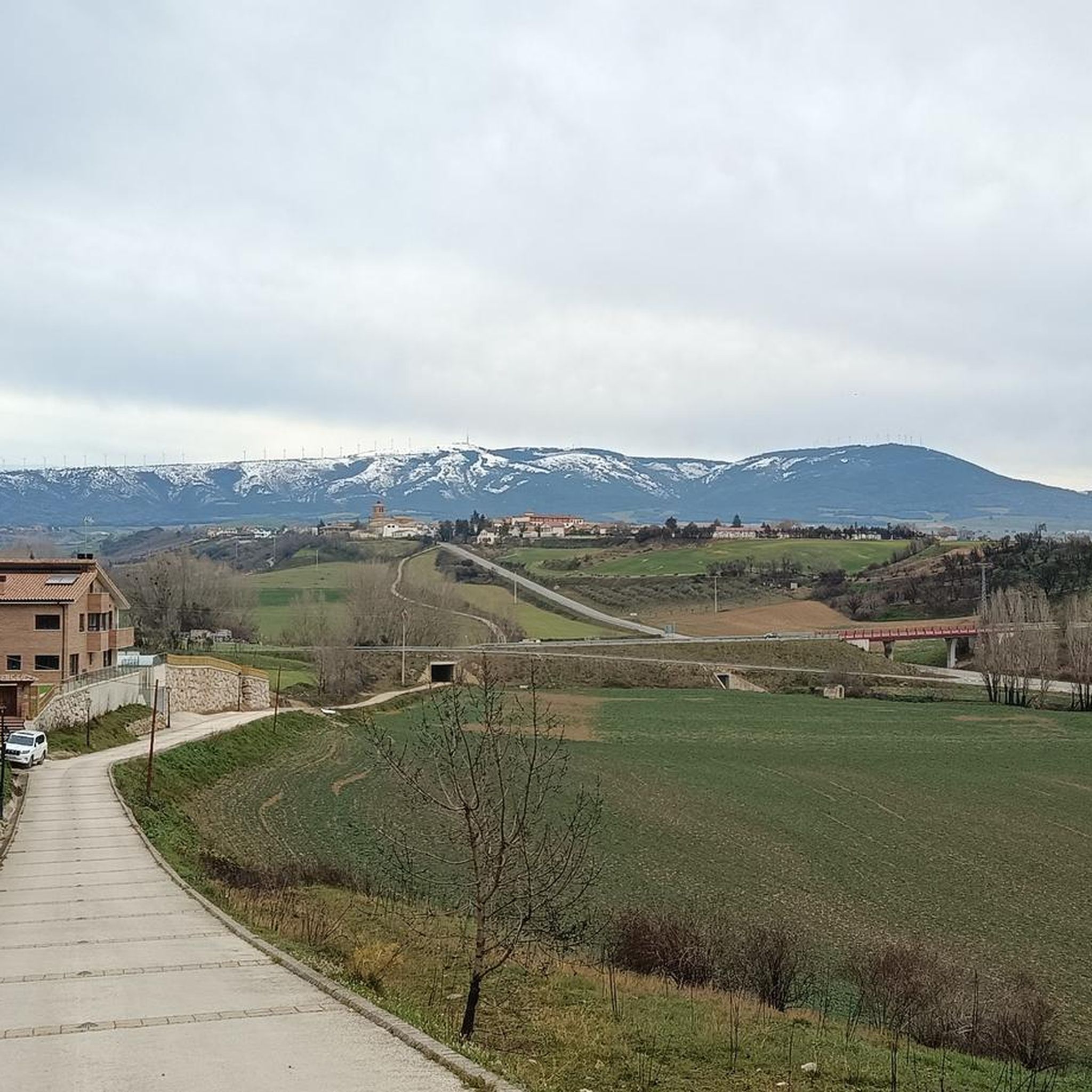
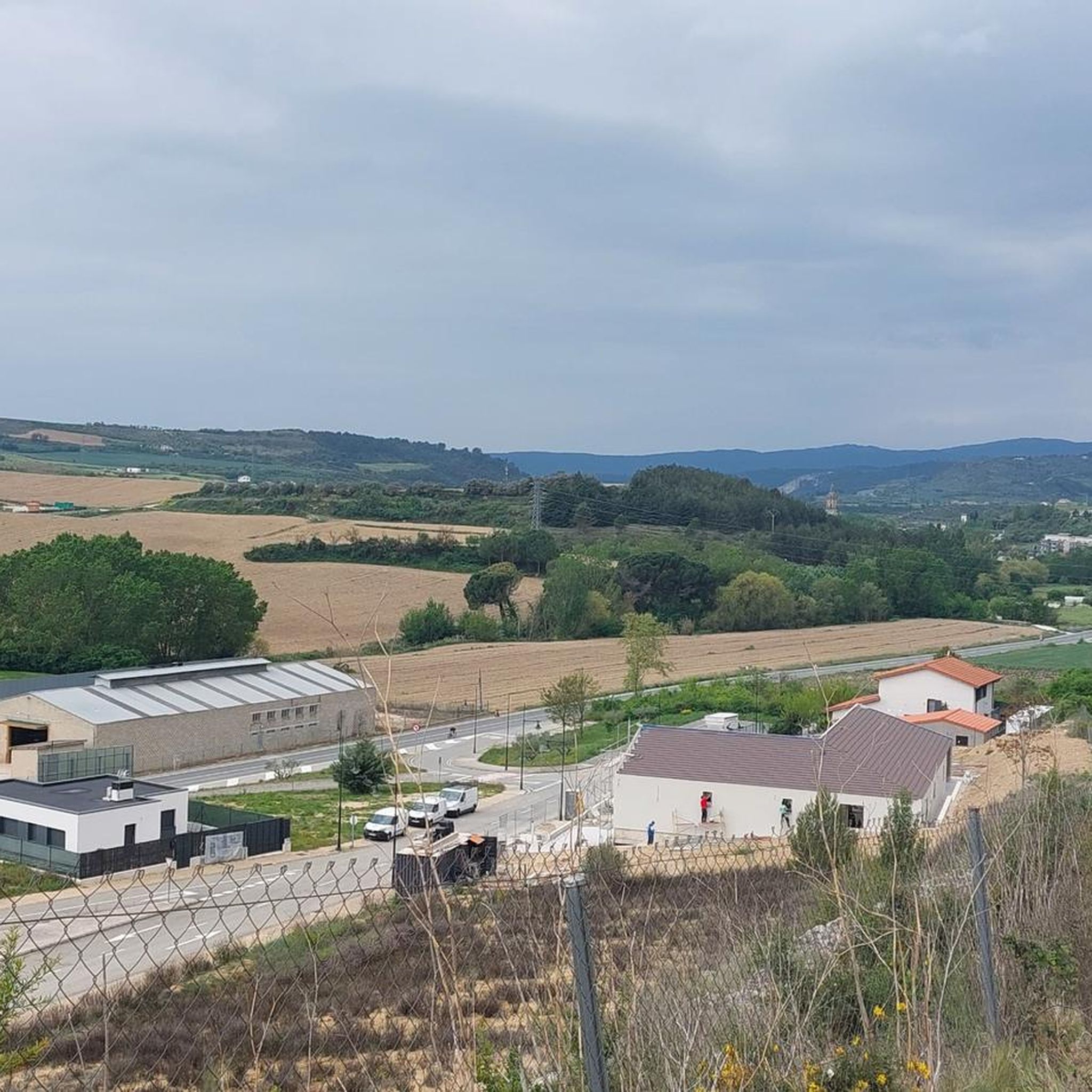
We loved the town of Estella! Very welcoming ♥
0
0

At the general audience on June 21, 2006, the then Holy Father briefly summarized two biblically recorded events that describe the special position of James the Greater, the patron saint of this church, among the disciples: + "He was privileged, along with Peter and John, to participate in the hour of Jesus' agony in the Garden of Gethsemane and in the event of Jesus' Transfiguration. (...) In the first instance, James, together with the other two apostles, experiences the glory of the Lord; he sees him speaking with Moses and Elijah; he sees the splendor of divine glory shining in Jesus; in the other instance, he faces suffering and humiliation; he sees with his own eyes how the Son of God humbles himself and is obedient to the point of death. The second experience was certainly an opportunity for him to mature in faith and to correct the one-sided, triumphalist interpretation of the first experience: He had to recognize that the Messiah, awaited by the Jewish people as a triumphant leader, was in reality not only full of honor and glory. surrounded not only by suffering, but also by suffering and weakness. The glory of Christ is realized precisely on the cross, in sharing in our sufferings." (Pope Benedict XVI)
2
0

Beautiful Romanesque church with a small but beautiful cloister in which we can find an intertwined column.
0
0

Gothic House Gothic house from the end of the 15th century, which is notable for the enormous pointed doorway with a moulded ring and large voussoirs, on the keystone of which a quartered coat of arms is engraved, on the first and fourth floors, three bands with wolves inscribed on them, and on the second and third floors, panels. On the second floor, there are three pairs of twinned windows, with semicircular arches, with second lobed arches with balls and ogees. The wooden eaves that crown the building are notable.
0
0

Santa María de Eunate is a Romanesque church on the Aragonese branch of the Way of St. James in Navarre. The church was built at the end of the 12th century in the Romanesque style with Mozarabic influences. The octagonal design is a reference to the Templars. There used to be a hospice here that belonged to the Order of St. John and today it is a hostel for pilgrims.
0
0

San Pedro de la Rúa is a beautiful historic church located in the heart of the medieval town of Estella-Lizarra, along the famous Camino de Santiago. Built in the 12th century, this church is a magnificent example of Romanesque architecture. Its most striking feature is the cloister, considered one of the richest sculptural ensembles in Navarra. The church itself is imposing and exudes a serene tranquility. Inside you will find beautiful vaults and historical works of art that reflect the rich history of the region. San Pedro de la Rúa’s location, high above the town, offers magnificent views over Estella and the surrounding landscapes.
1
0
The Church of Santiago in Puente la Reina, also known as the Church of Santiago el Mayor, is a historical and architectural gem. This parish church originally dates back to the 12th century, but most of what you see today dates back to the 16th century after extensive reconstruction. One of its most striking features is the late Romanesque entrance, which was preserved during later renovations. Inside you will find a special statue, known as the Black Santiago.
4
0
The Iglesia del Crucifijo in Puente la Reina is a fascinating historical monument deeply rooted in the history of the Camino de Santiago. Originally built in the 12th century by the Knights Templar, the church was later taken over by the Order of St. John of Jerusalem. The church consists of two different naves: a Romanesque one from the 12th century and a Gothic one that was added later. What makes this church really special is the impressive Gothic crucifix in the shape of a “Y”, one of the most remarkable Gothic sculptures in Spain.
2
0
Frequently Asked Questions
What is the general difficulty level of gravel biking routes around Obanos?
Gravel biking around Obanos is characterized by routes that often present a significant challenge. While there are options for different ability levels, the majority of the routes are rated as difficult. There is one moderate route available, but no easy routes are listed in the current selection.
Are there any moderate gravel bike routes suitable for those looking for a less strenuous ride?
Yes, for those seeking a moderate challenge, consider the Puente la Reina – Puente la Reina Romanesque Bridge loop from Puente la Reina / Gares. This route is 26.8 km long with an elevation gain of 266 meters, offering a more accessible experience while still exploring the region's charm.
What are some of the more challenging gravel bike routes in the Obanos area?
For experienced gravel bikers looking for a significant challenge, routes like the Estella-Lizarra – Puente la Reina loop from Bidaurreta stand out. This demanding 109.1 km route features over 1,460 meters of elevation gain, covering extensive distances through diverse rural and historical areas. Another challenging option is the Monte Plano Trail - Tafalla – Camping El Molino loop from Navarre, which is 97 km long with nearly 960 meters of climbing.
Are there any gravel bike routes that offer expansive views of the agricultural fields?
Absolutely. The Balsa de Idiazabal – Views of the fields loop from Cizur is a difficult 48.1 km path specifically designed to offer expansive views across the region's agricultural fields and natural landscapes, providing a scenic and rewarding ride.
What kind of terrain can I expect on gravel bike trails around Obanos?
The terrain typically includes a mix of unpaved roads, farm tracks, and some paved sections that connect rural areas. You'll encounter rolling agricultural fields, river valleys, and areas with historical landmarks. The elevation changes provide both challenging climbs and scenic descents.
What do other gravel bikers say about the routes in Obanos?
The routes in Obanos are highly rated by the komoot community, with an average score of 4.3 stars from 5 reviews. More than 30 gravel bikers have used komoot to explore the varied terrain, often praising the diverse rural and historical areas and the expansive views.
Are there any loop routes available for gravel biking around Obanos?
Yes, all the featured gravel biking routes around Obanos are designed as loops, allowing you to start and finish at the same point. For example, the Camping El Molino – Puente la Reina loop from Artajona is a 47.4 km trail leading through rural countryside.
What historical landmarks or points of interest can I see along the gravel bike routes?
The region is rich in history. Many routes pass by or near significant landmarks. You might encounter the iconic Puente la Reina Romanesque Bridge, or various religious buildings such as the Church of Saint John the Baptist, Obanos, and the unique Church of Santa María de Eunate. The Pilgrim Monument at Alto del Perdón is another notable sight.
Are there any good viewpoints or natural sights to look out for?
Yes, the area offers several scenic viewpoints. The View from Alto del Perdón provides panoramic vistas. You might also discover natural monuments like the Quejigo of Garínoain (Quercus faginea), a significant tree in the landscape, or enjoy the ViewsPeñaTxikita+Grande.
When is the best time of year to go gravel biking in Obanos?
The best time for gravel biking in Obanos, located in Navarre, is typically during the spring (April to June) and autumn (September to October). During these seasons, the weather is generally mild and pleasant, with less extreme heat than summer and fewer rainy days than winter, making for ideal riding conditions across the varied terrain.
Is it possible to find cafes or places to refuel along the gravel bike trails?
While specific cafes are not listed for every trail, the routes often pass through or near rural towns and villages. It's advisable to carry sufficient water and snacks, but you can generally find opportunities to refuel in larger settlements like Puente la Reina or Estella-Lizarra, which are often part of or close to the routes.
What should I know about parking when planning a gravel bike trip to Obanos?
Many of the loop routes start from towns or villages such as Bidaurreta, Cizur, Artajona, or Puente la Reina. These locations typically offer public parking options, though availability may vary. It's recommended to check local parking regulations and availability for your chosen starting point before your ride.
Most popular attractions around Obanos

Get inspired with the komoot mobile app


Explore more
Browse the best Gravel rides in other regions.
