The best cycling routes in the Jundu Mountains
5.0
(4)
126
riders
11
rides
Touring cycling in the Jundu Mountains, located north of Beijing, offers routes through a diverse landscape characterized by dramatic mountainous terrain and varied elevations. The region features high-quality paved roads that wind through valleys, ascend to peaks, and pass by lush forests, including the Songshan Nature Reserve. Cyclists can also encounter natural water bodies like the Miyun Reservoir and sections of the Great Wall of China. This area provides a blend of challenging rides and historical immersion.
Best touring cycling…
Last updated: October 14, 2026
17
riders
137km
09:02
1,970m
1,970m
Hard bike ride. Very good fitness required. Mostly paved surfaces. Suitable for all skill levels.
5.0
(1)
14
riders
33.9km
02:15
520m
520m
Hard bike ride. Very good fitness required. Mostly paved surfaces. Suitable for all skill levels.

5.0
(1)
14
riders
35.2km
02:22
570m
570m
Hard bike ride. Very good fitness required. Mostly paved surfaces. Suitable for all skill levels.
9
riders
16.7km
01:03
190m
190m
Moderate bike ride. Good fitness required. Mostly paved surfaces. Suitable for all skill levels.
8
riders
15.5km
00:58
160m
160m
Moderate bike ride. Good fitness required. Mostly paved surfaces. Suitable for all skill levels.
7
riders
87.5km
05:57
1,470m
1,470m
Hard bike ride. Very good fitness required. Mostly paved surfaces. Suitable for all skill levels.
3
riders
60.2km
03:46
620m
620m
Hard bike ride. Very good fitness required. Mostly paved surfaces. Suitable for all skill levels.
5
riders
57.0km
03:41
740m
740m
Hard bike ride. Very good fitness required. Mostly paved surfaces. Suitable for all skill levels.
4
riders
96.1km
06:28
1,360m
1,360m
Hard bike ride. Very good fitness required. Mostly paved surfaces. Suitable for all skill levels.
2
riders
55.6km
03:55
1,090m
1,090m
Hard bike ride. Very good fitness required. Mostly paved surfaces. Suitable for all skill levels.
Our route recommendations are based on thousands of hikes, rides, and runs completed by other people on komoot.
Start today with a free account
Your next adventure awaits.
Popular around Jundu Mountains
Tips from the Community

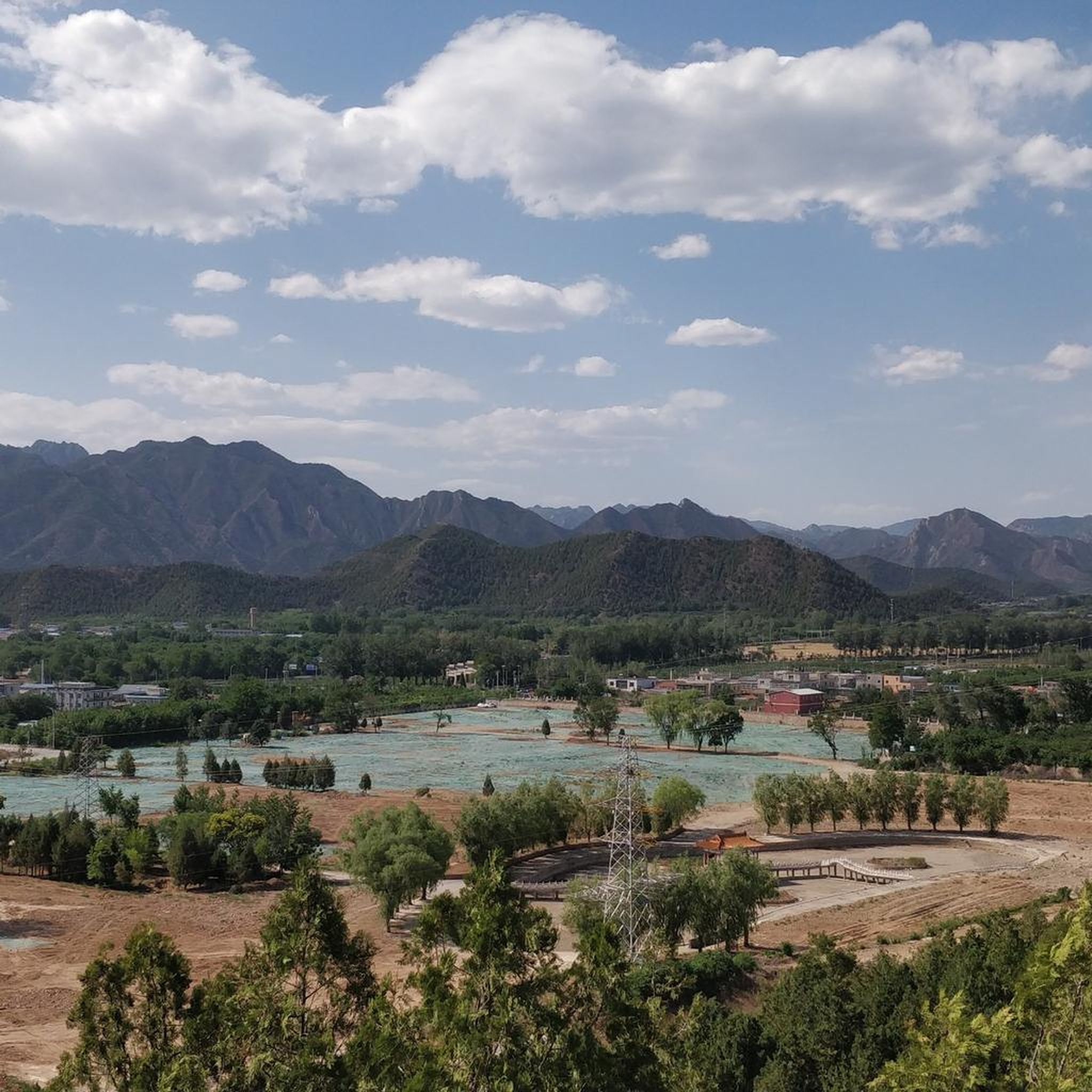
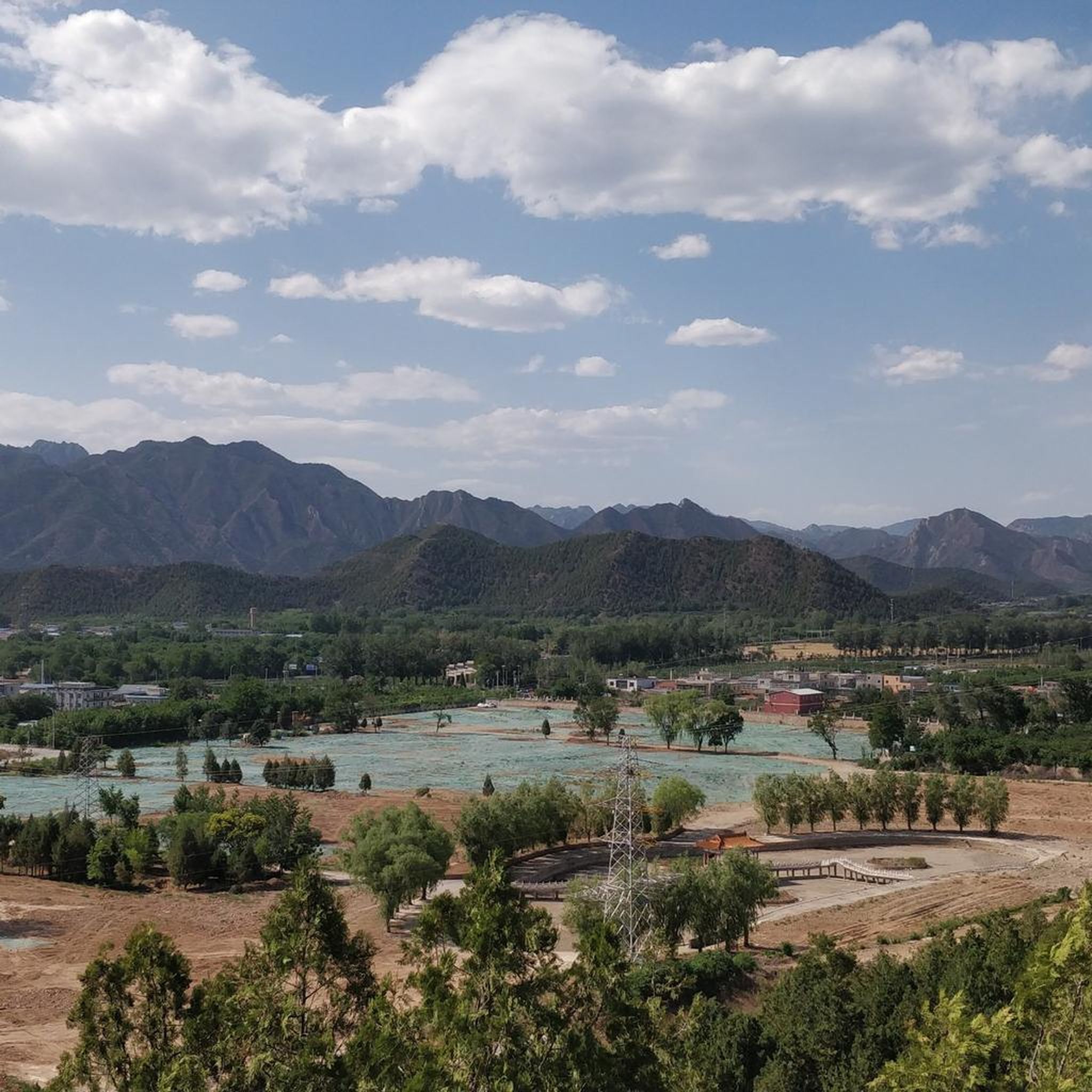
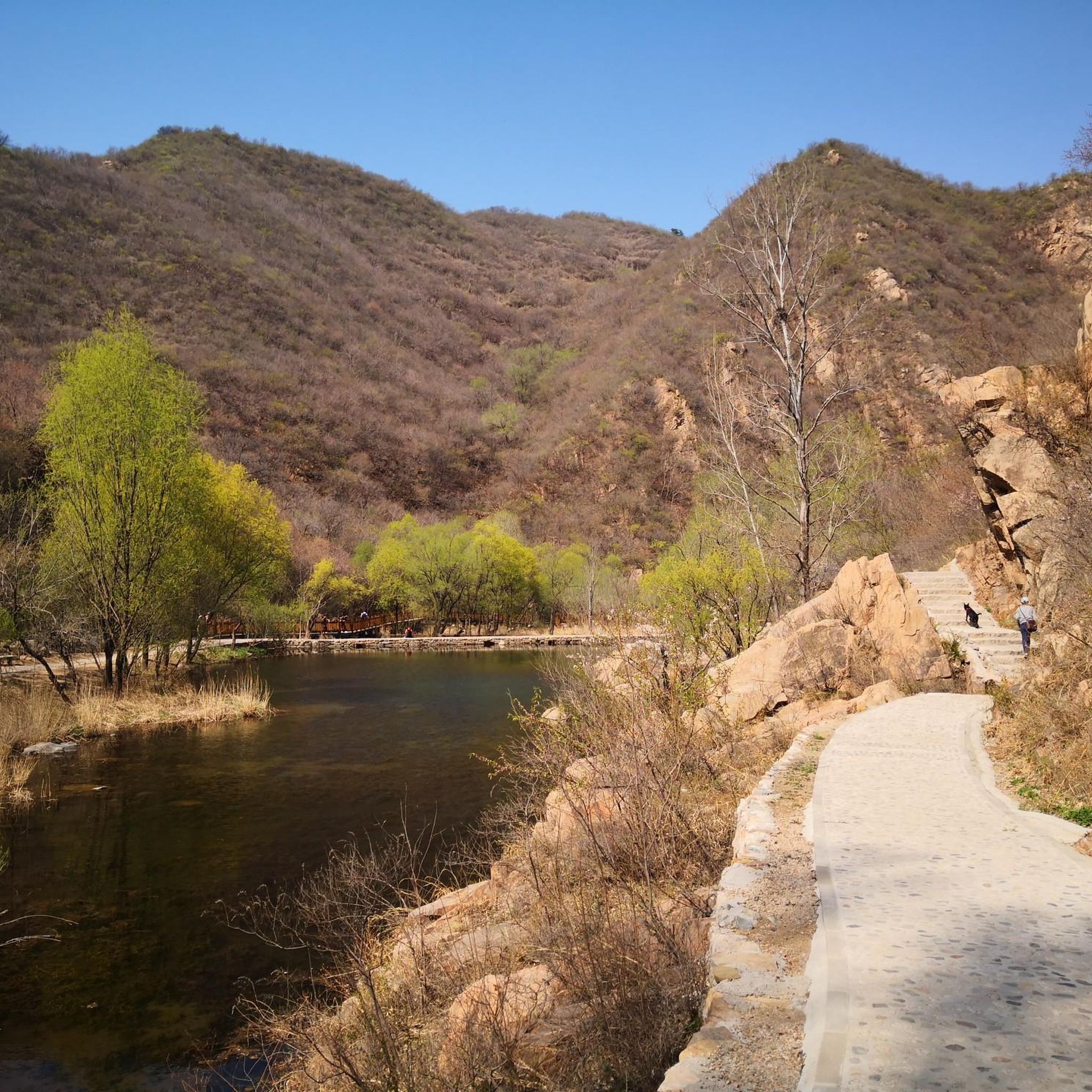
Qingling, located 1.5 kilometers northwest of Changling among the Thirteen Tombs, and about 0.5 kilometers northwest of Xianling. It is located at the southern foot of Huangshan Temple Erling in the Tianshou Mountain Mausoleum in Changping, Beijing. It is the 14th emperor of the Ming Dynasty - Ming Guangzong Zhu Changluo and Queen Guo , the joint burial mausoleum of the Wang family and the Liu family. The Qingling Mausoleum was originally a mausoleum built by Emperor Jingtai of the Ming Dynasty, Zhu Qiyu, for himself. He was later deposed as king by his brother Ming Yingzong. At the same time, the mausoleum that Emperor Jingtai had begun construction in Tianshou Mountain was abandoned. After his death, he was buried in Xishan, Beijing, according to the specifications of a prince. In 1620, Ming Guangzong Zhu Changluo, who had been emperor for 29 days, died suddenly. In a hurry, they had to use the site of Emperor Jingtai's Shouling Mausoleum and rebuilt the Ming Dynasty Zong Zhu Qiyu's mausoleum that had been abandoned for more than 160 years. This is Qingling today. In the sixth year of Tianqi (1626), the ground construction was completed. The cemetery building consists of three parts: the Shinto, the mausoleum palace and the ancillary buildings outside the mausoleum palace. A single stone bridge was built on the Shinto. Near the mausoleum, there is a monumental pavilion built for sacred merits and virtues. In the pavilion, a stele is erected, with the head of a turtle falling down and no words.
1
0
Kangling tomb is one of the not excavated of the 13 Ming Dynasty Tombs. The group of Ming Dynasty burial sites, a tradition started in the 1420s, was used til the Dynasty collapsed in the 17th century.
2
0
Zhaoling tomb is one of the 13 Ming Dynasty burial sites, a tradition started in the 1420s.
1
0
Main complex of the group of Ming Dynasty burial sites, a tradition started in the 1420s.
0
0
Southern tomb in the group of Ming Dynasty tombs from the 15th century onwards. Only the 17th century Dingling tomb has been excavated and is accessible underground. The museum is next to the entrance.
0
0
Part of the group of Ming Dynasty burial tombs spread out in the valley since the 15th century
0
0
Frequently Asked Questions
How many touring cycling routes are available in the Jundu Mountains?
There are over 10 touring cycling routes recorded in the Jundu Mountains on komoot. These routes offer a variety of experiences, from challenging mountain climbs to scenic loops through historical areas.
What kind of terrain can I expect when touring cycling in the Jundu Mountains?
The Jundu Mountains feature a dramatic mountainous landscape with high-quality paved roads. You'll encounter routes that wind through valleys, ascend to peaks over 2,000 meters, and pass along cliff edges. The varied topography includes both challenging climbs and picturesque rolling hills, often through lush forests.
What is the best time of year for touring cycling in the Jundu Mountains?
While the region offers diverse recreational opportunities year-round, including skiing in winter, the best time for touring cycling is generally during the spring and autumn months. These seasons provide more moderate temperatures and stable weather conditions, ideal for tackling the mountainous terrain.
Are there any circular touring cycling routes in the Jundu Mountains?
Yes, many touring cycling routes in the Jundu Mountains are designed as loops, allowing you to start and finish at the same point. For example, the Kangling Tomb – Zhaoling tomb loop from 十三陵景区 is a popular option, connecting historical sites in a circular fashion.
How challenging are the touring cycling routes in the Jundu Mountains?
The majority of touring cycling routes in the Jundu Mountains are considered difficult, with 11 out of 13 routes falling into this category. These often involve significant elevation gain. There are also 2 moderate routes available, offering less strenuous options for those seeking a more relaxed ride.
What historical landmarks can I see along touring cycling routes in the Jundu Mountains?
The Jundu Mountains are rich in historical landmarks. Many routes offer views of or pass by sections of the iconic Great Wall of China, such as the Badaling Great Wall Entrance or the Mutianyu section. You can also explore the Ming Dynasty Tombs, with routes like the Kangling Tomb – Ming Tombs - Qingling Tomb loop from Shisanling taking you through these significant historical sites.
Are there any natural features or reserves to explore while cycling?
Absolutely. The region is home to the Songshan Nature Reserve, known for its well-preserved natural environment and unique Chinese pine forests. Cycling routes often incorporate views of natural water bodies like the Miyun Reservoir and tranquil rivers such as the Wenyu River, providing a serene backdrop to your ride.
Are there family-friendly touring cycling options in the Jundu Mountains?
While many routes are challenging, there are moderate options that might be suitable for families with older children or those seeking a less intense experience. For instance, the Bike loop from Shisanling is a moderate route that covers a shorter distance and elevation, making it more accessible.
What is the typical elevation gain on touring cycling routes in this region?
Touring cycling in the Jundu Mountains often involves significant elevation gain due to the mountainous terrain. For example, the Zhaoling tomb – Dingling Tomb loop from 十三陵景区 features an ascent of over 1,300 meters, while the longest route, Kangling Tomb – Zhaoling tomb loop from 十三陵景区, includes nearly 2,000 meters of climbing.
Can I find accommodation suitable for cyclists in the Jundu Mountains area?
Yes, as a popular outdoor destination, the Jundu Mountains and surrounding areas offer various accommodation options. While specific cyclist-friendly facilities might vary, you can find hotels and guesthouses in nearby towns like Changping or Yanqing, which are often accustomed to hosting outdoor enthusiasts.
Are there places to eat and drink near the cycling routes?
Yes, especially around the more populated areas and tourist attractions like the Ming Tombs or sections of the Great Wall, you will find cafes and restaurants. Rural villages along some routes also offer opportunities to experience local cuisine and refreshments.
What makes touring cycling in the Jundu Mountains unique?
The Jundu Mountains offer a unique blend of challenging rides through dramatic mountainous landscapes, lush forests, and profound historical immersion. Cyclists can experience the iconic Great Wall of China, explore ancient Ming Tombs, and enjoy serene natural reserves, all within a single tour.
Most popular attractions in the Jundu Mountains

Get inspired with the komoot mobile app


Explore more
Browse the best Cycling routes in other regions.
