The best gravel rides around Great Witley
4.8
(8)
38
riders
6
rides
Gravel biking around Great Witley, situated in Worcestershire, provides routes through varied terrain. The area is characterized by dense woodlands, including sections of the Wyre Forest, and features riverside paths. These gravel bike trails offer a mix of surfaces suitable for different skill levels. The landscape includes gentle ascents and descents, typical of the English countryside.
Best gravel bike trails around Great Witley
- The most popular gravel bike trail is Wyre Forest – Wyre Forest loop from Bliss Gate,…
Last updated: October 19, 2026
5.0
(1)
5
riders
15.4km
01:19
230m
230m
Hard gravel ride. Good fitness required. You may need to push your bike for some segments of this route.
4.5
(2)
6
riders
36.7km
02:41
570m
570m
Hard gravel ride. Very good fitness required. You may need to push your bike for some segments of this route.

5.0
(2)
15
riders
Moderate gravel ride. Good fitness required. Mostly paved surfaces. Suitable for all skill levels.
4
riders
47.7km
03:07
510m
510m
Hard gravel ride. Very good fitness required. Mostly paved surfaces. Suitable for all skill levels.
1
riders
5.44km
00:25
80m
80m
Easy gravel ride. Great for any fitness level. Mostly paved surfaces. Suitable for all skill levels.
Our route recommendations are based on thousands of hikes, rides, and runs completed by other people on komoot.
Start today with a free account
Your next adventure awaits.
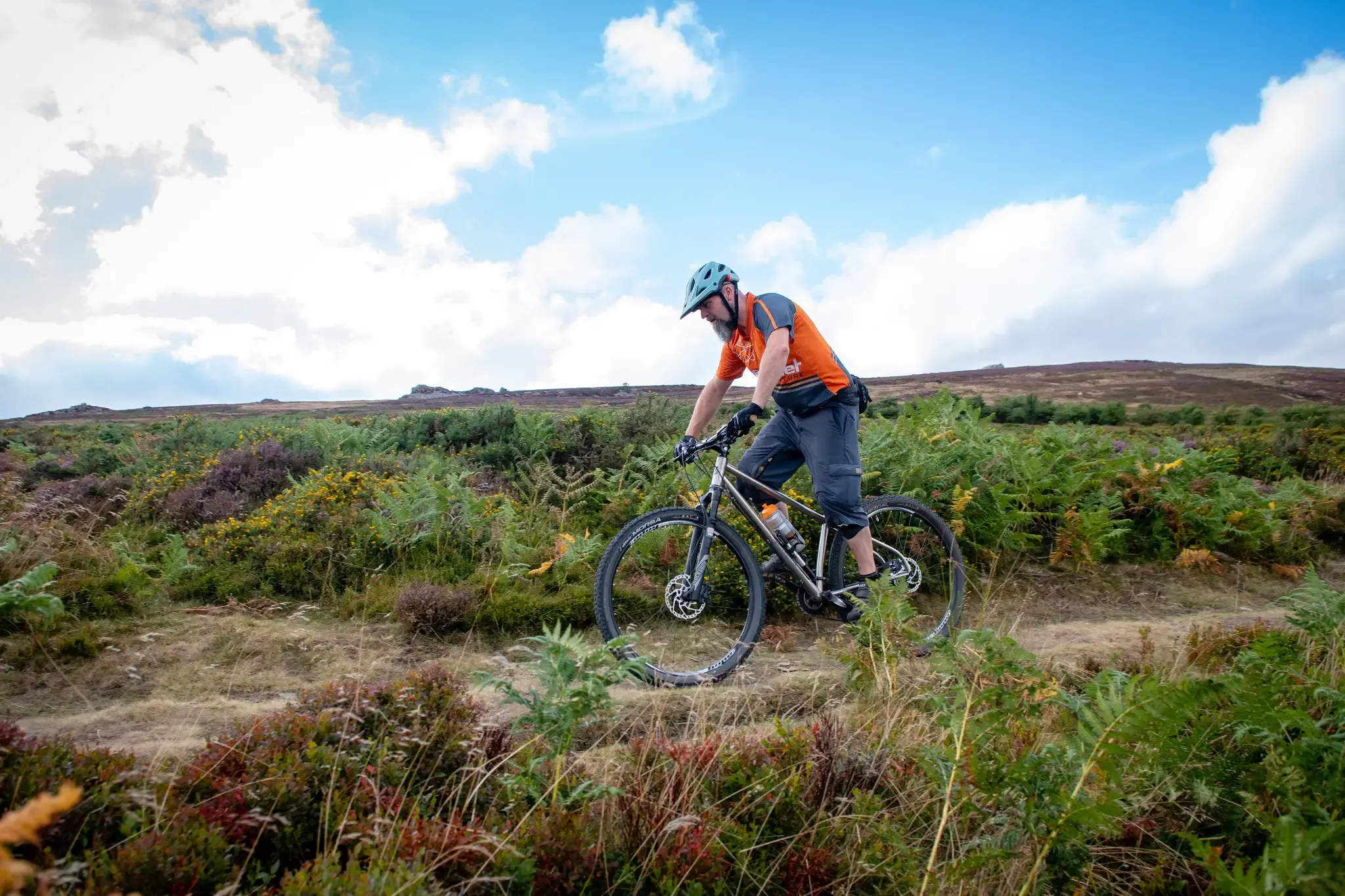
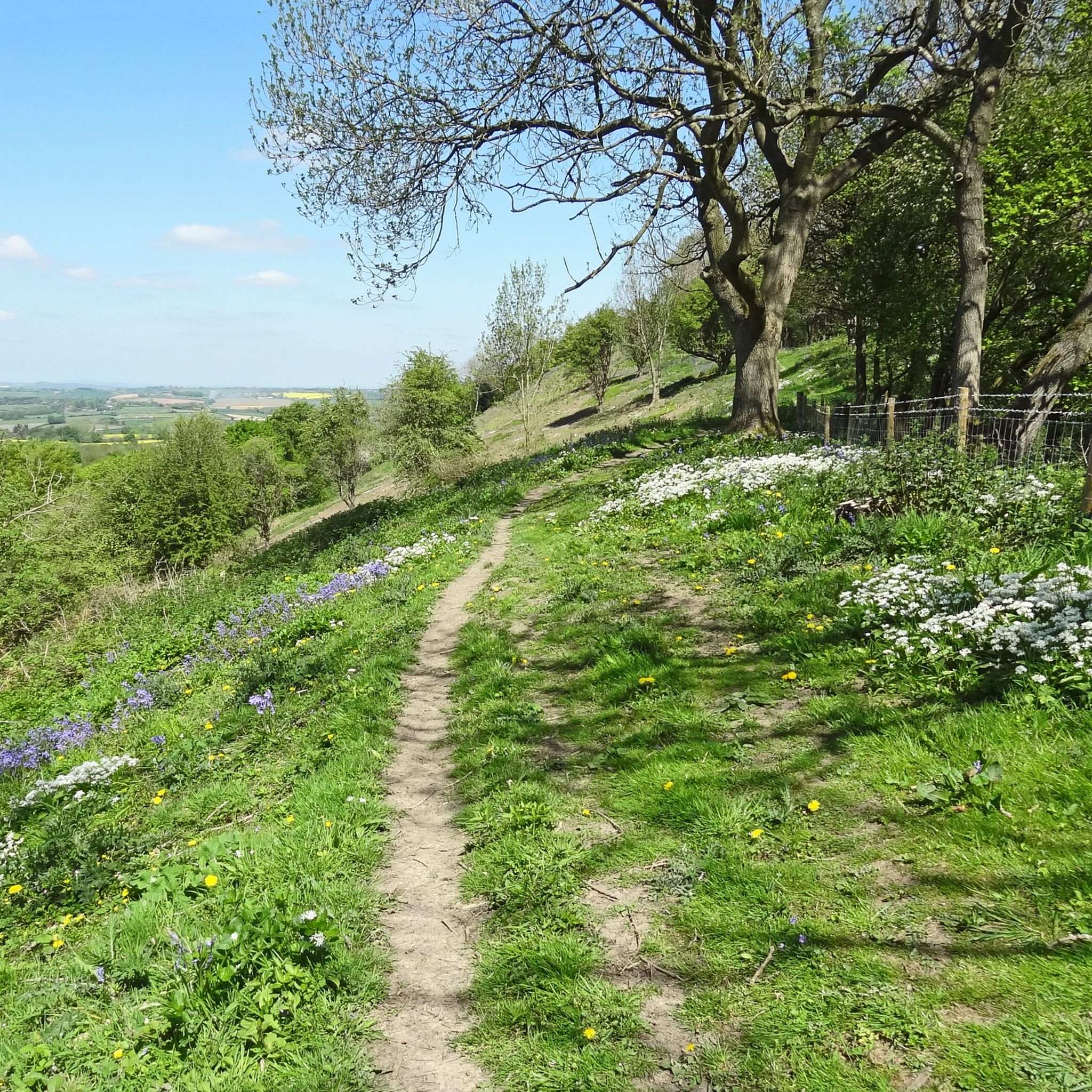
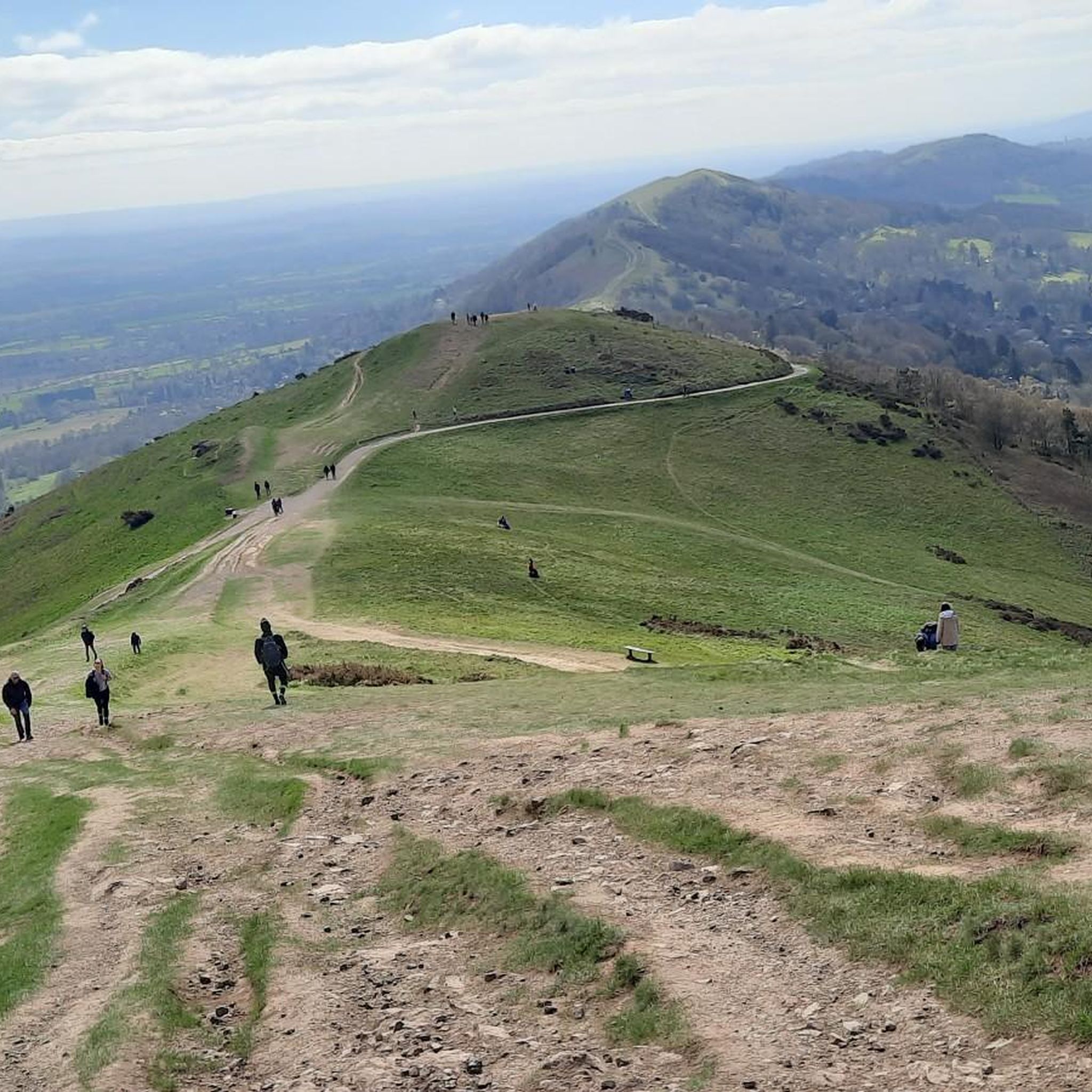
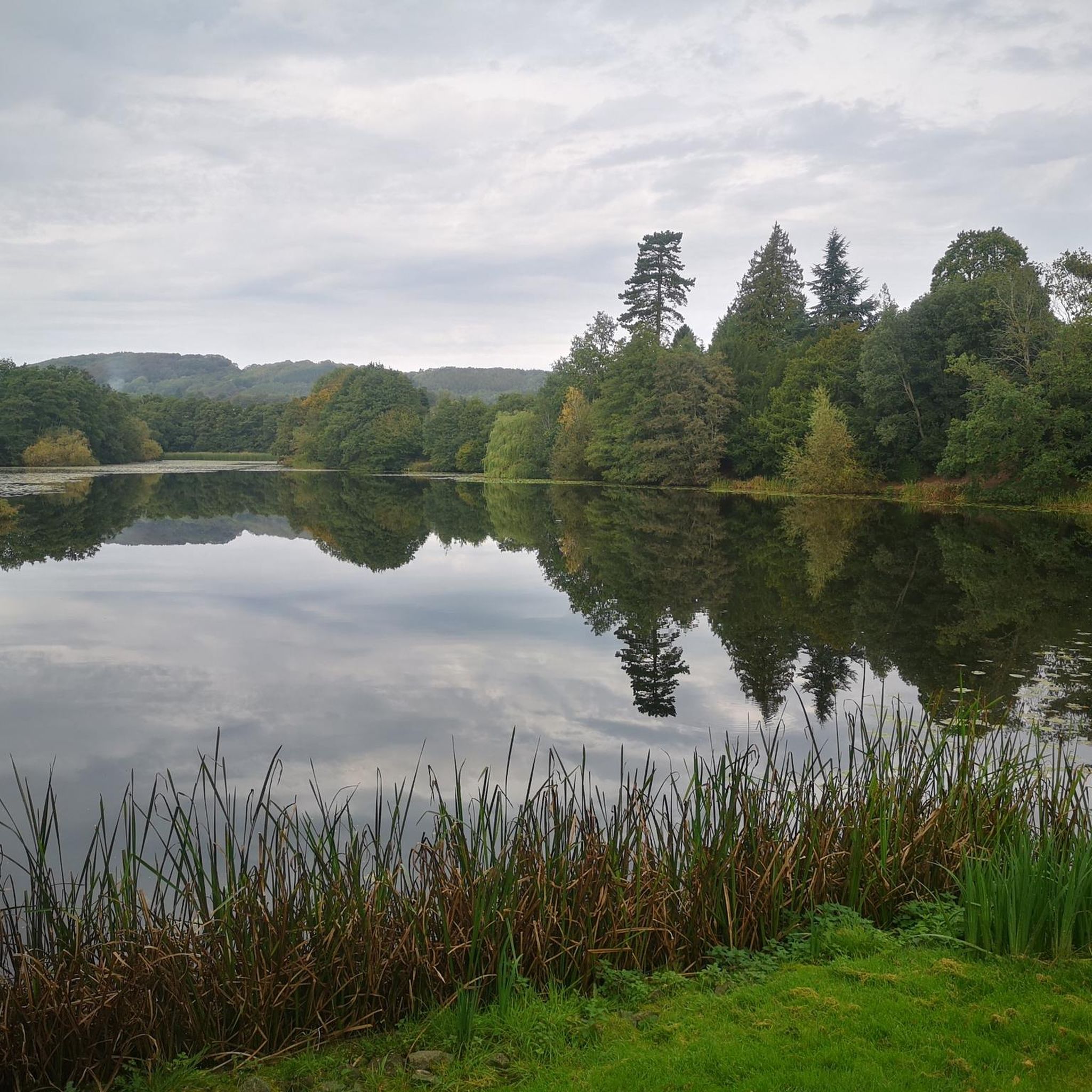
Other adventures around Great Witley

Tips from the Community

Great area for some quiet biking
0
0


Knowles Mill is the remains of an eighteenth-century water-powered grain mill, located in the Wyre Forest in Worcestershire, England. The mill has been owned by the National Trust since 1938. The mill and its surroundings feature extant machinery, as well as notable populations of adders and wood cranesbill. One of nine possible mills that historically worked on Dowles Brook, Knowles Mill was built in the eighteenth-century, and was later modified in the nineteenth-century. The surviving building is two storeys high and the site also preserves an overshot mill wheel made of iron and a great spur wheel, alongside other remnant machinery. The first record of a mill on the site dates to 1757 when it was listed as for sale in a local newspaper. However there is documentary evidence preceding 1757 that lists owners of the land that the mill was built on. These owners include Arthur Palmer, c.1661, Edward Wheeler, c.1693, Roger Hunt, c.1704, Antony Betts, c.1717, Edward Faulkner, c.1722 and Daniel Crun, c.1735. The first owner of the mill was William Crun, in 1757. It passed through a number of owners, including William and Mary Herbert, William Nicholls and Arthur Nott. The mill takes its name from the Knowles family who worked there from 1803 to the 1870s; earlier names included Coventry Mill and Upper Town Mill. The first member of the family to be listed as owner was James Knowles. The mill continued in use until 1891, when it became no longer financially viable. It was donated to the National Trust by Paul Cadbury in 1938, along with four acres of orchards. The property was visited by the historian James Lees-Milne during his work as a curator for the Trust. Source: Wikipedia
0
0
Bewdley was once an important inland port, connecting Shrewsbury with the Midlands and the seaports of Gloucester and Bristol. Originally the quays were shorter and had slipways between them. In time, as more landing space was needed, the quayside walls were joined into one continuous length. The larger boats, known as Severn Trows, carried local goods such as rope and charcoal, metal goods from Birmingham and Staffordshire pottery to the south. They returned laden with woollen cloth, wine, spirits, tobacco, sugar, spices, citrus fruit and dried fish to be sold in market towns across the West Midlands and Welsh borders. This civic space was developed when the Environment Agency built the Town's new flood defences, and incorporates work by artist Elizabeth-Jane Grose. On the lower quayside you can find flowing words relating to the river and the vessels that worked on it. On the upper quayside have a look for the 'cargo-plates' recording forty of the common and less common exports and imports to the Port of Bewdley. Source: Environment Agency
0
0
Bewdley Bridge over the Severn was built in 1798 by Thomas Telford. It was erected to replace the 1483 medieval bridge that was swept away in the floods of 1795.
0
0
Frequently Asked Questions
How many gravel bike trails are available around Great Witley?
There are 7 gravel bike trails available around Great Witley, offering a range of difficulties from easy to challenging. The area is well-regarded by the komoot community, with an average rating of 4.9 stars.
Are there easy gravel bike trails suitable for beginners in Great Witley?
Yes, Great Witley offers easy gravel bike trails suitable for beginners. A good option is the Wyre Forest Wooden Bridge – Wyre Forest loop from Bliss Gate, which is 3.4 miles (5.4 km) long and takes about 30 minutes to complete, offering a gentle introduction to the area's woodlands.
Where can I find more challenging gravel cycling routes in Worcestershire?
For more challenging gravel cycling, consider routes like the Bewdley Riverside Promenade – Stourport Canal Tunnel loop from Bewdley. This 29.6 miles (47.7 km) trail features varied landscapes and significant elevation changes, typically taking over 3 hours. Another challenging option is the Wyre Forest – Wyre Forest loop from Bliss Gate, a 9.5-mile route through dense woodland.
Can I find circular gravel bike routes around Great Witley?
Yes, many of the gravel bike routes around Great Witley are designed as loops. For example, the popular Wyre Forest – Wyre Forest loop from Bliss Gate and the longer Bewdley Riverside Promenade – Stourport Canal Tunnel loop from Bewdley are both circular, allowing you to start and finish at the same point.
What kind of scenery can I expect on gravel bike routes near Great Witley?
Gravel bike routes near Great Witley offer diverse scenery, primarily characterized by dense woodlands, including sections of the Wyre Forest, and picturesque riverside paths. You'll experience the gentle ascents and descents typical of the English countryside, with a mix of natural and historical points of interest.
Are there any family-friendly gravel biking options in Great Witley?
For families, the easier routes through the Wyre Forest are generally suitable. The Wyre Forest Wooden Bridge – Wyre Forest loop from Bliss Gate is a shorter, less strenuous option that allows for a pleasant ride through the forest environment.
What attractions or landmarks can I see along the gravel bike trails around Great Witley?
Along the gravel bike trails, you can encounter several interesting attractions. Highlights include the historic Bewdley Bridge, the tranquil Burlish Top Nature Reserve, and the unique Knowles Mill. Natural features like the Worcestershire Natural Flood Management Project – Leaky Dams in Wyre Forest and the intriguing Redstone Caves are also nearby.
What is the best time of year for gravel biking around Great Witley?
The best time for gravel biking around Great Witley is generally during spring, summer, and early autumn. These seasons offer more predictable weather, drier trails, and pleasant temperatures for exploring the woodlands and riverside paths. Autumn also provides beautiful foliage.
What are the typical winter conditions like on gravel trails in Great Witley?
During winter, gravel trails in Great Witley can be wet and muddy, especially in forested areas like Wyre Forest. While some paths remain rideable, be prepared for potentially slippery surfaces and cooler temperatures. Always check local weather conditions before heading out.
Are there gravel bike trails with pub stops along the way?
While specific pub stops are not detailed for every route, the region around Great Witley and nearby towns like Bewdley offer various pubs and cafes. Planning a route that passes through or near these settlements, such as the Bewdley Riverside Promenade – Wyre Forest loop from Pound Bank(K'minster)-Council Houses, can allow for convenient refreshment breaks.
How accessible are the gravel bike routes around Great Witley by public transport?
Accessibility by public transport to the starting points of gravel routes around Great Witley can vary. While Great Witley itself is a smaller village, nearby towns like Bewdley and Kidderminster (mentioned in route descriptions) have more extensive public transport links, including bus services. It's advisable to check local bus schedules for connections to specific trailheads.
Are there any particularly muddy gravel trails to be aware of in Great Witley?
Due to the dense woodlands and riverside sections, many gravel trails around Great Witley can become muddy, especially after rainfall or during the wetter winter months. Routes through Wyre Forest, in particular, are prone to muddy conditions. It's always recommended to check recent trail conditions and prepare with appropriate gear.
Most popular routes around Great Witley
Most popular attractions around Great Witley

Get inspired with the komoot mobile app


Explore more
Browse the best Gravel rides in other regions.
