The best gravel rides around Alken
4.5
(66)
1,214
riders
38
rides
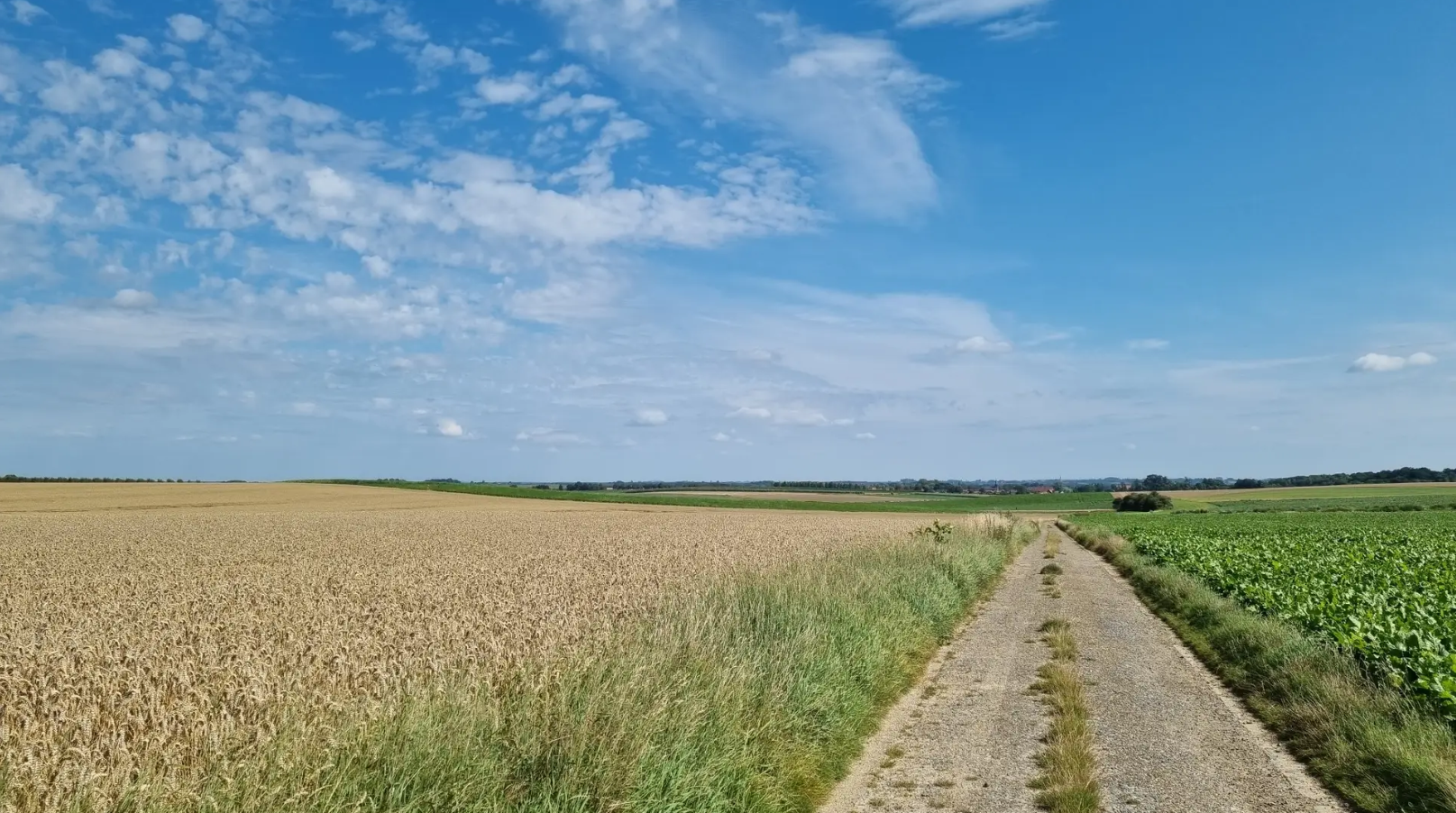
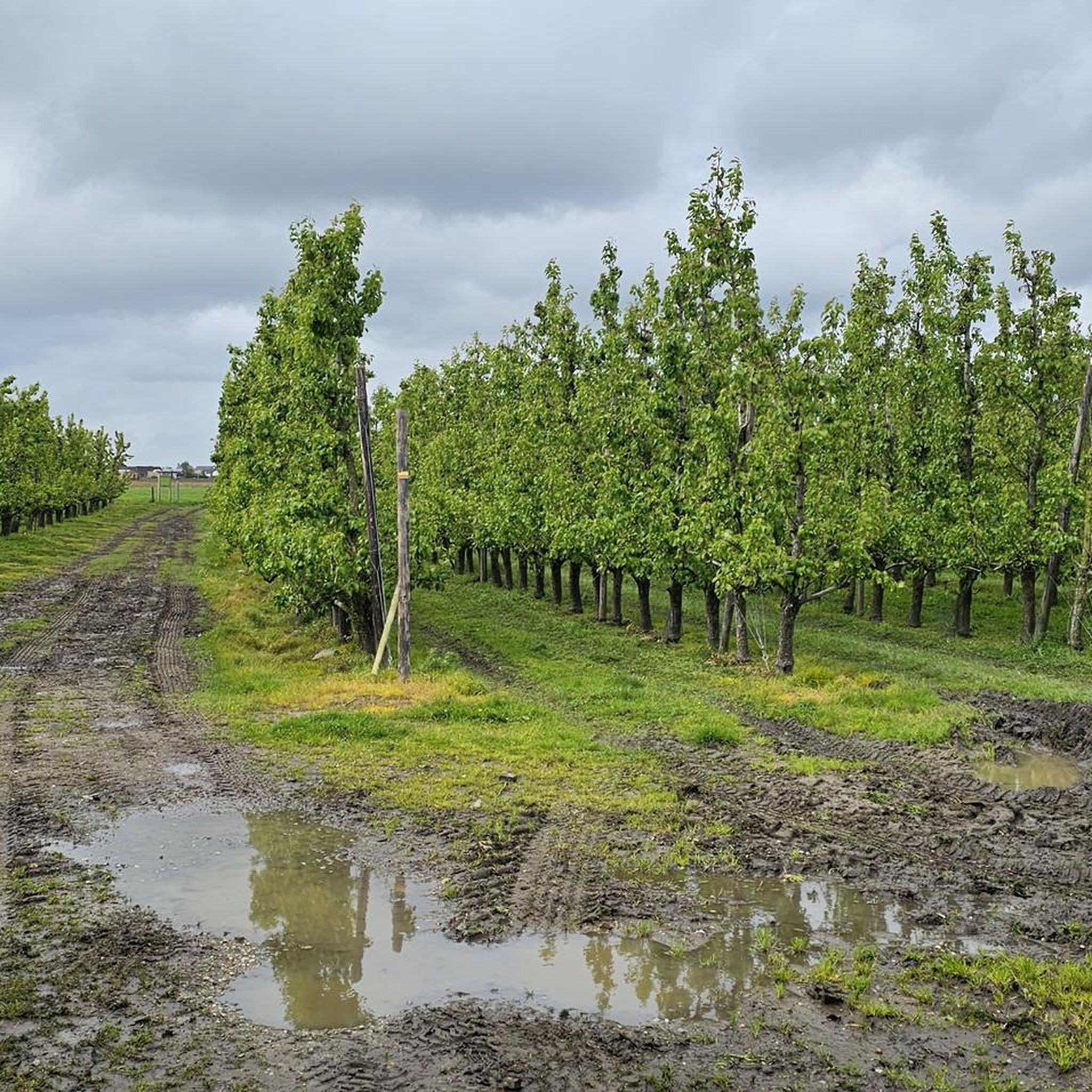
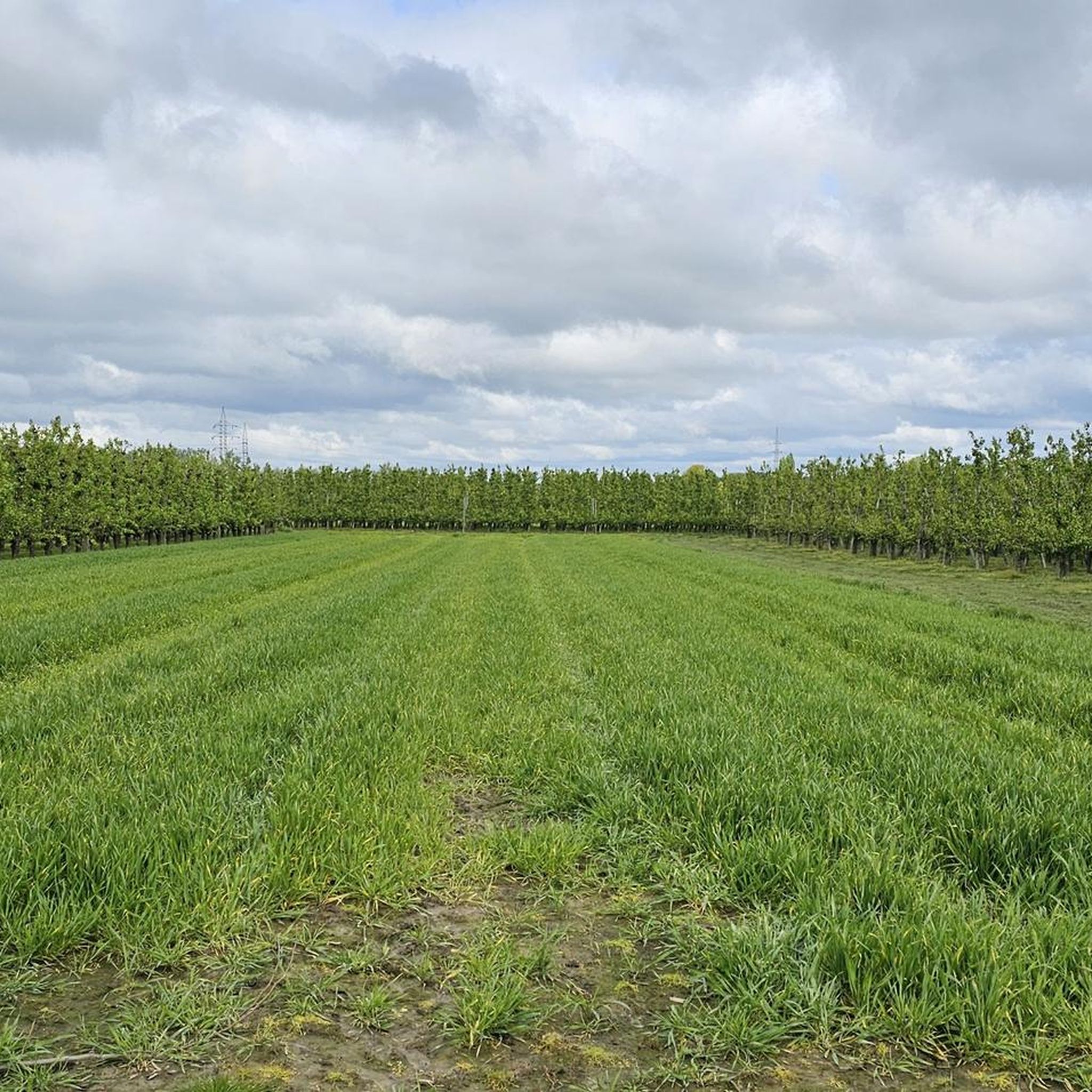
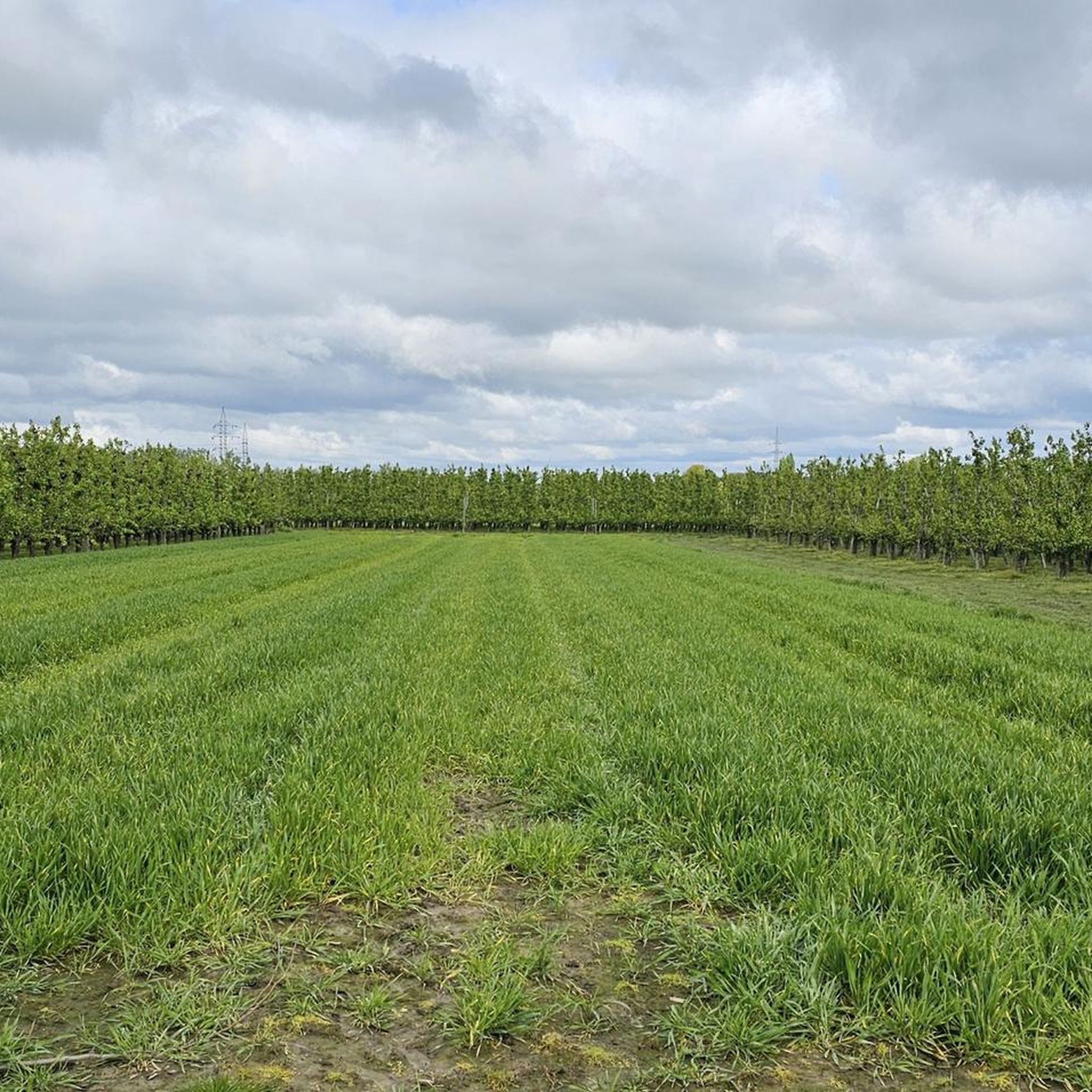
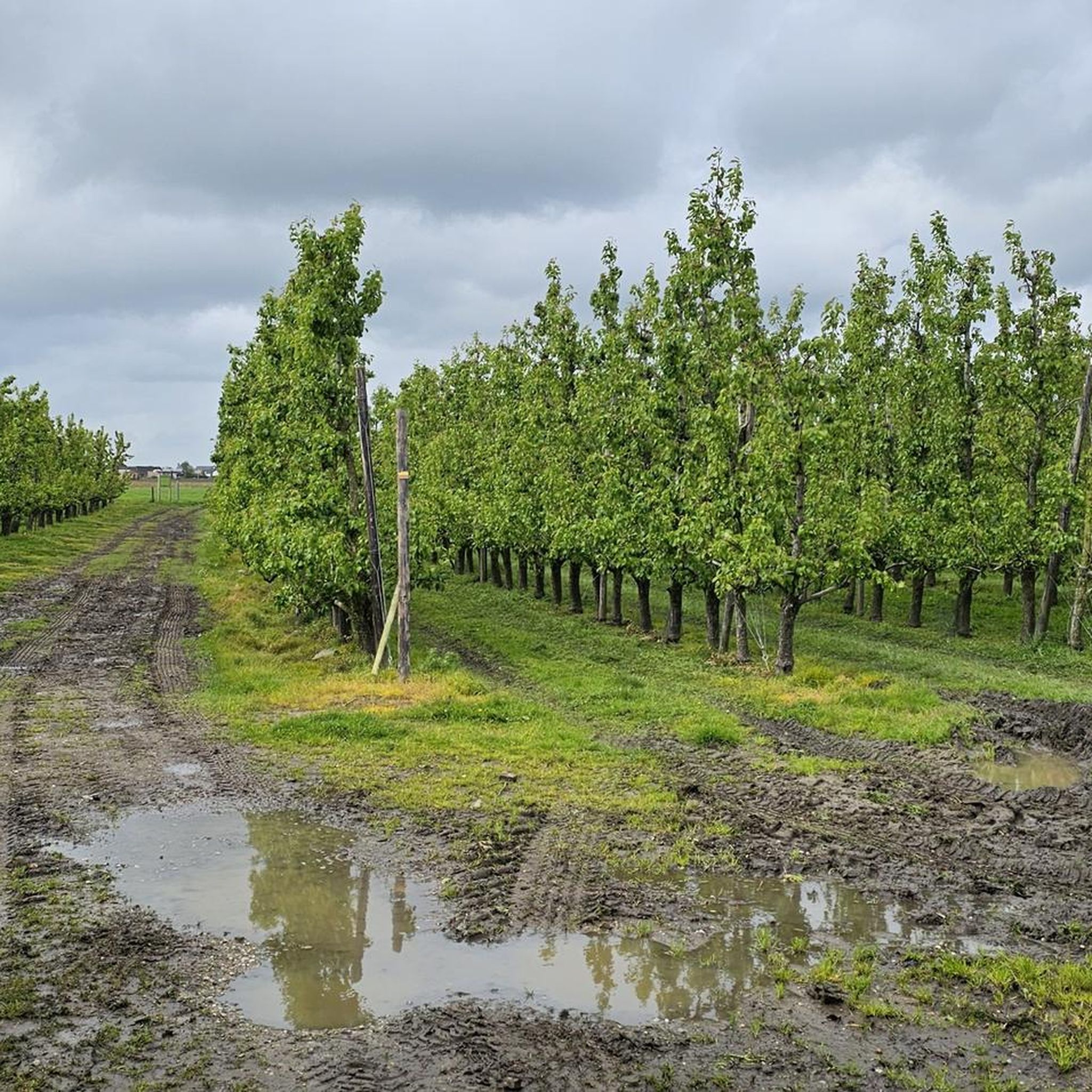
Gravel biking around Alken offers diverse landscapes characterized by gentle rolling hills and extensive fruit orchards, particularly prominent in Belgium's productive fruit cultivation region. The area features a well-developed cycling infrastructure, incorporating both paved surfaces and gravel paths. Natural settings like the Mombeek-valley and the confluence of the large and small Herk rivers provide varied terrain for exploration. The region's routes often pass through forests and feature views of nature reserves such as Mombeekvallei.
Best gravel bike trails around Alken
…Last updated: July 3, 2026
47
riders
57.5km
03:19
260m
260m
Hard gravel ride. Good fitness required. You may need to push your bike for some segments of this route.
4.0
(1)
45
riders
96.0km
05:36
670m
670m
Hard gravel ride. Very good fitness required. You may need to push your bike for some segments of this route.

Sign up for free
9
riders
Hard gravel ride. Very good fitness required. You may need to push your bike for some segments of this route.
4.7
(3)
32
riders
42.7km
02:37
210m
210m
Moderate gravel ride. Good fitness required. Mostly paved surfaces. Suitable for all skill levels.
5.0
(1)
27
riders
70.8km
03:51
210m
210m
Hard gravel ride. Good fitness required. You may need to push your bike for some segments of this route.
Get access to more routes and recommendations from other explorers.
Sign up for free
Already have an account?
Our route recommendations are based on thousands of hikes, rides, and runs completed by other people on komoot.
Start today with a free account
Your next adventure awaits.
Login or Signup
Other adventures around Alken

Tips from the Community

The bicycle bridge consists of 6 bridge sections, which together contain more than 500 tons of steel. The largest bridge section is 44 meters long and weighs 130 tons. The complete bicycle bridge is 200 meters long and 6 meters wide. You cycle or walk 10 meters above the water surface.
3
0

At the highest point of Helshoven, you can now enjoy a breathtaking view over the Haspengouw landscape. Artist Frits Jeuris has created a unique work of art from dozens of felled fruit trees from the area. “Helsh(ea)ven”, a wooden work of art consisting of 90 standard cherry trees, each fifty years old, was hit by the cherry plague virus at the end of 2016, a contagious plant disease that causes small fruits on cherries. Now the felled trees are getting a second life. The work of art symbolizes the dynamic landscape of Haspengouw.
2
0
This transparent church, aptly named 'Reading Between the Lines', is a work of art by PIT, designed by the architectural duo Gijs Van Vaerenbergh. It symbolises the decay of the church. The ten-meter-high artwork consists of one hundred stacked layers of sheet steel in the shape of a church in Loon. Thanks to the unique construction, the beautiful Haspengouw landscape remains visible through the church. In 2012, this transparent church received the 'Building of the Year' award from the renowned website ArchDaily. It was the first time a Belgian project had received this honour. Enjoy the view; this is a place with one of the most breathtaking panoramas.
0
0
The 'De Teut' nature reserve lies at the foot of the Kempen plateau. The Roosterbeek has carved out a wide valley here. Thanks to this varied terrain, a great diversity of plant communities has developed: coniferous forests, heathlands, ponds, and riparian forests. The prominent plateau edge at the entrance to the reserve offers a magnificent view over a large part of Midden-Limburg.
0
0
The cycle path through the water leads cyclists over a 212-meter-long and three-meter-wide concrete path, with water at eye level on both sides. Swans and other waterfowl swim along the banks, curiously watching the cyclists. Since its opening, interest in this unique cycle path has been enormous. On average, 800 visitors per day explore this unforgettable part of the Limburg cycle network, with peaks on Saturdays and Sundays, and on some days even up to 5,000 cyclists.
1
1
This section, together with the water lock and the outer bailey, belongs to the oldest parts: in the Apostles' House, remains of the late Gothic ordinance from the second half of the 16th century from the building campaign of Land Commander Wijnandt van Brijel have been preserved. The complex is located at the highest point of the domain, on the eastern side of the commandery. Seven avenues converge at the gate, symbolizing the Seven Sorrows and Joys of Mary. To the right of the gatehouse was the now disappeared Apostles' House; it was an L-shaped building of two storeys, with a chapel on the ground floor, and twelve rooms for needy men, hence the name Apostles' House; late Gothic core from the second half of the 16th century, enlarged and adapted in 1716-1726, under Commander Damian Hugo von Schönborn, as indicated by a facade stone. After World War II, the Apostles' House slowly deteriorated but has since been restored.
2
0
The Katteberg is said to owe its name to a quarry in the nearby Leten called 'In de Kat'. This nature reserve on the Demer is very varied with its fish ponds, species-rich meadows, rough areas, an orchard and a slope forest. The walking path that leads via the Leterweg to Alden Biesen follows the route of a vanished tram line. This was built in 1908-1910 to connect the industrial area of Liège with the Limburg coal mines. The tram line had to bridge a height of 25 meters here and crossed the Demer via a double arched bridge in masonry. The tram tracks were removed in 1952. The pond behind the tram bridge was created by the extraction of clay for the Belisia tile factory in the Zeepstraat.
5
0

The Katteberg follows the route of an old tramway. A climb not to be underestimated awaits you here. Historical context: This semi-hardened gravel path follows the route of the former tram line that connected the coal mines of Genk with the industrial area of Liège. The construction of the tram line began in 1908. To overcome the difference in altitude between the station and the hamlet of Leten, an earthen embankment was built over a distance of 700 meters, cutting straight through the Katteberg. A double arch bridge in masonry was built over the Demer river. The steam tram was put into operation in 1910 and caused a huge increase in passenger traffic in the region. The tram was definitively taken out of service in August 1948. The tram tracks were removed in 1952. Now, this is a route where recreational users, hikers, and cyclists can cross paths. Each at their own pace, enjoying together.
7
0
Frequently Asked Questions
How many gravel bike trails are available in Alken?
Alken offers a wide selection of gravel biking routes, with over 50 trails available. These routes cater to various skill levels, including easy, moderate, and difficult options.
What is the typical difficulty level of gravel biking routes in Alken?
The gravel biking routes in Alken range from easy to difficult. While there are a few easy routes, the majority are classified as moderate (17 routes) or difficult (34 routes), often requiring good fitness and advanced riding skills due to rolling hills and varied terrain.
What do other gravel bikers say about the trails in Alken?
The gravel biking experience in Alken is highly rated by the komoot community, with an average score of 4.5 stars from over 60 reviews. More than 1,200 gravel bikers have explored the area, often praising the diverse landscapes, gentle rolling hills, and extensive fruit orchards.
What is the best time of year for gravel biking in Alken?
The region's fruit orchards are a significant feature, making spring, particularly during the blossom season, a beautiful time to visit. However, the diverse landscapes and well-developed cycling infrastructure make Alken enjoyable for gravel biking throughout much of the year, avoiding extreme winter conditions.
Are there options for parking near gravel bike trailheads in Alken?
Yes, Alken and its surrounding areas, including nearby towns like Zepperen and Hasselt, offer various parking options. Many routes start from accessible locations, and you can often find parking near popular starting points or local amenities.
Can I reach the gravel bike trails in Alken using public transport?
Alken has public transport connections that can help you access the region. While specific trailhead access might require a short ride or walk from a public transport stop, the well-developed cycling infrastructure means many routes are designed to be accessible.
Do I need any special permits to go gravel biking in Alken?
Generally, no special permits are required for recreational gravel biking on designated trails and public paths in Alken. However, always respect local signage and private property, especially when riding through agricultural areas or nature reserves.
Are there any family-friendly gravel biking routes in Alken?
While many routes in Alken are moderate to difficult, there are a few easier options suitable for families or those looking for a less strenuous ride. These routes often feature mostly paved surfaces and gentler terrain, allowing for a more relaxed experience through the scenic landscape.
Are there any circular gravel bike routes in Alken?
Yes, many of the gravel bike routes in Alken are designed as loops, allowing you to start and end at the same point. Examples include the challenging Café Coureur – Saint Genevieve Church, Zepperen loop from Zepperen and the longer Floating Chapel of Helshoven – Opheersberg loop from Hasselt.
What kind of landscapes can I expect to see while gravel biking in Alken?
Alken's gravel routes traverse diverse landscapes, including gentle rolling hills, extensive fruit orchards (especially beautiful during blossom season), and river valleys like the Mombeek-valley. You'll experience a mix of agricultural and natural scenery characteristic of the Hesbaye region.
Are there any cafes or pubs along the gravel biking routes in Alken?
Alken and its surrounding villages are known for their hospitality. You'll find various cafes and pubs, some specifically catering to cyclists, where you can take a break and refuel. The region is also famous for its local brewery, producing Cristal Alken beer.
What historical or cultural attractions can I see along the gravel bike trails?
Alken is rich in history and culture. Along the routes, you might encounter numerous castles, churches, chapels, and water mills. Notable attractions include the Herkenrode Abbey Site and the unique Reading Between the Lines (See-Through Church), which can be incorporated into your rides.
Are there any nature reserves or natural highlights to explore?
Yes, the area boasts several natural highlights. You can explore the Mombeek-valley, the leisure park 'De Alk' situated between the large and small Herk rivers, and the De Platwijers-Wijvenheide Nature Reserve. These areas offer opportunities for birdwatching and enjoying the serene natural environment.
Most popular attractions around Alken

Get inspired with the komoot mobile app


Explore more
Browse the best Gravel rides in other regions.
