The best gravel rides around Braine-Le-Comte
4.4
(70)
783
riders
67
rides
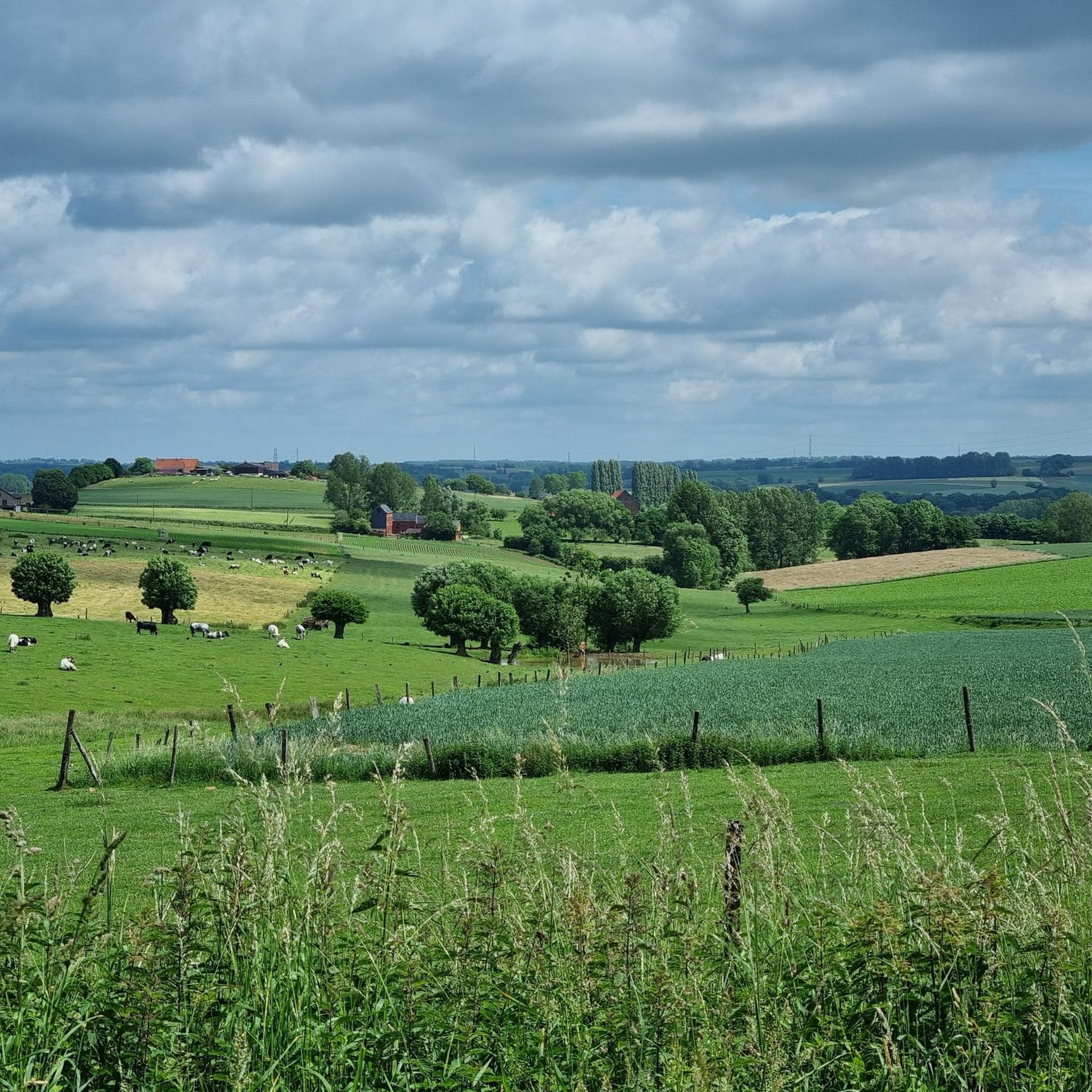
Gravel biking around Braine-Le-Comte offers a diverse landscape characterized by a mix of unpaved country roads, extensive forest trails, and scenic canal paths. The region features varied elevation profiles, from relatively flat sections along waterways to routes with significant gains through woodlands. Notable natural features include the Bois de la Houssière and nearby Hallerbos, providing a rich backdrop for off-road exploration. This blend of surfaces is well-suited for gravel cycling, transitioning between asphalt, dirt, and gravel.
Best gravel bike trails…
Last updated: July 8, 2026
4.5
(4)
15
riders
37.0km
02:22
210m
210m
Moderate gravel ride. Good fitness required. Mostly paved surfaces. Suitable for all skill levels.
5.0
(1)
23
riders
60.1km
04:17
760m
760m
Hard gravel ride. Very good fitness required. You may need to push your bike for some segments of this route.

Sign up for free
5.0
(1)
57
riders
Hard gravel ride. Very good fitness required. You may need to push your bike for some segments of this route.
4.0
(1)
19
riders
Moderate gravel ride. Good fitness required. Mostly paved surfaces. Suitable for all skill levels.
15
riders
42.7km
02:40
250m
250m
Moderate gravel ride. Good fitness required. Mostly paved surfaces. Suitable for all skill levels.
Get access to more routes and recommendations from other explorers.
Sign up for free
Already have an account?
Our route recommendations are based on thousands of hikes, rides, and runs completed by other people on komoot.
Start today with a free account
Your next adventure awaits.
Login or Signup
Tips from the Community


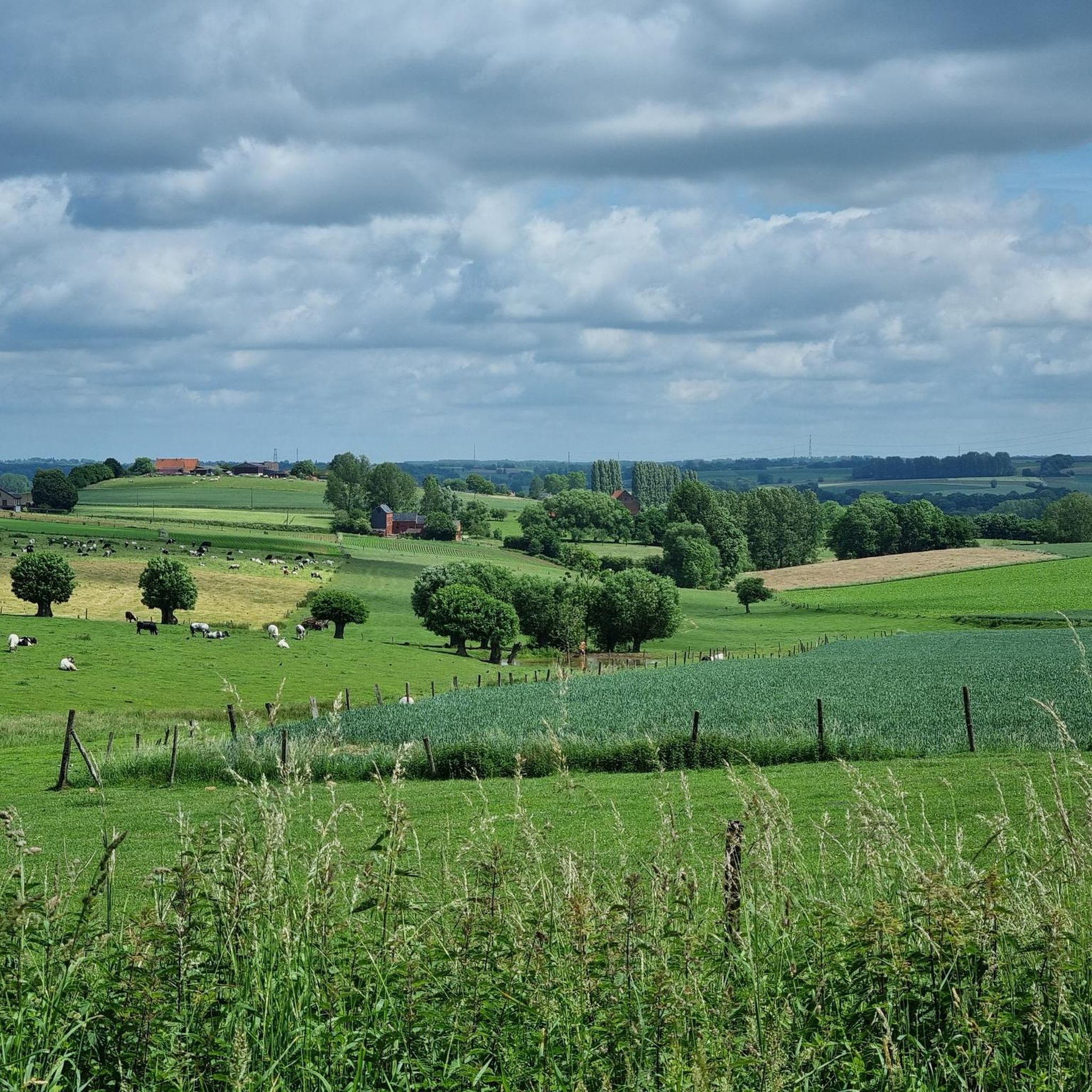
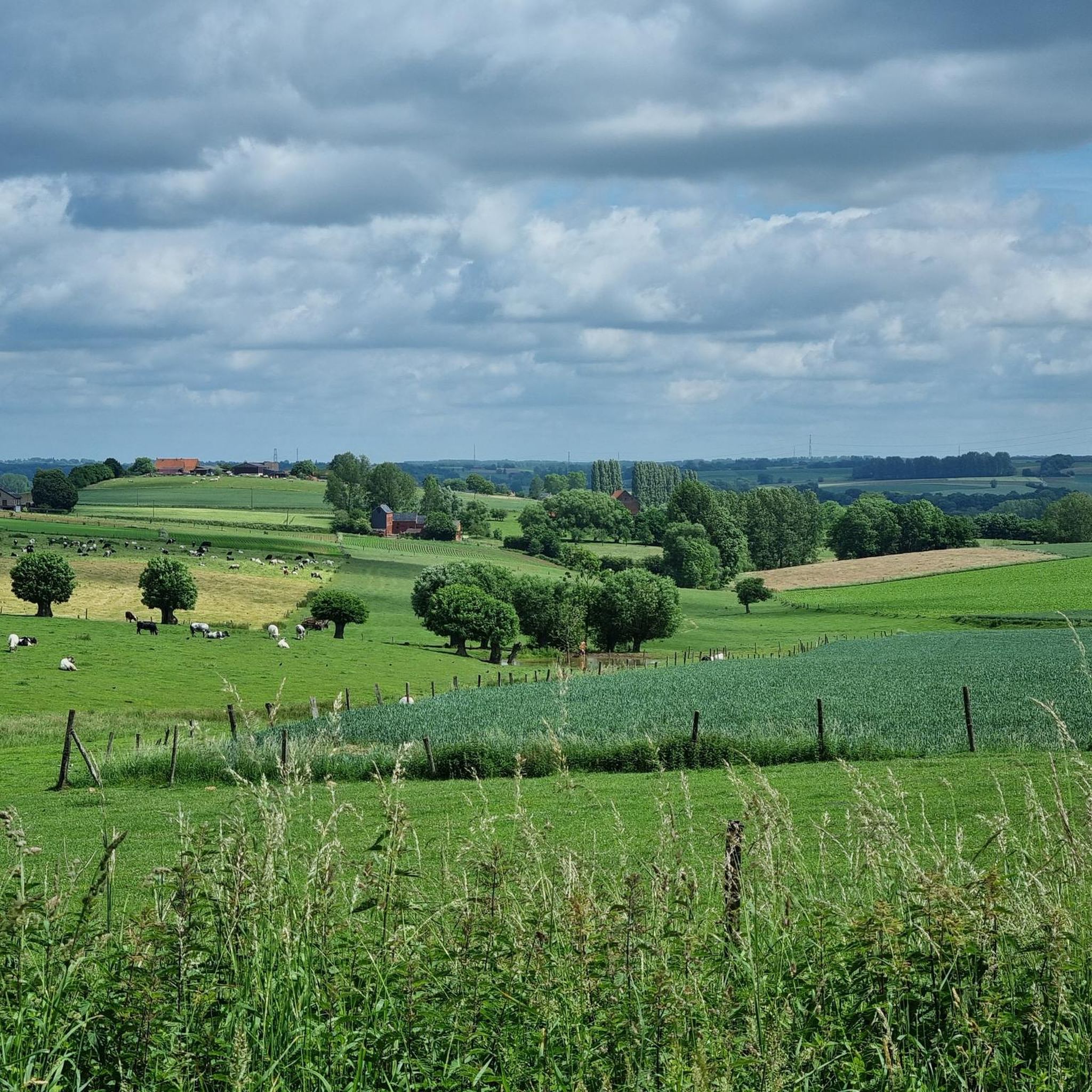
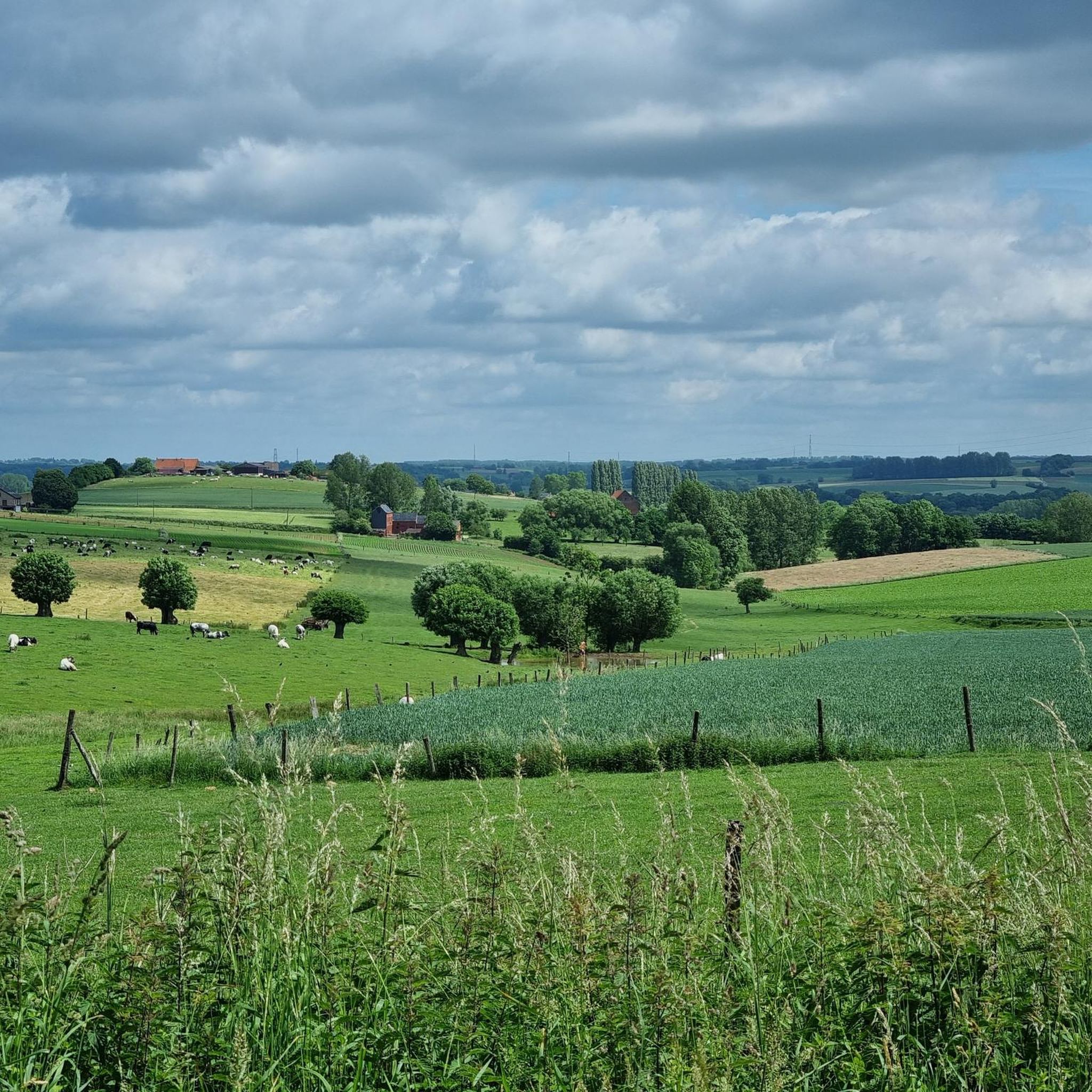
This tour goes for kilometers through the forest. In spring it is beautiful with the hyacinths and wood anemones. In summer nice and cool.
0
0

The Groenendaal racecourse was built in 1888-1889 on the initiative of Leopold II in the middle of the Sonian Forest, next to the road to Waterloo, and in 1892, as part of easy access, it received its own railway connection to Groenendaal station. To realize this racecourse, approximately 100 hectares of forest were cleared at the end of the 19th century. King Leopold II had his own box there, located between two metal grandstands for the public. After the First World War, this area was used for the dismantling of weapons and ammunition left behind in the Westhoek. German prisoners of war had to clear mines under the supervision of the Belgian army. During a fire and the subsequent explosions of ammunition on May 6, 1919, the hippodrome's grandstands and buildings were heavily damaged. After another explosion in November, the ammunition depot was completely dismantled in 1920. Two years later, the racecourse was restored and the grandstands were rebuilt. The royal box for Albert I was not rebuilt until 1924. Its appearance was completely different from the pre-war grandstand. When the current appearance came about is not entirely clear, although the current box is attributed to Albert I in the literature, see also monogram. Inventory of Immovable Heritage: Royal Box and remains of bookmaker's room, https://id.erfgoed.net/erfgoedobjecten/302991
4
0
The Groenendaal racecourse was built in 1888-1889 on the initiative of Leopold II in the middle of the Sonian Forest, next to the road to Waterloo. In 1892, it was given its own rail connection to Groenendaal station as part of a smooth development. To realize this racecourse, about 100 hectares of forest were cleared at the end of the 19th century. King Leopold II had his own box, located between two metal grandstands for the public. After the First World War, this area was used for the dismantling of weapons and ammunition left behind in the Westhoek. German prisoners of war had to clear mines under the supervision of the Belgian army. A fire and subsequent explosions of ammunition on May 6, 1919, heavily damaged the grandstands and buildings of the hippodrome. After another explosion in November, the ammunition depot was completely dismantled in 1920. Two years later, the racecourse was restored and the grandstands were rebuilt. The royal box for Albert I was only rebuilt in 1924. Its appearance was completely different from the pre-war grandstand. When the current appearance came about is not entirely clear, although the current box is attributed to Albert I in the literature, see also monogram. Inventory of Immovable Heritage: Royal Box and remains of bookmaker's office, https://id.erfgoed.net/erfgoedobjecten/302991
4
0

Open grassy area with some benches, ideal for a break on dry days.
3
0

The path is once again passable along its entire length from Ronquières to Ecaussinnes with a beautiful tarmac strip.
0
0

At the marina club, you can enjoy a drink and a small snack, spaghetti, croque monsieur, and more. There's a very pleasant terrace overlooking the canal and the passing boats. Order at the bar with Koen, the owner. Payment can be made in cash or by card.
0
0

The Ronquières inclined plane is a unique boat lift. Built in 1968, it allows barges to overcome a drop of nearly 70 meters thanks to a system of sliding trays. The structure can be observed from the cycle path along the canal.
0
0
Frequently Asked Questions
What kind of terrain can I expect on gravel bike trails around Braine-Le-Comte?
The region offers a diverse mix of terrain, perfect for gravel biking. You'll find well-maintained canal paths, quiet country roads, and unpaved routes. Expect varied elevation profiles, from relatively flat sections along waterways to more challenging climbs through woodlands and forests like the Bois de la Houssière.
Are there many gravel bike routes available in the Braine-Le-Comte area?
Yes, there are nearly 100 gravel bike routes around Braine-Le-Comte listed on komoot. These routes cater to various skill levels, with a good mix of moderate and difficult options, ensuring there's something for every gravel cyclist.
What are some notable natural features or forests I can explore by gravel bike?
The Bois de la Houssière is a significant natural asset, offering extensive forest trails, including gravel and singletrack dirt roads. It's part of the Natura 2000 project, highlighting its ecological importance. Additionally, the nearby Hallerbos (The Bluebell Forest) is renowned for its enchanting bluebell carpet in spring and impressive giant Sequoia trees, also providing gravel and singletrack options.
Are there any family-friendly gravel bike routes in Braine-Le-Comte?
While specific 'family-friendly' routes aren't explicitly categorized, the region's relatively flat canal paths and quieter country roads can be suitable for families. Look for routes with lower elevation gains and shorter distances for a more relaxed experience. The 'Tramway Path – RAVeL Écaussinnes Forest Path loop from Écaussinnes' is a moderate option that could be considered for families seeking a less strenuous ride.
What kind of points of interest or landmarks can I see along the gravel bike trails?
You can encounter a variety of interesting sights. The Ronquières Inclined Plane, an impressive feat of engineering on the Charleroi-Brussels Canal, is a unique landmark. You might also pass by the Ronquières Houseboat Village, tranquil Etangs Martel ponds, or even historic castles like Écaussinnes-Lalaing Castle.
Are there any challenging gravel routes for experienced riders?
Yes, for experienced riders seeking a challenge, routes like the 'Forest Trail Among the Ferns – Ittre Marina loop from Soignies' offer a difficult experience. This 59 km path features significant elevation gains and explores dense forest trails, providing a demanding yet rewarding ride.
What do other gravel bikers say about the trails in Braine-Le-Comte?
The gravel biking routes around Braine-Le-Comte are highly rated by the komoot community, with an average score of 4.6 stars from over 60 reviews. Cyclists often praise the varied terrain, the beauty of the forest trails, and the scenic canal paths that make for engaging rides.
Can I find routes that offer panoramic views of the countryside?
Absolutely. Several routes in the region, particularly those that traverse elevated areas or wind through forests like Bois de la Houssière, offer beautiful panoramic views of the surrounding Wallonian countryside. Keep an eye out for these viewpoints as you plan your ride.
Are there any circular gravel routes available?
Many of the gravel routes in the Braine-Le-Comte area are designed as loops, allowing you to start and finish at the same point. An example is the 'Country road through fields – Drève du Château de Thoricourt loop from Enghien - Edingen', which offers a moderate circular ride through open fields and past historic landmarks.
What is the best time of year for gravel biking in Braine-Le-Comte?
The diverse terrain of Braine-Le-Comte makes it suitable for gravel biking across multiple seasons. Spring and autumn offer pleasant temperatures and beautiful scenery, especially in Hallerbos during bluebell season (mid-April). Summer is also great, though some forest trails might be shadier. Winter riding is possible, but be prepared for potentially muddy or wet conditions on unpaved sections.
Are there any routes that pass by historic castles?
Yes, the region is dotted with historic castles. For instance, the 'Drève du Château de Thoricourt – Château of Thoricourt loop from Soignies' will take you past the historic Château of Thoricourt. You can also find other castles like Ter Rijst Castle Estate and Feluy Castle in the wider area, which can be incorporated into longer rides.
Are there any gravel routes that are particularly good for exploring forests?
The 'Forest Trail Among the Ferns – Technical Forest Descent loop from Braine-le-Comte' is an excellent choice for forest exploration. This moderate route leads directly through the Bois de la Houssière, offering a deep dive into its natural beauty and varied forest paths.
Most popular routes around Braine-Le-Comte
Most popular attractions around Braine-Le-Comte

Get inspired with the komoot mobile app


Explore more
Browse the best Gravel rides in other regions.
