The best gravel rides around Sesto Calende
4.4
(146)
962
riders
66
rides
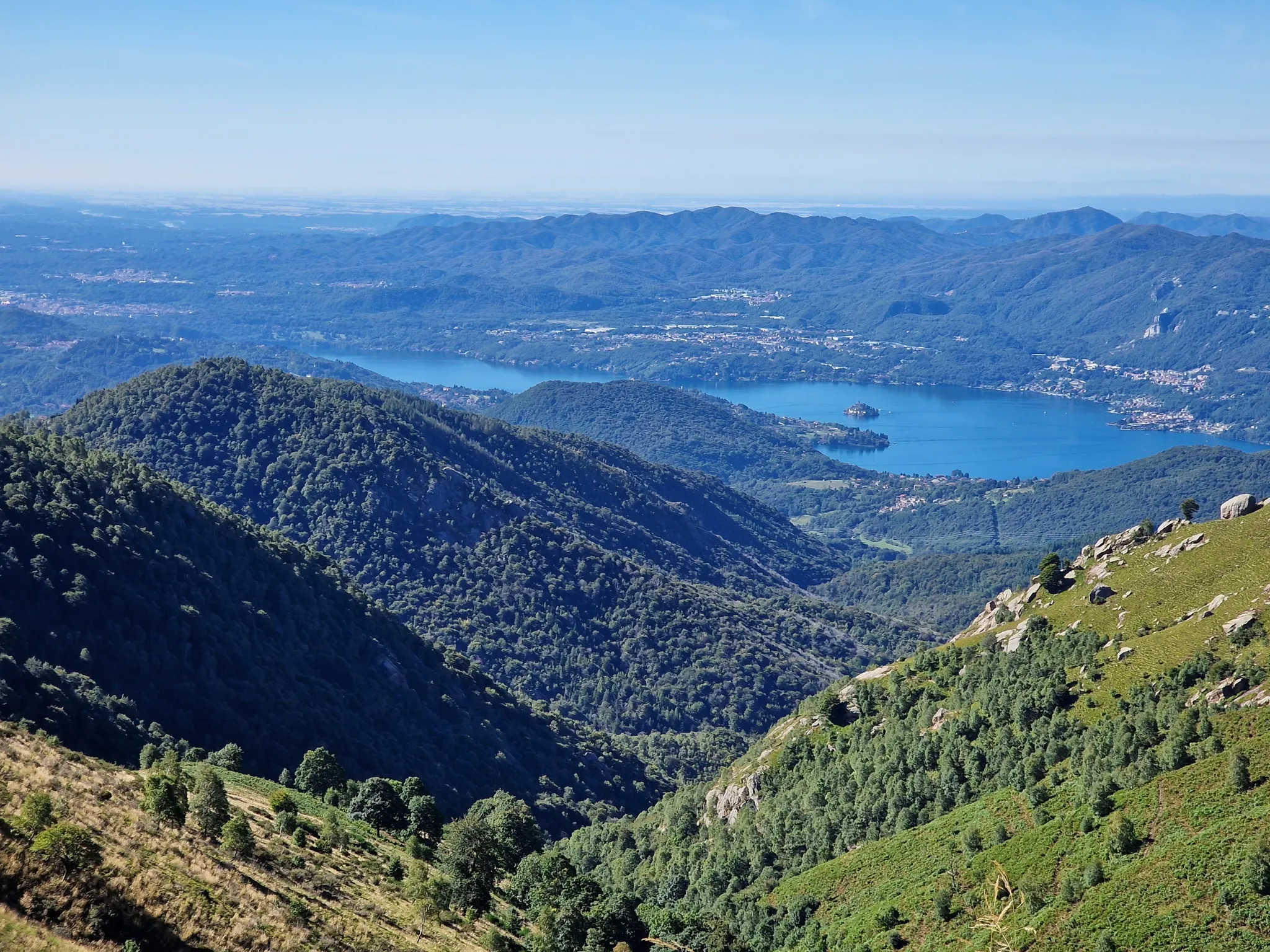
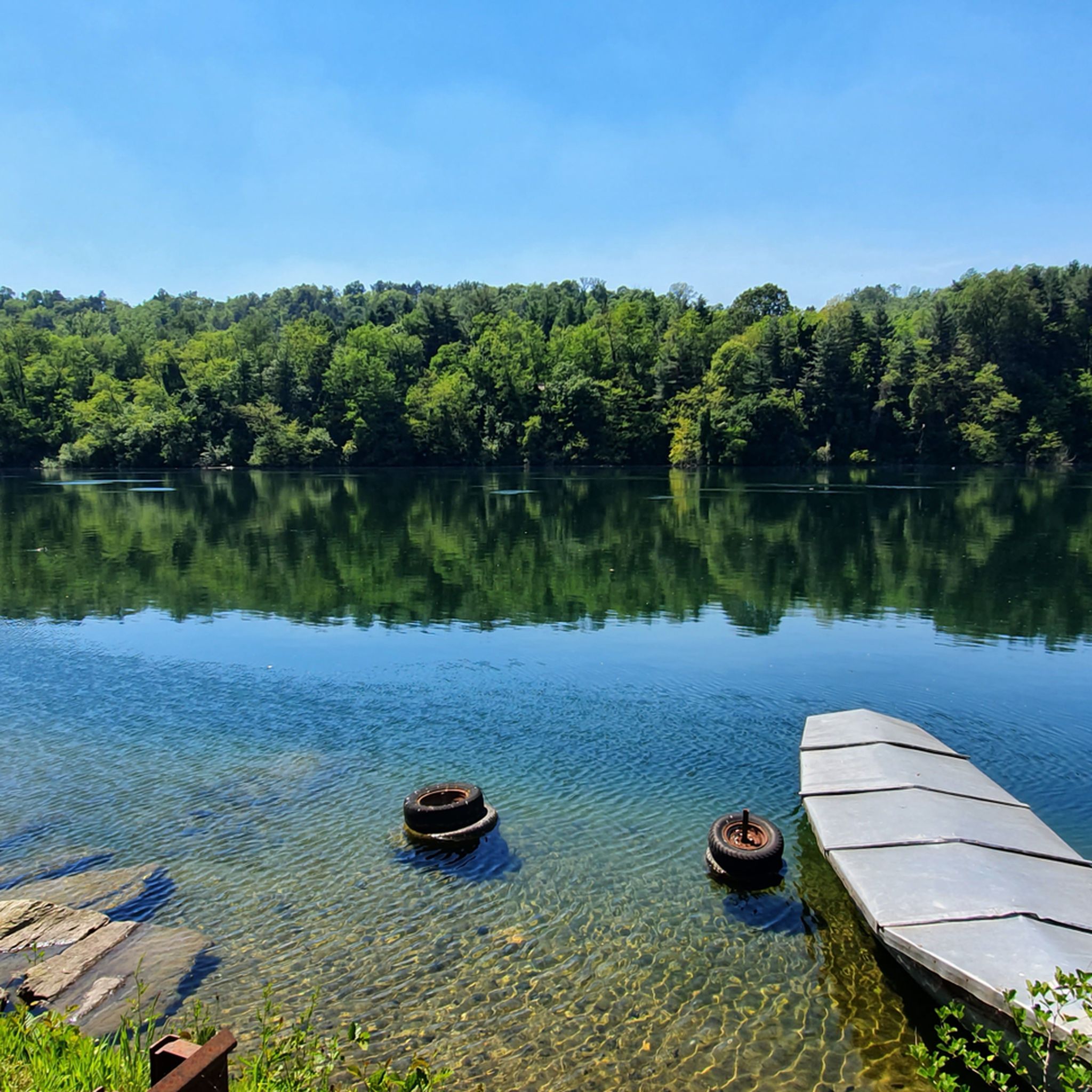
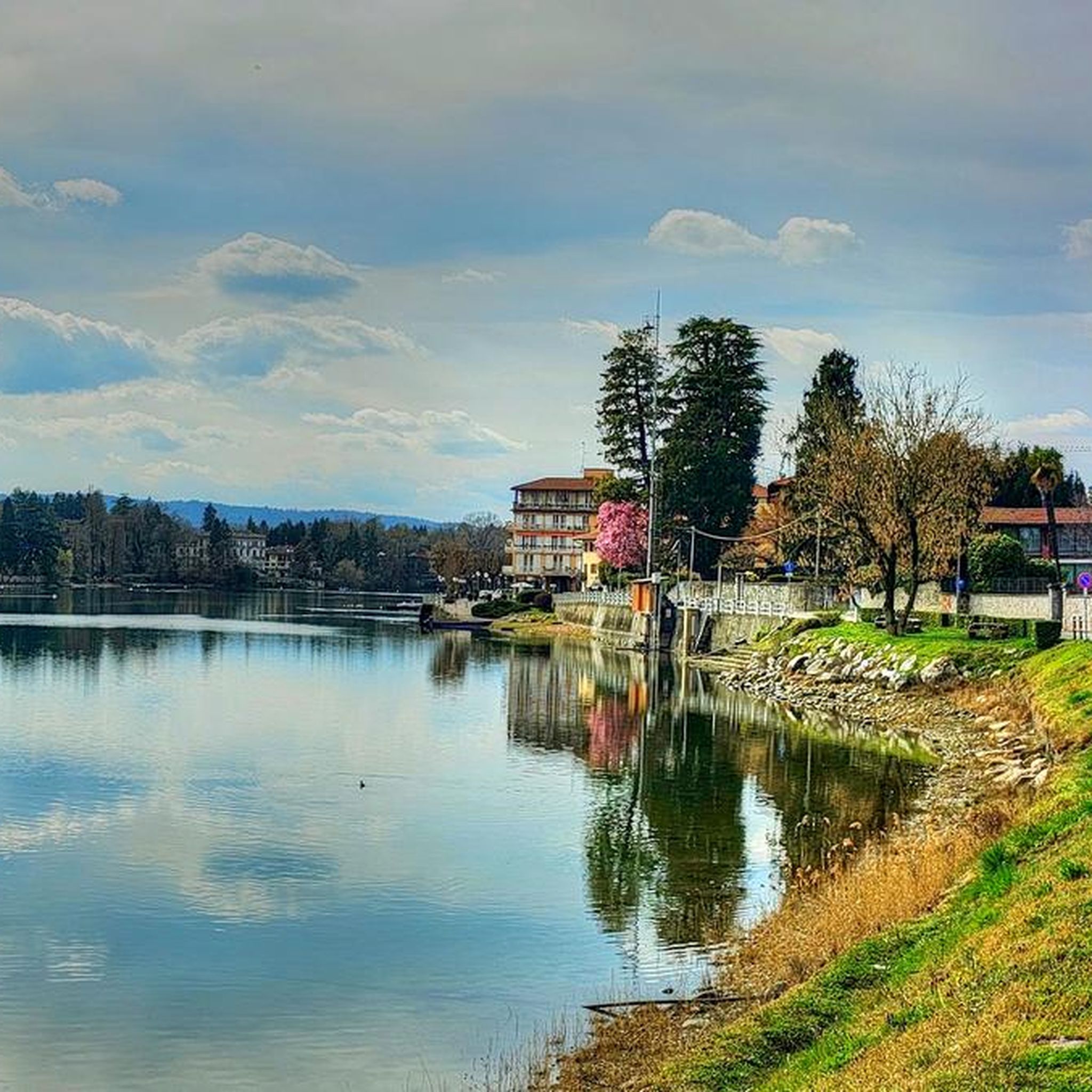
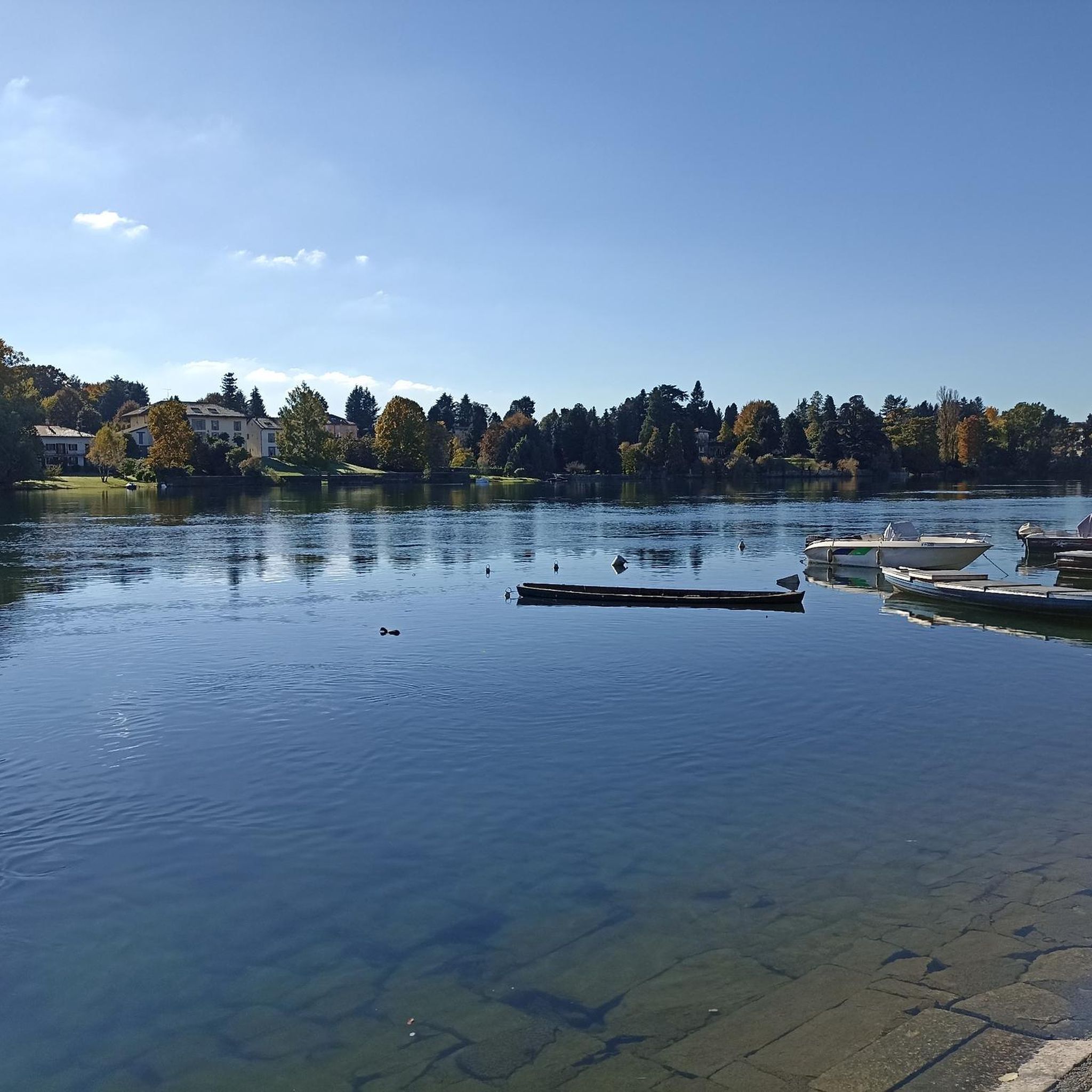
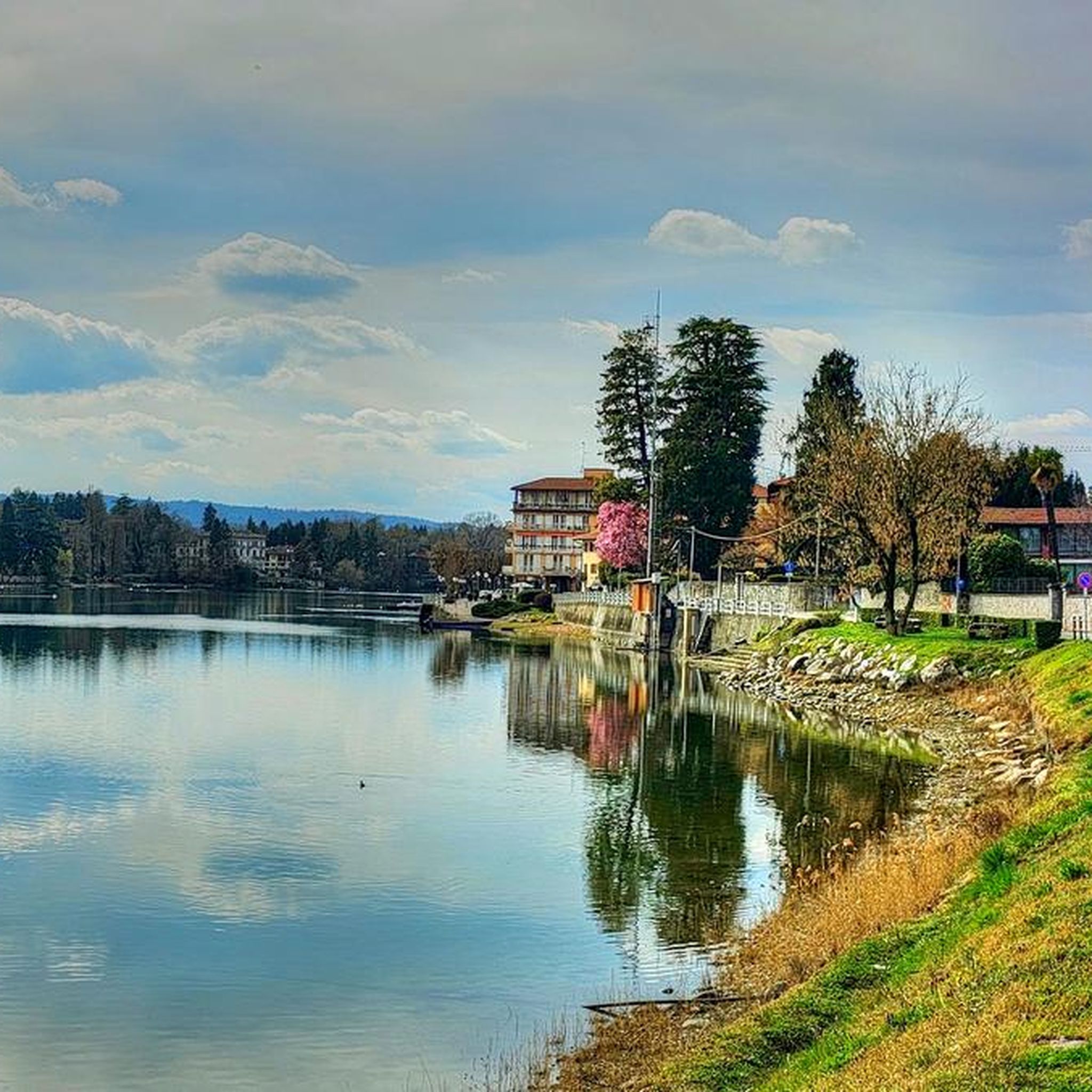
Gravel biking around Sesto Calende offers a varied landscape at the southern end of Lake Maggiore, where the Ticino River flows. The region features a mix of lakeside paths, riverbank trails, and wooded areas, with some routes incorporating rolling hills. This area provides a blend of flat sections suitable for speed and more undulating terrain for varied challenges.
Best gravel bike trails around Sesto Calende
- The most popular gravel bike trail is From castle to hermitage, a 32.6 miles (52.4 km) trail that takes about 5 hours 16 minutes to complete. This challenging route connects historical sites with scenic views.
- Another top favourite among local gravel bikers is Two lakes Tour, a challenging 27.8 miles (44.7 km) path. This route offers diverse terrain along the shores of two distinct lakes.
- Local gravel bikers also love the Lake Maggiore Family Tour, a 13.7 miles (22.0 km) trail leading through lakeside promenades and green spaces, often completed in about 2 hours 6 minutes.
- Gravel biking around Sesto Calende is defined by lakeside paths, riverbank trails, and wooded areas. The network offers options for different ability levels, from more accessible routes to challenging climbs.
- The routes in Sesto Calende are highly rated by the komoot community with an average score of 4.4 stars from nearly 100 reviews. More than 700 gravel bikers have used komoot to explore Sesto Calende's varied terrain.
Last updated: July 3, 2026
4.5
(2)
11
riders
44.7km
04:48
620m
630m
Hard gravel ride. Very good fitness required. You may need to push your bike for some segments of this route.
4.5
(2)
6
riders
22.0km
02:06
120m
120m
Hard gravel ride. Good fitness required. You may need to push your bike for some segments of this route.

Sign up for free
4.9
(19)
128
riders
59.3km
03:43
280m
280m
Moderate gravel ride. Good fitness required. Mostly paved surfaces. Suitable for all skill levels.
2.8
(6)
28
riders
Hard gravel ride. Good fitness required. You may need to push your bike for some segments of this route.
4.5
(2)
20
riders
55.9km
04:27
1,270m
1,270m
Hard gravel ride. Very good fitness required. Mostly paved surfaces. Suitable for all skill levels.
Get access to more routes and recommendations from other explorers.
Sign up for free
Already have an account?
Our route recommendations are based on thousands of hikes, rides, and runs completed by other people on komoot.
Start today with a free account
Your next adventure awaits.
Login or Signup
Other adventures around Sesto Calende

Tips from the Community

The Villoresi Canal begins at the Panperduto Dam, a historic and imposing hydraulic junction located in the municipality of Somma Lombardo (VA), where the canal draws its waters from the Ticino river.
0
0

Splendid little town on the Piedmontese side of Lake Maggiore.
0
0

the view is always fascinating!
2
0
Stop for a few minutes to enjoy the view...truly relaxing!
0
0

It was a late 19th-century engineer, Eugenio Villoresi, son of the director of the gardens of Villa Reale in Monza, who envisioned extending the irrigation of the fields upstream from this imaginary line. He therefore designed a long canal connecting Lake Maggiore to the Adda River, using its waters to distribute, for a fee, to all the fields between the canal and the fountain line. Obtaining the government concession and securing the project's financing was certainly no easy feat; Villoresi did not see its completion, which took place in 1890, 11 years after his death.
2
0

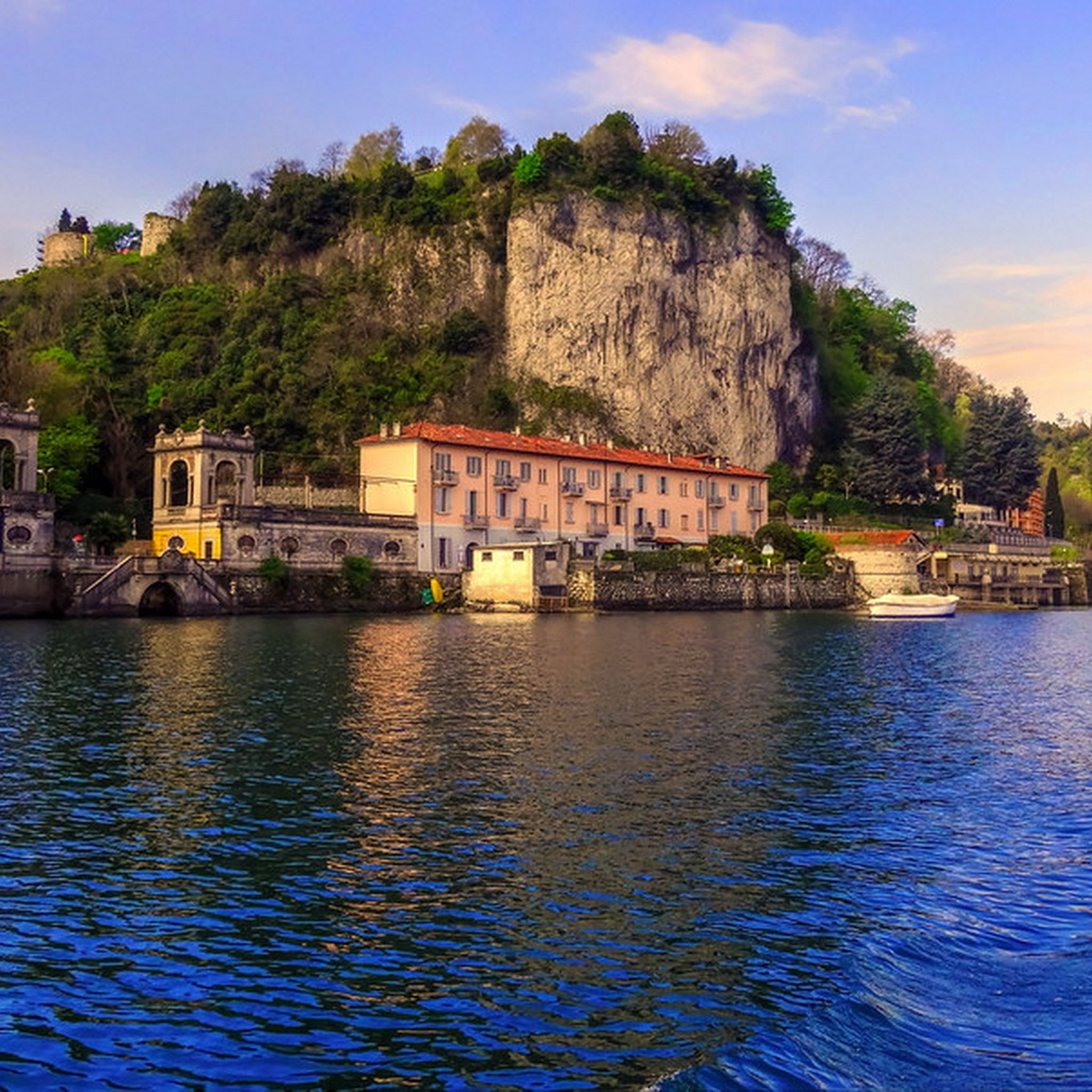
Santa Caterina del Sasso, Leggiuno Santa Caterina del Sasso Ballaro (actually Eremo di Santa Catarina del Sasso Ballara) was originally a hermitage. It is now located in the Italian municipality of Leggiuno in the province of Varese. In the 13th century, Dominicans converted the building into a monastery. This is a destination for many pilgrimages. It is located directly on Lake Maggiore and, like many former hermitages, is built on a rock in a location that is difficult to access. Construction began in the early 13th century, but the main work dates back to around 1300/1320. The core of the complex is the small church dedicated to St. Catherine of Alexandria. The nickname "del sasso" means that the building stands on a rock; "Sasso Ballaro" refers to a rockslide in 1640 that caused significant damage. "Sasso ballaro" roughly translates as "wobbly rock." According to tradition, the merchant Alberto Besozzi founded the monastery after he had successfully survived a shipwreck on the lake. He later became a hermit and is buried in the church. In 1230, Dominicans built the small convent and oratory. Around 1450, additional staircases were added to connect the individual parts of the building. In the following centuries, the monastery was rebuilt and expanded several times to accommodate the growing number of pilgrims. The 14th-century church tower is still Romanesque. The Renaissance decorations on the current façade date from the 15th century, the numerous frescoes in the former refectory, the arcade, and the church date from the 14th to 17th centuries, and the paintings in the church are Baroque. Due to the steep slope and the difficult subsoil, the interior of the church is shaped to follow the curve of the mountain. It is richly frescoed, although moisture damage has destroyed significant portions of the paintings. The frescoes date primarily from the 16th century and were further enhanced with floral motifs in the 17th century. At the center of the church stands the sarcophagus of the founder, the hermit Alberto. In the courtyard separating the church from the convent building stands an old wine press dating from 1769. Text / Source: Province of Varese - Piazza Libertà No. 1 - 21100 Varese http://www.santacaterinadelsasso.com/
12
0
The Santa Caterina del Sasso church impresses with its unique construction. When visiting the sanctuary, you will encounter three buildings that make up the entire structure: the southern cloister, the small cloister, and finally the church, which houses the body of St. Besozzi and the Chapel of St. Catherine. The southern cloister was built in 1300 and renovated in 1624 by Prior Giulio Cesare Martignoni after part of the old wooden structure collapsed into the lake. It is accessed through an archway supported by slender granite columns. The small cloister is located opposite the courtyard where a large wine press stands. Text / Source: Lago-Maggiore.de https://www.lago-maggiore.de/ausflugsziele/kloster-santa-caterina-del-sasso.html
14
0
The Hermitage - Santa Caterina del Sasso, Leggiuno The Hermitage of Santa Caterina del Sasso is situated on a cliff overlooking the lake and is undoubtedly one of the most impressive settings on Lake Maggiore. Access to the church is via a portico consisting of four rounded arches with a Renaissance imprint. The current building has a truly unique structure, the result of the merging of three chapels that were originally distinct and built in different eras. In front of and inside the church are numerous pictorial cycles dating from the 14th to the 19th century. Art and history are magnificently integrated into one of the most evocative natural landscapes, almost like a balcony jutting out towards the Borromean Gulf, Stresa, and the islands. Upon entering the hermitage, one first encounters the southern cloister (14th-17th centuries), with interesting frescoes in the fireplace room, then the convent (13th century), decorated with a long 17th-century fresco inspired by the Dance of Death just below the first-floor windows, and finally the church, which houses the Chapel of Santa Caterina. Text / Source: Province of Varese - Piazza Libertà No. 1 - 21100 Varese http://www.santacaterinadelsasso.com/eremo
14
0
Frequently Asked Questions
How many gravel bike trails are available around Sesto Calende?
Sesto Calende offers a wide selection of gravel bike trails, with over 80 routes available. These range from easy rides to more challenging adventures, catering to various skill levels.
Are there easy gravel bike trails suitable for beginners in Sesto Calende?
Yes, Sesto Calende has several easy gravel bike trails perfect for beginners. These routes often feature flat sections along the lakeside or riverbanks. For a gentle introduction, consider the Lake Maggiore Family Tour, which is 13.7 miles (22.0 km) long and leads through pleasant lakeside promenades.
What are some challenging gravel bike routes near Sesto Calende?
For those seeking a challenge, Sesto Calende offers routes with more significant elevation changes and longer distances. The From castle to hermitage route is a demanding 32.6 miles (52.4 km) journey connecting historical sites with scenic views. Another challenging option is the Two lakes Tour, a 27.8 miles (44.7 km) path with diverse terrain.
Are there any family-friendly gravel biking options in Sesto Calende?
Absolutely. The region is well-suited for family outings, especially along the shores of Lake Maggiore and the Ticino River. The Lake Maggiore Family Tour is specifically designed for a relaxed experience, offering lakeside promenades and green spaces suitable for all ages.
Can I find long-distance gravel bike routes in the Sesto Calende area?
Yes, Sesto Calende provides options for longer gravel bike adventures. A notable long-distance route is the Panperduto Dam – Start of the Villoresi Canal loop from Sesto Calende, which spans approximately 49 miles (78.9 km) and offers a substantial ride along the canal.
Are there circular gravel bike routes around Sesto Calende?
Many of the gravel routes in Sesto Calende are designed as loops, allowing you to start and finish in the same location. The Panperduto Dam – Start of the Villoresi Canal loop from Sesto Calende is a great example of a longer circular route, offering a comprehensive tour of the area.
What kind of attractions or landmarks can I see along the gravel bike trails?
The gravel bike trails around Sesto Calende often pass by historical and natural points of interest. You can explore various castles, such as the Visconti Castle of San Vito or the impressive Rocca di Angera. The routes also offer scenic views of Lake Maggiore and the Ticino River, with opportunities to discover charming lakeside towns.
What do other gravel bikers say about the trails in Sesto Calende?
The gravel biking trails in Sesto Calende are highly regarded by the komoot community, boasting an average rating of 4.4 stars from nearly 100 reviews. Riders frequently praise the diverse landscape, which includes a mix of lakeside paths, riverbank trails, and wooded areas, as well as the well-maintained surfaces suitable for gravel bikes.
When is the best time of year to go gravel biking in Sesto Calende?
The best time for gravel biking in Sesto Calende is generally from spring through autumn (April to October). During these months, the weather is mild and pleasant, making for ideal riding conditions. Spring offers lush greenery, while autumn provides beautiful foliage, especially along the wooded sections of the trails.
Is it possible to go gravel biking in Sesto Calende during winter?
Gravel biking in Sesto Calende during winter is possible, especially on the flatter, well-maintained sections along the lake and river. However, be prepared for colder temperatures and potentially wet or muddy conditions, particularly in wooded areas. Always check local weather forecasts and trail conditions before heading out.
Are there places to stop for refreshments or cafes along the gravel bike trails?
Many gravel bike routes in Sesto Calende pass through or near charming towns and villages along Lake Maggiore and the Ticino River. These areas often have cafes, restaurants, and small shops where you can stop for refreshments, snacks, or a meal. Planning your route with komoot allows you to identify such points of interest beforehand.
Where can I find parking for gravel biking in Sesto Calende?
Sesto Calende and the surrounding towns offer various parking options, especially near popular starting points for trails, lakeside promenades, and public parks. Look for designated parking areas in town centers or near major attractions. It's advisable to check specific parking availability for your chosen starting point before your ride.
Can I access gravel bike trails in Sesto Calende using public transport?
Sesto Calende is well-connected by public transport, particularly by train, making it accessible for gravel bikers. The train station in Sesto Calende is centrally located, allowing easy access to many routes. Some local bus services might also accommodate bikes, but it's best to verify this with the specific transport provider in advance.
Most popular routes around Sesto Calende
Most popular attractions around Sesto Calende

Get inspired with the komoot mobile app


Explore more
Browse the best Gravel rides in other regions.
