The best gravel rides around Mirano
4.4
(1278)
8,276
riders
118
rides
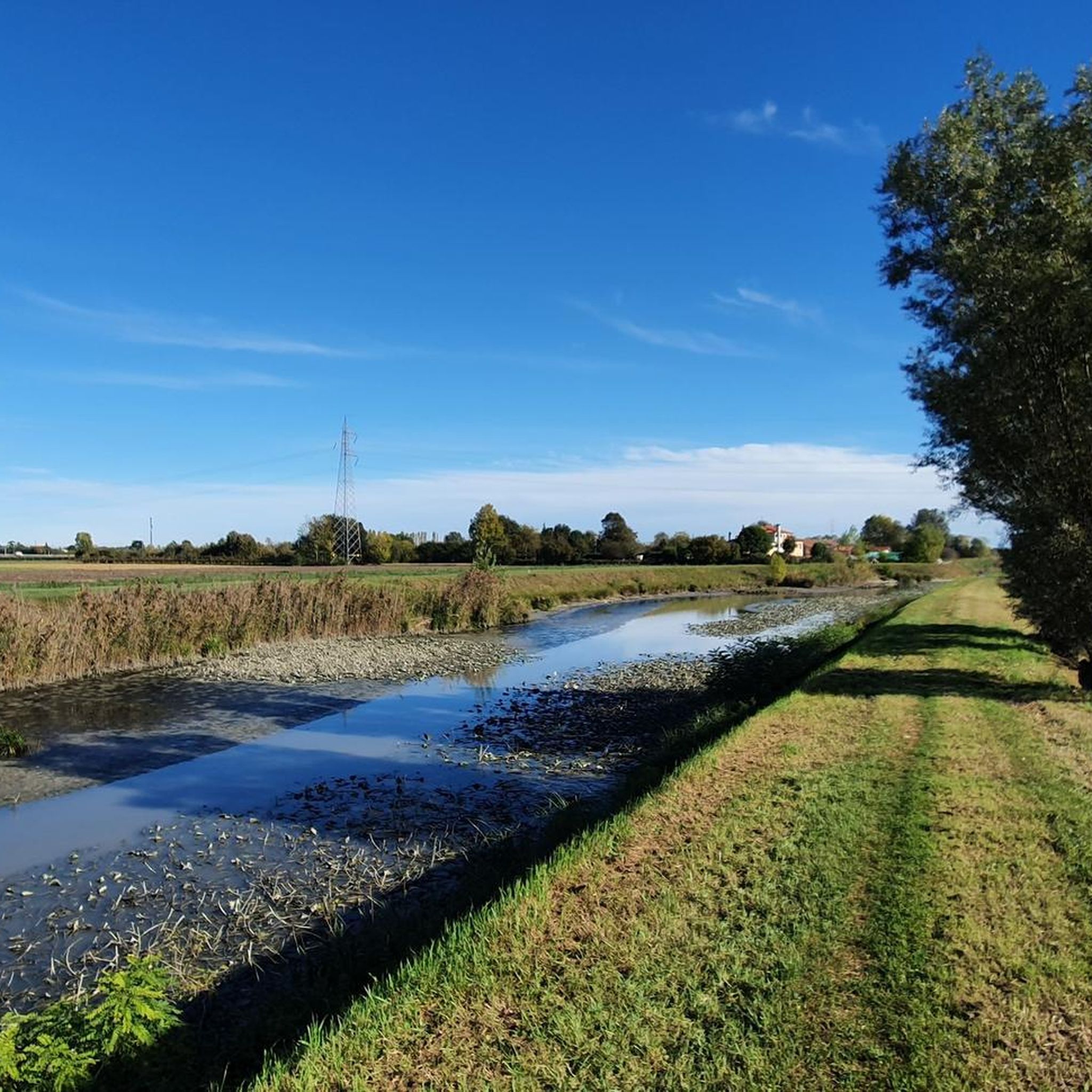
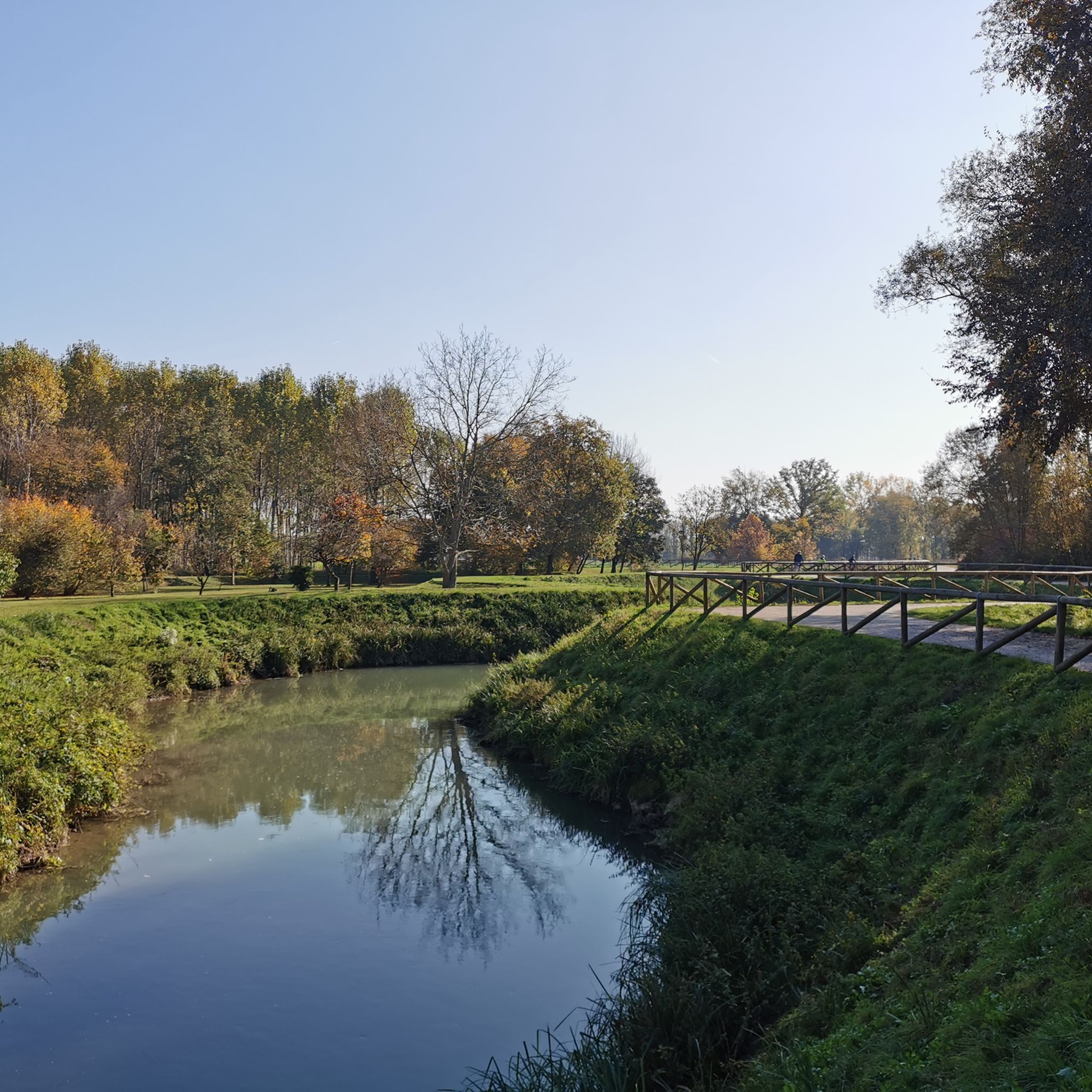
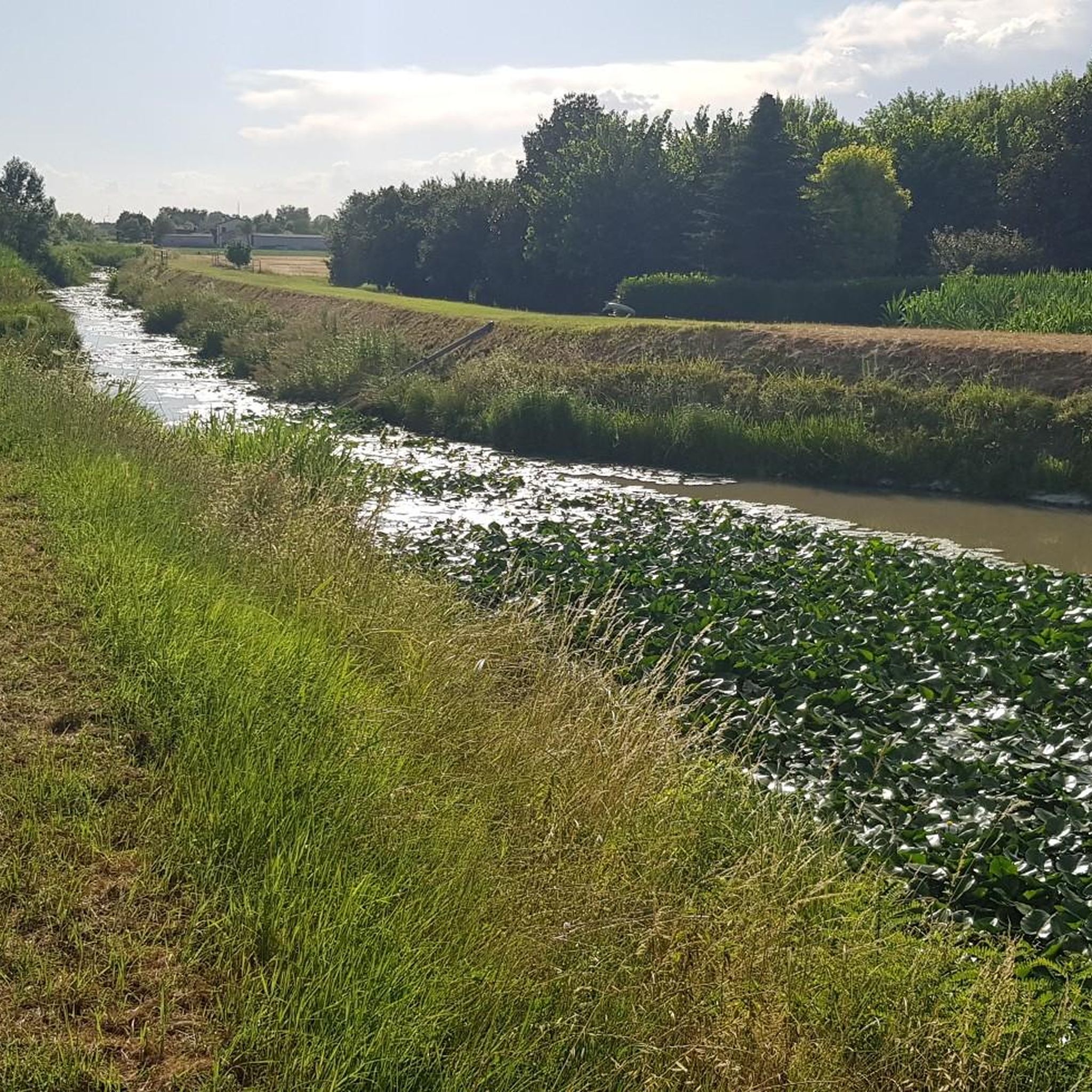
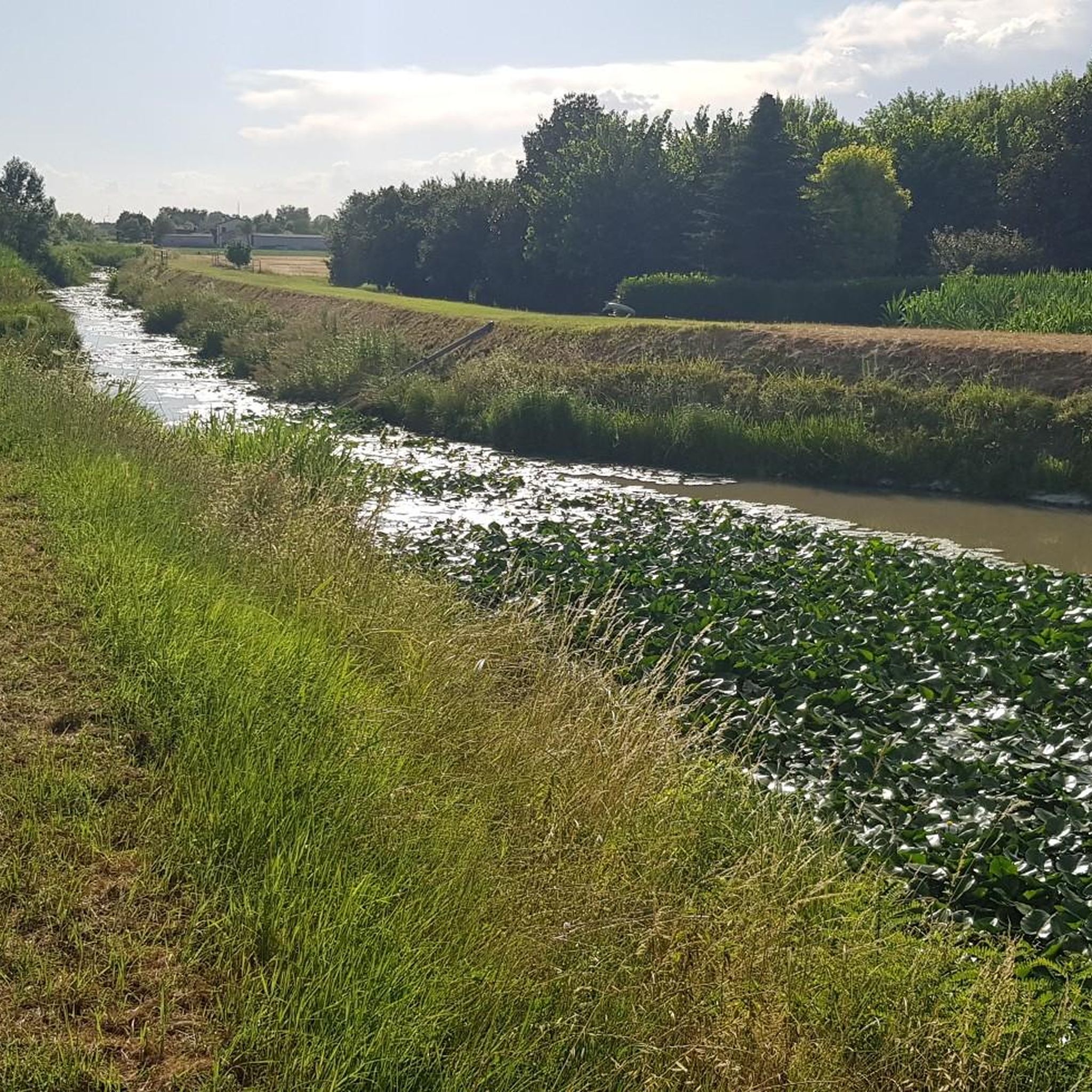
Gravel biking around Mirano offers a diverse landscape characterized by flat river paths, scenic embankments, and a network of historical waterways. The region, part of the Veneto plains, features low-traffic roads and unpaved sections ideal for gravel bikes. This terrain provides access to broader regional cycling routes, including those along the Brenta and Muson rivers, and through resurgence landscapes.
Best gravel bike trails around Mirano
- The most popular gravel bike trail is Brenta River Cycle Path – Brenta Canal lock…
Last updated: July 8, 2026
4.6
(12)
111
riders
55.4km
03:02
70m
70m
Moderate gravel ride. Good fitness required. Mostly paved surfaces. Suitable for all skill levels.
4.7
(3)
59
riders
81.5km
04:43
110m
110m
Moderate gravel ride. Good fitness required. Mostly paved surfaces. Suitable for all skill levels.

Sign up for free
4.6
(7)
74
riders
Moderate gravel ride. Good fitness required. Mostly paved surfaces. Suitable for all skill levels.
4.7
(7)
47
riders
Moderate gravel ride. Good fitness required. Mostly paved surfaces. Suitable for all skill levels.
4.3
(14)
58
riders
24.9km
01:10
30m
30m
Easy gravel ride. Great for any fitness level. Mostly paved surfaces. Suitable for all skill levels.
Get access to more routes and recommendations from other explorers.
Sign up for free
Already have an account?
Our route recommendations are based on thousands of hikes, rides, and runs completed by other people on komoot.
Start today with a free account
Your next adventure awaits.
Login or Signup
Tips from the Community

Mira is a municipality in the metropolitan city of Venice, located along the Riviera del Brenta, a territory historically famous as a holiday resort for the Venetian nobility. The indissoluble bond with water characterizes the entire urban landscape, crossed by the Naviglio del Brenta and embellished with extraordinary patrician villas. Among these stands out the famous Villa Foscari, known as "La Malcontenta", an architectural masterpiece designed by Andrea Palladio and included in the UNESCO World Heritage. In addition to its extraordinary historical-artistic richness, Mira boasts significant economic importance due to its historic chemical and industrial hub, developed in the twentieth century near Porto Marghera. Today, the town combines the memory of villa civilization, its strategic proximity to the Venetian lagoon, and a vibrant productive reality, positioning itself as a crucial cultural and economic hub in the territory.
0
0
The Parco dei Laghetti di Martellago is a 54-hectare naturalistic oasis born from the environmental redevelopment of former sand and clay quarries. Located between Martellago and Maerne, it represents one of the main green lungs of the Venetian mainland. The area develops around four main bodies of water, which today host a rich ecosystem of protected flora and fauna, with tree species typical of wetlands and numerous wild birds, also monitored with the support of the WWF. Equipped with flat paths ideal for jogging, walking, and cycling tourism, the park includes equipped areas for picnics, children's play areas, and a refreshment point. With access from Via Fornace and Via Ca' Bembo, it is an ideal destination for leisure and relaxation, easily accessible and integrated into local cycle paths.
0
0
The former Badoere-Levada station is a fundamental stop on the Ostiglia-Treviso Cycle Route, located at a point where railway history meets one of the most unique architectures in the Veneto region. The structure reflects the typical style of the stations on the line, originally designed for strategic and commercial purposes, and today converted to welcome the flow of cycle tourists crossing the plain. A short distance from the route lies the famous Rotonda di Badoere, one of the most spectacular barchesse (rural mansions) in the region, which with its circular shape embraces the public space. The proximity between the former railway line and this eighteenth-century masterpiece makes the Badoere-Levada stop a perfect blend of the recovery of twentieth-century infrastructure and the enhancement of rural historical heritage.
2
0

The old Badoere railway station on the Treviso-Ostiglia cycle path.
1
0
The first section of the Treviso-Ostiglia cycle path entering the province of Padua.
0
0
The Treviso-Ostiglia cycle path is an exceptional example of railway reconversion, born on the route of a 20th-century military line. With its approximately 118 kilometers, it crosses the Veneto region up to Lombardy, offering a flat path immersed in greenery. The route allows you to cycle in complete safety away from cars, passing from the Sile Park to the vast expanses of the Po Valley. The charm of the journey is enhanced by the old stations and railway houses that dot the way, witnesses of an industrial past perfectly integrated into nature. Thanks to its well-maintained surface, it is an ideal destination for families and cycle tourists who wish to discover historic villages and river oases, concluding the itinerary at the gates of Mantua, on the banks of the Po River.
2
0
The Treviso-Ostiglia cycle path is an exceptional example of railway reconversion, born on the track of a 20th-century military line. With its approximately 118 kilometers, it crosses the Veneto region to Lombardy, offering a flat route immersed in greenery. The route allows you to cycle in complete safety away from cars, passing from the Parco del Sile to the vast expanses of the Po Valley. The charm of the journey is enhanced by the old stations and railway houses that dot the path, witnesses of an industrial past perfectly integrated into nature. Thanks to its well-maintained surface, it is an ideal destination for families and cycle tourists who wish to discover historic villages and river oases, concluding the itinerary at the gates of Mantua, on the banks of the Po.
1
0
Il Mulino Cosma, in Martellago, is a symbol of the milling evolution along the Dese. Founded in the 19th century, it distinguishes itself from neighboring mills by transforming tradition into a cutting-edge industrial activity, specializing in flour and animal feed. Located within the river park, it represents a perfect blend of productive archaeology and natural landscape. It is a fundamental stop for those exploring the cycle-pedestrian routes to discover Venetian roots.
2
0
Frequently Asked Questions
How many gravel biking routes are available around Mirano?
Mirano offers a wide selection of gravel biking routes, with over 240 tours available. These range in difficulty from easy to difficult, ensuring options for various skill levels.
What kind of terrain can I expect on gravel bike trails near Mirano?
The terrain around Mirano is characterized by a diverse mix of flat river paths, scenic embankments, and a network of historical waterways. You'll encounter low-traffic roads and unpaved sections, particularly along rivers like the Brenta and Muson, and through unique resurgence landscapes. The region's flat plains also offer smooth riding.
Are there any family-friendly gravel biking routes in Mirano?
Yes, Mirano has options suitable for families. Many of the routes along river embankments and dedicated cycle paths are relatively flat and offer a pleasant experience. While specific 'family-friendly' routes aren't explicitly categorized, the overall flat nature of the region and the presence of cycle paths make it accessible for riders of varying ages and abilities.
What are some notable landmarks or attractions I can see along the gravel trails?
Many routes in Mirano pass by significant historical and natural attractions. For instance, the Villa Pisani, Stra – Villa Pisani loop from Mira-Mirano explores the Brenta Riviera, known for its impressive Venetian villas like Villa Pisani, Stra. You can also find highlights like the Four Mills Cycle and Pedestrian Path and the Tergola Riverbank Trail, which offer scenic views and historical context.
Are there any circular gravel bike routes available?
Yes, many of the gravel routes around Mirano are designed as loops. For example, the Brenta River Cycle Path – Brenta Canal lock in Stra loop from Dolo and the Todari Mill – Martellago Lakes loop from Dolo are popular circular options, allowing you to start and end at the same point.
What is the best time of year for gravel biking in Mirano?
The months of September and October are particularly popular for cycling in the Mirano area due to favorable weather conditions. However, the region's diverse landscapes can be enjoyed throughout much of the year, with spring and early summer also offering pleasant riding experiences.
Are there any routes that pass through natural reserves or parks?
Absolutely. The Todari Mill – Martellago Lakes loop from Dolo leads through the flat landscape of Parco Laghetti Martellago, a nature reserve offering a peaceful setting with trails through small lakes. Additionally, the WWF Cave di Noale Oasis is another natural monument in the vicinity.
What do other gravel bikers enjoy most about the routes in Mirano?
The gravel biking routes in Mirano are highly rated by the komoot community, with an average score of 4.4 stars from over 1,500 reviews. Riders often praise the diverse landscape, the blend of historical waterways and natural scenery, and the well-maintained paths along river embankments that offer a unique cycling experience.
Can I find routes that are more challenging for experienced gravel bikers?
While many routes are moderate, Mirano also offers more challenging options. For instance, the Park of Thoughts – Cyclopedestrian Bridge over the Muson loop from Dolo is rated as difficult, providing a longer ride with more elevation gain for those seeking a greater challenge. The region's extensive network includes routes with varying unpaved and difficult segments.
Are there any routes that follow historical waterways or canals?
Yes, the region is rich in historical waterways. The Brenta River Cycle Path – Brenta Canal lock in Stra loop from Dolo follows the historical Brenta River, famous for its Venetian villas. The Dese River also features a cycle/pedestrian path that offers an immersive experience into a typical resurgence landscape, connecting to a 'path of the mills'.
What are the typical distances and durations for gravel rides in Mirano?
Gravel rides in Mirano vary significantly. Moderate routes like the Villa Pisani, Stra – Park of Thoughts loop from Dolo can be around 42 miles (68 km) and take about 4 hours 30 minutes. Longer, more challenging routes, such as the Park of Thoughts – Cyclopedestrian Bridge over the Muson loop from Dolo, can extend to over 52 miles (84 km) and take more than 6 hours to complete.
Most popular attractions around Mirano

Get inspired with the komoot mobile app


Explore more
Browse the best Gravel rides in other regions.
