The best gravel rides around Pisano
4.4
(58)
390
riders
31
rides
Gravel biking around Pisano offers diverse landscapes between Pisa and Lucca, characterized by hilly reliefs and peaks up to 917 meters, such as Mount Serra. The region features a network of "strade bianche" and dirt roads, winding through terraced olive groves, chestnut groves, and Mediterranean forests. Cyclists can navigate varied terrains, from gentle ascents to sections with loose gravel, often providing views towards the Tyrrhenian coast.
Best gravel bike trails around Pisano
- The most popular gravel bike trail is From…
Last updated: July 3, 2026
4.5
(2)
6
riders
22.0km
02:06
120m
120m
Hard gravel ride. Good fitness required. You may need to push your bike for some segments of this route.
4.8
(6)
57
riders
34.7km
02:55
1,230m
1,230m
Hard gravel ride. Very good fitness required. Mostly paved surfaces. Suitable for all skill levels.

Sign up for free
5.0
(5)
40
riders
46.7km
03:45
1,370m
1,370m
Hard gravel ride. Very good fitness required. You may need to push your bike for some segments of this route.
4.5
(2)
20
riders
55.9km
04:27
1,270m
1,270m
Hard gravel ride. Very good fitness required. Mostly paved surfaces. Suitable for all skill levels.
4.3
(4)
28
riders
50.8km
03:57
1,490m
1,490m
Hard gravel ride. Very good fitness required. You may need to push your bike for some segments of this route.
Get access to more routes and recommendations from other explorers.
Sign up for free
Already have an account?
Our route recommendations are based on thousands of hikes, rides, and runs completed by other people on komoot.
Start today with a free account
Your next adventure awaits.
Login or Signup
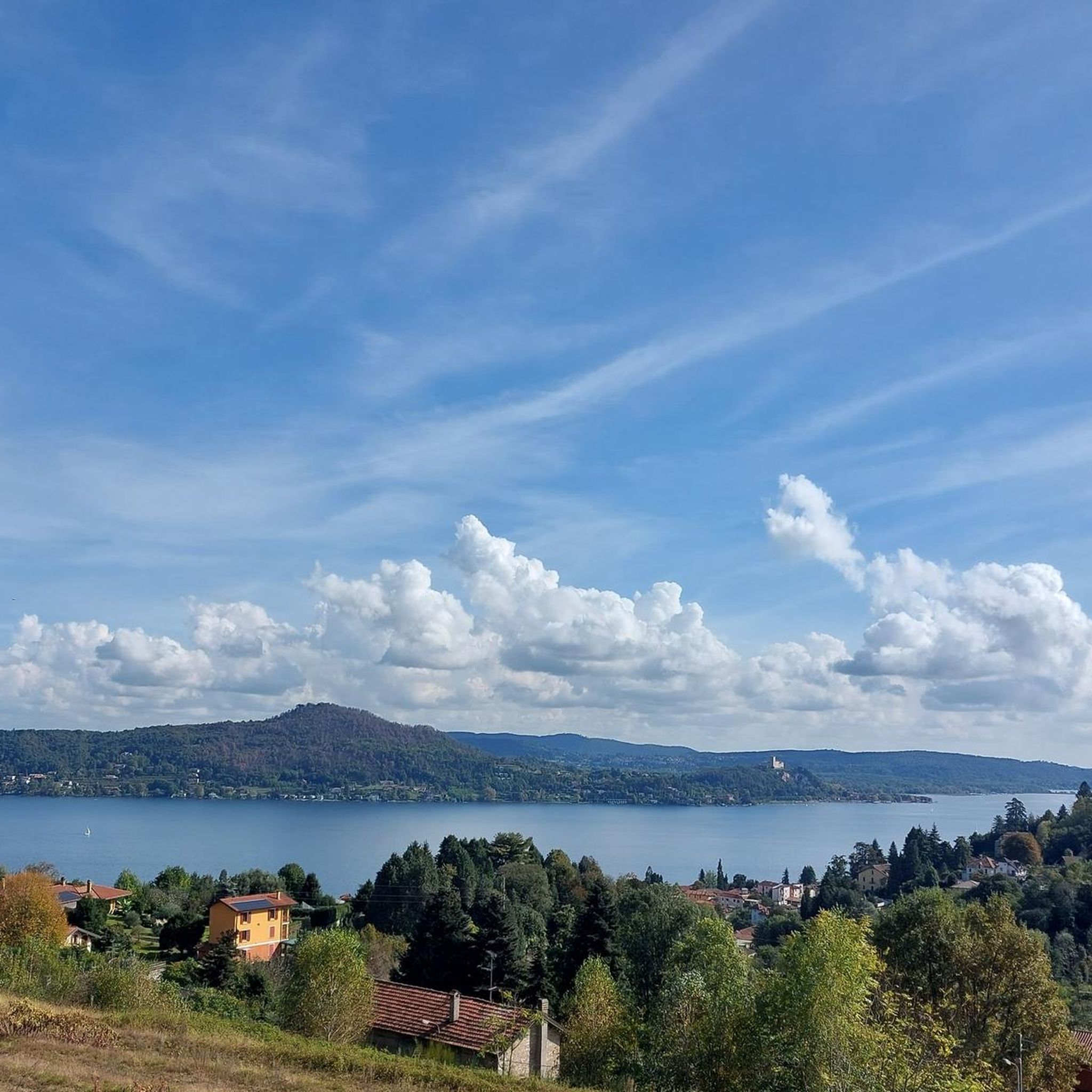
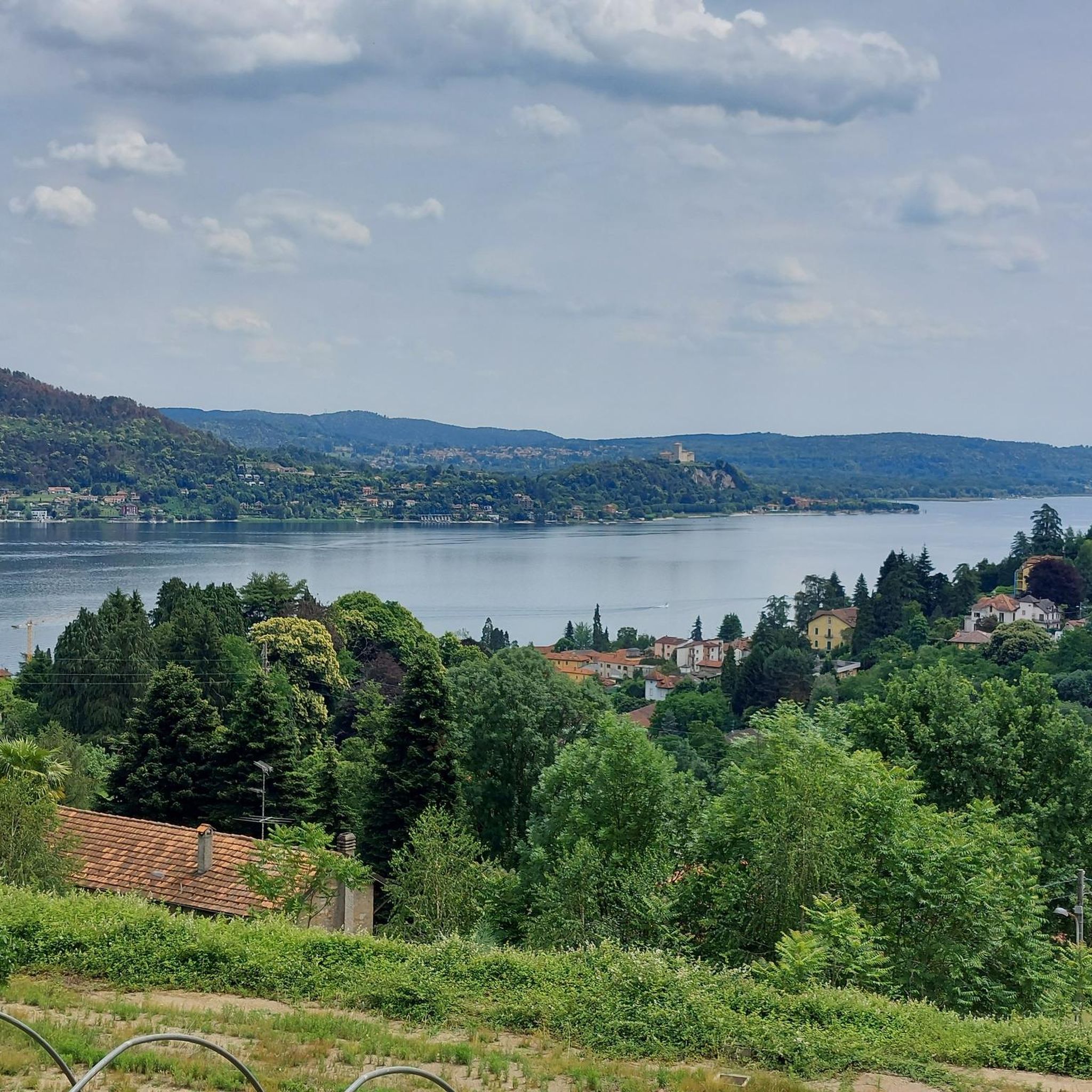
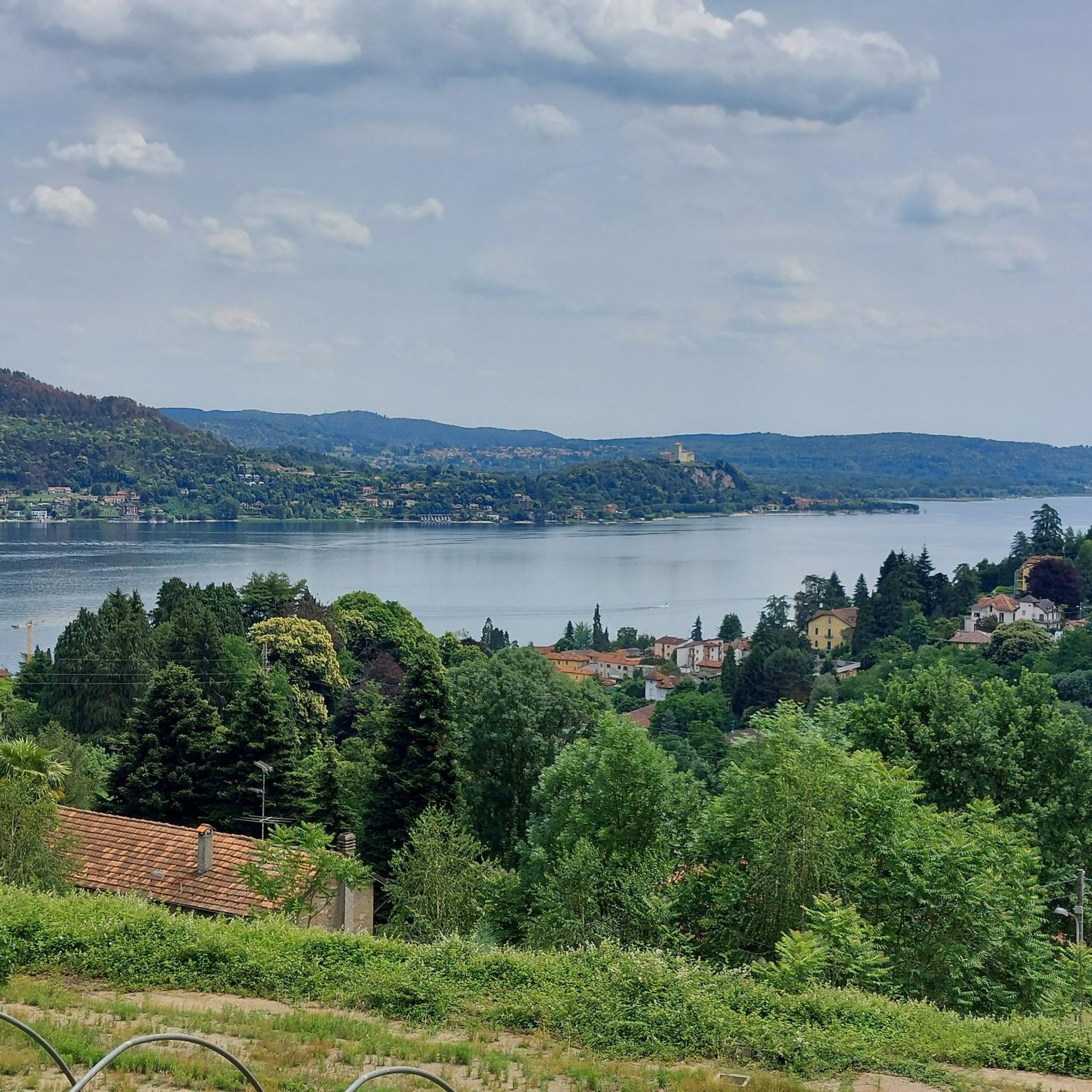
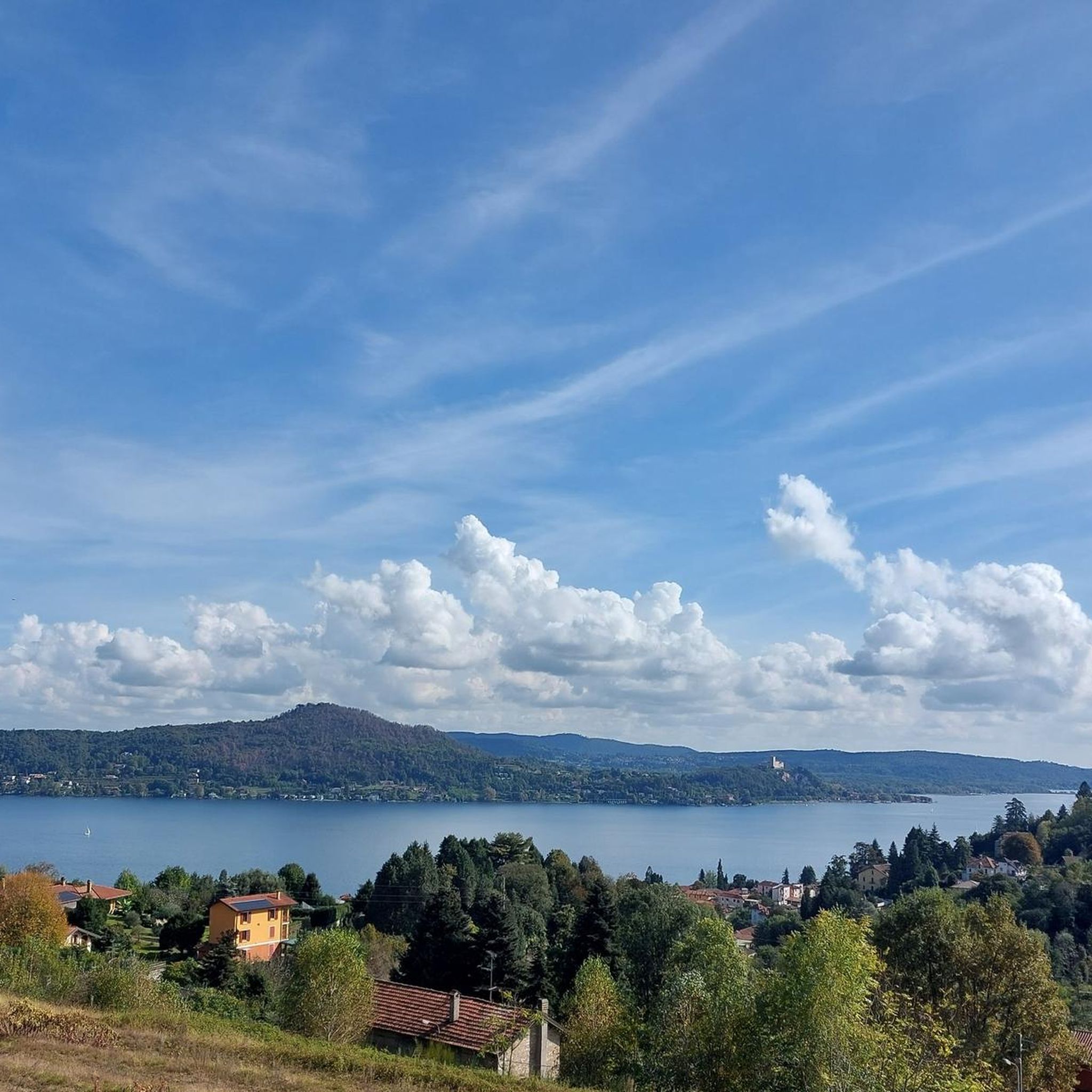
Tips from the Community

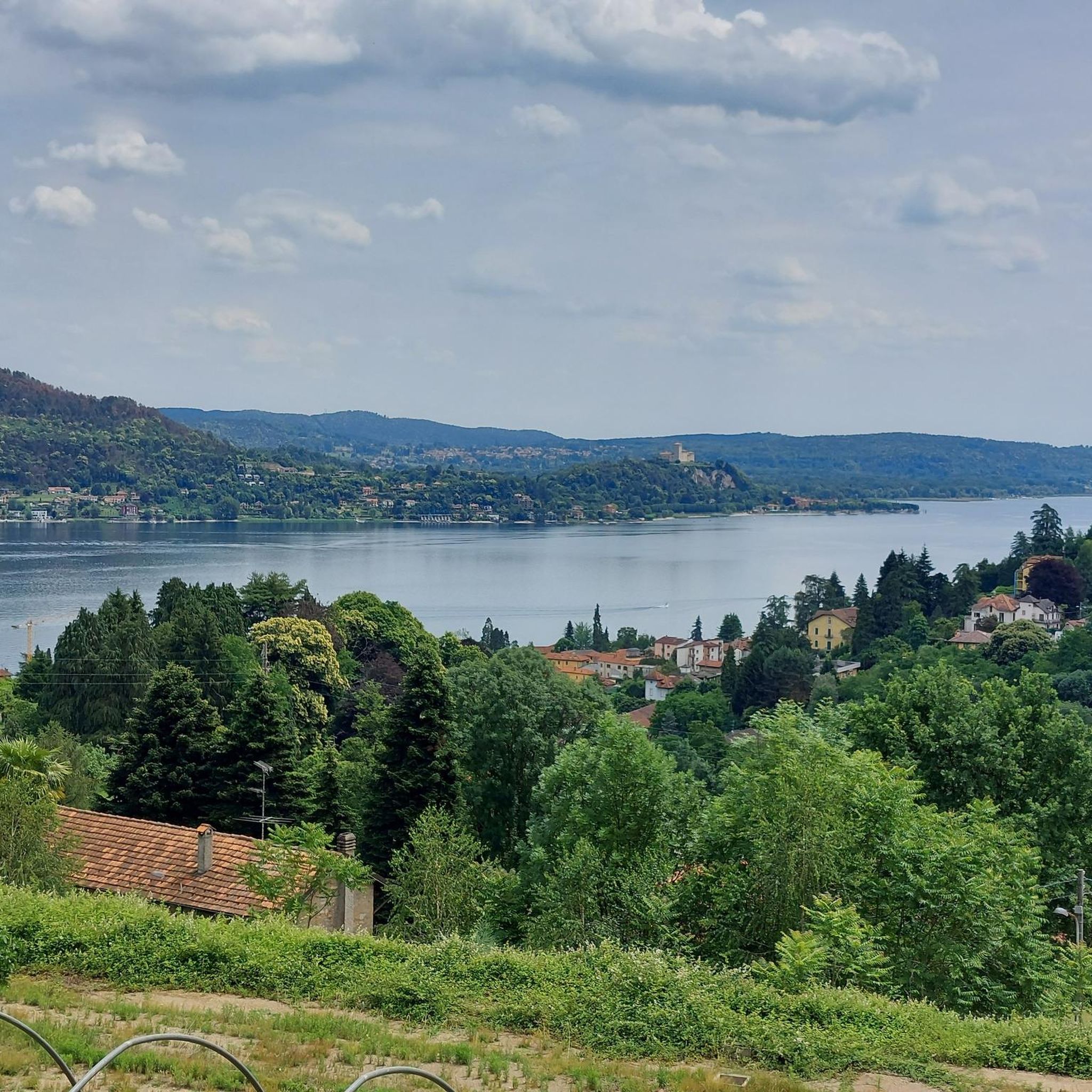
Splendid little town on the Piedmontese side of Lake Maggiore.
0
0

On February 21st there was still some snow
2
0

View of Carcegna
0
1

Not on weekends. It's too crowded then.
0
0

don't go off track and if you can leave a few
0
0
Breathtaking panoramic view of 5 lakes between Novara, VCO and Varese
0
0

Stop and look, you'll be able to admire the 7 lakes in 360 degrees. From here, the gaze then loses itself in infinity: with the clear sky, from the Maritime Alps to Monviso, from the closer Monte Rosa Massif to the Swiss Alps, up to the Po Valley. A unique scenery just an hour from Milan and on the return journey passing by Monte Falò, downhill dirt roads, single tracks and unforgettable woods 😉 #mottarone #lagomaggiore #gignese #stresa #cycletourism #hiking #ebike #gravelbike
0
0

be careful, many buses pass by
0
0
Frequently Asked Questions
How many gravel bike trails are available in the Monte Pisano region?
There are over 35 gravel bike trails around Monte Pisano, offering a wide range of options for different skill levels. You'll find everything from moderate paths to more challenging climbs, with 2 easy, 9 moderate, and 28 difficult routes to explore.
What kind of terrain can I expect on gravel bike trails in Monte Pisano?
The Monte Pisano region offers diverse terrain perfect for gravel biking. You'll encounter hilly reliefs, 'strade bianche' (white roads), and beaten earth paths winding through terraced olive groves, chestnut groves, and lush Mediterranean forests. Expect varied surfaces, from gentle ascents to sections with loose gravel, and even coastal views on some routes.
Are there any family-friendly gravel biking options in Monte Pisano?
While many routes are challenging, there are options suitable for families. For example, the Lake Maggiore Family Tour, though rated difficult, offers a mix of natural scenery and accessible paths that can be adapted for a family outing. Always check the route details for elevation and surface conditions to ensure it matches your family's abilities.
What are some interesting historical or natural landmarks to see along the gravel routes?
Monte Pisano is rich in attractions. You can cycle past medieval villages like Vicopisano and Calci, which houses the famous Certosa. Historical aqueducts, including the Nottolini, Medici, and Roman aqueducts of Caldaccoli, are also notable features. For specific points of interest, consider visiting the Convent of Monte Mesma or exploring the unique geological formations of the region.
What do other gravel bikers enjoy most about cycling in Monte Pisano?
The gravel biking experience in Monte Pisano is highly rated by the komoot community, with an average score of 4.4 stars from over 50 reviews. Riders often praise the diverse landscapes, the mix of challenging climbs and scenic paths, and the opportunity to combine outdoor activity with historical and cultural exploration.
Are there any circular gravel routes in the Monte Pisano area?
Yes, many gravel routes in Monte Pisano are designed as loops, allowing you to start and finish in the same location. An example is the Arona on Lake Maggiore – Coiromonte Climb loop from Arona, which takes you through hilly terrain and 'strade bianche'. Another option is the Trail in the Woods – Arona on Lake Maggiore loop from Arona, offering a moderate challenge.
What is the best time of year for gravel biking in Monte Pisano?
The Monte Pisano region enjoys a mild climate year-round, making it accessible for outdoor activities like gravel biking in all seasons. However, spring and autumn offer particularly pleasant temperatures and vibrant scenery, while summer can be warm, and winter provides cooler, often clear days for riding.
Are there any routes that offer coastal views?
Yes, due to Monte Pisano's proximity to the Tyrrhenian coast, some routes provide breathtaking views of the sea. While not a gravel route, the 'Ciclopista del Trammino' connects Pisa to Marina di Pisa, offering a path along the Arno River mouth and through pine forests to the shoreline, which can be a nice addition to a gravel biking trip. For more information on this, you can visit Visit Tuscany.
Can I find routes that pass through forests or olive groves?
Absolutely. Many gravel routes in Monte Pisano traverse lush Mediterranean forests dominated by holm oak, as well as picturesque terraced olive groves and chestnut groves. These sections offer tranquil and scenic settings for your ride, providing a true taste of the Tuscan landscape.
Are there any longer, more challenging gravel routes for experienced riders?
Yes, for experienced riders seeking a challenge, Monte Pisano offers several difficult routes. The From castle to hermitage route is a substantial 52.4 km (32.6 miles) journey with significant elevation, traversing varied terrain and historical sites. Another demanding option is the Arona on Lake Maggiore – Coiromonte Climb loop from Arona, which is 58.3 km (36.2 miles) and features considerable climbing.
Where can I find more information about the Monte Pisano region for planning my trip?
For broader information about the Monte Pisano region, including its natural beauty and cultural significance, you can consult resources like Visit Tuscany's Monte Pisano page. This can help you plan your visit beyond just the cycling routes.
Most popular attractions around Pisano

Get inspired with the komoot mobile app


Explore more
Browse the best Gravel rides in other regions.
