The best gravel rides around Castelletto D'Erro
4.7
(6)
18
riders
7
rides
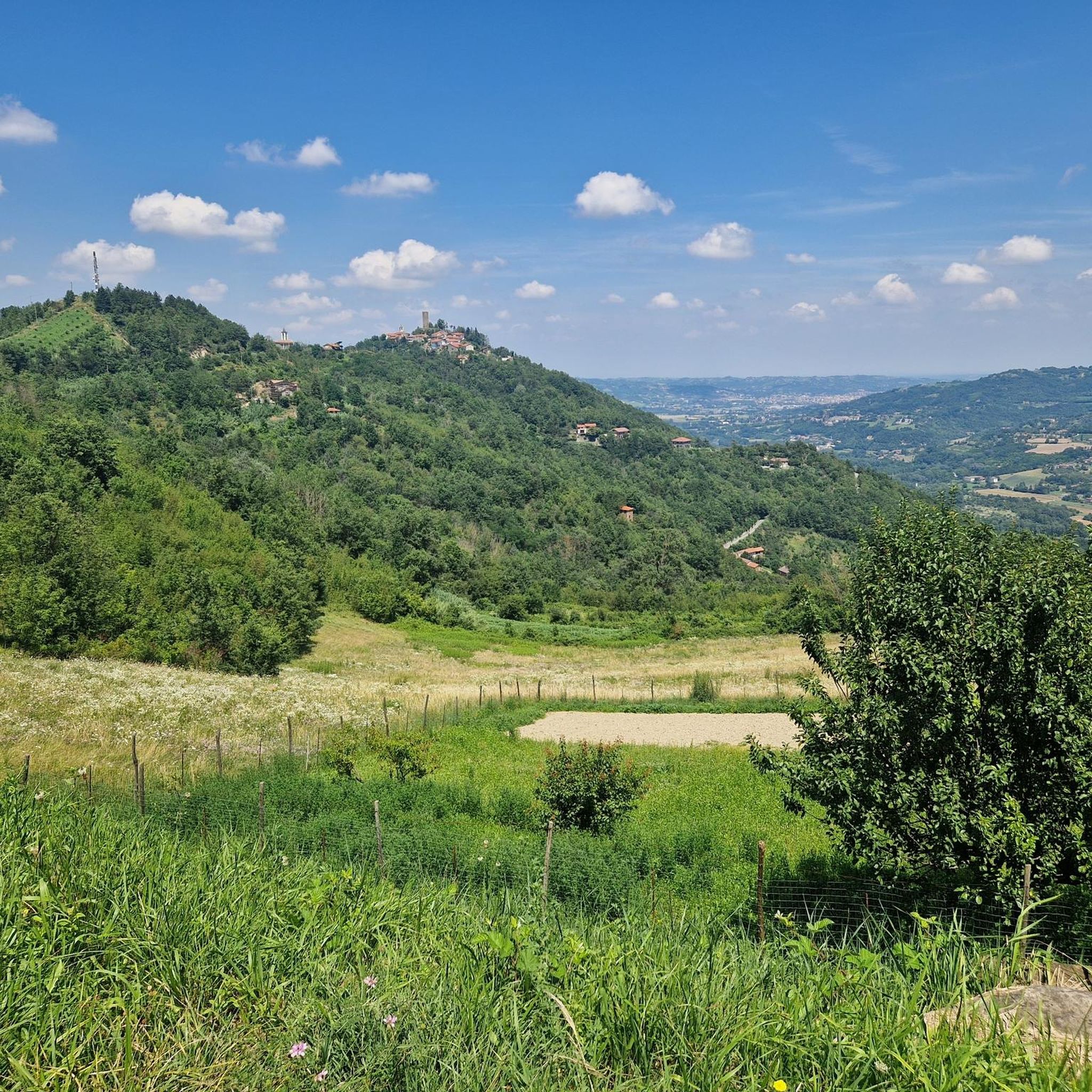
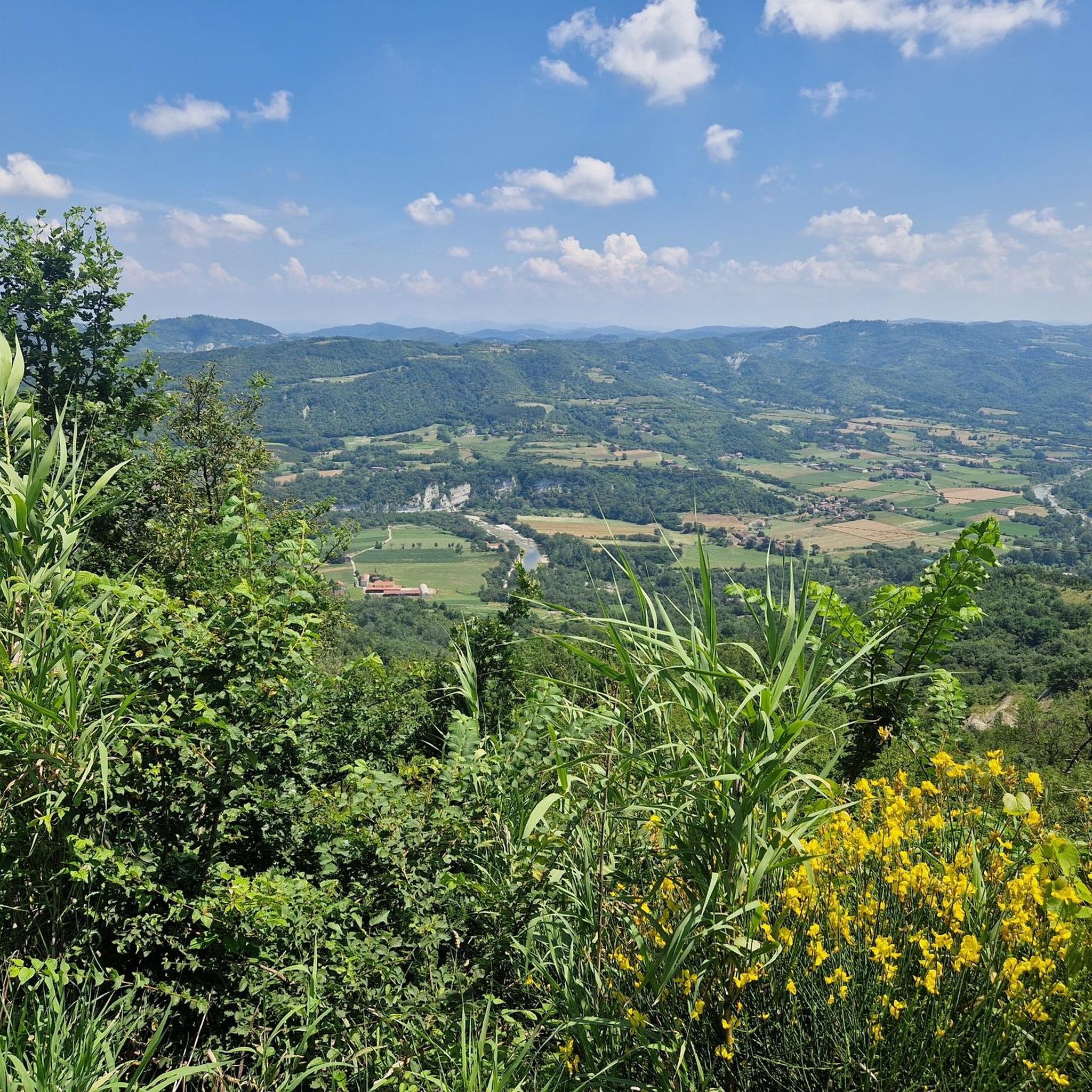
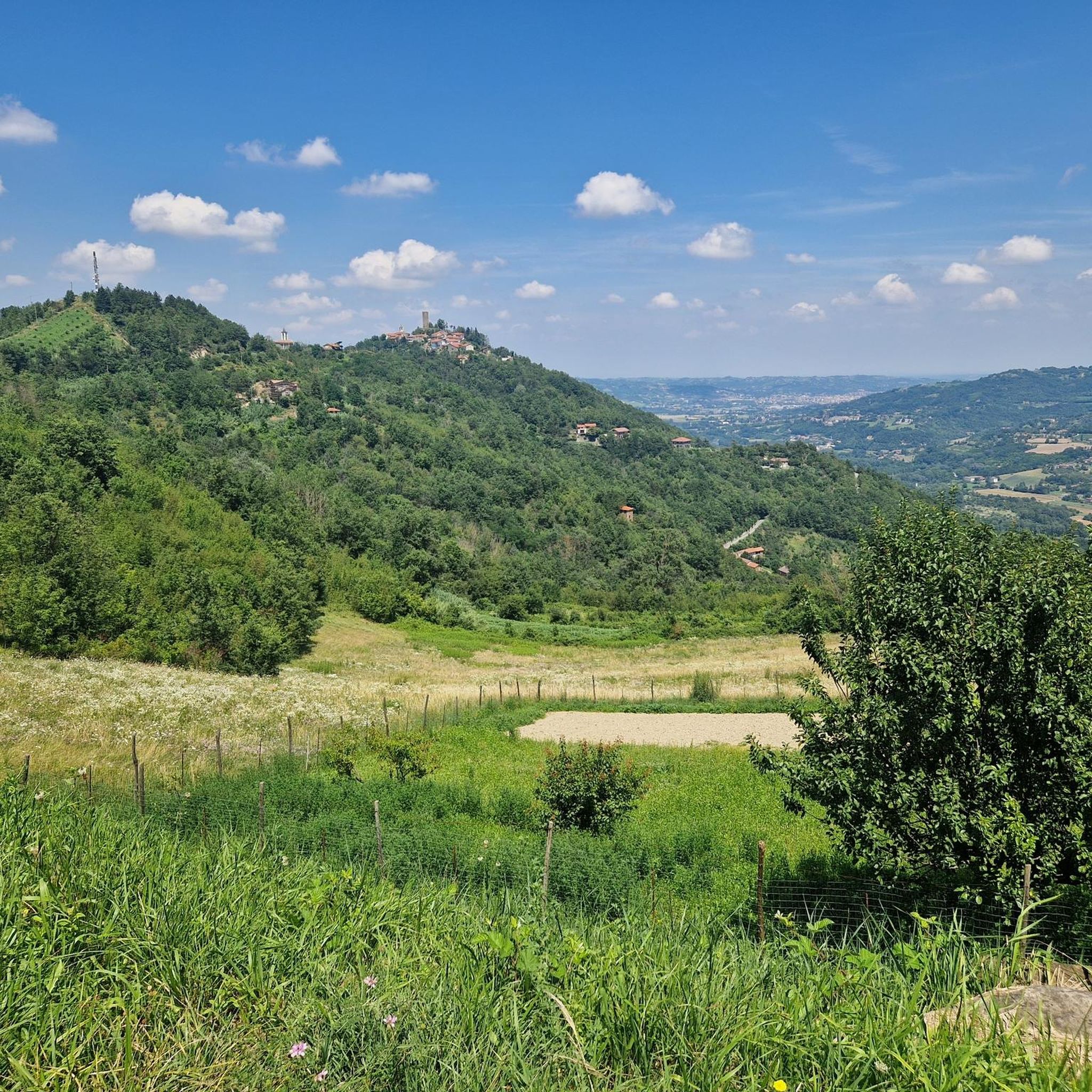
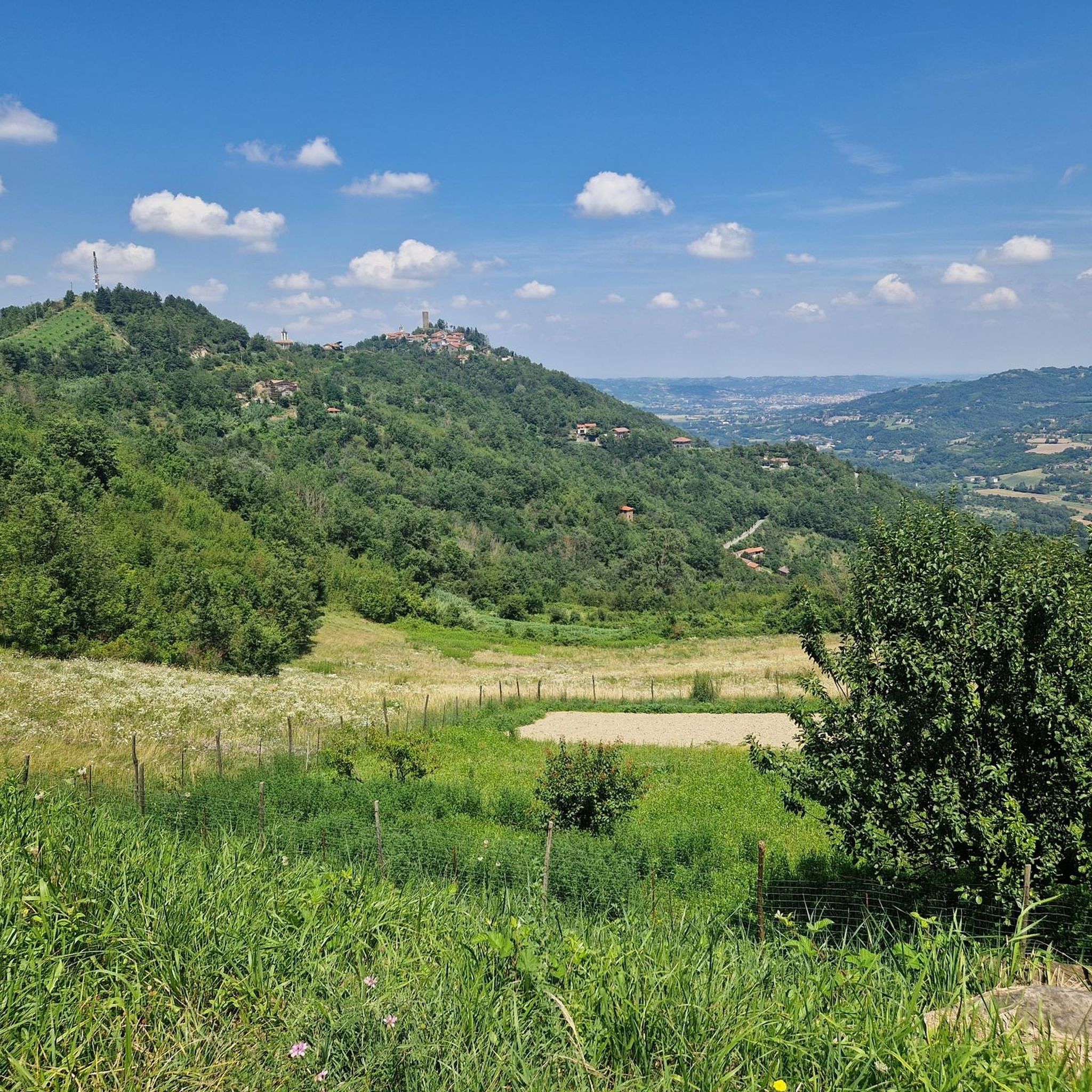
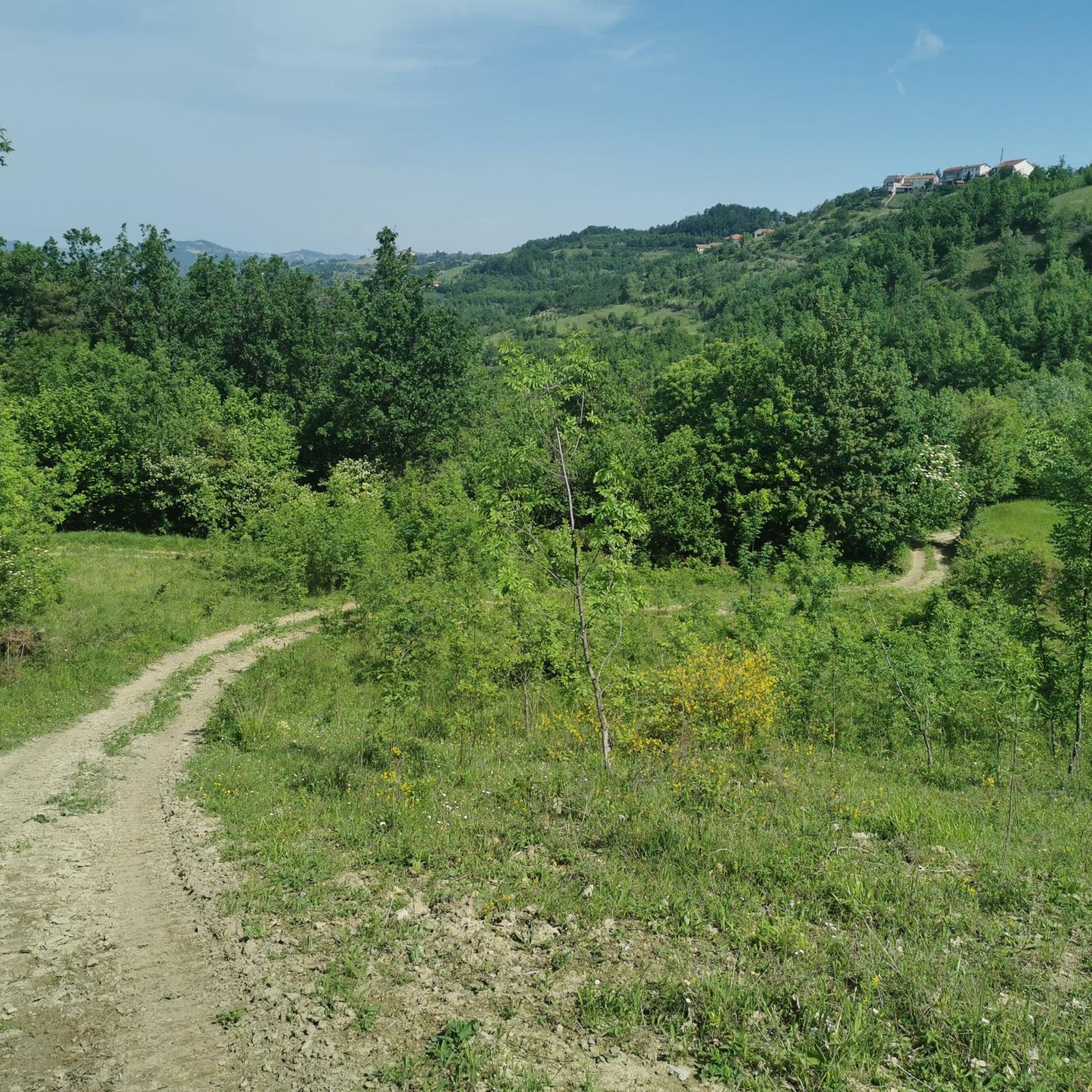
Gravel biking around Castelletto D'Erro features routes through the hilly terrain of the Piedmont region, characterized by vineyards, rolling agricultural lands, and scattered woodlands. The landscape includes varied surfaces, from paved country roads to unpaved tracks and gravel paths, with notable elevation changes. This area provides a setting for challenging rides with panoramic views of the surrounding countryside, including the UNESCO World Heritage site of Langhe, Monferrato, and Roero.
Best gravel bike trails around Castelletto D'Erro
- The most popular gravel…
Last updated: July 16, 2026
3
riders
29.1km
02:27
790m
790m
Hard gravel ride. Very good fitness required. Mostly paved surfaces. Suitable for all skill levels.
5.0
(1)
4
riders
45.1km
03:24
950m
950m
Hard gravel ride. Very good fitness required. Mostly paved surfaces. Suitable for all skill levels.

Sign up for free
2
riders
Hard gravel ride. Very good fitness required. Mostly paved surfaces. Suitable for all skill levels.
4.0
(4)
2
riders
30.7km
02:08
530m
530m
Hard gravel ride. Very good fitness required. Mostly paved surfaces. Suitable for all skill levels.
5.0
(1)
2
riders
48.8km
03:23
880m
880m
Hard gravel ride. Very good fitness required. Mostly paved surfaces. Suitable for all skill levels.
Get access to more routes and recommendations from other explorers.
Sign up for free
Already have an account?
Our route recommendations are based on thousands of hikes, rides, and runs completed by other people on komoot.
Start today with a free account
Your next adventure awaits.
Login or Signup
Tips from the Community

Beautiful stretch to cycle in tranquility.
17
0
Little-trafficked road with a beautiful panorama.
14
0
The phrase “The door of care is of abundance” is not a very common Italian proverb, so it can be interpreted metaphorically or spiritually.
0
0

In the ancient gateway of "puntet", where the village walls once stood and the market square opened, there is a rather unusual work: the "Bunt Topatoo ak Khéwuel" gate, created in 2021 by the artist Adinkra. The name means "the gate of care and abundance". The gate incorporates two symbols from the West African Adinkra tradition: the cola nut (representing power, wealth, and trade, in relation to the Salt Road that passed right through here) and the Aban, which depicts a castle or fortress and evokes protection and security. It is an intervention that may surprise in a medieval Piedmontese village, but it has its own logic: the artist wanted to reconnect Monastero Bormida to its past as a commercial crossroads along the Salt Road, using a visual language different from what we are used to in these hills.
0
0
The Castle of Monastero Bormida was not originally built as a defensive structure but as a Benedictine monastery, founded around 1050 by monks from the Abbey of Fruttuaria, called by the Aleramici Marquises to reclaim the lands devastated by Saracen raids. The 27-meter tower still visible today was originally the bell tower, and the river flowing a few meters from the southern tower confirms the non-military nature of the building. In 1393, the Benedictines abandoned the monastery, and its feudal history began: the fief passed to the Del Carretto marquises, who in the 15th century added the first defensive structures, transforming it into a castle. The building is a quadrangular structure with an internal courtyard, protected by towers on multiple sides and connected to the former bell tower by a small suspension bridge. On the south facade, there is a two-arched Renaissance loggia with a small stone column. Inside, the rooms on the main floor—transformed in the 17th century—feature mosaic floors and sail and cross vaults with frescoes of floral and geometric motifs. The castle later passed to the Della Rovere family and subsequently to the Genoese Polleri family, finally becoming the property of the Municipality starting in 1880. Today it is open to visitors and is part of the regional circuit "Castelli Aperti".
0
0
Alice Bel Colle, located in Alto Monferrato, is a historic village of medieval origin, a fief of the counts of Acquesana and then the Gonzaga, finally subjected to the Savoy in 1708. Known for its vineyards and UNESCO wine landscapes, the town boasts a strong winemaking tradition, represented by the Cantina Sociale founded in 1955.
16
0
Rocchetta Palafea, in the province of Asti, is an ancient medieval village founded as a military garrison in the Belbo Valley, with documented origins dating back to around 960. Dominated by its characteristic quadrangular tower and surrounded by ancient walls, the town was an Aleramic fiefdom and then a Genoese one, preserving a historic atmosphere linked to its past as a fortress.
3
0
The Langhe-Roero and Monferrato wine landscapes in Piedmont are made up of five distinct wine-growing areas and a castle: the Langa of Barolo, the Barbaresco hills, Nizza Monferrato and Barbera, Canelli and Asti Spumante, the Monferrato of the Infernot, and the Castle of Grinzane Cavour.
0
0
Frequently Asked Questions
What is the typical difficulty level of gravel bike trails in Castelletto D'Erro?
The gravel bike trails around Castelletto D'Erro are generally challenging. All 7 routes available are classified as difficult, featuring significant elevation changes and varied terrain suitable for experienced riders.
Are there any particularly long gravel bike routes for experienced riders?
Yes, for those seeking a longer challenge, the Nizza Monferrato Town Square loop from Terzo Montabone is a substantial route covering 60.5 km (37.6 miles) with over 900 meters of elevation gain, traversing extensive vineyards.
What kind of terrain can I expect on gravel bike trails in Castelletto D'Erro?
You can expect a diverse mix of surfaces, including paved country roads, unpaved tracks, and gravel paths. The region is characterized by hilly terrain, rolling agricultural lands, and scattered woodlands, often with panoramic views of the surrounding Piedmont countryside.
What can I see along the gravel bike trails in Castelletto D'Erro?
Many routes offer views of the picturesque Monferrato hills and pass through charming villages. You might encounter historical sites like the Roman Aqueduct of Acqui Terme or the Medieval Tower of Castelletto d'Erro. Some routes also feature unique attractions such as the Sculptures of Montabone.
Are there any circular gravel bike routes available?
Yes, all the gravel bike routes in Castelletto D'Erro are designed as loops. For example, you can explore the Roccaverano – Monastero Bormida loop from Monastero Bormida or the Roccaverano – Tower of Roccaverano loop from Bistagno.
What do other gravel bikers enjoy the most about gravel biking in Castelletto D'Erro?
The komoot community highly rates the routes in this area, with an average score of 4.0 stars. Riders often praise the challenging nature of the trails, the stunning vineyard landscapes, and the rewarding panoramic views of the Monferrato hills.
Are there any gravel bike trails that pass through or near notable towns or settlements?
Several routes connect to or pass near significant settlements. The Sculptures of Montabone – Rocchetta Palafea loop from Bistagno leads through agricultural areas and small villages. Other routes start from or pass through places like Monastero Bormida and Roccaverano.
What is the best time of year for gravel biking in Castelletto D'Erro?
While not explicitly stated, the Piedmont region, with its vineyards and rolling hills, is generally pleasant for cycling in spring and autumn when temperatures are milder and the scenery is vibrant with new growth or autumn colors. Summer can be hot, and winter might bring colder, potentially wet conditions.
Are there any routes that offer particularly scenic views or landmarks?
Yes, the View of Costa di Morbello – Roman Aqueduct of Acqui Terme loop from Grognardo offers diverse scenery including views of Costa di Morbello and passes by the historic Roman Aqueduct of Acqui Terme.
How many gravel bike trails are available in the Castelletto D'Erro area?
There are 7 dedicated gravel bike routes available around Castelletto D'Erro, all offering a challenging experience through the region's diverse landscape.
Can I find places to eat or drink along the gravel bike routes?
While specific cafes or restaurants are not detailed for each route, many trails pass through or near small villages and towns like Monastero Bormida or Nizza Monferrato, where you can typically find local establishments to refuel.
Most popular attractions around Castelletto D'Erro

Get inspired with the komoot mobile app


Explore more
Browse the best Gravel rides in other regions.
