The best gravel rides around Serramanna
4.7
(7)
60
riders
14
rides
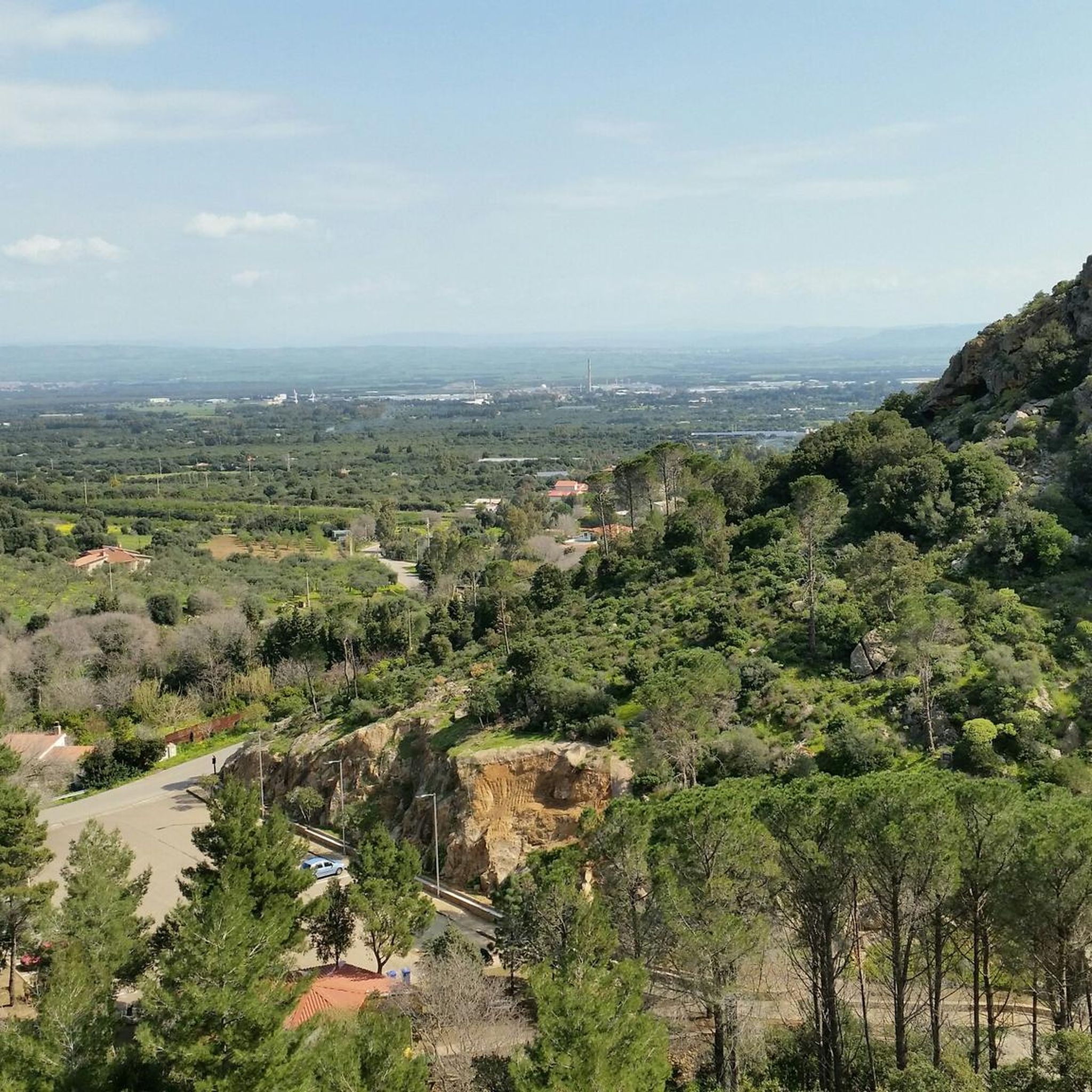
Gravel biking around Serramanna features a landscape characterized by varied terrain, including areas near historical sites and former mining regions. The routes often involve significant elevation changes, indicating a mix of rolling hills and more challenging climbs. This region provides a diverse environment for gravel bikers, from moderate paths to more demanding trails.
Best gravel bike trails around Serramanna
- The most popular gravel bike trail is Montevecchio – Gonnosfanadiga loop from Biddacidru/Villacidro, a 35.9 miles (57.7 km) trail that…
Last updated: July 2, 2026
9
riders
69.6km
04:28
590m
590m
Hard gravel ride. Very good fitness required. Mostly paved surfaces. Suitable for all skill levels.
14
riders
Hard gravel ride. Very good fitness required. Mostly paved surfaces. Suitable for all skill levels.

Sign up for free
6
riders
59.8km
04:06
730m
730m
Hard gravel ride. Very good fitness required. Mostly paved surfaces. Suitable for all skill levels.
5
riders
35.2km
02:16
180m
180m
Moderate gravel ride. Good fitness required. Mostly paved surfaces. Suitable for all skill levels.
5.0
(1)
4
riders
102km
07:41
1,280m
1,280m
Hard gravel ride. Very good fitness required. Mostly paved surfaces. Suitable for all skill levels.
Get access to more routes and recommendations from other explorers.
Sign up for free
Already have an account?
Our route recommendations are based on thousands of hikes, rides, and runs completed by other people on komoot.
Start today with a free account
Your next adventure awaits.
Login or Signup
Tips from the Community

The Umbrian pilgrimage site of Assisi has produced two important figures: "Santa Chiara" also deserves to be honored alongside "San Francisco." She lived at the same time as Francis: Clare was born in (or around) 1193 and died in 1253. Her general feast day in the liturgical calendar is August 11, the day of her death, for all major Christian denominations; in addition, there are regional or religious order-specific feast days. Besides the church dedicated to her, there are two significant places in Assisi itself where one can follow in her footsteps: the Church of the Holy Sepulchre in the center of Assisi (see https://www.komoot.com/de-de/highlight/361280 for more information), and the Monastery of San Damiano (see https://www.komoot.com/de-de/highlight/361272), located just outside the historic city walls.
0
0

Among the churches, the Cathedral of Santa Chiara (dating back to the 13th century), the churches of Madonna delle Grazie, Del Collegio, a Jesuit temple, and San Francesco, one of Sardinia's best-preserved and most important buildings in the Gothic-Catalan style, which houses an altarpiece dating back to 1560, are particularly worth seeing.
5
0
Beautifully painted house on a small square with a fountain.
0
0

The evocative Grotta di San Giovanni is a geological and archaeological treasure, as well as the longest vehicle-accessible cave in the world. The cave is accessible from two sides, but the ticket office and information point are located at the main, southern entrance. Entrance is permitted only during cave opening hours. Ticket prices vary depending on the type of visit. You can find all the latest information on the website: https://www.grottasangiovanni.com/.
1
0
Iglesiente, the region at the center of the Sardinian mining epic and of which it is the capital, derives its name. It has a population of 27,000 and is the episcopal see and heir to the ancient diocese of Sulcis. Iglesias means "churches" in Spanish. It is no coincidence that in a city with a glorious past, especially under Catalan-Aragonese rule (when it was a royal city), the celebrations surrounding the Good Friday customs stand out, recalling Spanish customs in form and color. The mystery processions on Holy Tuesday and Holy Friday are particularly impressive. Among the churches, the Cathedral of Santa Chiara (dating back to the 13th century), the churches of Madonna delle Grazie, Del Collegio, a Jesuit temple, and San Francesco, one of Sardinia's best-preserved and most important buildings in the Gothic-Catalan style, which houses an altarpiece dating back to 1560, are particularly worth seeing.
0
0
Montevecchio, also known as Gennas Serapis, is an ancient mining village now a hamlet of Guspini, nestled in the Geo-Mining Historical and Environmental Park of Sardinia. Founded in the 19th century as the administrative center of the lead and zinc mines, it was established here. The village is home to the Montevecchio Mine information point and the Gennas Food and Wine Confraternity, a trattoria offering excellent food in a friendly, family-friendly atmosphere. They are usually open on weekends, but we recommend contacting them to check opening times, make reservations, and arrange for service. The owner is very helpful and is happy to welcome hungry travelers.
2
0

In the center of the square stands the monument to Quintino Sella, the famous statesman, one of the most recognizable symbols of the city. Under the statue you can see the stone that indicates the beginning of the first stage of the Santa Barbara Mining Trail.
0
0

Beautiful town where you can still feel the Catalan-Aragonese past. The name comes from Spanish and means "churches", in fact among the most significant monuments to visit are: the cathedral of Santa Chiara (dating back to the 13th century) and San Francesco, one of the representative Gothic-Catalan architectures of Sardinia.
1
0
Frequently Asked Questions
How many gravel bike trails are available in the Serramanna area?
There are over 15 gravel bike trails around Serramanna, offering a diverse range of experiences for different skill levels.
What is the general difficulty level of gravel biking in Serramanna?
The trails around Serramanna feature varied elevations and terrain. You'll find a mix of routes, with 9 considered moderate and 5 classified as difficult. There is also 1 easier route available for those looking for a less strenuous ride.
Are there any beginner-friendly gravel bike trails in Serramanna?
While many routes feature significant elevation changes, there is at least one easier route available. For a moderate option that is not overly strenuous, consider the Villacidro loop from Biddacidru/Villacidro, which covers 21.9 miles (35.2 km) with moderate elevation gain.
Which gravel bike routes are best for experienced riders seeking a challenge?
Experienced riders looking for a challenge can explore routes with significant elevation. The San Giovanni Cave – Cathedral of Iglesias loop from Biddacidru/Villacidro is a difficult 62.5-mile (100.5 km) route with over 1300 meters of elevation gain, offering a substantial test.
What is the longest gravel bike route available near Serramanna?
The longest gravel bike route in the area is the San Giovanni Cave – Cathedral of Iglesias loop from Biddacidru/Villacidro, spanning 62.5 miles (100.5 km) and typically taking over 9 hours to complete.
Are there any circular gravel bike routes in Serramanna?
Yes, many of the routes in the Serramanna area are designed as loops. For example, the Montevecchio – Montevecchio Mines loop from Biddacidru/Villacidro is a 36.2-mile (58.3 km) circular route that explores the former mining region.
What kind of views or landmarks can I expect along the gravel bike trails?
The region offers a mix of natural beauty and historical interest. You might encounter views towards Sardara, historical sites like the Murals of San Sperate, or natural features such as the Ancient Olive Tree Near Villacidro. Some routes also pass through former mining areas, offering a unique historical landscape.
Are there any waterfalls or natural monuments accessible via gravel bike routes?
Yes, the area is home to the beautiful Sa Spendula Waterfall, a notable natural monument. While not directly on a gravel bike route, it's a significant nearby attraction worth exploring.
What do other gravel bikers enjoy most about the trails in Serramanna?
The komoot community rates the gravel biking experience in Serramanna highly, with an average score of 5.0 stars. Riders often appreciate the varied terrain, the mix of historical points of interest, and the challenging expeditions available.
What is the best time of year for gravel biking in Serramanna?
Given the Mediterranean climate, spring (April-May) and autumn (September-October) generally offer the most pleasant temperatures for gravel biking in Serramanna, avoiding the intense heat of summer and potential winter rains.
Are there routes that explore historical or cultural sites?
Yes, several routes offer glimpses into the region's history. For instance, the Castello di Sanluri – View of Sardara loop from Biddacidru/Villacidro passes by the Castello di Sanluri, a significant historical landmark.
Most popular routes around Serramanna
Most popular attractions around Serramanna

Get inspired with the komoot mobile app


Explore more
Browse the best Gravel rides in other regions.
