The best gravel rides around Montefalco
4.6
(36)
683
riders
80
rides
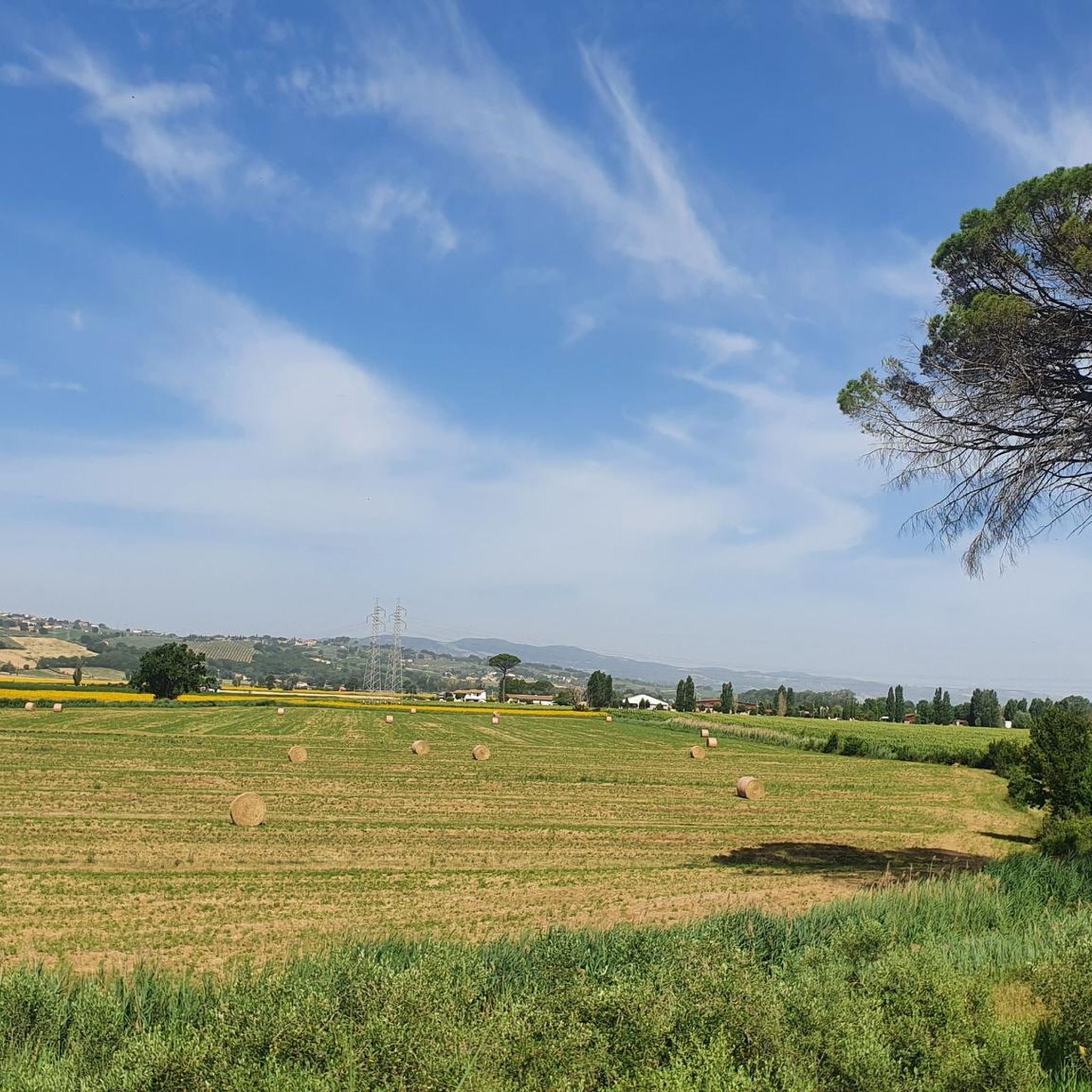
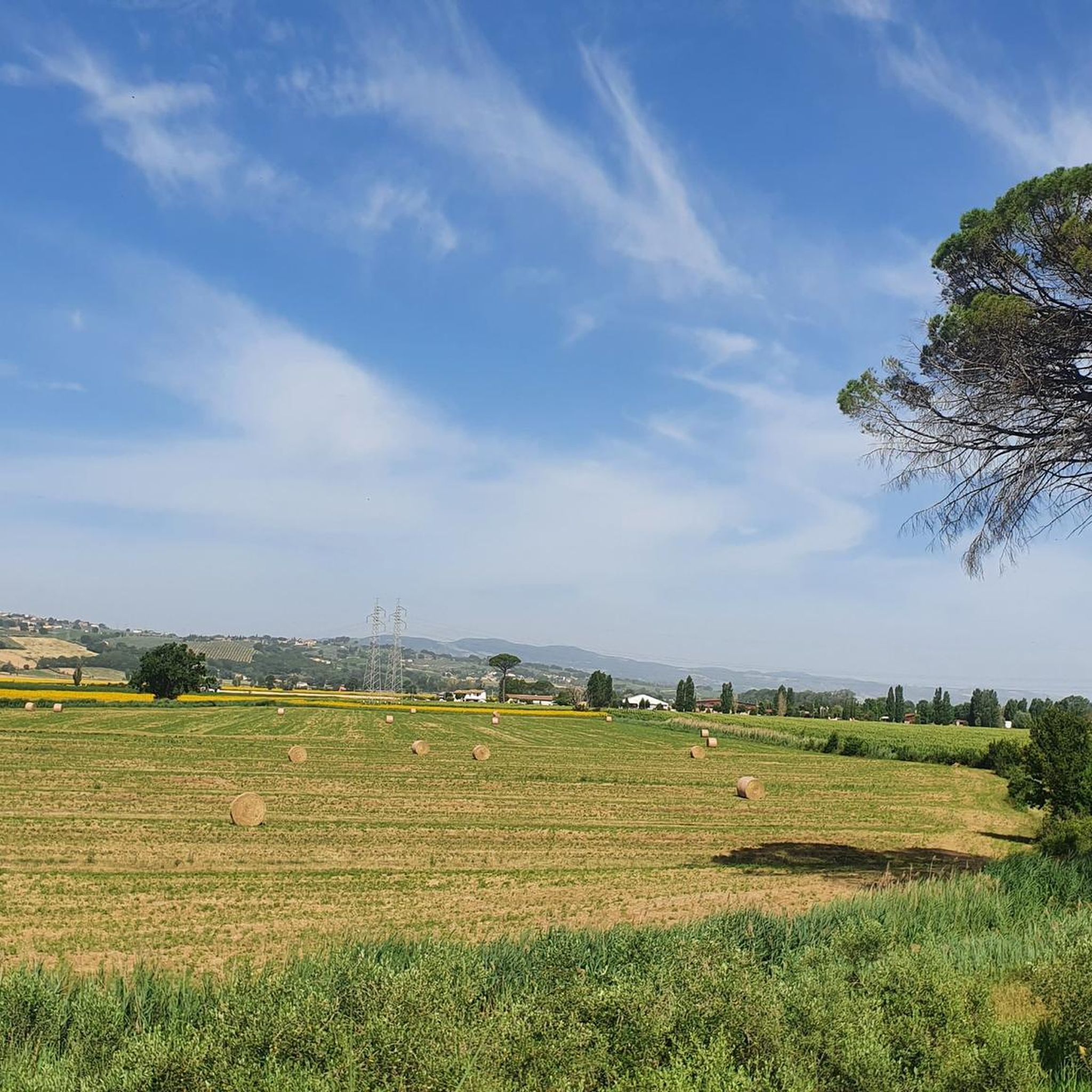
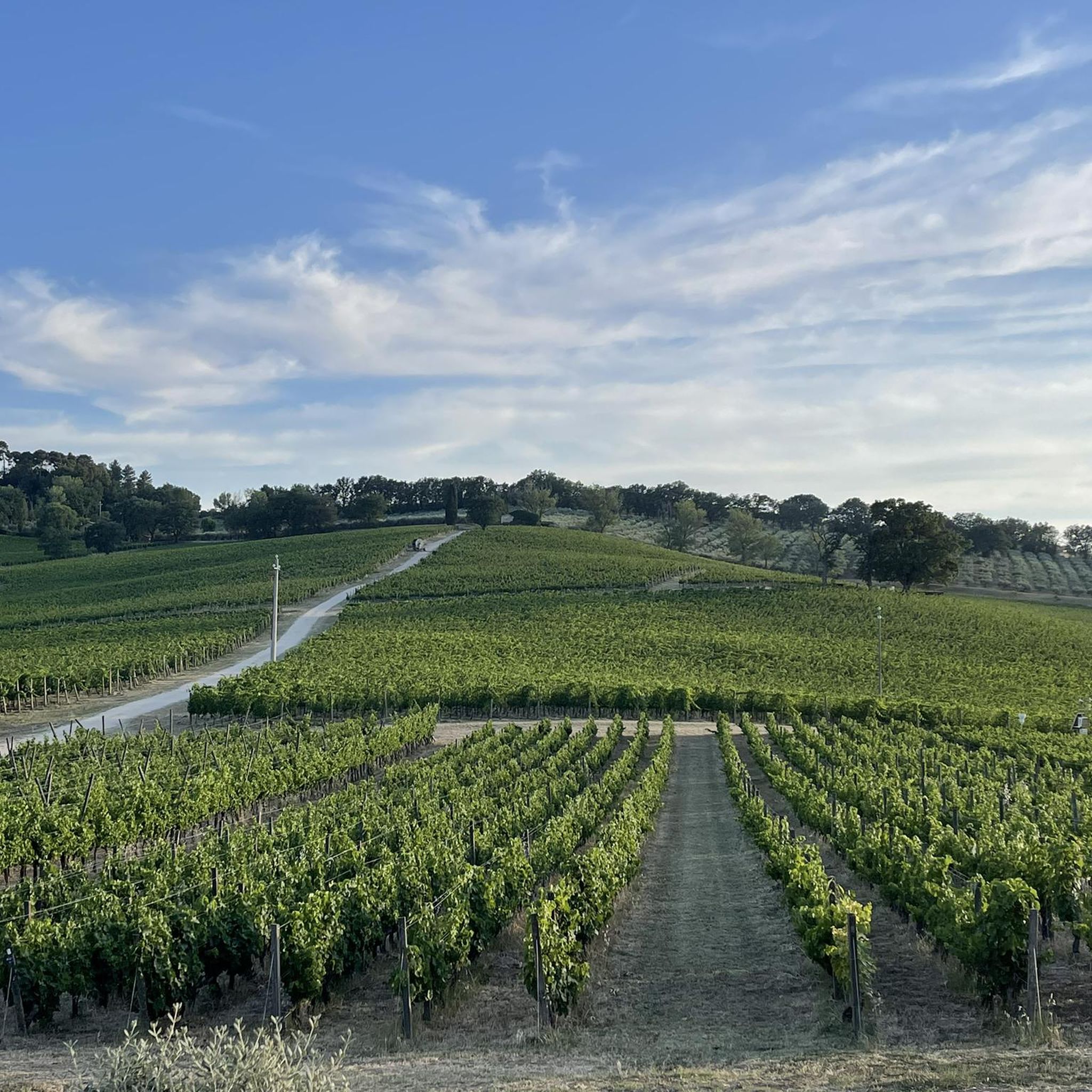
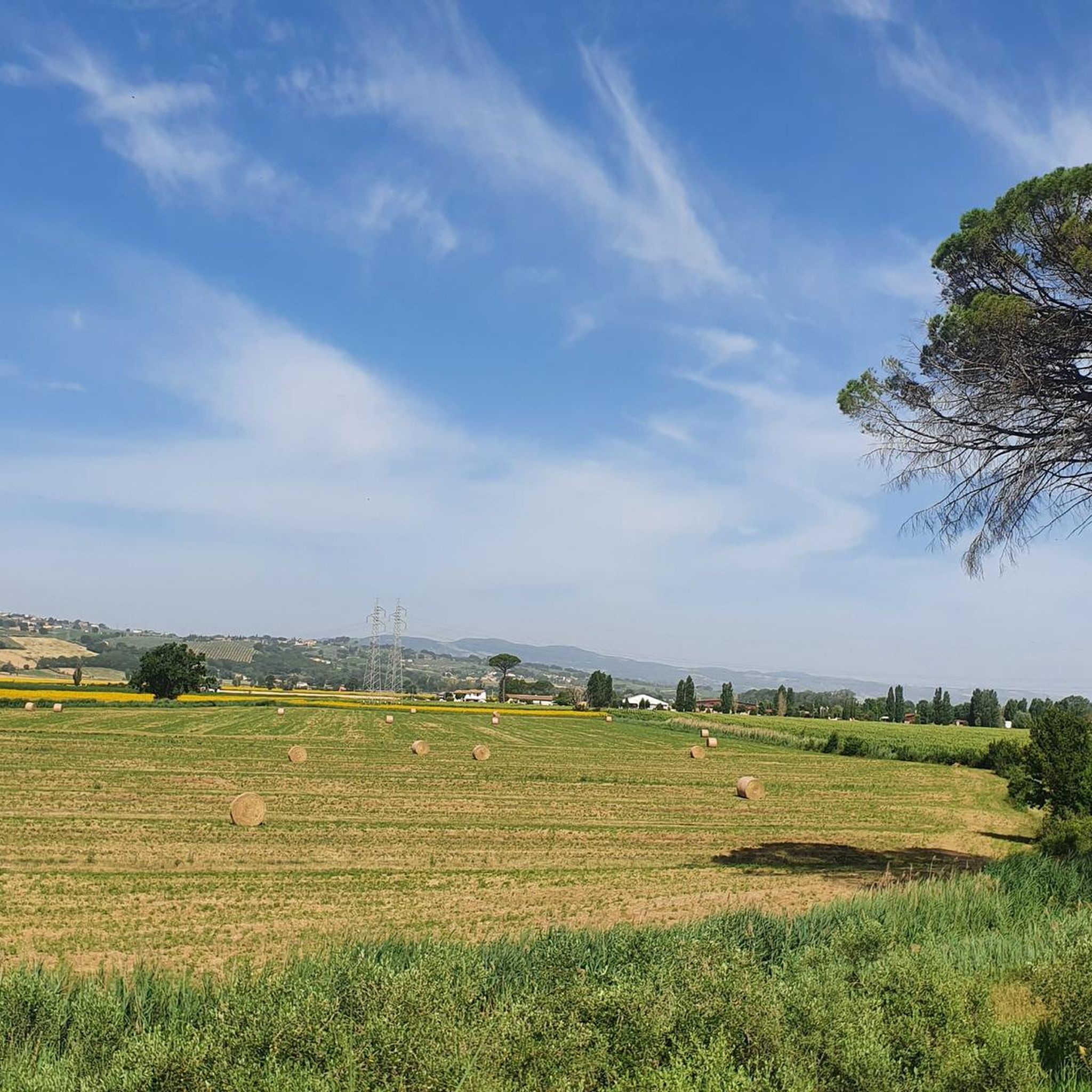
Gravel biking around Montefalco offers diverse terrain across gently sloping hills, extensively covered with olive groves and vineyards. The region provides panoramic views of the Umbrian Valley, with the Clitunno, Topino, and Tiber rivers visible, alongside the Subappennino and Martani Mountains. Routes feature a mix of paved and unpaved surfaces, including smooth sections and technical stretches. This landscape provides varied gravel bike trails suitable for different skill levels.
Best gravel bike trails around Montefalco
- The most popular gravel bike trail…
Last updated: July 4, 2026
5.0
(1)
53
riders
85.7km
06:13
1,640m
1,640m
Hard gravel ride. Very good fitness required. Mostly paved surfaces. Suitable for all skill levels.
4.3
(3)
71
riders
94.3km
06:29
1,290m
1,290m
Hard gravel ride. Very good fitness required. Mostly paved surfaces. Suitable for all skill levels.

Sign up for free
5.0
(2)
28
riders
96.2km
07:12
2,010m
2,010m
Hard gravel ride. Very good fitness required. Mostly paved surfaces. Suitable for all skill levels.
5.0
(1)
30
riders
80.4km
05:29
1,150m
1,150m
Hard gravel ride. Very good fitness required. Mostly paved surfaces. Suitable for all skill levels.
19
riders
53.9km
03:57
1,260m
1,260m
Hard gravel ride. Very good fitness required. Mostly paved surfaces. Suitable for all skill levels.
Get access to more routes and recommendations from other explorers.
Sign up for free
Already have an account?
Our route recommendations are based on thousands of hikes, rides, and runs completed by other people on komoot.
Start today with a free account
Your next adventure awaits.
Login or Signup

Tips from the Community

Spello is a very suggestive medieval village, from this point you can admire it in all its splendor
0
0

Very beautiful hiking area
0
0

Trevi's historic center retains the charm of its medieval alleys, narrow and winding, weaving between stone houses and ancient buildings. These streets were designed not only to connect squares and gates, but also to defend the city, creating sheltered and safe routes. The houses feature small doorways and windows, while stairways and arches connect different levels, following the hilly terrain. Walking through the alleys, you'll experience a secluded atmosphere, filled with unexpected glimpses and silhouettes of rooftops and bell towers. Every corner tells stories of daily life, shops, markets, and medieval traditions, making the village a true journey into the past.
0
0

Spello's historic center is an elegant and well-preserved medieval village. It's definitely worth a visit.
0
0


water, water, water, water, water, water, water, water, always stop to fill your water bottles, it's never a waste of time up here...and then enjoy the wild Umbria Augh!!!
0
0

This ancient bridge is located on one of the most beautiful routes in Umbria, starting from beautiful Spello, along the Roman aqueduct to the charming village of Collepino.
1
0
Frequently Asked Questions
How many gravel bike trails are available around Montefalco?
Montefalco offers a wide selection of gravel biking routes, with over 50 trails available. These routes cater to various skill levels, ranging from easy to difficult, ensuring there's something for every rider.
What kind of terrain should I expect on Montefalco's gravel routes?
The terrain around Montefalco is characterized by gently rolling hills, extensively covered with olive groves and vineyards. You'll encounter a mix of paved and unpaved surfaces, including smooth sections and more technical stretches. The region is known as the 'Balcony of Umbria,' so expect panoramic views of the Umbrian Valley, including the Clitunno, Topino, and Tiber rivers, as well as the Subappennino and Martani Mountains.
Are there any easy or family-friendly gravel biking options in Montefalco?
While many routes are challenging, there is at least one easy gravel bike trail available. The region's charming villages and scenic, less technical sections through vineyards and olive groves can also be suitable for families looking for a relaxed ride. Always check the route details for specific difficulty ratings and elevation profiles.
What are some notable viewpoints or natural features along the gravel trails?
Many routes offer breathtaking panoramic views across the Umbrian Valley. You can also explore significant natural features such as the Monte Serano summit or enjoy the View of Monte Brunette. The trails often weave through picturesque olive groves and vineyards, providing a beautiful natural backdrop.
Can I find circular gravel bike routes around Montefalco?
Yes, many of the gravel bike routes around Montefalco are designed as loops, allowing you to start and end in the same location. For example, the challenging Montefalco – Montefalco Tower loop from Foligno takes you through vineyards and olive groves, offering a complete circular experience.
What historical towns or cultural sites can I visit while gravel biking in Montefalco?
Gravel biking in Montefalco offers excellent opportunities to explore nearby historic towns. Routes often connect Montefalco with medieval centers like Bevagna, known for its well-preserved architecture, or Spello, famous for its flower displays. You could also ride towards Trevi, as seen in the View of Trevi – Historic Center of Trevi loop from Foligno, or even reach Spoleto, as featured in the Cathedral of Spoleto – Historic Center of Spoleto loop from Castel Ritaldi.
When is the best time of year to go gravel biking in Montefalco?
Montefalco is enjoyable for gravel biking during spring and autumn. These seasons offer pleasant temperatures, vibrant landscapes with blooming flowers or rich autumn colors, and are ideal for exploring the vineyards and olive groves without the intense heat of summer or the chill of winter.
Are there places to eat or drink along the gravel routes in Montefalco?
Yes, the region is renowned for its Sagrantino wine and olive oil. Many routes pass through or near charming villages and wine estates where you can find cafes, restaurants, and opportunities for wine tasting. Montefalco itself, along with towns like Bevagna, offers numerous options for refreshments and local culinary experiences.
Where can I park my car when starting a gravel bike tour in Montefalco?
Montefalco and surrounding towns like Foligno, which serve as common starting points for many routes, typically offer public parking facilities. It's advisable to check local parking regulations and availability, especially during peak tourist seasons.
What do other gravel bikers say about the trails in Montefalco?
The gravel biking routes around Montefalco are highly rated by the komoot community, with an average score of 4.7 stars from over 40 reviews. Riders often praise the diverse terrain, the stunning panoramic views of the Umbrian Valley, and the unique experience of cycling through historic vineyards and olive groves.
Are there any advanced or challenging gravel routes for experienced riders?
Absolutely. Montefalco offers a significant number of challenging gravel routes, with 48 out of 51 routes rated as difficult. These trails often feature substantial elevation gains and technical sections. An example is the View of Spello – The Old Path loop from Foligno, which covers over 85 km with more than 1600 meters of elevation gain.
What is the typical elevation gain on Montefalco's gravel bike trails?
The elevation gains on Montefalco's gravel trails can vary significantly, reflecting the region's hilly landscape. For instance, challenging routes like the View of Spello – The Old Path loop from Foligno can involve over 1600 meters of ascent, while others like the Torre del Colle – Montefalco loop from Foligno have around 750 meters of climbing, offering options for different fitness levels.
Most popular routes around Montefalco
Most popular attractions around Montefalco

Get inspired with the komoot mobile app


Explore more
Browse the best Gravel rides in other regions.
