The best gravel rides around Bitetto
4.9
(5)
24
riders
9
rides
Gravel biking around Bitetto offers access to the diverse landscapes of the Parco Nazionale dell'Alta Murgia. The region is characterized by vast limestone plateaus and karst phenomena, including sinkholes and ravines, which create varied terrain. Riders will encounter Mediterranean steppe, oak and evergreen forests, and hilly sections. This geological diversity provides a range of unpaved roads and dirt tracks suitable for gravel bikes.
Best gravel bike trails around Bitetto
- The most popular gravel bike trail is Annunziata Trail – Annunziata…
Last updated: July 4, 2026
5.0
(1)
4
riders
39.8km
02:31
200m
200m
Moderate gravel ride. Good fitness required. Mostly paved surfaces. Suitable for all skill levels.
5.0
(1)
5
riders
34.1km
02:03
190m
190m
Moderate gravel ride. Good fitness required. Mostly paved surfaces. Suitable for all skill levels.

Sign up for free
Moderate gravel ride. Good fitness required. Mostly paved surfaces. Suitable for all skill levels.
7
riders
76.4km
04:43
500m
500m
Hard gravel ride. Very good fitness required. Mostly paved surfaces. Suitable for all skill levels.
3
riders
43.9km
02:39
220m
220m
Moderate gravel ride. Good fitness required. Mostly paved surfaces. Suitable for all skill levels.
Get access to more routes and recommendations from other explorers.
Sign up for free
Already have an account?
Our route recommendations are based on thousands of hikes, rides, and runs completed by other people on komoot.
Start today with a free account
Your next adventure awaits.
Login or Signup
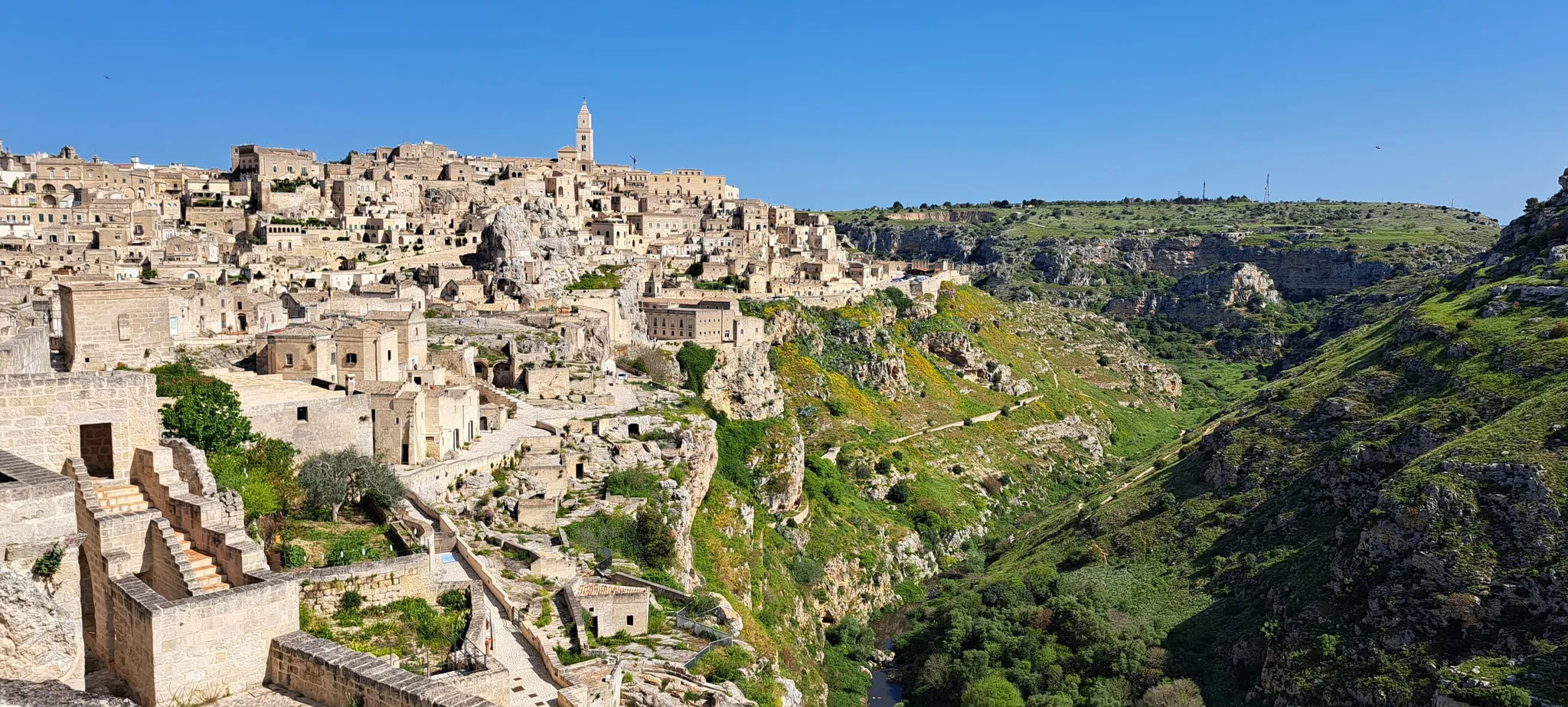
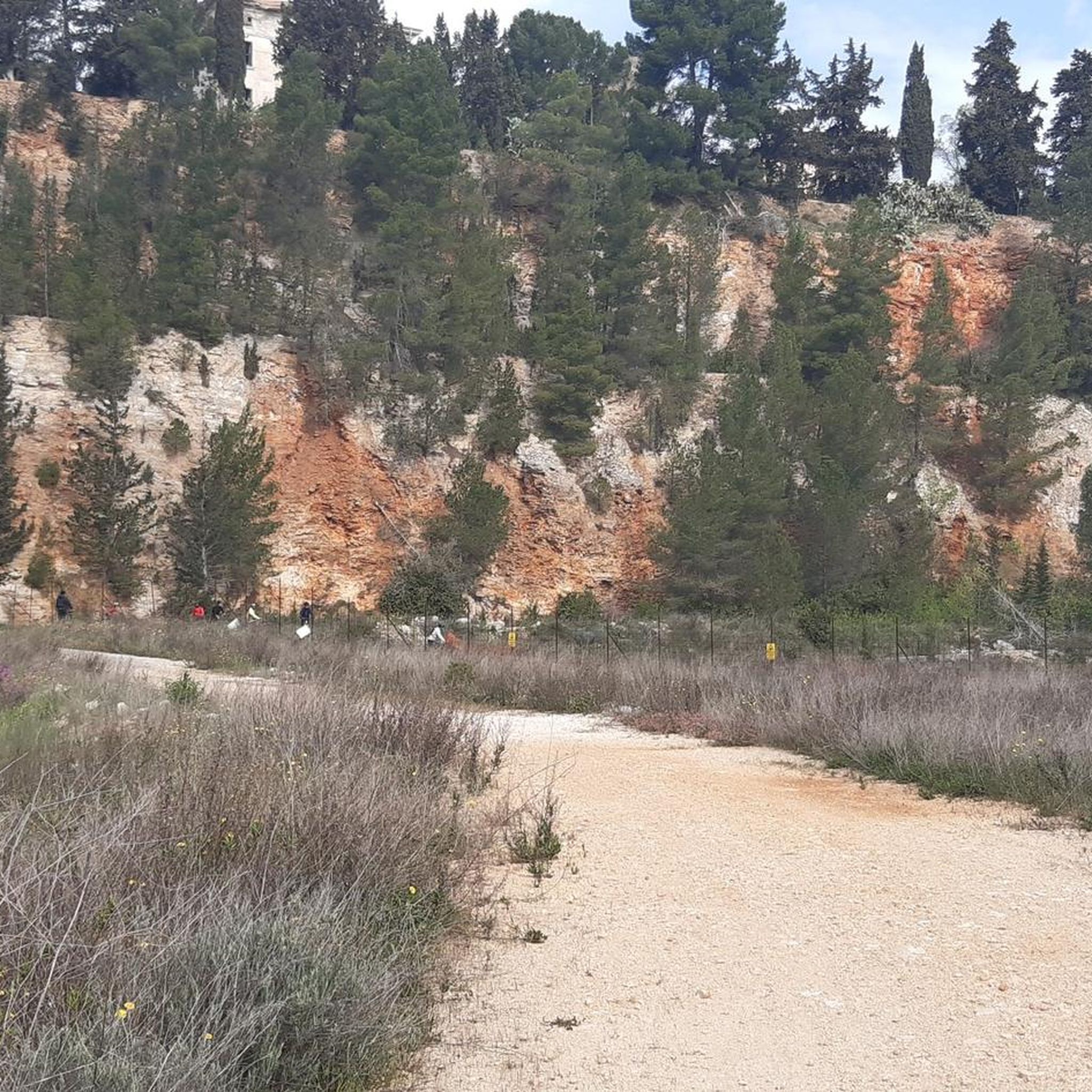
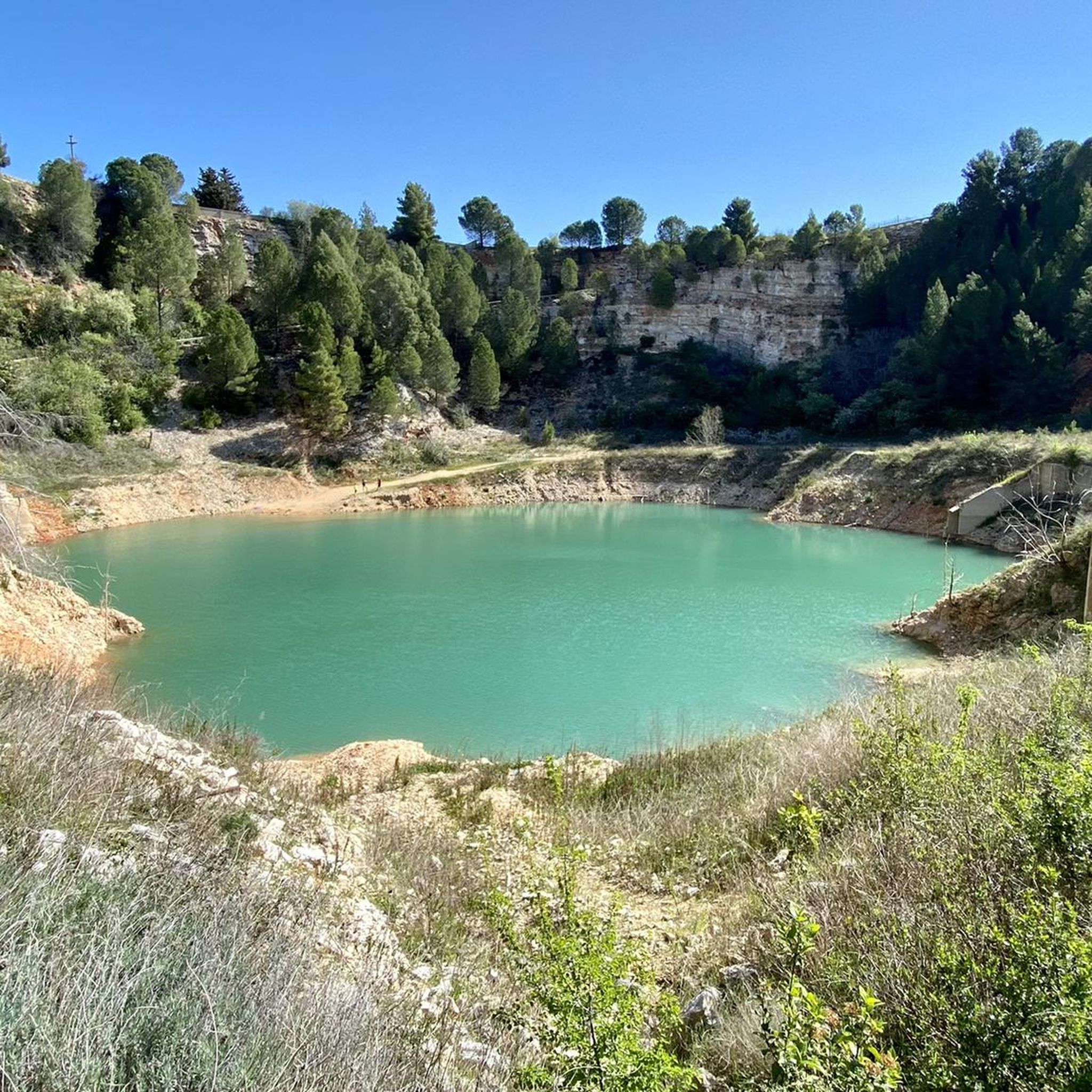
Other adventures around Bitetto

Tips from the Community

very suggestive place, you pedal in a corridor within the vegetation
0
0

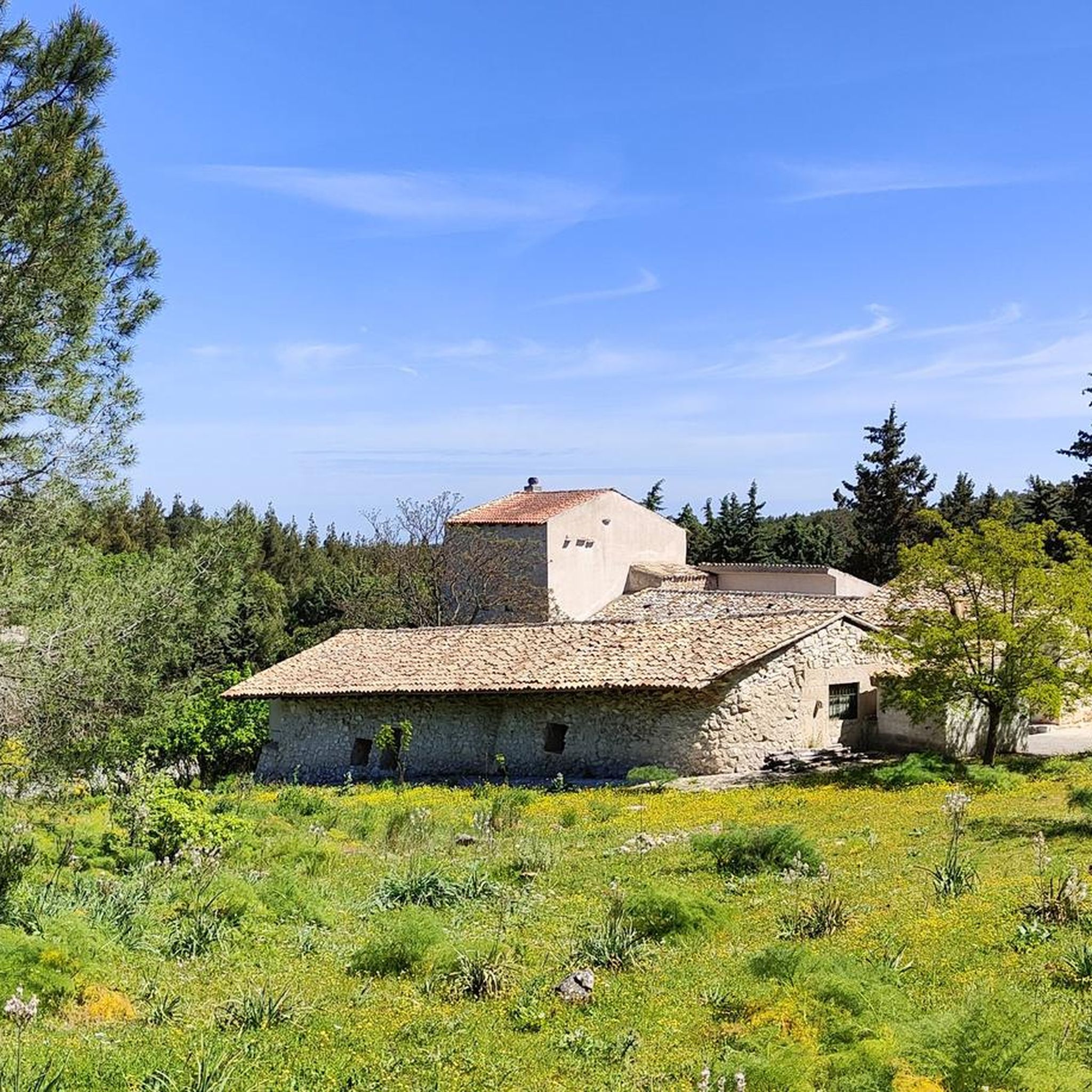
The "Torre del marchese Arcamone" is a fortified two-storey farmhouse whose last phase is certainly from the modern age, which has on the ground floor rooms for stables, warehouses and an oil mill. But what is its history and why is the district called this way? In 1399 the king of Naples, Louis, ceded the barony of Bitetto together with the fief of Ceglie and Bari, for having fought bravely in a war near Taranto, to Marcello Arcamone. Since 1382, during the reign of Charles III, he had come to Puglia with his brother Lionello, who had been given the Lordship of Ceglie. The Arcamone family lived in Bitetto for a long time. In 1407 Pope Martin V transferred Bishop the son of Marcello, Carlo Arcamone, from his seat in Venafro to Bitetto. The farm had many changes of ownership and in 1806, already belonging to the Noja family of Mola, it was confiscated for the abolition of the feudal regime.
0
0
Bitetto ist known for the presence of the remains of Blessed Giacomo , a lay friar who died in the odor of sanctity, whose body has remained intact over the centuries. The main monument of the town, the church of San Michele Arcangelo is one of the purest examples of Apulian Romanesque . The epigraph near the portal reveals that the facade was built in 1335 by Mastro Lillo da Barletta on commission from Bishop Bonocore, who wanted to rebuild the city temple on the site of an older cathedral. Bitetto had in fact been a diocesan seat since the 11th century . Oriented according to ancient custom with the presbytery to the east, the church has a severe façade divided into three parts by pilasters and equipped with a large archivolted rose window . Of the three portals, the central one is characterized by a rich sculptural apparatus: two stone lions, crouched on mighty corbels, support columns with capitals with vegetal motifs that support a lunette with bas-reliefs of Christ and the twelve Apostles. The external jambs instead present scenes from the New Testament. The interior, which was heavily plastered in the eighteenth century and was restored to its original Romanesque style in 1959 , is divided into three naves by triple-order wall partitions, where the double-arched arches are surmounted by false matronei and higher up by single-lancet windows. The transept has three apses according to the stylistic features of Apulian Romanesque. The fourteenth-century body is flanked on both sides by two eighteenth-century chapels, that of Purgatory (on the left) and that of the Blessed Sacrament (on the right). Outside, the bell tower, also dating back to the eighteenth century, rests on the Romanesque façade with a typical gabled structure.
0
0

The gate owes its name to the underground cisterns used to collect rainwater. For a long time it was one of the main accesses to the old, fortified city, where most of the population lived until the early 18th century.
0
0

Going up towards Casamassima you face a short climb on a splendid road completely covered in stones, at the top there is a small clearing where you can stop for a couple of photos and enjoy the view. From there it is possible to continue in other directions or go downhill on the same road.
1
0
Downhill run of about 20 metres, not too technical. pay attention to the stones that could move
1
0

Gateway to the village of Bitetto
0
0

Little is known of its origins with the exception of the patrons, Lucrezia d'uso and her brother, portrayed in a fresco inside the church
0
0
Frequently Asked Questions
How many gravel bike trails are available around Bitetto?
There are around 7 gravel bike routes documented on komoot for the Bitetto area, offering a variety of experiences from moderate to difficult. These routes are designed to showcase the diverse landscapes of the Parco Nazionale dell'Alta Murgia and surrounding agricultural areas.
What kind of terrain can I expect on gravel bike trails near Bitetto?
Gravel biking around Bitetto primarily features the unique limestone karst plateau of the Alta Murgia National Park. You'll encounter a mix of unpaved roads, ancient sheep tracks, and dirt paths through Mediterranean steppe, oak, and evergreen forests. The terrain can range from compact dirt surfaces to stone-laden landscapes, often with hilly sections and geological formations like dolines and ravines.
Are there any challenging gravel routes for experienced riders?
Yes, for experienced riders seeking a challenge, consider the Stone Tower House – Tower of the Marquis Arcamone loop from Valenzano. This difficult route spans over 73 km with nearly 480 meters of elevation gain, offering extensive riding through the varied terrain of the Alta Murgia.
What are some natural features or viewpoints to look out for on the trails?
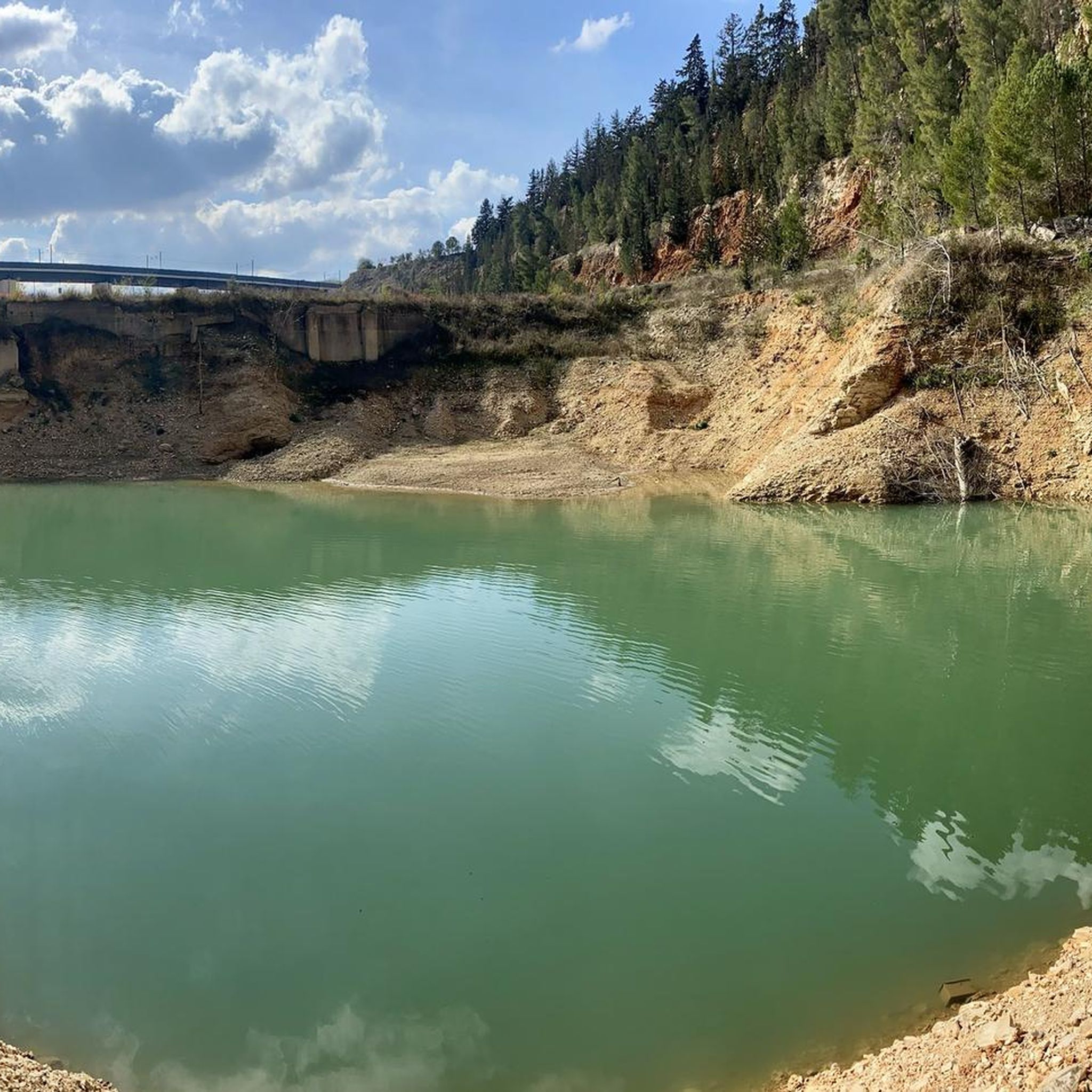
The region is rich in natural beauty. You can expect to see unique limestone karst formations, ancient olive groves, and diverse flora within the Alta Murgia National Park. While not directly on every route, nearby natural highlights include Modugno Lake, a former quarry offering panoramic views, and the San Martino Cave. The routes often traverse landscapes where you can spot rare birds and enjoy expansive views of the Apulian countryside.
Are there any historical landmarks or attractions along the gravel routes?
Many routes weave through areas rich in history. For example, the Annunziata Trail – Annunziata Route loop from Valenzano Lamie takes you through local countryside with historical elements. You might pass near ancient masserie (fortified farmhouses) and traditional Apulian rural architecture. Notable historical sites in the broader area include the Tower of the Marquis Arcamone and the Sanctuary of Blessed James, which are often integrated into longer rides.
What is the best time of year for gravel biking around Bitetto?
The best time for gravel biking in Puglia, including the Bitetto area, is typically during the spring (April-May) and autumn (September-October). During these seasons, the weather is mild and pleasant, avoiding the intense heat of summer and the cooler, potentially wetter conditions of winter. This allows for comfortable riding through the open landscapes.
Are there any family-friendly gravel biking options near Bitetto?
While specific 'family-friendly' designations aren't always explicit for gravel routes, many of the moderate trails through agricultural landscapes and less technical sections of the Alta Murgia can be suitable for families with some biking experience. Routes that follow the historic Apulian Aqueduct Cycle Path, even if not directly from Bitetto, often offer gentler gradients and mixed surfaces that are enjoyable for a wider range of ages.
Can I find circular gravel bike routes starting near Bitetto?
Yes, many of the gravel routes in the Bitetto area are designed as loops, allowing you to start and finish at the same point. Examples include the Partitore Acquedotto Pugliese – Piazza Don Bosco loop from Valenzano and the Acquedotto Pugliese Pathway – Country Trulli loop from Sannicandro di Bari, which offer convenient circular journeys through varied scenery.
What do other gravel bikers say about the trails in Bitetto?
The gravel biking routes around Bitetto are highly regarded by the komoot community, with an average score of 5.0 stars. More than 30 gravel bikers have used komoot to explore this area, often praising the diverse terrain, the blend of natural beauty with historical elements, and the opportunity to ride through the unique landscapes of the Alta Murgia National Park.
Is public transport available to reach the gravel trails with a bike?
While direct public transport options specifically catering to bikes for reaching trailheads might be limited, Bitetto is connected by regional train services. It's advisable to check with the local public transport operators (e.g., Ferrovie Appulo Lucane or Trenitalia for regional lines) regarding their bike carriage policies, as these can vary and may have restrictions during peak hours or for certain train types.
Where can I park my car if I'm bringing my gravel bike to Bitetto?
For gravel biking routes starting from towns like Valenzano or Sannicandro di Bari, which are common starting points for trails near Bitetto, you can typically find public parking in or around the town centers. It's recommended to look for designated parking areas or consult local maps for available street parking near the start of your chosen route.
Most popular attractions around Bitetto

Get inspired with the komoot mobile app


Explore more
Browse the best Gravel rides in other regions.
