The best gravel rides around Río Manilva
4.5
(2)
30
riders
8
rides
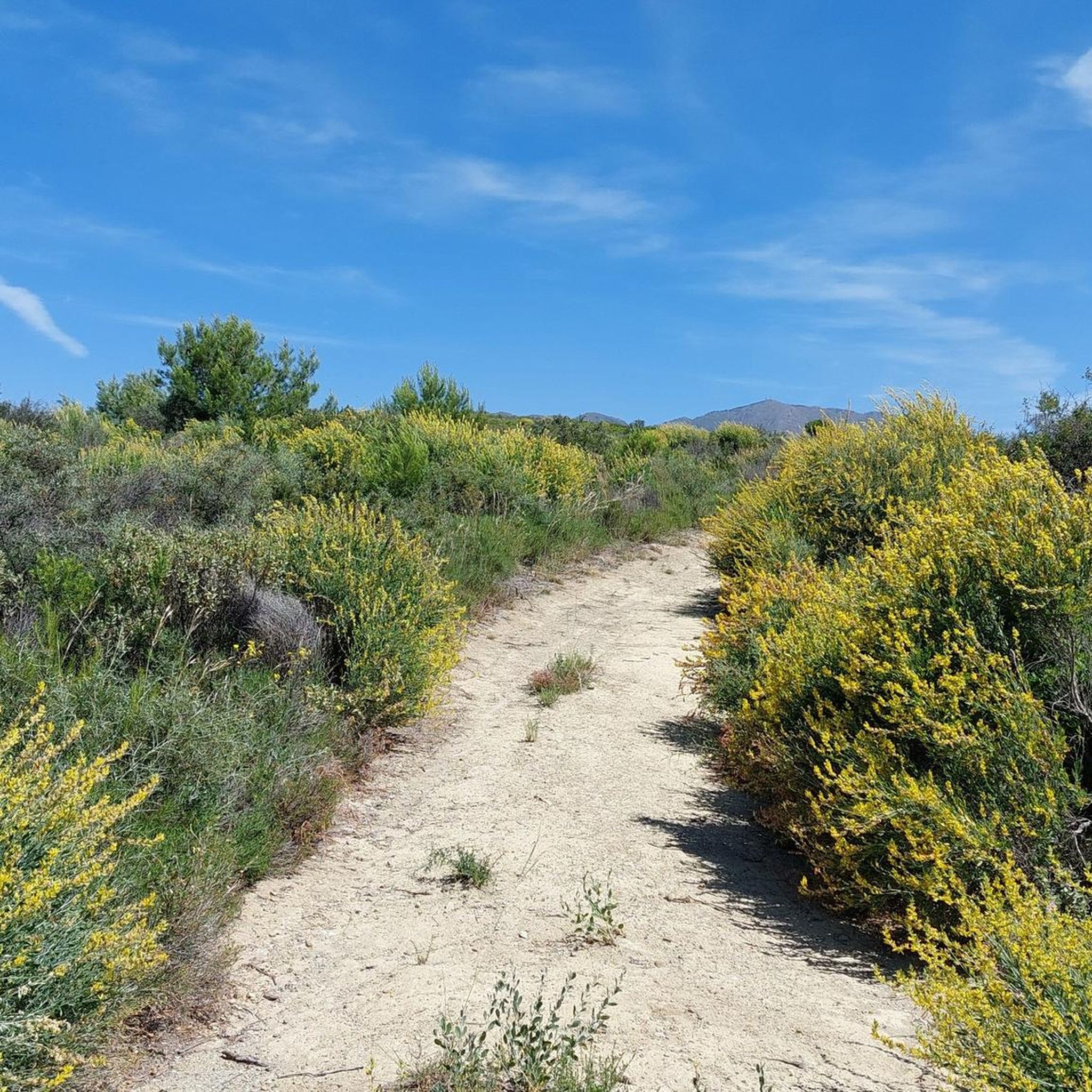
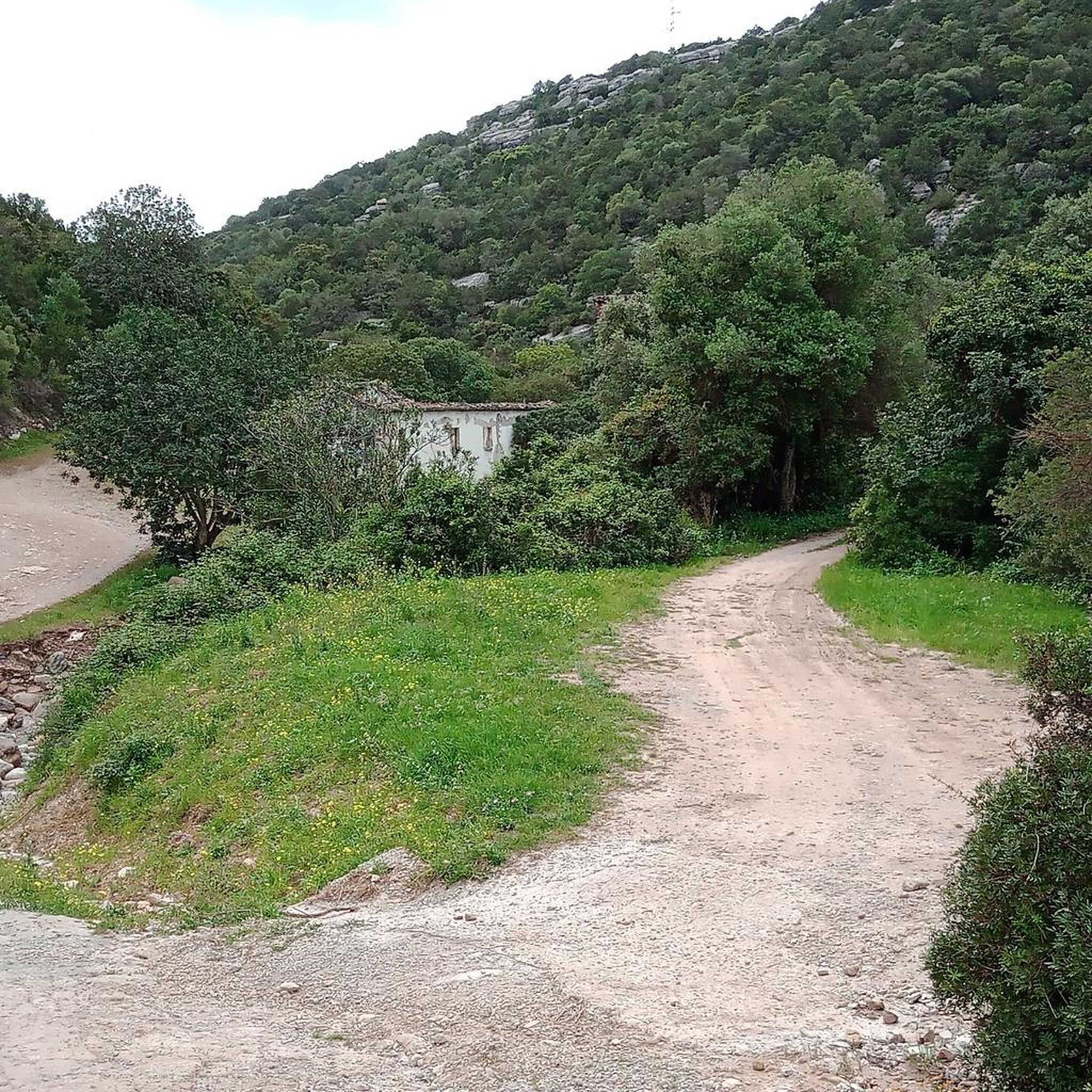
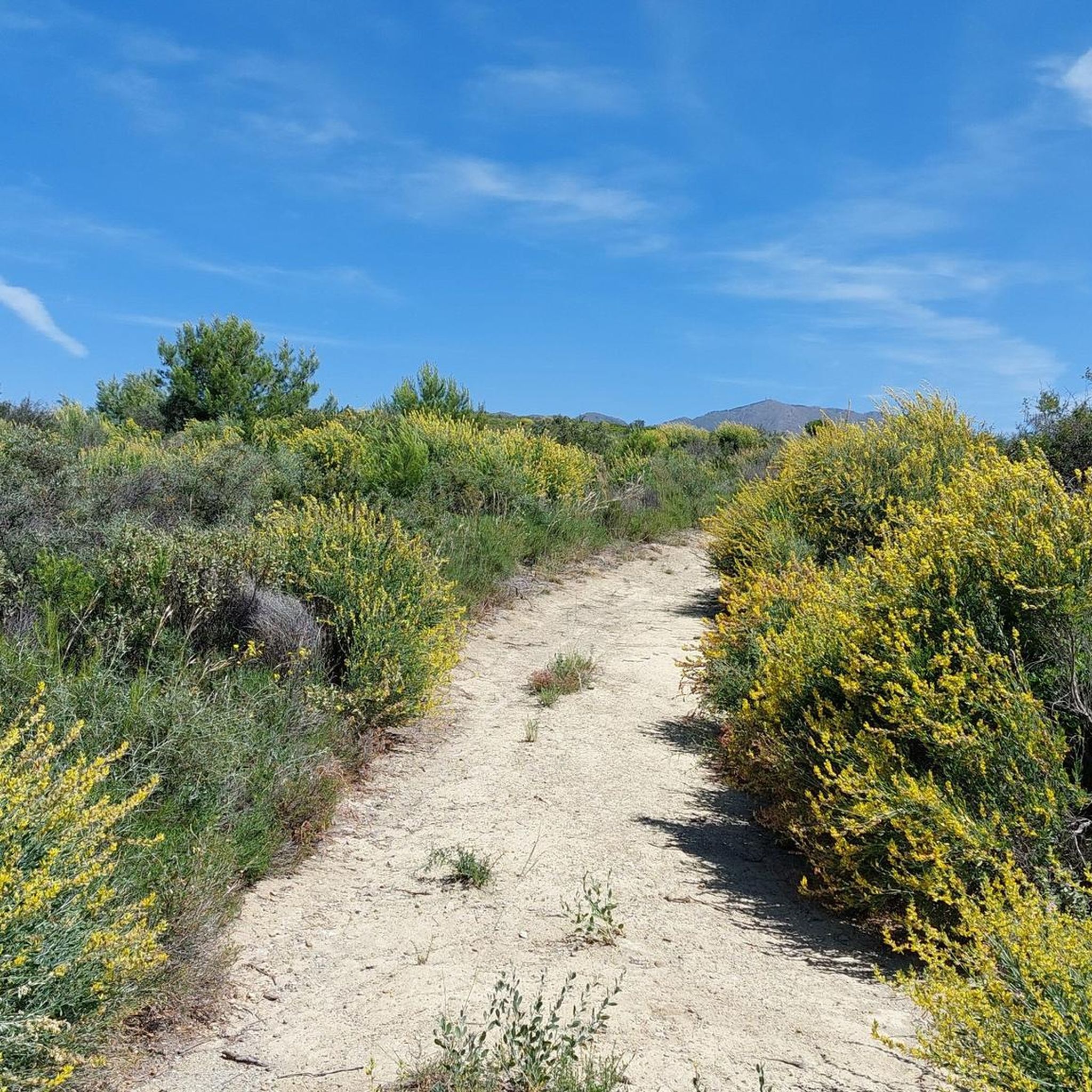
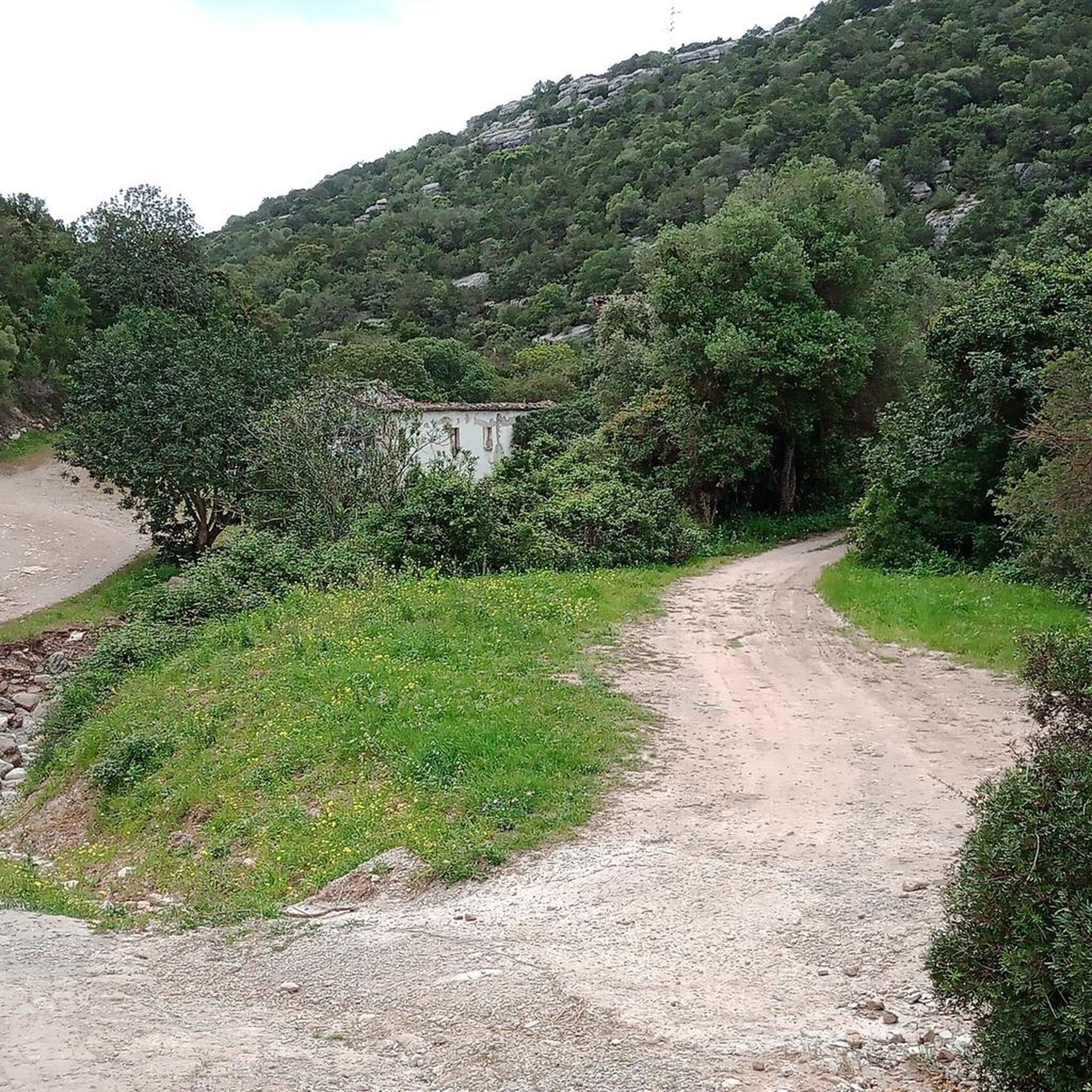
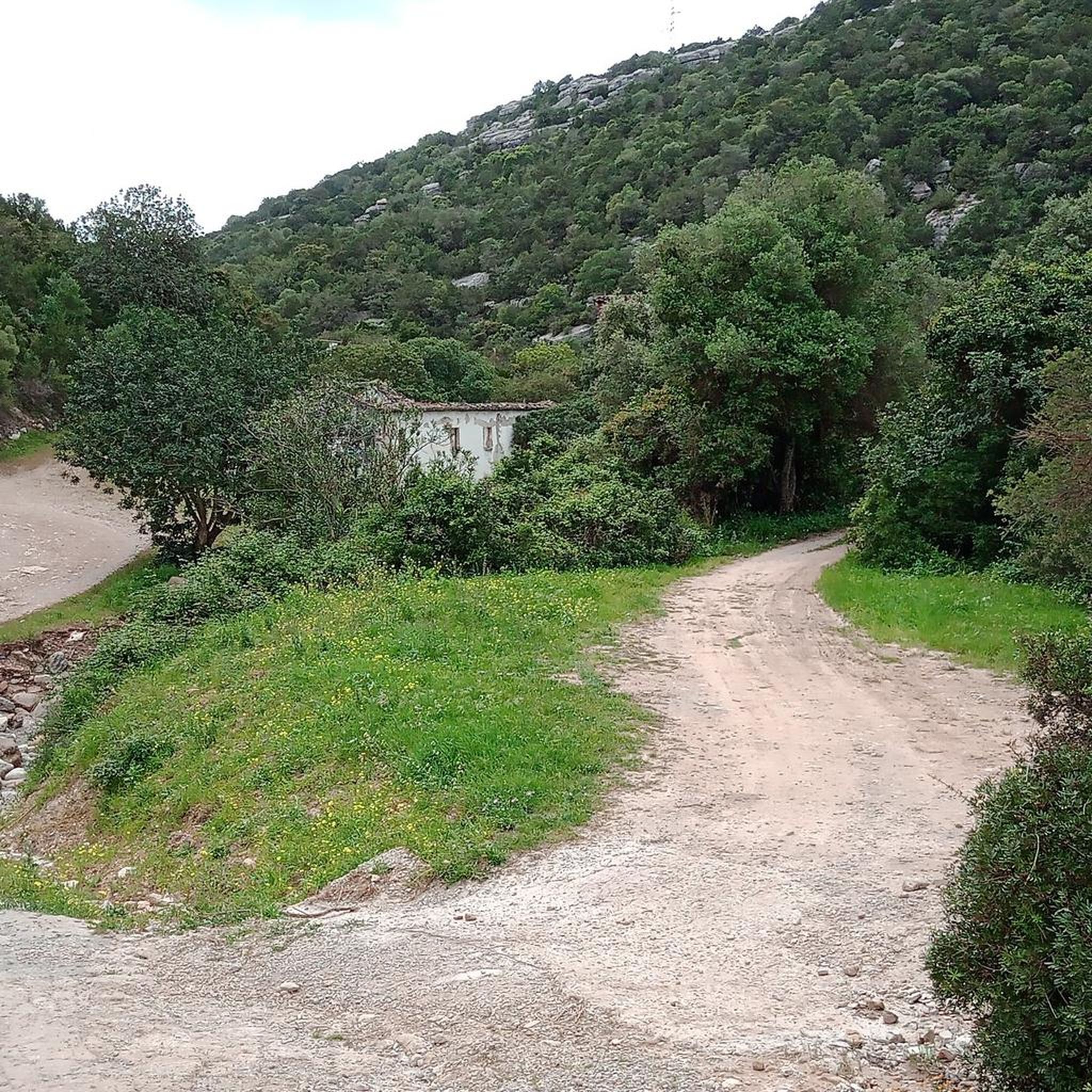
Gravel biking around Río Manilva features diverse terrain, encompassing peaceful river valleys, challenging rocky paths, and scenic coastal routes. The region includes the Manilva River Canyon with its unique rock formations and the Sierra de Utrera, known for naturally sculpted limestone. Inland, rolling hills covered with vineyards provide expansive views, while the Mediterranean coastline offers additional riding opportunities. This varied landscape caters to different levels of gravel cycling.
Best gravel bike trails around Río Manilva
- The most popular gravel bike…
Last updated: July 3, 2026
4.0
(1)
4
riders
19.8km
01:27
360m
360m
Moderate gravel ride. Good fitness required. Mostly paved surfaces. Suitable for all skill levels.
5.0
(1)
7
riders
Hard gravel ride. Very good fitness required. Mostly paved surfaces. Suitable for all skill levels.

Sign up for free
7
riders
62.8km
04:17
930m
930m
Hard gravel ride. Very good fitness required. Mostly paved surfaces. Suitable for all skill levels.
3
riders
57.5km
04:23
820m
820m
Hard gravel ride. Very good fitness required. Mostly paved surfaces. Suitable for all skill levels.
4
riders
27.8km
02:08
680m
680m
Hard gravel ride. Very good fitness required. Mostly paved surfaces. Suitable for all skill levels.
2
riders
29.9km
02:15
520m
520m
Hard gravel ride. Very good fitness required. Mostly paved surfaces. Suitable for all skill levels.
1
riders
23.4km
01:43
410m
410m
Moderate gravel ride. Good fitness required. Mostly paved surfaces. Suitable for all skill levels.
1
riders
Hard gravel ride. Very good fitness required. Mostly paved surfaces. Suitable for all skill levels.
1
riders
25.0km
01:41
460m
460m
Hard gravel ride. Very good fitness required. Mostly paved surfaces. Suitable for all skill levels.
Our route recommendations are based on thousands of hikes, rides, and runs completed by other people on komoot.
Start today with a free account
Your next adventure awaits.
Login or Signup
Tips from the Community

Known as "the garden of the Costa del Sol", the old town of Estepona surprises with its whitewashed pedestrian streets, decorated with hundreds of flowerpots of all colors. In the heart of the neighborhood, the Plaza de las Flores brings together orange trees, terraces, and the most lively atmosphere of the town.
0
0
Known as "the garden of the Costa del Sol", the old town of Estepona surprises with its whitewashed pedestrian streets, decorated with hundreds of flowerpots of all colors. In the heart of the neighborhood, the Plaza de las Flores brings together orange trees, terraces, and the liveliest atmosphere of the town.
1
0

The statue represents the two traditional sources of wealth in Estepona. It connects directly to Estepona’s identity as a former fishing village with strong rural roots. t’s considered one of the most emblematic monuments of the town.
0
0

The mural "The Last Supper" in Estepona is a modern interpretation of Leonardo da Vinci's famous work and part of the Ruta de Murales Artísticos (Artistic Mural Route). Created by the artist Curro Leyton, it is located on a building facade near Calle Madrid. This large-scale mural contributes to Estepona's transformation into an open-air art museum, blending classical themes with contemporary street art.
1
0

Located on the waterfront promenade, this park features many sculptures. All are freely accessible and well-made. A visit is definitely worthwhile.
0
0
The open-air museum in Estepona features sculptures by the Spanish sculptor Santiago de Santiago. Among the twelve works on display are a homage to Francisco de Goya, as well as figures such as Kalima, Némesis, Diana de Estepona, and Piedad. The exhibition is complemented by conceptual works by the artist, showcasing his diverse artistic range. Santiago de Santiago is internationally renowned: his works have been exhibited in museums in Saint Petersburg, Moscow, and Tokyo, and he has also created numerous public monuments and busts of prominent figures from the worlds of politics and business.
1
0
The Acueducto del Ángel in Estepona is an impressive relic from the 18th century, reminiscent of the region's agricultural past. It is located in the area of Parque del Ángel, near Arroyo de Hornacinos and Calle Terral, not far from the modern residential complex Playa del Ángel. The historical structure once served to irrigate the surrounding fields and was part of an extensive water supply system that connected springs and water reservoirs. The aqueduct consists of multi-arched masonry viaducts that carried water over an elevated structure, likely to mills or agricultural facilities in the area. After years of decay, it was restored by the city of Estepona as part of a project to upgrade the coastal park and made accessible again. Today, it is surrounded by a small park with walking paths and information boards and can be visited freely. The Acueducto del Ángel is thus not only a technical monument but also a symbol of the connection between history, landscape, and water management in Andalusia. Between modern development and proximity to the sea, it tells of a time when water was a valuable commodity and the engineering skills of the Moors and their successors created the foundation for fertile fields and flourishing gardens.
2
0
The Parque del Ángel in Estepona is a spacious, modernly designed green area near the coast that combines nature, culture, and recreation. Amidst Mediterranean plantings, palm trees, and open meadows, there is a restored aqueduct that gives the park a historical element. A wooden bridge over the small Hornacinos stream connects the surrounding neighborhoods and blends harmoniously into the landscape. In addition, several sculptures by the artist Santiago de Santiago enrich the park like a small open-air museum, while a landscaped noria recalls old irrigation systems. The offering is complemented by a modern calisthenics zone and quiet paths, making the Parque del Ángel a beautiful place for relaxation, sports, and photo opportunities.
1
0
Frequently Asked Questions
What kind of terrain can I expect on gravel bike trails in Río Manilva?
The Río Manilva region offers a diverse range of terrain for gravel biking. You'll find peaceful river valleys, challenging rocky paths, and scenic coastal routes. Inland, there are gently rolling hills covered with vineyards, and the Sierra de Utrera features fascinating naturally sculpted limestone formations. This variety ensures routes suitable for different skill levels and preferences.
How many gravel bike trails are available around Río Manilva?
There are 6 gravel bike trails available around Río Manilva. These routes offer a mix of moderate and difficult options, catering to various experience levels.
What is the general difficulty level of gravel biking routes in Río Manilva?
Gravel biking routes in Río Manilva range from moderate to difficult. There are 2 moderate routes and 4 difficult routes, providing options for both experienced riders and those looking for a challenge.
Are there any historical sites or natural landmarks to see along the gravel routes?
Yes, the region is rich in natural beauty and historical sites. You can explore the stunning Manilva River Canyon with its unique rock formations, or visit the ancient La Hedionda Roman Baths, known for their sulfurous healing waters. Further along the river, you might discover the idyllic Hell's Pool, nestled in a gorge with enchanting waterfalls.
What do other gravel bikers enjoy most about gravel biking in Río Manilva?
The komoot community highly rates the gravel biking experience in Río Manilva, with an average score of 4.5 stars from 4 reviews. Riders often praise the varied terrain, which includes coastal paths, river valleys, and scenic inland areas, as well as the opportunities to explore historical sites and natural landmarks.
Are there any circular gravel bike routes in the Río Manilva area?
Yes, many of the gravel routes in Río Manilva are designed as loops. For example, you can try the Senda Litoral Coastal Path – Cyclists' Viewpoint loop from Gazela Hills, which offers coastal views, or the Castle of the Duchess loop from Aldea Beach, which explores historical sites and beach areas.
What are some of the longer gravel biking routes in Río Manilva?
For longer rides, consider the La Duquesa Marina – View of Casares loop from Camping Chullera - San Rafael, which is 35.4 miles (56.9 km) long, or the Castle of the Duchess – La Duquesa Marina loop from Aldea Hills, covering 35.7 miles (57.5 km). These routes offer extensive exploration of both coastal and inland areas.
Are there any routes that offer significant elevation gain for a challenging ride?
Yes, several routes in Río Manilva feature significant elevation gain. The Senda Litoral Coastal Path – Cyclists' Viewpoint loop from Gazela Hills, for instance, includes over 1000 meters of ascent, making it a challenging option for experienced gravel bikers.
What is the best season for gravel biking in Río Manilva?
The region's Mediterranean climate generally makes it suitable for gravel biking year-round. However, spring and autumn offer particularly pleasant temperatures and lush landscapes. During the wet seasons, the Hell's Pool and other river features are at their most spectacular.
Can I find routes that combine coastal views with inland exploration?
Absolutely. Many routes in Río Manilva offer a blend of coastal and inland scenery. The La Duquesa Marina – View of Casares loop from Camping Chullera - San Rafael is a great example, leading you through both Mediterranean coastal areas and the rolling hills further inland.
Are there any routes that pass through vineyards or offer views of them?
Yes, inland from the coast, the region features gently rolling hills covered with vineyards. Routes that venture into these areas, particularly those exploring the cultural landscape around the traditional Moscatel grape, will offer scenic views of these vineyards as they descend towards the Mediterranean.
Most popular routes around Río Manilva
Most popular attractions around Río Manilva

Get inspired with the komoot mobile app


Explore more
Browse the best Gravel rides in other regions.
