The best gravel rides around Bois de Lauzelle
4.4
(68)
632
riders
67
rides
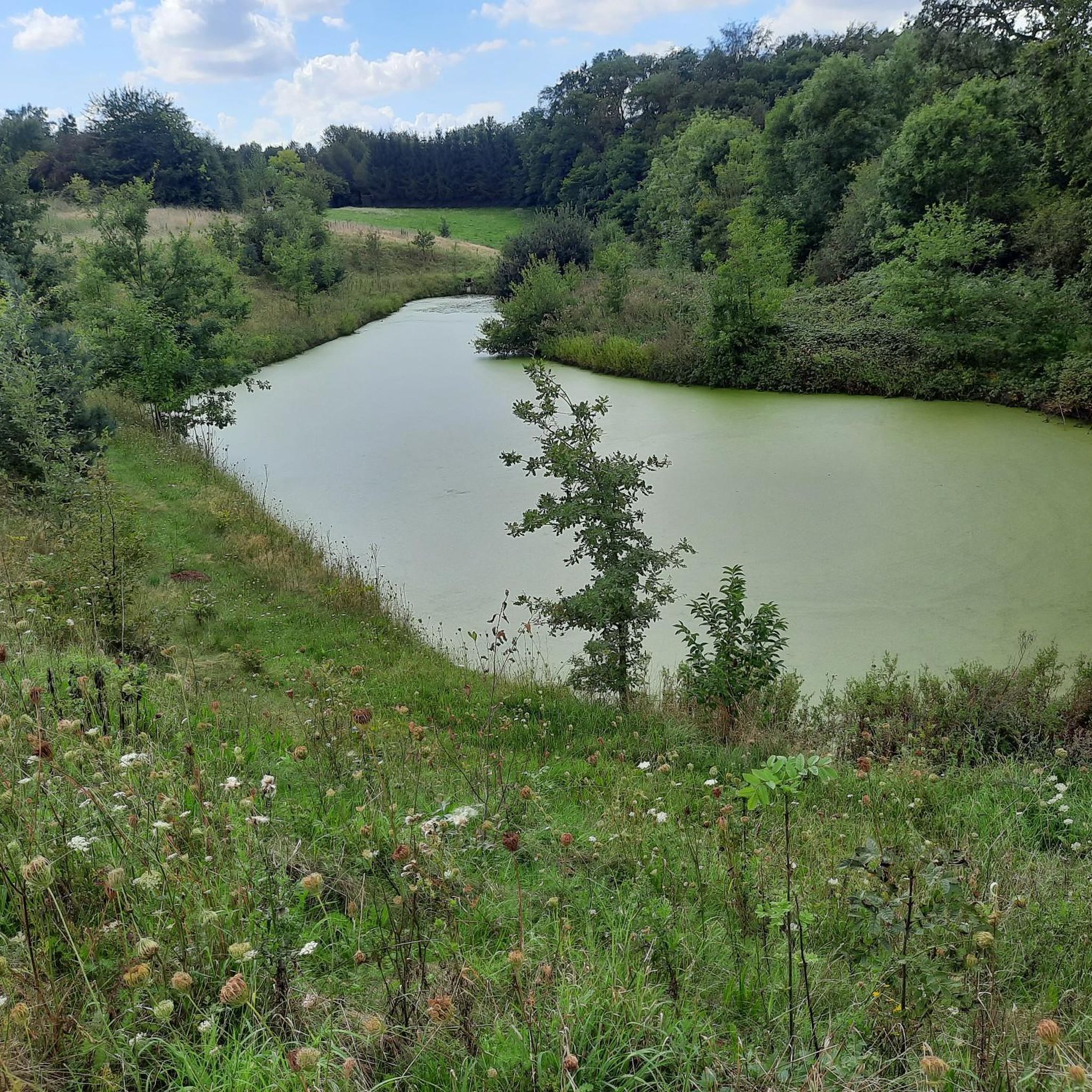
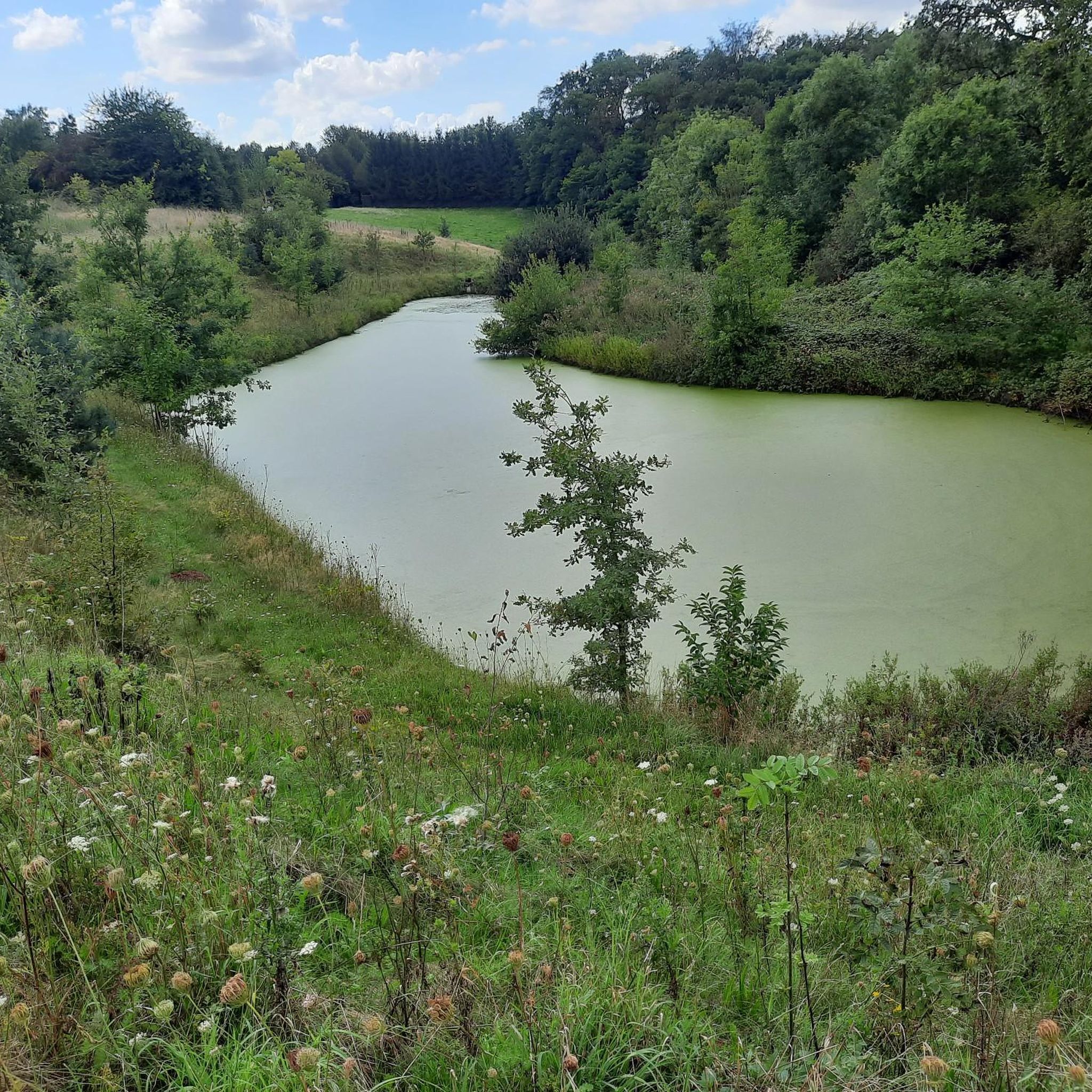
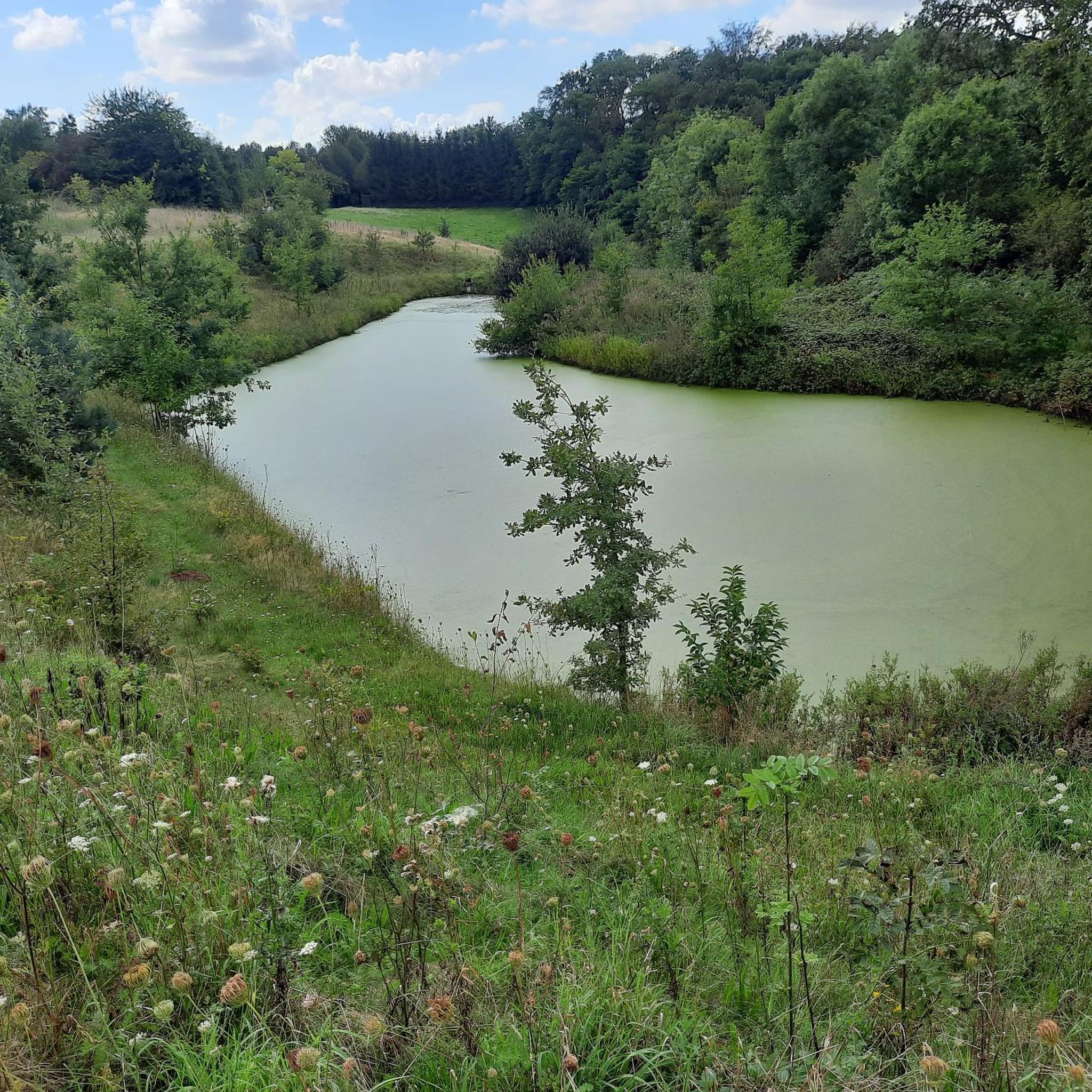
Gravel biking around Bois de Lauzelle offers a varied experience across diverse natural landscapes and well-maintained trails. The region features both dry and wet environments, providing a dynamic riding experience with sections of soft gravel. Riders can expect noticeable elevation changes and opportunities for demanding trail training within its approximately 200 hectares, which include a wide valley and numerous dells. The area's ecological richness, including forests and wetlands, contributes to the varied terrain.
Best gravel bike trails around Bois de…
Last updated: July 16, 2026
4.0
(5)
27
riders
54.5km
03:24
460m
460m
Hard gravel ride. Very good fitness required. Mostly paved surfaces. Suitable for all skill levels.
4.0
(4)
28
riders
Hard gravel ride. Very good fitness required. You may need to push your bike for some segments of this route.

Sign up for free
4.0
(1)
14
riders
56.5km
03:15
540m
540m
Hard gravel ride. Very good fitness required. Mostly paved surfaces. Suitable for all skill levels.
5.0
(1)
10
riders
Hard gravel ride. Very good fitness required. You may need to push your bike for some segments of this route.
12
riders
53.0km
03:06
500m
500m
Hard gravel ride. Very good fitness required. Mostly paved surfaces. Suitable for all skill levels.
Get access to more routes and recommendations from other explorers.
Sign up for free
Already have an account?
Our route recommendations are based on thousands of hikes, rides, and runs completed by other people on komoot.
Start today with a free account
Your next adventure awaits.
Login or Signup
Tips from the Community

Nice cycling with a good surface and no traffic.
0
0
This tour goes for kilometers through the forest. In spring it is beautiful with the hyacinths and wood anemones. In summer nice and cool.
0
0

From here you have a good view of the landscape in which the Battle of Waterloo was fought, you can still clearly see the slope in the landscape that allowed the British to take up a good defensive position.
1
0

The Groenendaal racecourse was built in 1888-1889 on the initiative of Leopold II in the middle of the Sonian Forest, next to the road to Waterloo, and in 1892, as part of easy access, it received its own railway connection to Groenendaal station. To realize this racecourse, approximately 100 hectares of forest were cleared at the end of the 19th century. King Leopold II had his own box there, located between two metal grandstands for the public. After the First World War, this area was used for the dismantling of weapons and ammunition left behind in the Westhoek. German prisoners of war had to clear mines under the supervision of the Belgian army. During a fire and the subsequent explosions of ammunition on May 6, 1919, the hippodrome's grandstands and buildings were heavily damaged. After another explosion in November, the ammunition depot was completely dismantled in 1920. Two years later, the racecourse was restored and the grandstands were rebuilt. The royal box for Albert I was not rebuilt until 1924. Its appearance was completely different from the pre-war grandstand. When the current appearance came about is not entirely clear, although the current box is attributed to Albert I in the literature, see also monogram. Inventory of Immovable Heritage: Royal Box and remains of bookmaker's room, https://id.erfgoed.net/erfgoedobjecten/302991
4
0
The Groenendaal racecourse was built in 1888-1889 on the initiative of Leopold II in the middle of the Sonian Forest, next to the road to Waterloo. In 1892, it was given its own rail connection to Groenendaal station as part of a smooth development. To realize this racecourse, about 100 hectares of forest were cleared at the end of the 19th century. King Leopold II had his own box, located between two metal grandstands for the public. After the First World War, this area was used for the dismantling of weapons and ammunition left behind in the Westhoek. German prisoners of war had to clear mines under the supervision of the Belgian army. A fire and subsequent explosions of ammunition on May 6, 1919, heavily damaged the grandstands and buildings of the hippodrome. After another explosion in November, the ammunition depot was completely dismantled in 1920. Two years later, the racecourse was restored and the grandstands were rebuilt. The royal box for Albert I was only rebuilt in 1924. Its appearance was completely different from the pre-war grandstand. When the current appearance came about is not entirely clear, although the current box is attributed to Albert I in the literature, see also monogram. Inventory of Immovable Heritage: Royal Box and remains of bookmaker's office, https://id.erfgoed.net/erfgoedobjecten/302991
4
0

Nice challenge through the glowing landscape.
5
0

Here in the courtyard you can get something to drink and eat (be careful, it is only open until 6 p.m.), which is a bit of a shame.
1
0

Heverleebos. Forest on the outskirts of the magnificent city of Leuven. Its paths, perfect for gravel riding, hosted the 2023 European Gravel Championships (with victories by Lorena Wiebes and local rider Jasper Stuyven) and the 2024 Gravel World Championships (with victories by Marianne Vos and Mathieu van der Poel).
0
0
Frequently Asked Questions
How many gravel bike trails are available in Bois de Lauzelle?
Bois de Lauzelle offers a wide selection of gravel biking routes, with over 90 trails available. These range in difficulty, ensuring options for various skill levels.
What are the typical difficulty levels for gravel biking in Bois de Lauzelle?
The trails in Bois de Lauzelle cater to a range of abilities. You'll find approximately 6 easy routes, 50 moderate routes, and 34 difficult routes, offering everything from scenic paths to more challenging climbs with noticeable elevation changes.
What kind of terrain can I expect on the gravel bike trails in Bois de Lauzelle?
Gravel biking in Bois de Lauzelle offers a varied experience across diverse natural landscapes. Riders can expect sections of 'soft gravel' and opportunities for 'demanding trail training'. The forest features distinct dry and wet environments, including dense forest paths and humid, marshy areas, contributing to a dynamic and engaging ride.
Are there any circular gravel bike routes in Bois de Lauzelle?
Yes, many of the gravel bike routes in Bois de Lauzelle are circular. For example, the challenging Gravel trail of the Route des grottes – Grote Keistraat Climb loop from Limal is a popular circular option, covering about 47.6 km with significant elevation gain.
What notable landmarks or attractions can I explore near the gravel trails?
Beyond the trails, Bois de Lauzelle is close to several interesting sites. You can explore the Saint-André de Clerlande monastery, Clerlande castle, and the Louvain-la-Neuve Golf Club. The area also features natural 'hidden gems' like the 'Weeping Tree Fountain' and pontoon boardwalks traversing wetland areas, offering glimpses of beaver habitats.
Is there parking available for gravel bikers in Bois de Lauzelle?
While specific parking areas for gravel bikers are not detailed, Bois de Lauzelle is generally accessible, and parking options are typically available near main entrances or trailheads. It's advisable to check local signage upon arrival.
How can I reach Bois de Lauzelle by public transport for gravel biking?
Bois de Lauzelle is situated near Louvain-la-Neuve, which is well-served by public transport. You can typically reach the area via train or bus services to Louvain-la-Neuve, and then cycle a short distance to the forest's entrances.
Are there family-friendly gravel trails in Bois de Lauzelle?
Yes, while many routes offer challenging climbs, there are also options suitable for families. The forest features well-maintained trails, including marked walking routes that can be integrated into biking, such as a 1 km wetland trail and a 3.7 km forest trail, which are generally less demanding.
Are dogs allowed on the gravel bike trails in Bois de Lauzelle?
Bois de Lauzelle is a natural area popular with walkers and cyclists. Generally, dogs are permitted on trails, but it is always recommended to keep them on a leash, especially given the rich biodiversity and presence of wildlife, and to respect local regulations.
Where can I find refreshments or cafes near the gravel trails?
The Bois de Lauzelle is located near Louvain-la-Neuve, which offers various cafes, restaurants, and pubs where you can find refreshments before or after your ride. There are no specific cafes directly within the forest trails themselves.
What do other gravel bikers enjoy most about the trails in Bois de Lauzelle?
The area is highly rated by the komoot community, with an average score of 4.3 stars from over 80 reviews. Reviewers often praise the diverse ecosystems, the mix of dry and wet environments, and the engaging riding experience offered by the varied terrain and noticeable elevation changes.
What is the best time of year to go gravel biking in Bois de Lauzelle?
Bois de Lauzelle offers a great experience year-round. Spring brings out vibrant flora and fauna, including salamanders and frogs, making it a beautiful time to visit. Autumn offers stunning foliage. While winter conditions can vary, the well-maintained trails generally remain accessible, though some sections might be softer or muddier after rain.
Are there any beginner-friendly gravel biking options?
Yes, while some routes are quite challenging, there are easier options available. For instance, the guide lists approximately 6 easy routes. These trails often feature less elevation gain and smoother surfaces, making them suitable for those new to gravel biking or looking for a more relaxed ride.
Most popular routes around Bois de Lauzelle

Get inspired with the komoot mobile app


Explore more
Browse the best Gravel rides in other regions.
