The best gravel rides around Gialova Lakeon
3.3
(3)
60
riders
4
rides
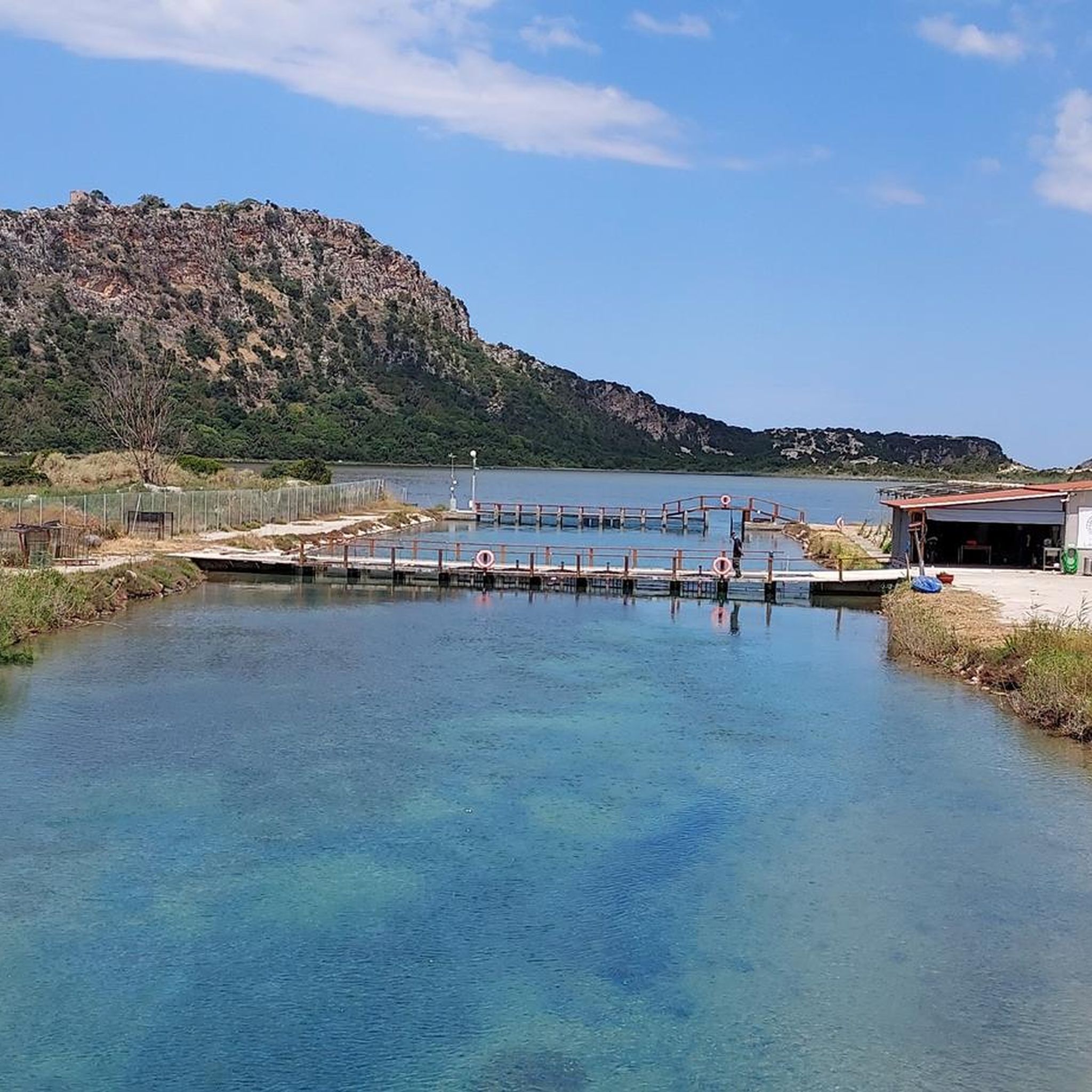
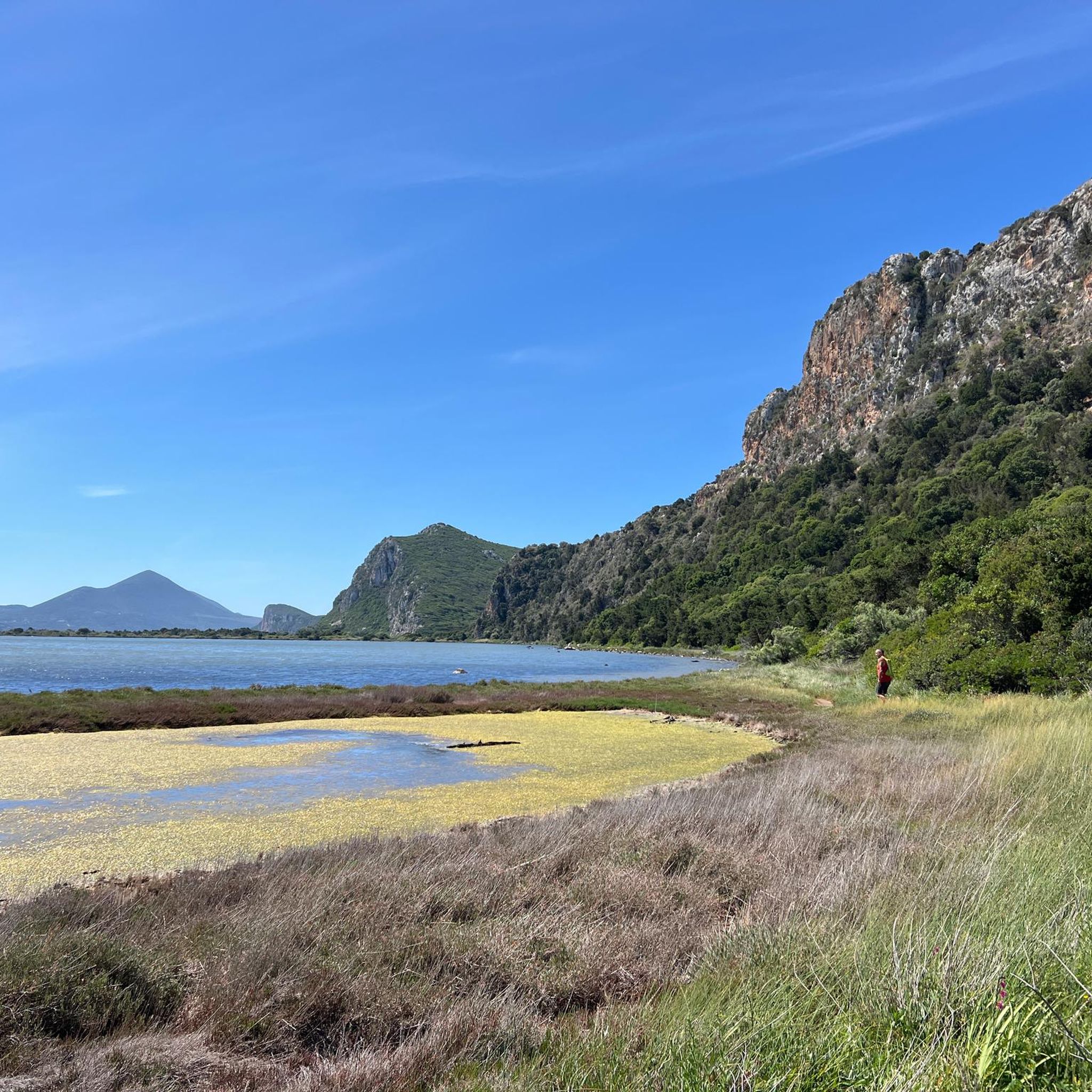
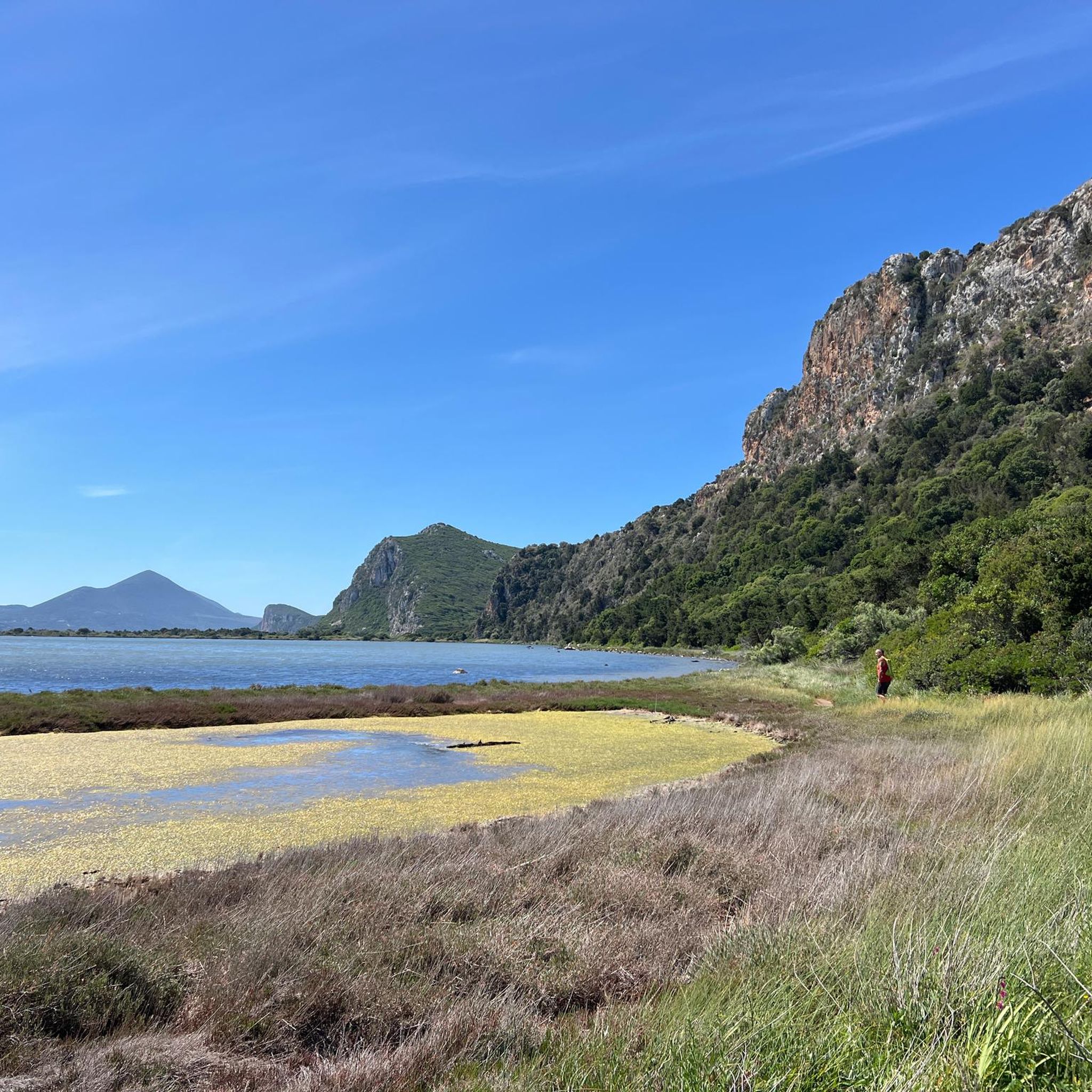
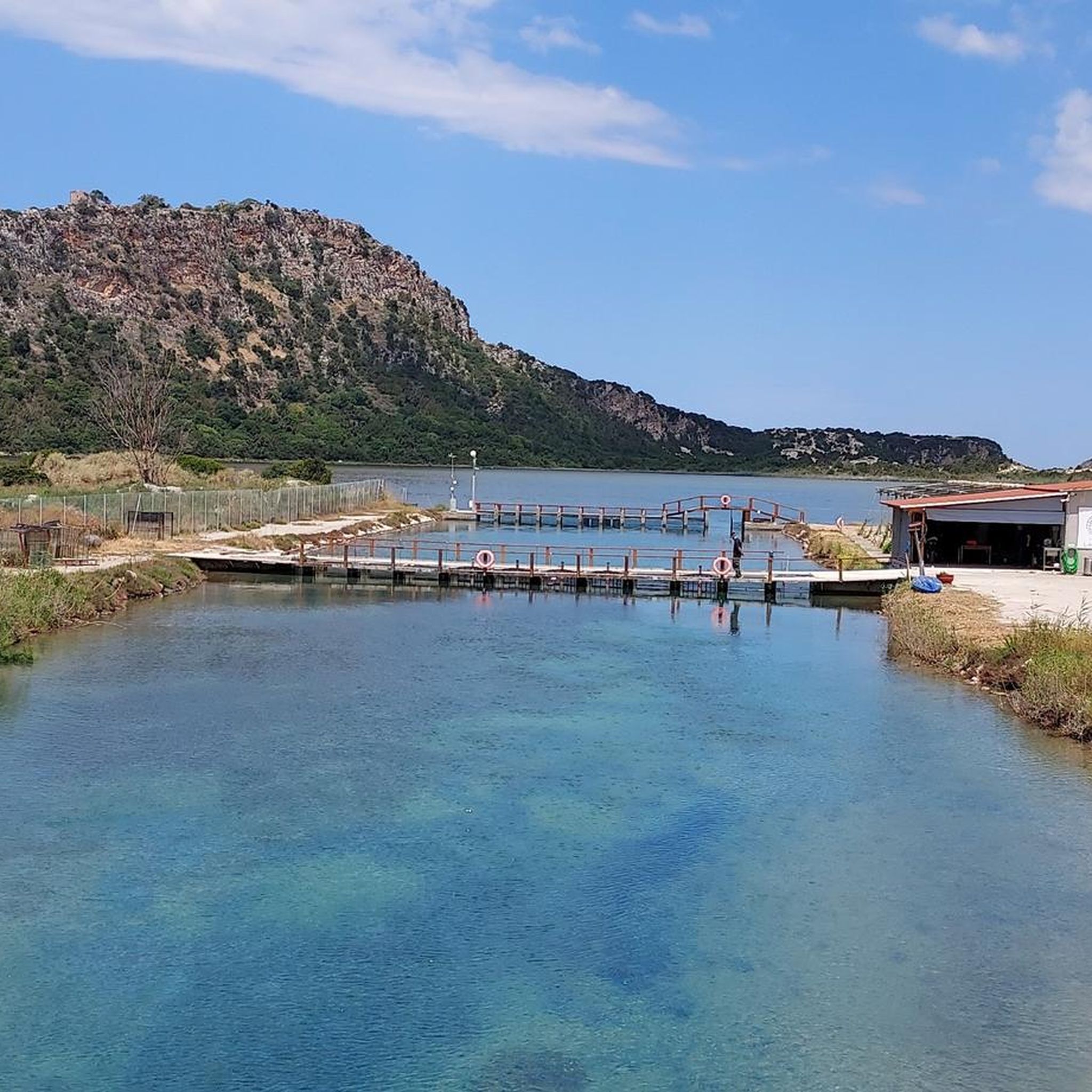
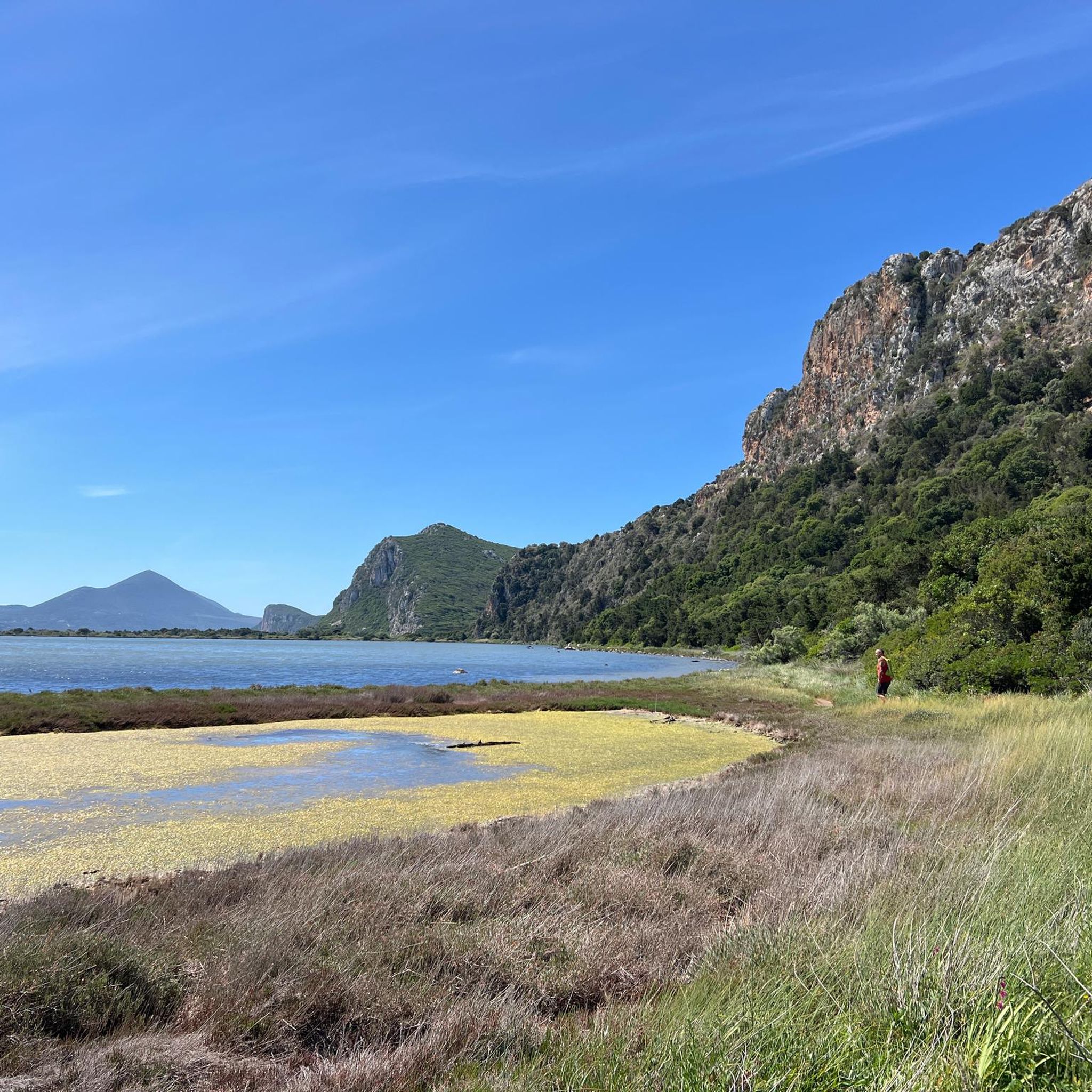
Gravel biking around Gialova Lakeon offers diverse terrain, including flat gravel roads, coastal paths, and routes through ancient olive groves. The region is characterized by its significant wetlands, sandy beaches, and brackish marshes, providing a unique ecosystem for exploration. Riders can navigate paths along the Ionian Sea coast, through vineyards, and past orange plantations. This area is a protected Natura 2000 site, known for its rich biodiversity.
Best gravel bike trails around Gialova Lakeon
- The most popular gravel bike trail…
Last updated: July 16, 2026
29
riders
56.5km
03:53
890m
890m
Hard gravel ride. Very good fitness required. Mostly paved surfaces. Suitable for all skill levels.
13
riders
89.4km
06:23
1,540m
1,540m
Hard gravel ride. Very good fitness required. Mostly paved surfaces. Suitable for all skill levels.

Sign up for free
4
riders
58.1km
03:55
850m
850m
Hard gravel ride. Very good fitness required. Mostly paved surfaces. Suitable for all skill levels.
3.3
(3)
14
riders
23.1km
01:09
100m
100m
Easy gravel ride. Great for any fitness level. Mostly paved surfaces. Suitable for all skill levels.
Our route recommendations are based on thousands of hikes, rides, and runs completed by other people on komoot.
Start today with a free account
Your next adventure awaits.
Login or Signup
Tips from the Community

I'm going on Monday I want to cycle and walk at gialova
0
0

Nice harbor with square and cafes and restaurants
0
0

In 1498, the Ottomans conquered the city, which, like the entire Morea, came under the rule of Venice again from 1686 to 1715. During this phase, the Venetians expanded the land side of the fortress with modern bastions, although the work was not completed before they had to evacuate the Peloponnese. Sultan Bayezid II, who was trying to remove the Qizilbāsh, whom he considered infidel, from Anatolia, made the coastal areas of Greece, including Modon, a major destination for deportations.
1
0
During the Byzantine rule - a Venetian fleet conquered and plundered the city under the leadership of Doge Domenico Michiel as early as 1125 - and the Venetian rule that began in 1206, the city was provided with mighty city walls that are still very well preserved today. Methoni and the Koroni fortress on the east side of the finger served as the "two eyes of Venice" on the Peloponnese at the time and were important bases for shipping. The top management was appointed annually in Venice, more precisely in the Great Council there. In 1381, Michele Steno, the later Doge, took over the office of castellan of Modon and Koron together with Paolo Marcello. Another Doge, Giovanni Gradenigo, also held the post of castellan of the double fortress in his political career in 1358 and 1359.
1
0
Methoni is already mentioned in Homer's Iliad as Pedasos. The polis was an important trading and storage center in ancient times because of its natural harbor, but also of great military importance. Together with Pylos, it was the last to be held by the Messenians against Sparta in the Second Messenian War until 620 BC, but was then under Spartan rule until 370 BC. In 431 BC, the Athenians tried to conquer the city. During the Roman civil wars, Marcus Antonius heavily fortified Methoni, but Marcus Vipsanius Agrippa conquered the city before the Battle of Actium. The Roman Emperor Trajan declared Methoni a free city at the beginning of the 2nd century.
1
0
Evangelismos (Greek: Ευαγγελισμός) is a town near the south coast of Messinia, Greece. It is located 10 km southeast of Pylos and 5 km east of Methoni. The town is the main settlement of the community Evangelismos, which itself is part of the community Methoni within the municipality Pylos-Nestor. Nearby villages include Dentroulia and Kamaria.
2
0
The beach is clean and without seaweed, and fine sand.
0
0
Methoni (Greek Μεθώνη, also Modon, Modoni, Mothone or ancient Greek Methone, in Homer Pedasos) is a small Greek port town in Messinia at the southwestern end of the Peloponnese with about 2598 inhabitants today (as of 2011). Until the end of 2010, Methoni was an independent municipality, after incorporations since 1997 as a city municipality (dimos). On 1 January 2011, Methoni became a municipal district of the new municipality of Pylos-Nestor (for further subdivision see there).
1
0
Frequently Asked Questions
How many gravel bike trails are available in Gialova Lagoon?
There are 5 gravel bike trails around Gialova Lagoon listed on komoot, offering a variety of experiences from easy coastal rides to more challenging routes through diverse landscapes.
What kind of terrain can I expect on gravel bike trails around Gialova Lagoon?
Gravel biking around Gialova Lagoon offers a mix of terrain, including flat gravel roads, coastal paths, and routes winding through ancient olive groves and past orange plantations. You'll also encounter paths along significant wetlands and the Ionian Sea coast, providing a varied and engaging ride.
Are there any easy gravel bike routes suitable for beginners or families?
Yes, there is one easy gravel bike route available. The Golden Beach ⛱️ – Gialova coast loop from Tragana is a 22.9 km (14.2 miles) trail with minimal elevation gain, making it a great option for those looking for a more relaxed ride. The region's flat gravel roads and coastal paths are generally accessible.
Can I find routes that include the famous Voidokilia Beach?
Absolutely. Voidokilia Beach is a highlight of the region. You can explore it on routes like the challenging Voidokilia Beach – Voidokilia Bay loop from Gialova, which is 88 km (54.7 miles) long and offers stunning coastal views. Another option is the Voidokilia Bay – Gialova coast loop from Tragana, a 58.7 km (36.5 miles) trail that also passes through this iconic area.
What natural attractions can I see while gravel biking in Gialova Lagoon?
The Gialova Lagoon is a protected Natura 2000 site, renowned for its rich biodiversity. You can spot a wide array of migratory birds, including flamingos and herons, and it's the only place in Europe where the African chameleon lives. The area also features diverse landscapes like sandy beaches, salt flats, and brackish marshes. You might also encounter the Divari Beach or the Riverside path.
Are there any historical sites or landmarks accessible by gravel bike?
Yes, the region is rich in history. You can find archaeological sites near Voidokilia Beach, such as the vaulted tomb of Thrasymidis and Nestor's Cave. The Methoni Castle — main gate – Pylos Port Overlook ⛵️ loop from Gialova, a 56.7 km (35.3 miles) route, specifically offers views of historical sites and coastal landscapes, including the impressive Methoni Castle.
Are the gravel bike trails around Gialova Lagoon suitable for birdwatching?
Absolutely. Gialova Lagoon is one of Europe's most important wetlands and a crucial stopover for migratory birds. The area is a designated 'Special Protection Zone' and 'Important Bird Area,' home to 271 bird species. You can find dedicated bird observation hides and a bird observatory around the lagoon, making it ideal for combining gravel biking with birdwatching.
Are there long-distance gravel routes available in Gialova Lagoon?
Yes, several routes offer longer distances for more experienced riders. For example, the Voidokilia Beach – Voidokilia Bay loop from Gialova spans 88 km (54.7 miles), and the Methoni Castle — main gate – Pylos Port Overlook ⛵️ loop from Gialova is 56.7 km (35.3 miles). These routes provide extensive exploration of the coastal and inland areas.
What do other gravel bikers say about the trails in Gialova Lagoon?
The gravel bike trails in Gialova Lagoon are highly rated by the komoot community, with an average score of 4.0 stars from 2 reviews. Over 50 gravel bikers have used komoot to explore the varied terrain, often praising the unique combination of coastal paths, olive groves, and significant wetlands.
Is there a waterfall I can visit on a gravel bike route?
While not directly on a gravel bike route listed here, the Kalamaris waterfall is a notable natural point of interest in the broader region. It's surrounded by oak, plane, and pine trees, offering a refreshing stop if you plan a slight detour from the main gravel trails.
Are there circular gravel bike routes in the Gialova Lagoon area?
Yes, most of the gravel bike routes in Gialova Lagoon are designed as loops, allowing you to start and end at the same point. Examples include the Methoni Castle — main gate – Pylos Port Overlook ⛵️ loop from Gialova and the Golden Beach ⛱️ – Gialova coast loop from Tragana, providing convenient options for exploration.
What is the best time of year for gravel biking in Gialova Lagoon?
The Peloponnese region, where Gialova Lagoon is located, generally offers pleasant conditions for outdoor activities for much of the year. Spring and autumn are often ideal, with milder temperatures and lush landscapes. These seasons also coincide with peak migratory bird activity, enhancing the wildlife viewing experience.
Most popular routes around Gialova Lakeon
Most popular attractions around Gialova Lakeon

Get inspired with the komoot mobile app


