Gutsbezirk Münsingen
Gutsbezirk Münsingen
Top 20 Natural Monuments around Gutsbezirk Münsingen
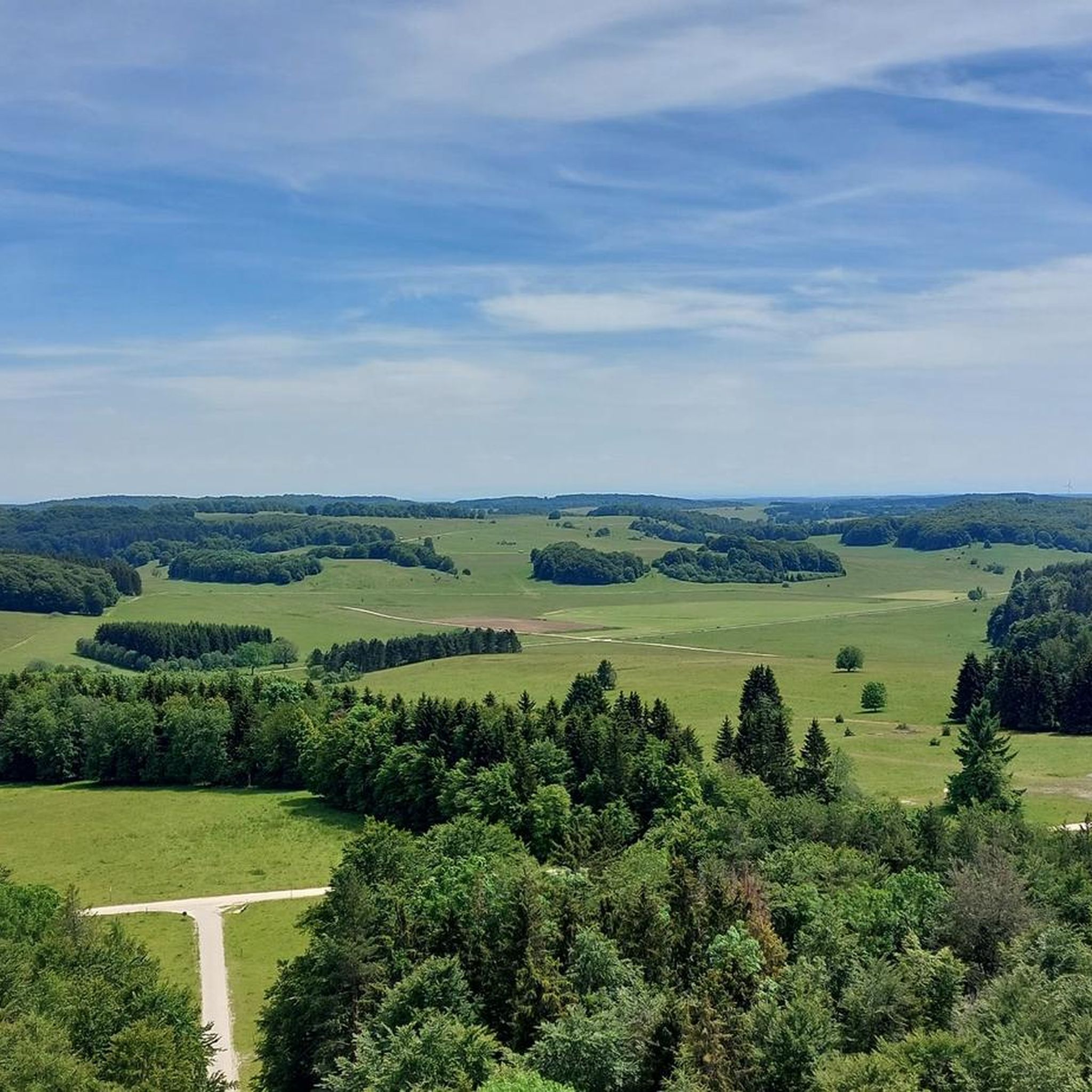
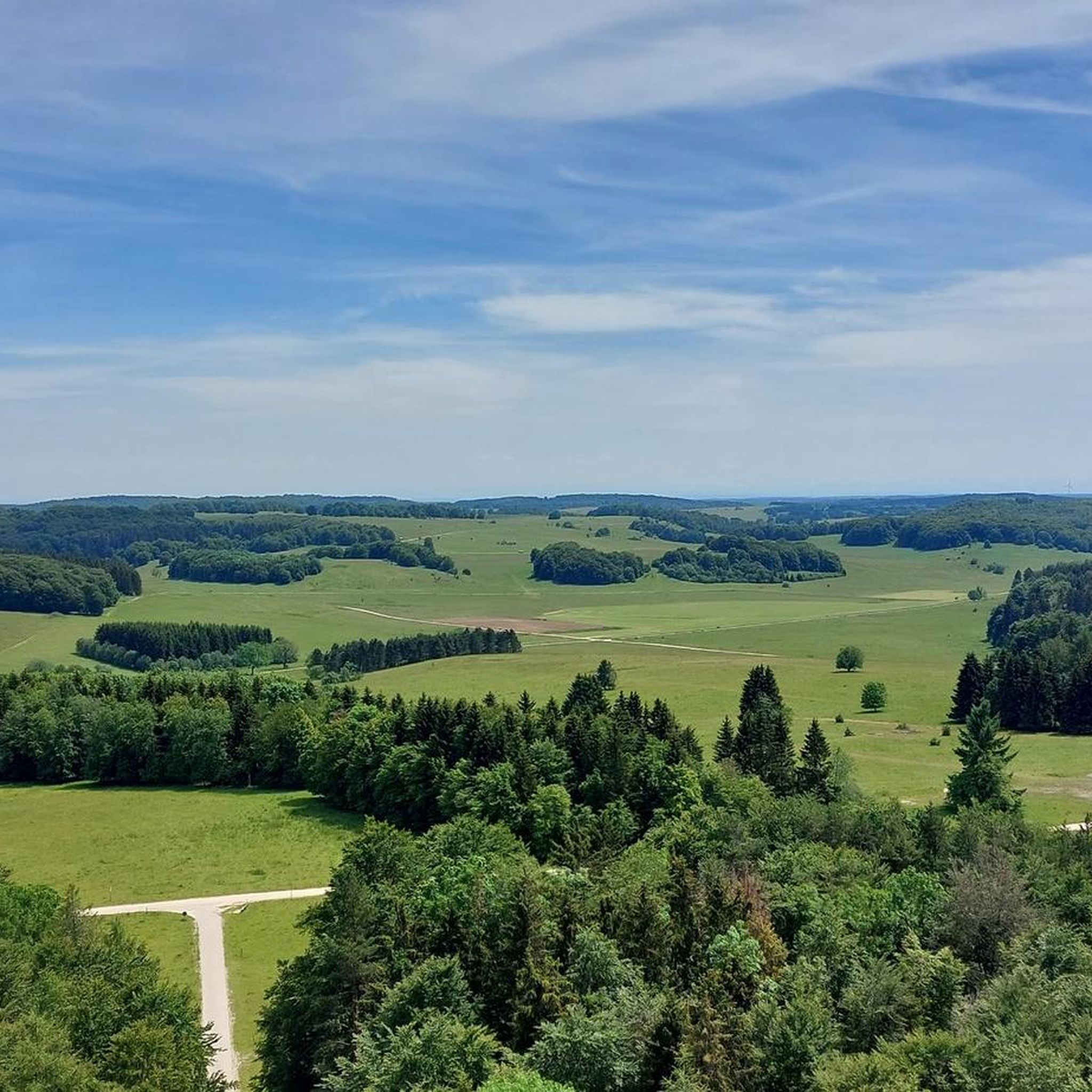
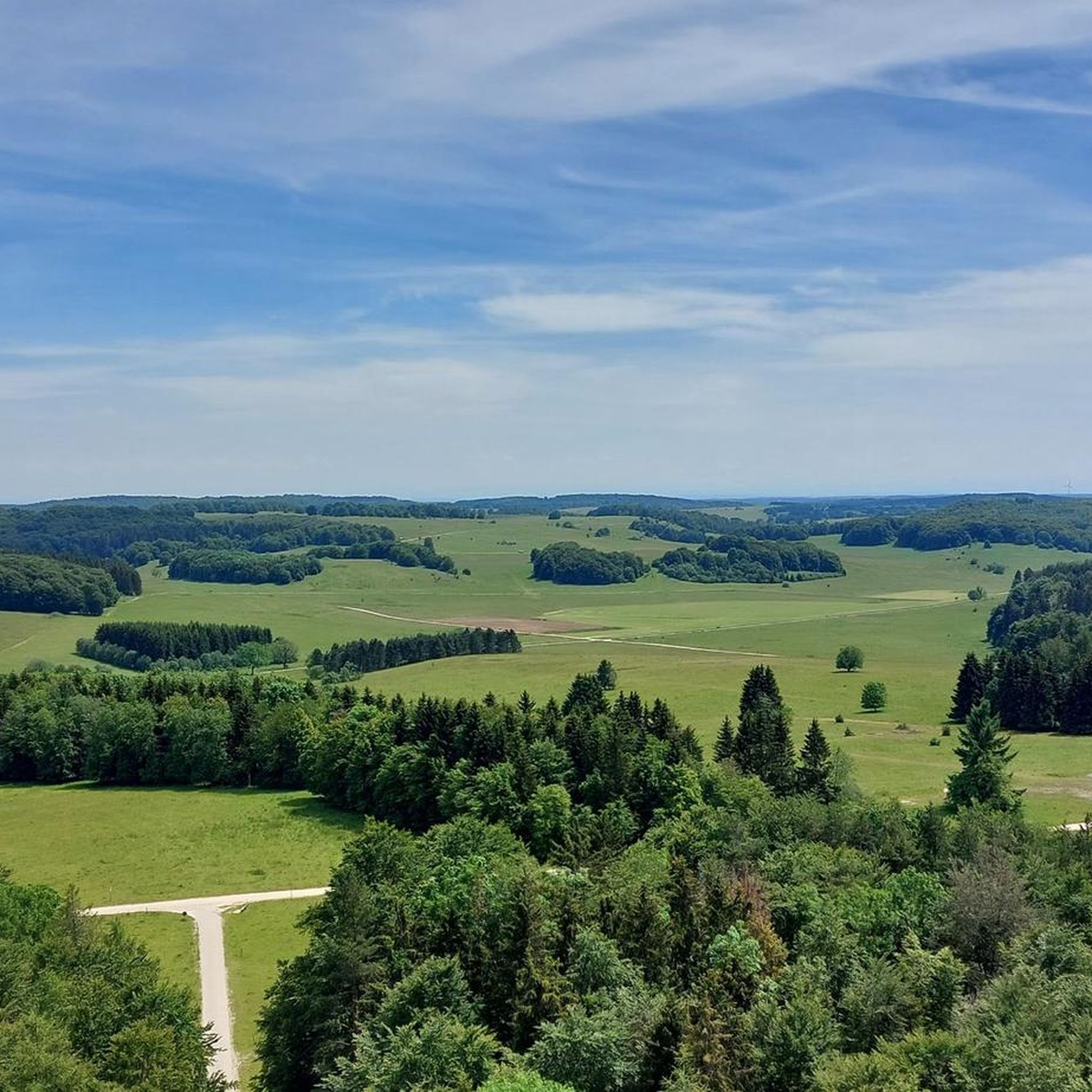
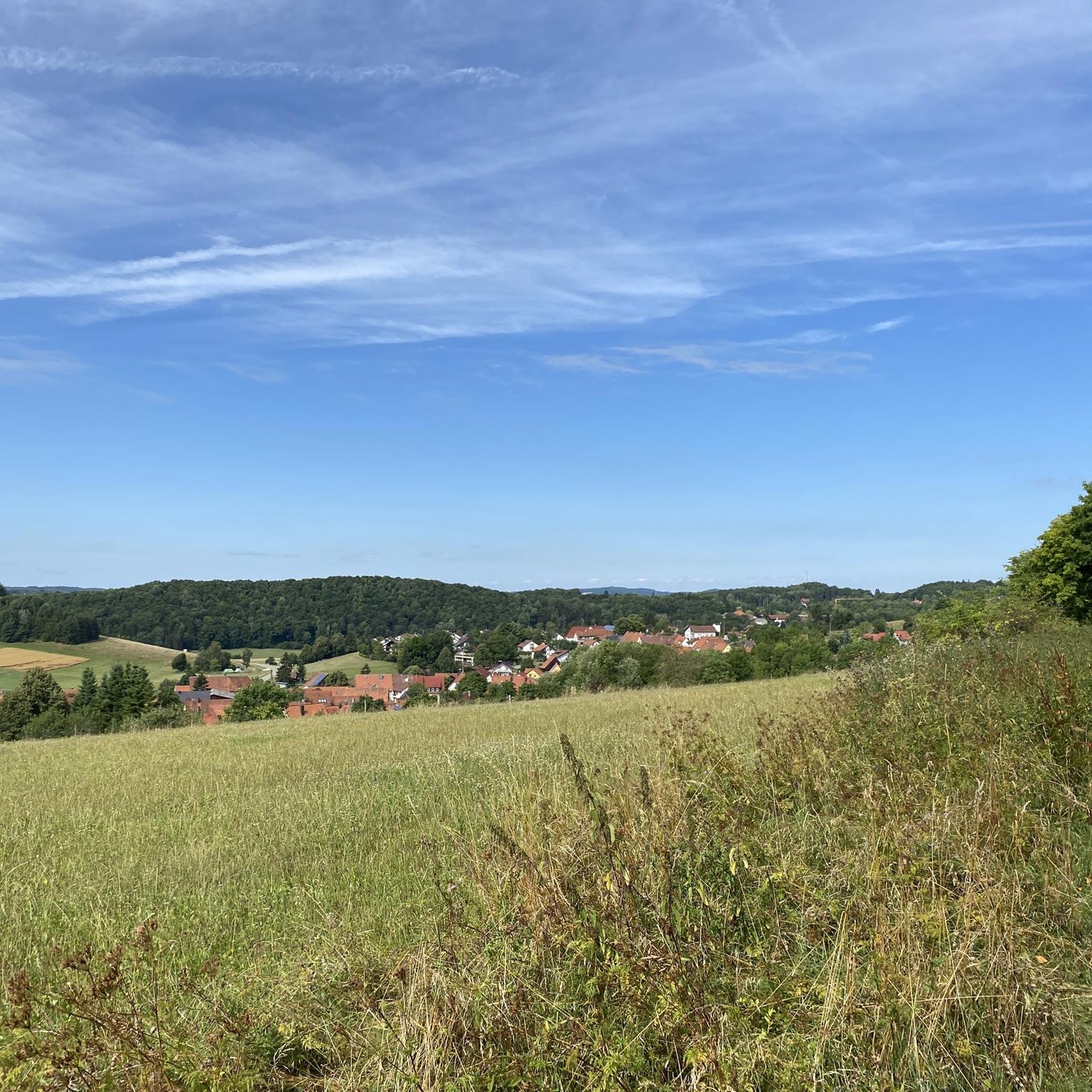
Best natural monuments around Gutsbezirk Münsingen are found within a unique cultural landscape, formerly a military training area, now part of the UNESCO Global Geopark Swabian Alb and Biosphere Reserve Swabian Alb. This area was largely undisturbed by intensive development, preserving a park-like grazing landscape. Visitors can experience the vastness and silence of this region, which offers panoramic views from repurposed observation towers. The surrounding natural monuments showcase the geological and ecological significance of the Swabian Alb.
Best natural monuments…
Last updated: June 26, 2026
Urach Waterfall
Highlight • Waterfall
Translated by Google •
Tip by

Güterstein waterfall
Highlight • Waterfall
Translated by Google •
Tip by
Sign up now to discover places like this
Get recommendations on the best single tracks, peaks, & plenty of other exciting outdoor places.
Sign up for free
Hohenurach Castle Ruins
Highlight • Castle
Showing Translation
Tip by

Reußenstein Castle
Highlight • Castle
Translated by Google •
Tip by

Rutschenfelsen Viewpoint
Highlight • Viewpoint
Translated by Google •
Tip by

Sign up for free to discover even more natural monuments around Gutsbezirk Münsingen.
Sign up for free
Already have an account?
Start today with a free account
Your next adventure awaits.
Login or Signup
Popular around Gutsbezirk Münsingen

Tips from the Community

Imposing castle ruins, easy to reach. Nice as a destination for a hike.
12
2

So beautiful ... and almost on the doorstep.
13
0

Now in February a lot of water due to the melting snow.
12
0

From this ledge you have the most direct view of the Reußenstein ruins. In winter you have to be careful not to slip on the snow-covered rocks.
18
1

With one of the most beautiful waterfalls in the area. Best after a few days of rain.
19
1

Pretty much everyone knows the "Urach Waterfall", whereas the "Gütersteiner Waterfalls" are far less known, even though they are only about 1km away from the "Urach Waterfall", they are much less visited, which I can not really understand. Impressive are both, the one by its height and the amount of water that falls down, the other by its incredibly beautiful terraces, and the vegetation along the watercourse.
24
3

Formed over millions of years from tufa, the waterfall presents itself in many forms. Refreshing caverns in the tuff, gullies and the typical tufa cascades with their mossy "noses".
20
1

The legend of the genesis, which Wilhelm Hauff tells in his historical-romantic novel "Lichtenstein" (1826), is based on a poem by Gustav Schwab, who immigrated around the Alb around 1820 and who probably picked up a local narrative: The Giant of Heimenstein opposite, artisans from all over the country drummed together to build the castle on the narrow rock, for a good reward, as he promised. When the finished structure had defects, because a last nail had not hit the dizzying abyss, he refused the payment until the defect was remedied. No one dared until a brave repairman appeared, who wanted to win the hand of the daughter of his master, who was not weighed him. The giant rewarded this courage by helping the young man to solve the difficult task. Then he paid all and bequeathed the locksmith the castle. If the heroes are princes in ordinary fairy tales, it is a simple artisan: Swabian is not.
29
3
Frequently Asked Questions
What are some of the most impressive natural monuments to visit around Gutsbezirk Münsingen?
The region boasts several impressive natural monuments. Don't miss the Urach Waterfall, which cascades 37 meters in multiple stages and is particularly spectacular after heavy rains. Another beautiful spot is the Güterstein waterfall, a more tranquil site with two cascades and lush vegetation. For a unique underground experience, the Wimsener Cave is Germany's only active water cave navigable by boat.
Are there any historical or cultural sites among the natural monuments?
Yes, the area combines natural beauty with rich history. The Hohenurach Castle Ruins, a former prison fortress, offers a glimpse into the past with its exploreable rooms and dungeons, alongside views of the Urach Waterfall. The Reußenstein Castle is another imposing ruin popular with hikers. Additionally, the former Münsingen Military Training Area itself is a unique cultural landscape, preserving a 19th-century Alb grazing landscape and featuring the deserted village of Gruorn with its medieval St. Stephen's Church.
What kind of outdoor activities can I do near these natural monuments?
The region is excellent for various outdoor activities. You can find numerous hiking trails, including routes around the Urach Waterfall and the Hohenurach Castle Ruins. For more options, explore the Hiking around Gutsbezirk Münsingen guide. Cycling is also popular, with routes like the one exploring the Old Schoolhouse of Gruorn, detailed in the Cycling around Gutsbezirk Münsingen guide.
Are there family-friendly natural monuments or activities in the area?
Absolutely! The Urach Waterfall and Güterstein waterfall are both considered family-friendly destinations. The Wimsener Cave offers a unique and family-friendly adventure with boat rides into its illuminated interior. Many trails, including parts of the path to the Urach Waterfall, are suitable for families, and the Rutschenfelsen Viewpoint provides accessible views.
What is the best time of year to visit the natural monuments around Gutsbezirk Münsingen?
The best time to visit depends on your interests. The waterfalls, like the Urach Waterfall, are particularly impressive during snowmelt in spring or after heavy rains. Spring and autumn offer beautiful scenery for hiking, with wildflowers in spring and vibrant foliage in autumn. Summer is ideal for exploring caves and enjoying longer days outdoors. Some caves, like the Schiller Cave, may have seasonal closures to protect hibernating bats, so it's always good to check ahead.
Are there any wheelchair-accessible natural monuments or trails?
Yes, the path leading to the Urach Waterfall is wheelchair-accessible up to the steps of the waterfall itself, allowing many visitors to enjoy the breathtaking natural spectacle. The Rutschenfelsen Viewpoint also offers accessible views.
Can I bring my dog to the natural monuments and on trails?
Many natural areas and trails around Gutsbezirk Münsingen are dog-friendly. It's generally recommended to keep dogs on a leash, especially in nature reserves and near wildlife. Always check specific regulations for individual sites, but popular hiking areas like those around the Urach Waterfall are usually welcoming to well-behaved dogs.
What makes the Gutsbezirk Münsingen area unique from a natural perspective?
The Gutsbezirk Münsingen is unique because it was largely undisturbed by intensive development due to its former military use. This preserved a rare park-like grazing landscape typical of the Alb in the 19th century, making it one of Germany's largest open land areas undisturbed by roads. It is also embedded within the UNESCO Global Geopark Swabian Alb and the Biosphere Reserve Swabian Alb, recognized for its unique karst landscape, geological heritage, and diverse ecosystems.
Where can I find panoramic views of the region?
For impressive panoramic views, visit the former Münsingen Military Training Area. Observation towers, once used by the military, have been repurposed for tourism, offering sweeping vistas of the area and the Central Swabian Alb. The Rutschenfelsen Viewpoint also provides fantastic views of Bad Urach and the Albtrauf ridge.
Are there any hidden natural gems or less-frequented spots worth exploring?
While the Urach Waterfall is popular, the Güterstein waterfall, located just a kilometer north, offers a more tranquil experience and is considerably less visited. Its unique geological formations and lush vegetation make it a beautiful, quieter alternative.
What kind of geological features can I expect to see in the Swabian Alb Geopark?
The UNESCO Global Geopark Swabian Alb, which encompasses Gutsbezirk Münsingen, is renowned for its diverse geological features. You can expect to see unique karst landscapes, including numerous caves like the Wimsener Cave and Schiller Cave, impressive waterfalls formed by tufa deposits, and evidence of ancient geological processes. The Geopark is also known for its fossil deposits, volcanic craters, and even a meteorite crater, making it a fascinating area for geology enthusiasts.
Most popular routes around Gutsbezirk Münsingen
Most popular attractions around Gutsbezirk Münsingen

Get inspired with the komoot mobile app


Explore more
Extend your search for the best caves by checking out these guides of the top ones around Gutsbezirk Münsingen:
