Top 20 Lakes around St. Johann
Best lakes around St. Johann offer a variety of natural and man-made water bodies set within a diverse landscape. The region features lakes formed by volcanic activity, natural ponds, and reservoirs. These areas provide opportunities for outdoor activities and quiet reflection. St. Johann's topography contributes to the varied characteristics of its lakes, ranging from accessible, flat shores to more secluded natural settings.
Best lakes around St. Johann
- The most popular lakes is Gönninger Lakes, a lake known for its…
Last updated: June 29, 2026
Gönninger Lakes
Highlight • Lake
What we missed at the back lakes were benches 🤷
Translated by Google •
Tip by

Kaltental Lake
Highlight • Lake
Translated by Google •
Tip by

Sign up now to discover places like this
Get recommendations on the best single tracks, peaks, & plenty of other exciting outdoor places.
Sign up for free
Molach Biotope (Former Volcanic Crater)
Highlight • Volcano
Today it had little water but enough to make the water lilies bloom. It can be easily circumnavigated on a dirt path.
Showing Translation
Tip by
Glems reservoir
Highlight • Lake
Translated by Google •
Tip by

Lower Glems Reservoir (Unterer Glemsstausee)
Highlight • Lake
Translated by Google •
Tip by

Sign up for free to discover even more lakes around St. Johann.
Sign up for free
Already have an account?
Start today with a free account
Your next adventure awaits.
Login or Signup
Popular around St. Johann
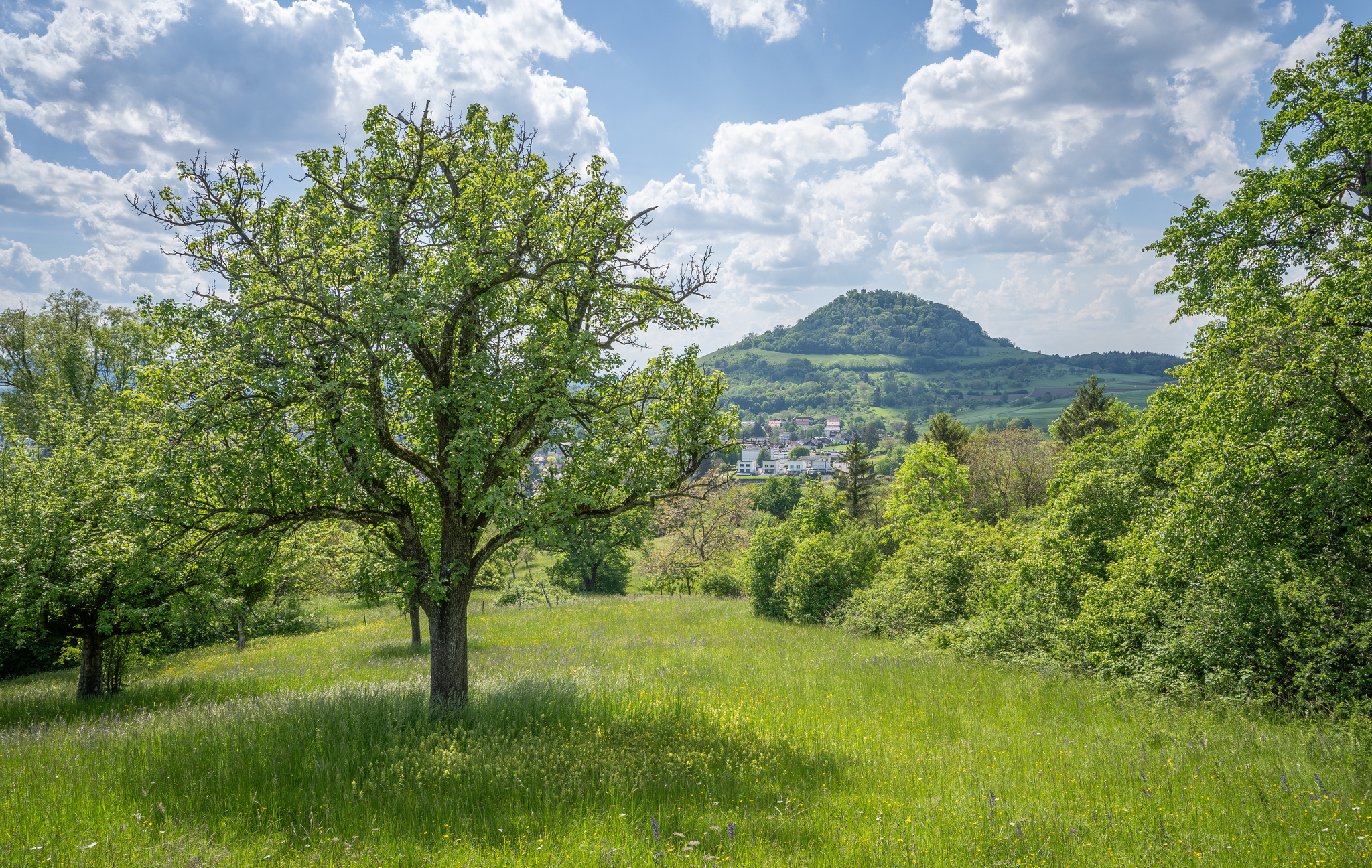
Natural splendour on the Hochgehbergen
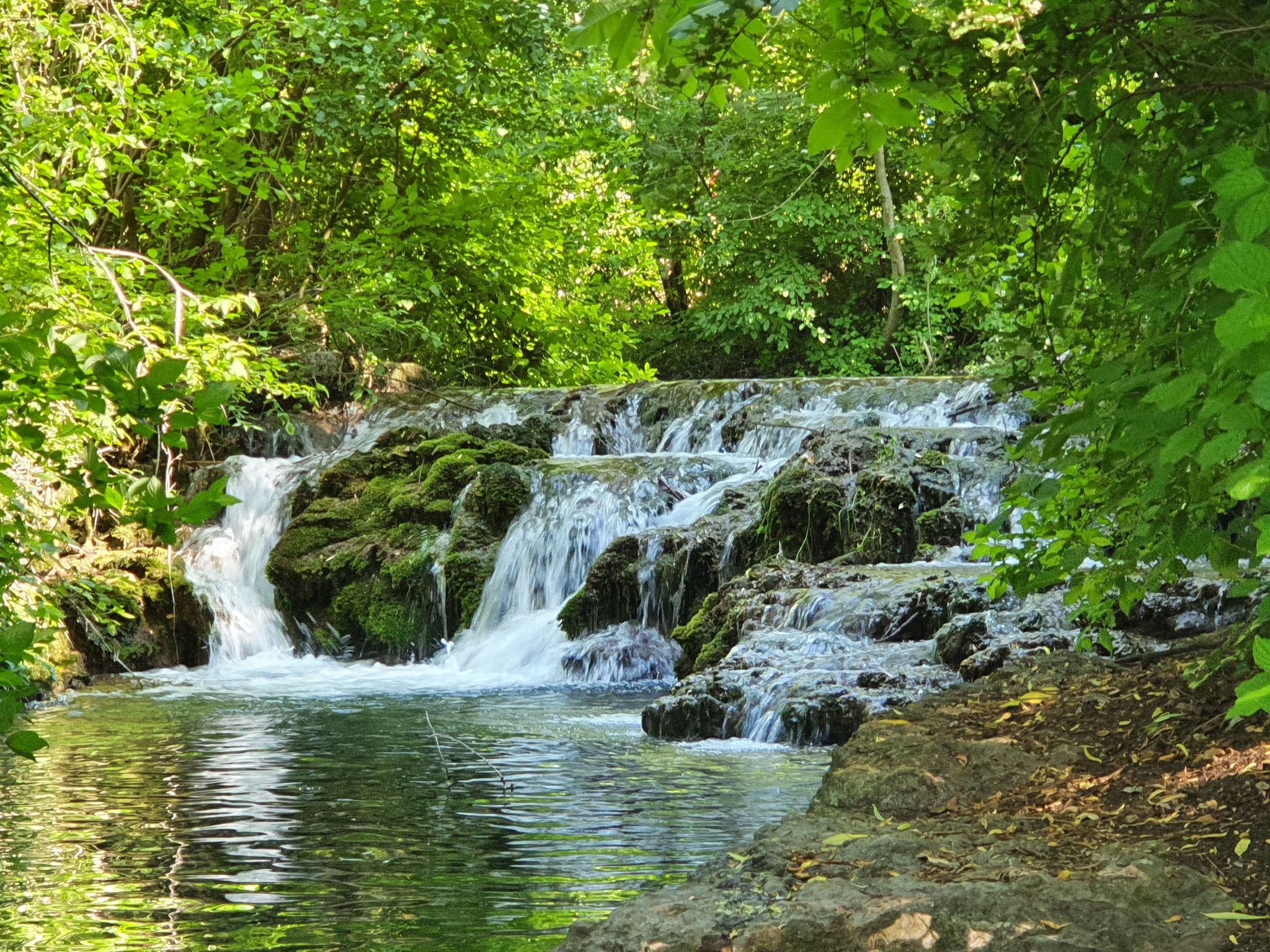
Explore the myths of the Swabian Alb – 20 fantastic bike Tours
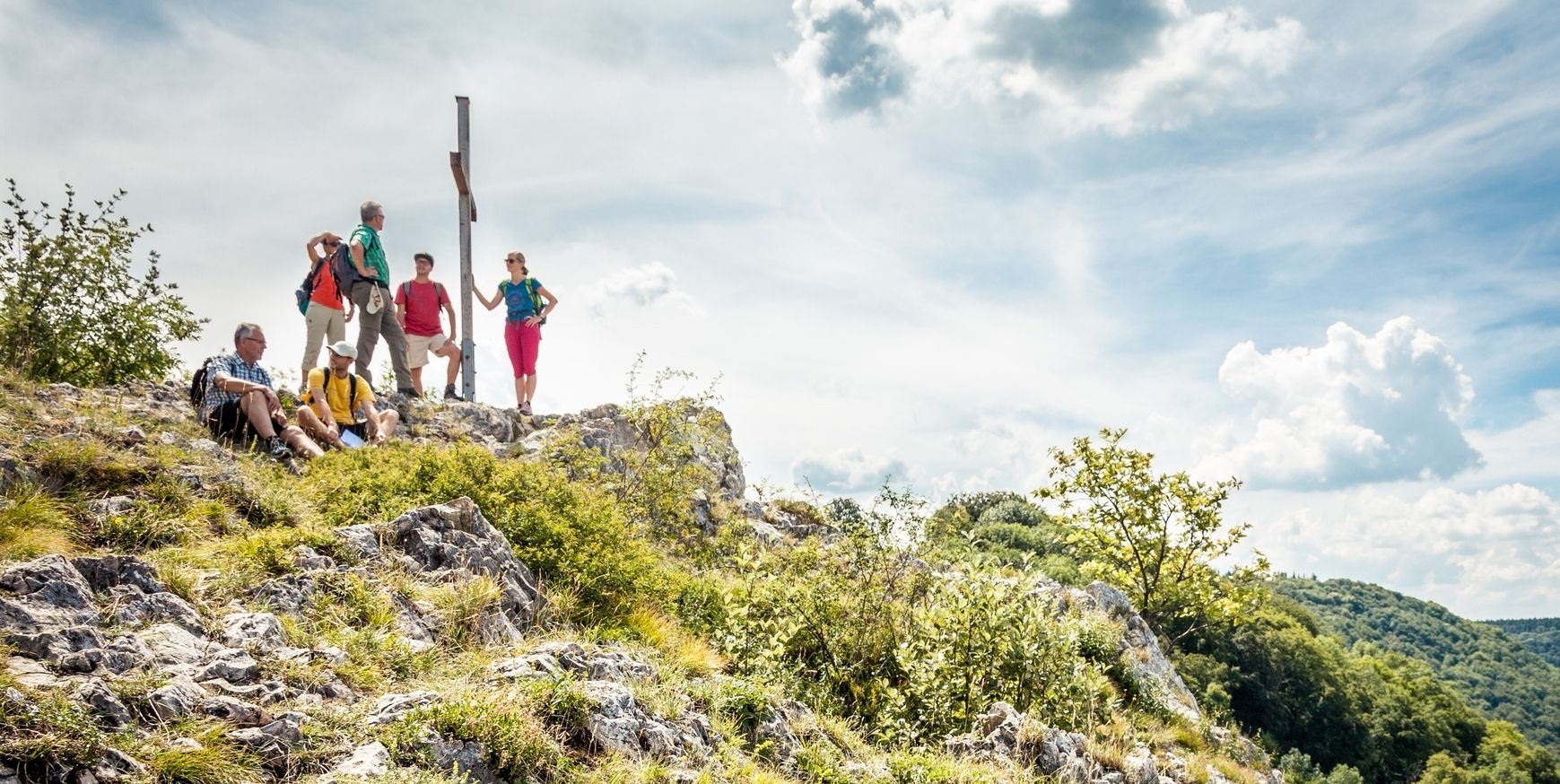
22 high mountain walks — hiking in the Swabian Alb
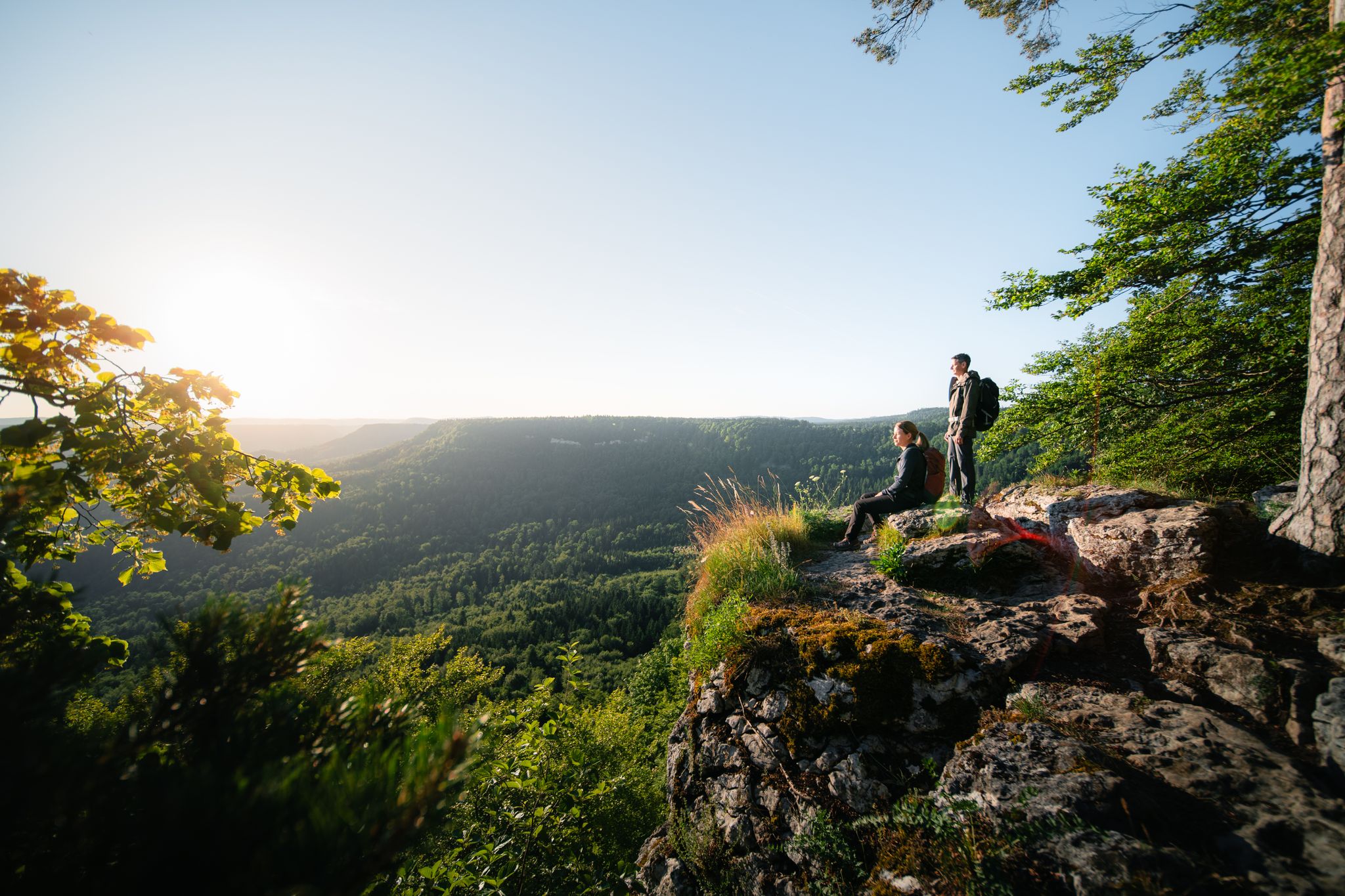
Wie fürs Trailrunning gemacht: Wanderwege der Schwäbischen Alb
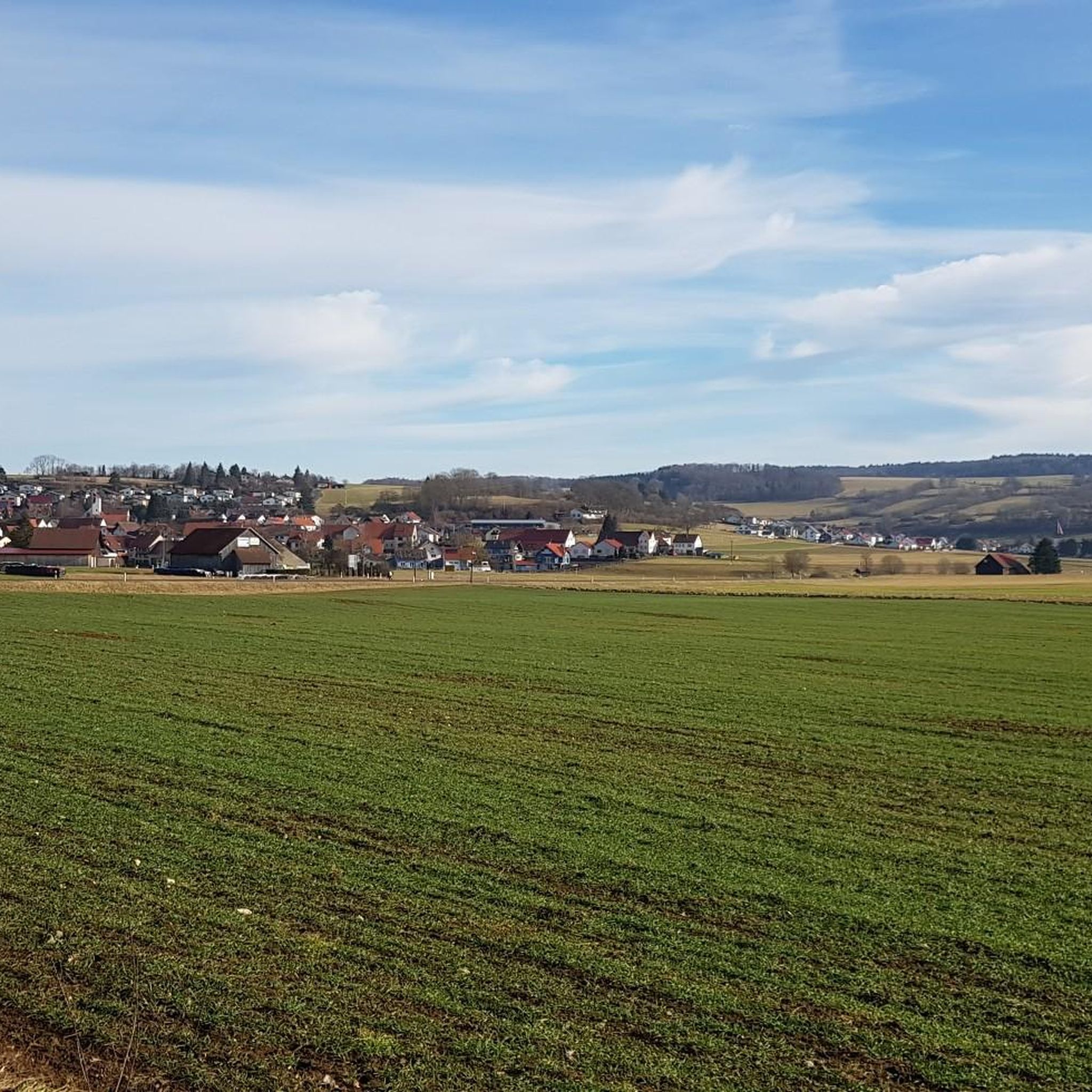
Hiking around St. Johann
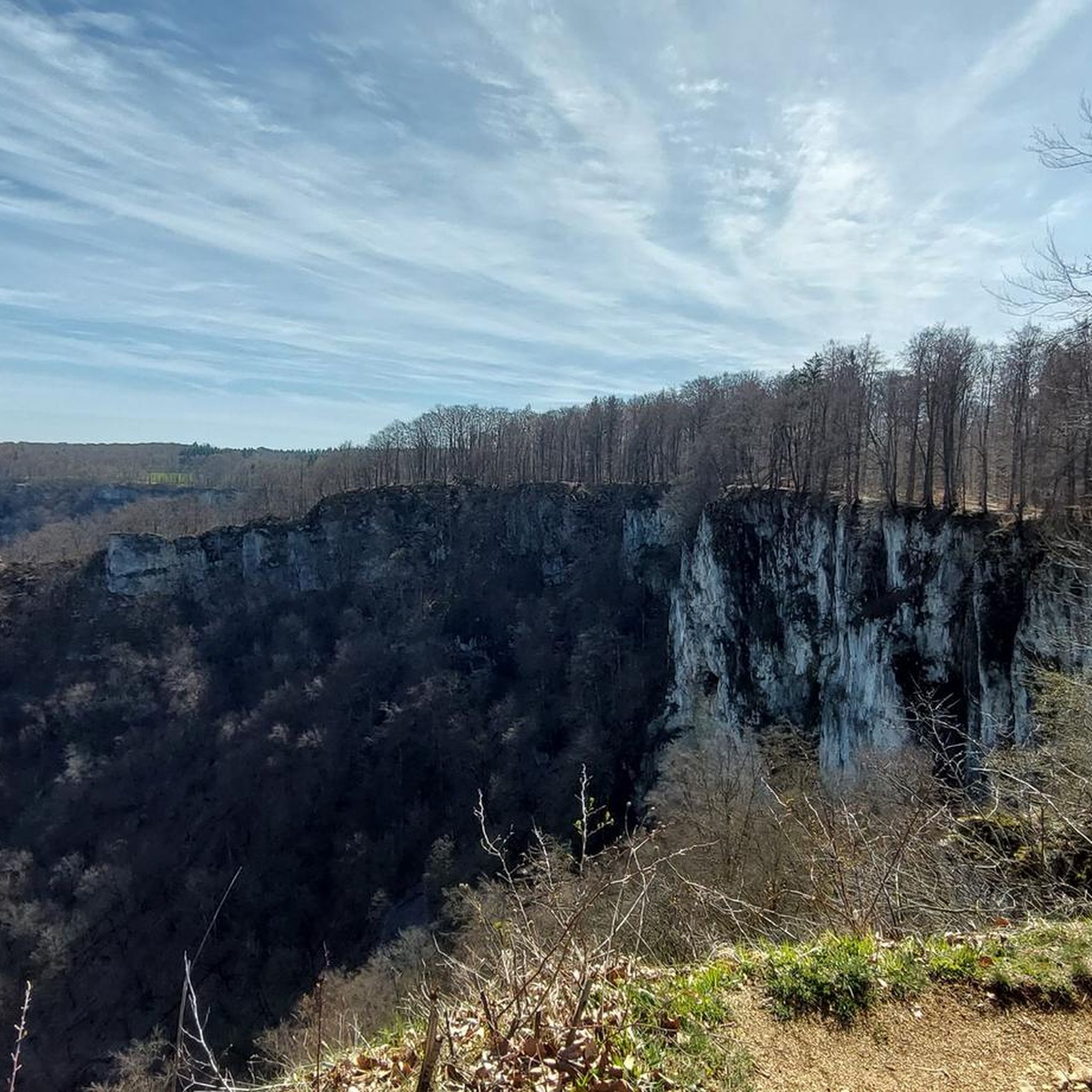
Cycling around St. Johann
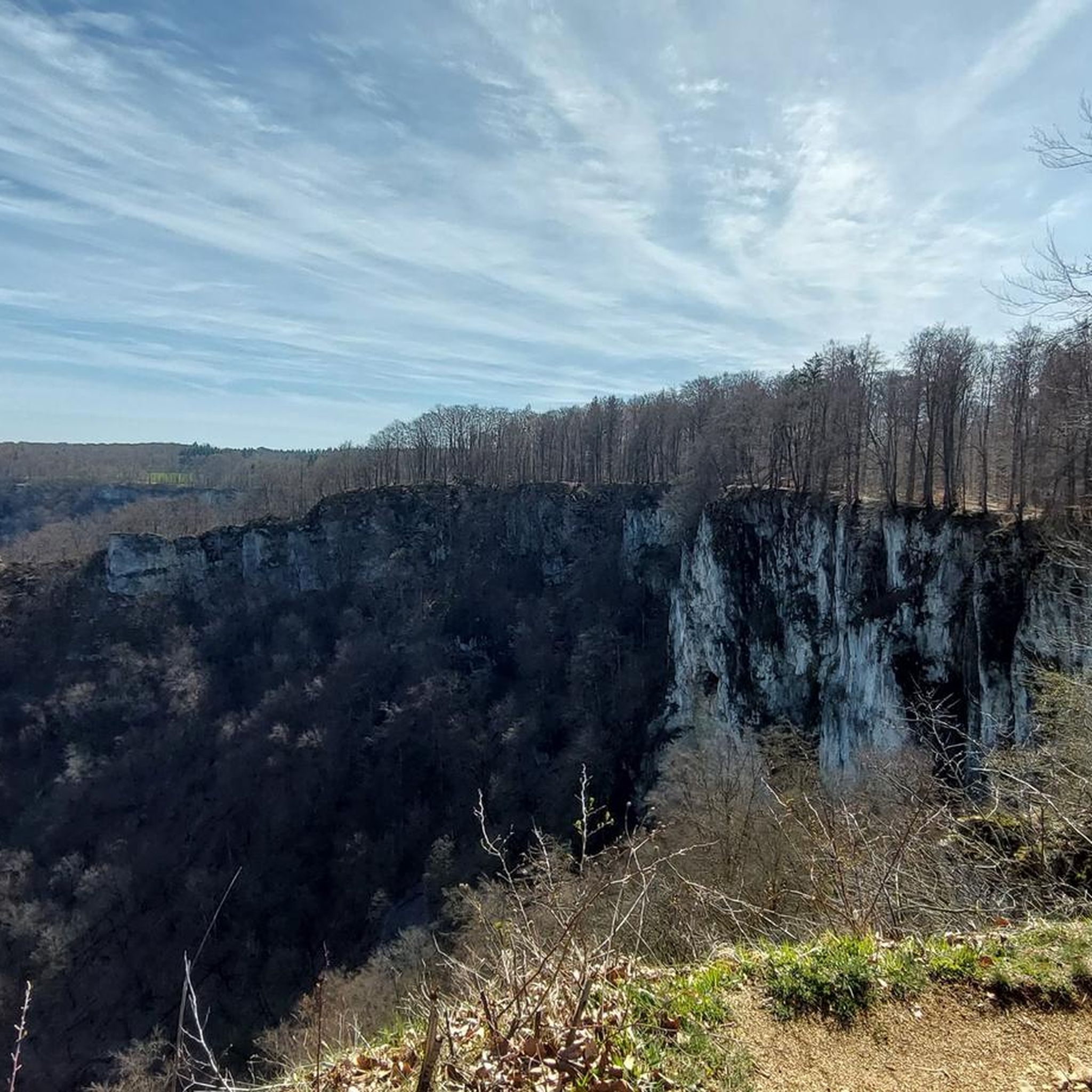
Running Trails around St. Johann
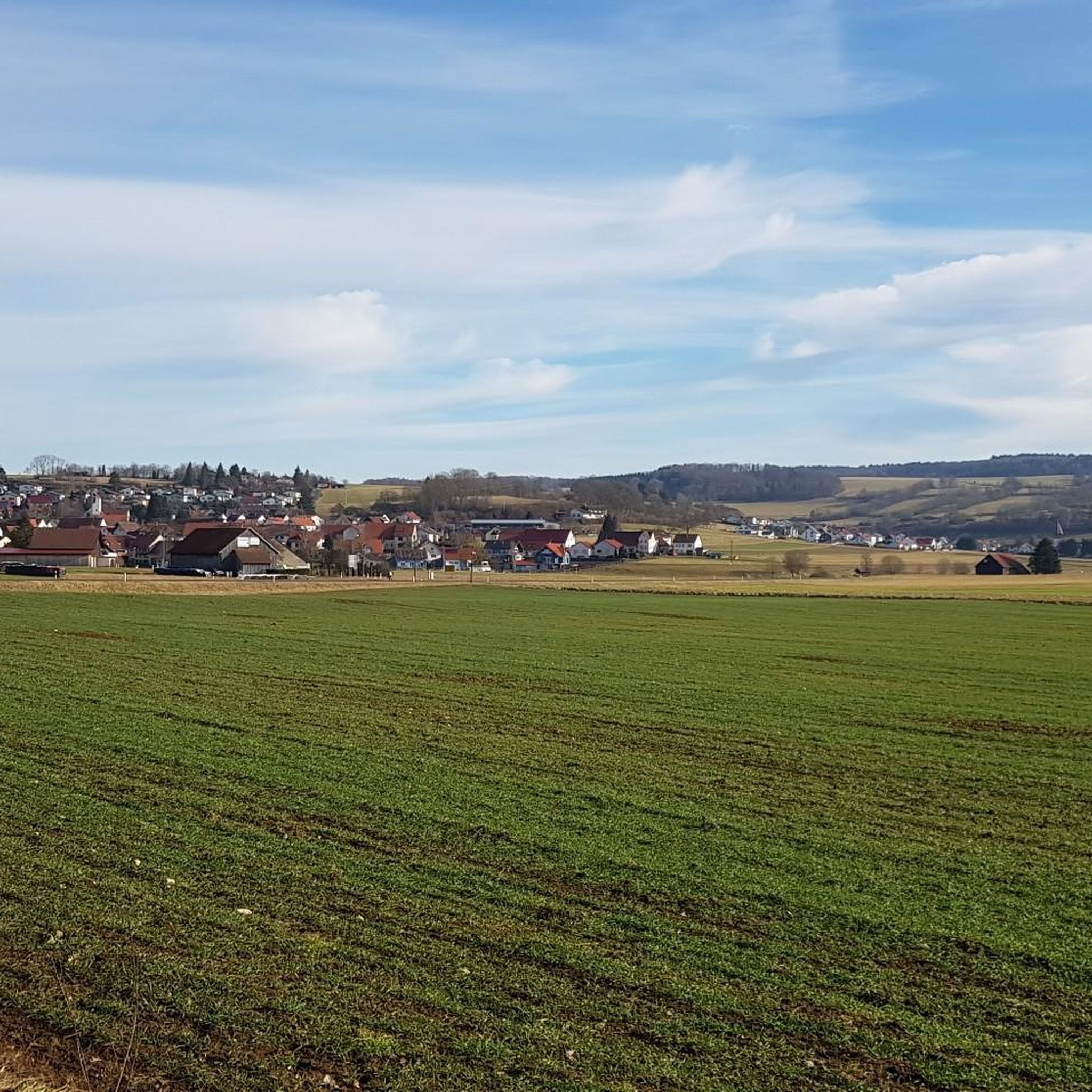
Road Cycling Routes around St. Johann

Gravel biking around St. Johann
MTB Trails around St. Johann
Other adventures around St. Johann


Tips from the Community

The Molachsee was a former volcanic crater. Today it had little water but enough to make the water lilies bloom. It can be easily circumnavigated on a dirt path.
10
0

The Kaltentalweiher wetland was designed in the 1976 nature conservation year as a contribution by the Baden-Württemberg State Forestry Administration to the "Protection of European Wetlands" program and was created between 1977 and 1979. In an elongated oval, the wetland with its natural bays blends harmoniously into the floodplain. Even the main dam is so cleverly hidden in a shallow embankment that it does not disturb the natural landscape. The pond is about 300 meters long and 80 meters wide. Without the small island, its water surface is about 1.1 hectares. Many rare animal species have settled in the wetland. An excellent observation area has been created here for those interested in zoology and biology. Behind the large pond, there is a smaller pond through which the Kaltentalbach stream flows into the large pond. The Kaltentalbach originates from a karst spring, the Kaltentalquelle.
6
0
All rubbish bins were deliberately removed. Everyone should take their rubbish with them 👍 What we missed at the back lakes were benches 🤷
12
1

Nice location for everyone who is looking for a quiet and uncrowded place. The restaurant at the front near the power plant is recommended. The lower storage basin cannot be completely circumnavigated on a bike path, but rather it goes off-road. Anyone interested in the important generation of energy or the provision of control energy (balancing energy in the event of an impending shortage or absorbing load peaks) is recommended to check out the information boards at the front of the hiking trail or take a tour of the power plant, which was once built by the Neckarwerke Stuttgart and is now run by EnBW Energy Baden-Württemberg is operated.
3
0

here you really have a place to relax and enjoy nature
11
1

Very nice and always something going on
6
0
Nice little lake, well located, easy to enjoy nature
8
0

Always something going on, nice to go for a walk after dinner
6
0
Frequently Asked Questions
Are there family-friendly lakes around St. Johann?
Yes, several lakes in the region are well-suited for families. For instance, Gönninger Lakes and Kaltental Lake are both categorized as family-friendly, offering natural settings for relaxation. The Glems reservoir and Lower Glems Reservoir also provide pleasant landscapes for family outings.
What kind of hiking trails can I find near the lakes in St. Johann?
The St. Johann region offers a variety of hiking opportunities near its lakes. You can find everything from easy strolls to more challenging mountain hikes. For detailed routes, explore guides like Easy hikes around St. Johann or Mountain Hikes around St. Johann.
Are the lakes around St. Johann suitable for dog walks?
Many natural areas around St. Johann's lakes are suitable for dog walks, provided dogs are kept on a leash where required and owners clean up after them. While specific dog-friendly amenities aren't always listed, places like Gönninger Lakes and Kaltental Lake offer natural paths that are generally enjoyable for pets and their owners. Always check local signage for specific regulations.
When is the best time to visit the lakes around St. Johann?
The best time to visit the lakes around St. Johann is typically from late spring to early autumn (May to September). During these months, the weather is generally pleasant for outdoor activities like walking, cycling, and enjoying the natural scenery. Autumn also offers beautiful foliage, while winter can provide a serene, quiet experience, though some paths might be less accessible.
Can I swim in the lakes around St. Johann?
While many lakes offer scenic views and recreational opportunities, explicit information about designated swimming areas is not always available. For natural lakes like Kaltental Lake, visitors often enjoy the peaceful atmosphere. For specific swimming conditions and safety, it's always best to check local regulations or official information at the site.
What unique natural features can I explore near St. Johann's lakes?
Beyond the lakes themselves, you can explore unique geological formations. The Molach Biotope, for example, is a former volcanic crater that now forms a water-filled biotope, showcasing the region's volcanic past. This area is rich in small animals and plants, offering a distinct natural experience.
Are there cycling routes around the lakes in St. Johann?
Yes, the region provides excellent opportunities for cycling. The Glems reservoir is particularly noted for its pleasant landscape, making it enjoyable to cycle around. For more extensive cycling adventures, you can find various routes in the Gravel biking around St. Johann guide.
What do visitors enjoy most about the lakes in St. Johann?
Visitors frequently praise the peaceful atmosphere and natural beauty of the lakes. Many appreciate the opportunity to relax and enjoy nature, as highlighted by tips for Gönninger Lakes and Kaltental Lake. The diverse landscapes, from natural settings to man-made reservoirs, offer varied experiences for outdoor enthusiasts.
Are there any man-made lakes or reservoirs in the St. Johann area?
Yes, the region includes significant man-made water bodies. The Glems reservoir and the Lower Glems Reservoir are notable examples. The Glems reservoir is part of a pumped-storage power plant, offering a unique blend of industrial infrastructure within a natural setting, popular for cycling and enjoying the scenery.
What should I keep in mind when visiting the natural lakes around St. Johann?
When visiting natural lakes like Gönninger Lakes, it's important to respect the environment. Visitors are encouraged to take all rubbish with them, as some areas have deliberately removed bins to promote personal responsibility. This helps preserve the pristine condition of these natural highlights for everyone to enjoy.
Are there any viewpoints near the lakes for scenic photography?
Many of the lakes themselves offer excellent viewpoints for photography. Highlights like Gönninger Lakes, Kaltental Lake, and the Glems reservoir are all noted as viewpoints. The diverse landscapes, including forests and unique geological features, provide numerous opportunities for capturing scenic shots.
Most popular routes around St. Johann
Most popular attractions around St. Johann

Get inspired with the komoot mobile app


Explore more
Still not found your perfect lake around St. Johann? Check out the guides of these regions to see even more beautiful places.
