Top 20 Caves around St. Johann
Best caves around St. Johann are found within the broader Salzburg region of Austria, a mountainous area known for its karst landscapes. This region features significant underground formations, including some of the world's largest and deepest caves. St. Johann im Pongau serves as a base for exploring these natural wonders. The area's geology supports a variety of cave types, from river caves to ice caves.
Best caves around St. Johann
- The most popular caves is Hohenurach Castle Ruins, a…
Last updated: June 22, 2026
Hohenurach Castle Ruins
Highlight • Castle
Showing Translation
Tip by

Sonnenbühl fog cave
Highlight • Cave
Translated by Google •
Tip by

Sign up now to discover places like this
Get recommendations on the best single tracks, peaks, & plenty of other exciting outdoor places.
Sign up for free
Hohenwittlingen Castle Ruins
Highlight • Castle
Translated by Google •
Tip by

Schiller Cave
Highlight • Cave
Translated by Google •
Tip by

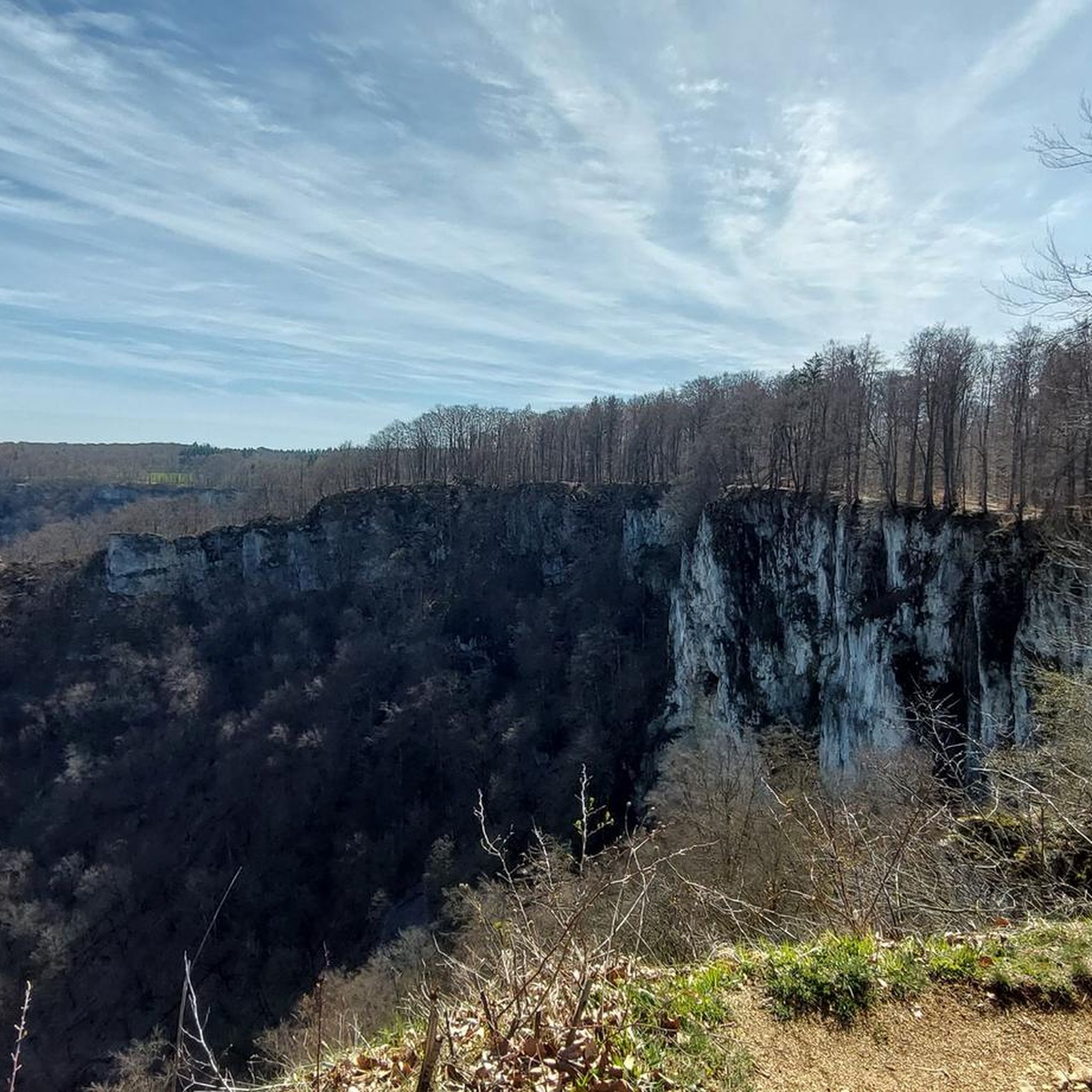
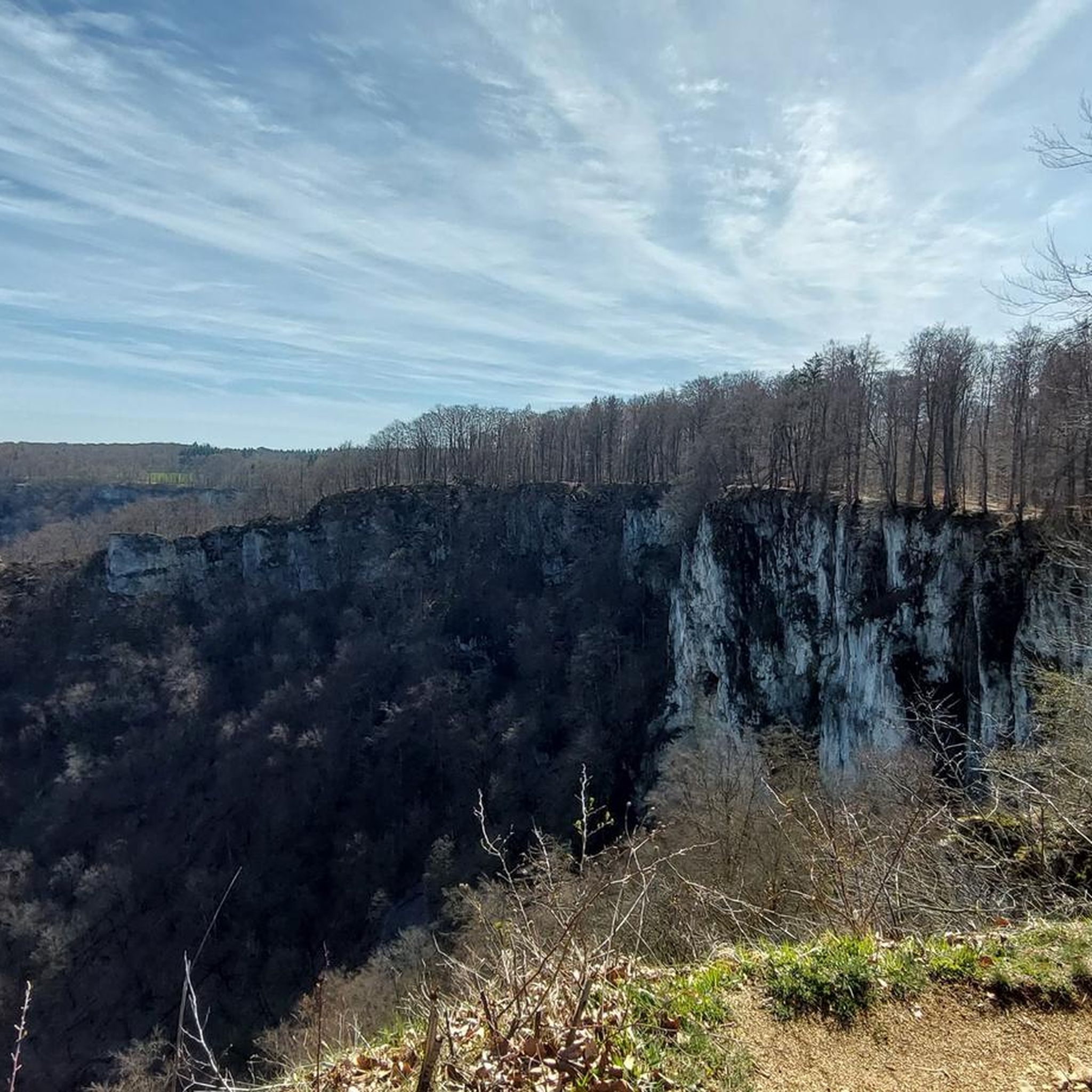
Split Rock
Highlight • Natural Monument
Translated by Google •
Tip by

Sign up for free to discover even more caves around St. Johann.
Sign up for free
Already have an account?
Start today with a free account
Your next adventure awaits.
Login or Signup
Popular around St. Johann
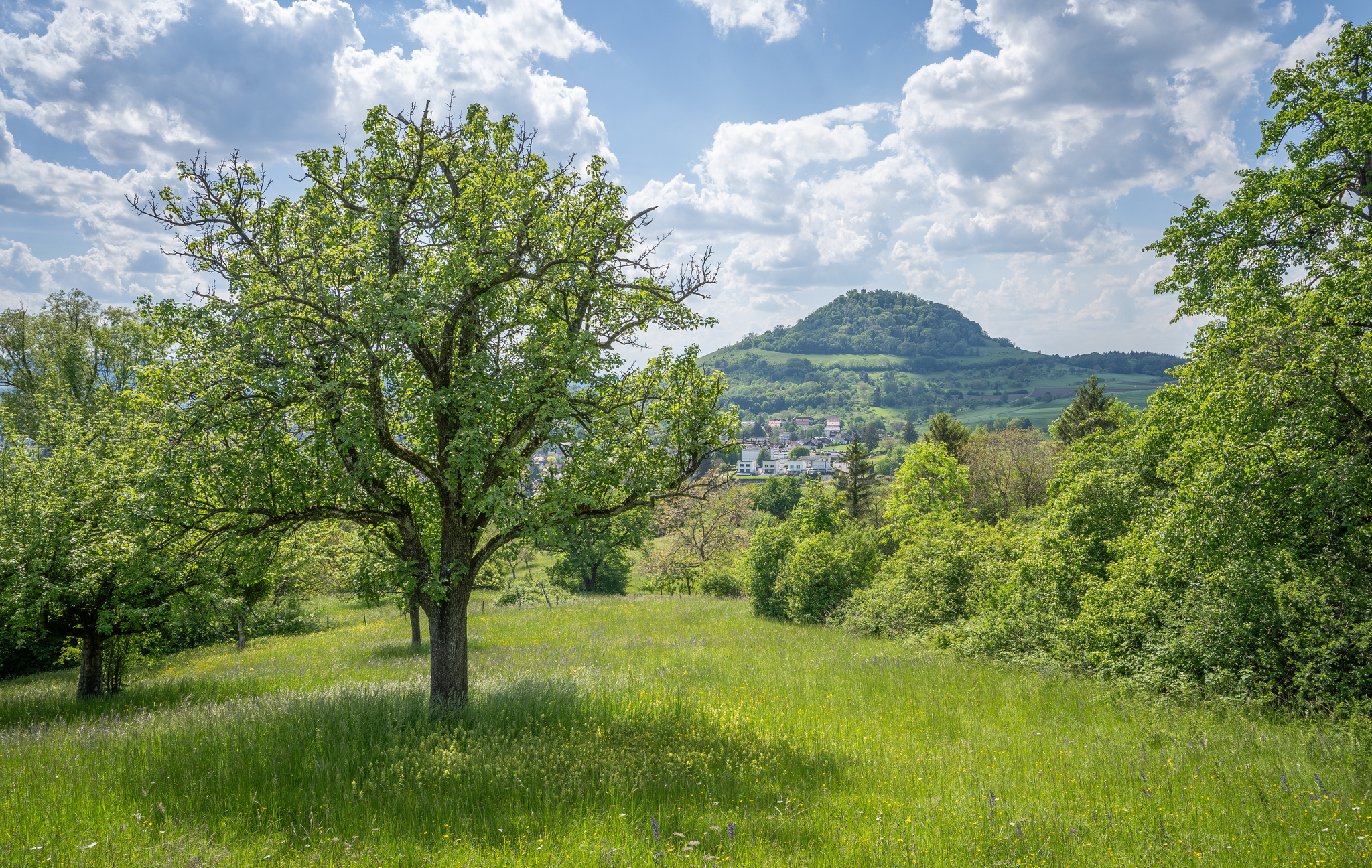
Natural splendour on the Hochgehbergen
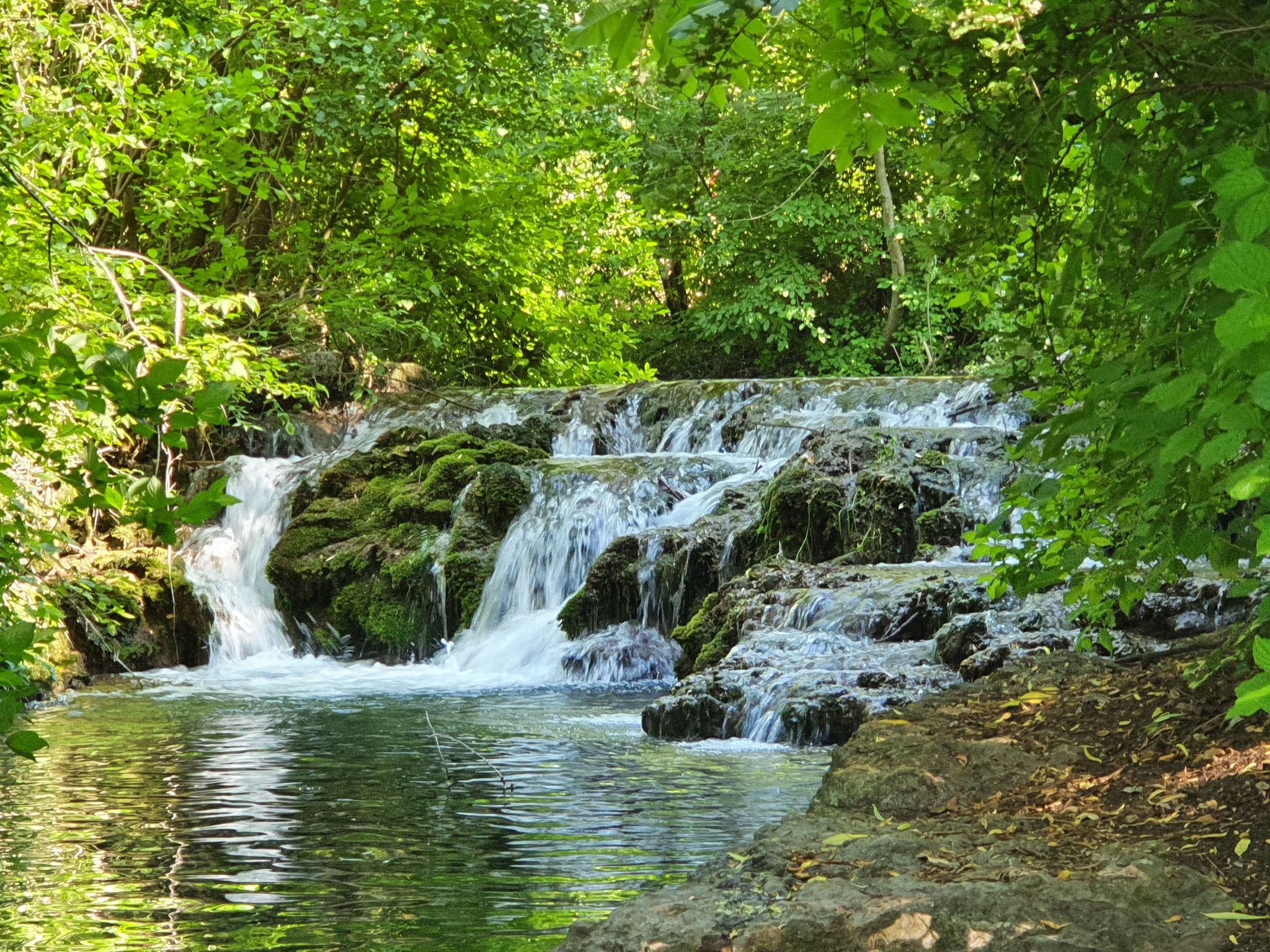
Explore the myths of the Swabian Alb – 20 fantastic bike Tours
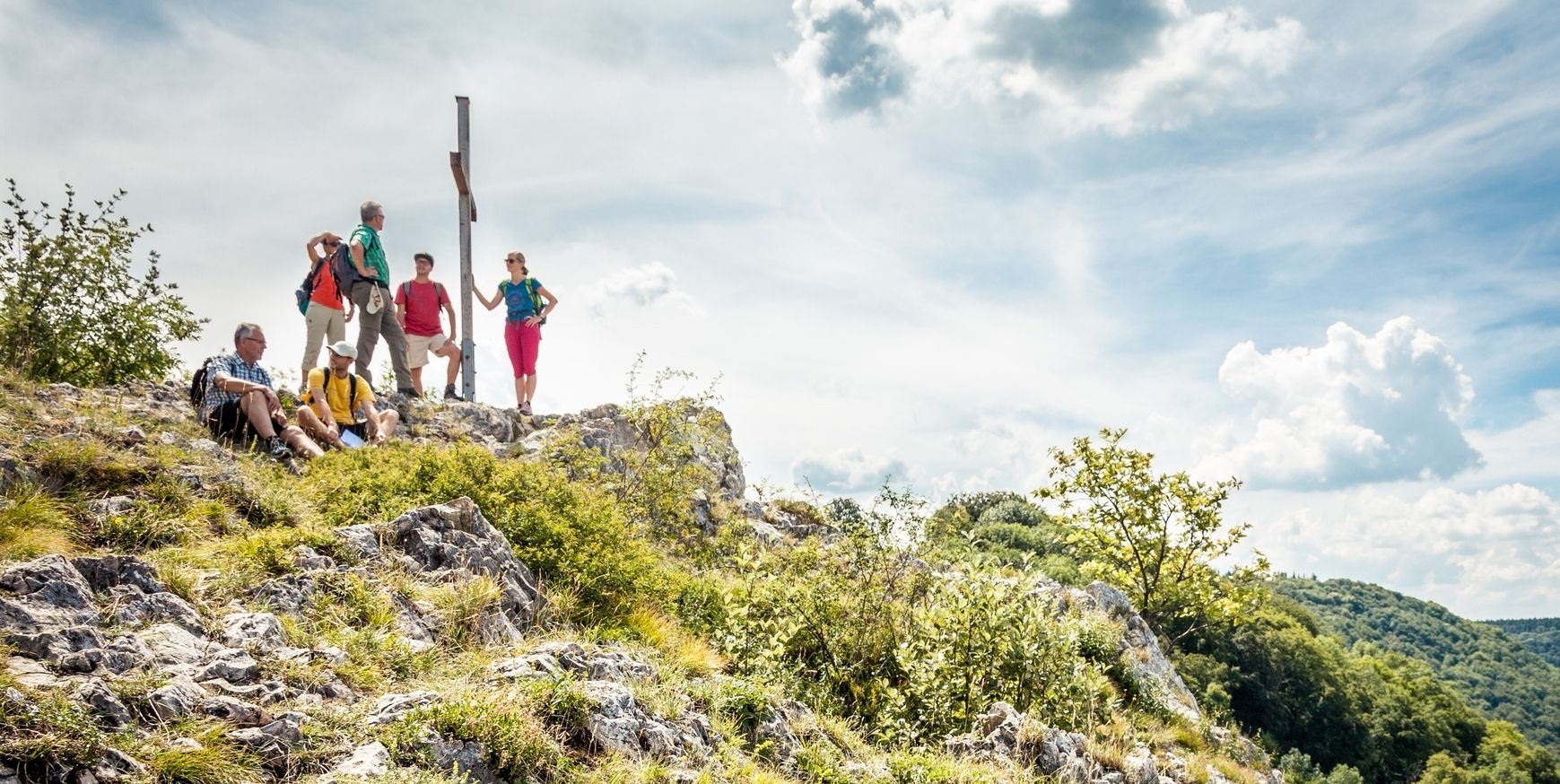
22 high mountain walks — hiking in the Swabian Alb
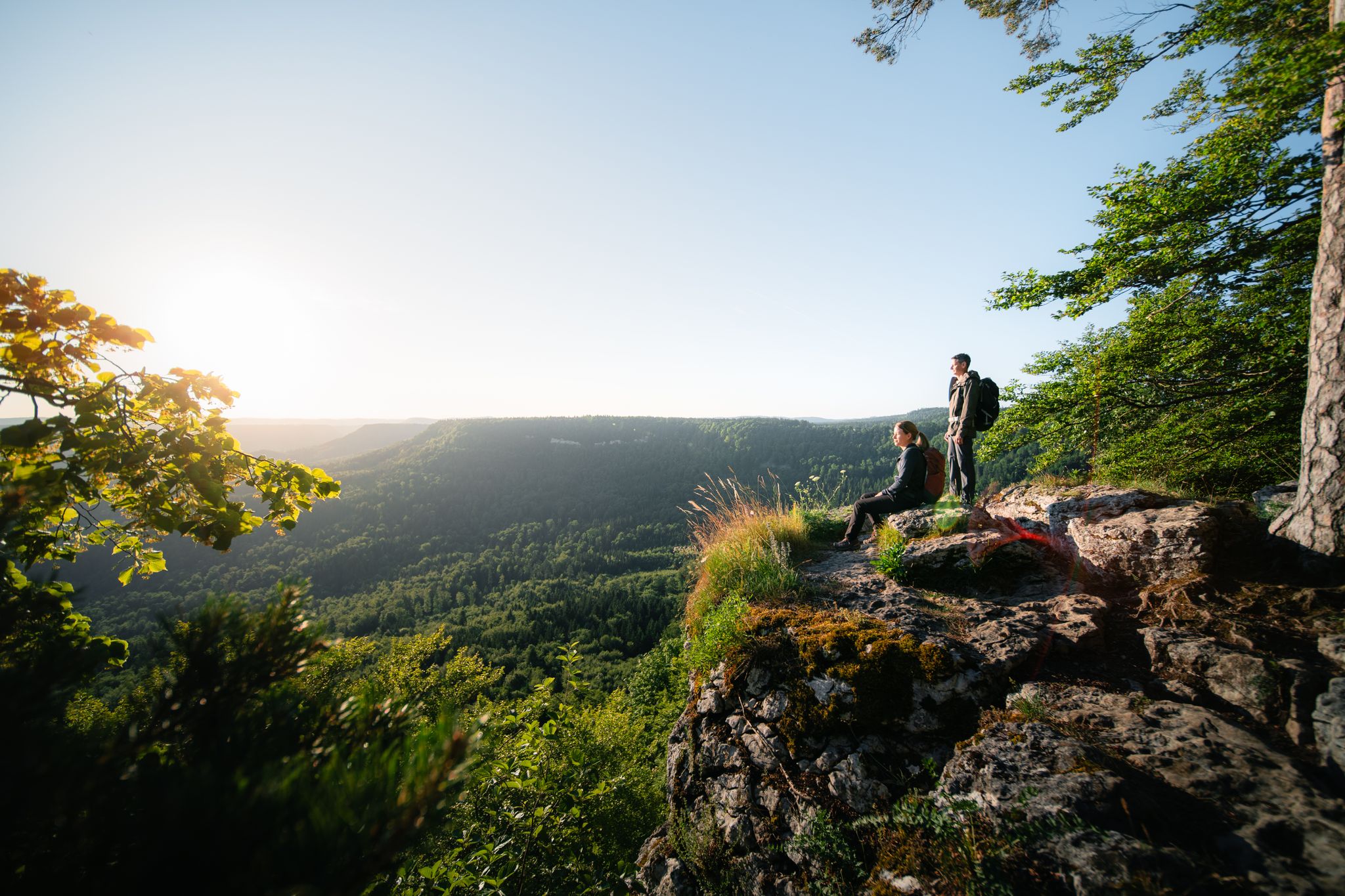
Wie fürs Trailrunning gemacht: Wanderwege der Schwäbischen Alb
Hiking around St. Johann
Cycling around St. Johann
Running Trails around St. Johann
Road Cycling Routes around St. Johann

Gravel biking around St. Johann
MTB Trails around St. Johann
Other adventures around St. Johann


Tips from the Community

The Maultaschenwirt is located in the large square in front of the cave. Right next to it is a nice children's playground.
11
0

Pause for a moment and enjoy the view
12
0
The ruin has an observation tower. Great view along the Ermstal
12
0

Here you can see the climbers on the weekends
4
1

An absolute highlight on the Swabian Alb.
13
0

Located on the signposted Grafensteig "Hohenwittlingensteig", somewhat hidden. We almost walked past it.
4
1

Don't forget a good flashlight even if you walk in it The light from the cell phone is not enough.
8
0

The Schiller Cave is a natural monument on the Swabian Alb. The cave is around 245 meters long and was used as a escape cave in various wars. Today the cave provides shelter for bats to hibernate. Therefore the cave is closed with a gate from November 1st to May 15th every year.
11
2
Frequently Asked Questions
What are some unique cave experiences near St. Johann?
Near St. Johann, you can explore the Sonnenbühl fog cave, which is self-guided and offers a sense of discovery with its side paths. For a more adventurous experience, the broader Salzburg region features Lamprechtsofen, a deep river cave with underground rapids, and Eisriesenwelt, the world's largest ice cave, known for its spectacular ice formations.
Are there any family-friendly caves around St. Johann?
Yes, the Sonnenbühl fog cave is categorized as family-friendly and can be explored without a guide for about 450 meters. While not directly in St. Johann, Eisriesenwelt, the world's largest ice cave, is also a popular family destination, though it involves a cable car ride and many steps.
What should I wear when visiting caves in the region?
For most caves, sturdy footwear is recommended, especially for paths that can be slippery or uneven. For the Sonnenbühl fog cave, sturdy footwear is advised. When visiting Eisriesenwelt, warm clothing and sturdy shoes are essential due to the consistently low temperatures inside the ice cave. Lamprechtsofen can also be strenuous and potentially wet, so be prepared for those conditions.
What historical sites with cave features can I visit?
You can explore the Hohenurach Castle Ruins, a large complex with rooms, cellars, and dungeons to discover, offering cave-like features. Another historical site is Hohenwittlingen Castle Ruins, built on a rock spur, which also has cave elements within its structure.
Are there any caves that are closed during certain times of the year?
Yes, the Schiller Cave is closed for bat protection from November 1st to May 15th each year. The Sonnenbühl fog cave also has a winter break from December to February. Eisriesenwelt, being an ice cave, is typically open seasonally, usually from May to October, depending on weather conditions.
What kind of natural rock formations can I see?
Beyond traditional caves, the region offers impressive natural rock formations like Split Rock, a natural monument with imposing rock faces. Inside caves like Eisriesenwelt, you'll find spectacular ice formations, including frozen waterfalls and intricate sculptures, while Lamprechtsofen features underground rapids and lakes.
Can I explore any caves without a guide?
Yes, the Sonnenbühl fog cave can be visited without a guide. It is accessible for about 450 meters and allows for self-exploration of its main path and smaller side paths.
What are the best times to visit the caves in the St. Johann region?
The best time depends on the cave. For ice caves like Eisriesenwelt, summer and early autumn (May to October) are ideal as they are open and offer a cool escape from the heat. River caves like Lamprechtsofen are best visited during drier periods to avoid potential flooding from heavy rain or melting snow. Other caves like Sonnenbühl fog cave are generally open from spring to late autumn.
Are there opportunities for more challenging caving experiences?
For experienced speleologists, Lamprechtsofen offers an 'Explorer's Section' that branches off the public route. This section involves climbing and crawling through narrow passages, often requiring a guide and special equipment, providing a challenging and memorable experience.
What outdoor activities can I do near these caves?
The area around St. Johann offers various outdoor activities. You can find numerous hiking trails, including easy hikes and more challenging mountain hikes. There are also options for cycling routes, allowing you to explore the scenic landscapes of the Swabian Alb.
What do visitors enjoy most about the caves and cave-like features in the St. Johann area?
Visitors appreciate the sense of discovery in self-guided caves like Sonnenbühl fog cave, with its multiple side paths. The historical depth and exploration opportunities at sites like Hohenurach Castle Ruins are also highly valued. The impressive rock formations at Split Rock and the unique natural phenomena of the region's larger caves, like the ice formations of Eisriesenwelt, are often highlighted as memorable experiences.
Most popular routes around St. Johann
Most popular attractions around St. Johann

Get inspired with the komoot mobile app


Explore more
Extend your search for the best caves by checking out these guides of the top ones around St. Johann:
