The best gravel rides around Lake Domowe Małe
4.9
(12)
79
riders
26
rides
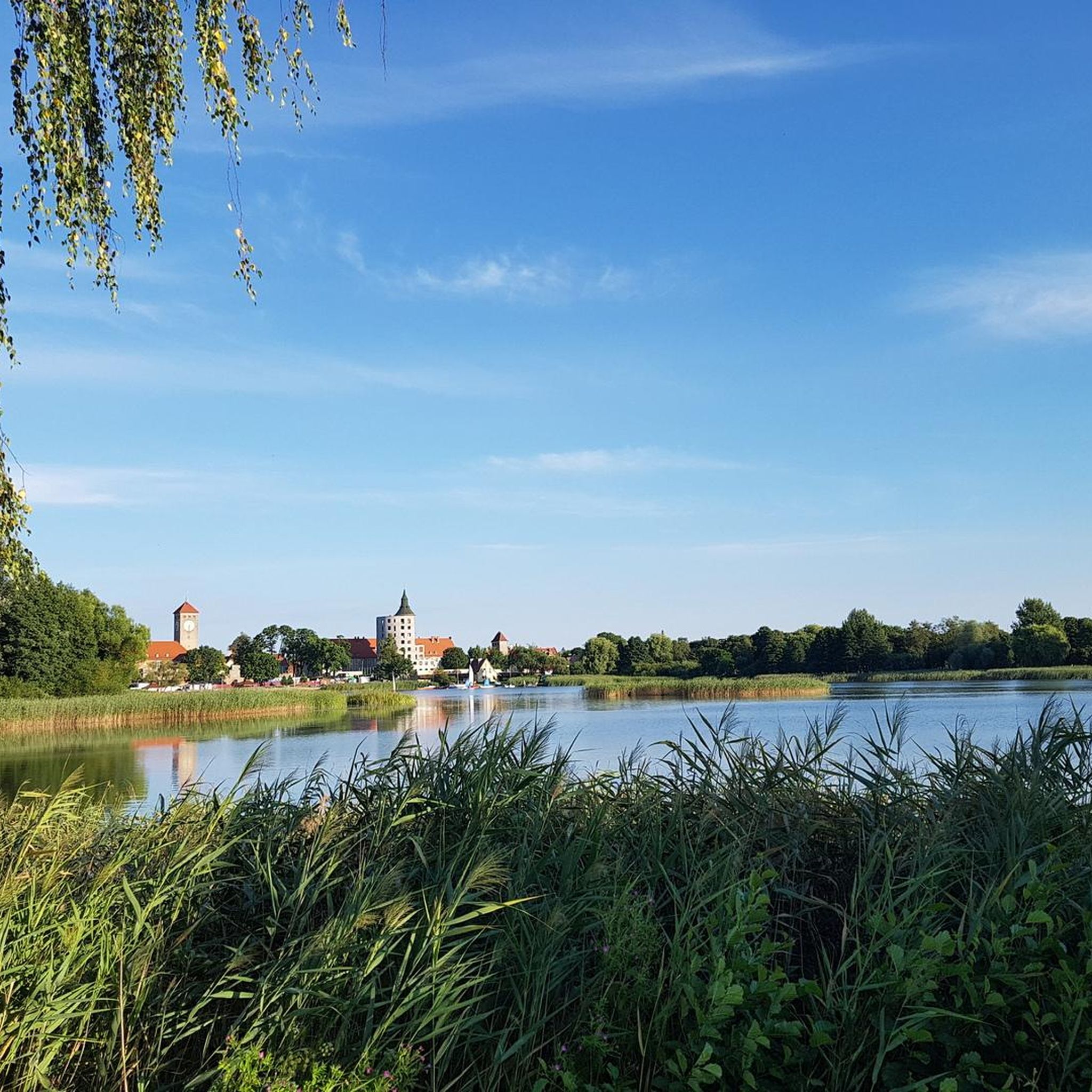
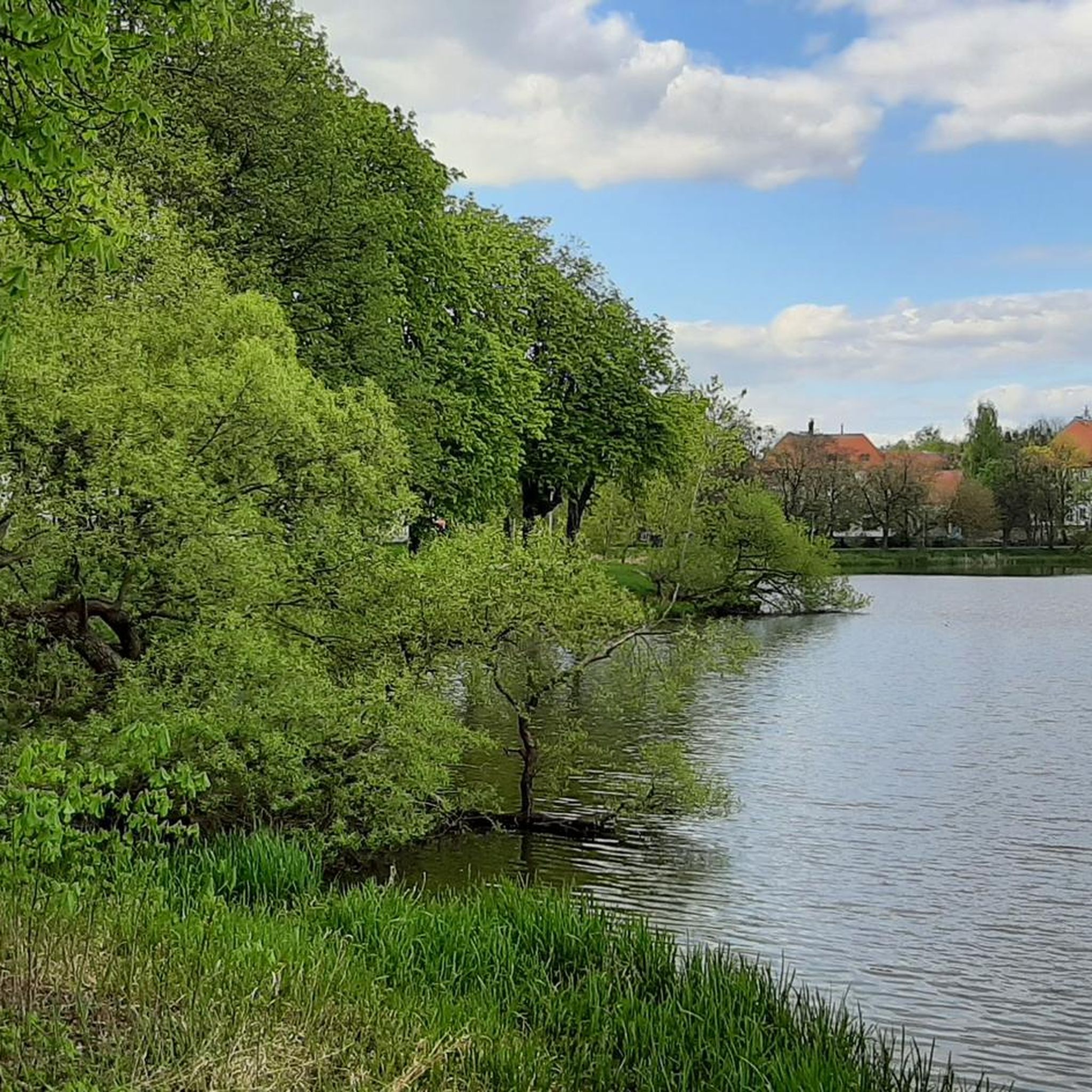
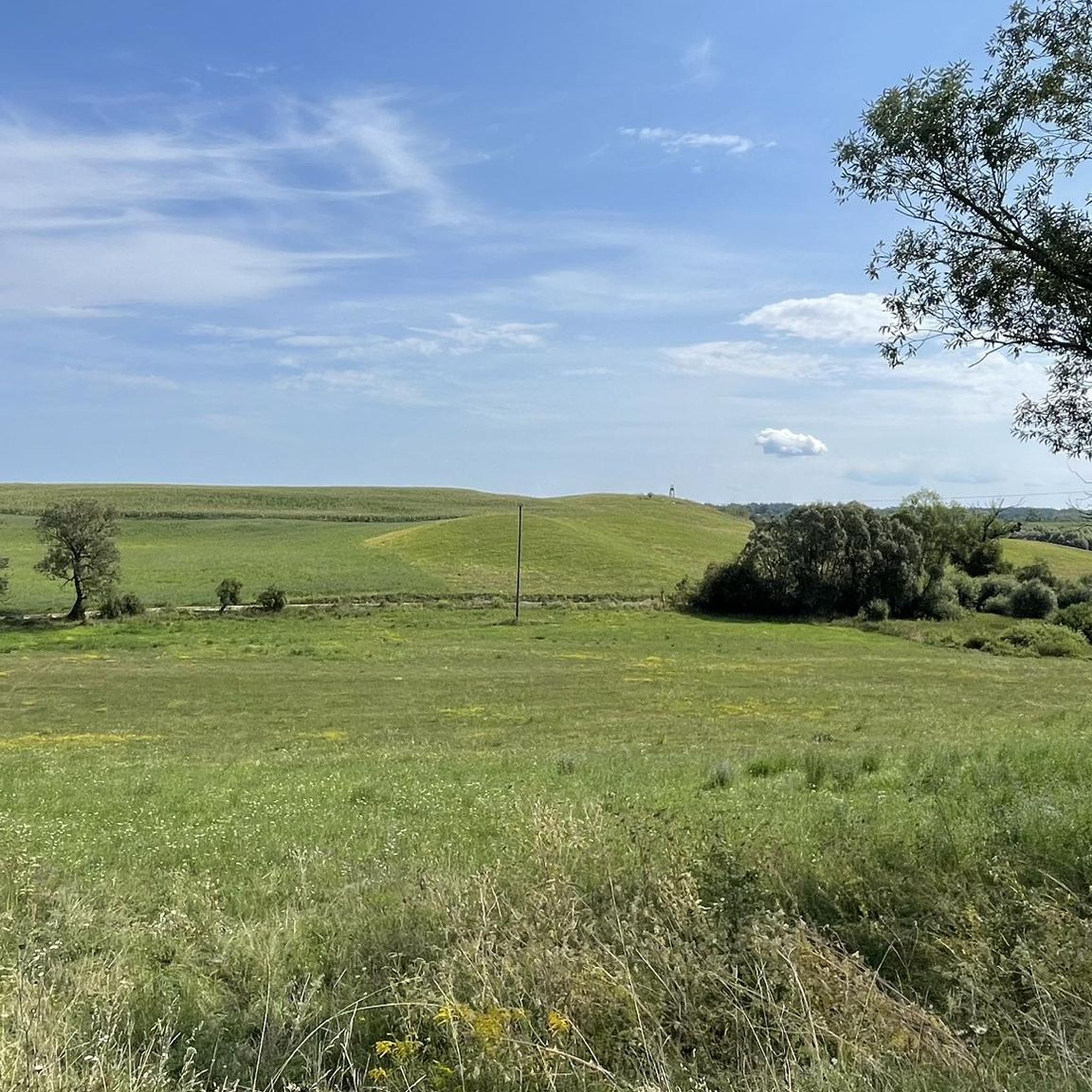
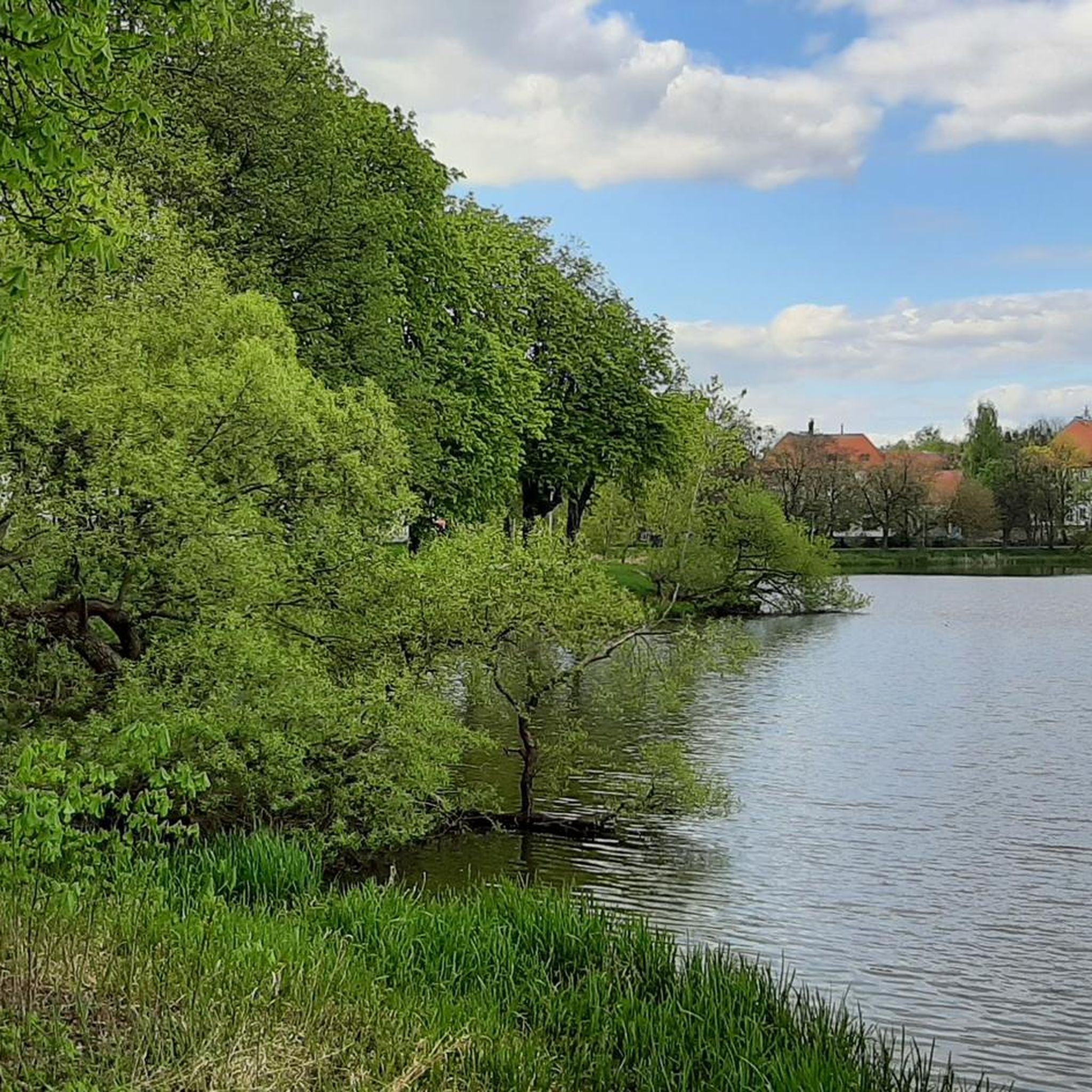
Gravel biking around Lake Domowe Małe offers diverse routes within Poland's Masurian Lake District, a region known for its natural wilderness and varied landscapes. The area features numerous glacial lakes interspersed with dense forests, providing a mix of shaded paths and open terrain. While Lake Domowe Małe is a smaller body of water, it is connected to a broader network of cycling paths and gravel tracks that traverse woodlands and link various lakes. This environment provides varied terrain suitable for…
Last updated: July 2, 2026
4.5
(2)
5
riders
47.7km
03:04
190m
190m
Moderate gravel ride. Good fitness required. Mostly paved surfaces. Suitable for all skill levels.
5.0
(2)
4
riders
64.5km
04:08
300m
300m
Moderate gravel ride. Good fitness required. Mostly paved surfaces. Suitable for all skill levels.

Sign up for free
2
riders
Moderate gravel ride. Good fitness required. Mostly paved surfaces. Suitable for all skill levels.
4
riders
46.6km
02:45
190m
190m
Hard gravel ride. Good fitness required. You may need to push your bike for some segments of this route.
2
riders
42.5km
02:49
210m
210m
Moderate gravel ride. Good fitness required. Mostly paved surfaces. Suitable for all skill levels.
Get access to more routes and recommendations from other explorers.
Sign up for free
Already have an account?
Our route recommendations are based on thousands of hikes, rides, and runs completed by other people on komoot.
Start today with a free account
Your next adventure awaits.
Login or Signup

Tips from the Community

Super perfect asphalt
0
0

To the north is Lake Nożyce, to the south is Lake Piasutno.
0
0

Plan in advance to buy some food/drinks as if you'll start you'll ride for long time. Some Exits are tricky to find.
0
0

In the scope and possibilities of a trekking bike. We ride Krossamk Trans 7. They do a great job.
0
0

Pofajdok Policeman is at the main gate of the Police Academy in Szczytno
0
0

I wonder if by negating the lack of a clue describing a given place as an attraction I am giving potential future visitors to this facility a bad advice? I don't think so, but apparently someone doesn't like it and thinks that this type of advice is useless and it's better to add a photo and we have an attraction. I will only add that I don't think that such facilities are not attractive, but to emphasize this, it is enough to add a few important pieces of information about them. After all, such are the suggestions from Komoot when adding attractions.
2
3

Szcytno is at the southern end of the rail-to-bike trail Rowerem po kolei. The “Rowerem po Kolei” cycling trail, stretching from Szczytno to Popowa Wola and back, offers a picturesque journey through the Masurian landscapes of northeastern Poland. This route, translating to “By Bike By Rail,” follows a repurposed railway line, providing cyclists with a unique and relatively flat path ideal for both leisure and more dedicated riders. Starting in Szczytno, a town known for its rich history and charming atmosphere, cyclists can explore landmarks such as the ruins of the Teutonic Knights’ castle and the Gothic Revival-style St. James Church. Szczytno’s historical charm sets the tone for the journey ahead. As the trail winds out of Szczytno, it traverses through serene forests and expansive fields, encapsulating the tranquility of the Masurian countryside. The route is well-marked, making navigation straightforward and allowing riders to focus on the surrounding natural beauty. A highlight along the route is Łąki Dymerskie, a fascinating spot for cyclists due to its extensive wetlands and rich biodiversity, making it a haven for birdwatchers and nature enthusiasts with unique opportunities to observe various bird species and other wildlife in their natural habitat. Continuing towards Popowa Wola, the trail becomes even more scenic. Popowa Wola itself, while modest, is a gateway to further exploration of the picturesque Masurian region, offering an idyllic endpoint for a memorable cycling journey. The return journey to Szczytno offers a different perspective of the same landscapes, often revealing new details missed on the initial ride. Cyclists might spot wildlife, experience changes in the light and weather, and enjoy the rhythmic cadence of pedaling along the former railway line. Overall, the “Rowerem po Kolei” trail from Szczytno to Popowa Wola and back is more than just a cycling path; it’s a cultural and natural exploration. The trail offers a perfect blend of historical sites, village life, and natural beauty, making it a memorable experience for anyone seeking to explore the Masurian region by bike. The distance to cover the entire trail both ways is approximately 66 kilometers (about 41 miles). In terms of time, on average, you’d need approximately 5 hours or more to complete the route.
3
0
The history of the Szczytno castle dates back to the order's fortress of Hauß Ortelßburg, which was built between 1350 and 1360 on the land connection between the Great and the Small Haussee, with a wooden and earth defensive watchtower on the site of the earlier Prussian stronghold. The Teutonic Order used it as a border fortress against the nearby, Polish-ruled Mazovia and as a base for the settlement of the former Prussian house Galinden, which was found as a primeval forest south of the previously conquered and settled areas and was generally referred to as "wilderness". A caretaker of the order, who was subordinate to the Elbing Commandery, had his seat at the castle. The name of the Ortelsburg is traced back to the Grand Commander and Supreme Spittler of the Order, Ortloff von Trier, who, in his capacity as Commander of Elbing, arranged for the settlement of immigrants from Mazovia with a document dated 24 September 1360. Their settlement was initially established on the north side of the Kleiner Haussee, and they lived mainly from beekeeping. Beekeepers at this time were referred to as Beutner, and so the name Beutnerdorf (Polish Bartna Strona) was created for the new settlement. Less than twenty years later, the Lithuanians led by Prince Kęstutis (Kynstut) burned down the watchtower. However, the Teutonic Order did not want to give up its base and in 1370-1380 immediately built a new more resistant castle of stone and brick on a plan similar to a square, in the middle of which there was a well. It was surrounded by defensive walls and a moat together with the castle. On the south-eastern side, there was an outer bailey separated from the castle by a defensive wall with a gate leading inside. Before the outbreak of the Thirteen Years' War, the castle inventories listed: a grain silo, cellars, a kitchen, a malt house, a powder magazine, a chapel, an attic serving as a meat warehouse, a cattle farm, an ordinary farm, a bathhouse, a pantry and a woodcarving shop. 26 crossbows and 10250 bolts and 43 hook guns were also kept here. During the Thirteen Years' War (1454–1466) it was fiercely fought over and was occupied several times by both warring parties. After the secularization of the state of the Order in 1525 and its transformation into the secular Duchy of Prussia, Ortelsburg Castle became the seat of the prince's Amtshauptmann (starost) for the Hauptamt Ortelsburg, which was subordinate to the Oberländischer Kreis. The Hauptamt in turn was responsible for the offices of Willenberg and Passenheim. It also served as a quarters during the hunts of Duke Albrecht and his successors. Since the duchy was under the feudal sovereignty of Poland at that time, Ortelsburg Castle lost its importance as a border fortress and began to decay. Duke Georg Friedrich I (Brandenburg-Ansbach-Kulmbach) had it rebuilt from 1579 to 1581 by the master builders Blasius Berwart and Hans Wissmar, and expanded by a fortification, serving as a hunting lodge. Many of the craftsmen involved in the construction work settled near the castle and founded the municipality of Ortelsburg in 1581, independently of the already existing village of Beutnerdorf, causing 20 years of sometimes violent fighting. Then it became a magazine and arsenal. The tower and walls along with the towers were demolished in the 17th century. In the years 1766-1792, the north-eastern wing of the castle and the upper storeys of the other wings were demolished and the southern moat was filled. After that, the building fell into disrepair. Today, only the foundation walls of the northern part of the castle can be seen and underwent extensive revitalization with walkways on several levels and lighting, attracting visitors. Before World War II, the town hall building was built in the place of the southern half of the castle. A high tower called the "Jurand Tower", part of the buildings of the outer bailey and a moat have been preserved. The Masurian Museum in Szczytno was established in 1945 on the basis of the surviving collection of the Kreisheimatmuseum Ortelsburg founded in 1925. Originally located in the fourteenth-century Teutonic castle, in 1948 it was moved to the south and east wings of the town hall, adjacent to the ruins of the castle. The branch of the Museum of Warmia and Mazury in Szczytno possesses collections now counting thousands of museum objects, in the field of archeology, history, art, ethnography, including folk art, cartography, numismatics and nature, as well as a scientific collection with old prints - documenting history, cultural heritage and values natural environment of the Mazur region. Among the collections can be mentioned the monuments of regional sacred art (XVIII-XIX centuries), handicrafts, artistic handicrafts (XV-XIX centuries). A special position is occupied by historical documents and publications related to the Polish press and the Polish movement in Masuria (XIX-XX centuries), of which Szczytno was an important center. Ethnographic collections, the oldest of which date back to the end of the 18th century, are painted Masurian furniture, wardrobes with household writing on the inside of the door, decorative and utility fabrics as well as traditional household and farm appliances. These objects are priceless traces of folk culture of Masuria, which at the beginning of the twentieth century was marginalized. https://szczytno.muzeum.olsztyn.pl
3
0
Frequently Asked Questions
How many gravel bike trails are available around Lake Domowe Małe?
The Lake Domowe Małe area, part of the broader Masurian Lake District, offers over 25 gravel bike trails. These routes cater to various skill levels, with options ranging from easy to difficult.
What kind of terrain can I expect on gravel bike trails around Lake Domowe Małe?
You can expect a diverse mix of terrain. Routes often transition from paved surfaces to lovely gravel sections, traversing dense forests, open landscapes, and connecting various glacial lakes. The region is known for its natural wilderness and varied landscapes, offering both shaded paths and more open areas.
Are there gravel bike trails suitable for beginners around Lake Domowe Małe?
Yes, there are several easy gravel bike routes available. The network includes at least 4 routes specifically rated as easy, making them suitable for beginners or those looking for a more relaxed ride.
Are there challenging gravel bike routes for experienced riders?
Absolutely. For experienced riders seeking a challenge, there are at least 2 difficult-rated gravel bike routes in the area. These trails often feature more significant elevation changes or technical sections, providing a more demanding experience.
What are the typical lengths of gravel bike trails in the Lake Domowe Małe region?
The gravel bike trails in this region vary in length. For example, you can find routes like the Powiat Szczycieński Rail Trail – View of Lake Marksoby loop from Szczytno, which is about 29.3 miles (47.1 km), or the Bridge over the Wałpusza River – Powiat Szczycieński Rail Trail loop from Szczytno, which covers 22.3 miles (35.9 km). There are also shorter options available.
Are the gravel bike trails around Lake Domowe Małe family-friendly?
Many of the gravel bike trails, especially the easier and moderate ones, are suitable for families. The region's natural setting with forests and lakes provides a pleasant environment for rides with children, though supervision is always recommended. Look for routes with lower elevation gain and shorter distances.
Can I bring my dog on the gravel bike trails?
Generally, dogs are welcome on trails in natural areas, especially if kept on a leash. However, it's always best to check local regulations or specific trail signage, particularly in protected areas, to ensure compliance. The region's abundant wildlife means keeping dogs under control is important.
Where can I park my car when visiting the gravel trails near Lake Domowe Małe?
While specific parking areas for Lake Domowe Małe trails aren't detailed, the broader region around towns like Szczytno, which serves as a starting point for many routes, typically offers public parking facilities. It's advisable to check for parking options in nearby towns or trailheads before your visit.
Is public transport available to reach the gravel biking trails?
The Masurian Lake District, including areas near Lake Domowe Małe, is accessible by public transport, primarily buses and trains connecting to larger towns like Szczytno. From these towns, you might need to cycle a short distance to reach specific trailheads. Check local transport schedules for the most up-to-date information.
Are there places to eat or stay near the gravel biking routes?
Yes, towns like Szczytno, which are common starting points for rides in the area, offer various amenities including cafes, pubs, and accommodation options. You'll find places to refuel and rest after your rides, often with local cuisine to enjoy.
What is the best time of year for gravel biking in the Lake Domowe Małe area?
The best time for gravel biking in the Warmian-Masurian Voivodeship, where Lake Domowe Małe is located, is typically from late spring to early autumn (May to October). During these months, the weather is generally pleasant, and the natural landscapes, including the forests and lakes, are at their most vibrant.
What do other gravel bikers enjoy the most about gravel biking in Lake Domowe Małe?
The area is highly rated by the komoot community, with an average score of 4.75 stars. Reviewers often praise the diverse landscapes, the tranquility of secluded places, and the immersion in nature provided by the glacial lakes and dense forests. The varied terrain suitable for gravel bikes is also a frequently highlighted aspect.
Most popular routes around Lake Domowe Małe

Get inspired with the komoot mobile app


Explore more
Browse the best Gravel rides in other regions.
