The best gravel rides around Bühler
4.5
(99)
361
riders
65
rides
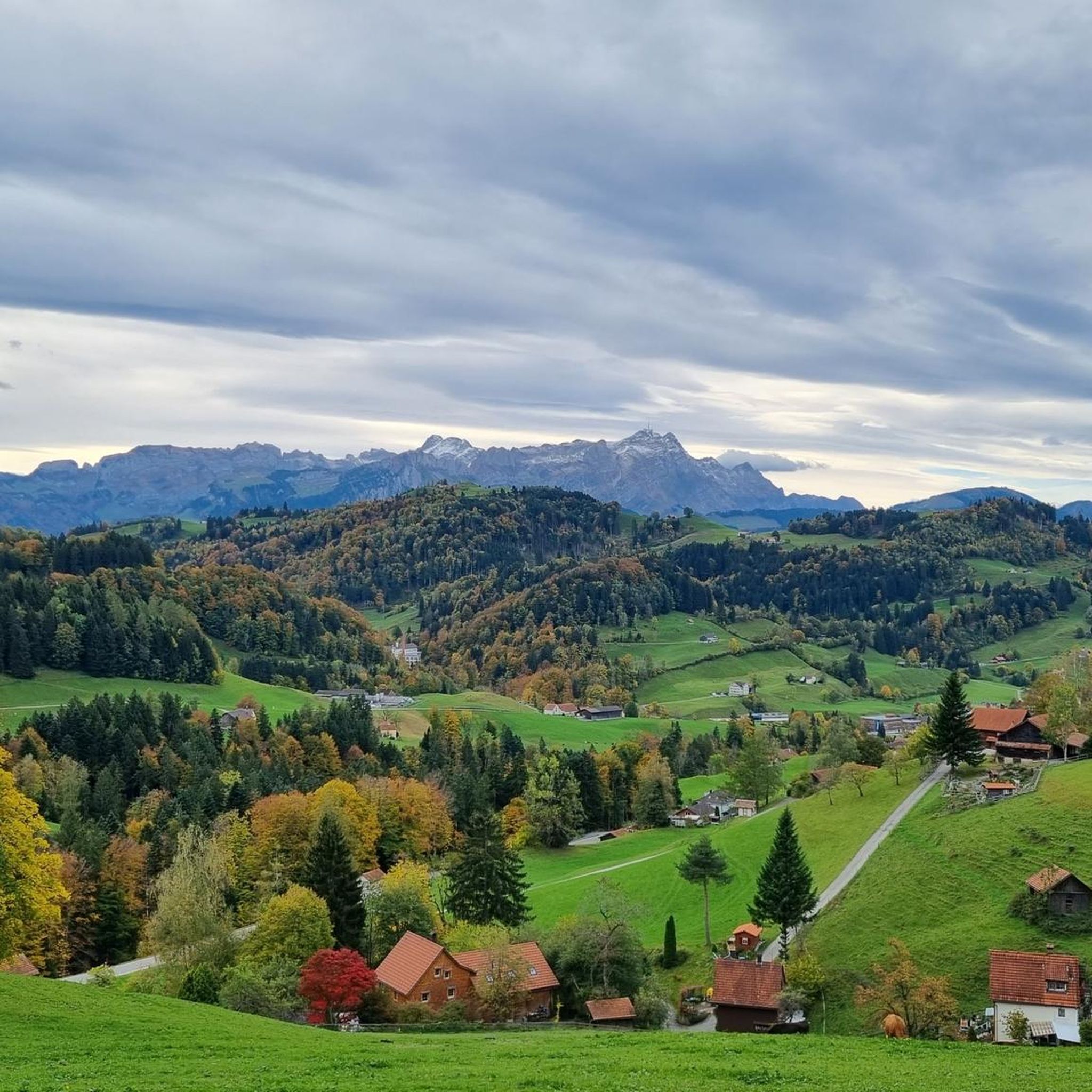
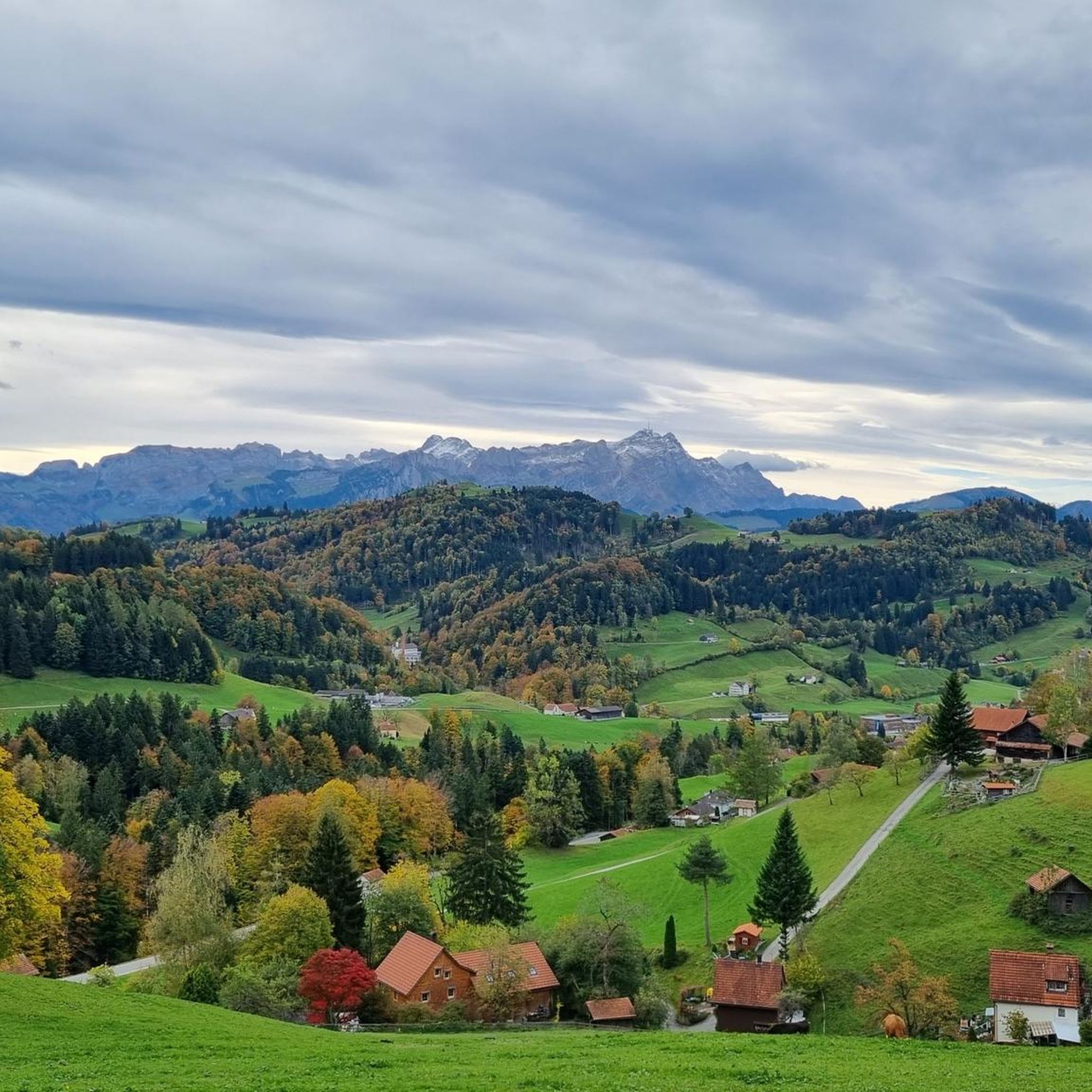
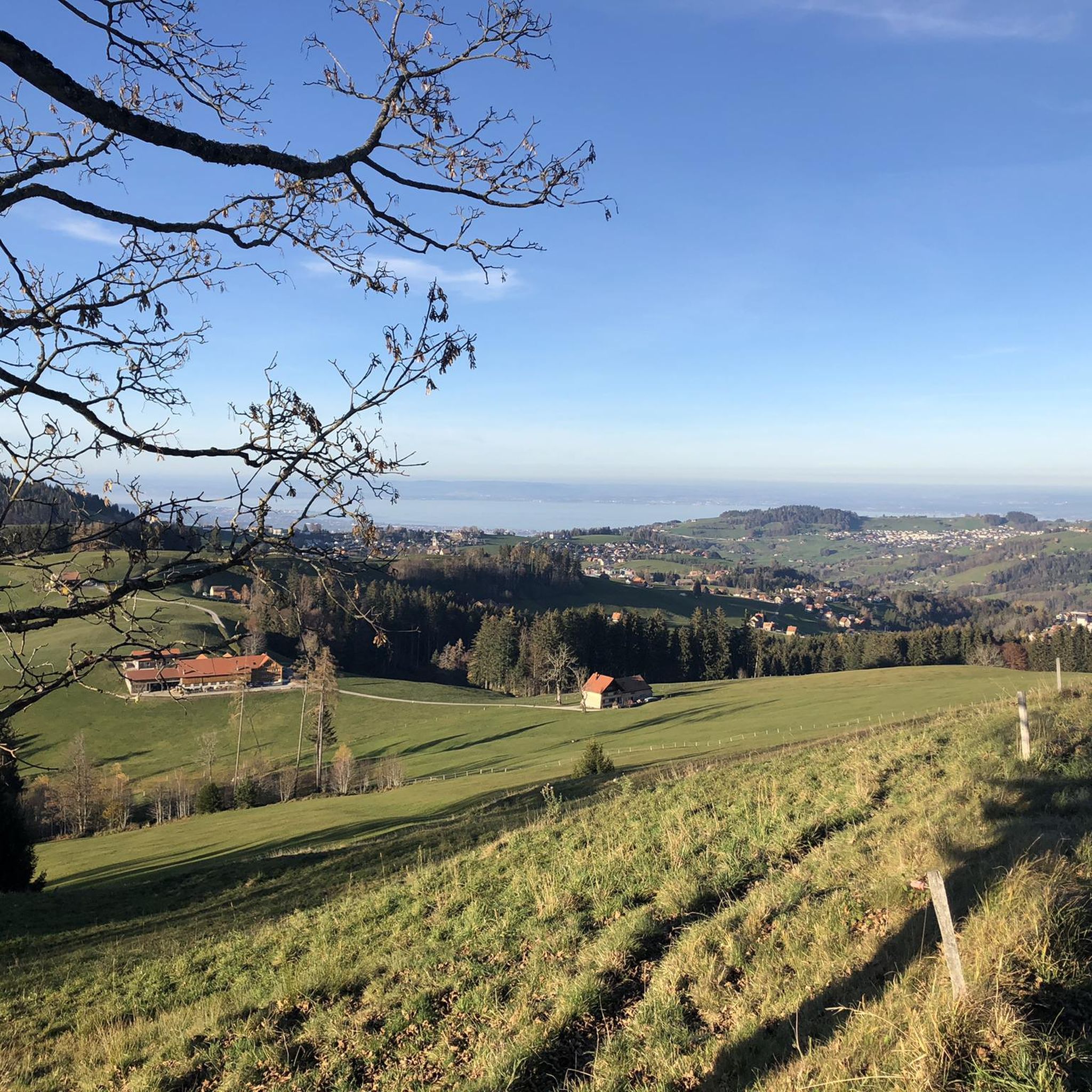
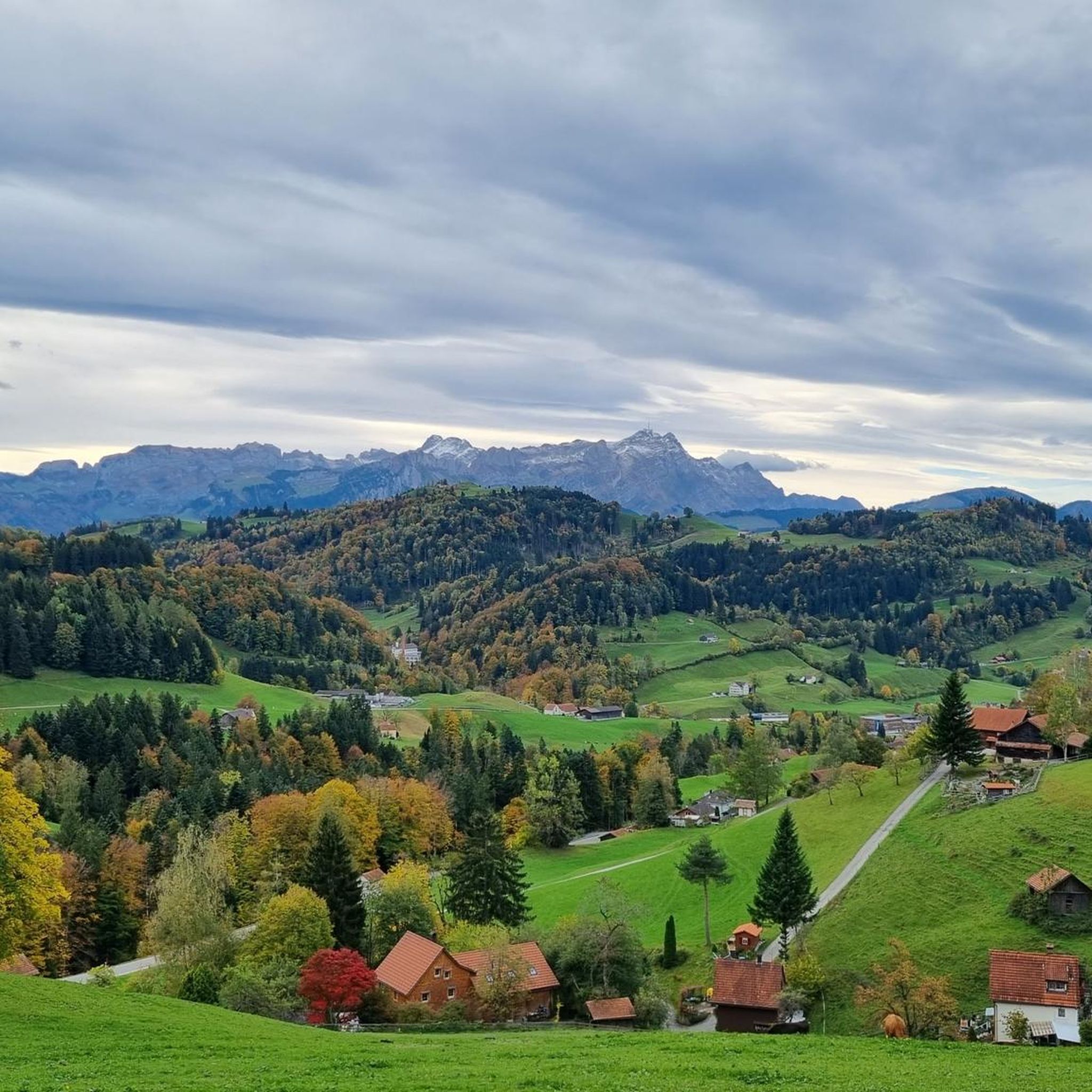
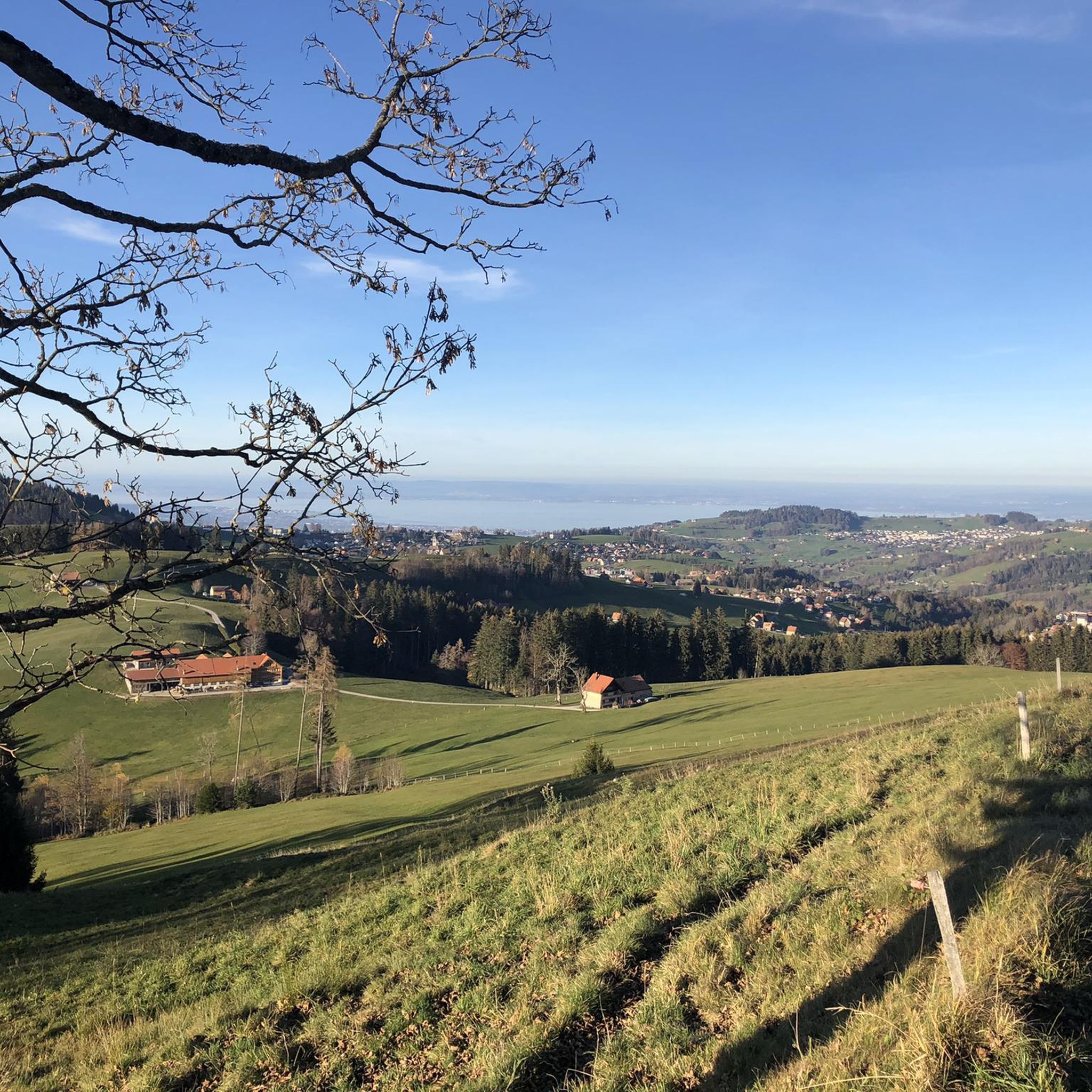
Gravel biking around Bühler features mountainous terrain with diverse landscapes, including valleys and mountain summits. The area offers a network of trails suitable for various cycling activities. These paths provide clear views of the natural surroundings and cater to different skill levels. The region's varied topography presents both challenging climbs and scenic routes for gravel bikers.
Best gravel bike trails around Bühler
- The most popular gravel bike trail is Säntisfluh Scenic Landscape – Urnäsch loop from Appenzell, a 24.0…
Last updated: July 2, 2026
4.6
(5)
31
riders
28.5km
02:12
570m
570m
Hard gravel ride. Very good fitness required. Mostly paved surfaces. Suitable for all skill levels.
5.0
(2)
36
riders
36.3km
02:47
710m
710m
Hard gravel ride. Very good fitness required. Mostly paved surfaces. Suitable for all skill levels.

Sign up for free
5.0
(1)
19
riders
19.9km
01:38
470m
470m
Hard gravel ride. Very good fitness required. Mostly paved surfaces. Suitable for all skill levels.
5.0
(6)
20
riders
Hard gravel ride. Very good fitness required. Mostly paved surfaces. Suitable for all skill levels.
10
riders
36.6km
03:09
1,080m
1,080m
Hard gravel ride. Very good fitness required. You may need to push your bike for some segments of this route.
Get access to more routes and recommendations from other explorers.
Sign up for free
Already have an account?
Our route recommendations are based on thousands of hikes, rides, and runs completed by other people on komoot.
Start today with a free account
Your next adventure awaits.
Login or Signup
Tips from the Community

Since 1983, the Collegiate Church and Cathedral of St. Gallen (actually Collegiate Church of St. Gallus and Otmar) and the entire Abbey District have been part of the UNESCO World Heritage Site. The baroque new building of the Benedictine monastery church, built between 1755 and 1766, stands where Saint Gallus is said to be buried. From 720 onwards, Abbot Otmar organised the construction work around the crypt, and his successor Gozbert began the construction of the new monastery church from 820 onwards. The construction of the Collegiate Church in its present form - it is one of the last monumental sacred buildings of the late Baroque period - was planned by Gabriel Loser and Johann Caspar Bagnato. Its two 68-metre-high towers tower above the old town of St. Gallen.
8
0

Cathedral, St. Gallen Several earlier structures preceded the monumental church. Originally, the chapel of Saint Gallus stood on this site, where the saint was buried around 640. Later buildings incorporated Gallus's tomb. Around 720 (the founding of the monastery), a stone church was built. By the 9th century, the church had already reached its present length. In the 15th century, a new choir in the Gothic style was constructed. In 1756, the monks embarked on the final phase of the church's reconstruction, which was completed in 1766. The renowned architect Johann Kaspar Bagnato played a significant role in the design, while Johann Michael Beer oversaw the construction. The patrons were Abbots Cölestin Gugger von Staudach and Beda Angehrn. After the dissolution of the monastery, the church became a cathedral (bishop's church) in 1824. The church underwent interior renovations from 1961 to 1967 and exterior renovations from 2000 to 2003. The church has an elongated, rectangular floor plan. Within this plan, a rotunda (round structure) is inserted, resembling a transept. On the eastern end, the striking twin-tower facade rises as a dominant feature, the emblem of the Diocese, City, and Canton of St. Gallen. The facade's sculptural decoration includes figures of Saints Maurice and Desiderius and a relief depicting the Coronation of the Virgin Mary by the Holy Trinity. The interior of the church is a three-aisled, free-pillared structure with a central dome (rotunda). High-quality stucco work, vault paintings, altars, and the choir stalls are among the highlights of the interior. The concept of harmoniously coordinated art forms is the work of Christian Wentzinger, sculptor and painter. Text / Source: City of St. Gallen, Town Hall, 9001 St. Gallen https://www.stadt.sg.ch/home/freizeit-tourismus/stgallen-entdecken/stiftsbezirk-unesco-weltkulturerbe.html
16
1


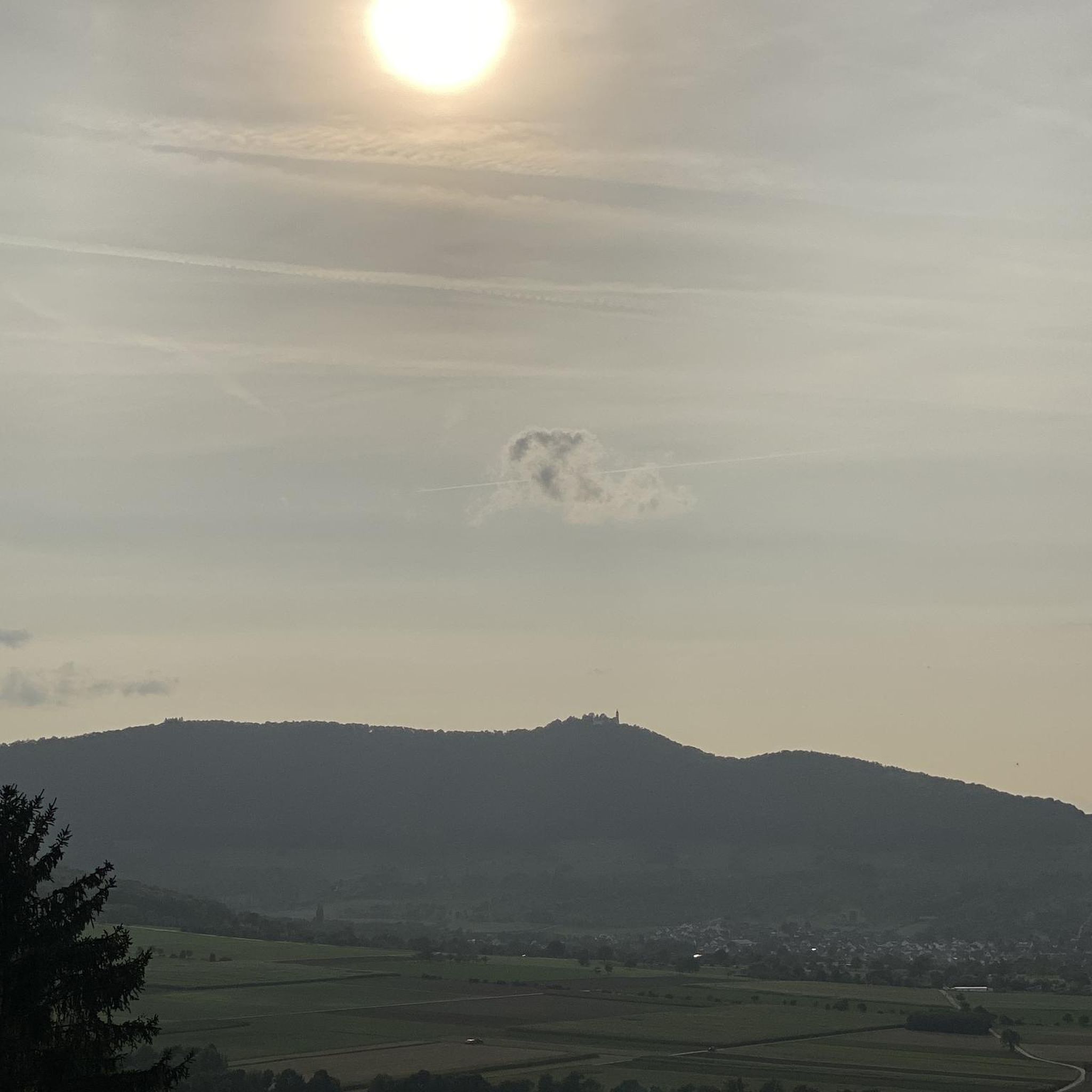
Of course, you can also ride past a castle on a mountain bike.
1
0

Info: Bridge currently closed due to construction. August 18, 2025
0
0

Nice to drive. The alternative route via Mohren is a bit quieter.
0
0

A very nice local recreation area. You can swim in the ponds.
0
0

The monastery radiates a wonderful sense of peace.
0
0
Frequently Asked Questions
How many gravel bike trails are available around Bühler?
Bühler offers a wide selection of gravel bike trails, with nearly 130 routes available. These routes cater to various skill levels, predominantly featuring moderate to difficult climbs through mountainous terrain.
What kind of terrain can I expect on gravel bike trails in Bühler?
The gravel bike trails around Bühler are characterized by mountainous terrain, diverse valleys, and impressive mountain summits. You'll encounter a network of paths offering both challenging climbs and scenic routes, providing clear views of the natural surroundings.
Are there any easy gravel bike routes for beginners in Bühler?
While many routes in Bühler are rated as difficult, there are options for different ability levels. For a less strenuous experience, consider exploring the region's varied topography on paths that are not explicitly labeled as difficult, though most routes involve significant elevation changes.
What are some notable landmarks or natural features to see while gravel biking in Bühler?
The region around Bühler is rich in natural beauty and landmarks. You might encounter the impressive Wildkirchli Chapel and its interconnected caves, or enjoy panoramic views from the Fähnerenspitz Summit. The Ruhesitz Mountain Inn also serves as a scenic point with extensive mountain views.
What do other gravel bikers enjoy most about the trails in Bühler?
The gravel biking experience in Bühler is highly rated by the komoot community, with an average score of 4.6 stars from over 200 reviews. Riders frequently praise the diverse landscapes, from valleys to mountain summits, and the expansive views of the surrounding natural beauty.
Are there any circular gravel bike routes around Bühler?
Yes, many of the gravel bike routes in Bühler are designed as loops. For example, the Steinerburg Ruins – Ruggisberg Marian Chapel loop from Birnbäumen offers a challenging ride through varied terrain, passing historical ruins. Another option is the Alpstein View – Gallus Square loop from Birnbäumen, which leads through mountainous areas.
What is the typical distance and elevation gain for gravel bike routes in Bühler?
Gravel bike routes in Bühler vary in length and elevation. For instance, the Säntisfluh Scenic Landscape – Urnäsch loop from Appenzell is about 38.7 km (24.0 miles) with approximately 791 meters of elevation gain. Another route, the View of the Rhine Valley – View from Montlinger Schwamm loop from Appenzell, covers about 32.1 km (19.9 miles) with around 962 meters of ascent.
Are there places to eat or rest along the gravel bike trails?
Yes, you can find places to rest and refuel. The Ruhesitz Mountain Inn, located above Brülisau, provides a quiet retreat with views, and there's also a restaurant at Hundwiler Höhi, both of which can serve as convenient stops during your ride.
What is the best time of year for gravel biking in Bühler?
The mountainous terrain around Bühler is ideal for outdoor activities during warmer months. While specific seasonal conditions for gravel biking aren't detailed, the region is known for mountain hikes and bike tours, suggesting spring through autumn would offer the most favorable weather. Winter conditions would likely involve snow, making gravel biking more challenging.
Are there any routes that offer views of the Rhine Valley?
Yes, the View of the Rhine Valley – View from Montlinger Schwamm loop from Appenzell is a route specifically known for offering expansive views, including those of the Rhine Valley from the Montlinger Schwamm.
Are there any shorter, yet still challenging, gravel bike routes?
For a shorter but still difficult option, consider the Drei Weieren – Waldegg loop from Notkersegg. This route is approximately 19.8 km (12.3 miles) long with about 461 meters of elevation gain, offering a concentrated challenge.
Most popular attractions around Bühler

Get inspired with the komoot mobile app


Explore more
Browse the best Gravel rides in other regions.
