Top 9 Castles around Kaltenwestheim
Castles around Kaltenwestheim are situated within the Hohe Rhön administrative community, an area recognized for its natural beauty and historical context. This region, part of the UNESCO Biosphere Reserve Rhön, offers diverse nature-related experiences, including hiking and outdoor activities. While specific castles within Kaltenwestheim itself are not prominent, the surrounding Rhön region features various historical sites and castle ruins.
Best castles around Kaltenwestheim
- The most popular castles is Auersburg Castle Ruins, a castle that offers a tower climb with extensive views. From the tower, visitors can see as far as the Milseburg and the Wasserkuppe.
- Another must-see spot is Eberstein Castle Ruins, a castle and historical site. This hidden ruin in the forest provides benches and tables for rest.
- Visitors also love Propsteischloss and St. Mary's Assumption Church Zella, a historical site and castle. The Propsteischloss serves as the seat of the Thuringian administration of the Rhön biosphere reserve and hosts exhibitions.
- Kaltenwestheim is known for castle ruins, historical sites, and preserved castles. The area offers a variety of historical structures to explore, from ancient ruins to renovated castles.
- The castles around Kaltenwestheim are appreciated by the komoot community, with more than 700 upvotes and over 800 photos shared.
Last updated: July 1, 2026
Auersburg Castle Ruins
Highlight • Castle
Translated by Google •
Tip by

Tann Castle
Highlight • Castle
Translated by Google •
Tip by

Sign up now to discover places like this
Get recommendations on the best single tracks, peaks, & plenty of other exciting outdoor places.
Sign up for free
Hutsburg Castle Ruins
Highlight • Castle
Translated by Google •
Tip by

Hutsberg Ruins
Highlight • Historical Site
Translated by Google •
Tip by

Eberstein Castle Ruins
Highlight • Castle
Translated by Google •
Tip by

Sign up for free to discover even more castles around Kaltenwestheim.
Sign up for free
Already have an account?
Start today with a free account
Your next adventure awaits.
Login or Signup
Popular around Kaltenwestheim
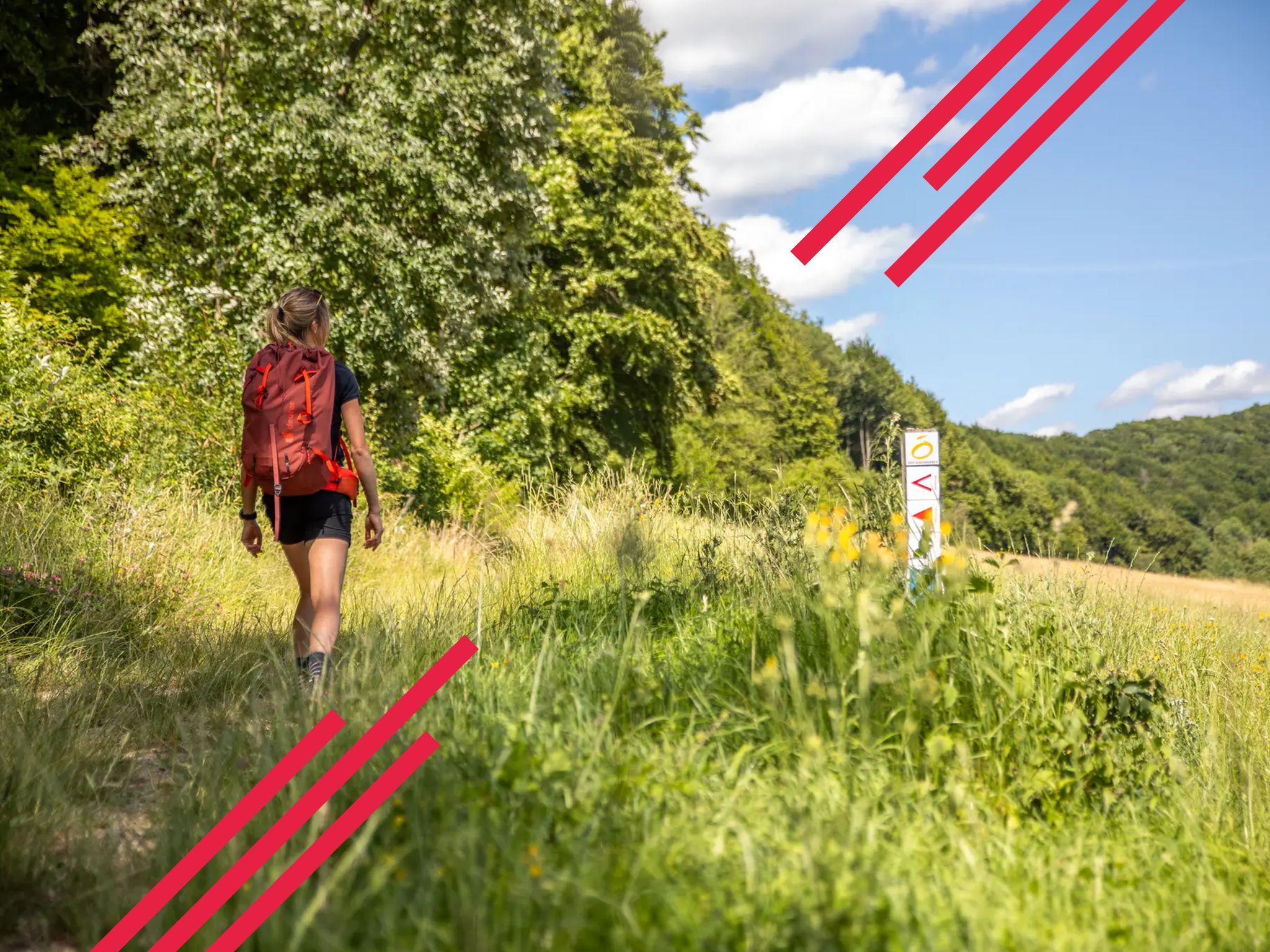
Stages of the HOCHRHÖNER Premium Hiking Trail
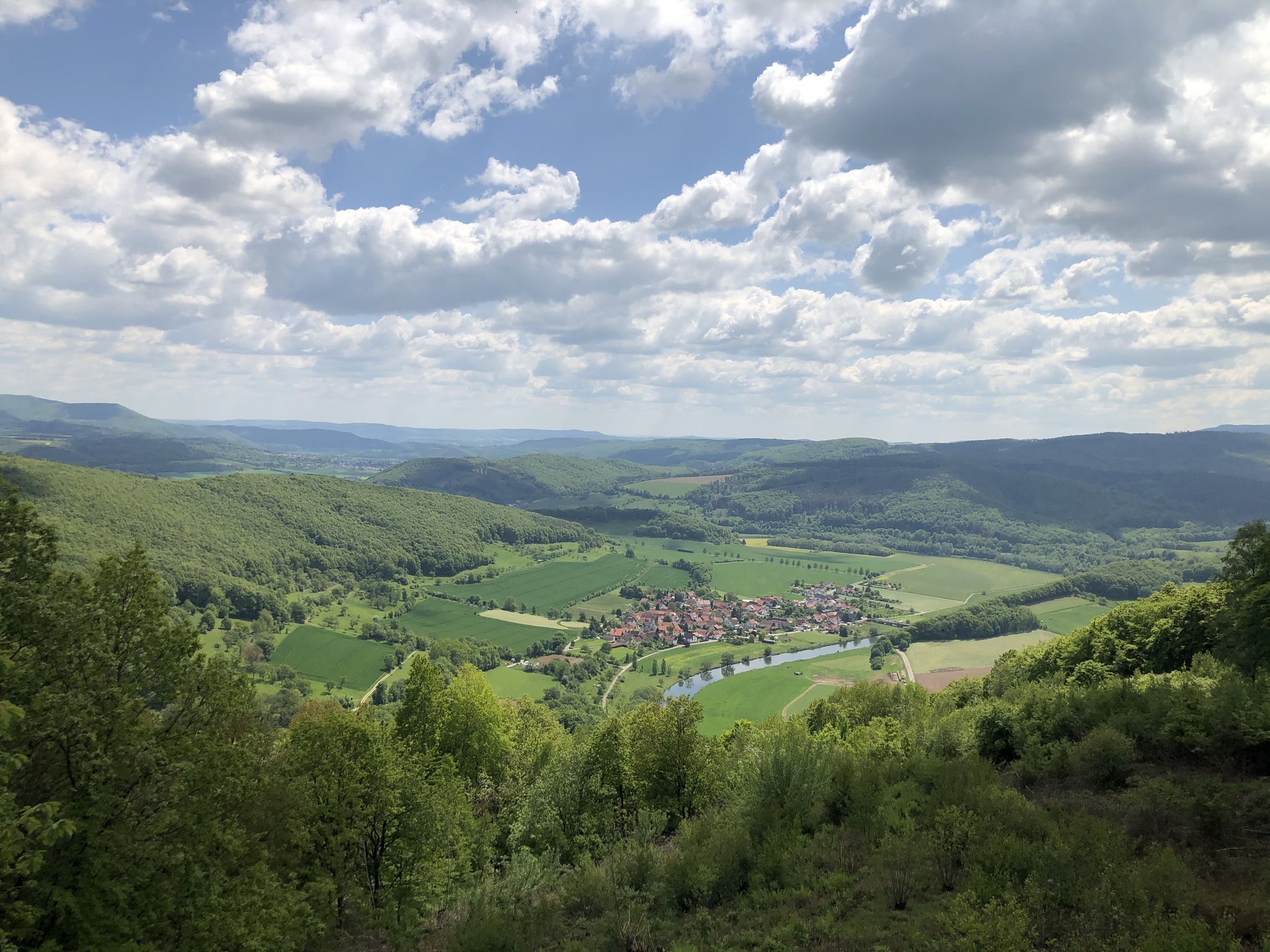
Wonderful Green Band
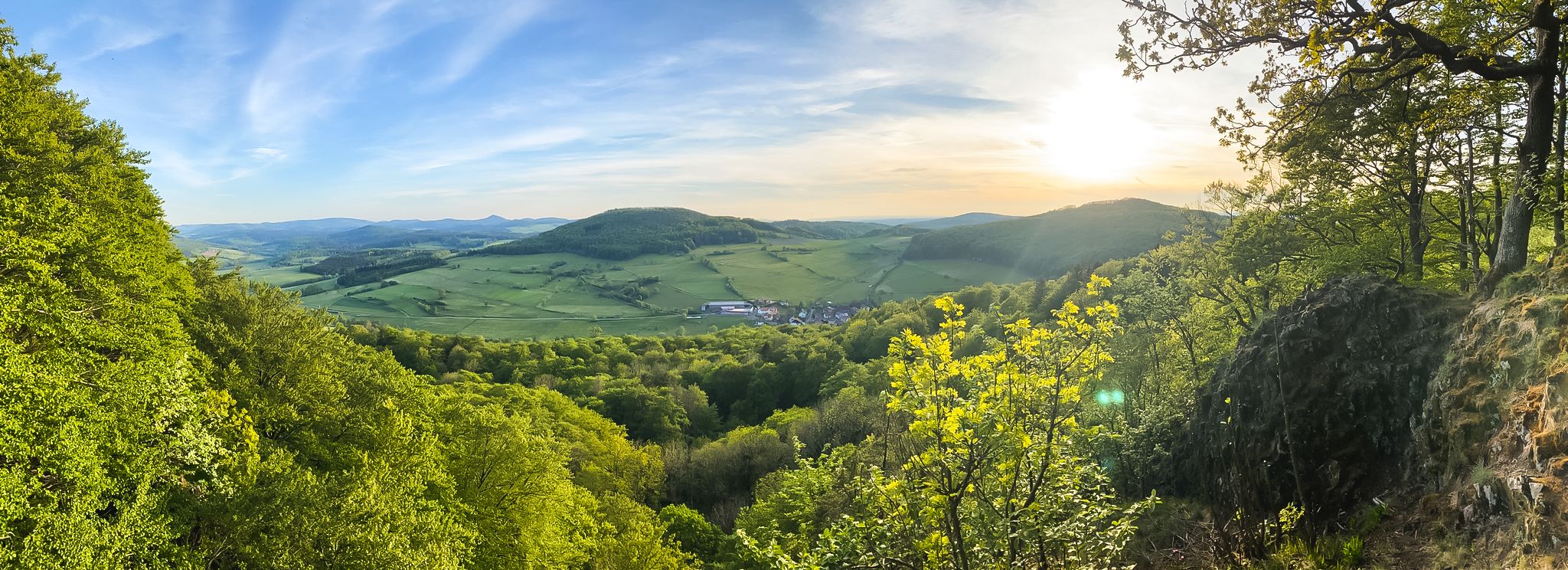
Hike Germany’s Rhön Mountains on the Hochrhöner Trail
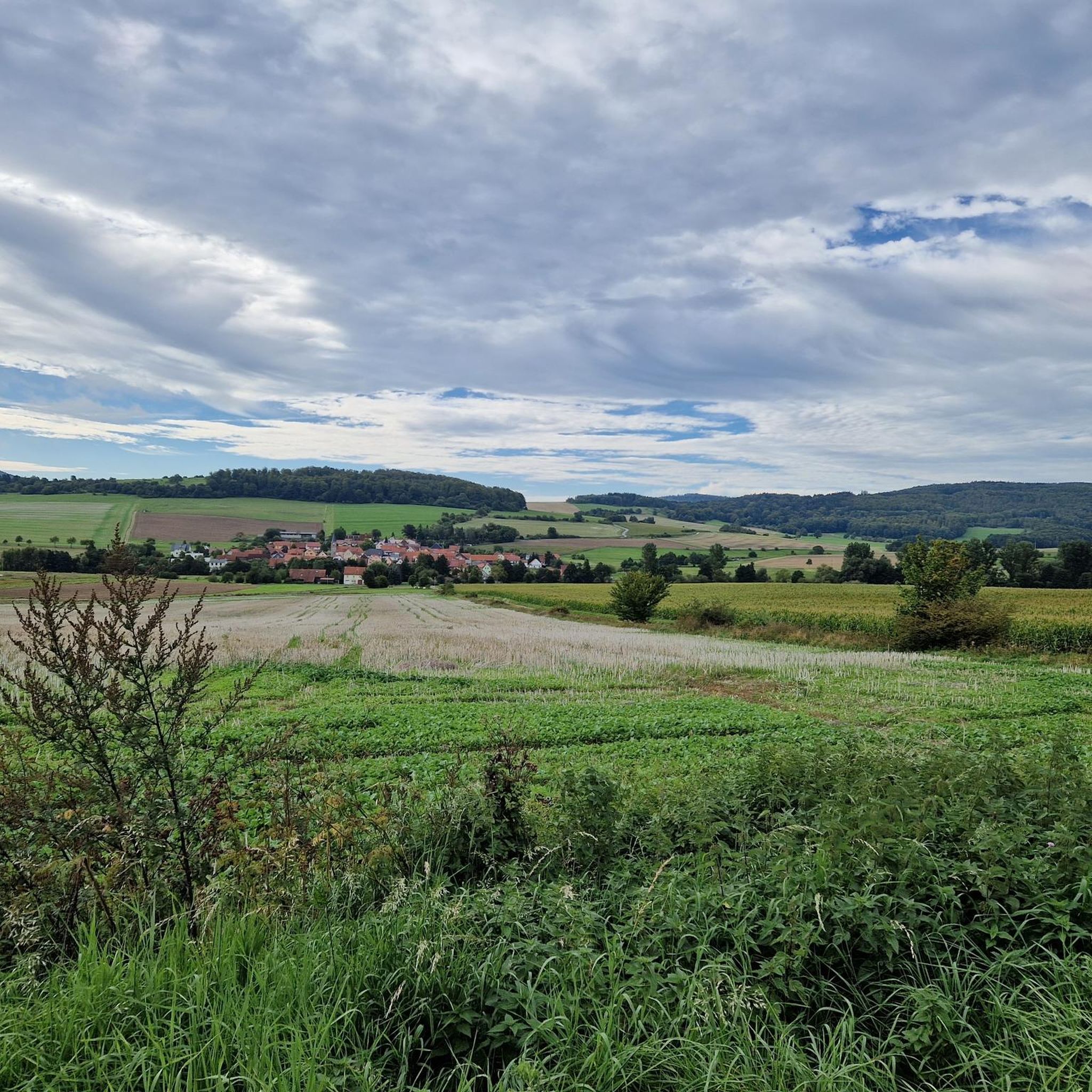
Hiking around Kaltenwestheim
MTB Trails around Kaltenwestheim
Running Trails around Kaltenwestheim
Cycling around Kaltenwestheim
Road Cycling Routes around Kaltenwestheim
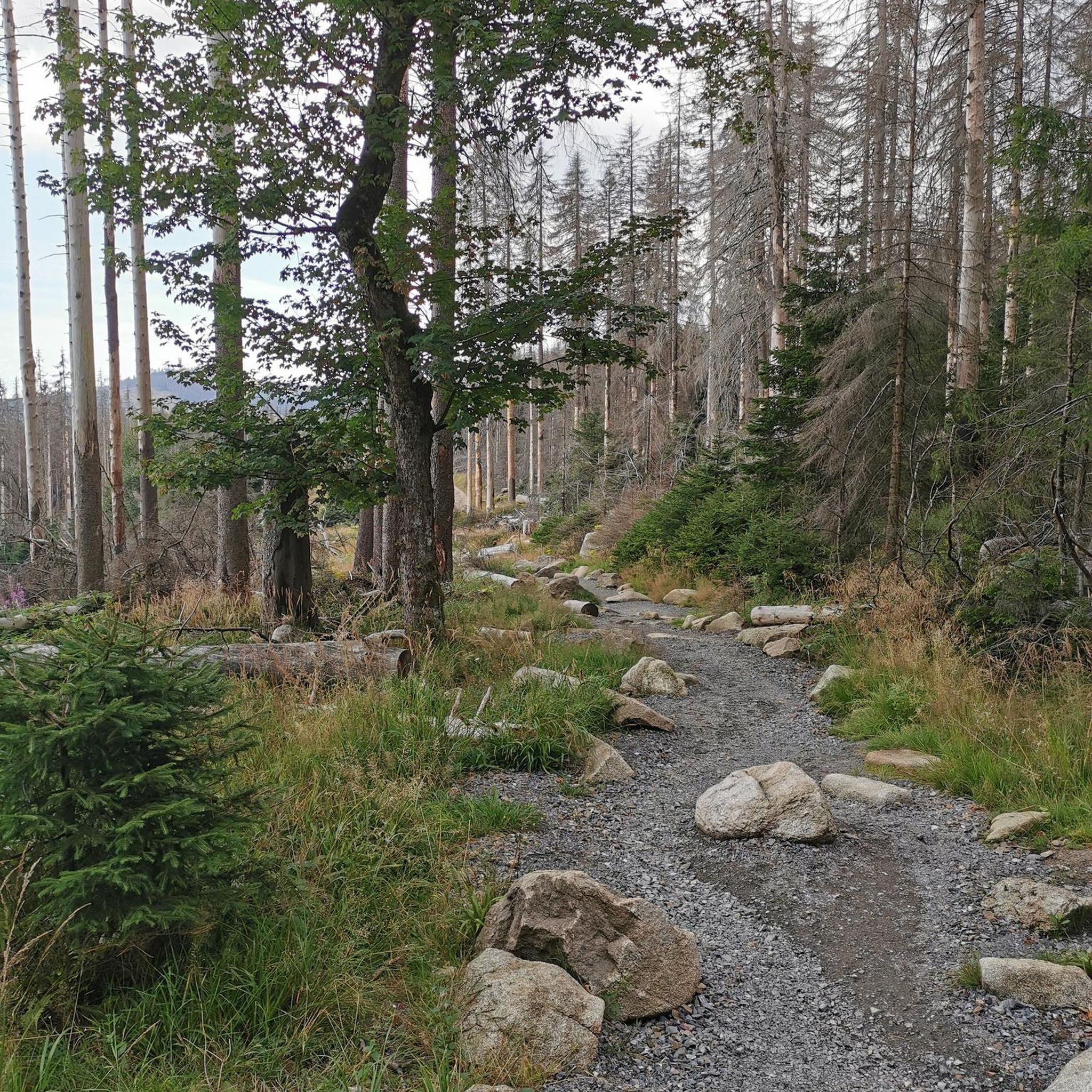
Gravel biking around Kaltenwestheim


Tips from the Community

High up on the former volcanic cone, Central European history can be felt and experienced. A presumably Celtic hilltop settlement was followed by a medieval-Franconian hilltop castle. Its two construction phases of the unusually high surrounding walls are exactly recognizable: Basalt and shell limestone (which doesn't occur here at all). Conquered and destroyed twice. Most recently in 1525 during the "Peasants' War". Attention heritage protection: why do you expose this gem to destruction a third time??? This time to oblivion?
0
0
The Hutsburg Castle is a striking testimony to Germany's dark times. Exactly 500 years ago, the Hutsburg Castle was destroyed during the Peasants' War raging at the time. Today, on the occasion of our evening hike on May 14, 2025, we commemorated the events of that time. Social injustice and restrictions on "freedom" led to the terrible armed conflicts back then. We enjoyed the beautiful sunset and today's peaceful atmosphere high above Helmershausen. Unfortunately, the view from high above is impossible due to the dense forest. Only down at the edge of the forest does the bench invite you to linger, observe, and reflect.
1
0

An interesting ruin on the mountain. Suddenly, this castle appears, bearing witness to times long forgotten.
0
0

An impressive historical place that has something to it. Lets your imagination run wild and brings you a little closer to the past.
1
0

For Tann Castle, see e.g. https://de.wikipedia.org/wiki/Schloss_Tann. For the noble family, see e.g. https://de.wikipedia.org/wiki/Tann_(Adelsgeschlecht)
0
0

There isn't really much left of the castle, but you can see the layout well. There is also a nice hut with tables and benches for resting, which is half made from the ruined walls and half newly built. You can find out more about the castle on an information board.
1
0

Unfortunately, only a few remains of the walls remain. Still a beautiful spot.
1
0

Here you can find more information: https://de.wikipedia.org/wiki/Hutsburg
0
0
Frequently Asked Questions
What are some of the notable castles and historical sites to visit around Kaltenwestheim?
The region offers a variety of historical structures. You can explore the ruins of Auersburg Castle Ruins, which features a tower climb with extensive views, or the hidden Eberstein Castle Ruins in the forest, which provides benches and tables for rest. Another significant site is Propsteischloss and St. Mary's Assumption Church Zella, which houses the Thuringian administration of the Rhön biosphere reserve and hosts exhibitions.
Are there family-friendly castles or historical sites in the area?
Yes, several sites are suitable for families. Auersburg Castle Ruins and Tann Castle are both categorized as family-friendly. The Propsteischloss and St. Mary's Assumption Church Zella also welcomes families, offering exhibitions about the Rhön biosphere reserve.
What kind of natural features or viewpoints can I find near these castles?
The Rhön region, a UNESCO Biosphere Reserve, is known for its natural beauty. From the tower at Auersburg Castle Ruins, you can enjoy extensive views as far as the Milseburg and the Wasserkuppe. Hutsberg Ruins also offers a nice viewpoint. The area emphasizes nature-related experiences, including the 'Erlebniswelt Rhönwald' and the Black Moor.
Are there hiking opportunities near the castles around Kaltenwestheim?
Absolutely. The region is excellent for hiking. You can find various routes, such as the 'Thuringian Rhön House loop from Unterweid' or the 'Shelter with View of the Rhön loop from Oberweid'. For more hiking options, explore the Hiking around Kaltenwestheim guide.
When is the best time of year to visit the castles and the Rhön region?
The Rhön region's natural beauty and outdoor activities are best enjoyed during the warmer months, typically from spring to autumn, when hiking and exploring castle ruins are most pleasant. Winter can offer a different, serene experience, but some outdoor activities might be limited by weather conditions.
What other outdoor activities are available in the Kaltenwestheim area besides visiting castles?
Beyond castle exploration, the region offers extensive outdoor activities. You can find numerous running trails, including the 'Sound Station on the Hexenpfad' or the 'Buchenhain loop'. Cycling is also popular, with routes like the 'Historic centre of Fladungen – Thüringer Rhönhaus loop'. For more details, check out the Hiking, Running, and Cycling around Kaltenwestheim guides.
What do visitors enjoy most about the castles and historical sites in this region?
Visitors particularly appreciate the wonderful views from sites like Auersburg Castle Ruins, the peaceful and hidden nature of ruins such as Eberstein Castle Ruins, and the historical significance of places like Hutsberg Ruins, which lets their imagination run wild and brings them closer to the past.
Are there any preserved castles that are still inhabited or well-maintained?
Yes, Tann Castle, built in Renaissance and Baroque styles, is the ancestral seat of the noble family von der Tann and remains in their ownership today. It's a well-preserved example of the region's historical architecture.
Is public transport available to reach these castles?
While specific public transport details for each castle are not readily available, the Rhön region is generally accessible. For detailed information on reaching specific sites, it is advisable to check local public transport schedules or tourist information for the respective towns near the castles.
Are there any cafes or restaurants near the castles for refreshments?
While direct cafes at every ruin are uncommon, towns like Tann, near Tann Castle, offer options like Eiscafe Royal and other establishments around the market square. For other sites, it's recommended to check local amenities in nearby villages.
Can I bring my dog to the castles and historical sites?
Many outdoor historical sites and castle ruins in the Rhön region are generally dog-friendly, especially those with open grounds or hiking trails. However, specific rules may apply to indoor areas or protected sites. It's always best to keep dogs on a leash and check for any posted regulations at each location.
What is the historical context of Kaltenwestheim and its surrounding castles?
Kaltenwestheim, first mentioned in 795, is part of the Hohe Rhön administrative community, an area with a rich historical background. The castles and historical sites in the region reflect its past, including affiliations with entities like the Prince Abbey of Fulda, as seen with the Propsteischloss and St. Mary's Assumption Church Zella, and the development of noble family seats like Tann Castle.
Most popular routes around Kaltenwestheim
Most popular attractions around Kaltenwestheim

Get inspired with the komoot mobile app


Explore more
Looking for the best castles somewhere else? Discover other guides around Kaltenwestheim:
