The best gravel rides around Bundorfer Forst
4.8
(12)
130
riders
27
rides
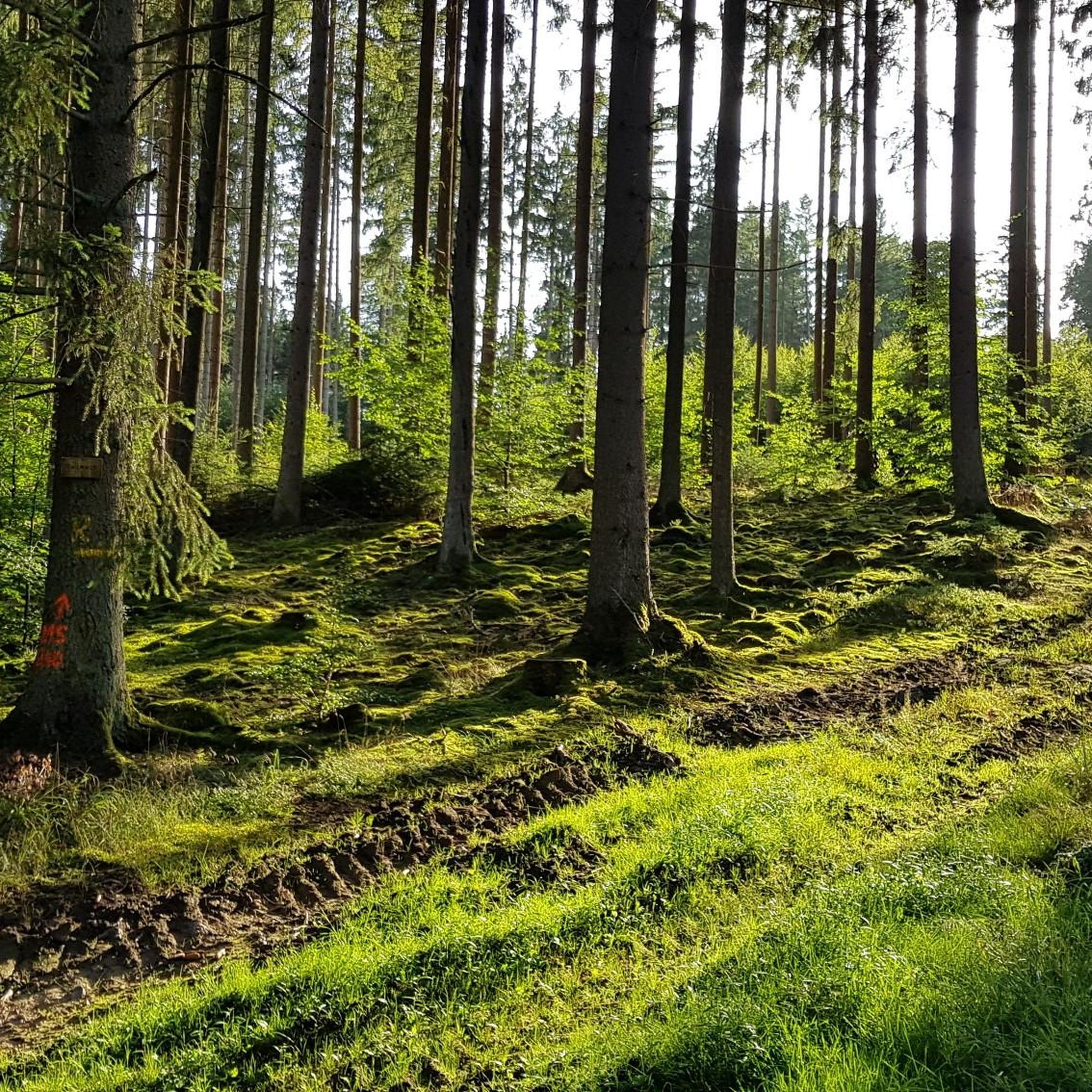
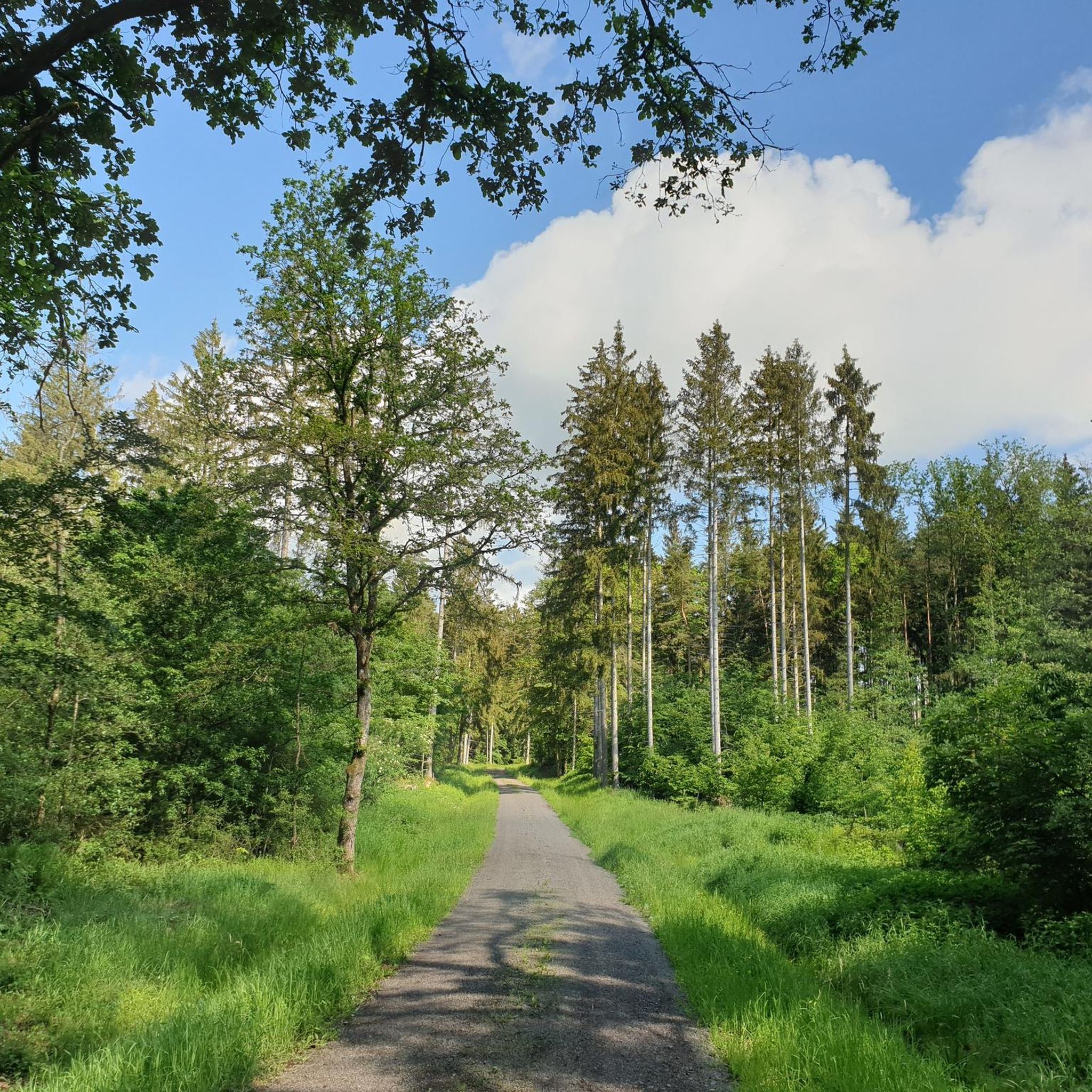
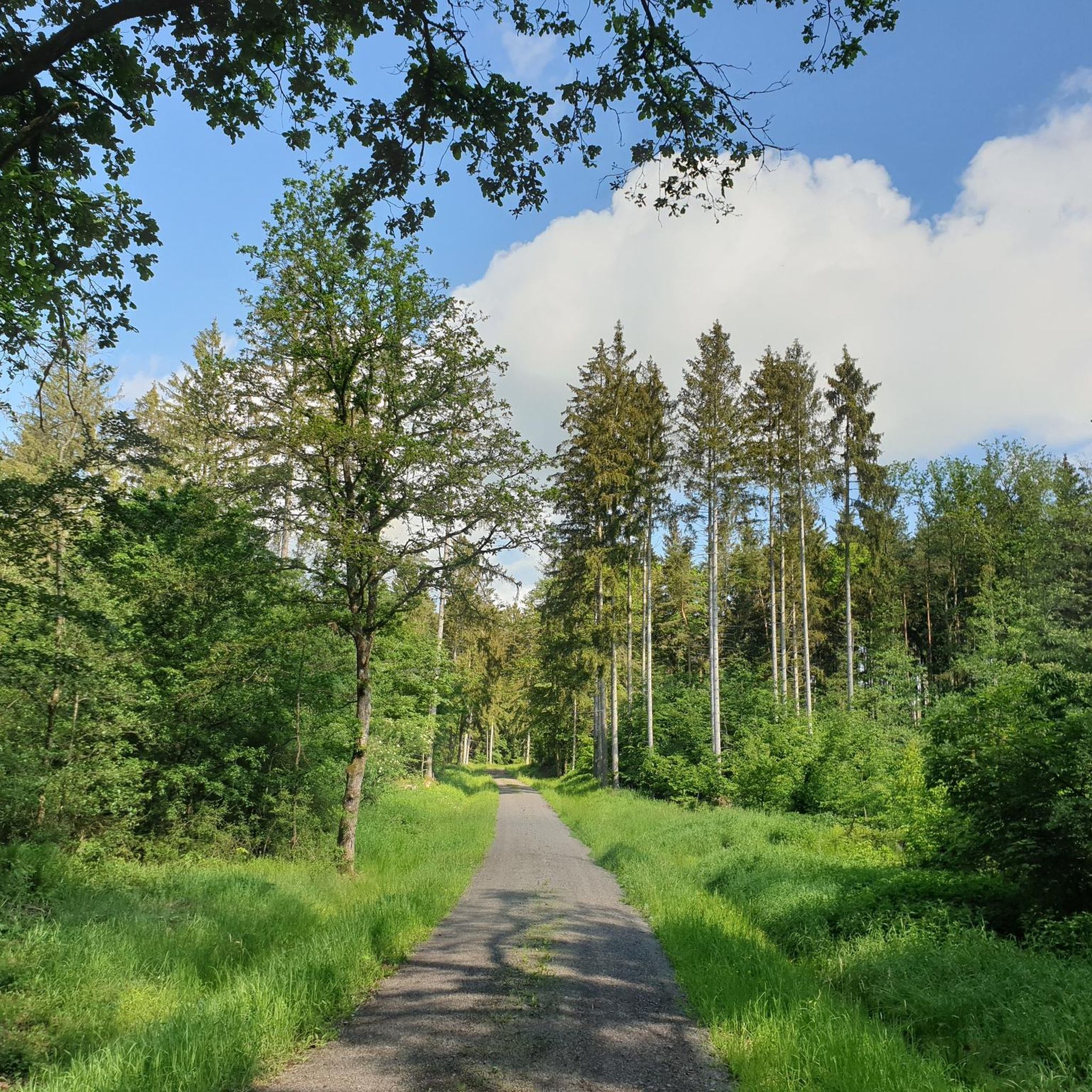
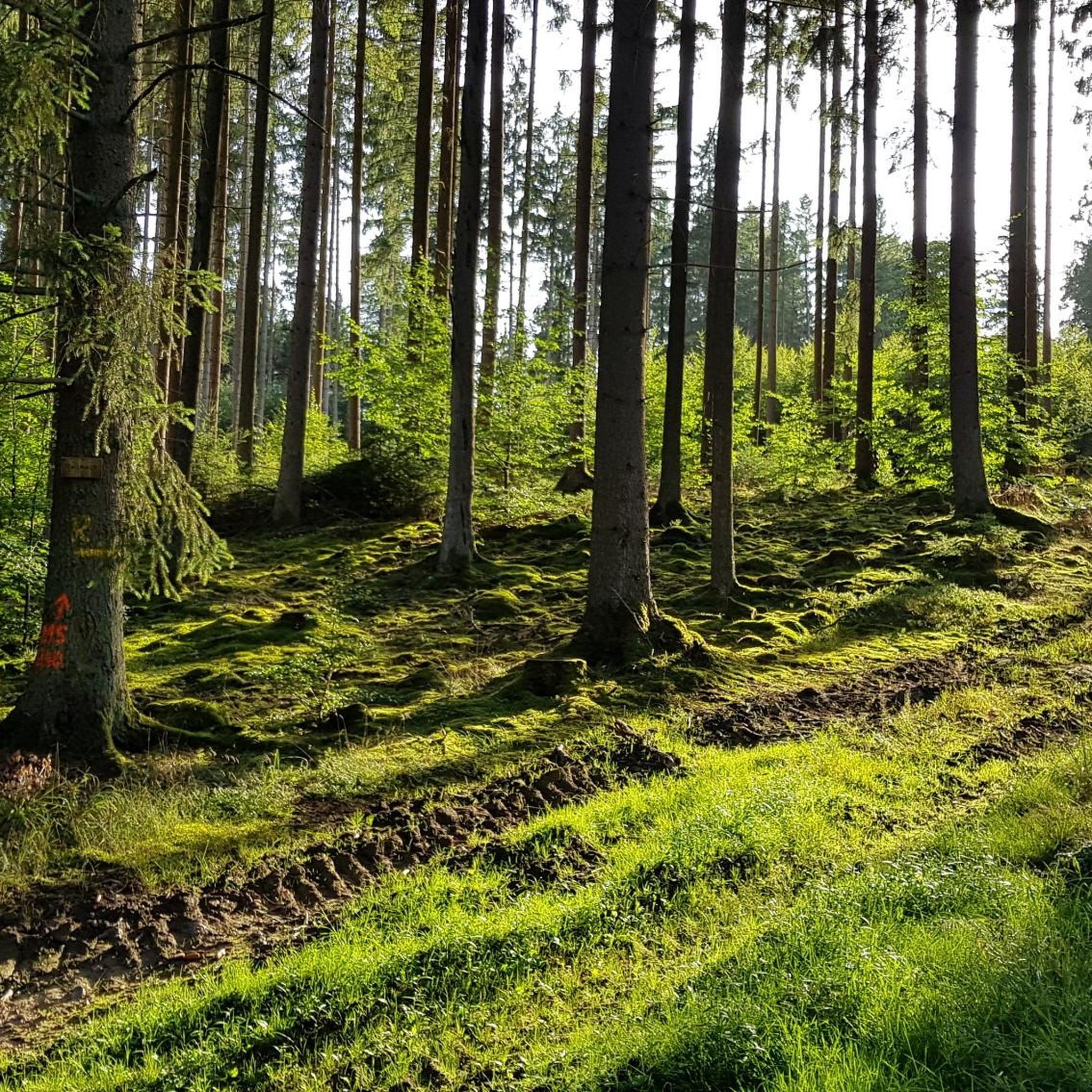
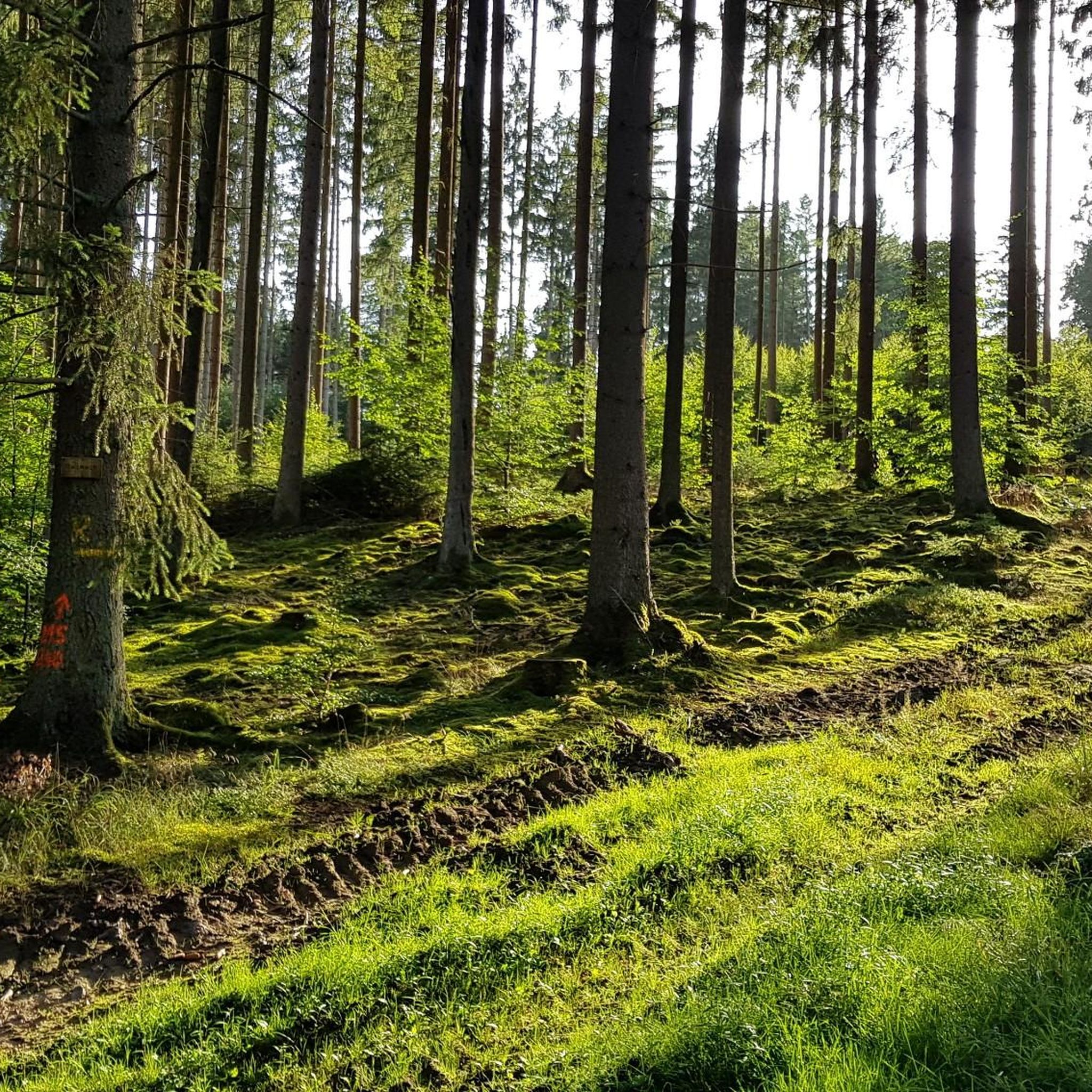
Gravel biking around Bundorfer Forst offers diverse terrain within a protected natural environment in Bavaria, Germany. The region is characterized by old deciduous forests, moist meadow valleys, and the young Baunach river, providing varied scenery for cycling. The highest point, Balzerstein, reaches 493 meters above sea level, contributing to the area's elevation changes. This landscape protection area features a network of cycling routes suitable for gravel bikes, including unpaved sections.
Best gravel bike trails around Bundorfer Forst
- The most popular…
Last updated: July 2, 2026
4.3
(3)
17
riders
56.6km
03:43
720m
720m
Hard gravel ride. Very good fitness required. Mostly paved surfaces. Suitable for all skill levels.
5
riders
59.4km
04:17
990m
990m
Hard gravel ride. Very good fitness required. You may need to push your bike for some segments of this route.

Sign up for free
5.0
(1)
7
riders
22.8km
01:28
230m
230m
Moderate gravel ride. Good fitness required. Mostly paved surfaces. Suitable for all skill levels.
9
riders
Hard gravel ride. Very good fitness required. Mostly paved surfaces. Suitable for all skill levels.
8
riders
Moderate gravel ride. Good fitness required. Mostly paved surfaces. Suitable for all skill levels.
Get access to more routes and recommendations from other explorers.
Sign up for free
Already have an account?
Our route recommendations are based on thousands of hikes, rides, and runs completed by other people on komoot.
Start today with a free account
Your next adventure awaits.
Login or Signup
Tips from the Community

The Christ Church in Altenmünster (Stadtlauringen) belongs to the Evangelical Lutheran parish of Friesenhausen and is a central meeting place for the community in the Schweinfurt district. Due to its excellent acoustics, the church is regularly used for concerts.
2
0

Friesenhausen Castle was built as a moated castle in the 13th/14th century.
12
0

Welcome to Friesenhausen Castle The small village of Friesenhausen, part of the municipality of Aidhausen, is beautifully situated at the foot of the Haßberge hills. Along with the Protestant St. George's Church and the Catholic Church of the Assumption of Mary, Friesenhausen Castle is a defining feature of the village. The current building dates back to a Gothic castle surrounded by a moat. In the 16th century, a Renaissance palace was built over the castle courtyard and later converted into a Baroque palace. Further details can be found under the section on the castle's history. To commemorate the village's 1200th anniversary in 2016, a historical guide to Friesenhausen Castle will be published, containing a detailed history of the castle's construction as well as numerous illustrations. The property is privately owned and is generally not open to the public. Groups of 20 or more can request a guided tour by contacting us. Photography is not permitted inside the castle, and animals are not allowed on the premises. On Sunday, September 11, 2016, this year's Open Monument Day will take place. On this occasion, Friesenhausen Castle will open its gates from 12 pm to 5 pm (guided tours will be offered by family members; a small contribution towards expenses is requested). Coffee and cake will also be available. Larger groups can register for the event on this day by contacting us. http://www.schloss-friesenhausen.de/index.html
1
1
Architectural History of Friesenhausen Castle Around the year 1300, several local lords held sway in Friesenhausen simultaneously. A Gothic moated castle in a small lake existed from approximately 1300 to 1741 and was at times owned by the Truchseß von Wetzhausen family. Traces of this family can still be found in the Protestant Church of St. George. The Gothic lake castle, however, was demolished in 1741, and the lake was filled in with the rubble. The present Renaissance-Baroque castle in Friesenhausen also originates from a Gothic castle, which, however, did not stand in the adjacent lake but was surrounded by a moat. Around 1563, the married couple Schenk von Ostheim-Steinau von Steinrück built a Renaissance castle over the Gothic moated castle, incorporating the castle courtyard. The conversion to a Baroque castle and further construction work were carried out under the Würzburg Cathedral canon Johann Philipp Fuchs von Dornheim and the Lords von... Dalberg, who embellished the entire complex with numerous additions such as the gate and the equestrian statues. In 1940, Franz Karl Prince zu Salm-Salm acquired the castle, but resided there only temporarily. As early as 1938, it had served as quarters for women of the Reich Labor Service, later as accommodation for prisoners of war, a military hospital for wounded German soldiers, and finally as a transit camp for expellees from Silesia and the Sudetenland. Subsequently, Caritas Würzburg established a retirement home there, which remained in operation until March 1957. After this intensive use, the building stood empty for 16 years, which is why Prince Salm sold the urgently needed renovation of the castle to the von Eichborn family in March 1973. You can read the detailed, richly illustrated architectural history in our newly published 2016 art guide. http://www.schloss-friesenhausen.de/baugeschichte.html
1
1


A beautiful path leads all the way around Lower Franconia's largest lake. The lake is a great place for a break. You can grab a snack at the kiosk and, if the weather's nice, sit on the sandy beach.
0
0

A beautiful historic market square, well-preserved and restored half-timbered houses, a few cafes and ice cream parlors invite you to sit outside in the summer.
2
0

Frequently Asked Questions
How many gravel bike trails are available in Bundorfer Forst?
Bundorfer Forst offers a wide selection of gravel biking routes, with over 40 trails available. These range in difficulty from moderate to difficult, ensuring options for various skill levels.
What kind of terrain can I expect on the gravel bike trails in Bundorfer Forst?
The gravel bike trails in Bundorfer Forst feature diverse terrain, including unpaved sections through old deciduous forests and moist meadow valleys. You'll encounter varied surfaces suitable for gravel bikes, with elevation changes leading up to the highest point, Balzerstein, at 493 meters above sea level.
Are there any family-friendly gravel biking options in Bundorfer Forst?
While many routes are rated moderate to difficult, Bundorfer Forst does offer some less challenging options. For example, the route Kleinbardorf Rest Area – Market Square, Bad Königshofen loop from Großbardorf is a moderate 43.3 km trail that could be suitable for families with some biking experience.
What are some scenic viewpoints or natural features to look out for on the trails?
Bundorfer Forst is rich in natural beauty. You can enjoy views of the young Baunach river, which flows through the forest, and explore areas around Ellertshäuser Lake and Sulzfelder Lake. The protected natural environment, with its diverse forest ecosystems, provides a picturesque backdrop for your ride. The Schwedenschanze Observation Tower also offers panoramic views.
Are there any historical landmarks or interesting places to explore along the routes?
Yes, Bundorfer Forst has historical and cultural elements. The "Schmierhütte," a former small stone house, now serves as a resting and information point. You can also find remnants of a late medieval or early modern "Landwehr" (defensive earthwork), which is protected as an archaeological monument. The route Jägerpfad Schwedenschanze – Trail to Schwedenschanze loop from Sulzfeld specifically explores historical trails.
What is the best time of year to go gravel biking in Bundorfer Forst?
The diverse forest ecosystems of Bundorfer Forst make it enjoyable across multiple seasons. Spring and autumn offer vibrant colors and pleasant temperatures, ideal for exploring the deciduous forests. Summer provides longer daylight hours, while winter gravel biking is possible, though trail conditions may vary and require appropriate gear.
Are there any circular gravel bike routes available?
Many of the gravel bike routes in Bundorfer Forst are designed as loops. For instance, the popular Sulzfelder Lake – Beer Garden at Sulzfeld Bathing Lake loop from Bad Königshofen im Grabfeld is a circular trail, allowing you to start and end at the same point.
What do other gravel bikers enjoy most about Bundorfer Forst?
The area is highly rated by the komoot community, with an average score of 4.7 stars from over 10 reviews. Riders frequently praise the varied terrain, the serene natural environment of the protected forest, and the well-maintained network of trails that offer both challenging climbs and scenic rides.
Are there options for food and drink near the gravel trails?
Yes, you can find options for refreshments. For example, the Beer Garden at Sulzfeld Bathing Lake is a popular spot mentioned in one of the routes, offering a place to relax and refuel after your ride.
Where can I find parking for gravel biking in Bundorfer Forst?
While specific parking areas for each trail are not detailed, the region is well-equipped for outdoor recreation. You can typically find parking facilities near trailheads or in nearby towns like Sulzfeld or Bad Königshofen im Grabfeld, which serve as common starting points for many routes.
Can I bring my dog on the gravel bike trails?
Bundorfer Forst is a protected natural environment, including areas designated as nature reserves and bird sanctuaries. While many outdoor areas in Germany are dog-friendly, it's always recommended to keep dogs on a leash to protect wildlife and ensure a pleasant experience for all visitors. Check local signage for specific regulations on individual trails.
What is the longest gravel bike route in Bundorfer Forst?
One of the longer routes available is Sulzfelder Lake – Beer Garden at Sulzfeld Bathing Lake loop from Bad Königshofen im Grabfeld, which covers approximately 60.5 kilometers (37.6 miles) and typically takes around 3 hours and 35 minutes to complete.
Most popular routes around Bundorfer Forst
Most popular attractions around Bundorfer Forst

Get inspired with the komoot mobile app


Explore more
Browse the best Gravel rides in other regions.
