The best gravel rides around Großmehring
4.6
(459)
2,391
riders
217
rides
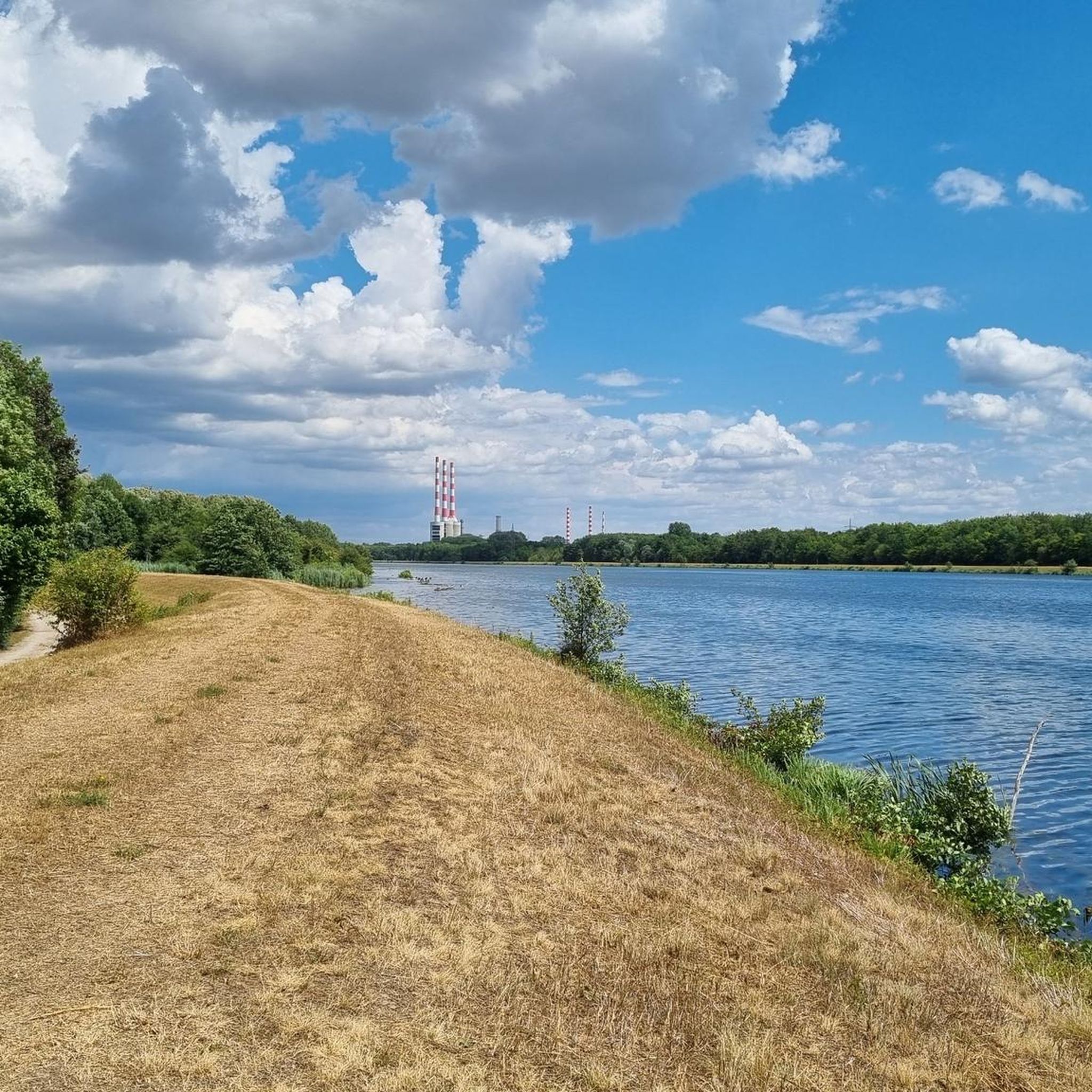
Gravel biking around Großmehring offers routes through diverse landscapes, characterized by the Danube river and its floodplain areas. The region features a mix of open fields, riverside paths, and sections near historical towns and castles. Elevation changes are generally moderate, with some routes including more significant climbs, providing varied terrain for gravel cyclists.
Best gravel bike trails around Großmehring
- The most popular gravel bike trail is Prunn Castle photo spot – View of Prunn Castle loop from Kasing, a…
Last updated: July 3, 2026
4.8
(6)
46
riders
63.0km
03:24
630m
620m
Hard gravel ride. Very good fitness required. Mostly paved surfaces. Suitable for all skill levels.
5.0
(7)
25
riders
21.7km
01:10
70m
70m
Easy gravel ride. Great for any fitness level. Mostly paved surfaces. Suitable for all skill levels.

Sign up for free
5.0
(1)
10
riders
41.4km
02:14
70m
70m
Moderate gravel ride. Good fitness required. Mostly paved surfaces. Suitable for all skill levels.
4.0
(1)
9
riders
110km
05:43
300m
300m
Hard gravel ride. Very good fitness required. Mostly paved surfaces. Suitable for all skill levels.
5.0
(1)
5
riders
34.8km
01:55
320m
310m
Moderate gravel ride. Good fitness required. Mostly paved surfaces. Suitable for all skill levels.
Get access to more routes and recommendations from other explorers.
Sign up for free
Already have an account?
Our route recommendations are based on thousands of hikes, rides, and runs completed by other people on komoot.
Start today with a free account
Your next adventure awaits.
Login or Signup
Tips from the Community

An impressive spectacle. Especially when there's more water.
0
0

Beautiful hiking trail with an elevated view of the village.
0
0

Hexenagger Castle A Dietricus von Haecsenakker is mentioned as early as 928 in a Regensburg document from the St. Emmeram Monastery; further information is scarce. In 1311, Gottfried Hexenacker became Bishop of Freising. He had studied in Bologna and served as dean of the cathedral there for many years. In 1314, he died of an infectious disease while on a tour of inspection in Vienna. In 1485, the castle passed through marriage to the Counts of Helfenstein, who sold the fortress to Duke William of Bavaria in 1528. He gave Hexenagger to the Muggenthal family as a fief. When the castle was destroyed in the Thirty Years' War, the Muggenthal family rebuilt it as a castle. In 1724, the castle was sold to the Bavarian Elector Charles Albert, as the Hexenagger line of the Muggenthal family had died out. In 1731, Elector Karl Albrecht donated the castle to his mistress, Maria Josepha Countess von Morawitzky. Her husband received the castle in 1738, and when he died in 1754, Anton von Kaiserstein became the new owner. Franz Joseph III von Kaiserstein (1792–1893) sold the castle in 1830 and acquired an estate in Sooß (Lower Austria) in exchange. From 1830 to 1951, Hexenagger Castle belonged to the noble family of Weidenbach. Otto Edler von Weidenbach bequeathed it to his niece Ilse von Kalckreuth, who married Wilhelm Leichtfuß, whose son, Eberhard Leichtfuß, owns it today. Hexenagger is a castle between the Renaissance and Baroque periods, built on the foundations of the old castle. In the lower areas and at the corners, ashlars and bossed ashlars, up to several meters high, are still visible on the castle building. The stump of the keep, made of bossed ashlar, is also said to have been preserved, but is not visible from the outside. The defensive character of the complex is best appreciated from the rear, where parts of the curtain wall and wall towers have been preserved. The tall, narrow chapel also still hints at the castle in its form; particularly interesting is the slender, slightly leaning bell tower, which appears to still sit on the older foundations of the medieval chapel tower. The main building itself, with its stepped gable and beautiful garden, presents a romantic sight. The castle is privately owned and not open to the public; the popular Christmas market was relocated to the Wolfgangshof estate near Zirndorf in Middle Franconia in 2023 due to complaints from local residents. Source: www.Burgenseite.de / www.wikipedia.de
2
0

Beautiful section of the Way of St. James near Bettbrunn with some small sights;
0
0
Good view of Bettbrunn from the edge of the forest;
0
0

Klenze Park is worth a stop. Across the street, at the Cavalier Dalwigk monument, cannons were once cast. Today, you can enjoy the view of the Danube with a cool drink in the summer lounge. Be sure to check the opening hours.
0
0
Unfortunately not open to the public.
0
0
The chapel is very well maintained and worth a visit.
0
0
Frequently Asked Questions
How many gravel bike trails are available around Großmehring?
There are over 320 gravel bike trails around Großmehring. This includes a diverse selection of routes, with approximately 58 easy, 178 moderate, and 89 difficult options to choose from, catering to various skill levels.
Are there easy gravel bike trails suitable for beginners in Großmehring?
Yes, Großmehring offers nearly 60 easy gravel bike trails perfect for beginners or those looking for a relaxed ride. A great option is the Baggersee Ingolstadt – Kreuztor, Ingolstadt loop from Mailing, which is about 21.6 km long and takes you through lakeside areas and past historical city gates.
What options are there for advanced gravel bikers seeking a challenge?
For advanced gravel bikers, Großmehring provides around 90 difficult routes with more significant elevation gains. Consider the Prunn Castle photo spot – View of Prunn Castle loop from Kasing, a challenging 63 km path offering stunning views of Prunn Castle and demanding climbs.
Can I find loop trails for gravel biking around Großmehring?
Yes, the majority of gravel bike routes around Großmehring are designed as loop trails, allowing you to start and finish at the same point. An example is the Vohburg an der Donau — Old Town – Vohburg Danube Gate loop from Ingolstadt Nord, which combines historical town exploration with scenic riverside sections.
Are there any long-distance gravel routes near Großmehring?
Absolutely. If you're looking for a longer ride, the Neuburg Castle and the Old Town – Old Town, Neuburg an der Donau loop from Ernsgaden is an excellent choice. This route spans nearly 110 km and features moderate elevation changes, taking you through diverse landscapes and past historical sites.
What kind of scenery can I expect on gravel bike trails in Großmehring?
Gravel biking around Großmehring offers a mix of landscapes, including paths along the Danube river and its floodplains, open fields, and sections near historical towns and castles. You'll experience a blend of natural beauty and cultural landmarks.
What are some interesting landmarks or attractions to see along the gravel bike trails?
Many routes offer views of historical sites like Prunn Castle or lead through towns with old city gates such as Kreuztor in Ingolstadt. You can also explore natural attractions like Baggersee Ingolstadt or the Ingolstadt Dam and Reservoir. For a break, consider visiting a beer garden like Högnerhäusl Beer Garden or Köschinger Waldhaus beer garden.
Are there gravel bike trails that pass by lakes or water bodies?
Yes, several gravel bike trails in the Großmehring area feature lakes and other water bodies. The Baggersee Ingolstadt – Kreuztor, Ingolstadt loop from Mailing, for instance, takes you directly past the Baggersee Ingolstadt. Other routes follow the Danube river, offering scenic riverside paths and views of floodplains, such as the Fuchsbausee – Riverside floodplain landscape along the Danube loop from Ernsgaden.
What do other gravel bikers enjoy the most about gravel biking in Großmehring?
The gravel biking experience in Großmehring is highly rated by the komoot community, with an average score of 4.7 stars from over 400 reviews. Riders frequently praise the diverse terrain, which includes scenic Danube floodplains, charming historical town centers, and impressive castle views. The variety of routes, from easy to difficult, is also a highlight for many.
When is the best time of year for gravel biking in Großmehring?
The region around Großmehring is generally pleasant for gravel biking from spring through autumn. The moderate elevation changes make it accessible for much of the year, though specific conditions can vary. Always check local weather forecasts before heading out.
Are there any gravel bike trails that are particularly good for spotting wildlife or enjoying nature?
Many routes along the Danube river and through floodplain areas offer excellent opportunities for nature observation. The riverside paths and more secluded sections, like those found on the Fuchsbausee – Riverside floodplain landscape along the Danube loop from Ernsgaden, are ideal for experiencing the local flora and fauna.
Most popular routes around Großmehring
Most popular attractions around Großmehring

Get inspired with the komoot mobile app


Explore more
Browse the best Gravel rides in other regions.
