The best gravel rides around Ellerhoop
4.5
(108)
397
riders
54
rides
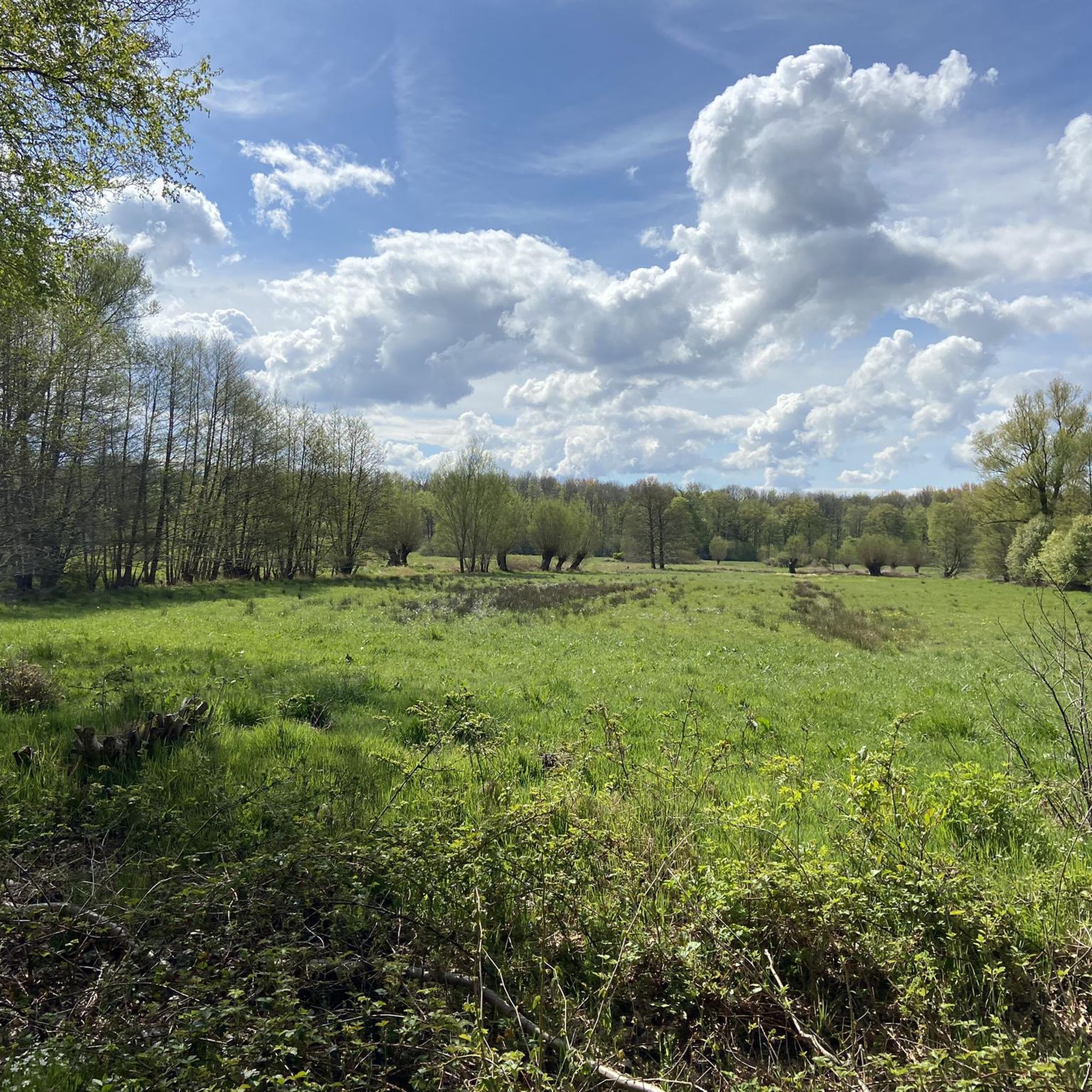
Gravel biking around Ellerhoop offers routes through a landscape characterized by nature reserves, forests, and gentle waterways. The region features a mix of open fields and wooded areas, providing varied terrain for gravel cyclists. With generally low elevation gains, the trails are suitable for exploring the natural surroundings on a gravel bike.
Best gravel bike trails around Ellerhoop
- The most popular gravel bike trail is Himmelmoor Nature Reserve – Himmelmoor Trail and Rest Area loop from Tornesch, a 31.3…
Last updated: July 2, 2026
4.8
(5)
31
riders
Easy gravel ride. Great for any fitness level. Mostly paved surfaces. Suitable for all skill levels.
4.0
(1)
10
riders
75.0km
04:23
200m
200m
Hard gravel ride. Good fitness required. You may need to push your bike for some segments of this route.

Sign up for free
4.5
(4)
13
riders
42.3km
02:19
90m
90m
Moderate gravel ride. Good fitness required. Mostly paved surfaces. Suitable for all skill levels.
4.0
(3)
9
riders
Easy gravel ride. Great for any fitness level. Mostly paved surfaces. Suitable for all skill levels.
9
riders
Hard gravel ride. Great for any fitness level. You may need to push your bike for some segments of this route.
Get access to more routes and recommendations from other explorers.
Sign up for free
Already have an account?
Our route recommendations are based on thousands of hikes, rides, and runs completed by other people on komoot.
Start today with a free account
Your next adventure awaits.
Login or Signup
Tips from the Community

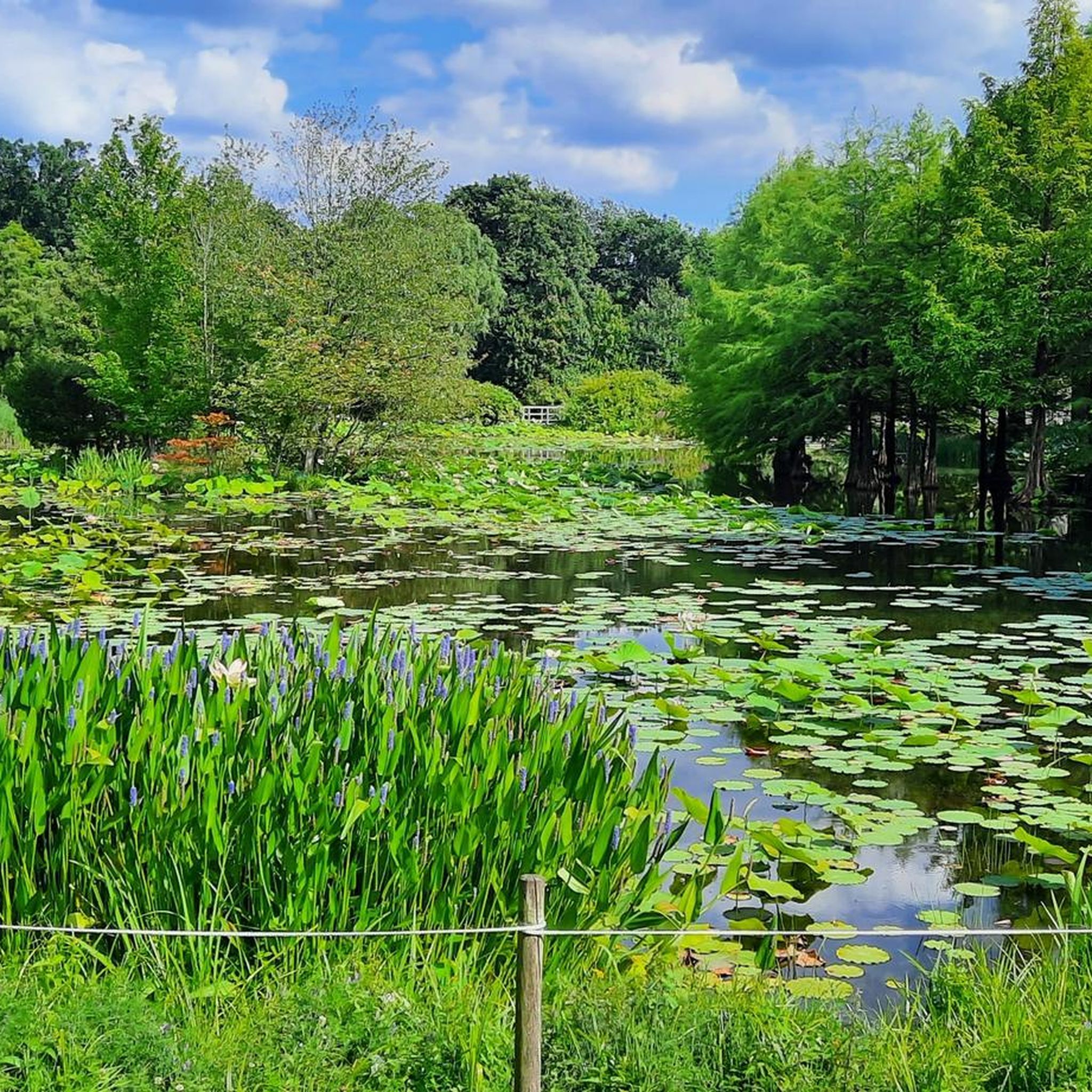
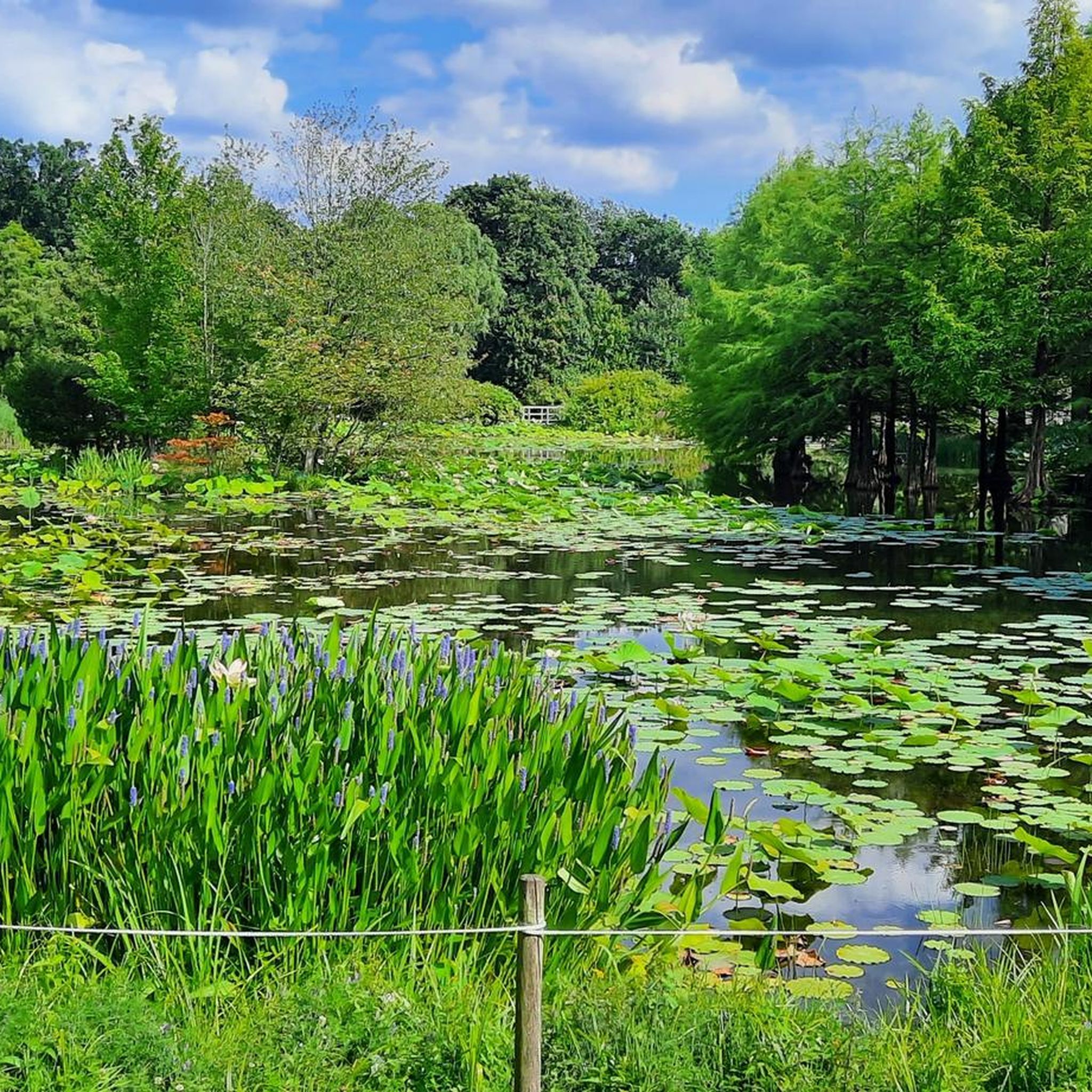
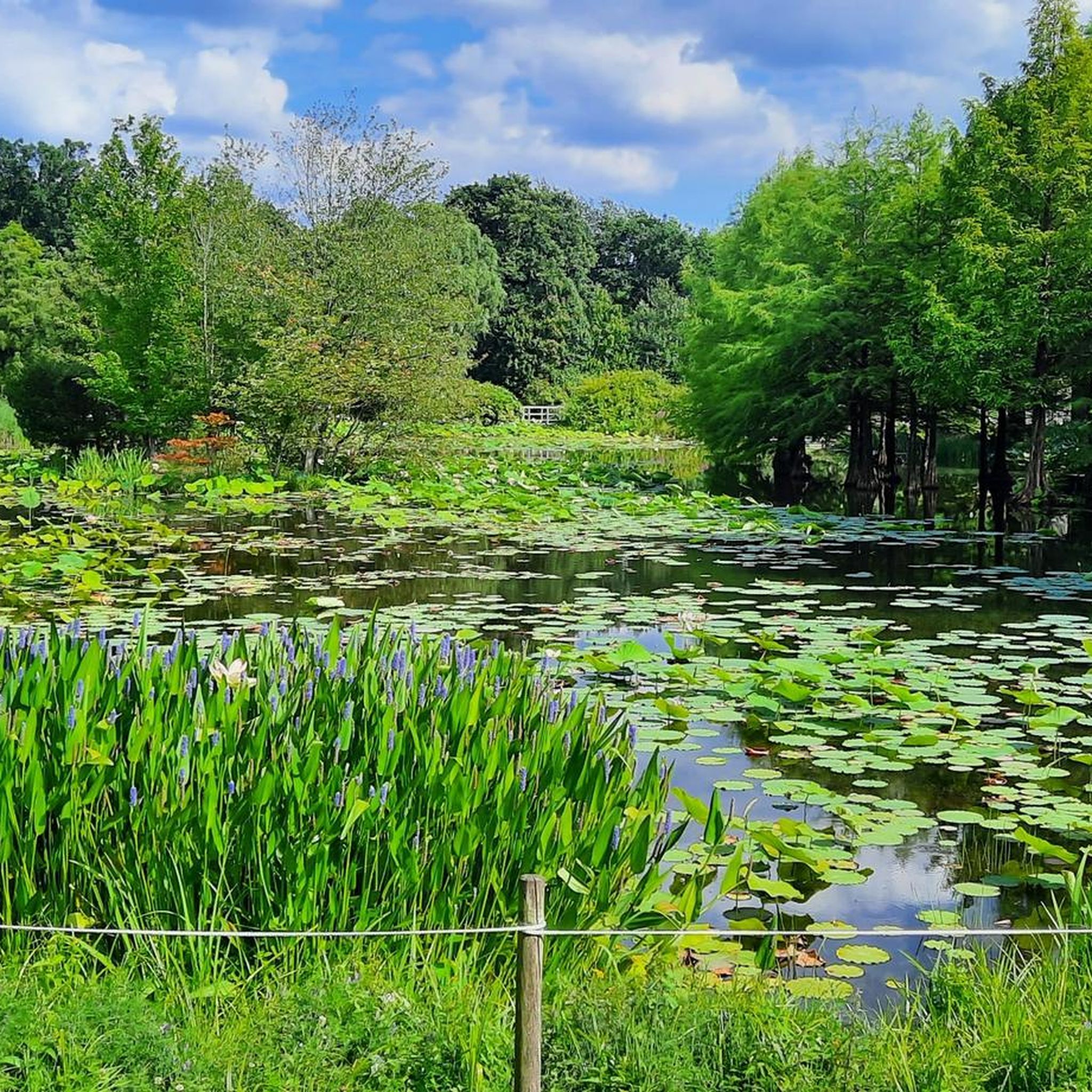
The small lake by the forest is so beautiful
0
0
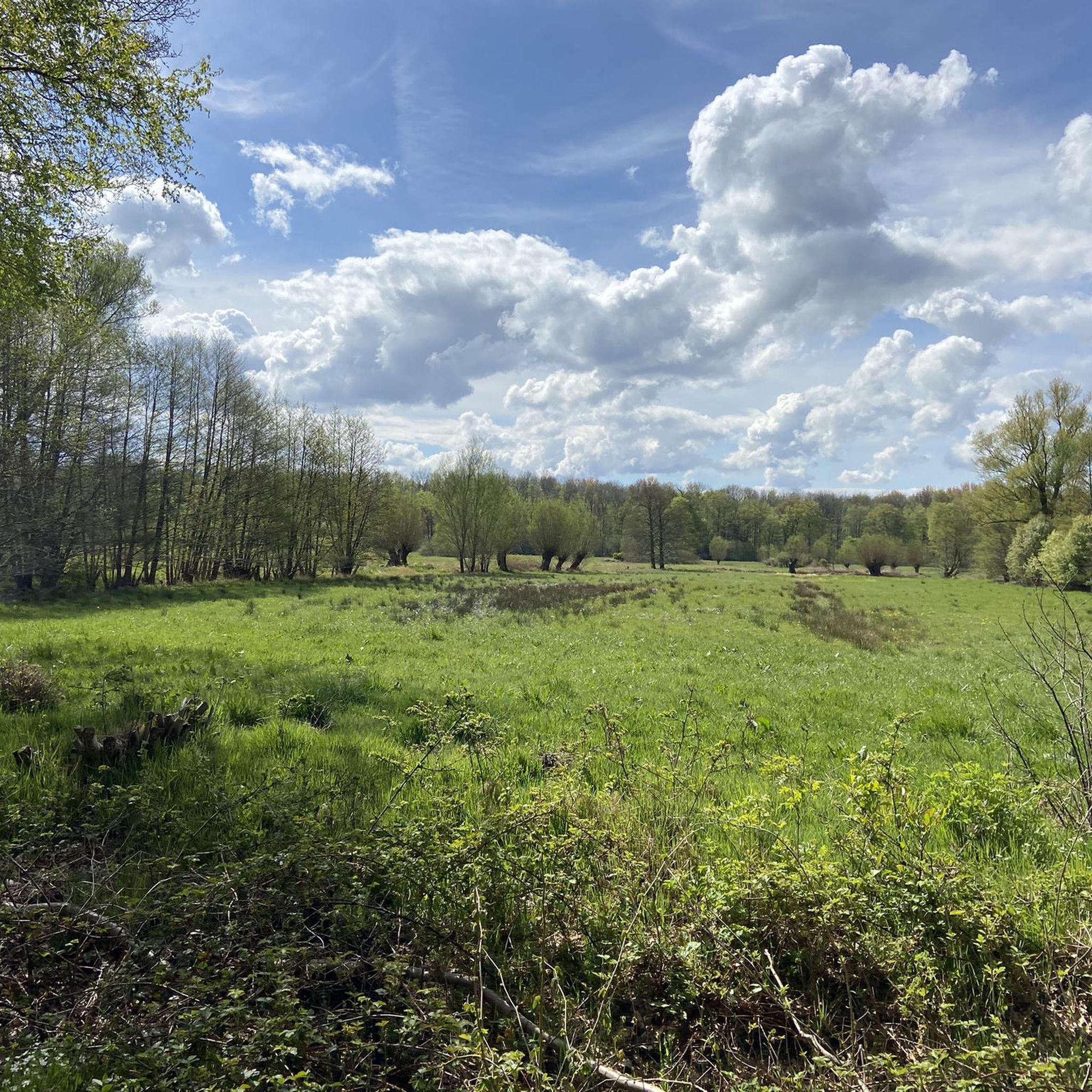
The Esinger Wohld is a great forest. I really enjoy riding through it. The Esinger Wohld is located on my Lise-Meitner-Tour, which I rode yesterday on 05/03/26.
0
0

The hiking trail "Schlei-Eider-Elbe" also leads along here. All information about the hiking trail can be found at the following link: https://www.wildganz.com/fernwanderweg/schlei-eider-elbe (Status: 12.04.2026).
0
0

I then often ride briefly around the civil rights activist near the thermal spa. I find it cool when there are few people there.
0
0

5,810 meters of track remain from the Himmelmoor Peat Railway. Built in 1900, it was used to transport peat from the mining area to the peat works on the eastern edge of the moor, operating on constantly changing routes. Small diesel locomotives, some of which were built in-house, pulled the trains carrying the peat floes until mining ended in 2018. Since 2015, the Himmelmoor Peat Railway Association has offered tours on the remaining line. The association maintains the railway and the industrial facilities. Trains are also regularly used for renaturation work.
14
0
Peat cutting, i.e., the above-ground extraction of peat, is no longer economically viable today. Peat as a fuel has largely been replaced by other high-energy fossil fuels. Many large-scale peatlands suitable for industrial extraction have now been drained. New peat cutting areas are only permitted under strict conditions. Raised bogs have an important regulatory effect on the water balance due to the large amounts of precipitation they can absorb. The preservation of the original habitats serves landscape conservation and species protection, as most species of peatland flora and fauna are considered threatened or critically endangered. Bogs grow extremely slowly; an intact peat body increases in thickness by only one millimeter per year. It therefore takes a thousand years for a one-meter-high layer of peat to form. Thus, bog areas recover very slowly during restoration attempts.
13
0
According to a 1919 contract, peat extraction, which began around 1780, was to continue until the moor had completely disappeared. However, extraction was discontinued in 2018. The gradual renaturation and rewetting of the Himmelmoor had already begun. The "Himmelmoor Friends' Association" was founded in December 2005.
12
0
The reclamation of the Himmelmoor began around 1780. Its edges were divided into 1,000 to 5,000 square meter plots and transferred to farmers from neighboring villages for peat extraction. Industrial peat extraction began in the 1870s. Peat was now also extracted from the center of the moor using machines. Peat excavators extracted the black peat, compressed it, and divided it into sods. Turning the drying sods was increasingly done by machine, as was the collection of the dry peat. The low-energy fuel was packaged and loaded at the peat works.
15
0
Frequently Asked Questions
How many gravel bike trails are available around Ellerhoop?
Ellerhoop offers a wide selection of gravel biking opportunities, with over 110 routes available. These trails cater to various skill levels, ensuring there's something for everyone.
What are the difficulty levels of gravel bike trails in Ellerhoop?
The gravel bike trails around Ellerhoop are diverse, with 36 easy routes perfect for beginners, 40 moderate trails for those looking for a bit more challenge, and 37 difficult routes for experienced riders seeking a demanding adventure.
Are there easy gravel bike trails suitable for beginners in Ellerhoop?
Yes, Ellerhoop has 36 easy gravel bike routes, ideal for beginners or those looking for a relaxed ride. A great option is the Am Goldenen Stern – Esinger Wohld Forest loop from Prisdorf, which is 12.1 miles (19.4 km) long and takes about 1 hour 2 minutes to complete.
Where can I find more challenging gravel bike routes around Ellerhoop?
For a more challenging experience, Ellerhoop offers 37 difficult gravel bike routes. Consider the Niendorf Wildlife Enclosure – Path Along the Deer Enclosure loop from Tornesch, a demanding 49.2 miles (79.1 km) trail with significant elevation changes, typically taking over 4 hours.
Are there any circular gravel bike routes in Ellerhoop?
Many of the gravel bike routes in Ellerhoop are designed as loops, allowing you to start and finish at the same point. For example, the Pond behind Schlossinsel – Krückau Trail Wooden Bridge loop from Tornesch is a popular circular route that follows riverside sections and wooded areas.
What natural attractions can I see along the gravel bike trails in Ellerhoop?
Many gravel routes in Ellerhoop pass through or near beautiful natural areas. You can explore the vast Himmelmoor Nature Reserve, enjoy the serene Wolny Lake, or cycle along the scenic Pinnau Riverside Path.
Are there any specific points of interest or landmarks to explore on a gravel bike near Ellerhoop?
Beyond natural landscapes, you can discover interesting landmarks. The Wulfsmühle and the Lake offers a picturesque stop, and the unique Boardwalk Through Himmelmoor provides an immersive experience within the nature reserve.
What is the best time of year for gravel biking in Ellerhoop?
The region's gentle terrain and varied landscapes make it suitable for gravel biking throughout much of the year. Spring and autumn offer pleasant temperatures and vibrant scenery, while summer provides longer daylight hours. Even in winter, many trails remain accessible, though conditions may vary.
Can I go gravel biking in Ellerhoop during winter?
Yes, gravel biking is possible in Ellerhoop during winter. The generally low elevation gains mean less risk of heavy snow accumulation compared to mountainous regions. However, be prepared for potentially muddy or icy sections, especially in wooded areas or after rainfall. Always check local conditions before heading out.
Are there gravel bike routes with cafe stops or pubs near Ellerhoop?
While specific routes with designated cafe or pub stops aren't highlighted in the data, the region around Ellerhoop, being well-developed, likely offers opportunities for refreshments in nearby towns and villages. Planning your route to pass through places like Tornesch or Prisdorf could provide options for a break.
Where can I park when going gravel biking in Ellerhoop?
Many gravel bike routes around Ellerhoop start from towns like Tornesch or Prisdorf, where public parking facilities are typically available. Look for designated parking areas near trailheads or in town centers to begin your ride conveniently.
Are there family-friendly gravel bike routes in Ellerhoop?
Ellerhoop's landscape, characterized by low elevation gains and a mix of open fields and wooded areas, is generally suitable for family-friendly rides. The 36 easy routes are particularly well-suited for families, offering gentle paths away from heavy traffic.
What do other gravel bikers say about the trails in Ellerhoop?
The gravel biking community highly rates the trails in Ellerhoop, with an impressive average score of 4.4 stars from over 120 reviews. Riders often praise the varied terrain, the peaceful nature reserves, and the well-maintained paths that make for an enjoyable experience.
Most popular attractions around Ellerhoop

Get inspired with the komoot mobile app


Explore more
Browse the best Gravel rides in other regions.
