The best gravel rides around Weede
4.6
(7)
53
riders
19
rides
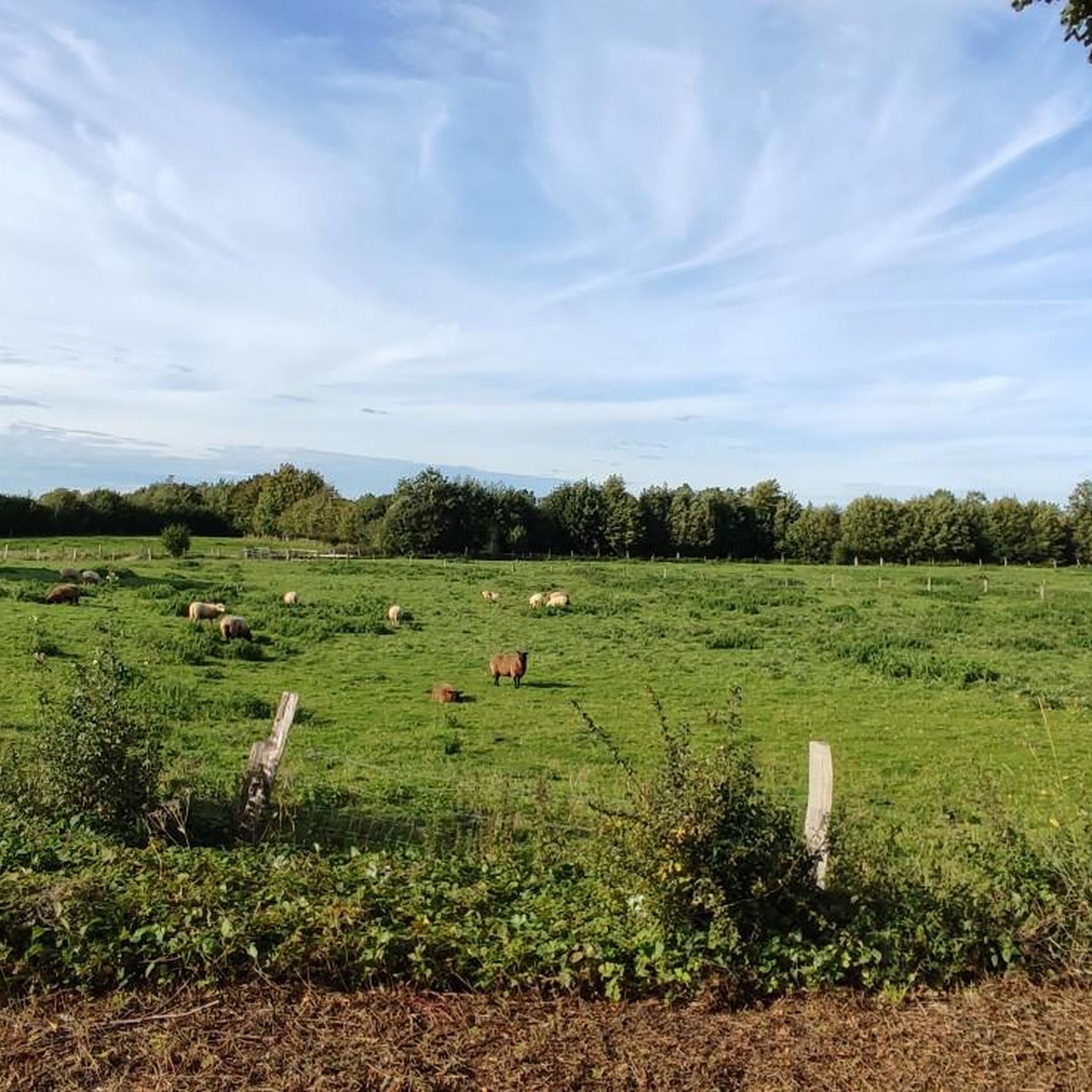
Gravel biking around Weede features a landscape characterized by numerous lakes, expansive heathland, and meandering river valleys. The terrain primarily consists of gentle rolling hills and flat sections, making it accessible for various skill levels. This region offers a mix of natural reserves and open countryside, providing diverse gravel riding experiences. The routes often follow paths alongside water bodies and through wooded areas.
Best gravel bike trails around Weede
- The most popular gravel bike trail is Great Segeberg Lake –…
Last updated: July 2, 2026
5.0
(3)
16
riders
Easy gravel ride. Great for any fitness level. Mostly paved surfaces. Suitable for all skill levels.
4.0
(1)
10
riders
37.2km
02:17
120m
120m
Moderate gravel ride. Good fitness required. Mostly paved surfaces. Suitable for all skill levels.

Sign up for free
4.0
(1)
7
riders
30.7km
01:36
130m
130m
Easy gravel ride. Great for any fitness level. Mostly paved surfaces. Suitable for all skill levels.
5.0
(1)
5
riders
62.3km
03:31
290m
300m
Moderate gravel ride. Good fitness required. Mostly paved surfaces. Suitable for all skill levels.
4
riders
Moderate gravel ride. Good fitness required. Mostly paved surfaces. Suitable for all skill levels.
Get access to more routes and recommendations from other explorers.
Sign up for free
Already have an account?
Our route recommendations are based on thousands of hikes, rides, and runs completed by other people on komoot.
Start today with a free account
Your next adventure awaits.
Login or Signup
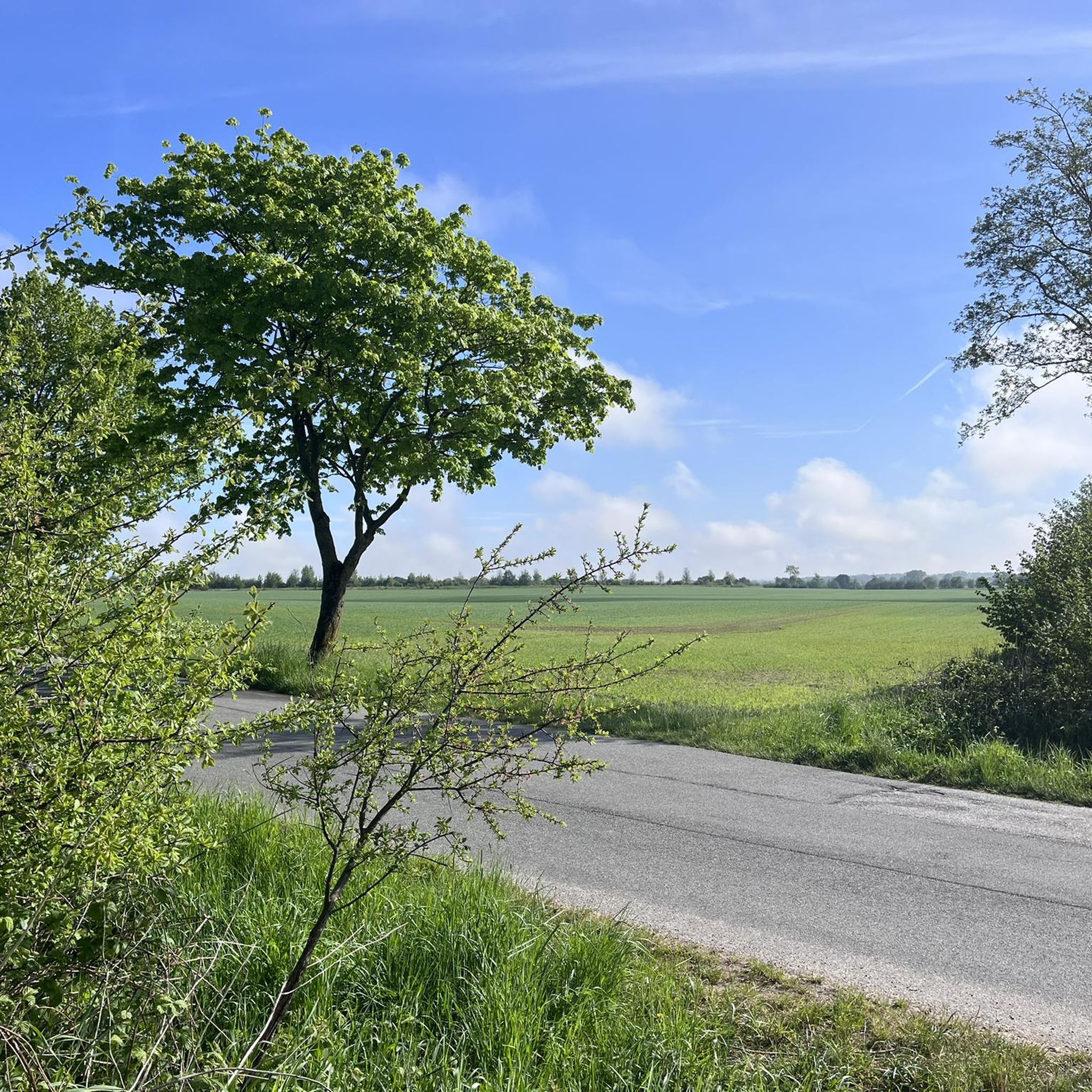
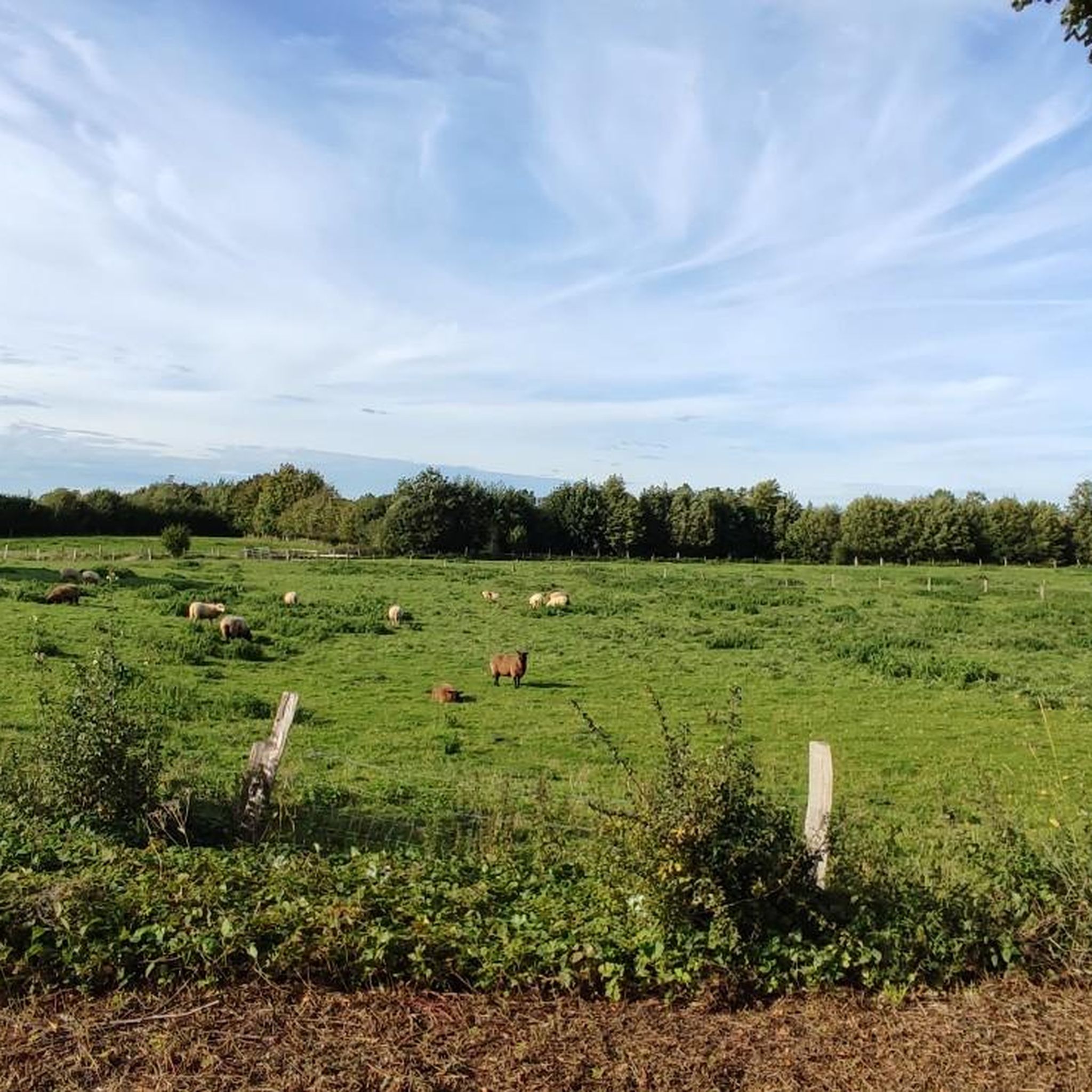
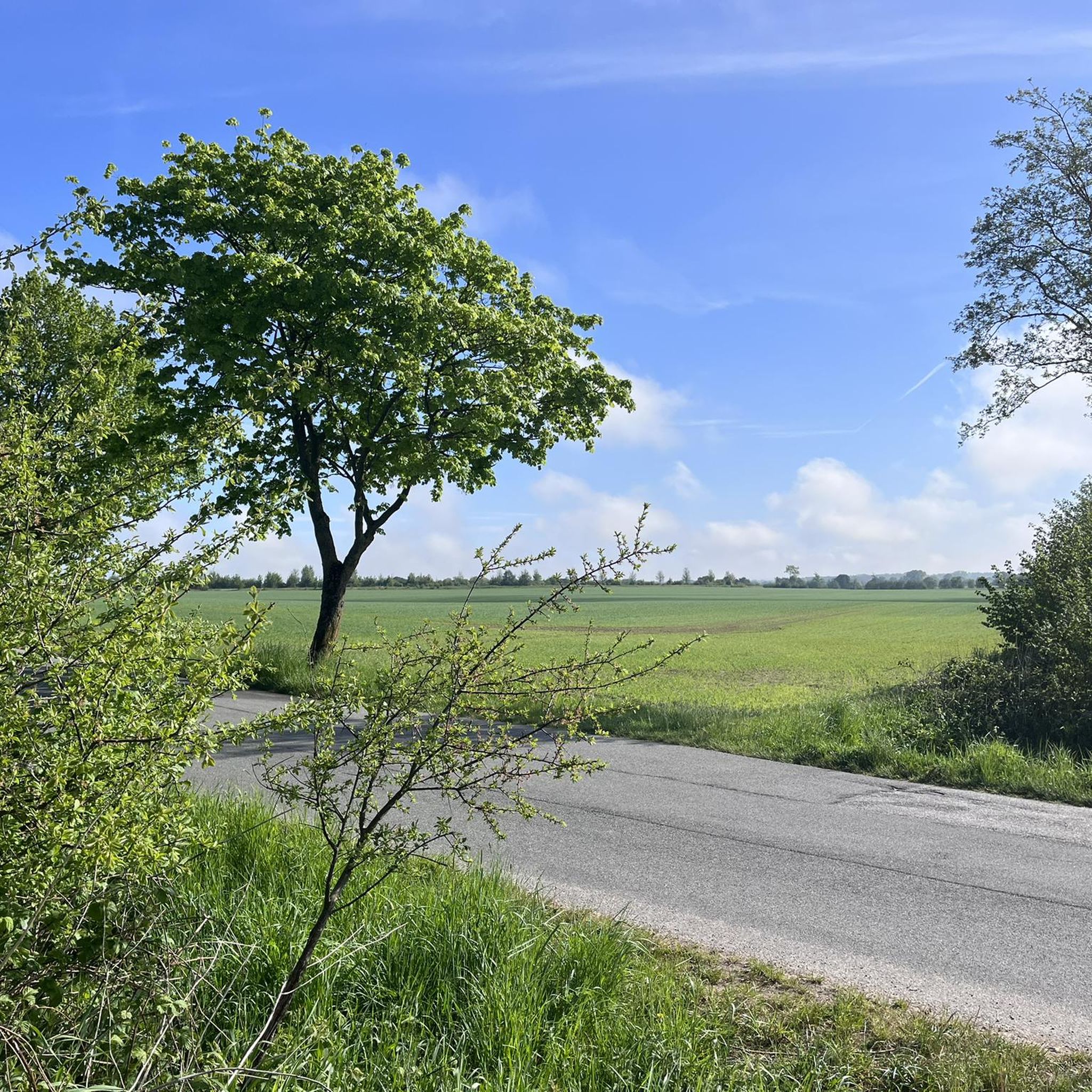
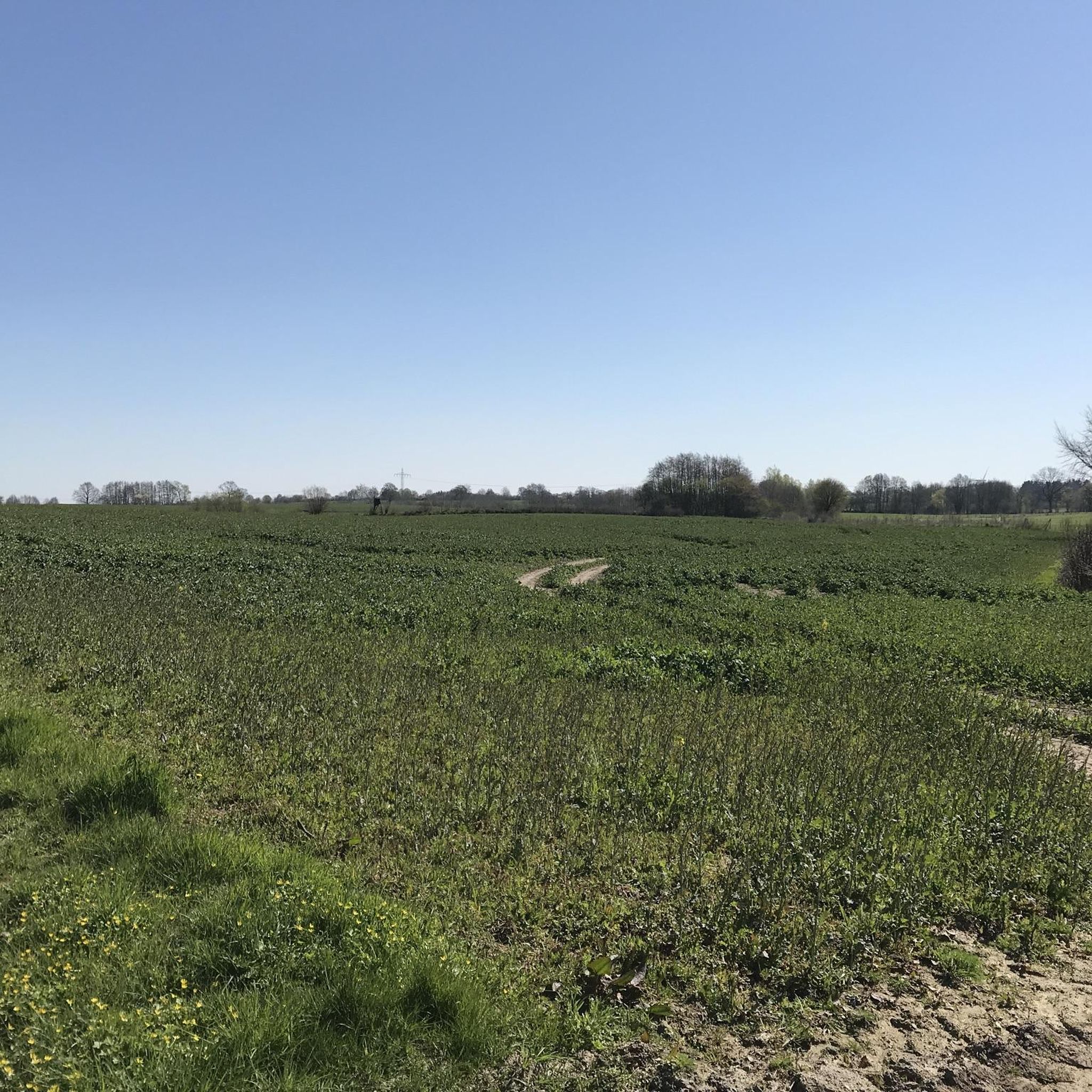
Tips from the Community

The bench offers a wonderful view.
0
0

Bridge over the Trave, wonderful view, invites you to relax.
0
0


The Nienwohlder Moor lies on the watershed between the North Sea and the Baltic Sea.[2] It drains to the west into the Lankau, to the south into the Alte Alster, and to the north into the Norderbeste. The nature reserve, which is managed by the Schleswig-Holstein State Hunting Association with the exception of the areas owned by the State Forestry Administration[5],[6] can be almost completely circumnavigated on hiking trails, along which information boards are posted at several locations. In the west, a hiking trail runs through the protected area in the area of the Lunden, a towering moraine ridge.
0
0
Today, typical raised moor vegetation can once again be found in the nature reserve, including round-leaved sundew, narrow-leaved cottongrass, bladderwort, white beak sedge, sedge cottongrass, cranberry, as well as cross-leaved heather, rosemary, and common heather. The nature reserve also represents an important habitat for birds. Various wading birds such as the curlew and the common snipe, as well as ducks such as the shoveler, teal, tufted duck, and garganey, as well as meadow pipits, whinchats, and stonechats, are native here. Marsh harriers and short-eared owls can also be found here. The undisturbed moorland is a refuge for cranes, which are now breeding here again. Various woodpecker species, red-backed shrikes, and songbirds are native to the wooded moorland areas. The nature reserve also provides a habitat for various amphibians and reptiles, as well as insects such as dragonflies and butterflies.
0
0
The moor was renaturalized in the 1980s through rewetting measures.[2][3] Today, in the area of former industrial use, it is an open raised bog with numerous water-filled peat pits, surrounded by a bog forest. The farmer's hand-cut peat pits at the edge of the moor are often water-filled. Sphagnum moss quaking grassland grows here, and the peat pits are slowly silting up. Further areas are occupied by grassland and forest. Some of the grassland is extensively grazed by robust cattle.[4] Some areas are still intensively used for agriculture, including one arable area.
0
0
Peat extraction, first documented in 1804, was initially carried out by peat-cutting by peat-farmers, and the peat was used as fuel. During the Napoleonic Wars of 1806–1813, peat was also shipped to Hamburg via the Alster. In the 20th century, peat extraction became an industrial operation. From 1951 to 1976, the white peat was extracted from an area of 84 hectares, initially by hand and later by machine.[2] East of Nahe, there was a peat loading point on the Elmshorn-Barmstedt-Oldesloe railway.
0
0
The nature reserve is located northeast of Hamburg between the towns of Nienwohld, Nahe, Itzstedt, and Sülfeld. It protects a drained and largely peat-extracted raised bog area, which is the largest and best-preserved raised bog remnant in Schleswig-Holstein.[2] To the north, it borders the former Elmshorn-Barmstedt-Oldesloe Railway line.
0
0
Frequently Asked Questions
How many gravel bike trails are available around Weede?
Weede offers a good selection of gravel biking routes, with over 30 trails recorded on komoot. These range from easy loops to more moderate distances, catering to various skill levels.
Are there easy gravel bike routes suitable for beginners in Weede?
Yes, Weede is well-suited for beginners, with 13 easy routes available. The terrain primarily consists of gentle rolling hills and flat sections. A great starting point is the Great Segeberg Lake – View of the Großer Segeberger See loop from Bad Segeberg, which is a shorter, scenic option.
What kind of scenery can I expect on gravel bike trails in Weede?
Gravel biking around Weede is characterized by a diverse landscape featuring numerous lakes, expansive heathland, and meandering river valleys. Routes often follow paths alongside water bodies and through wooded areas, offering a mix of natural reserves and open countryside.
Are there any challenging gravel routes for experienced riders?
While the region is generally accessible, there are 2 routes classified as difficult and 18 as moderate for those seeking a greater challenge. For a longer, moderate ride, consider the Pond at the Lieth Meadows loop from Bad Segeberg, which covers over 60 km.
What are some scenic viewpoints or attractions along the gravel trails?
Many routes offer beautiful views of the region's lakes and natural areas. You can find scenic spots like the View of Großer Segeberger Lake or explore the Brenner Moor Nature Reserve. The Barker Heide Nature Reserve – heathland loop from Wittenborn specifically showcases heathland scenery.
Are there circular gravel bike routes in Weede?
Yes, many of the gravel bike routes in Weede are designed as loops, allowing you to start and end at the same point. Examples include the Great Segeberg Lake loop and the Trave Crossing – Trail along the Beste loop from Neversdorf.
What is the best time of year for gravel biking in Weede?
The region's landscape, with its lakes and heathland, is enjoyable throughout much of the year. Spring and autumn offer pleasant temperatures and vibrant scenery. While winter riding is possible, conditions can vary, so checking local weather is always recommended.
What do other gravel bikers say about the trails in Weede?
The gravel biking routes in Weede are highly rated by the komoot community, with an average score of 4.5 stars from over 11 reviews. Riders often praise the diverse terrain, from lake views to heathland, and the accessibility of the trails for different skill levels.
Are there any routes that follow river valleys?
Yes, the region is known for its meandering river valleys. The Trave Crossing – Trail along the Beste loop from Neversdorf is a popular option that leads through river valleys and open fields.
What is the typical duration for gravel bike trails around Weede?
Trail durations vary significantly based on distance and your pace. Shorter, easy loops like the Great Segeberg Lake loop can take under an hour, while longer moderate routes such as the Barker Heide Nature Reserve loop might take several hours to complete.
Can I find routes that offer views of the Great Segeberg Lake?
Absolutely. The Great Segeberg Lake is a prominent feature of the area. The Great Segeberg Lake – View of the Großer Segeberger See loop from Bad Segeberg is specifically designed to offer views of the lake, and you can also explore the West Shore of Great Segeberg Lake.
Most popular attractions around Weede

Get inspired with the komoot mobile app


Explore more
Browse the best Gravel rides in other regions.
