The best gravel rides around Bundorf
4.7
(13)
126
riders
32
rides
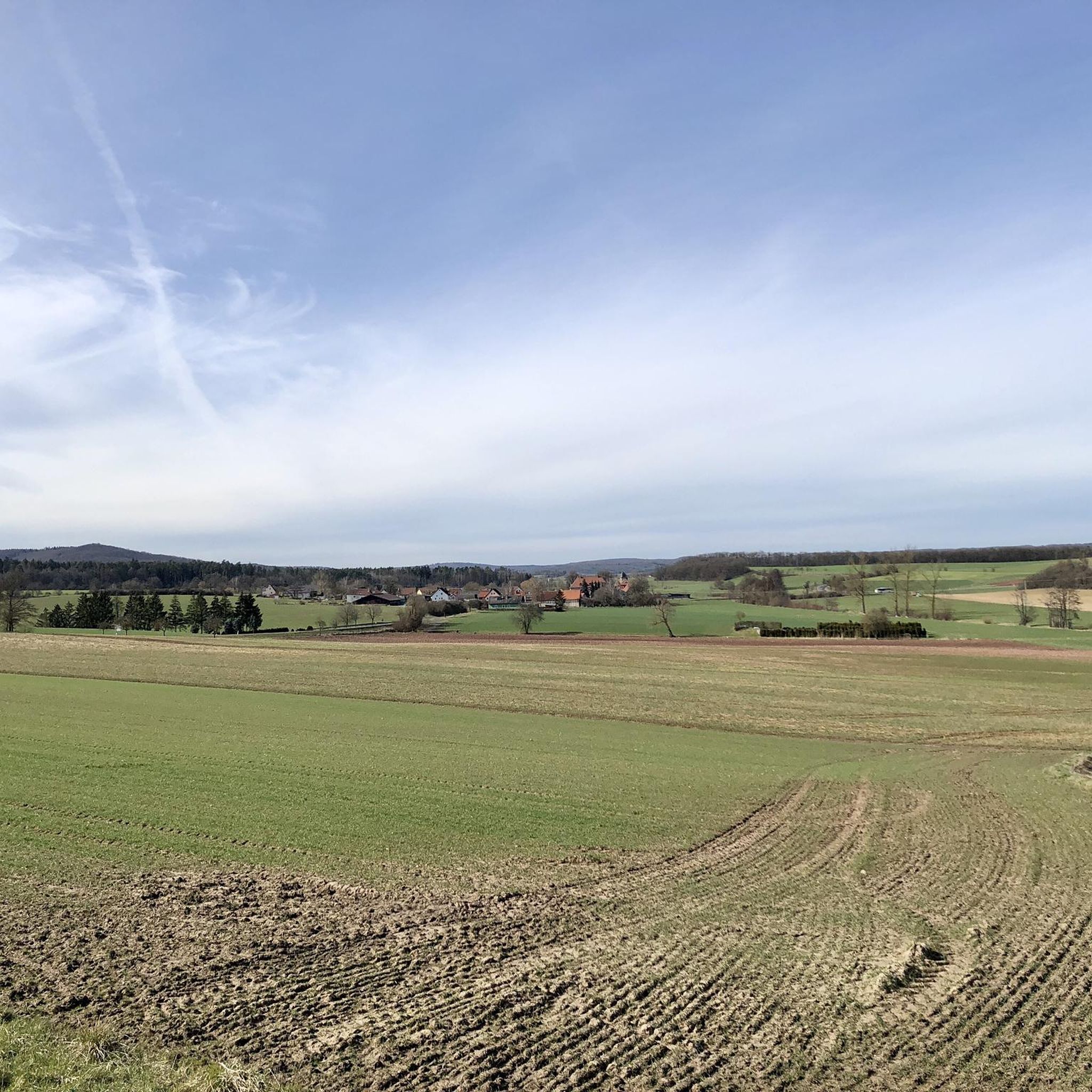
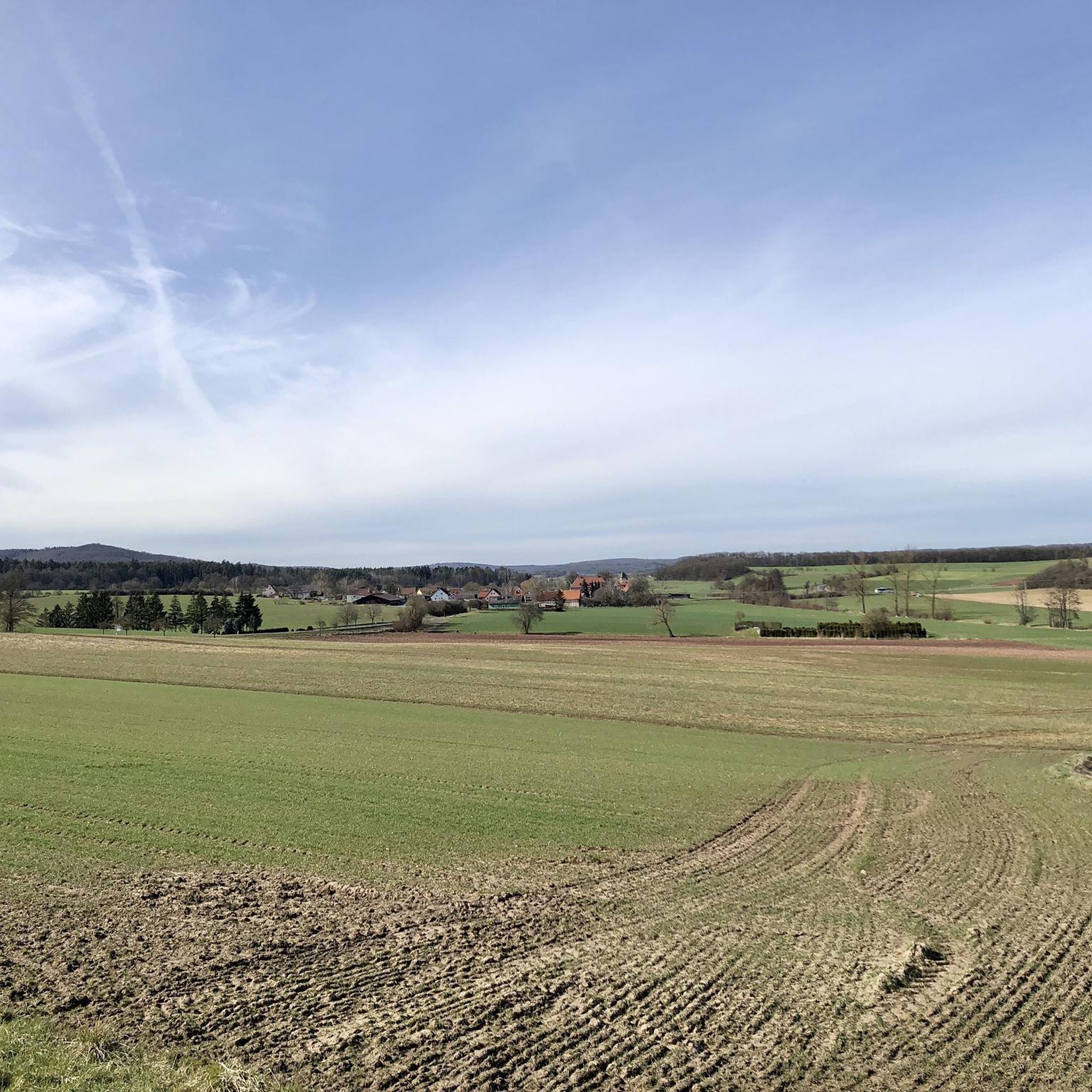
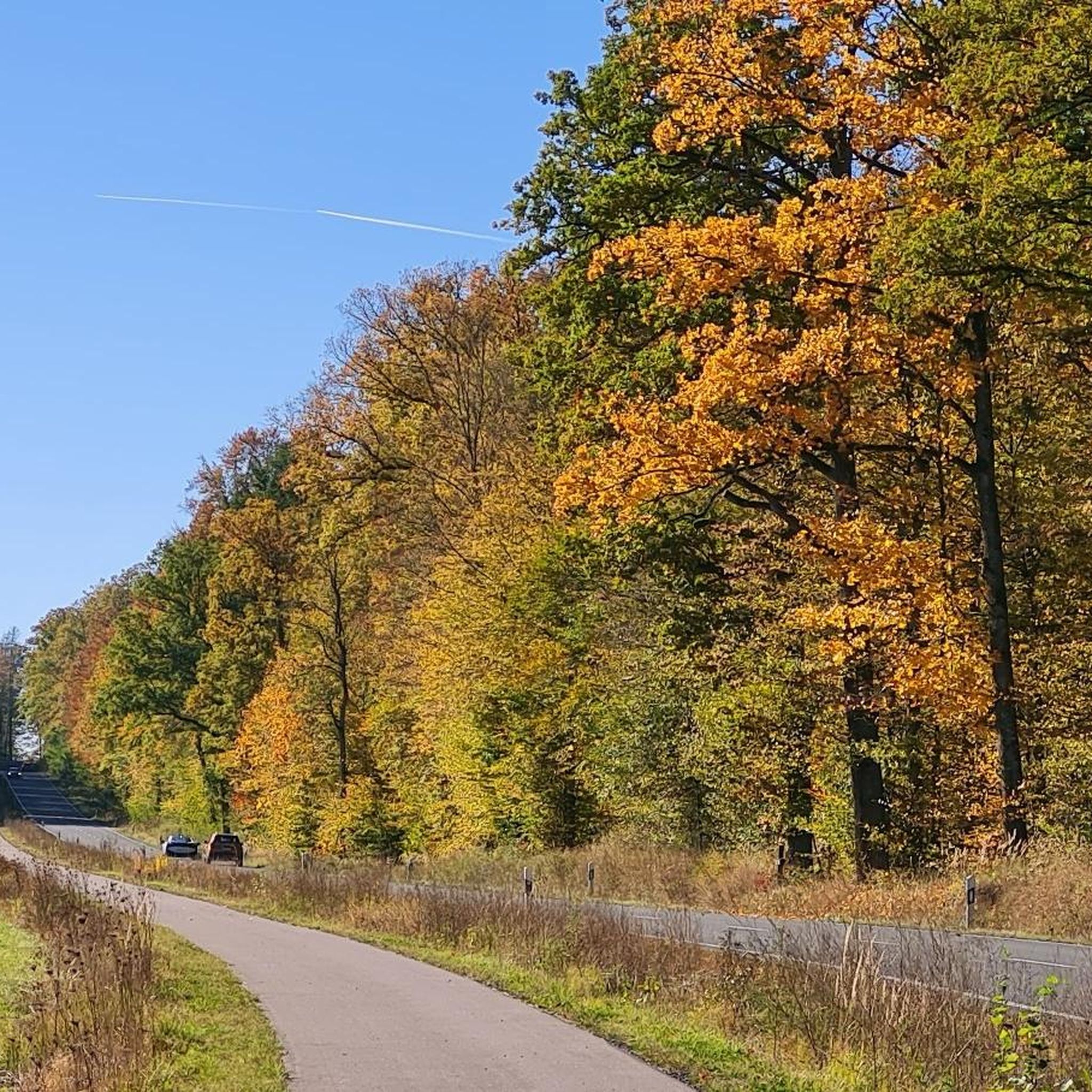
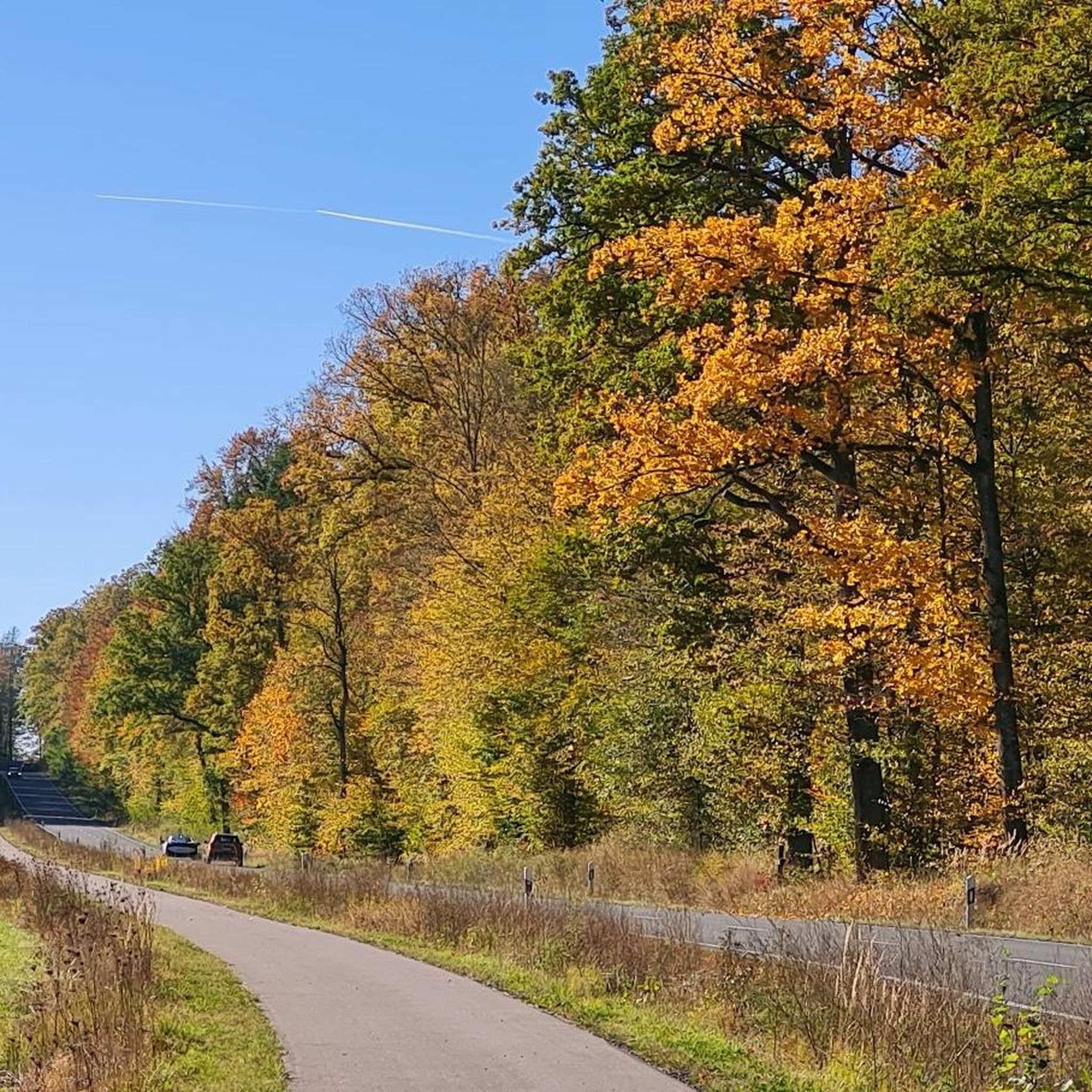
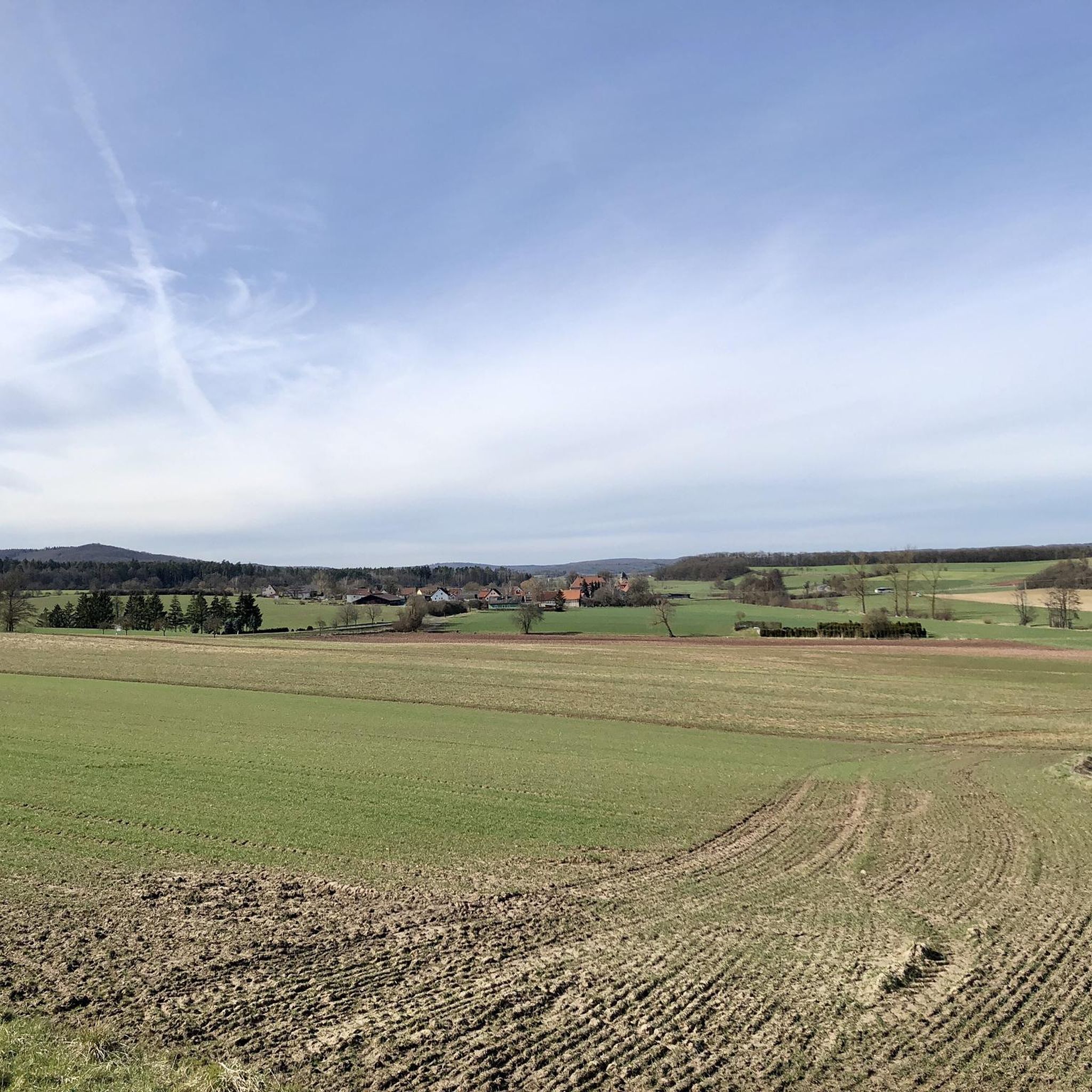
Gravel biking around Bundorf offers a variety of routes through diverse landscapes. The region features a mix of forested sections, open trails, and paths connecting historical sites such as castle ruins. Riders can expect varied terrain with notable elevation changes, providing a range of experiences. The network of gravel bike trails in Bundorf caters to different skill levels, from moderate to challenging.
Best gravel bike trails around Bundorf
- The most popular gravel bike trail is Rotenhan Castle Ruins – Altenstein…
Last updated: July 2, 2026
10
riders
69.1km
04:40
1,080m
1,080m
Hard gravel ride. Very good fitness required. Mostly paved surfaces. Suitable for all skill levels.
5.0
(2)
16
riders
Hard gravel ride. Very good fitness required. Mostly paved surfaces. Suitable for all skill levels.

Sign up for free
4.3
(3)
17
riders
56.6km
03:43
720m
720m
Hard gravel ride. Very good fitness required. Mostly paved surfaces. Suitable for all skill levels.
19
riders
53.7km
03:28
660m
660m
Hard gravel ride. Very good fitness required. Mostly paved surfaces. Suitable for all skill levels.
5
riders
59.4km
04:17
990m
990m
Hard gravel ride. Very good fitness required. You may need to push your bike for some segments of this route.
Get access to more routes and recommendations from other explorers.
Sign up for free
Already have an account?
Our route recommendations are based on thousands of hikes, rides, and runs completed by other people on komoot.
Start today with a free account
Your next adventure awaits.
Login or Signup
Tips from the Community

The Weisachtal-Radweg (often called Weisach-Radweg) is a family-friendly route in the Haßbergen region that connects Maroldsweisach with Ebern. A special highlight is the use of former railway lines, which makes the route very flat and relaxed. You cycle through the idyllic Weisachtal in the Haßberge Nature Park, characterized by meadows and gentle hills.
2
0

Friesenhausen Castle was built as a moated castle in the 13th/14th century.
12
0

Welcome to Friesenhausen Castle The small village of Friesenhausen, part of the municipality of Aidhausen, is beautifully situated at the foot of the Haßberge hills. Along with the Protestant St. George's Church and the Catholic Church of the Assumption of Mary, Friesenhausen Castle is a defining feature of the village. The current building dates back to a Gothic castle surrounded by a moat. In the 16th century, a Renaissance palace was built over the castle courtyard and later converted into a Baroque palace. Further details can be found under the section on the castle's history. To commemorate the village's 1200th anniversary in 2016, a historical guide to Friesenhausen Castle will be published, containing a detailed history of the castle's construction as well as numerous illustrations. The property is privately owned and is generally not open to the public. Groups of 20 or more can request a guided tour by contacting us. Photography is not permitted inside the castle, and animals are not allowed on the premises. On Sunday, September 11, 2016, this year's Open Monument Day will take place. On this occasion, Friesenhausen Castle will open its gates from 12 pm to 5 pm (guided tours will be offered by family members; a small contribution towards expenses is requested). Coffee and cake will also be available. Larger groups can register for the event on this day by contacting us. http://www.schloss-friesenhausen.de/index.html
1
1
Architectural History of Friesenhausen Castle Around the year 1300, several local lords held sway in Friesenhausen simultaneously. A Gothic moated castle in a small lake existed from approximately 1300 to 1741 and was at times owned by the Truchseß von Wetzhausen family. Traces of this family can still be found in the Protestant Church of St. George. The Gothic lake castle, however, was demolished in 1741, and the lake was filled in with the rubble. The present Renaissance-Baroque castle in Friesenhausen also originates from a Gothic castle, which, however, did not stand in the adjacent lake but was surrounded by a moat. Around 1563, the married couple Schenk von Ostheim-Steinau von Steinrück built a Renaissance castle over the Gothic moated castle, incorporating the castle courtyard. The conversion to a Baroque castle and further construction work were carried out under the Würzburg Cathedral canon Johann Philipp Fuchs von Dornheim and the Lords von... Dalberg, who embellished the entire complex with numerous additions such as the gate and the equestrian statues. In 1940, Franz Karl Prince zu Salm-Salm acquired the castle, but resided there only temporarily. As early as 1938, it had served as quarters for women of the Reich Labor Service, later as accommodation for prisoners of war, a military hospital for wounded German soldiers, and finally as a transit camp for expellees from Silesia and the Sudetenland. Subsequently, Caritas Würzburg established a retirement home there, which remained in operation until March 1957. After this intensive use, the building stood empty for 16 years, which is why Prince Salm sold the urgently needed renovation of the castle to the von Eichborn family in March 1973. You can read the detailed, richly illustrated architectural history in our newly published 2016 art guide. http://www.schloss-friesenhausen.de/baugeschichte.html
1
1

Parking lot with seven intersections
1
0

The ruins have a very special character due to their construction – you can still really feel the connection between nature and medieval architecture.
5
0
Frequently Asked Questions
What kind of terrain can I expect on gravel bike trails around Bundorf?
Gravel biking in Bundorf offers a diverse landscape, featuring a mix of forested sections, open country trails, and paths that connect historical sites. You'll encounter varied terrain with notable elevation changes, providing a range of experiences from moderate to challenging.
How many gravel bike routes are available in the Bundorf area?
There are nearly 50 gravel bike routes available around Bundorf. The majority of these are categorized as moderate to difficult, offering plenty of options for experienced riders.
Are there any easy or beginner-friendly gravel bike trails in Bundorf?
While most routes in Bundorf are moderate to difficult, there is at least one route categorized as easy. It's advisable to check individual tour details on komoot for specific difficulty ratings and choose a route that matches your skill level.
What are some challenging gravel routes in Bundorf?
Bundorf is known for its challenging gravel routes. One such demanding ride is the Rennweg Trail – Weisach Cycle Path loop from Hofheim in Unterfranken, covering 53.7 km with significant elevation changes. Another challenging option is the Bramberg Castle Ruins – Königsberg Castle in Bavaria loop from Hofheim in Unterfranken, which spans nearly 67 km.
Are there any circular gravel bike routes in Bundorf?
Yes, many of the gravel bike routes in Bundorf are designed as loops. For example, the View of Lake Ellertshäuser – Baunachsee loop from Sulzfeld is a popular circular trail that takes you through varied terrain with scenic lake views.
What interesting landmarks or attractions can I see along the gravel bike trails?
Many routes pass by historical landmarks and natural sights. You might encounter places like the Königsberg Castle in Bavaria, the Bramberg Castle Ruins, or the Altenstein Castle Ruins. The region also features beautiful lakes such as the Lower Dam Area, Ellertshäuser Lake.
What do other gravel bikers say about the trails in Bundorf?
The gravel bike trails in Bundorf are highly rated by the komoot community, with an average score of 4.7 stars from over 20 reviews. Riders often praise the diverse terrain, the mix of forested and open paths, and the historical sites encountered along the way.
Are there any routes that feature lakes or water views?
Absolutely. The Bundorf area offers routes with beautiful water views. The Sulzfelder Lake – View of Lake Ellertshäuser loop from Hofheim in Unterfranken is a prime example, featuring scenic views of two lakes.
What is the typical duration for a gravel bike ride in Bundorf?
The duration varies significantly depending on the route's length and difficulty. Many of the more challenging routes, such as the 52 km Sulzfelder Lake – View of Lake Ellertshäuser loop, can take around 3 hours 40 minutes, while longer routes like the 69 km Rotenhan Castle Ruins – Altenstein Castle Ruins loop might take closer to 5 hours 50 minutes.
Is Bundorf suitable for gravel biking with historical interests?
Yes, Bundorf is an excellent choice for combining gravel biking with historical exploration. Many routes are designed to connect significant historical sites, including various castle ruins and other ancient landmarks, offering a rich cultural experience alongside your ride.
What kind of elevation changes can I expect on Bundorf's gravel trails?
The gravel trails around Bundorf feature notable elevation changes, contributing to their challenging nature. Riders should be prepared for significant ascents and descents, with some routes accumulating over 1000 meters of elevation gain.
Most popular routes around Bundorf
Most popular attractions around Bundorf

Get inspired with the komoot mobile app


Explore more
Browse the best Gravel rides in other regions.
