The best gravel rides around Maria-Lanzendorf
4.5
(238)
1,242
riders
70
rides
Gravel biking around Maria-Lanzendorf offers diverse terrain within Lower Austria, characterized by river landscapes, forests, and plains. The region features the historic Wiener Neustadt Canal, providing relatively flat and scenic routes with both paved and unpaved sections. Areas around the Petersbach and Schwechat rivers contribute to a riparian landscape, offering natural settings for rides. This varied topography ensures a mix of environments, from gentle paths to more challenging unpaved segments, often alternating between tarmac, gravel, and forest paths.
Best gravel…
Last updated: July 3, 2026
3.0
(1)
5
riders
94.7km
07:25
280m
280m
Hard gravel ride. Very good fitness required. You may need to push your bike for some segments of this route.
4.8
(8)
23
riders
Easy gravel ride. Great for any fitness level. Mostly paved surfaces. Suitable for all skill levels.

Sign up for free
4.7
(3)
28
riders
52.0km
02:52
390m
390m
Moderate gravel ride. Good fitness required. Mostly paved surfaces. Suitable for all skill levels.
5.0
(4)
19
riders
47.0km
02:18
60m
60m
Moderate gravel ride. Good fitness required. Mostly paved surfaces. Suitable for all skill levels.
4.5
(2)
26
riders
Easy gravel ride. Great for any fitness level. Mostly paved surfaces. Suitable for all skill levels.
Get access to more routes and recommendations from other explorers.
Sign up for free
Already have an account?
Our route recommendations are based on thousands of hikes, rides, and runs completed by other people on komoot.
Start today with a free account
Your next adventure awaits.
Login or Signup
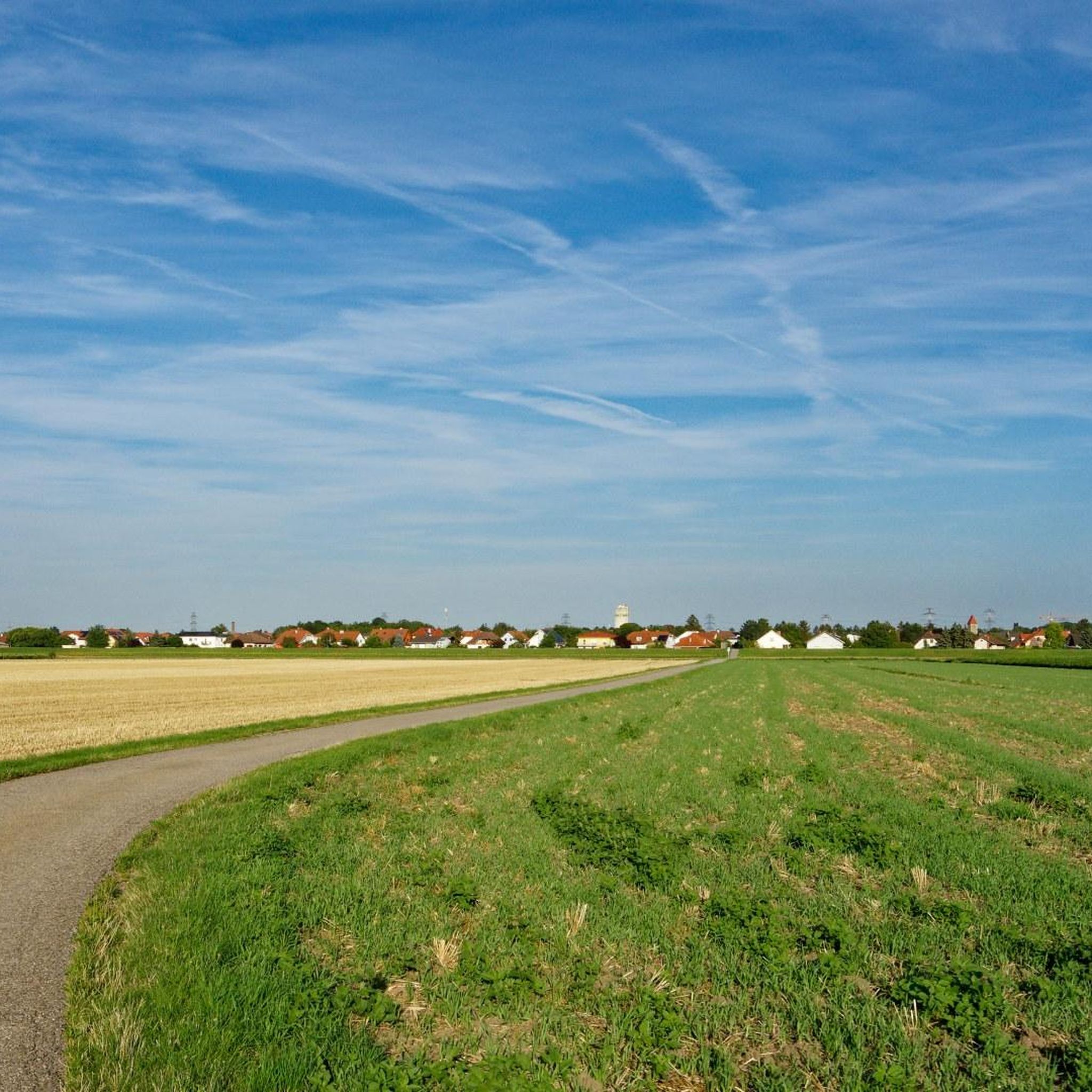
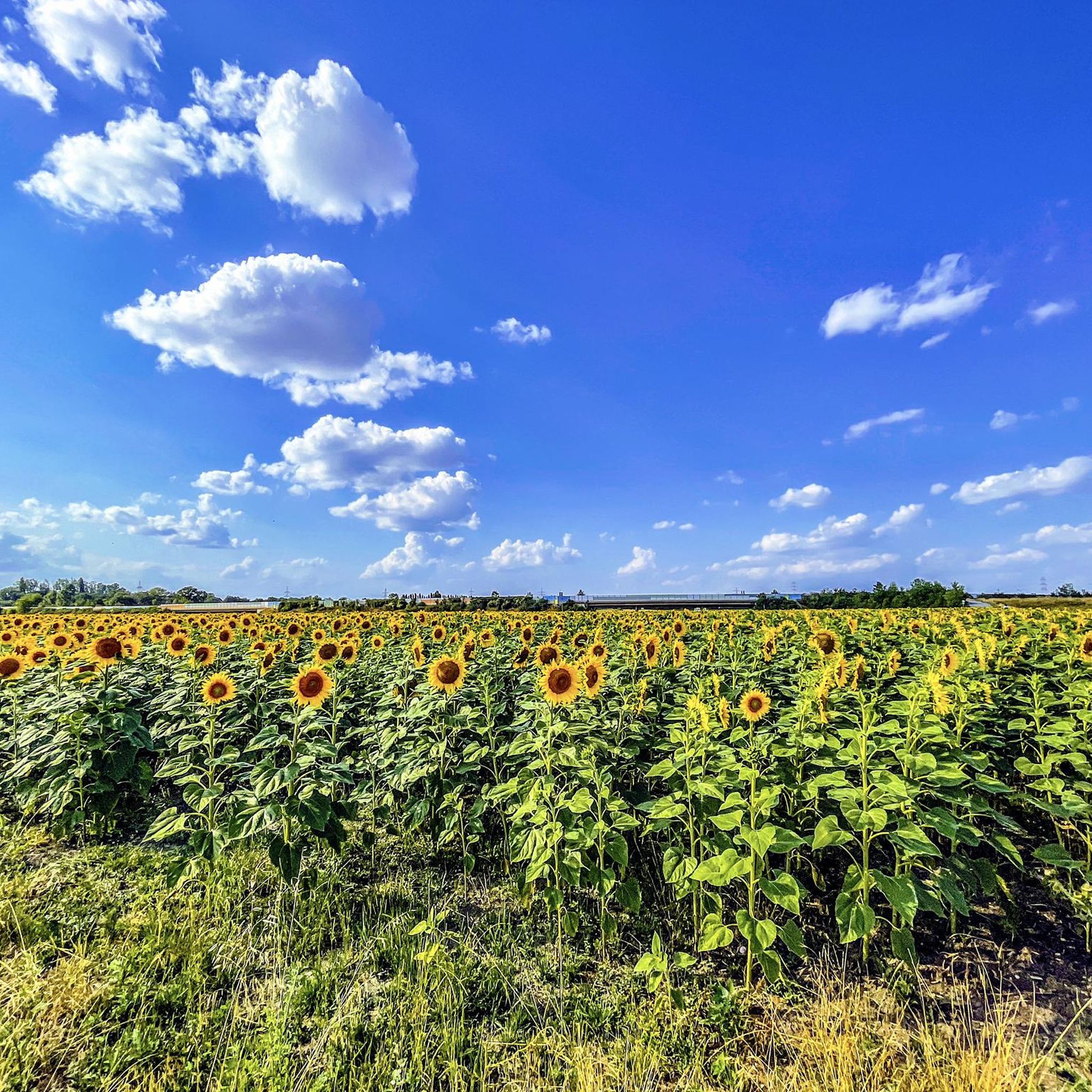
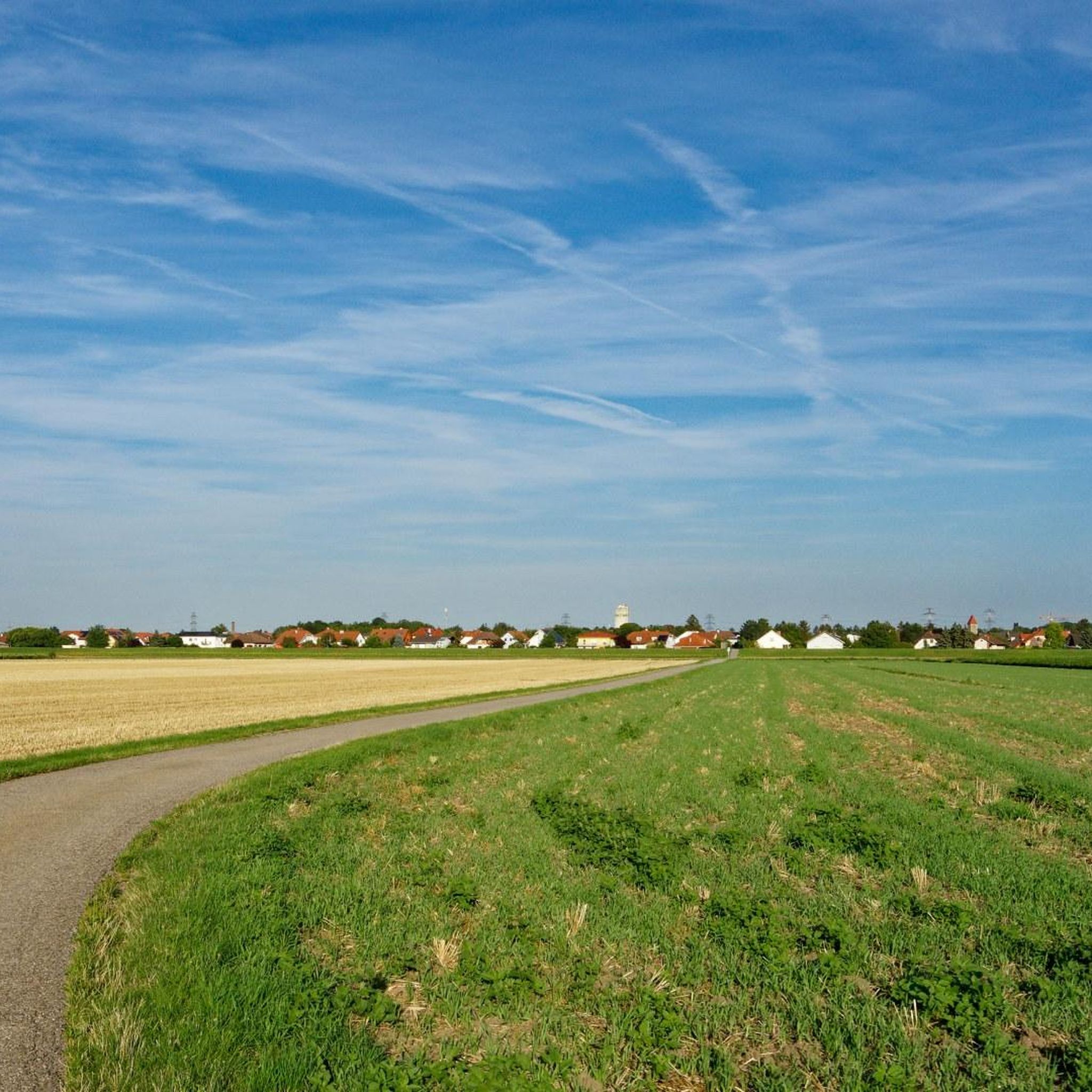
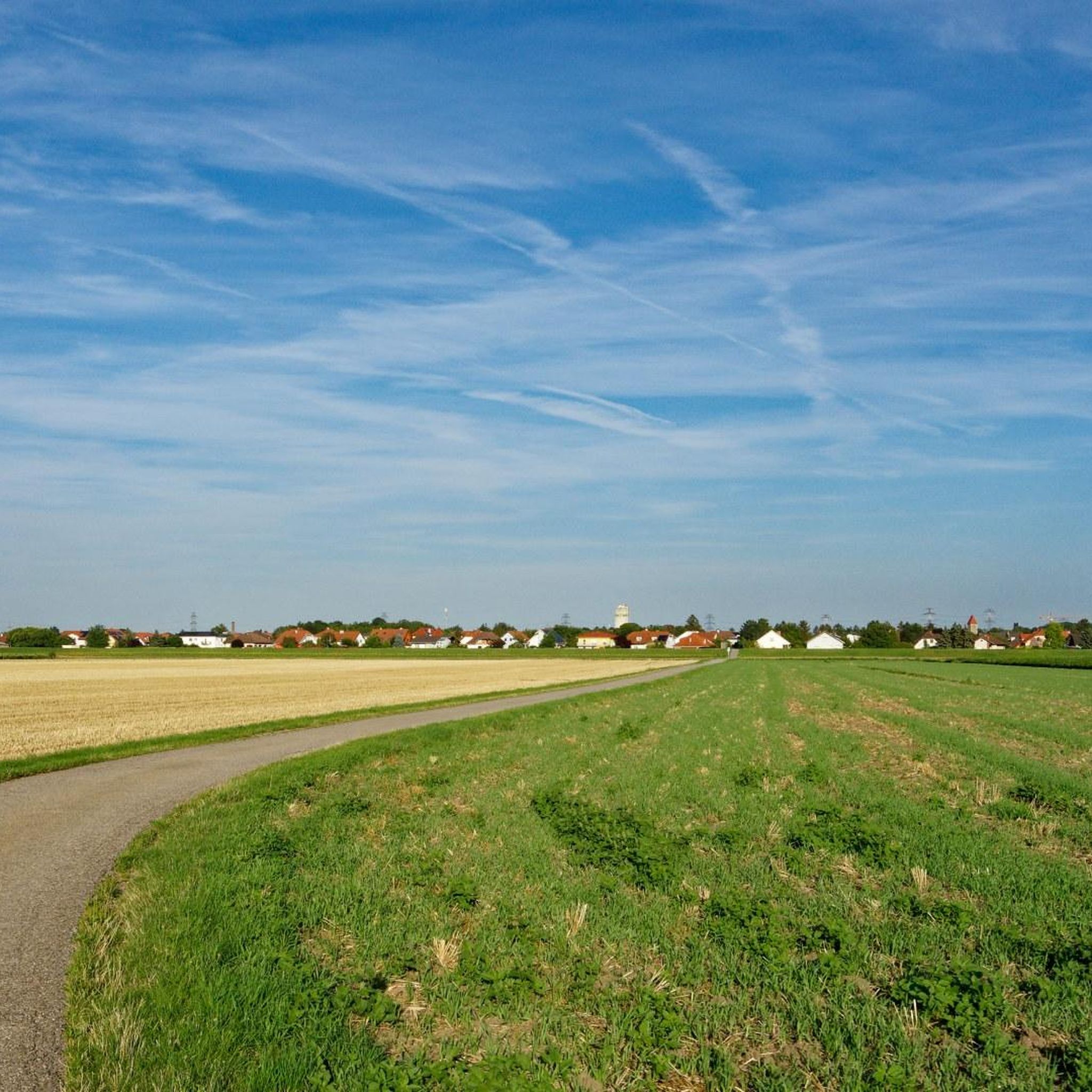
Tips from the Community

Good for walking, as there are always shady paths. But… the recklessness of cyclists and e-scooters is terrible. It is both a walking path for pedestrians and a cycle path. Why don't all cyclists' bells work then? All broken or has humanity already become so callous that pedestrians with dogs on leashes cannot be considered. As already mentioned, neither bells are rung nor the speed is reduced. Sorry, but dogs also get startled and, like us, don't have eyes in the back of their heads. A shame
0
0

In the winter of 1872/1873, the contractor Antonio Gabrielli suggested to the municipal council that the work be completed in October 1873, instead of 1874 as contractually agreed, in return for a bonus payment. As both the sanitary situation – Vienna was again threatened by a cholera epidemic from 1872 onwards and the Kaiser-Ferdinands-Wasserleitung supplied insufficient water – and the financial situation were extremely strained, this led to difficult discussions within the water supply commission. On February 18, 1873, it submitted a motion to the municipal council to pay Gabrielli a bonus of one million guilders if the construction work was completed by October 1, 1873. This was accepted.
1
0

An absolutely worth-seeing, listed bridge structure whose name is derived from the bridge's architect, Franz Visintini (1874–1950).
0
0
The Schlössl was built in the first half of the 18th century. It was probably designed by an architect from the circle of Johann Bernhard Fischer von Erlach.
0
0
Completely forget about weekends
1
1
An impressive bridge over the Liesingbach.
0
0

A great recreation area just outside Vienna
1
1
Frequently Asked Questions
How many gravel bike trails are available around Maria-Lanzendorf?
There are over 100 gravel bike trails around Maria-Lanzendorf, offering a wide range of options for different skill levels and preferences. You'll find everything from easy loops to more challenging long-distance routes.
What kind of terrain can I expect on gravel bike trails in Maria-Lanzendorf?
The terrain around Maria-Lanzendorf is quite varied, characteristic of Lower Austria. You can expect a mix of river landscapes, forests, and plains. Trails often alternate between tarmac, gravel, and forest paths. The historic Wiener Neustadt Canal, for instance, offers relatively flat sections with both paved and unpaved surfaces.
Are there any easy gravel bike routes suitable for beginners or families?
Yes, Maria-Lanzendorf offers several easy gravel routes. A great option for a relaxed ride is the Liesingbach Restoration – Johann-Friedl Footbridge loop from Maria Lanzendorf. This 26.0 km path follows pleasant riverside paths through natural restoration areas, making it ideal for an easy outing.
What are some scenic points or natural attractions I can see along the gravel trails?
Many trails offer beautiful natural sights. You can explore areas like the Liesingbach Restoration, which features pleasant riverside paths. The region also boasts the Confluence of the Triesting and the Schwechat rivers, and the Wienerberg Pond. The Wiener Neustadt Canal itself is a historic and scenic feature you'll encounter on many routes.
Are there any historical landmarks or points of interest along the routes?
Absolutely. The region is rich in history. Routes like the New Danube and Vösendorf Castle circuit from Himberg pass by historical landmarks and offer extensive river views. The "Path of the Brick Barons" is another route that provides insights into the region's past, such as the Triestingau Cycle Path – Path of the Brick Barons loop from Achau.
What do other gravel bikers enjoy most about Maria-Lanzendorf?
The gravel biking routes in Maria-Lanzendorf are highly rated by the komoot community, with an average score of 4.5 stars from over 300 reviews. Riders often praise the diverse terrain, the mix of tarmac, gravel, and forest paths, and the scenic river landscapes that make each ride unique.
Are there any circular gravel routes available?
Yes, many of the gravel routes around Maria-Lanzendorf are designed as loops. For example, the Liesingbach Restoration – Schönbrunner Allee loop from Maria Lanzendorf is a moderate 50.1 km trail that leads through varied landscapes, including restored river areas, and brings you back to your starting point.
Can I find places to eat or rest along the gravel trails?
Yes, there are options for breaks and refreshments. You might come across places like the Sängerrast Picnic Area or the Waldgasthaus Bockerl, Mödling, which are popular stops for cyclists. Some routes also pass by other huts or picnic areas.
What is the best time of year for gravel biking in Maria-Lanzendorf?
Lower Austria's varied climate means that spring and autumn generally offer the most pleasant conditions for gravel biking, with mild temperatures and beautiful scenery. Summer can also be great, especially along shaded river paths, but be mindful of warmer temperatures. Winter rides are possible, but trail conditions may vary with snow or ice.
Are there any longer or more challenging gravel routes for experienced riders?
For experienced riders seeking a challenge, the New Danube and Vösendorf Castle circuit from Himberg is a difficult 94.7 km trail. This extensive route offers significant distance and elevation, providing a demanding yet rewarding experience with extensive river views and historical landmarks.
How can I access the gravel trails using public transport?
Maria-Lanzendorf is generally well-connected within Lower Austria. While specific public transport options to individual trailheads can vary, many routes are accessible from the town center, which has public transport links. It's advisable to check local bus or train schedules for the most convenient access points to your chosen starting location.
Are there any specific regulations or permits needed for cycling in the area?
Generally, no special permits are required for cycling on designated paths and roads in Maria-Lanzendorf or Lower Austria. However, always respect local signage, especially in nature protection areas like parts of the Danube-Auen National Park, and adhere to standard cycling rules. For broader information on nature in the region, you can visit lower-austria.info.
Most popular routes around Maria-Lanzendorf
Most popular attractions around Maria-Lanzendorf

Get inspired with the komoot mobile app


Explore more
Browse the best Gravel rides in other regions.
