The best gravel rides around Appenzell
4.4
(131)
518
riders
51
rides
Gravel biking around Appenzell offers diverse terrain, from the dramatic peaks of the Alpstein mountain range to rolling green hills and serene alpine lakes. The region features a finely structured landscape with traditional rural charm, providing varied surfaces for gravel cyclists. Riders can expect challenging climbs and scenic trails, often with expansive views of the Rhine Valley and distant Lake Constance.
Best gravel bike trails around Appenzell
- The most popular gravel bike trail is Säntisfluh Scenic Landscape – Landsgemeindeplatz Appenzell loop from Appenzell, a 24.0 miles (38.6 km) trail that takes 2 hours 44 minutes to complete. This route offers scenic landscapes and views towards the Alpstein mountains.
- Another top favourite among local gravel bikers is View of the Rhine Valley – View from Montlinger Schwamm loop from Appenzell, a difficult 19.9 miles (32.1 km) path. This trail provides expansive vistas of the Rhine Valley and surrounding areas.
- Local gravel bikers also love the View of the Leuenfall – Rural idyll! loop from Appenzell, a 19.0 miles (30.6 km) trail leading through rural idylls and past the Leuenfall, often completed in about 2 hours 28 minutes.
- Gravel biking around Appenzell is defined by the Alpstein mountain range, picturesque alpine lakes, and hilly landscapes. The network offers options for different ability levels, from moderate to difficult.
- The routes in Appenzell are highly rated by the komoot community with an average score of 4.6 stars from over 230 reviews. More than 1000 gravel bikers have used komoot to explore Appenzell's varied terrain.
Last updated: October 19, 2026
4.5
(6)
42
riders
29.1km
02:14
570m
580m
Hard gravel ride. Very good fitness required. Mostly paved surfaces. Suitable for all skill levels.
5.0
(2)
42
riders
36.3km
02:46
710m
710m
Hard gravel ride. Very good fitness required. Mostly paved surfaces. Suitable for all skill levels.

4.0
(2)
18
riders
40.4km
03:18
810m
810m
Hard gravel ride. Very good fitness required. Mostly paved surfaces. Suitable for all skill levels.
3.0
(2)
15
riders
Hard gravel ride. Very good fitness required. You may need to push your bike for some segments of this route.
4.0
(2)
24
riders
19.9km
01:36
470m
470m
Hard gravel ride. Very good fitness required. Mostly paved surfaces. Suitable for all skill levels.
Get access to more routes and recommendations from other explorers.
Already have an account?
Our route recommendations are based on thousands of hikes, rides, and runs completed by other people on komoot.
Start today with a free account
Your next adventure awaits.
Popular around Appenzell
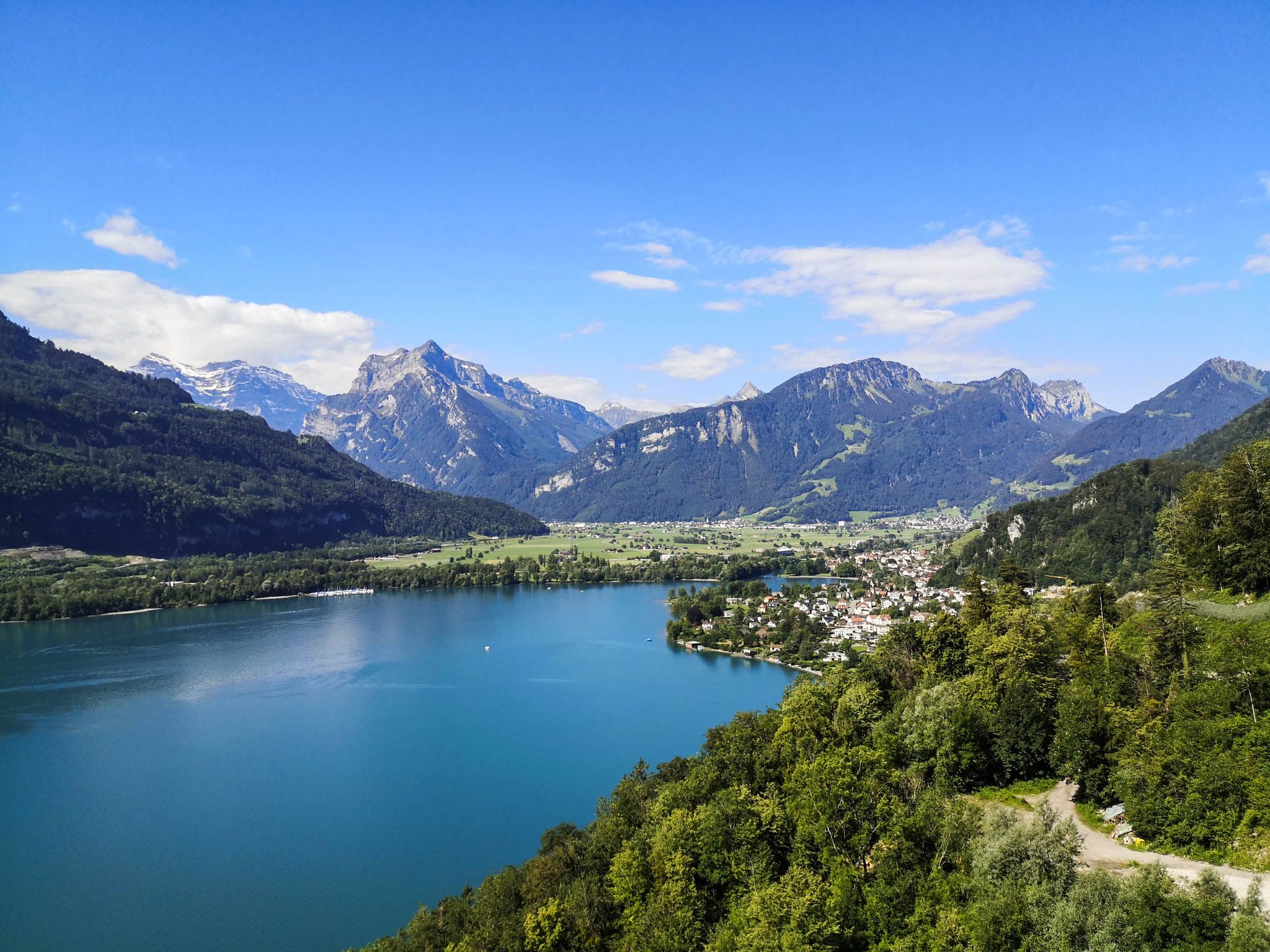
Alpine Panorama Trail in Switzerland – Keep your eyes on the mountains
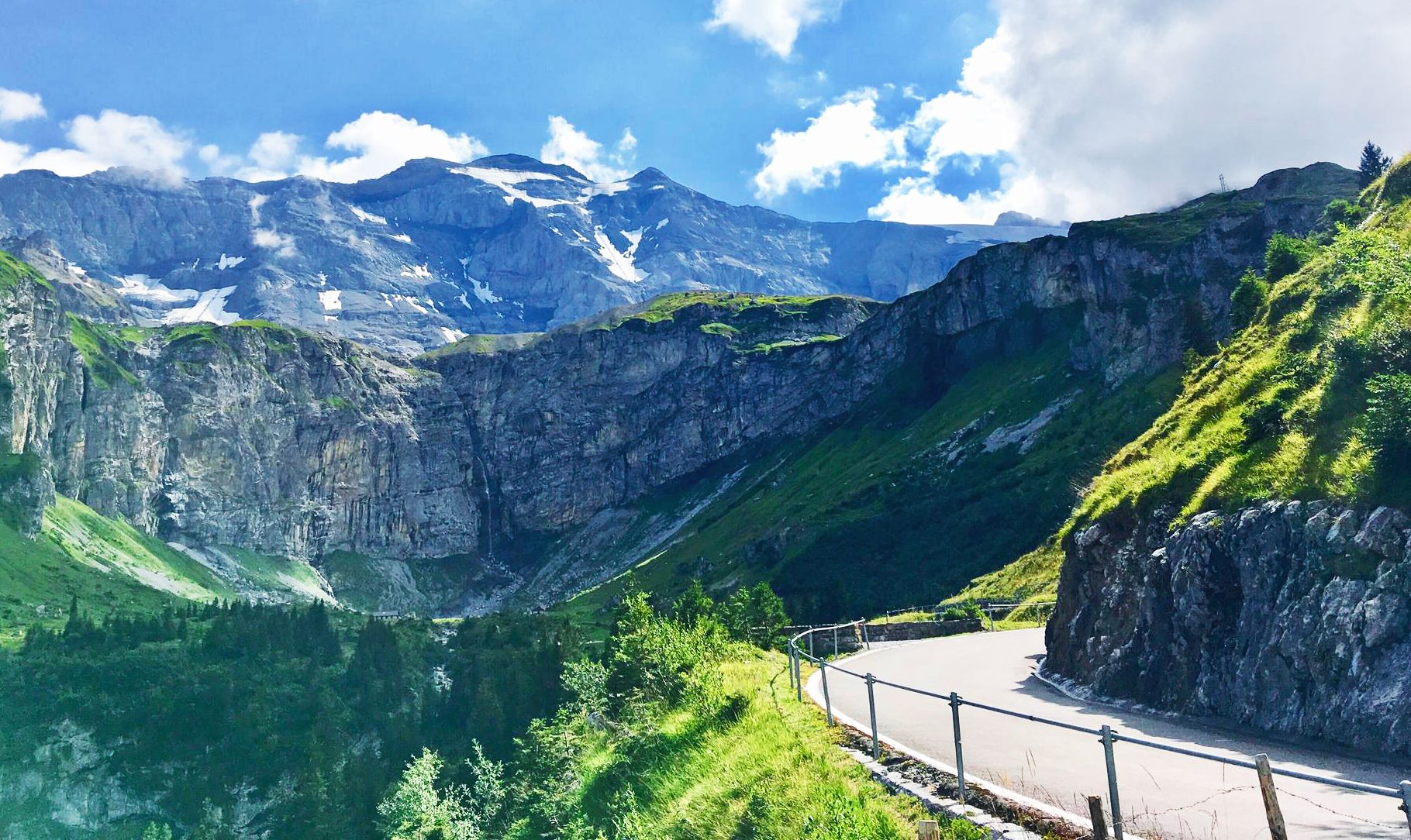
Alpine Panorama Route — 8 stages through the foothills of the Alps
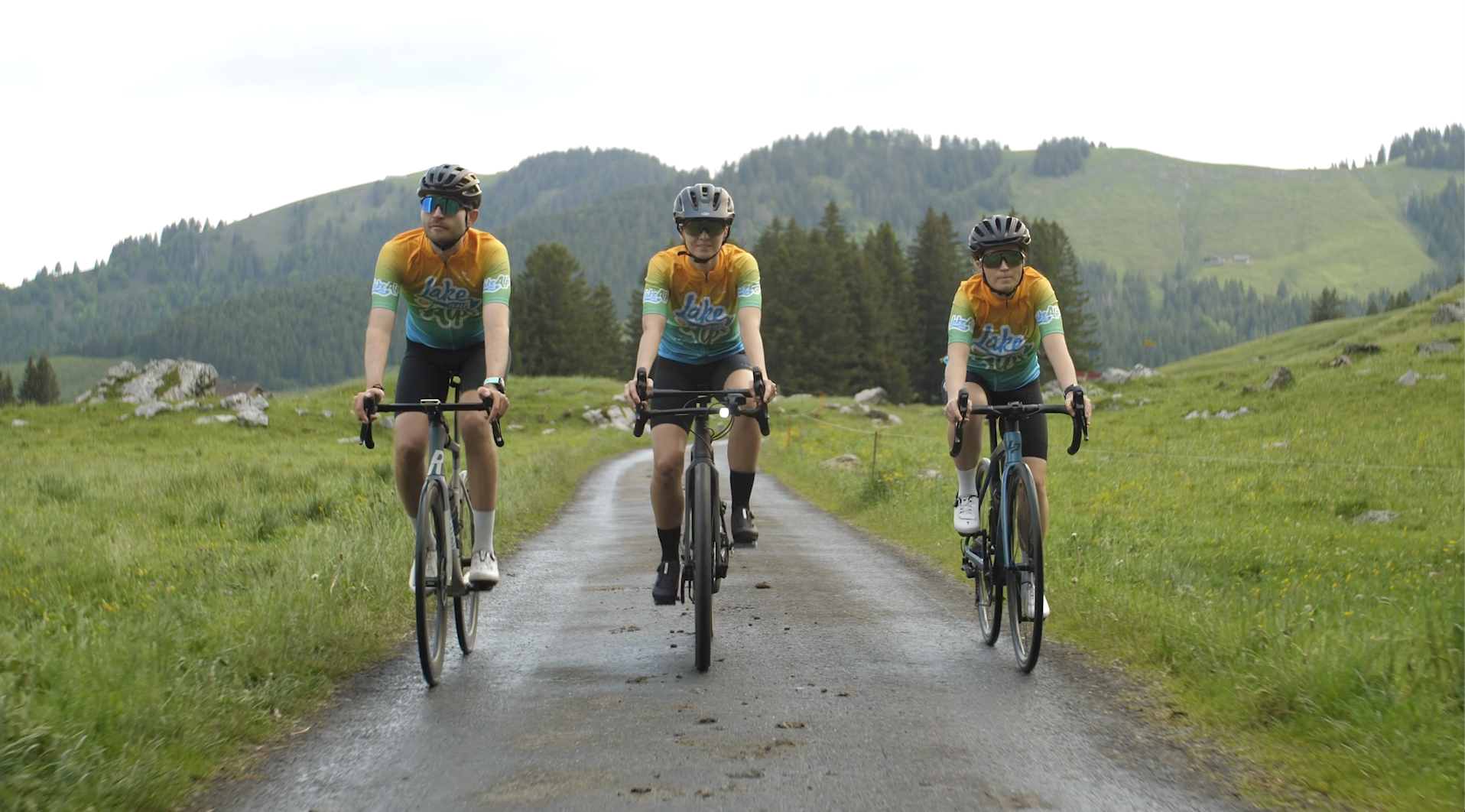
Lake and Alps Adventure – explore 100 dreamy places in our cycling region!
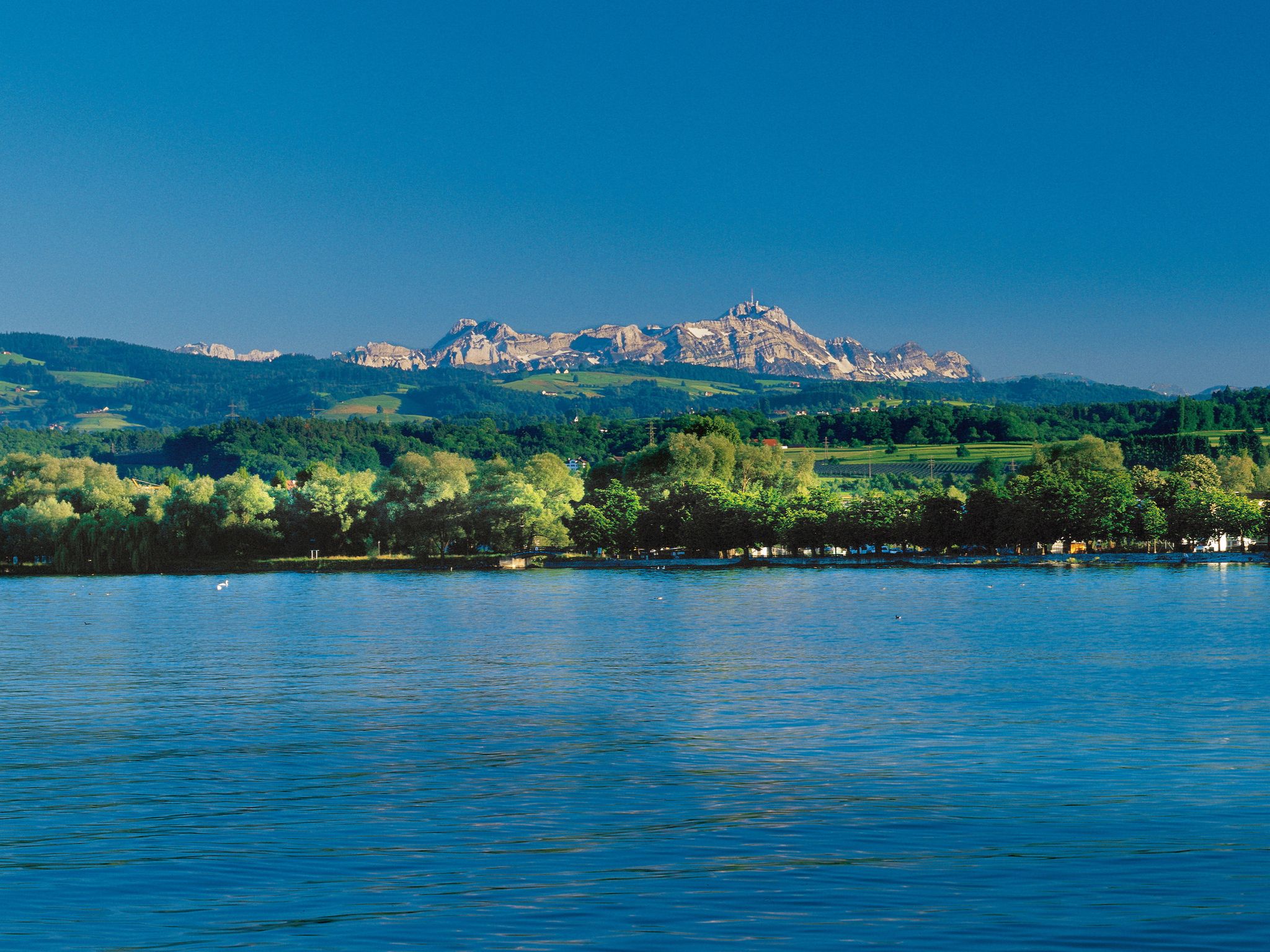
Lake and Alps Route – Cycling between Lake Constance and the Appenzell Alps
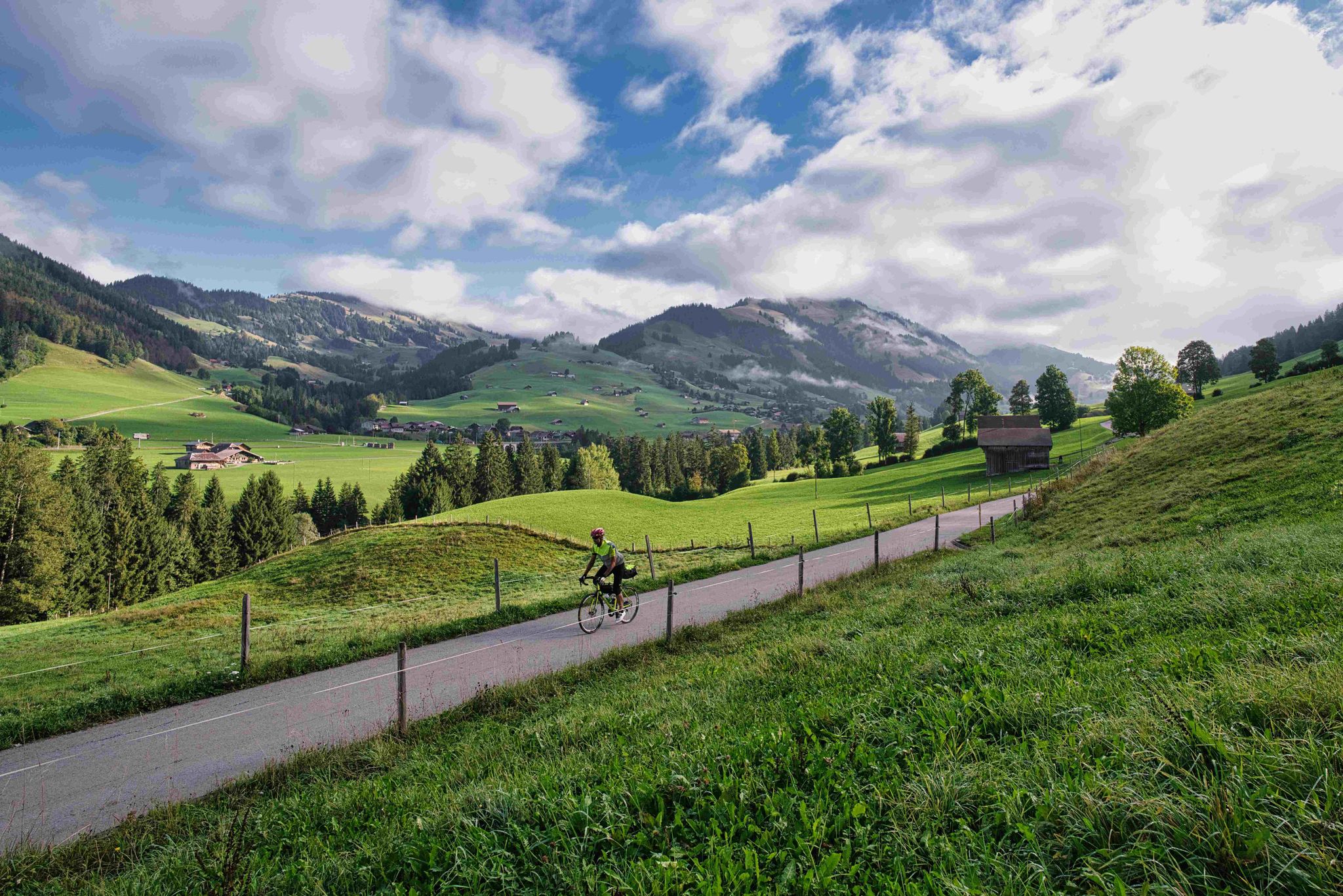
From Lake Constance to Lake Geneva
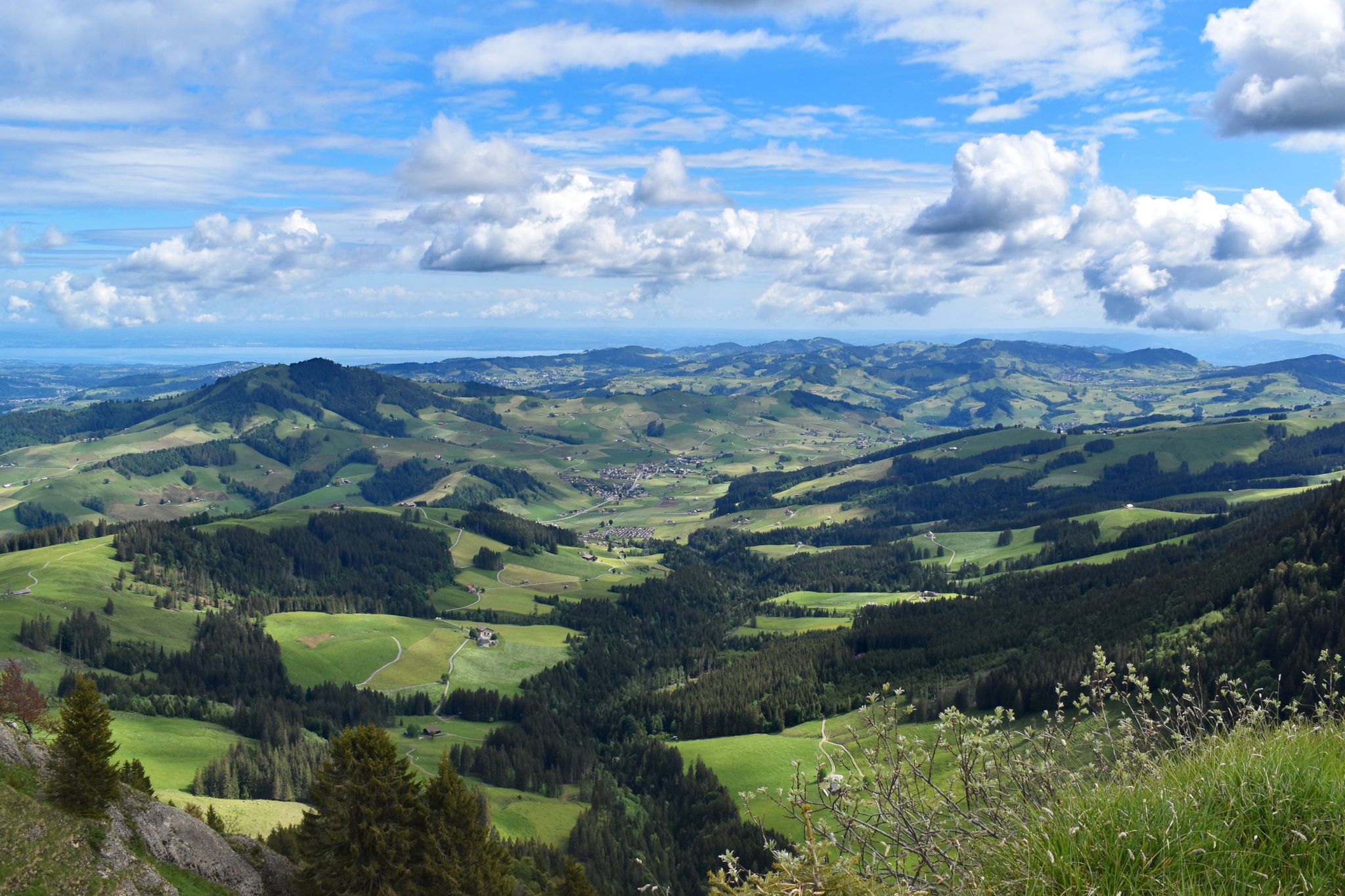
Appenzeller Weg – pilgrimage routes from Austria to Switzerland
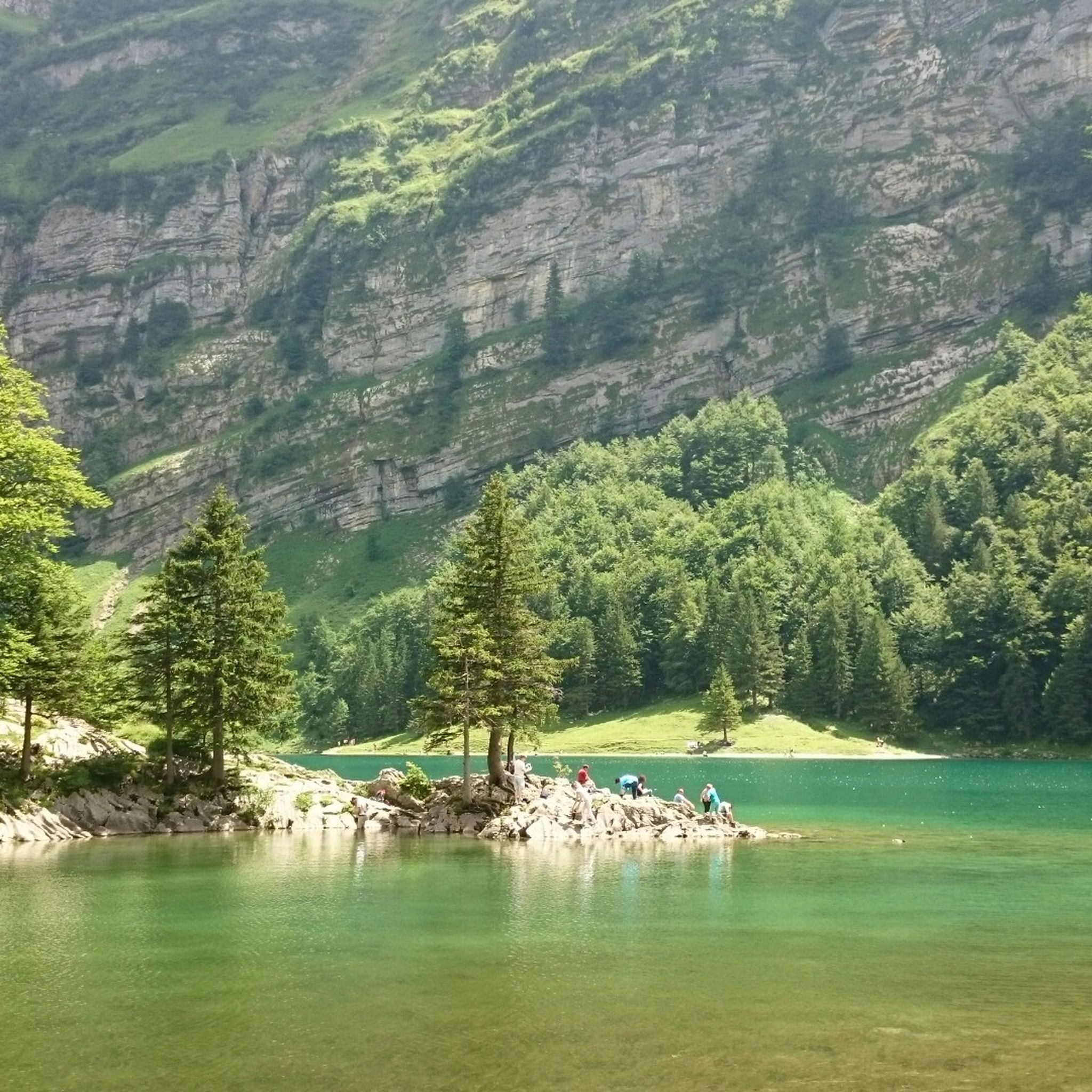
Hiking around Appenzell
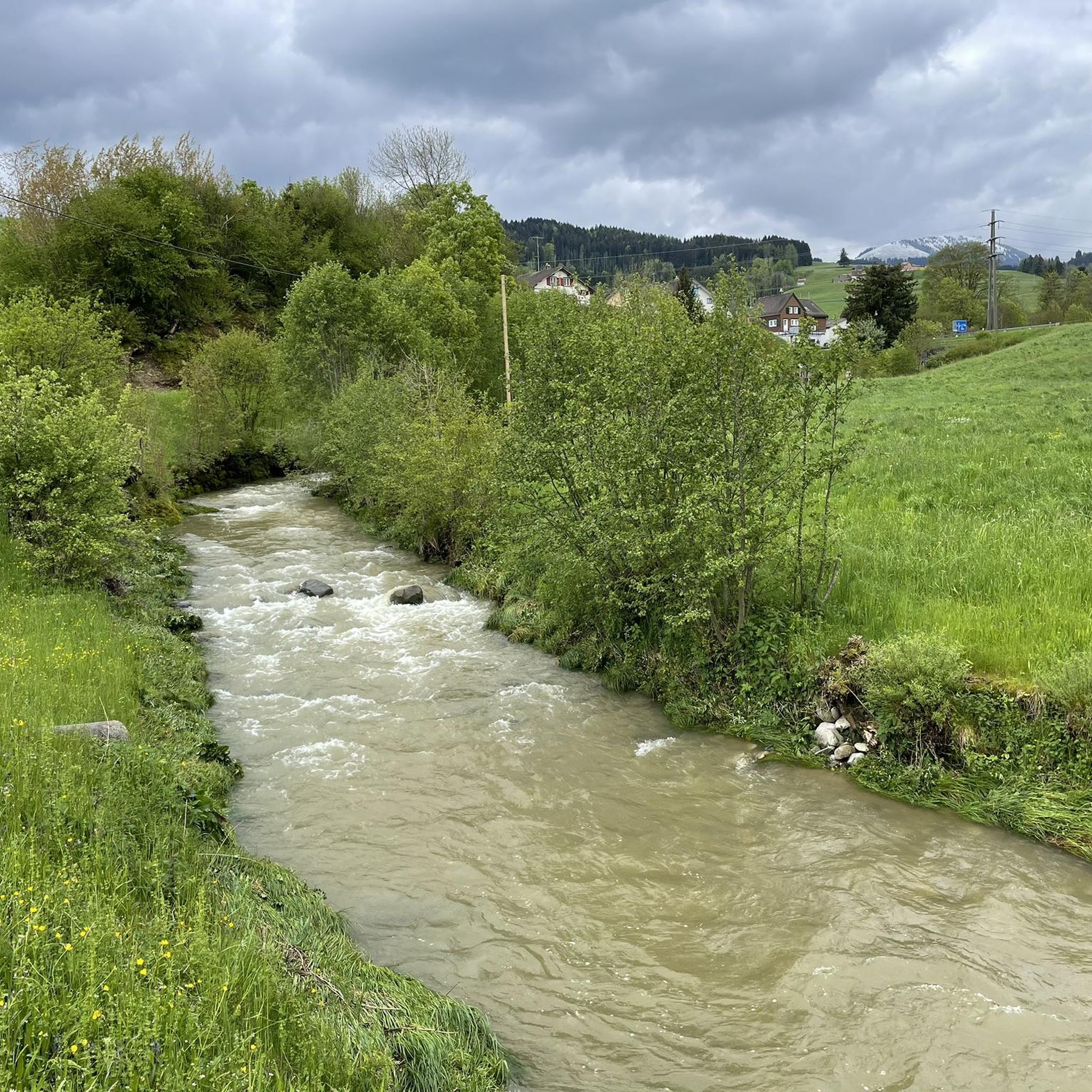
MTB Trails around Appenzell
Cycling around Appenzell
Road Cycling Routes around Appenzell
Other adventures around Appenzell


Tips from the Community

Schloss Dottenwil, built by Peter Graf in 1543 The Schloss Dottenwil, built by Peter Graf in 1543, has a rich history. It was first mentioned in 1302 and later built by Weibratha Graf. Weibratha married Konrad Atzenholz, who expanded the small castle and inherited the estate with the small castle in 1587. Margaretha, the daughter of Weibratha and Konrad Atzenholz, married Christoph Buffler and brought the Schloss and Gut Dottenwil into her marriage. The ownership of the castle changed hands several times in the 19th century, until Johann Baptist Blattmann acquired the castle for 7000 Gulden in 1807. Blattmann built a large spa house next to the castle and laid out a magnificent garden. The hotel and whey spa enjoyed great popularity and were very well-known. However, Blattmann incurred high debts, so his creditors had the estate publicly auctioned in 1816. Text / Source: wikipedia.org https://de.wikipedia.org/wiki/Schloss_Dottenwil
14
0
Schloss Dottenwil, Wittenbach This jewel, built in 1543, is a popular attraction for families, day-trippers and culture lovers on weekends. Enjoy a wine from the in-house vineyard in the castle garden with a magnificent view, discover old and new treasures in the local museum and the cellar gallery, or experience stars of the Swiss cabaret scene after a delicious dinner – no wish remains unfulfilled here. Every weekend, volunteers work here with great passion. Text / Source: IG Schloss Dottenwil, Dottenwil 661, Wittenbach https://www.dottenwil.ch/geschichte
14
0

In the old town, the artistically decorated oriel windows stand out, bearing witness to the travels of the St. Gallen textile merchants of the 18th and 19th centuries all over the world. They are a reminder of St. Gallen's importance in the linen and embroidery trade. There are more than a hundred such oriel windows in the old town. Some are multi-story, painted, or carved from wood.
10
0


Of course, you can also ride past a castle on a mountain bike.
1
0

Info: Bridge currently closed due to construction. August 18, 2025
0
0
Frequently Asked Questions
What is the typical terrain and difficulty level for gravel biking in Appenzell?
Gravel biking in Appenzell presents a varied landscape, from paved roads to challenging hard gravel paths. You can expect significant elevation changes and diverse surfaces. While there are some moderate routes, the majority of the 91 available tours are considered difficult, often featuring challenging climbs and descents that may occasionally require pushing your bike on steeper segments.
Are there any gravel routes in Appenzell that offer panoramic views?
Yes, many gravel routes in Appenzell are renowned for their spectacular panoramic views. For instance, the View of the Rhine Valley – View from Montlinger Schwamm loop from Appenzell provides expansive vistas of the Rhine Valley and surrounding areas. Other routes offer views towards the dramatic Alpstein mountains, including the Säntisfluh Scenic Landscape – Landsgemeindeplatz Appenzell loop from Appenzell.
What natural features or landmarks can I see along the gravel bike trails in Appenzell?
The Appenzell region is rich in natural beauty and iconic landmarks. You can encounter the dramatic peaks of the Alpstein mountain range, including views of Säntis. Picturesque alpine lakes like Seealpsee and Fählensee are often accessible or visible from routes. The View of the Leuenfall – Rural idyll! loop from Appenzell takes you past the Leuenfall waterfall. Other notable sights include the iconic Aescher-Wildkirchli Mountain Inn built into a cliffside, and the charming traditional architecture of Appenzell Old Town.
What is the best time of year for gravel biking in Appenzell?
The best time for gravel biking in Appenzell is generally from late spring through early autumn (May to October). During these months, the weather is more stable, and the trails are typically free of snow, offering lush green landscapes and comfortable temperatures. Winter conditions can make many routes impassable due to snow and ice, especially at higher elevations.
Are there any family-friendly gravel biking options in Appenzell?
While many routes in Appenzell are rated as difficult due to significant climbs, some sections or shorter, less strenuous routes might be suitable for families with older, experienced children. It's advisable to check the specific route profiles for elevation gain and surface type to ensure it matches your family's skill and fitness level. The region's charming rural landscapes offer pleasant, less technical riding opportunities in certain areas.
Can I find circular gravel bike routes in Appenzell?
Yes, many of the gravel bike routes in Appenzell are designed as loops, allowing you to start and finish at the same point. Examples include the Gübsensee West Dam – Haggen Bridge (Ganggelibrugg) loop from Lustmühle and the View of the Alpstein Mountains – Landsgemeindeplatz Appenzell loop from Bühler. These circular routes are convenient for exploring the region without needing shuttle services.
What do other gravel bikers enjoy most about gravel biking in Appenzell?
The Appenzell region is highly rated by the komoot community, with an average score of 4.6 stars from over 230 reviews. Riders frequently praise the stunning, diverse landscapes, from the dramatic Alpstein peaks to the serene alpine lakes and charming rural idylls. The challenging yet rewarding climbs and the variety of terrain also contribute to a highly appreciated gravel biking experience.
Are there options for parking near the gravel bike trails in Appenzell?
Yes, Appenzell and its surrounding villages typically offer parking facilities, often near trailheads or in town centers. It's recommended to check specific starting points of your chosen route for the most convenient parking options. Many routes, being loops, start and end in accessible locations with parking available.
Are there any cafes or places to stop for refreshments along the gravel routes?
Appenzell is known for its charming villages and traditional mountain inns. You'll often find opportunities for refreshments, especially in the larger towns and at popular points of interest. Iconic spots like the Aescher-Wildkirchli Mountain Inn or the Bollenwees Mountain Inn at Fälensee offer unique stopping points, though some may require a short detour or hike. Many routes pass through or near villages where cafes and restaurants are available.
Can I reach the gravel biking areas in Appenzell using public transport?
Appenzell is well-connected by public transport, particularly by train, making it accessible without a car. The Appenzell railway network connects the main towns, and many trailheads are within easy reach of train stations. This allows for flexible planning, whether you're starting a loop from a town or planning a point-to-point ride.
What kind of wildlife might I spot while gravel biking in Appenzell?
The diverse landscapes of Appenzell, from alpine meadows to forested areas, offer opportunities for wildlife spotting. You might encounter various bird species, including birds of prey in the mountains. Keep an eye out for local fauna such as chamois or ibex in higher alpine regions, and you'll certainly see plenty of cows with their distinctive bells in the lush green pastures.
Are there any specific lakes that are particularly scenic for gravel bikers?
The Appenzell region is home to several stunning alpine lakes that are incredibly scenic. Seealpsee, Fählensee, and Lake Sämtiser are celebrated for their crystal-clear waters and idyllic settings amidst the mountains. Many routes offer views of these lakes, providing perfect spots for a break and photography.
Most popular routes around Appenzell
Most popular attractions around Appenzell

Get inspired with the komoot mobile app


Explore more
Browse the best Gravel rides in other regions.
