The best gravel rides around Kolsassberg
4.3
(15)
77
riders
10
rides
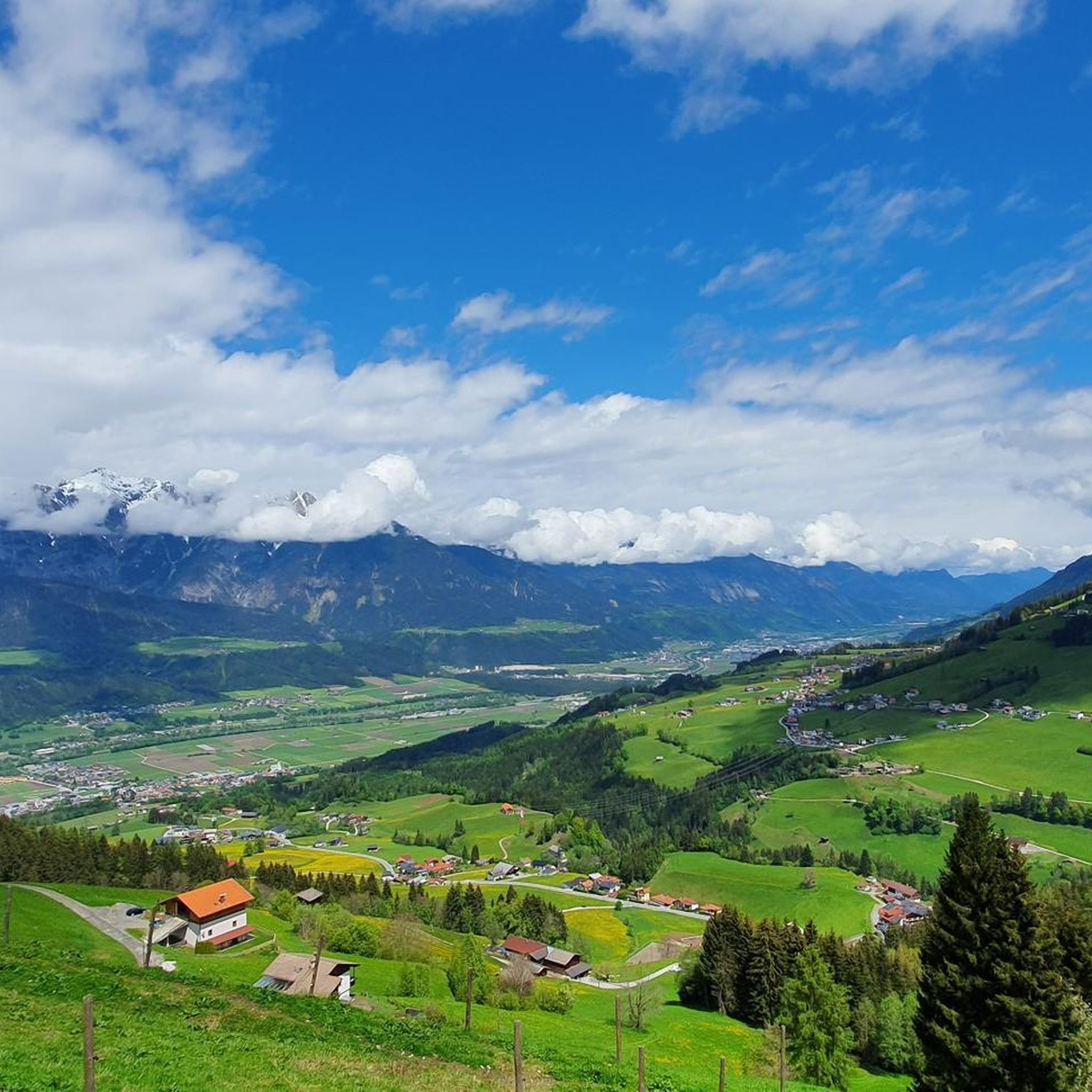
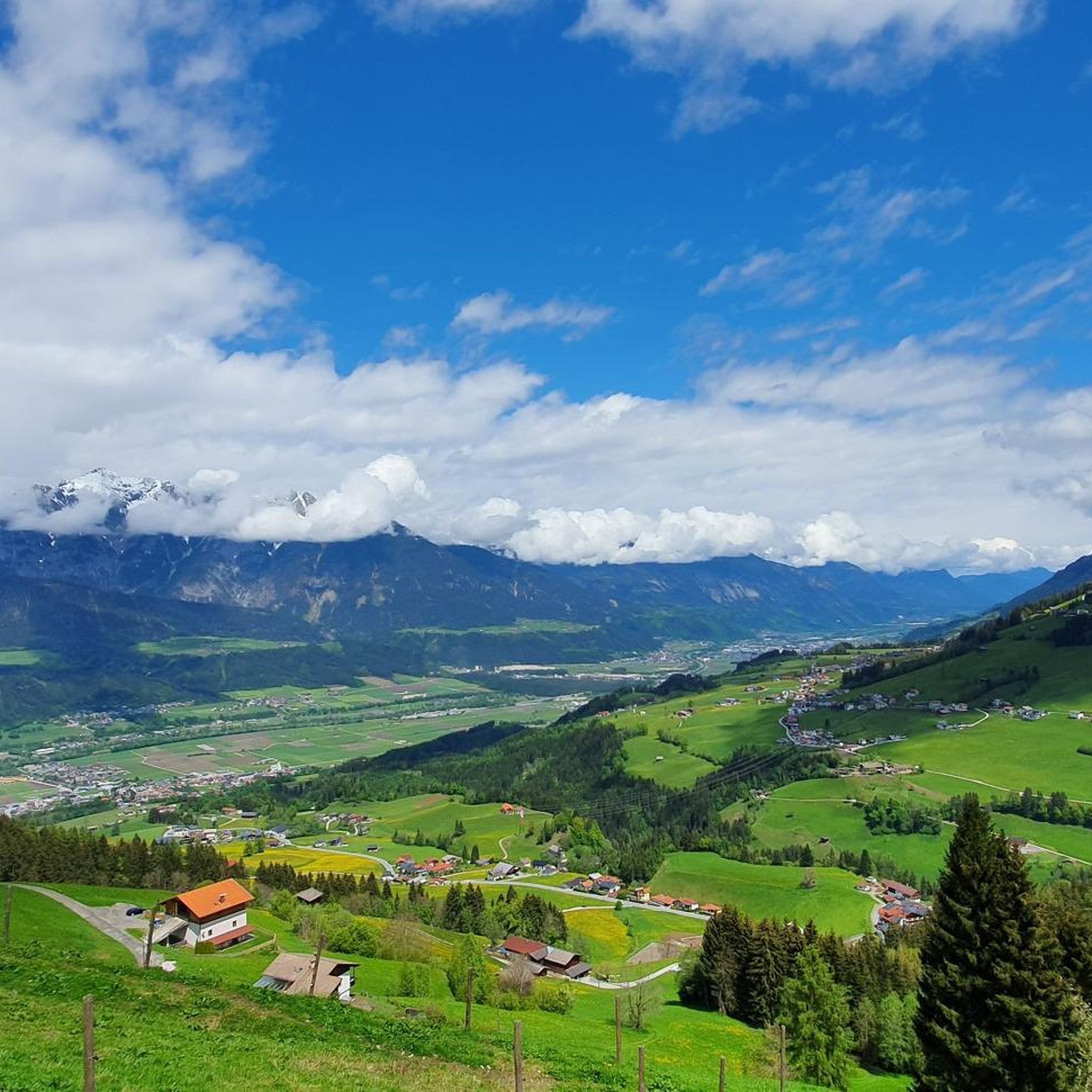
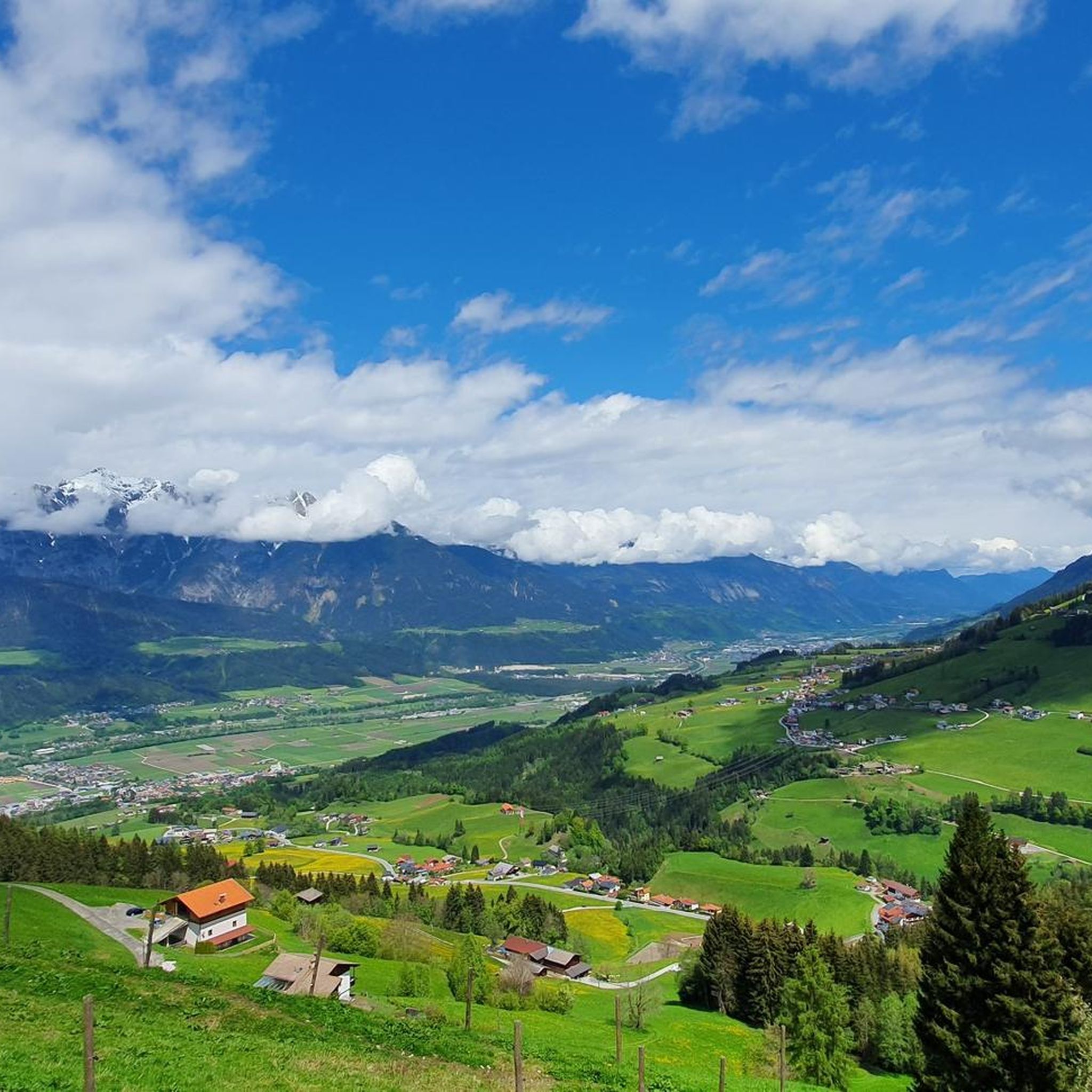
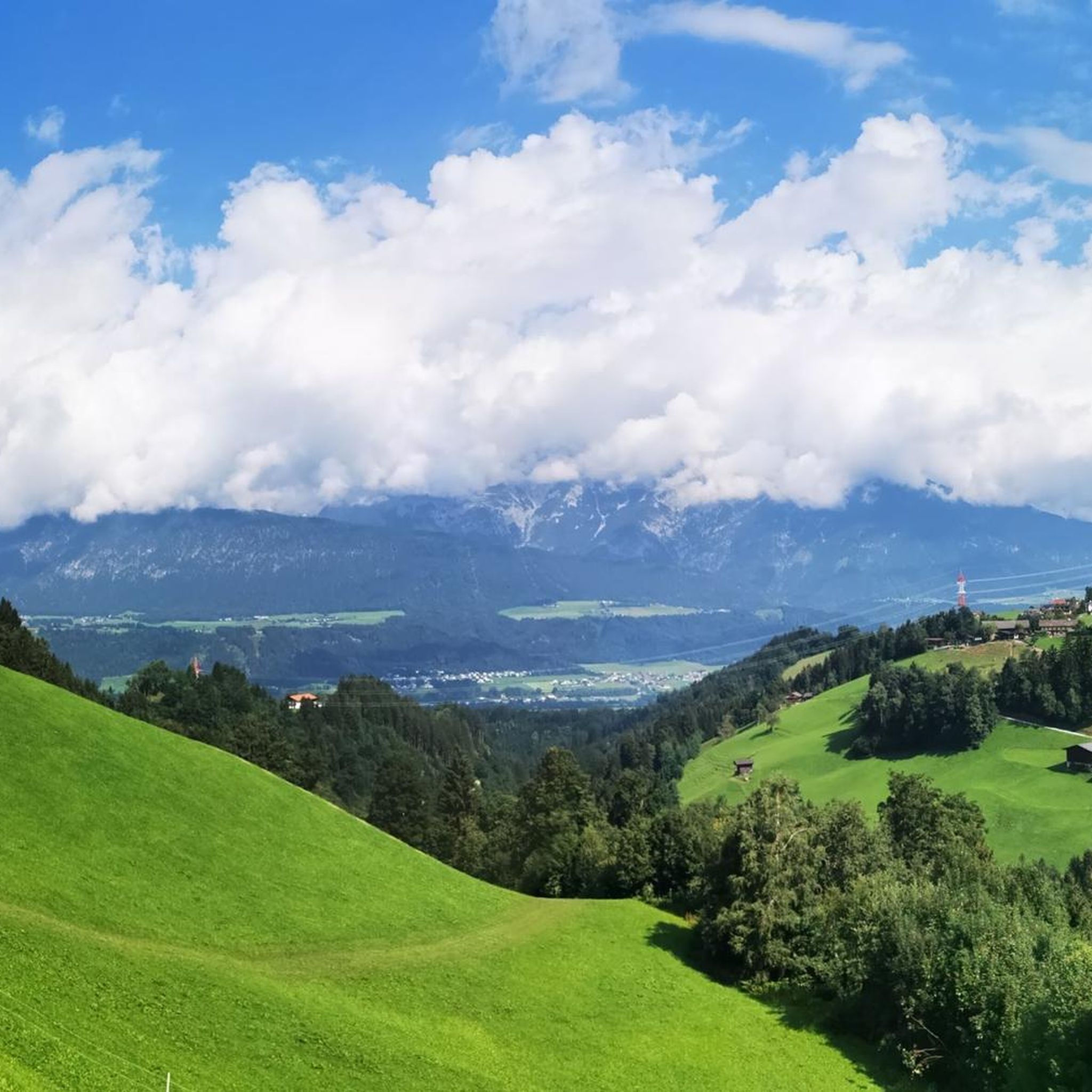
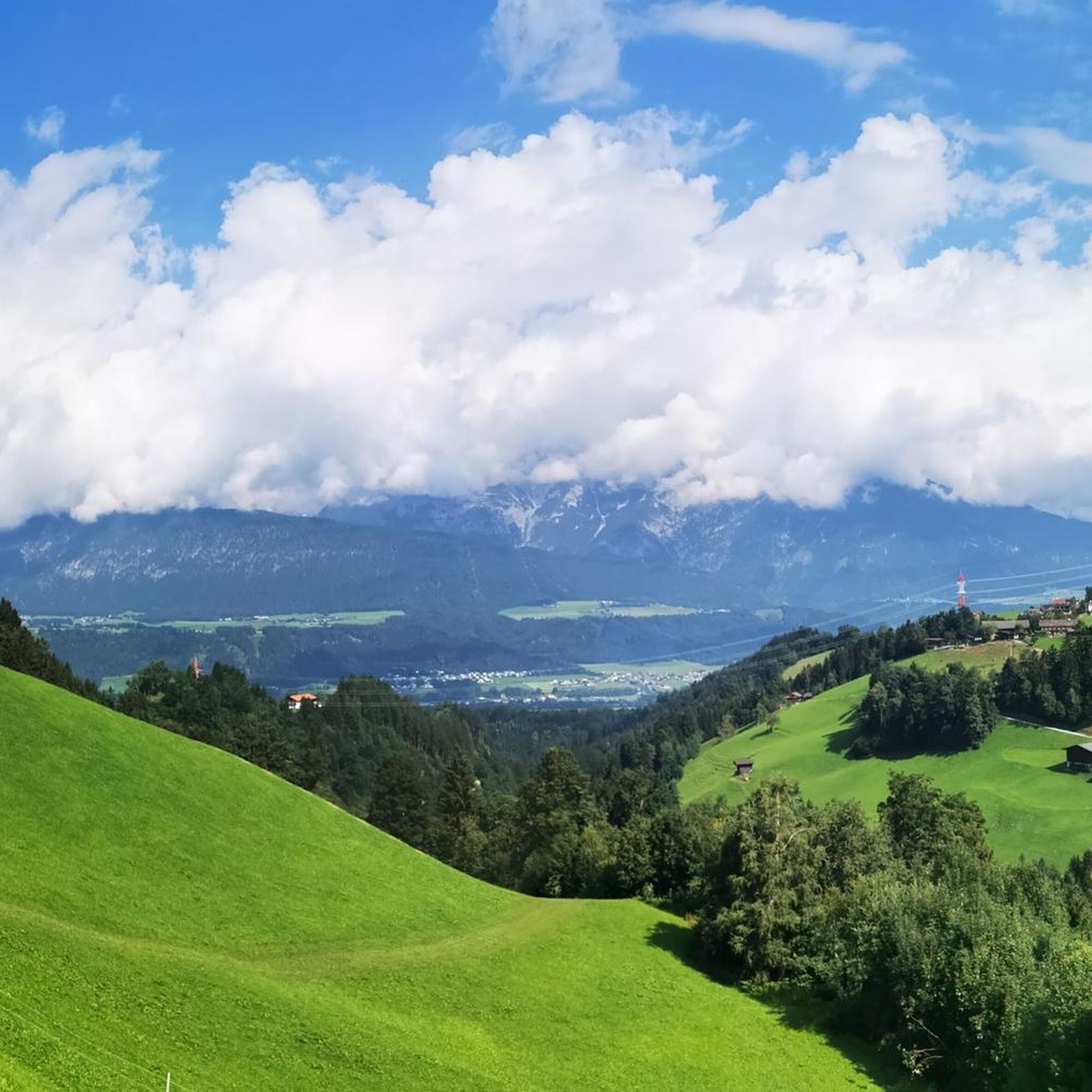
Gravel biking around Kolsassberg offers diverse terrain, characterized by its mountainous backdrop within the Tuxer Voralpen and views of the Karwendel mountains. The region features varied elevations, from valley floors along river paths to ascents into alpine areas. Riders can expect a mix of dense forest tracks, open meadows, and paths alongside water features, providing a range of surfaces suitable for gravel bikes. The landscape includes rolling hills and access to high alpine pastures.
Best gravel bike trails around Kolsassberg
…Last updated: July 2, 2026
5.0
(2)
11
riders
18.9km
02:01
760m
760m
Hard gravel ride. Very good fitness required. Mostly paved surfaces. Suitable for all skill levels.
4.5
(2)
12
riders
14.7km
01:15
490m
490m
Hard gravel ride. Very good fitness required. Mostly paved surfaces. Suitable for all skill levels.

Sign up for free
5.0
(1)
5
riders
24.7km
02:44
1,050m
1,050m
Hard gravel ride. Very good fitness required. Mostly paved surfaces. Suitable for all skill levels.
3.0
(1)
8
riders
22.5km
02:20
1,070m
1,070m
Hard gravel ride. Very good fitness required. Mostly paved surfaces. Suitable for all skill levels.
5.0
(1)
6
riders
48.0km
03:41
1,400m
1,400m
Hard gravel ride. Very good fitness required. Mostly paved surfaces. Suitable for all skill levels.
Get access to more routes and recommendations from other explorers.
Sign up for free
Already have an account?
Our route recommendations are based on thousands of hikes, rides, and runs completed by other people on komoot.
Start today with a free account
Your next adventure awaits.
Login or Signup
Tips from the Community

In the morning or evening hours when the sun is low and the mountains cascade with shadows, a dream on the bike. Provided there is little traffic, which is usually the case.
0
0

Kloster St. Martin in Gnadenwald That St. Martin in Gnadenwald was chosen as one of our places of power is actually self-evident. When you arrive there, you can already feel the special aura of this place. First and foremost, St. Martin is a place of recreation - both physical and spiritual. In our fast-paced times, "coming to rest" is extremely important. The Cretan or classical stone labyrinth located to the left below the monastery is a symbol of the human life path. Labyrinths have existed in many cultures for more than 5000 years and are shaped by the need for inner peace and a sense of home. Text / Source: Hall-Wattens Tourismus, Unterer Stadtplatz 19, Hall in Tirol https://www.hall-wattens.at/de/st-martin-in-gnadenwald.html
10
0
History of St. Martin in Gnadenwald As early as the 11th century, a hunting lodge with a chapel in honor of St. Martin is said to have stood on the site of the present-day monastery. The first documented mention dates from 1337 in a will of the Tyrolean master of the hunt, Heinrich von Rottenburg. A second mention occurred in 1382. Around the same time or not long after, a hermitage was also founded here, inhabited by two lay brothers. The daughter Magdalena Getzner of the wealthy Hall citizen Jörg Perl entered the monastery of St. Magdalena in Halltal together with her daughter in 1486. This was possible because her father donated a considerable sum annually to the monastery of St. Magdalena. The daughter of Magdalena Getzner, also named Magdalena, had health problems, probably a mental disability, which is why the bishop allowed her to leave the monastery of St. Magdalena and settle in a healthy location in monastic habit. Magdalena Getzner and her daughter now chose St. Martin in Gnadenwald as their new place of residence. This is evidenced by a document from 1497 from the parish archive of Baumkirchen. In addition, some sisters followed them to St. Martin, so that a monastery was established there, of which Magdalena Getzner the Elder became the abbess. On October 7, 1520, the Augustinian monastery in St. Martin in Gnadenwald burned down. The 30 nuns found refuge in the St. Salvator chaplaincy in Hall and remained there until 1566. The era of the Peasants' Wars and the Reformation was not an age for rebuilding burnt-down monasteries. Thus In 1826, the entire church was renovated, and in 1836 it received a new high altar with an altarpiece, presumably by Arnold Schöpf. The frescoes by Milldorfer remained. During the Nazarene period, the small monastery received its Christmas nativity scene with figures over 80 cm tall. In 1935, the Tertiary Sisters from Hall moved into the long-vacant cells and have run a guesthouse for visitors there since 1939. This was a valuable place of refreshment for pilgrims during their journey. Unfortunately, the rental business was discontinued in 2019, and the Tertiary Sisters no longer live in the monastery. Text / Source: Hall-Wattens Tourismus, Unterer Stadtplatz 19, Hall in Tirol https://www.hall-wattens.at/de/st-martin-in-gnadenwald.html
10
0


Several paths lead to Freundsberg Castle. From here you have a beautiful view towards the castle and also down to Schwaz.
0
0

Church at the hospital and cycle path.
1
0

Pleasant gravel road for gravel bikes
0
0
Frequently Asked Questions
How many gravel bike trails are available around Kolsassberg?
Kolsassberg offers a diverse network of over 30 gravel bike trails. These routes cater to various skill levels, ranging from easier valley paths to more challenging alpine ascents.
Are there gravel bike trails suitable for beginners in Kolsassberg?
Yes, Kolsassberg has several options for beginners. There are 4 easy gravel bike trails that are ideal for those new to the sport or looking for a more relaxed ride. These typically follow flatter terrain along river valleys.
What are the typical lengths and durations of gravel bike routes in Kolsassberg?
Route lengths vary significantly. You can find shorter trails like the Forest Road to Grieralm – View of Lanersbach loop from Tux, which is about 14.7 km and takes around 1 hour 15 minutes. Longer, more challenging routes can extend over 70 km, requiring several hours to complete.
What kind of terrain can I expect on gravel bike trails around Kolsassberg?
The terrain around Kolsassberg is quite varied. Riders can expect a mix of forest tracks, open meadows, and paths alongside water features. The landscape is characterized by its mountainous backdrop, offering both valley floor riding and ascents into alpine areas.
Are there any challenging gravel routes for advanced riders?
Absolutely. Kolsassberg is home to 19 difficult gravel bike trails, perfect for experienced riders seeking a challenge. Routes like The cycle bridge near Rotholz – Schlitterer Lake loop from Weerberg, at 77.1 km with significant elevation gain, offer demanding ascents and technical sections.
What is the best time of year for gravel biking in Kolsassberg?
The best time for gravel biking in Kolsassberg is typically from late spring through early autumn (May to October). During these months, the weather is generally mild, and most trails are free of snow, offering optimal riding conditions. Always check local weather forecasts before heading out.
Are there any scenic loop gravel bike trails in the area?
Yes, many gravel bike trails in Kolsassberg are designed as loops, offering diverse scenery without retracing your steps. For example, the Eggalm Mountain Restaurant – Eggalm–Brandalm Gravel Trail loop from Tux leads through alpine meadows and past mountain restaurants, providing stunning views.
What can I see along the gravel bike trails around Kolsassberg?
Many routes offer scenic views and pass by interesting points. You might encounter charming huts like Rastkogel Hut or Lamsenjoch hut, which are great for a break. Some trails also feature views of the Inn Cycle Path or pass near lakes like Schlitterer Lake.
Are there any bike parks or specific trails for mountain biking near Kolsassberg?
While this guide focuses on gravel biking, there are bike parks and dedicated mountain bike trails in the broader region. You can explore areas like the Penken Mountain Adventure Area or specific trails such as the Naviser Sunnseitn Trail 522 for more technical riding experiences.
What do other gravel bikers enjoy the most about gravel biking in Kolsassberg?
The area is highly rated by the komoot community, with an average score of 4.5 stars from over 120 reviews. Reviewers often praise the varied terrain, from river valleys to alpine ascents, and the well-maintained network of tracks that cater to different ability levels.
Are there any very long-distance gravel routes available?
Yes, for those seeking epic rides, there are very long routes available. The Buchau at Lake Achensee – Inn Cycle Path loop from Fritzens-Wattens, for instance, covers over 123 km and involves significant elevation gain, making it a full-day adventure.
Most popular routes around Kolsassberg
Most popular attractions around Kolsassberg

Get inspired with the komoot mobile app


Explore more
Browse the best Gravel rides in other regions.
