Top 20 Lakes around Salzatal
Lakes around Salzatal, located in the Saalekreis district of Saxony-Anhalt, Germany, offer diverse recreational opportunities within a landscape characterized by hills and rivers. The region features a mix of natural lakes, such as Süßer See, and man-made lakes, including Raßnitzer See and Wallendorfer See, which originated from former opencast mines. These natural features provide various hiking trails around Salzatal lakes and opportunities for water-based activities. The area is known for its transformation of former mining areas into natural and recreational…
Last updated: October 9, 2026
Seeburg Castle
Highlight • Castle
It would be nice if it got a castle lord who saved it
Translated by Google •
Tip by

View of the Süßer See and Seeburg Castle from the promenade
Highlight • Viewpoint
Translated by Google •
Tip by
Sign up now to discover places like this
Get recommendations on the best single tracks, peaks, & plenty of other exciting outdoor places.
Sweet Lake
Highlight • Lake
And standing on the west bank at sunset is a dream.
Translated by Google •
Tip by
Heidesee
Highlight • Lake
Translated by Google •
Tip by
Cycle path along the northern shore of Süßer See
Highlight (Segment) • Cycleway
very beautiful landscape !!! ...
in the north the vineyards or orchards and in the south the sea +
Translated by Google •
Tip by

Sign up for free to discover even more lakes around Salzatal.
Already have an account?
Start today with a free account
Your next adventure awaits.
Popular around Salzatal
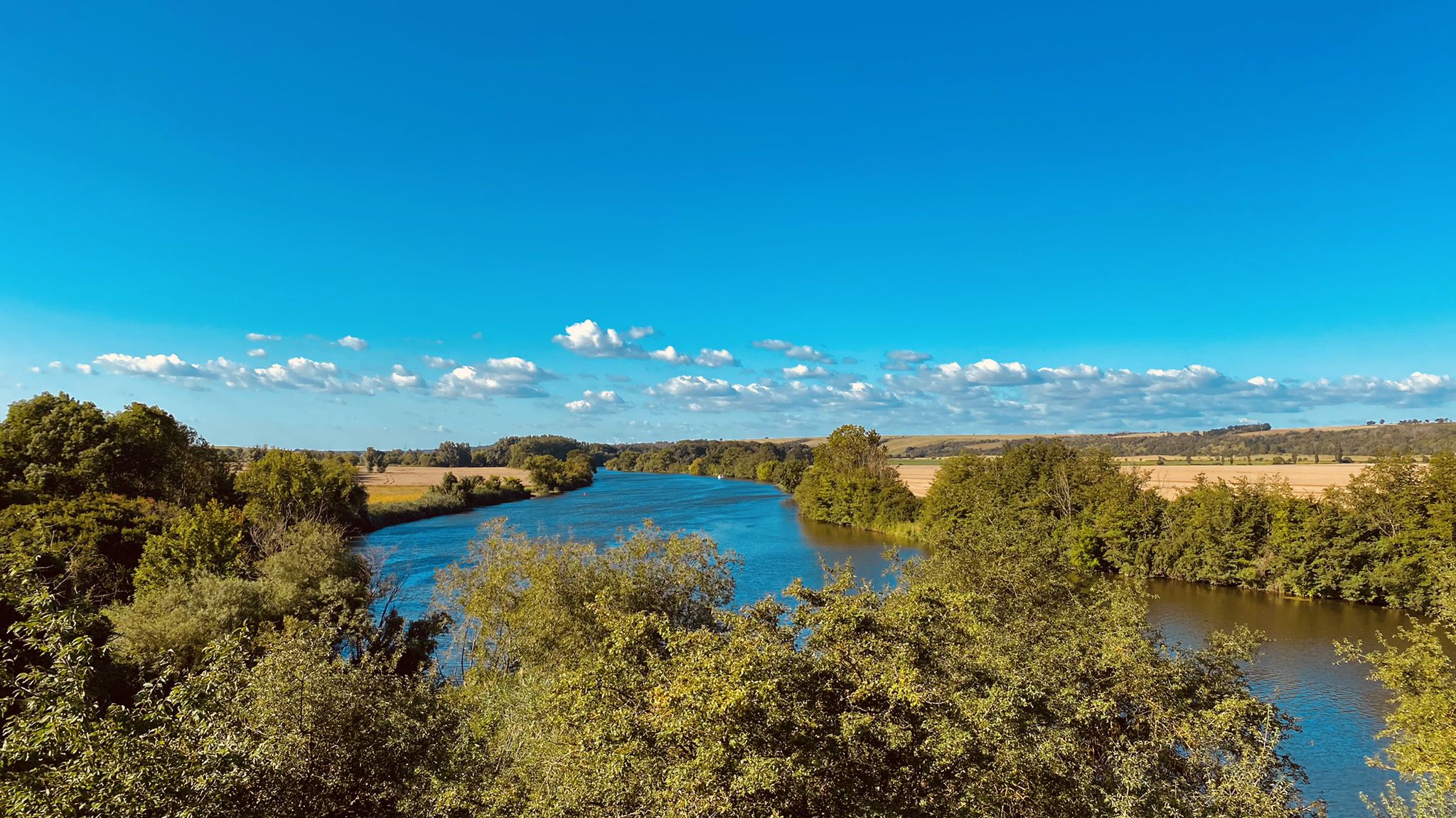
Nature trails for big & small in the nature park "Unteres Saaletal"
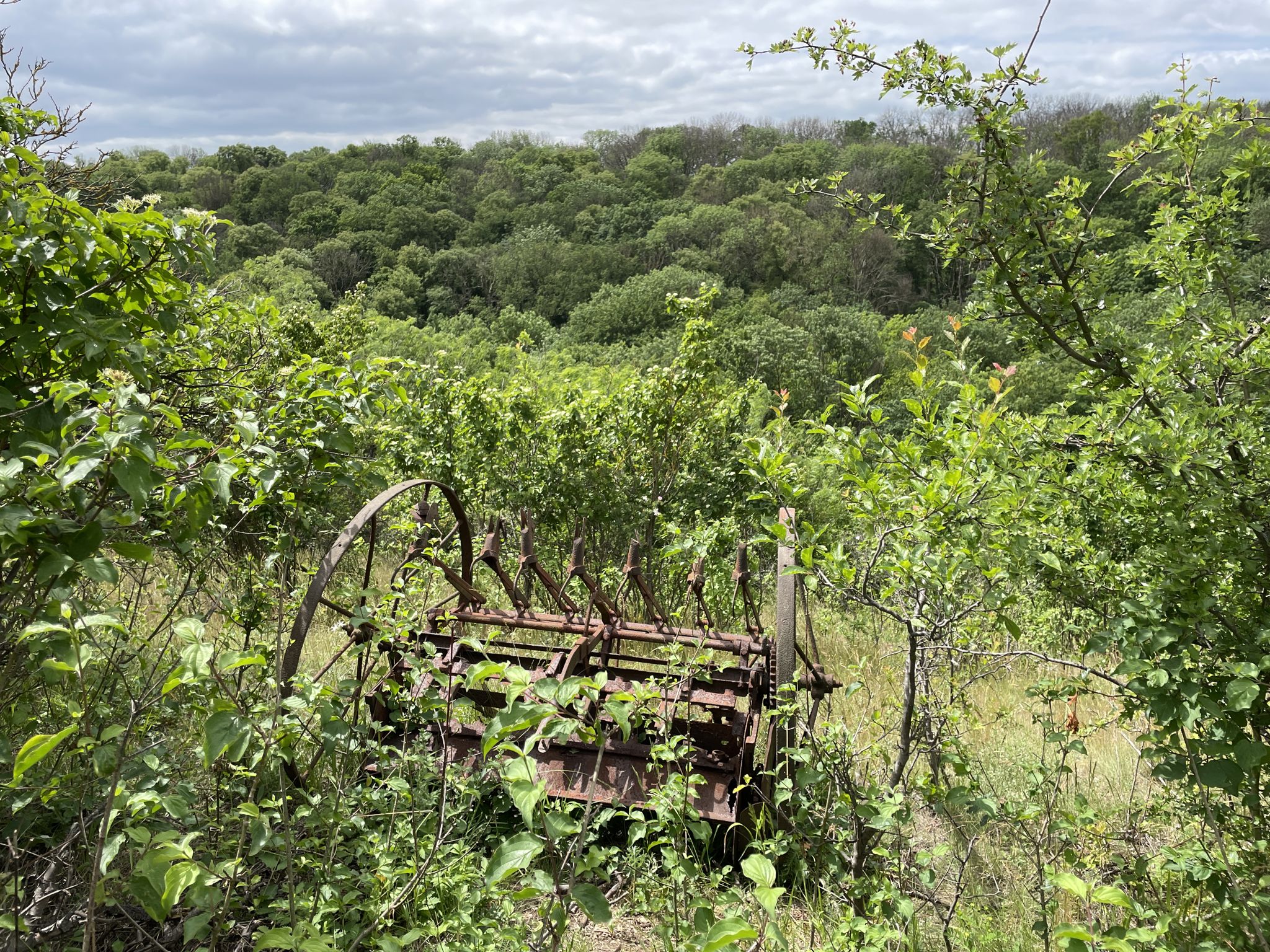
Wanderungen in der Agrarkulturlandschaft zwischen Salzmünde und Kloschwitz
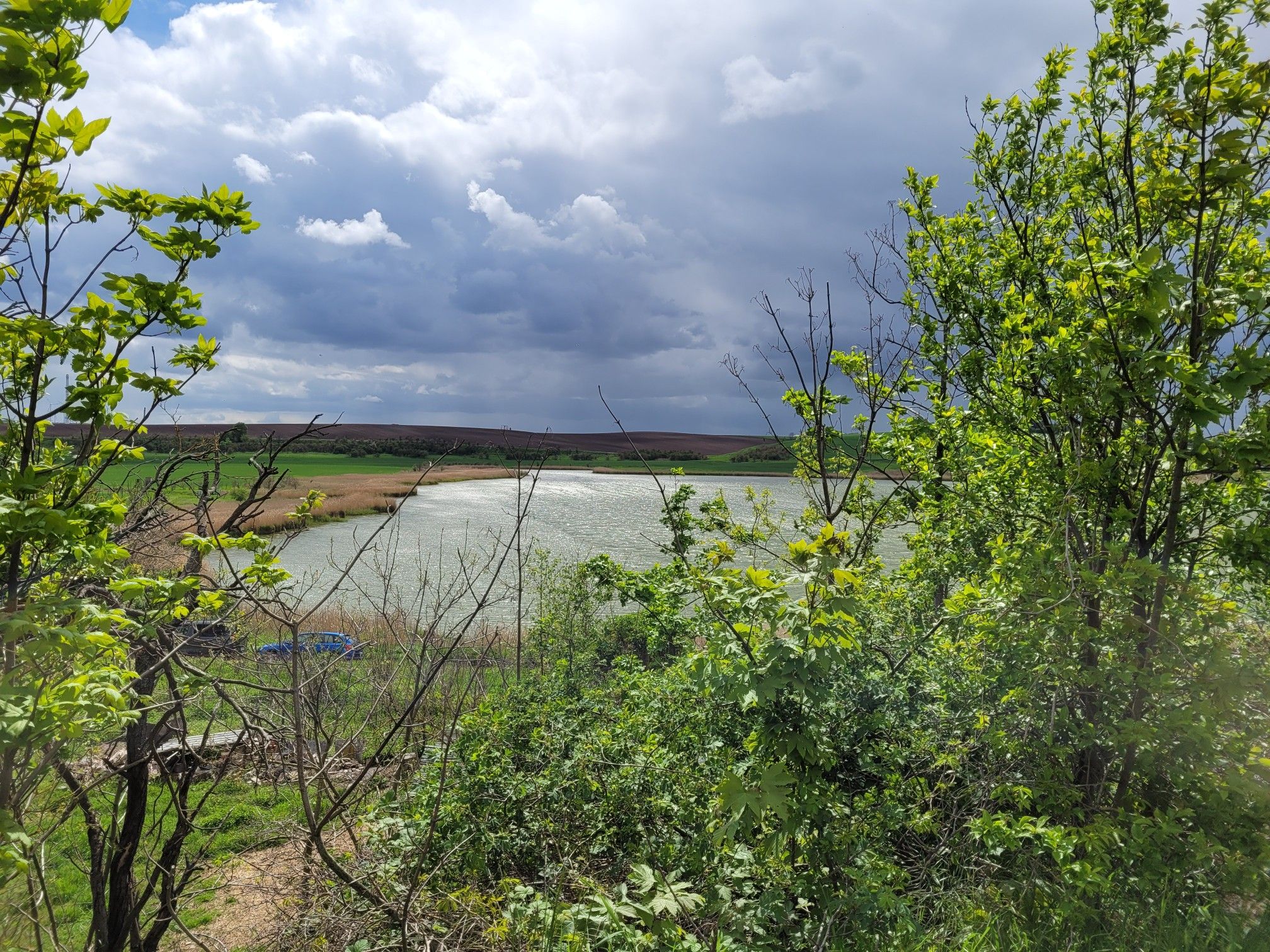
Wanderungen in den Tälern der Salza und der Laweke
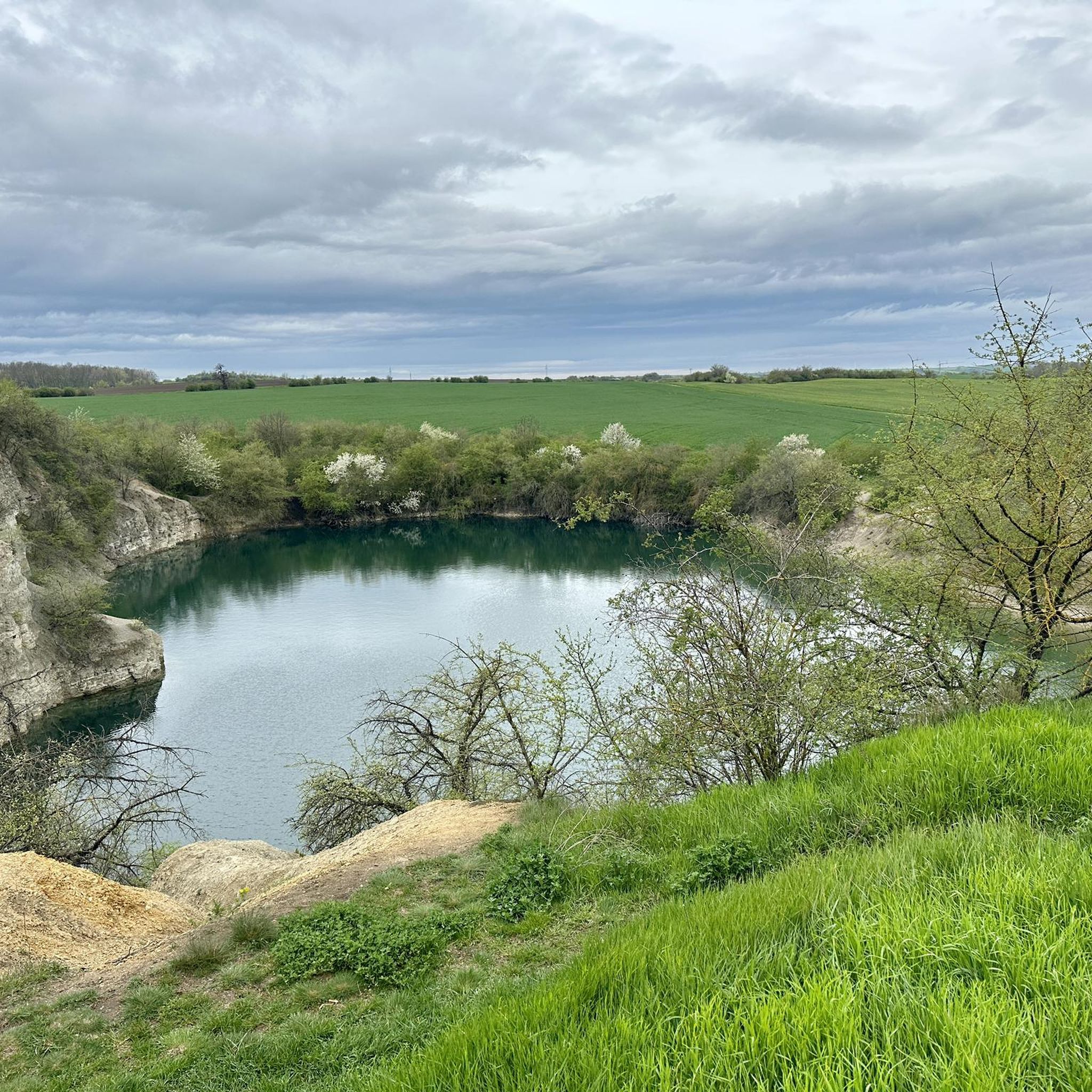
Hiking around Salzatal
Cycling around Salzatal
Road Cycling Routes around Salzatal
MTB Trails around Salzatal
Gravel biking around Salzatal
Running Trails around Salzatal
Other adventures around Salzatal

Tips from the Community

The picturesque Lake Süße See lies between vineyards and orchards. Several beaches around the lake offer swimming, and even surfing and sailing are possible.
14
0
Seeburg is dominated by the castle of the same name, visible from afar and rising majestically on a peninsula above the Süßer See (Sweet Lake). It is the western part of an ancient, very large refuge. Since the late 1990s, the castle has been divided into private ownership, changing hands several times. This has resulted in the castle remaining unrenovated, standing empty, and falling into disrepair. The Widow's Tower and the castle church, however, have been renovated and are owned by a fruit farm. They are used as a residence, for vacation apartments, as a registry office, and for concerts. The new orangery on the lake promenade represents a further step toward tourism. The architecturally sophisticated new building will allow year-round operation.
13
0

Here you can enjoy the wonderful lake feeling on wooden benches
7
0

From the extensive promenade with plenty of seating you have a fantastic view of the lake and the castle. An ice cream parlor invites you to have a calorie bomb :-).
5
0
Somewhat undefined section, this highlight. The north side of the lake: Starting from the Nordstrand car park (which can also be used as an ideal starting point for a bike tour), the road runs along the lake (north side). Further along the residential road, after 2km there is only an asphalt cycle path/footpath. It rolls along comfortably, every now and then there is access to the lake. The south side of the lake: A perfectly asphalted cycle path or residential road almost throughout. Only the last stretch towards the east bank is a cycle path of normal quality. But always beautiful views of the lake, fantastic!
0
0
Starting from the Nordstrand car park (which can also be used as an ideal starting point for a bike tour), the road runs along the lake (north side). Further along the residential road, after 2km there is only an asphalt cycle path/footpath. It rolls along comfortably, every now and then there is access to the lake.
2
0


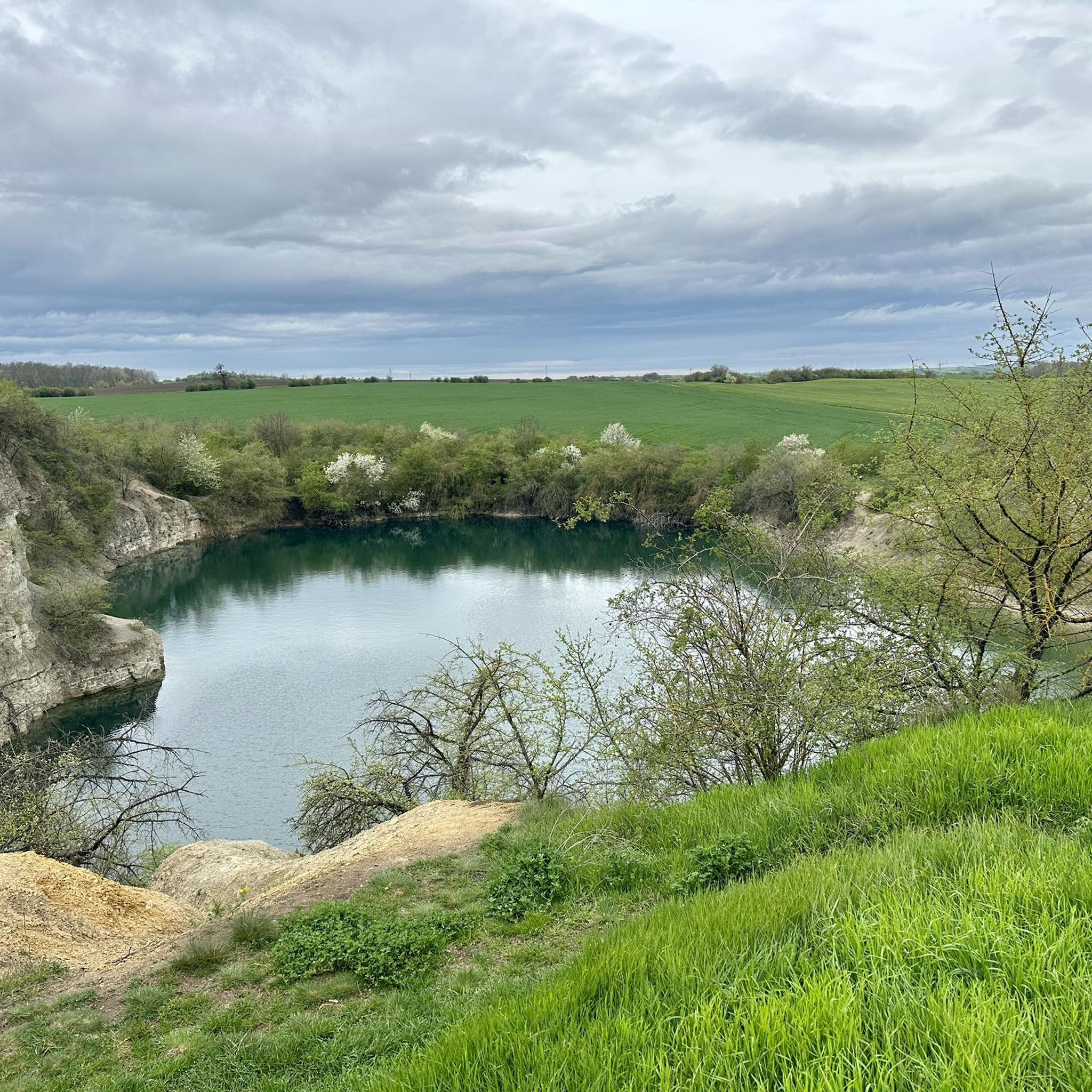
The name Heidesee is derived from the nearby forest area Dölauer Heide, on the southern edge of which the lake lies. After the coal was mined, the mine was closed in 1931. The Heidesee was created due to the rise in groundwater and the flooding of the remaining opencast mine when the mine was closed. It is approx. 800 m long, up to 300 m wide and has a water area of approx. 12.5 hectares. Source:https://de.wikipedia.org/wiki/Heidesee_(Halle)
2
0
Frequently Asked Questions
What water sports can I enjoy at the lakes around Salzatal?
The Sweet Lake (Süßer See) is excellent for various water sports, including swimming, surfing, and sailing, with multiple beach sections and a surf school. The water quality is generally good. Additionally, Raßnitzer See and Wallendorfer See are recognized bathing waters, offering opportunities for swimming.
Are there family-friendly lakes or activities in the Salzatal region?
Yes, several lakes are suitable for families. The Sweet Lake offers beaches and water sports. Heidesee has a circular path perfect for walks and a beach. Raßnitzer See and Wallendorfer See, with their network of cycling and hiking trails, are also great for family outings.
What historical or cultural sites are near the lakes?
Near the Sweet Lake, you can find the impressive Seeburg Castle on its eastern shore, featuring baroque towers and a chapel. The area also boasts vineyards, part of the Saale-Unstrut wine region, and archaeological findings add to its unique appeal.
What kind of hiking and cycling trails are available around the lakes?
The region offers diverse trails. Around Raßnitzer See and Wallendorfer See, there's a network of cycling and hiking trails totaling approximately 25 km. The Cycle path along the northern shore of Süßer See is a scenic route passing through vineyards. For more options, you can explore easy hikes around Salzatal or cycling routes around Salzatal.
Are there any lakes formed from former opencast mines in the area?
Yes, Raßnitzer See and Wallendorfer See were formed from the residual opencast mines of Merseburg Ost. These anthropogenic lakes have been transformed into recreational areas with excellent water quality and extensive trail networks. Geiseltalsee, though slightly further afield, is also Germany's largest artificial lake created from a former opencast mine.
What natural features can I expect to see around the lakes?
The lakes are set within hilly and riverine landscapes. The Sweet Lake is surrounded by vineyards. Around Heidesee, you'll find shaded pine and oak forests. Raßnitzer See and Wallendorfer See offer observation points and an observation tower for panoramic views of the lakes and the Elster-Saale-Aue.
What is the historical significance of Salziger See?
Salziger See was historically the largest lake in central Germany, known for its saline waters. It was largely drained in 1894 to protect copper shale mining operations. Today, only remnants like Bindersee and Kernersee exist, offering a glimpse into the region's past rather than being a recreational lake in its former glory.
Where can I find good viewpoints of the lakes?
An observation tower at Raßnitzer See provides panoramic views of both Raßnitzer See and Wallendorfer See. For the Sweet Lake, the View of Süßer See highlight offers a beautiful perspective, and the west bank at sunset is particularly recommended by visitors.
Are there opportunities for running around the lakes?
Absolutely. The Heidesee features a circular path that attracts many runners. The trails around Raßnitzer See and Wallendorfer See are also suitable for running. You can find more dedicated routes in the Running Trails around Salzatal guide.
What do visitors enjoy most about the lakes around Salzatal?
Visitors particularly appreciate the scenic beauty, especially the sunsets over the Sweet Lake. The diverse trails for cycling and hiking, the transformation of former mining landscapes into recreational areas like Raßnitzer See and Wallendorfer See, and the historical backdrop of Seeburg Castle are also highly valued.
Is there information available about the Süßer See from local tourism boards?
Yes, for more detailed information about the Sweet Lake, you can visit the Mansfeld-Südharz tourism website: mansfeldsuedharz-tourismus.de/suesser-see/.
Can I find information about Wallendorfer See from local tourism boards?
Yes, for more details on Wallendorfer See, you can refer to the Saale-Unstrut tourism website: saale-unstrut-tourismus.de/region/highlights/detail/wallendorfer-see/.
Most popular routes around Salzatal
Most popular attractions around Salzatal

Get inspired with the komoot mobile app


Explore more
Still not found your perfect lake around Salzatal? Check out the guides of these regions to see even more beautiful places.
